
- Empty Cart
Subtotal: $0.00

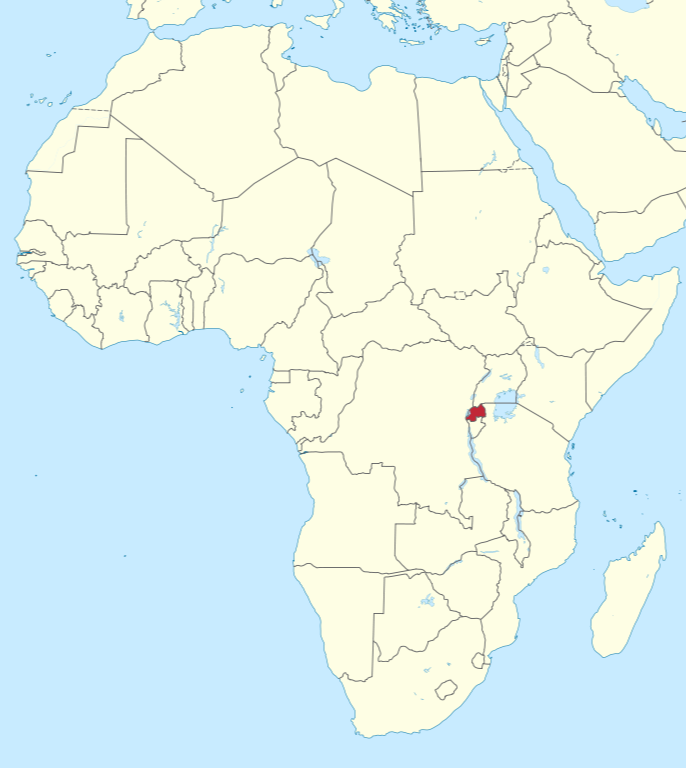 Rwanda is located in Africa. |  Berlin Conference |
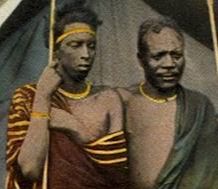 Tutsi and Hutu People | This ‘ranking’ of people in Rwanda is where the major conflict and tensions begin. At the time of European imperialism and throughout the majority of the 20th century, the Tutsi only made up about 15% of the total population in Rwanda. Therefore, despite making up about 85% of the population, the Hutu people were treated as second class citizens and lacked access to positions of power in Rwandan society. This created conflict because the minority Tutsi ruled over the majority Hutu who resented their lack of power. Therefore, the conflict created between the two ethnic groups was a major contributing factor to the Rwanda Genocide that began in the 1990s. |
In general, historians view the assassination of the Rwanda President in 1994 as the first major event and spark of the Rwandan Genocide. Juvénal Habyarimana served as President of Rwanda from 1973 until his assassination on April 6th, 1994. Habyarimana was a Hutu but in the months before his assassination his government had been negotiating an end to tensions with the Rwandan Patriotic Front (RPF). The RPF was a political party and paramilitary group dominated by Tutsi refugees who had fled Rwanda in the years before during increased tensions. Led by Paul Kagame the RPF were hated by the more extremist elements of the Hutu movement in Rwanda. As such, some Hutus in Rwanda were angry with President Habyarimana for negotiating a cease-fire with the RPF. On April 6th, 1994, the plane that Habyarimana was flying in was shot down as it landed at the airport in Kigali, the Rwandan capital. While there was some dispute about who shot down the plane, it is now generally viewed as being carried out by Hutu extremists who were angry with the president. |  Juvénal Habyarimana |
 Romeo Dallaire | Soon after the assassination of Rwandan President Habyarimana, UNAMIR sent 10 Belgian peacekeepers to protect the Rwanda Prime Minister Agathe Uwilingiyimana. The United Nations had hoped she would become the interim leader of Rwanda in hopes of bringing an end to the crisis. However, the Belgian peacekeepers soon became overwhelmed by a large crowd of Hutu supporters and were forced to surrender. As a result, Uwilingiyimana was assassinated and the Belgian soldiers were tortured and executed. Over the next two days (April 6th and 7th) Hutu extremists systematically killed many prominent figures in Rwanda including politicians and journalists. The genocide had begun. |
 Hutu Extremists |  Ntarama church where over 5,000 people were killed. |  The building in which ten Belgian UNAMIR soldiers were massacred and mutilated. |
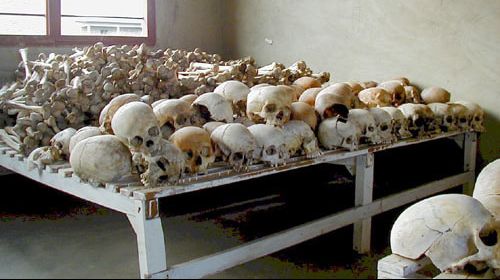 Skulls and other bones kept at Murambi Technical School as a memorial for the victims of the Rwandan Genocide. | Historians disagree to some extent on the amount of victims during the genocide but it is generally agreed that about 800,000 died and it may have been as much as 1 million. The majority of victims were Tutsis but some Hutus were also killed for being considered ‘Tutsi-sympathizers’. Another point of significance, is that the death rate during the Rwandan Genocide was very high. Evidence suggests that most of the victims died in the first 6 weeks of the approximately 100 days that it lasted for. This means that the Rwandan Genocide had a death rate as much as 5 times higher than the Holocaust. It is estimated that only 300,000 Tutsi in Rwanda survived the genocide. |
Some view the Rwandan Genocide as more than a failure of the United Nations and instead view it as a failure of the entire world. For example, when the violence first began during the genocide 10 Belgian soldiers, who were part of the UNAMIR force, were killed while trying to protect the Rwandan Prime Minister. This caused the Belgian government to withdraw the remainder of their forces from the country. In fact, a European task force arrived in Rwanda just days after the start of the genocide and helped foreigners (especially Europeans and North Americans) escape the country. They didn’t stay to assist the UNAMIR force or stop the slaughter. As such, many now view this as a failure of the world community to intervene and prevent a genocide. The head of the UNAMIR force, Romeo Dallaire, expressed this view years later and accused governments of the world of failing to act in a time of need. Another significance of the Rwandan Genocide was the role that European imperialism played in creating the divisions that continued to haunt the country decades later. As stated previously, the divisions in Rwandan society were escalated by the German and later Belgian colonizers when they gave power over the country to the minority Tutsi. The European nations did this out of a racist belief that one group was racially superior to the other. This created a lingering resentment that caused divisions in the country up to and including the Rwandan Genocide in 1994. |  Bodies of Rwandan Refugees. |
CITE THIS ARTICLEAUTHOR
|
