
The $2.4 Million Freeze: Ethan Van Sciver Pauses Crowdfunding Production

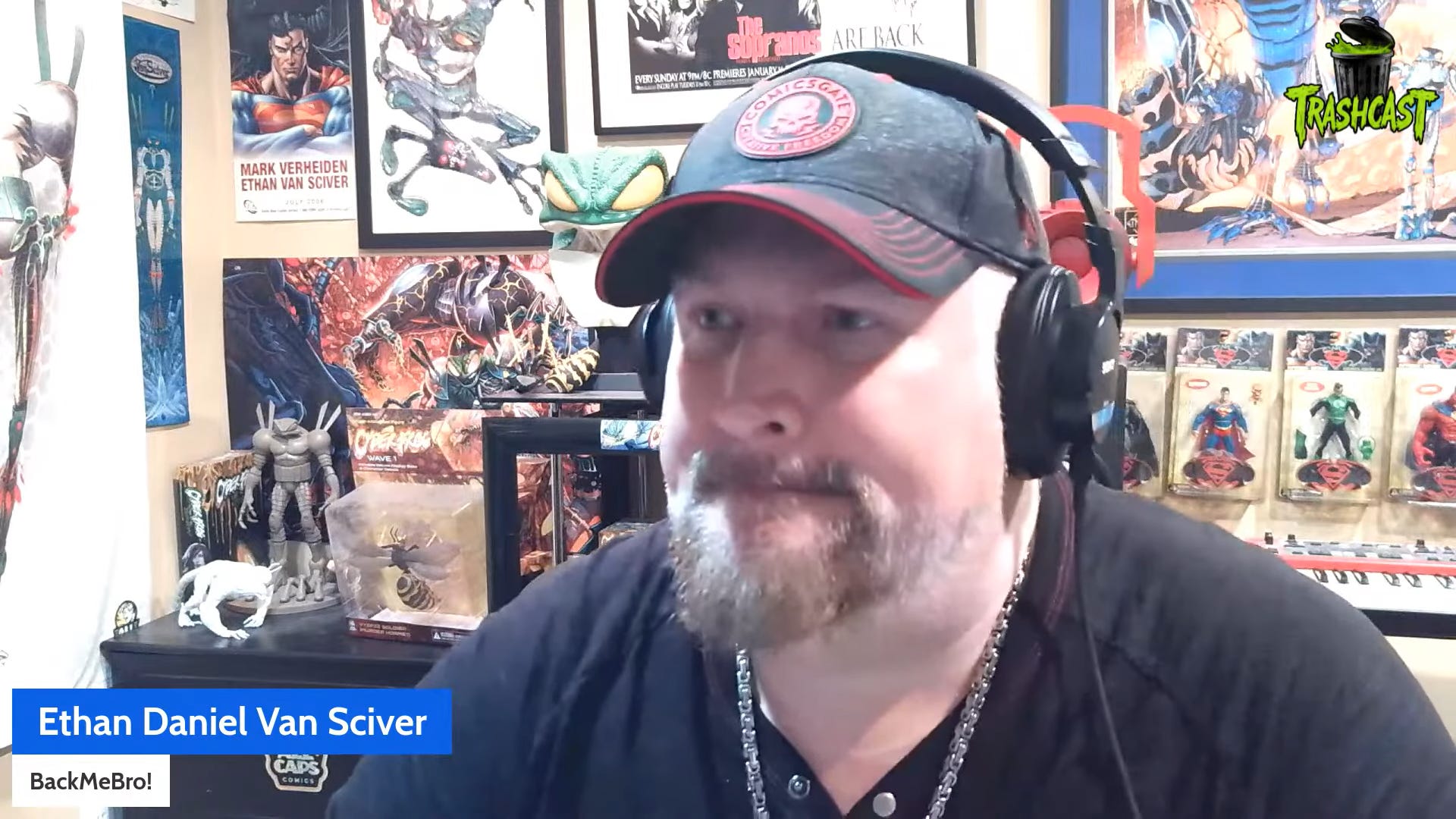
The independent comics ecosystem is facing its most significant transparency crisis to date. Former DC Comics artist and self-proclaimed leader of Comicsgate Ethan Van Sciver shocked the community by announcing an indefinite pause on the production of almost all his outstanding projects.
While Van Sciver admitted during his announcement broadcast that it was “embarrassing” to deliver the update, the reality for his backers is far harsher. This operational halt comes as Van Sciver faces mounting backlash for owing over $2.4 million in unfulfilled crowdfunding debt, spanning 11 different campaigns and six years of severe backlog.
According to the announcement, Van Sciver has ceased production on all pending projects except for a select trio: Reignbow Brute, Cyberfrog 3: Red Extermination, and various Cyberfrog prequels. Every other campaign funded by his audience has ground to a complete halt.

Years of Silence on Indiegogo: The Customer Service Ghost Town
During his brief update stream, Van Sciver claimed he felt compelled to make an “update” regarding the overdue campaigns. However, a deep dive into his active Indiegogo campaign pages reveals a massive disconnect between his public rhetoric and actual backer communication:
Abandoned Update Feeds: On the majority of the unfulfilled campaign pages, the last formal updates are years old.
Ignored Refund Requests: The comment sections are flooded with thousands of frustrated consumers demanding refunds, custom sketches, or simple transparency.
The Refusal to Pay: Van Sciver continues to refuse refunds to his financial backers while offering absolutely no expected date of delivery for the outstanding books.
For a movement built entirely on the premise of escaping corporate neglect to serve the customer directly, the total abandonment of basic customer service on Indiegogo has left the indie community feeling burned.
Monetizing Envy: Drama Streams and Print Sales As a Survival Strategy
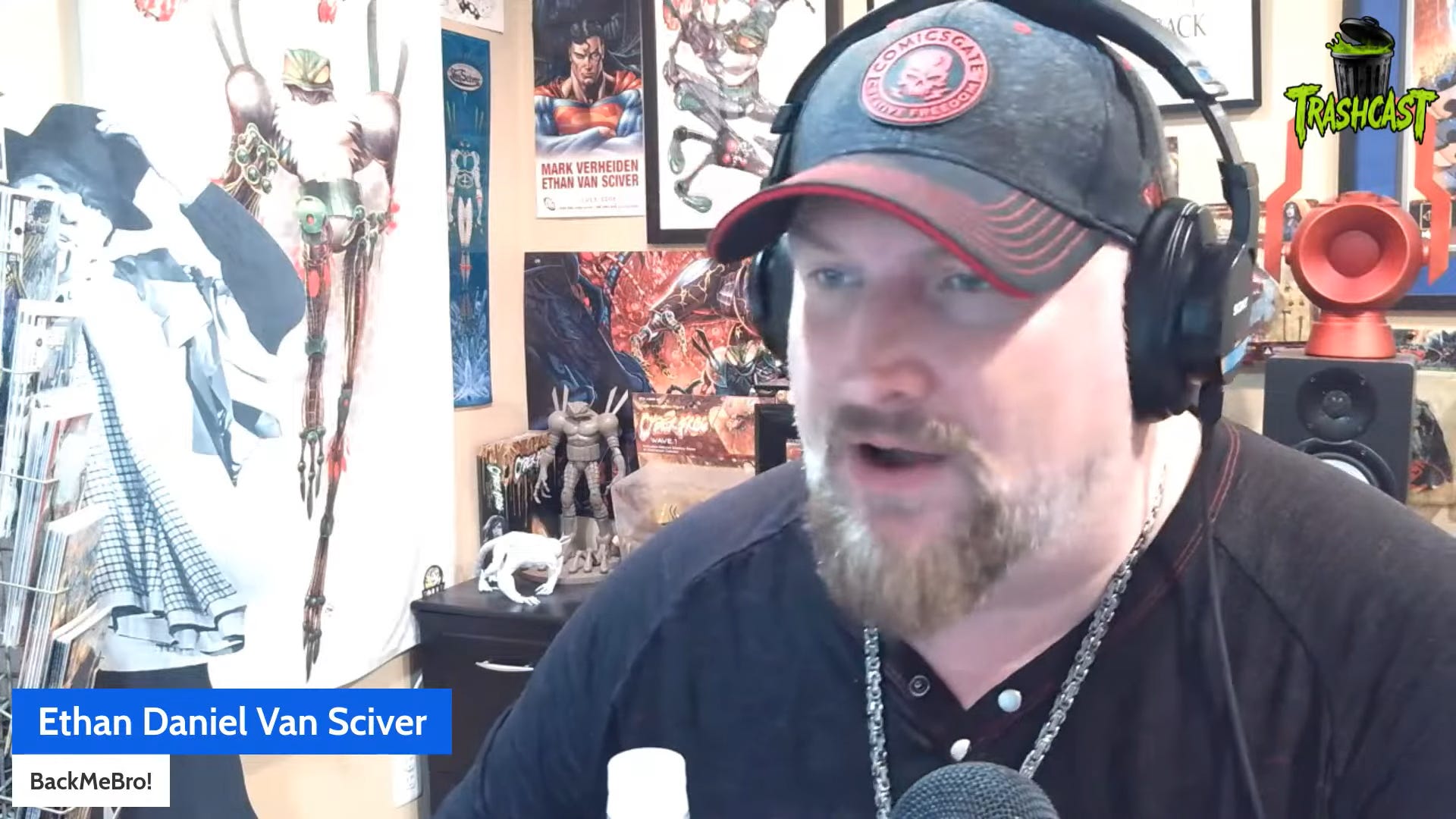
Rather than spending his hours at the drawing board to clear his six-year backlog and fulfill what he owes, Van Sciver has increasingly resorted to alternative revenue streams to keep his operation afloat. He has heavily pivoted toward a strategy of selling art prints and relying on superchats during daily YouTube broadcasts.
These live broadcasts rarely focus on fulfillment or comics. Instead, Van Sciver spends the majority of his airtime engaging in online drama and launching bitter attacks against more successful independent comics creators whom he appears deeply envious of.
Most notably, Van Sciver has dedicated substantial airtime to targeting Eric July, the founder of the highly successful Rippaverse imprint. While July’s independent campaigns have successfully shipped tens of thousands of books within months of funding, Van Sciver’s streams frequently attempt to diminish that success. For backers waiting since 2018 or 2020 for their books, watching a creator generate income by talking about other people’s success rather than drawing has become a major point of intense frustration.
The H3LL3PHANT Controversy: A “Second Chance” or Infinite Delay?
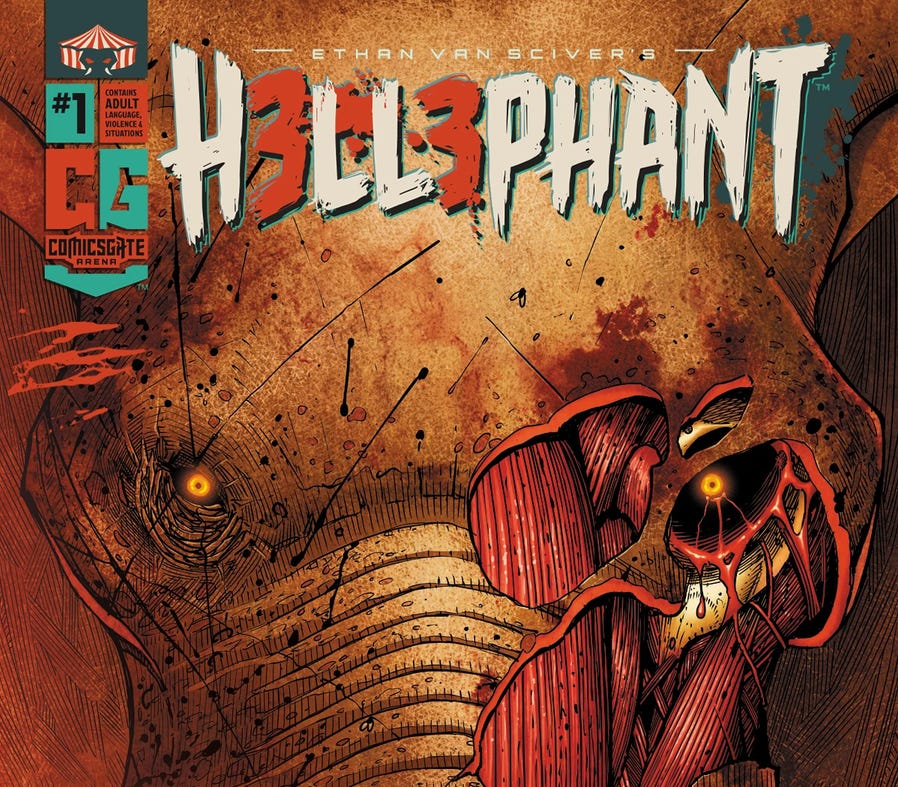
The most glaring example of this structural mismanagement involves the highly anticipated horror book H3LL3PHANT. Weeks prior to the production freeze, Van Sciver announced that he would launch a “second chance” campaign for H3LL3PHANT on Back Me Bro; a new alternative crowdfunding platform owned and run by fellow former DC Comics artist and close personal friend Shane Davis.
The move immediately raised red flags for consumer advocates. Van Sciver openly revealed that the comic was already fully completed, yet he was intentionally holding the files back from the printer. The stated strategy? Keep the completed book hostage from existing backers until he could extract additional revenue via a secondary campaign on Back Me Bro.
With H3LL3PHANT now officially named as one of the projects on the “paused production” list, the strategy has imploded. The book is now delayed indefinitely, leaving original backers who funded its completion completely in the dark.

Shane Davis and the Back Me Bro Conflict of Interest
The migration of Ethan Van Sciver‘s ecosystem away from mainstream platforms and toward Back Me Bro has exposed an undeniable conflict of interest that threatens the integrity of independent comics funding.
Shane Davis, the head of Back Me Bro, is a central collaborator in the Comicsgate since Ethan Van Sciver usurped the movement years ago. Despite his close friend owing millions of dollars in unfulfilled merchandise to thousands of readers, Davis has done nothing to address the ethical breach. Instead, Davis’s public statements make it clear that he fully intends to host Van Sciver’s future crowdfunding iterations without requiring him to at least attempt to clear his historic backer debts.
To the public, the platform’s utility seems obvious: Back Me Bro appears to have been engineered specifically to provide a safe haven for creators like Ethan Van Sciver that have no regard for the backers that fund them. By operating outside the terms of service and consumer safety nets established by mainstream platforms, the site gives unaccountable creators an avenue to continuously collect money from a dedicated fanbase without any legal or platform-enforced obligation to fulfill products in a timely manner—or at all.
While other creators in the independent comics scene continue to ship books within a reasonable window after funding, Van Sciver’s strategy of streaming on YouTube, stirring drama, and moving to unmonitored platforms like Back Me Bro marks a dangerous precedent for the crowdfunding model.
The Fractured Legacy of Comicsgate
The unfolding crisis surrounding Ethan Van Sciver’s stalled campaigns marks the latest in a consistent string of downturns in Comicsgate since Ethan Van Sciver took control. What began as a loud declaration of creative independence and consumer advocacy has systematically inverted into the very corporate negligence it claimed to fight. Only this time, without any corporate safety nets or legal guardrails to protect the buyer.
By replacing pen and paper with YouTube drama streams, and substituting product fulfillment with the continuous monetization of online envy, Van Sciver has cultivated a community in which there is no creator accountability and no respect for the backers time and money. For the thousands of backers still left holding empty promises, the message is clear: the era of blind faith in alternative publishing is officially over, and accountability can no longer be delayed indefinitely.


