22 pages, 9398 KB  
Article
Rarefied Intake Flow in an Atmospheric-Breathing VLEO Hall Thruster
by Miah Md Ashraful Alam, Md. Mamun, Takayuki Kuri, Md. Kawsarul Islam and Md. Mesbah Uddin Saadi
Aerospace 2026, 13(7), 589; https://doi.org/10.3390/aerospace13070589 (registering DOI) - 30 Jun 2026
Abstract
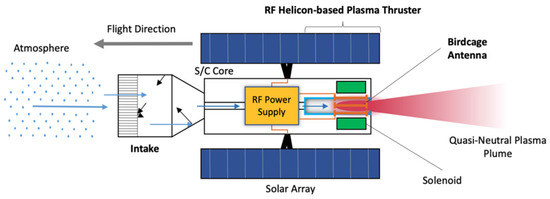
Atmosphere-breathing Hall thrusters (ABHTs) have emerged as a promising propulsion technology for very low Earth orbit (VLEO) satellites because they can utilize residual atmospheric particles as propellant, reducing the need for onboard propellant storage. In this paper, the feasibility of an ABHT system [...] Read more.
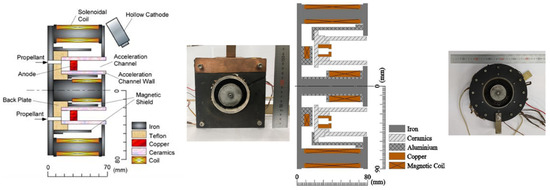
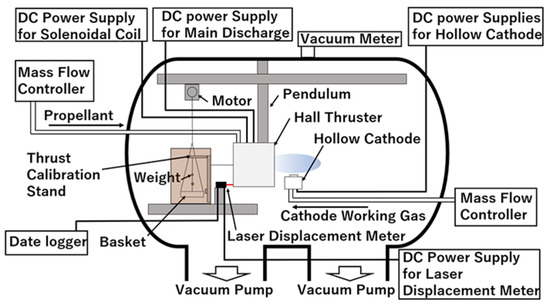
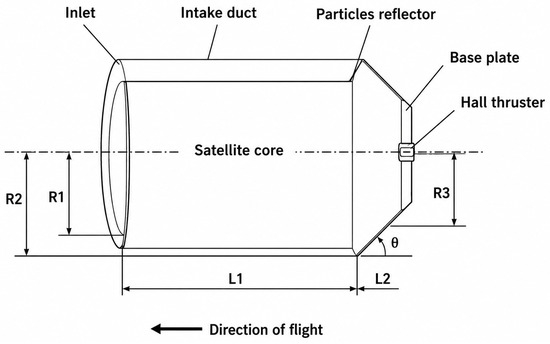
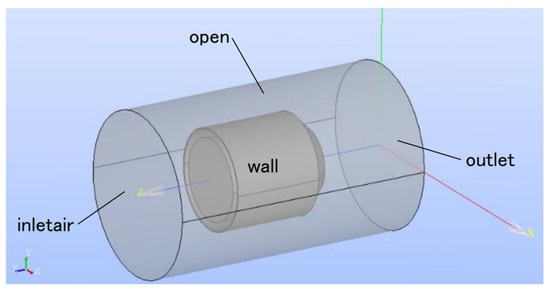
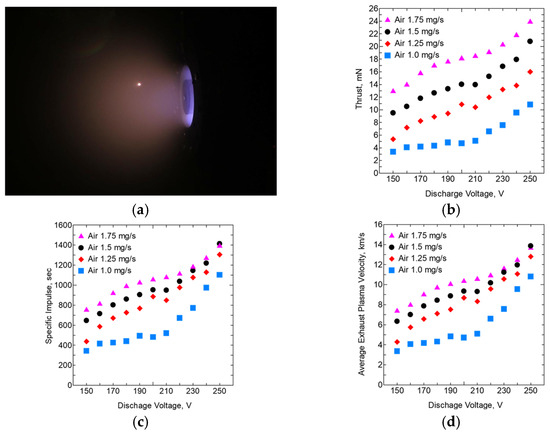
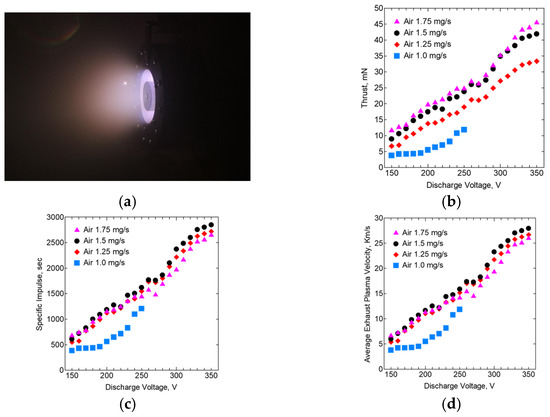
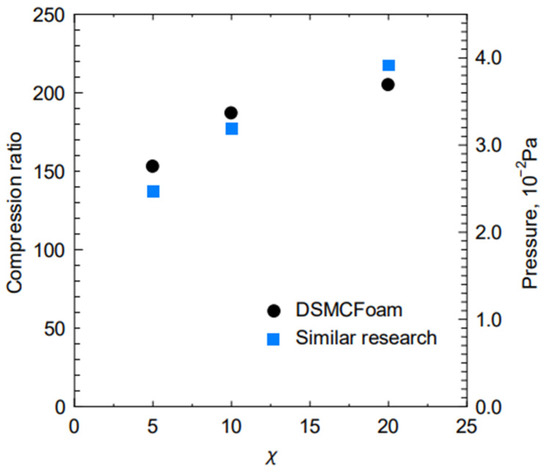
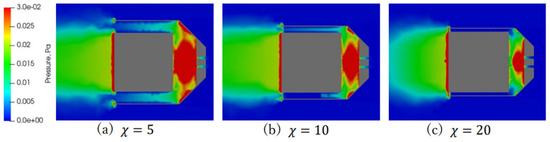
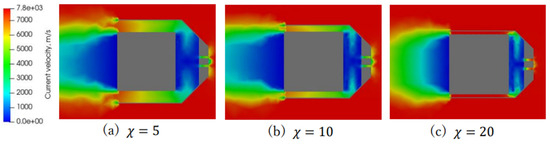
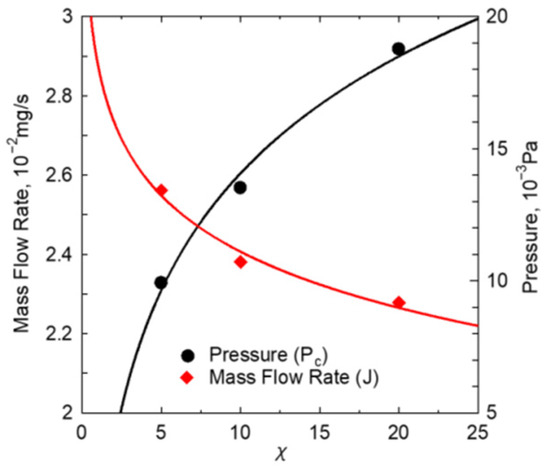
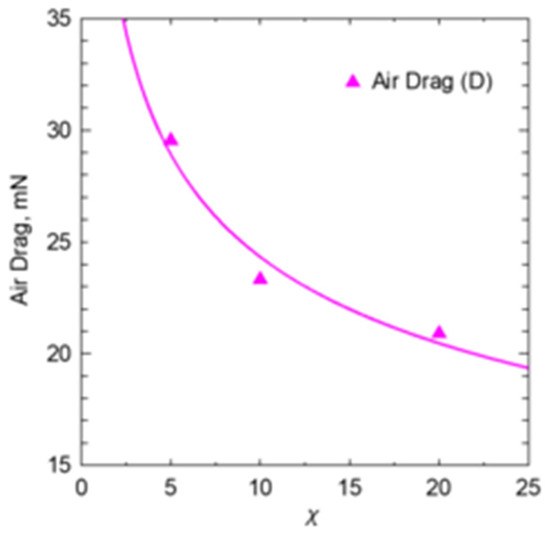
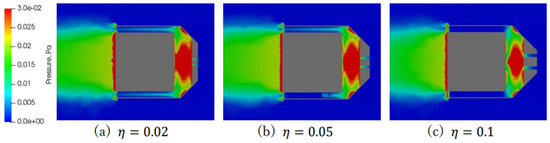
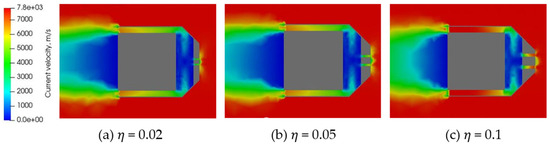
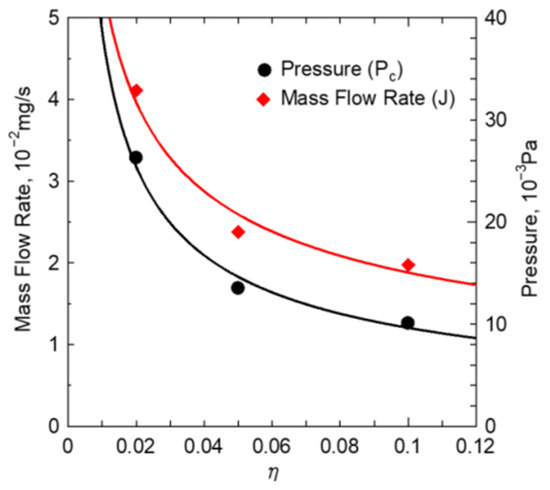
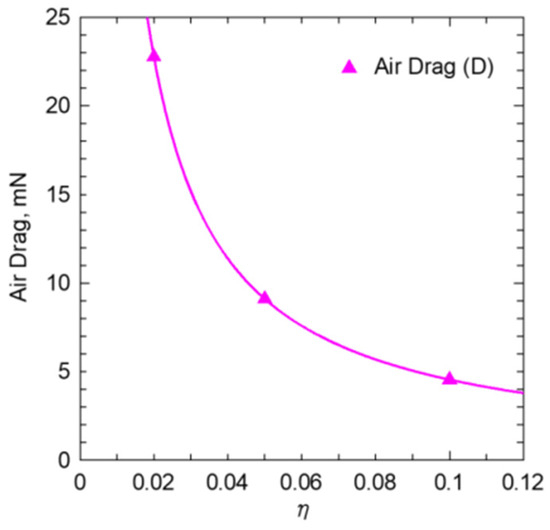
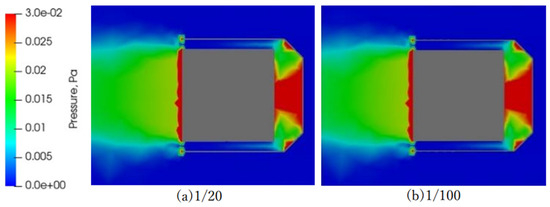
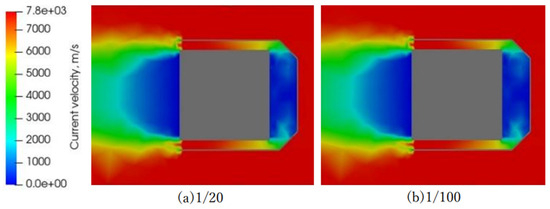
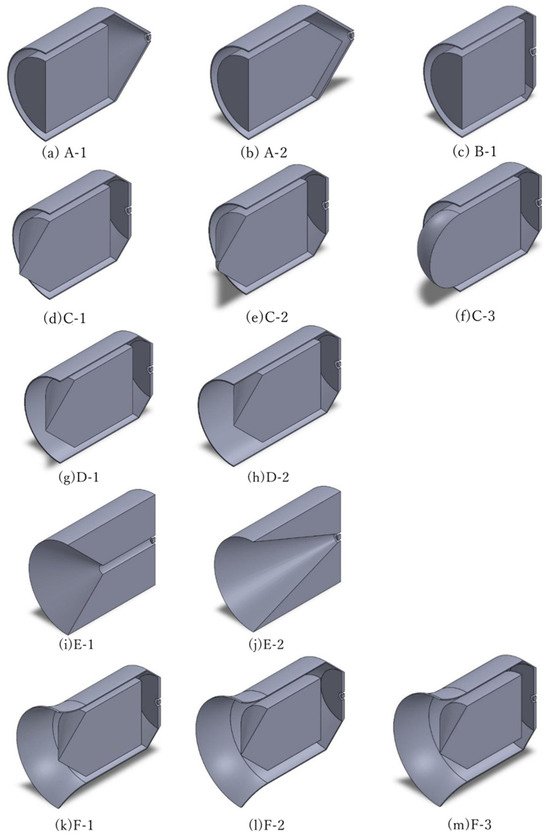
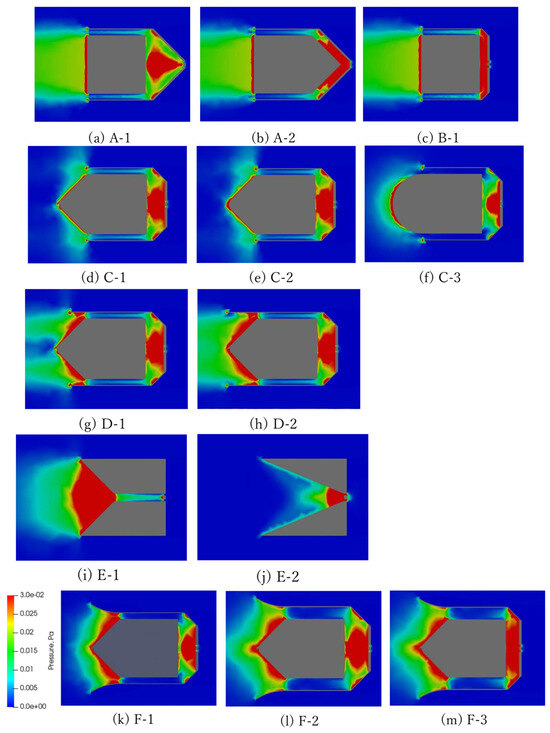
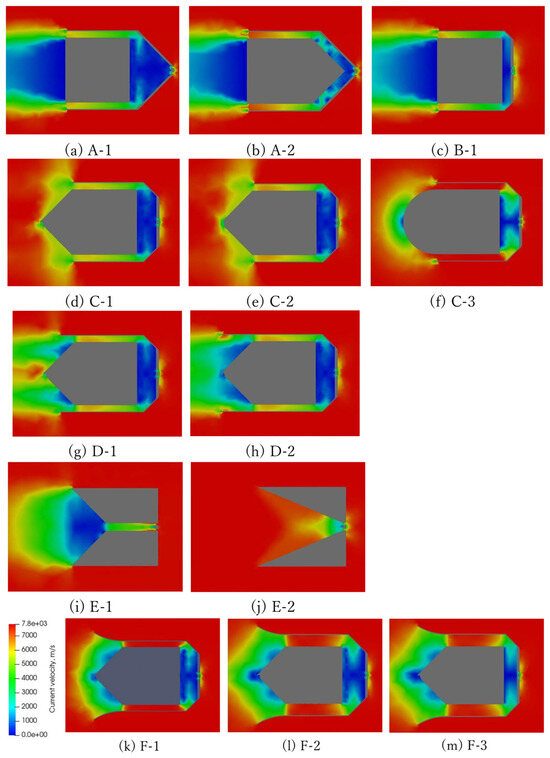
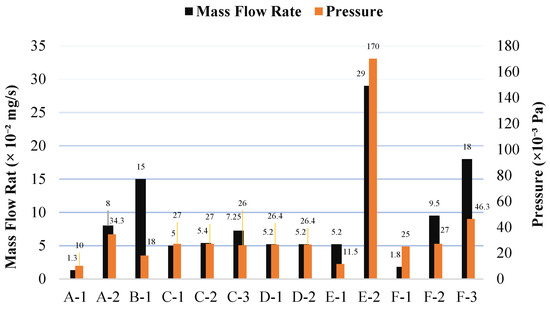
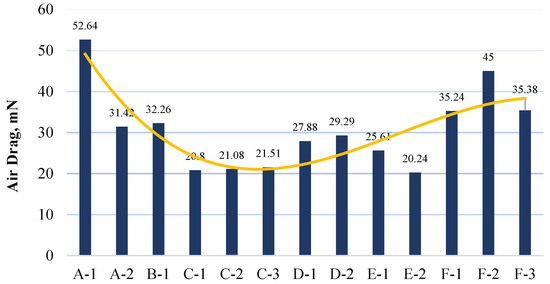
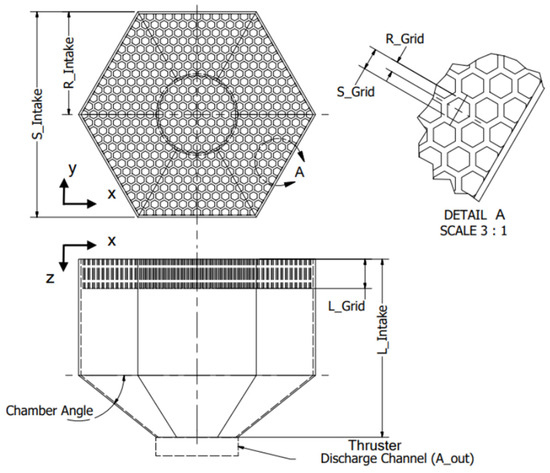
Atmosphere-breathing Hall thrusters (ABHTs) have emerged as a promising propulsion technology for very low Earth orbit (VLEO) satellites because they can utilize residual atmospheric particles as propellant, reducing the need for onboard propellant storage. In this paper, the feasibility of an ABHT system was investigated through a combined experimental and numerical approach. Experimental tests using the THT-VI Hall thruster demonstrated stable operation with air propellant and achieved specific impulses up to 2847 s under high-voltage conditions, indicating the potential for atmospheric drag compensation. To evaluate the intake performance, Direct Simulation Monte Carlo (DSMC) simulations were conducted at an altitude of 180 km to examine the effects of intake geometry, including the duct aspect ratio and intake-to-thruster area ratio. The results showed that the intake system can generate discharge chamber pressures of approximately 10−3–10−1 Pa, which is sufficient for Hall thruster operation, but the maximum collected mass flow rate (0.298 mg/s) remained below the required 1.5 mg/s. Several modified intake configurations improved particle transport and reduced aerodynamic drag with the best design increasing mass flow rate by approximately 7.5 times compared with the baseline configuration. These findings indicate that the primary limitation of ABHT systems is the intake mass transport capability rather than the thruster performance itself. A further optimization of intake geometry and spacecraft integration is required to enable sustained VLEO operation. Full article
(This article belongs to the Section Astronautics & Space Science)
Show Figures

Figure 1
34 pages, 4475 KB  
Review
Encephalitic Alphaviruses: Epidemiology, Pathogenesis and Vaccine Development
by Nouha Kisra, Zoe de Zeeuw, George Eustace, Rose Gladman, Yong Ji, Sthefany Pagliari and Young Chan Kim
Vaccines 2026, 14(7), 580; https://doi.org/10.3390/vaccines14070580 (registering DOI) - 30 Jun 2026
Abstract
Eastern, Venezuelan, and Western equine encephalitis viruses (EEEV, VEEV, and WEEV) are encephalitic alphaviruses transmitted by mosquitoes throughout the Americas. Infection by these viruses can present in humans as a febrile illness; however, it may progress into potentially life-threatening encephalitis. Currently, no publicly [...] Read more.
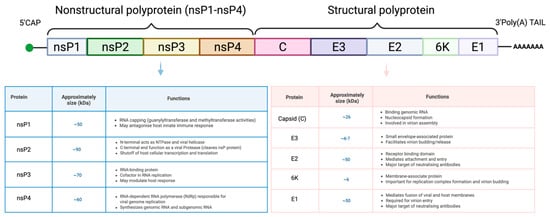
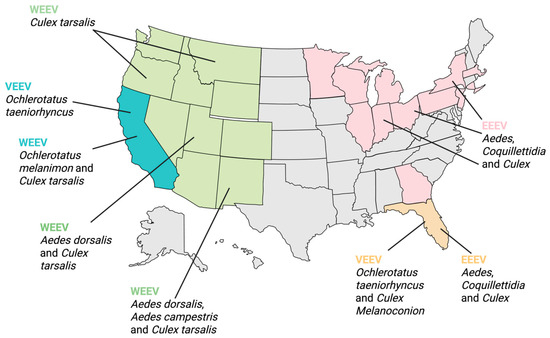
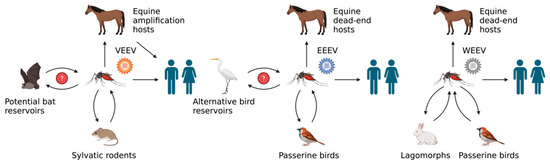
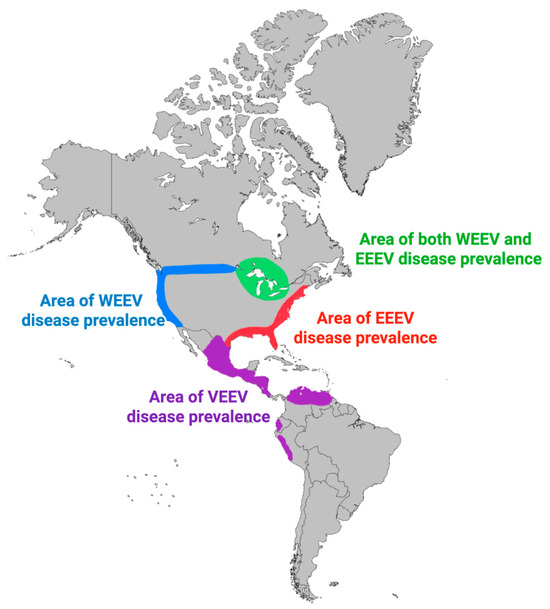
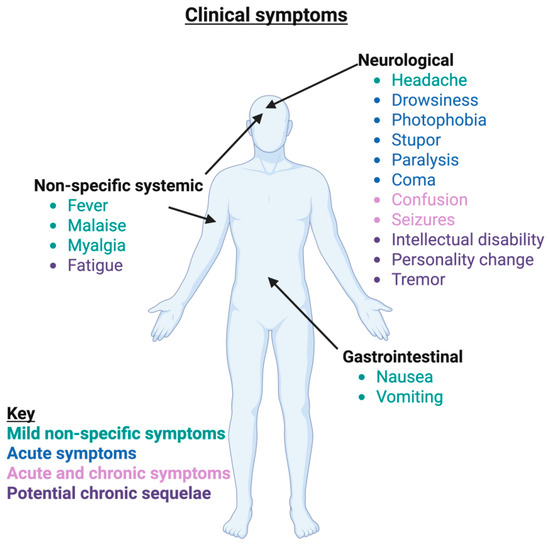
Eastern, Venezuelan, and Western equine encephalitis viruses (EEEV, VEEV, and WEEV) are encephalitic alphaviruses transmitted by mosquitoes throughout the Americas. Infection by these viruses can present in humans as a febrile illness; however, it may progress into potentially life-threatening encephalitis. Currently, no publicly licensed vaccines are available, and at-risk individuals are restricted to superseded vaccines. Here, we will review recent advances in our understanding of how these viruses spread among animal populations and cause disease, and how we can manage their diagnosis and treatment. Additionally, we have summarised the recent developments in vaccines against these viruses in both pre-clinical and clinical stages. Overall, global climate change and ecological disruption drive a need for public access to safe and effective vaccines against EEEV, VEEV, and WEEV, which novel platforms, such as mRNA and viral vectors, may be able to achieve. Full article
(This article belongs to the Section Vaccines Against Tropical and Other Infectious Diseases)
Show Figures

Figure 1
21 pages, 11825 KB  
Article
Functional Connectome Predicts Cognition and Links White Matter Hyperintensity Burden to Cognitive Impairment Across the Vascular Cognitive Impairment Continuum
by Haoying He, Yifan Fang, Jiu Jiang, Dongwei Lu, Linna Ji, Bihan Liu, Yuxiang Jiang, Jing Cao, Bin Mei and Junjian Zhang
Brain Sci. 2026, 16(7), 695; https://doi.org/10.3390/brainsci16070695 (registering DOI) - 30 Jun 2026
Abstract
Background: White matter hyperintensity (WMH) is a hallmark of cerebral small vessel disease and an important contributor to vascular cognitive impairment (VCI), yet lesion burden incompletely explains interindividual variability in cognitive outcomes across the VCI continuum. Functional connectome signatures relevant to this [...] Read more.
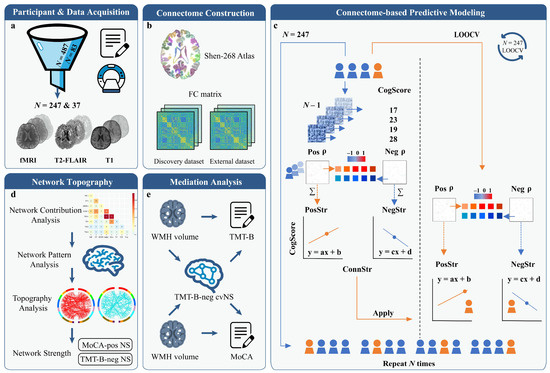
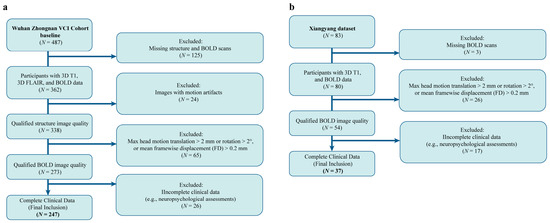
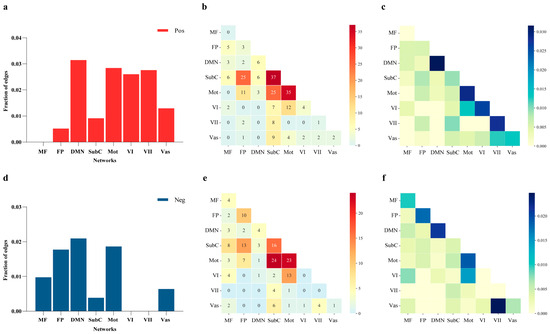
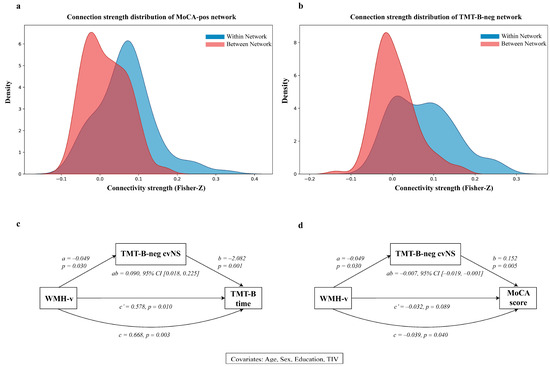
Background: White matter hyperintensity (WMH) is a hallmark of cerebral small vessel disease and an important contributor to vascular cognitive impairment (VCI), yet lesion burden incompletely explains interindividual variability in cognitive outcomes across the VCI continuum. Functional connectome signatures relevant to this variability remain incompletely characterized. Methods: We analyzed multicenter resting-state functional MRI data from 247 participants spanning vascular risk factors with normal cognition, vascular mild cognitive impairment, and vascular dementia. Exploratory external testing was performed in an independent dataset of 37 participants. Connectome-based predictive modeling (CPM) with permutation testing was used. To reduce circularity, we computed cross-validated network strength (cvNS) using predictive masks defined within training folds only. Results: We identified cross-validated functional connectivity patterns associated with MoCA (positive model, p_perm = 0.034) and TMT-B performance (negative model, p_perm = 0.001). These patterns were most prominently represented in Frontoparietal, Motor, and Subcortical–Cerebellar regions. The TMT-B negative network showed a substantial contribution from weak between-network connections (64.4% of predictive edges). In the external dataset, network strength computed from discovery consensus masks remained associated with MoCA. Greater WMH volume was associated with worse TMT-B performance, and mediation analyses indicated that cvNS computed from the TMT-B connectivity pattern statistically linked WMH volume to both TMT-B (indirect = 0.090, 95% CI [0.018, 0.225], p = 0.023) and MoCA performance (indirect = −0.007, 95% CI [−0.019, −0.001], p = 0.031). Conclusions: CPM-derived functional connectivity patterns capture meaningful continuous variability in cognition across the VCI continuum and provide statistical support consistent with WMH-related functional disconnection as a network-level correlate of cognitive impairment. Full article
Show Figures

Figure 1
27 pages, 3180 KB  
Review
Targeting Sleep to Improve Outcomes in Psychosis: Digital and Non-Pharmacological Interventions
by Valentina Baldini, Martina Gnazzo, Giorgia Varallo, Diana De Ronchi, Lorenzo Pelizza, Marco Menchetti and Giuseppe Plazzi
Medicina 2026, 62(7), 1269; https://doi.org/10.3390/medicina62071269 (registering DOI) - 30 Jun 2026
Abstract
Sleep disturbances are among the most prevalent and clinically significant features observed across the psychosis spectrum, ranging from clinical high-risk (CHR) mental states to first-episode psychosis (FEP) and chronic schizophrenia. Far from being merely secondary phenomena, sleep difficulties—including insomnia, circadian rhythm disruption, altered [...] Read more.
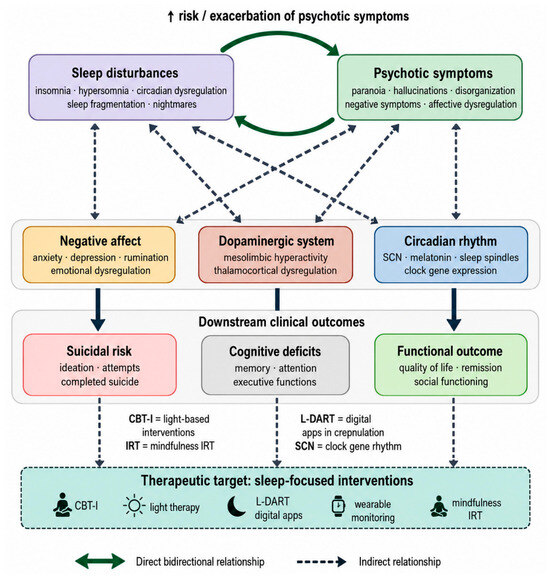
Sleep disturbances are among the most prevalent and clinically significant features observed across the psychosis spectrum, ranging from clinical high-risk (CHR) mental states to first-episode psychosis (FEP) and chronic schizophrenia. Far from being merely secondary phenomena, sleep difficulties—including insomnia, circadian rhythm disruption, altered sleep architecture, hypersomnia, and nightmare disorder—are increasingly acknowledged as transdiagnostic risk factors that may contribute to symptom severity, cognitive impairment, functional decline, and heightened suicidal risk. This narrative review consolidates current evidence on the epidemiology and neurobiological foundations of sleep disturbances in the psychosis spectrum and critically evaluates available non-pharmacological and digital interventions aimed at targeting sleep as a modifiable clinical outcome. We posit that sleep represents a critical, potentially modifiable intervention target within psychosis and that integrating sleep-focused care into standard clinical pathways may substantially enhance clinical, functional, and safety outcomes throughout the illness spectrum, pending replication in adequately powered randomized controlled trials. Full article
(This article belongs to the Special Issue Psychosis Mechanisms and Interventions)
Show Figures

Figure 1
23 pages, 1110 KB  
Review
Immunothrombotic Cell–Cell Communication Networks in Coronary Atherosclerosis: Critical Insights from Single-Cell and Spatial Systems Biology
by Beata Krasińska, Antoni Staniewski, Oliwia Kalus, Joanna Maćkowiak, Zofia Szymańska, Zofia Gramala, Katarzyna Zalewska, Michał Karpiński, Paulina Mertowska, Łucja Rolek, Kinga Koziarska, Krzysztof J. Filipiak, Mansur Rahmana, Mariusz Kowalewski, Calogera Pisano, Giuseppe Maria Raffa, Zbigniew Krasiński, Piotr Suwalski, Vincenzo Nuzzi, Ewelina Grywalska and Tomasz Urbanowiczadd Show full author list remove Hide full author list
Int. J. Mol. Sci. 2026, 27(13), 5900; https://doi.org/10.3390/ijms27135900 (registering DOI) - 30 Jun 2026
Abstract
Coronary artery disease (CAD) is increasingly recognized as a thromboinflammatory disorder in which innate immune activation and coagulation are tightly coupled within the plaque microenvironment. Emerging single-cell and spatial technologies have refined this paradigm by demonstrating that these processes are not diffusely distributed [...] Read more.
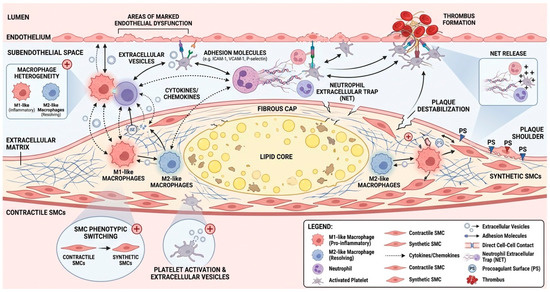
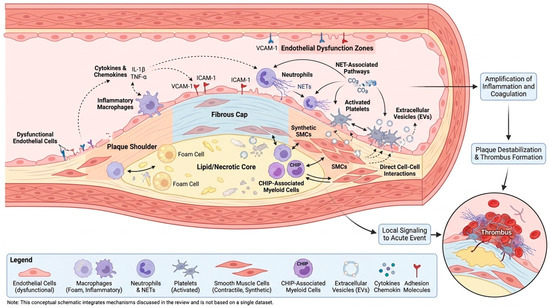
Coronary artery disease (CAD) is increasingly recognized as a thromboinflammatory disorder in which innate immune activation and coagulation are tightly coupled within the plaque microenvironment. Emerging single-cell and spatial technologies have refined this paradigm by demonstrating that these processes are not diffusely distributed but instead concentrated within discrete cellular niches. This narrative review critically evaluates mechanistic and translational studies integrating single-cell RNA sequencing, spatial transcriptomics, and ligand–receptor modeling to characterize cell–cell communication networks driving immunothrombosis in CAD. Converging evidence from single-cell and spatial studies indicates substantial heterogeneity among macrophages, neutrophils, and smooth muscle cells, with functionally distinct subpopulations contributing differentially to inflammation, matrix remodeling, and thrombogenicity. Spatial analyses further demonstrate that procoagulant and inflammatory programs converge in anatomically defined high-risk regions, particularly at the plaque shoulder and sites of endothelial dysfunction. However, whether these transcriptional states represent causal drivers or epiphenomena remains unresolved. Many insights are derived from murine models or dissociated tissues, raising concerns regarding translational relevance and loss of spatial context. Additionally, computational inference of intercellular communication remains indirect and requires functional validation. In conclusion, immunothrombosis in CAD should be interpreted as an emergent property of spatially organized cellular networks rather than a uniform inflammatory state. While these approaches identify candidate therapeutic nodes, their clinical translation and the central challenge is to distinguish causal regulatory nodes from transcriptional correlates generated by high-dimensional profiling. Full article
(This article belongs to the Special Issue Molecular Pathophysiology and Treatment of Coronary Artery Disease)
Show Figures

Figure 1
25 pages, 3004 KB  
Article
Strain-Specific Fungal–Bacterial Co-Inoculation Regulates Rhizosphere Microecology and Plant–Soil–Microbiome Responses in Conifer Seedlings
by Qian Song, Xiaoshuang Song, Xun Deng and Jian Liang
Microorganisms 2026, 14(7), 1436; https://doi.org/10.3390/microorganisms14071436 (registering DOI) - 30 Jun 2026
Abstract
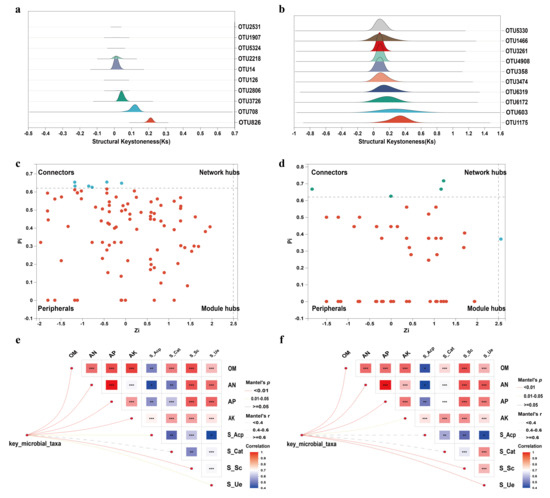
Beneficial fungal–bacterial interactions are important drivers of rhizosphere microecology and plant–soil functional coupling in conifer seedling systems, but their strain-combination-specific effects remain insufficiently understood. In this study, Pinus sylvestris var. mongolica seedlings were inoculated with three plant growth-promoting rhizobacteria (PGPR) strains, Serratia plymuthica [...] Read more.
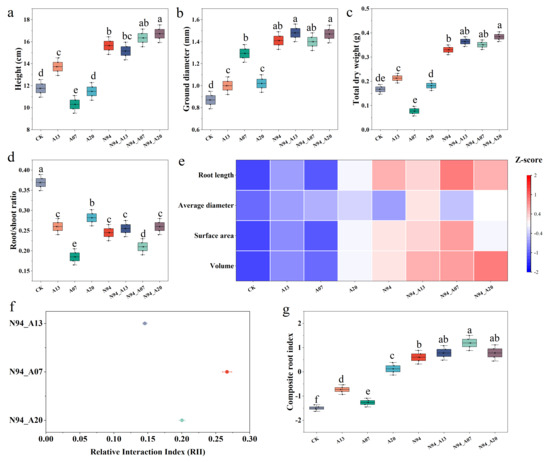
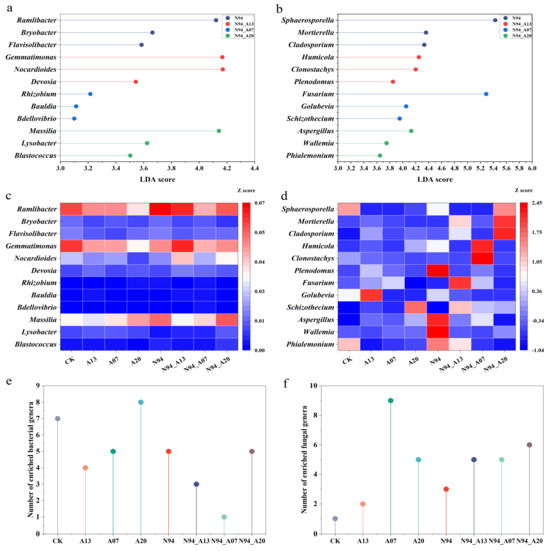
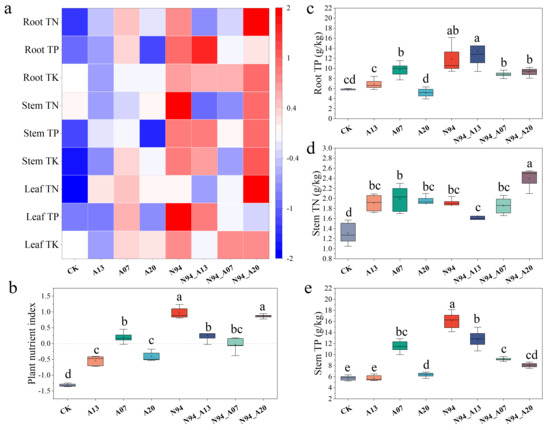
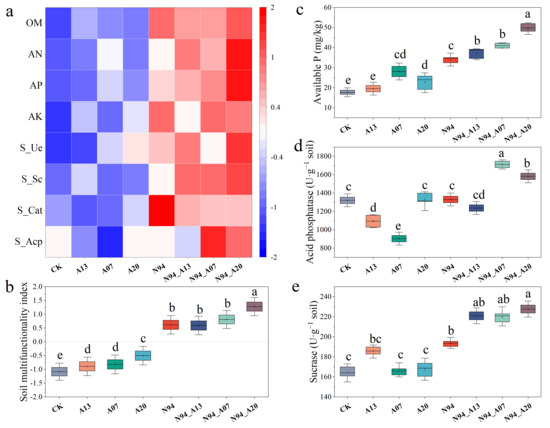
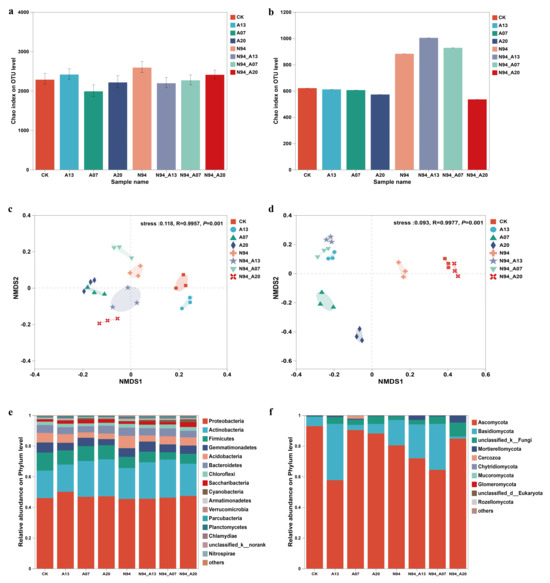
Beneficial fungal–bacterial interactions are important drivers of rhizosphere microecology and plant–soil functional coupling in conifer seedling systems, but their strain-combination-specific effects remain insufficiently understood. In this study, Pinus sylvestris var. mongolica seedlings were inoculated with three plant growth-promoting rhizobacteria (PGPR) strains, Serratia plymuthica A13, Acinetobacter lwoffii A07, and Pseudomonas koreensis A20, the ectomycorrhizal fungal strain Suillus luteus N94, and their corresponding co-inoculation combinations. Seedling growth, root architecture, plant nutrients, soil nutrients, soil enzyme activities, bacterial and fungal communities, differential taxa, network key taxa, and plant–soil functional indices were analyzed. Different inoculation treatments produced treatment- and trait-specific responses, with several N94–PGPR combinations showing advantages in particular growth, root, and soil functional traits, while some single-inoculation treatments also showed distinct positive effects. N94_A20 showed the greatest increases in seedling height, total dry weight, soil available phosphorus, and soil multifunctionality, whereas N94_A07 showed the strongest root architecture response and relative interaction index. Co-inoculation also reshaped rhizosphere bacterial and fungal communities and generated treatment-specific microbial enrichment patterns. Massilia, Ramlibacter, Holtermanniella, and Naganishia were positively associated with plant–soil functional indices. These results indicate that PGPR–N94 co-inoculation promotes conifer seedling growth through coordinated changes in root architecture, nutrient acquisition, soil biochemical function, and rhizosphere microbial community assembly. Full article
(This article belongs to the Section Plant Microbe Interactions)
Show Figures

Figure 1
21 pages, 10359 KB  
Article
Explainable AI in Rotorcraft Aerodynamics: Autonomous Discovery and Dynamic Tracking of Vortex Ring State Mechanisms via Vision Transformers
by Xiang Zhou, Jiawei Sun, Jiannan Zhao and Feng Shuang
Aerospace 2026, 13(7), 590; https://doi.org/10.3390/aerospace13070590 (registering DOI) - 30 Jun 2026
Abstract
The Vortex Ring State (VRS) is a critical aerodynamic hazard for rotorcraft, characterized by highly unsteady fluid–structure interactions and severe low-frequency vibrations. While data-driven deep learning models have shown promise in aviation state monitoring, their inherent “black-box” nature fundamentally contradicts the stringent interpretability [...] Read more.
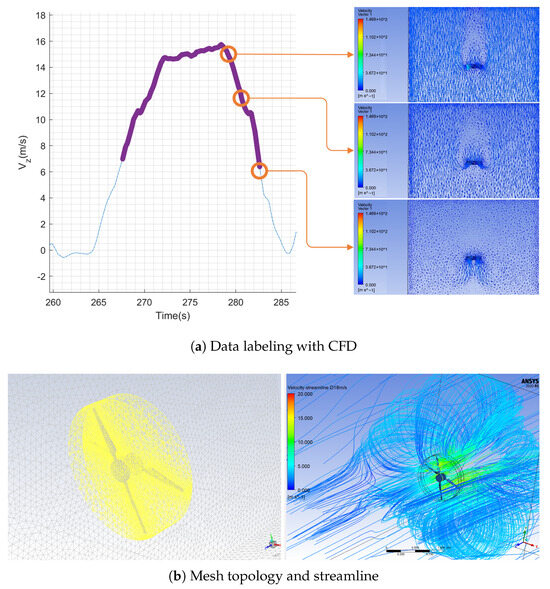
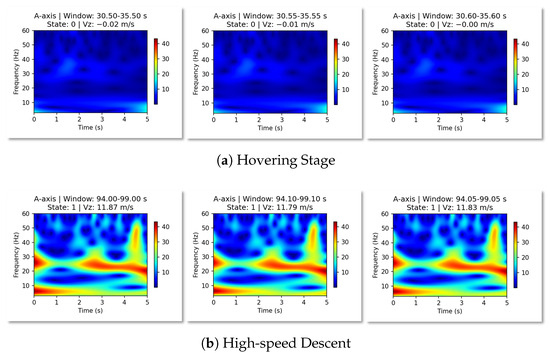
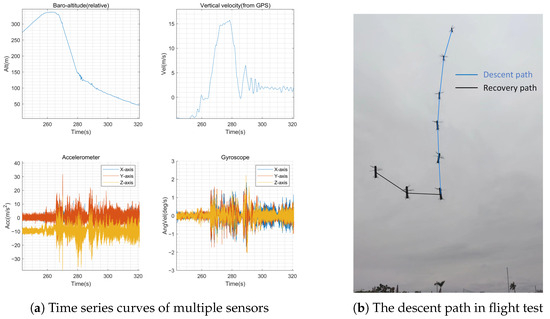
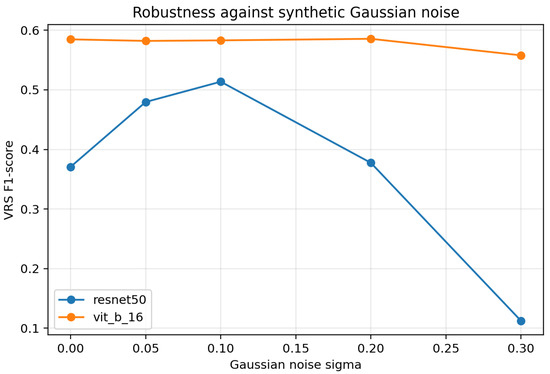
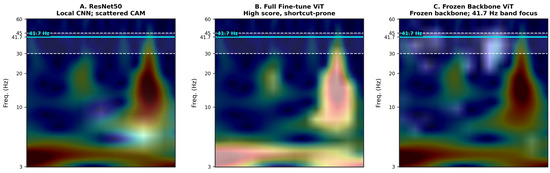
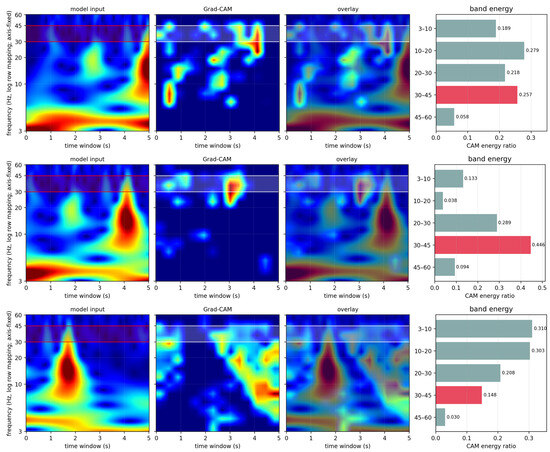
The Vortex Ring State (VRS) is a critical aerodynamic hazard for rotorcraft, characterized by highly unsteady fluid–structure interactions and severe low-frequency vibrations. While data-driven deep learning models have shown promise in aviation state monitoring, their inherent “black-box” nature fundamentally contradicts the stringent interpretability requirements of airworthiness certification. To address this, we propose an “AI for Science” paradigm, investigating whether advanced Vision Transformers (ViT) can autonomously discover underlying aerodynamic mechanisms without human physical priors. First, to ensure absolute data fidelity, flight test datasets of a coaxial unmanned aerial vehicle were rigorously labeled using cross-validation from high-fidelity Computational Fluid Dynamics (CFD) simulations and wind tunnel tests. One-dimensional vibration signals were then transformed into two-dimensional Continuous Wavelet Transform (CWT) spectrograms. By employing Target-Layer Gradient Adaptation (Grad-CAM) techniques, we conducted a systematic comparison between traditional Convolutional Neural Networks (ResNet50) and ViT. The results demonstrate that while CNNs suffer from diffuse attention caused by high-frequency noise, the frozen-backbone ViT model achieves a physically interpretable accuracy of 93.24%, while autonomously locking its global attention onto a perfectly horizontal feature band centered at 41.7 Hz. Crucially, this autonomously discovered feature precisely aligns with the theoretically derived once-per-revolution (1P) fundamental frequency of the rotor’s flap-lag coupling response under VRS aerodynamic turbulence. This research provides direct visual evidence bridging black-box AI decisions with classical fluid mechanics, proposing a “Mechanism-Guided Verification” framework that offers a trustworthy pathway for the future certification of AI in safety-critical aerospace systems. Full article
(This article belongs to the Special Issue Machine Learning for Aerodynamic Analysis and Optimization)
Show Figures

Figure 1
28 pages, 872 KB  
Article
An Optimized Floating-Point Unit Set for FPGA-Based DSP: Improving Area, Energy, and Throughput Trade-Offs
by Fernando Flores, Juan Portela Queimaño, Jesús Manuel Costa Pazo, María Dolores Valdés-Peña, Camilo Quintáns Graña and José Manuel Villapún Sánchez
Electronics 2026, 15(13), 2850; https://doi.org/10.3390/electronics15132850 (registering DOI) - 30 Jun 2026
Abstract
Floating-point arithmetic provides the dynamic range that fixed-point lacks for digital signal processing (DSP) algorithms with widely varying operand magnitudes. This work presents a parameterizable floating-point unit set for field programmable gate array (FPGA)-based DSP. The set consists of five units: adder/subtractor, multiplier, [...] Read more.
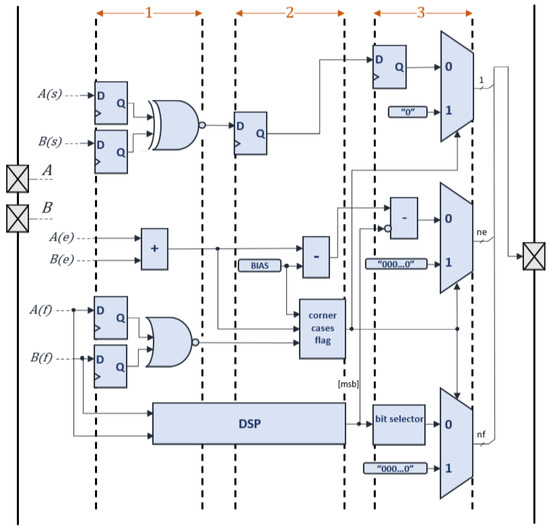
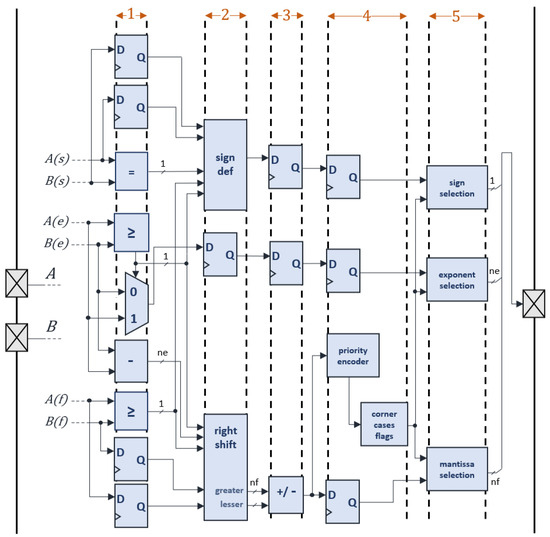
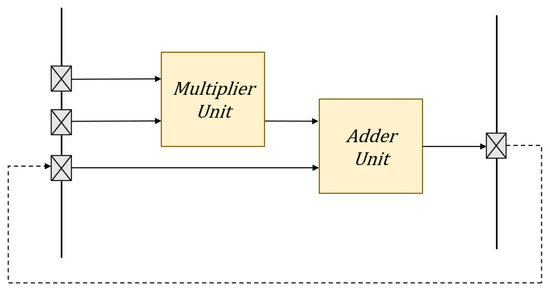
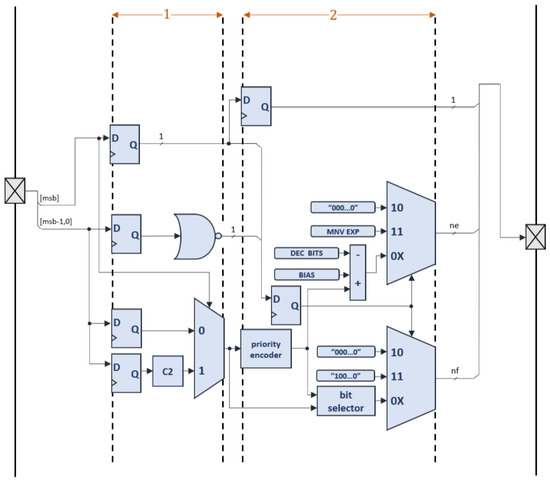
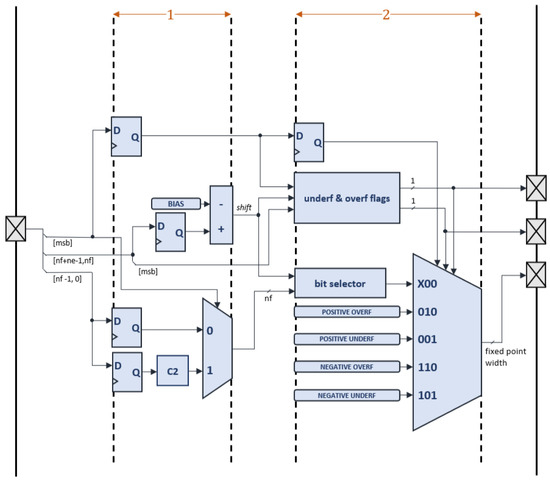
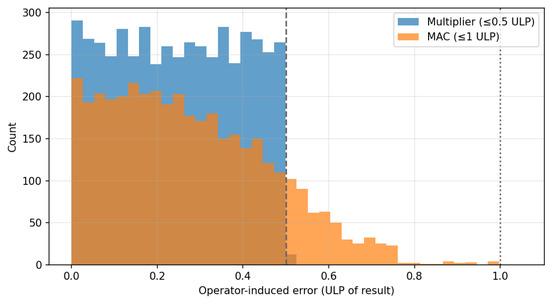
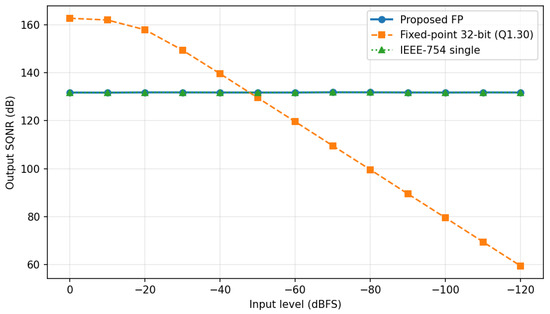
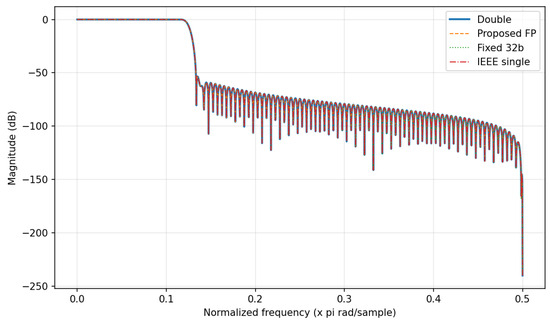
Floating-point arithmetic provides the dynamic range that fixed-point lacks for digital signal processing (DSP) algorithms with widely varying operand magnitudes. This work presents a parameterizable floating-point unit set for field programmable gate array (FPGA)-based DSP. The set consists of five units: adder/subtractor, multiplier, multiply–accumulate (MAC), fixed-to-float and float-to-fixed converters. Two architectural choices distinguish the proposed format from IEEE-754: configurable exponent and mantissa widths during synthesis and a 0.f significand encoding that reduces corner-case logic at the cost of one additional mantissa bit. The format is therefore IEEE-754-inspired rather than fully compliant: special values (NaN, ±∞) are not implemented, and overflow and underflow are handled through saturation to predefined constants. The design is implemented in standard VHDL-2008 without relying on high-level synthesis (HLS) tools or vendor-specific primitives, ensuring portability across different FPGA families and application-specific integrated circuits (ASICs). The multiplier and MAC are evaluated in two configurations: inferring DSP blocks or look-up table (LUT)-only, both close timing at 300MHz on Artix-7 and Kintex Ultrascale devices. The proposed blocks outperform vendor IP Cores and recent academic designs in terms of area-throughput-power (ATP), achieving improvements from 10% to 108%, except for the adder/subtractor, which does not outperform two optimized Xilinx IP cores (HS-R and HS-P) and is therefore included for design coherence rather than as a strict resource improvement over all vendor IPs. All these blocks meet the theoretical error bound, and a representative 200-tap finite impulse response (FIR) filter built from them closes timing at 300MHz with 76% LUT utilization. Full article
(This article belongs to the Special Issue Design and Application of Digital Circuit and Systems)
Show Figures

Figure 1
29 pages, 6556 KB  
Article
Thermal Characteristics and Dynamic Behavior of Auxiliary Bearings in a Vertical Magnetic Suspension System
by Xiaoxu Pang, Chongfeng Jiang, Zhixin Shen, Dingkang Zhu, Aosha Wang and Kaili Wang
Machines 2026, 14(7), 738; https://doi.org/10.3390/machines14070738 (registering DOI) - 30 Jun 2026
Abstract
Auxiliary bearings in vertical magnetic suspension systems can suffer thermal damage and impact-induced failure during rotor drop events caused by instability. This study aims to clarify the coupled effects of collision, frictional heating, and transient heat transfer on auxiliary bearing response. Dynamic, thermodynamic, [...] Read more.
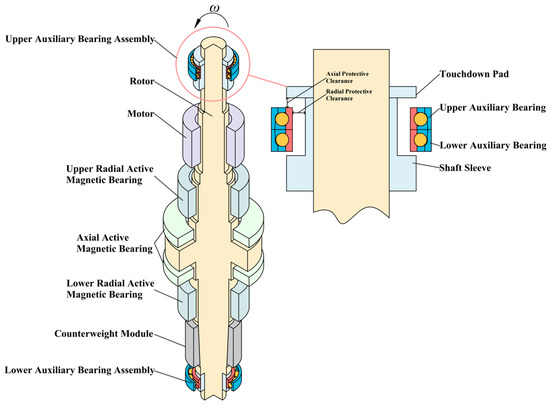
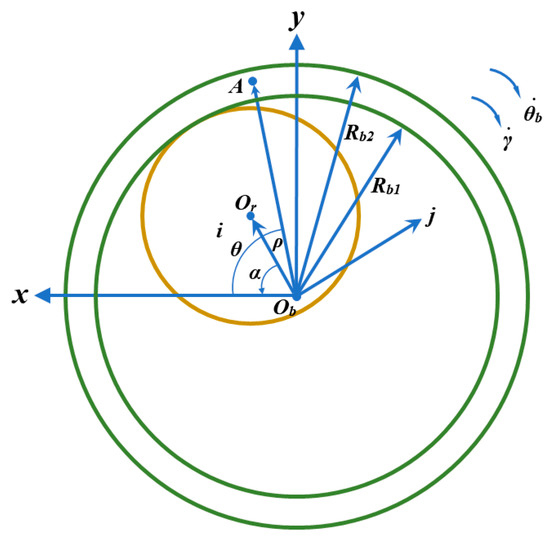
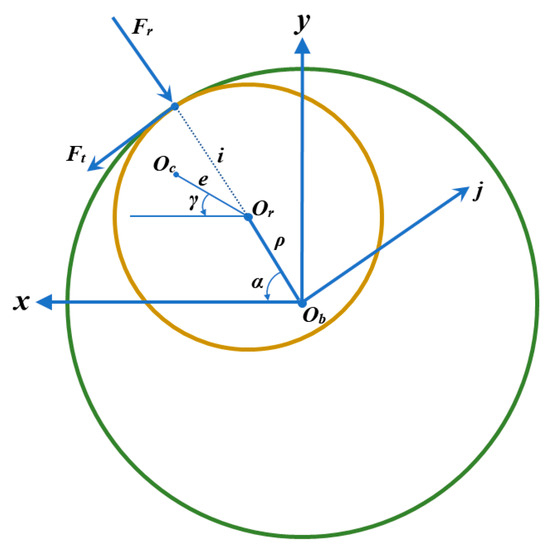
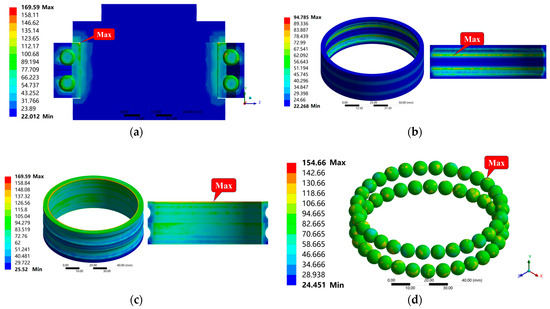
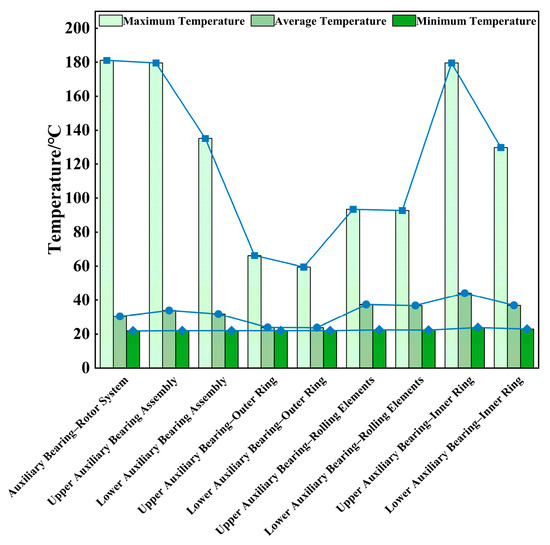
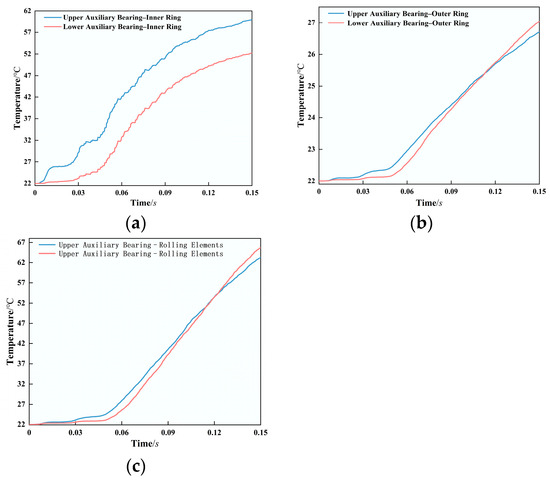
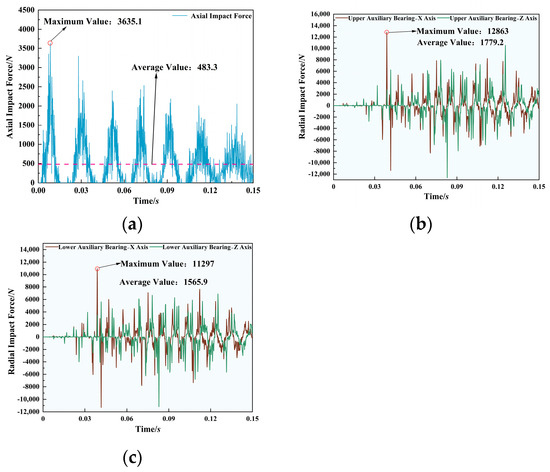
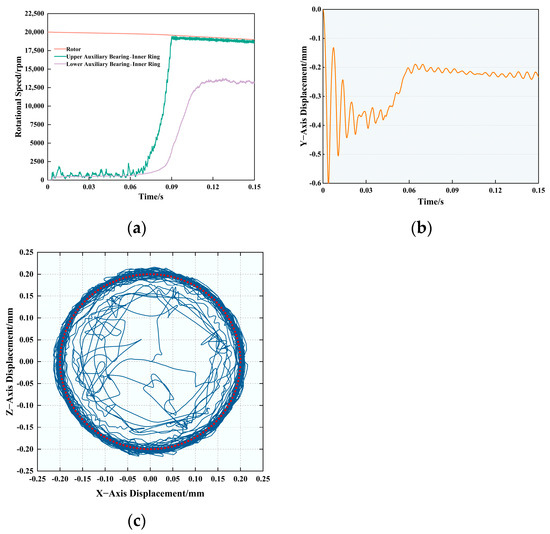
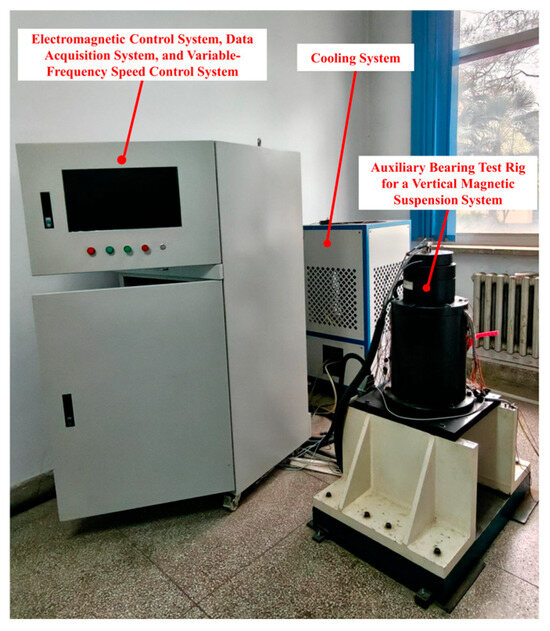
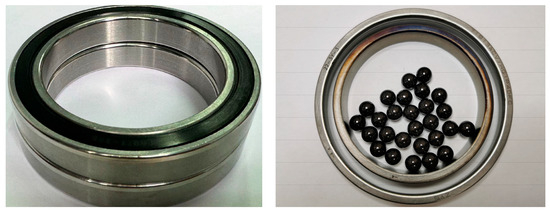
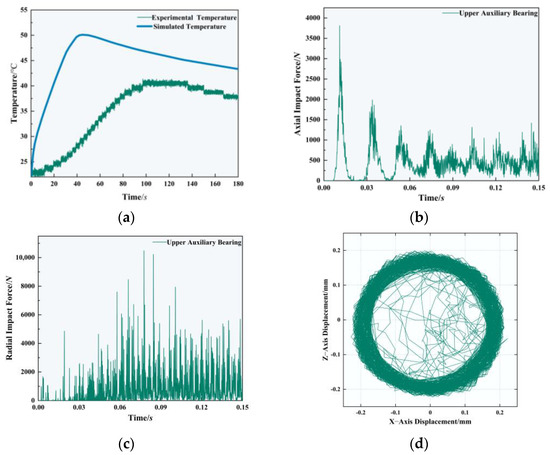
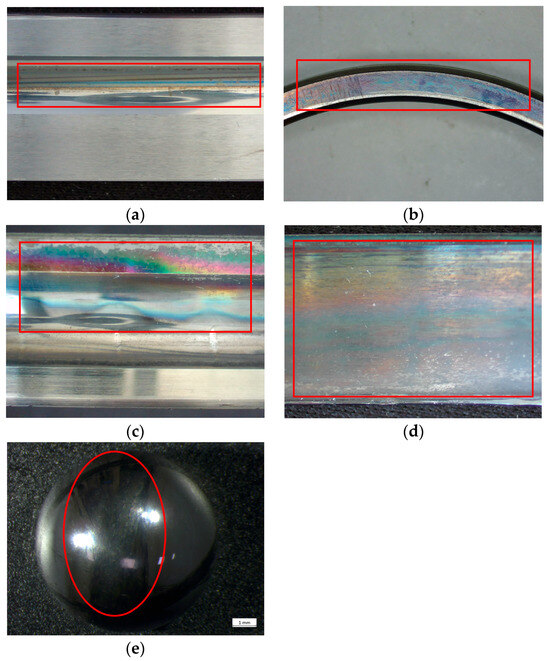
Auxiliary bearings in vertical magnetic suspension systems can suffer thermal damage and impact-induced failure during rotor drop events caused by instability. This study aims to clarify the coupled effects of collision, frictional heating, and transient heat transfer on auxiliary bearing response. Dynamic, thermodynamic, and finite element models were established to analyze impact behavior, frictional heating, and temperature-field evolution, and were validated using rotor-drop measurements of impact force, rotor displacement, and outer-ring temperature together with post-test damage observations. The results show that severe impact and friction rapidly convert rotor kinetic energy into thermal energy, producing a non-uniform temperature field in the auxiliary bearings. The highest temperature occurs in the inner ring, followed by the rolling elements and outer ring, with peak temperatures of 169.59 °C, 154.66 °C, and 94.79 °C, respectively. Owing to gravity, gyroscopic motion, and rotor inclination during drop, the upper auxiliary bearing experiences greater impact loads, a faster speed increase, and a higher peak temperature rise than the lower bearing. Experimental evidence, including thermal discoloration, wear positions, and component damage, agrees with the simulated high-temperature regions. These results support thermal-shock-resistant design, structural optimization, and operational safety assessment of auxiliary bearings. Full article
Show Figures

Graphical abstract

24 pages, 16309 KB  
Article
Development of Polylactic Acid–Curcumin Composite Films with Dual-Metal-Doped Copper Oxide Nanoparticles for Sustainable Antioxidant, Biocompatible, Photothermal, and Antibacterial Performance
by Gopinath Kasi, Sarinthip Thanakkasaranee, Nattan Stalin, Tae-Sik Park, Ramar Dharmaraj, Kittisak Jantanasakulwong, Nuttapol Tanadchangsaeng and Pornchai Rachtanapun
Polymers 2026, 18(13), 1626; https://doi.org/10.3390/polym18131626 (registering DOI) - 30 Jun 2026
Abstract
Polylactic acid (PLA)-curcumin (CCM) composites, incorporating various contents of surface-functionalized dual-metal-doped copper oxide (SF-M-CuO), were prepared by the solution casting method. Synthesized composite films were evaluated for their antioxidant, biocompatible, photothermal, and antibacterial properties. The 4% CCM exhibits excellent compatibility based on total [...] Read more.
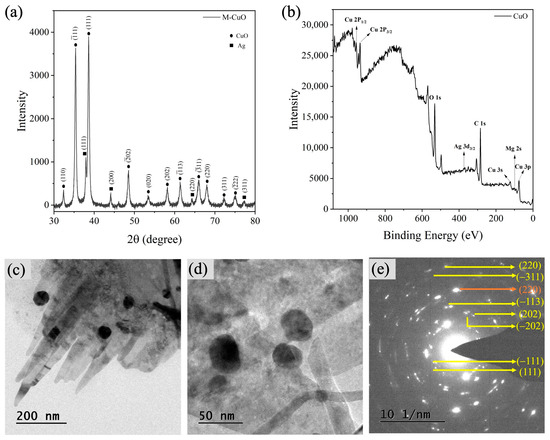
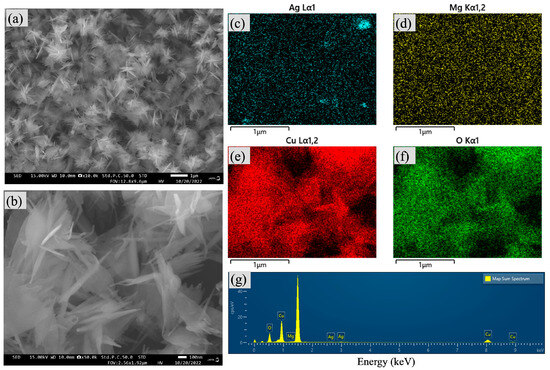
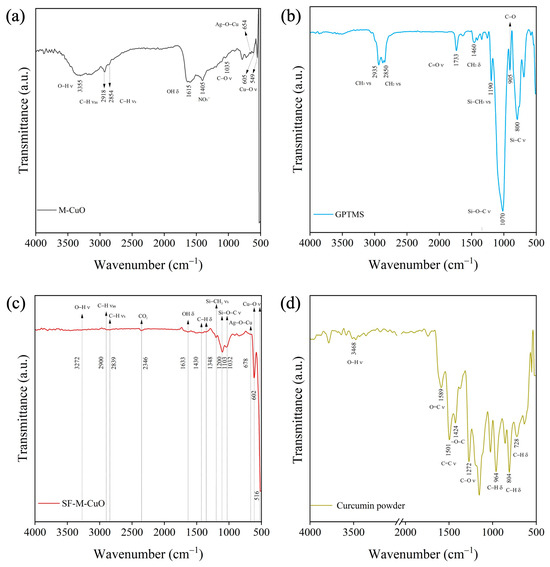
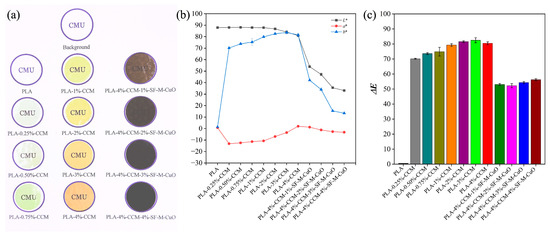
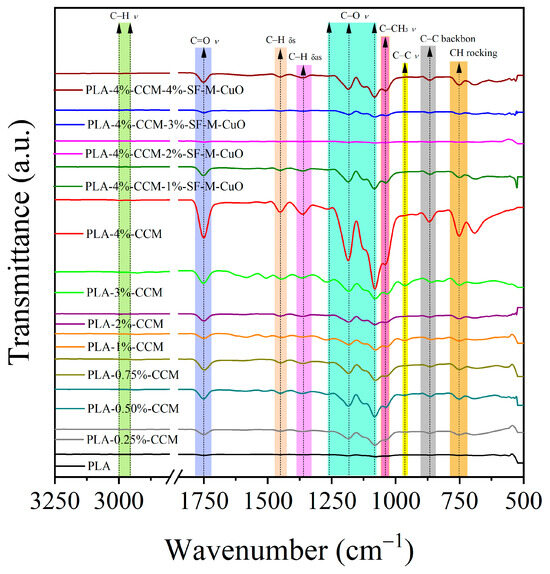
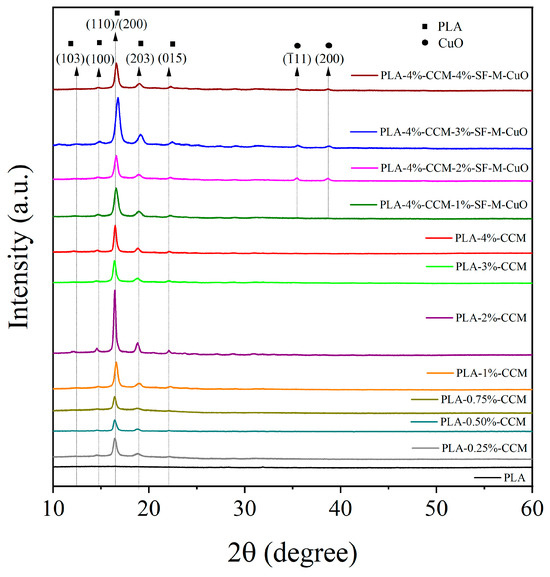
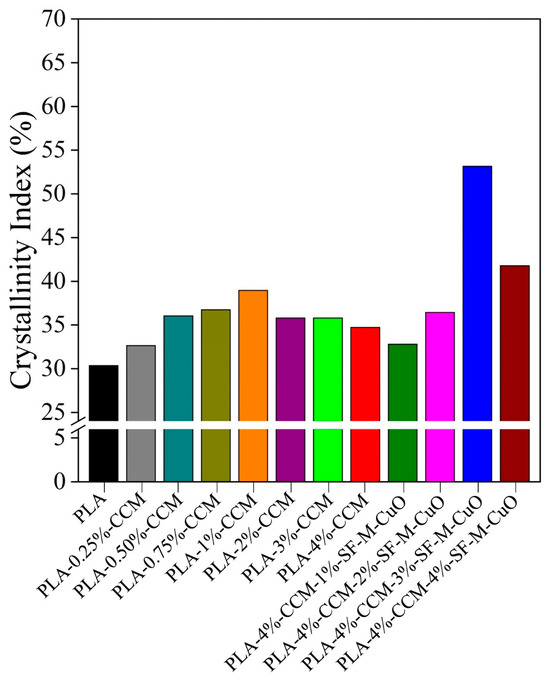
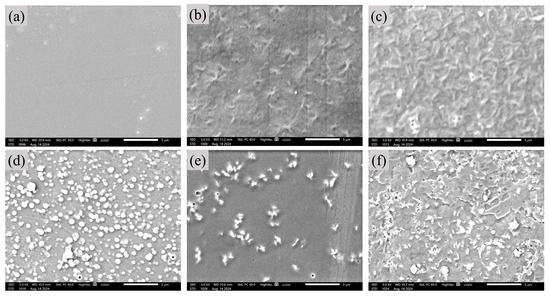
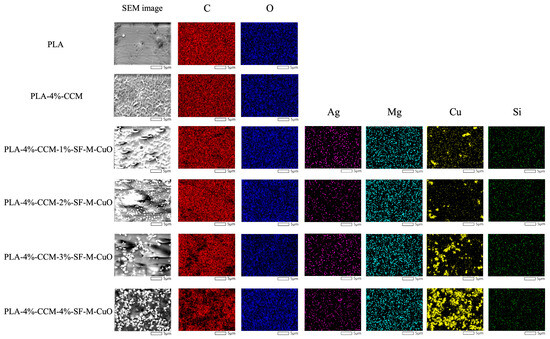
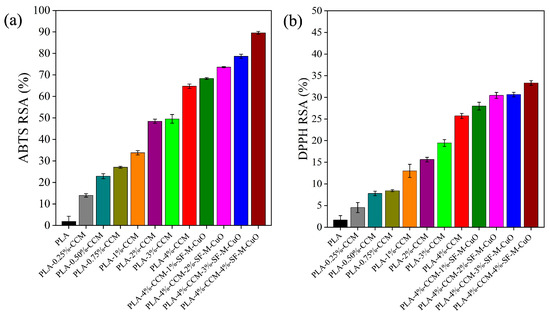
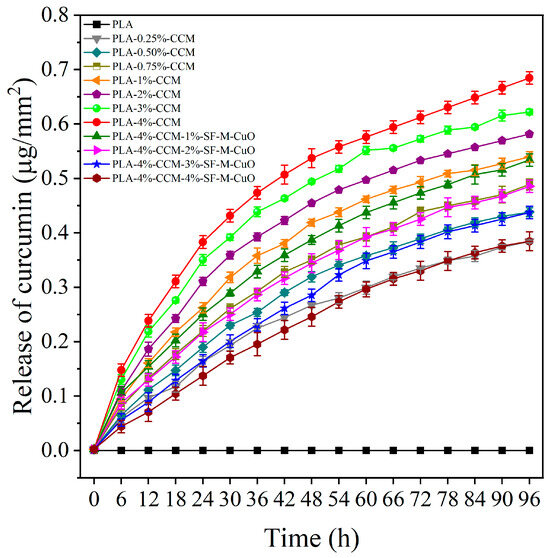
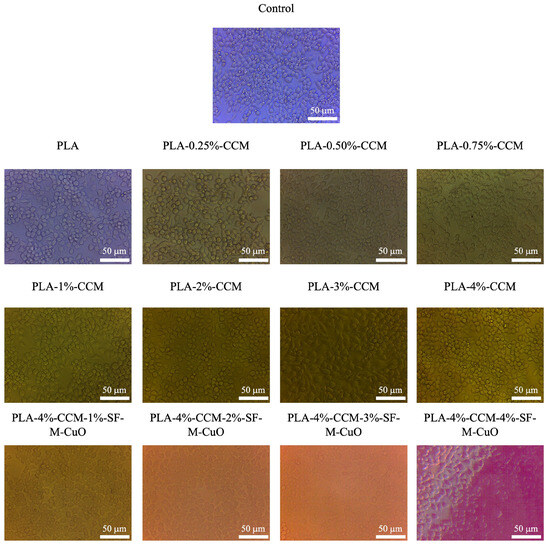
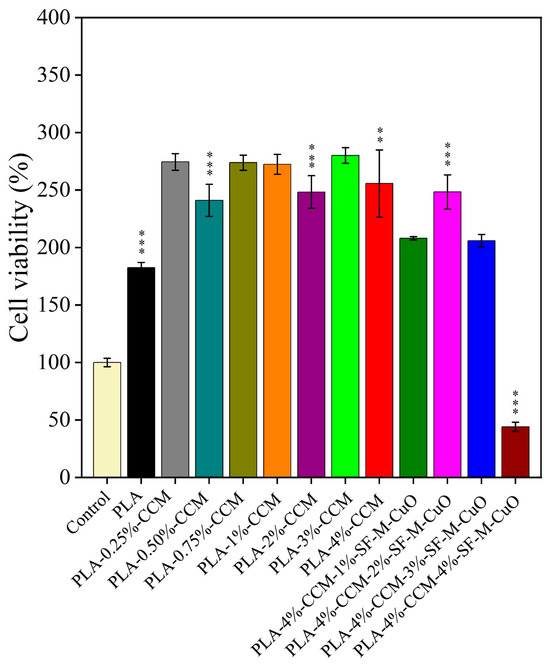
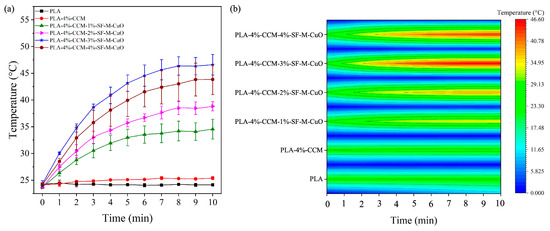
Polylactic acid (PLA)-curcumin (CCM) composites, incorporating various contents of surface-functionalized dual-metal-doped copper oxide (SF-M-CuO), were prepared by the solution casting method. Synthesized composite films were evaluated for their antioxidant, biocompatible, photothermal, and antibacterial properties. The 4% CCM exhibits excellent compatibility based on total color difference, antioxidant activity, and controlled curcumin release behavior. In addition, different contents of SF-M-CuO (1–4%) were added to the PLA-4%-CCM polymer matrix. Synthesized composite films were characterized through functional, structural, and topographical analyses. FTIR and XRD analyses confirmed the successful incorporation of CCM and SF-M-CuO into the PLA matrix, which enhanced interfacial interactions and increased the crystallinity index by acting as effective nucleating agents. ABTS and DPPH radical scavenging assays revealed dose-dependent antioxidant activity due to the synergistic effects of CCM and SF-M-CuO. Biocompatibility evaluation using RAW 264.7 macrophage cells demonstrated non-toxic responses and enhanced cell proliferation in PLA-4%-CCM composite films containing up to 3%-SF-M-CuO. Among the fabricated films, PLA-4%-CCM-3%-SF-M-CuO exhibited superior photothermal performance and excellent antibacterial activity against Staphylococcus aureus and Escherichia coli, reducing bacterial counts to below the limit of detection. These findings demonstrate the potential of PLA-4%-CCM-3%-SF-M-CuO composite films as sustainable multifunctional materials for food safety and biomedical applications. Full article
Show Figures

Figure 1
24 pages, 8413 KB  
Article
Marker-Based Pose Estimation of End Effectors in Industrial Robot Visual Servoing: Error Modeling and Placement Guidelines
by Xuewen Wei, Pengcheng Li, Pinzhang Wang, Yunfei Miao, Wei Tian and Wenhe Liao
Sensors 2026, 26(13), 4124; https://doi.org/10.3390/s26134124 (registering DOI) - 30 Jun 2026
Abstract
In industrial robot visual servoing, the accuracy of end-effector pose directly affects the feedback quality and trajectory tracking performance of the visual servo system. To improve end-effector pose estimation accuracy, this paper establishes a propagation model from marker measurement errors to end-effector pose [...] Read more.
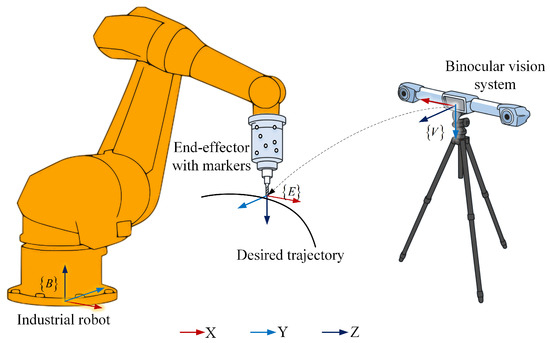
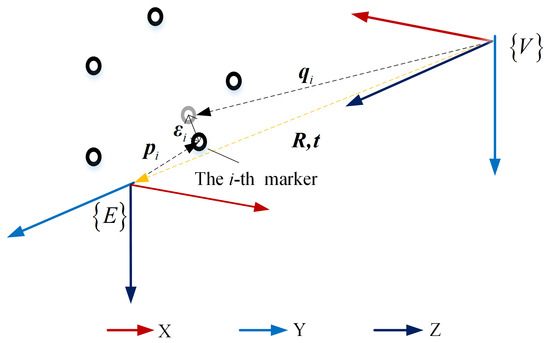
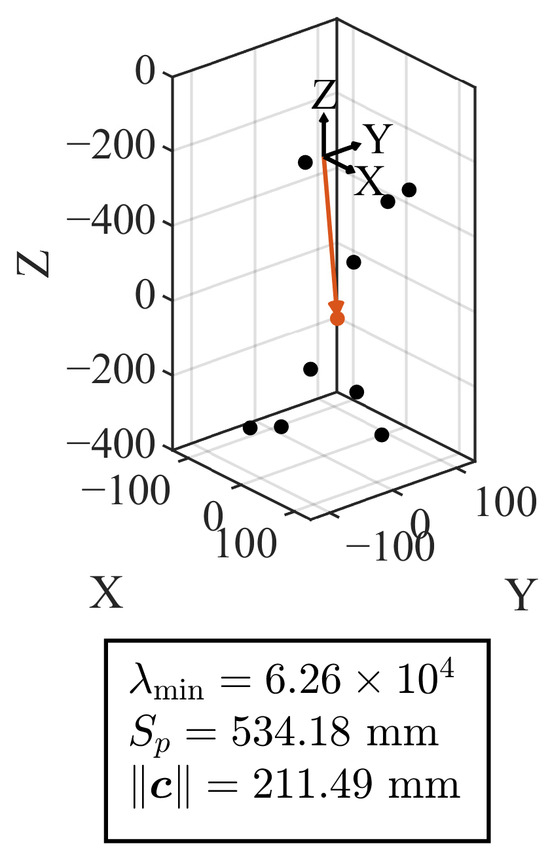
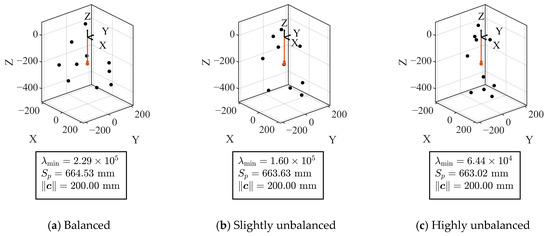
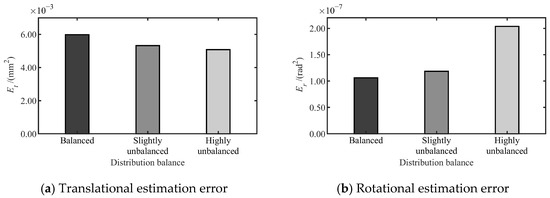
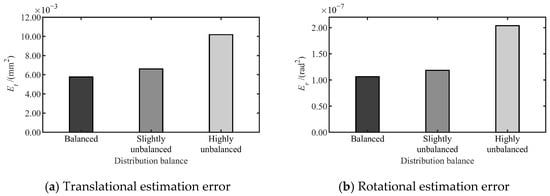
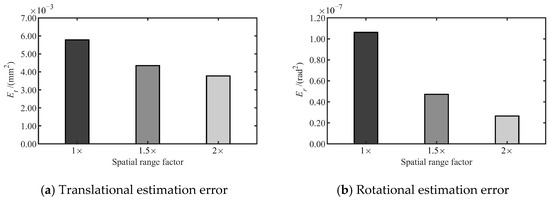
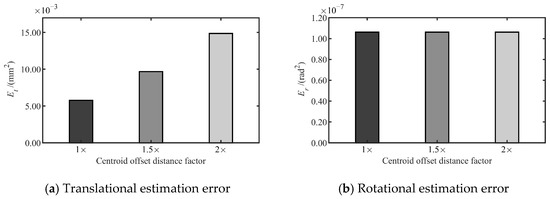
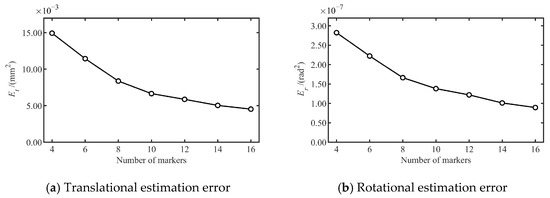
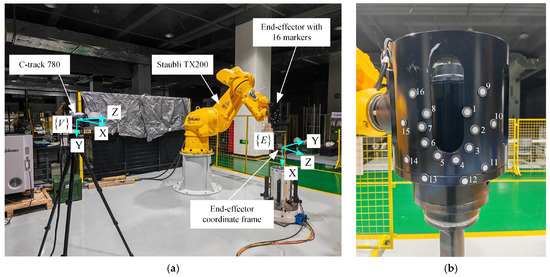
In industrial robot visual servoing, the accuracy of end-effector pose directly affects the feedback quality and trajectory tracking performance of the visual servo system. To improve end-effector pose estimation accuracy, this paper establishes a propagation model from marker measurement errors to end-effector pose estimation errors and further derives the covariance expression of pose estimation errors. Based on this model, different marker placement factors affecting translational and rotational errors are analyzed, including marker-set spatial range, spatial distribution balance, and centroid offset distance. In addition, the influence of the number of markers on pose estimation errors is derived by adding a new marker to an existing point set. The accuracy of the analytical model is validated through Monte Carlo simulations and experiments, and guidelines for marker placement and marker number are provided. Full article
(This article belongs to the Section Sensors and Robotics)
Show Figures

Figure 1

17 pages, 8599 KB  
Article
Celastrol-Loaded Liposomal Hydrogel Microneedles for Safe and Effective Treatment of Psoriasis
by Jiayi Li, Xiaoyao Fu, Zhonghuan Qu and Yanjun Yang
Biomedicines 2026, 14(7), 1488; https://doi.org/10.3390/biomedicines14071488 (registering DOI) - 30 Jun 2026
Abstract
Background: Psoriasis is a chronic inflammatory skin disease characterized by abnormal epidermal hyperplasia and immune-inflammatory imbalance. Although celastrol (Cel) exhibits potent anti-inflammatory activity, its strong hydrophobicity and low local delivery efficiency limit its therapeutic application. Methods: To enhance its transdermal delivery [...] Read more.
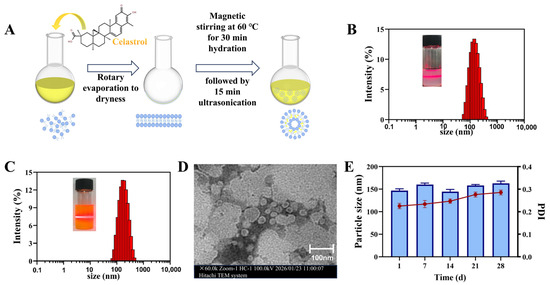
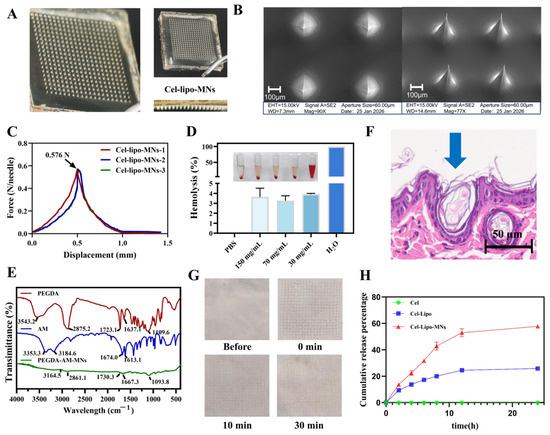
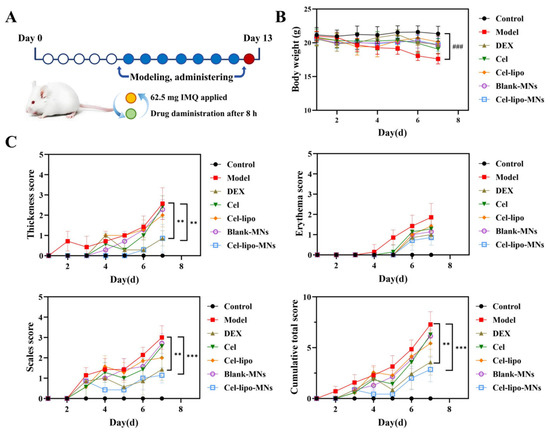
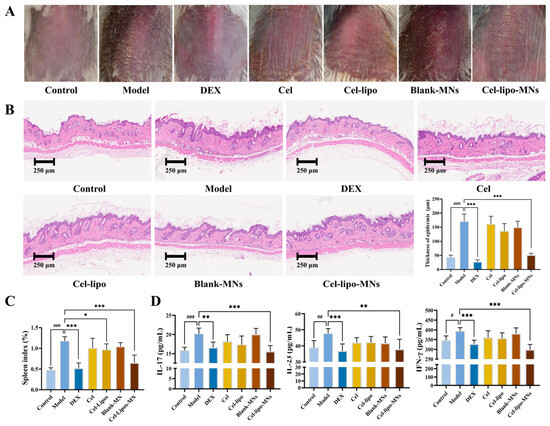
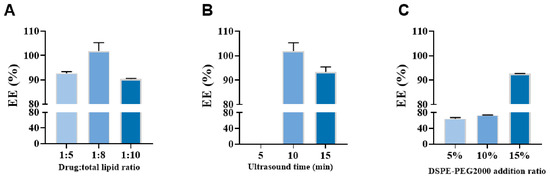
Background: Psoriasis is a chronic inflammatory skin disease characterized by abnormal epidermal hyperplasia and immune-inflammatory imbalance. Although celastrol (Cel) exhibits potent anti-inflammatory activity, its strong hydrophobicity and low local delivery efficiency limit its therapeutic application. Methods: To enhance its transdermal delivery and topical therapeutic efficacy, a Cel-loaded liposomal hydrogel microneedle system (Cel-lipo-MNs) was developed in this study. Cel-loaded liposomes were first prepared by the thin-film dispersion method, and Cel-lipo-MNs were subsequently fabricated using a multistep vacuum micromolding process combined with UV-induced photocrosslinking. Results: In vivo studies demonstrated that, in an imiquimod-induced psoriasis-like mouse model, Cel-lipo-MNs markedly alleviated erythema, scaling, and skin thickening, reduced PASI-like scores. Further investigation revealed that Cel-lipo-MNs significantly downregulated the serum levels of IL-17, IL-23, and IFN-γ, and exhibited superior therapeutic efficacy compared with free celastrol, conventional liposomes, and blank microneedles. Conclusions: These findings indicate that Cel-lipo-MNs can substantially enhance the therapeutic effect of celastrol against psoriasis-like skin lesions, possibly through suppression of the IL-23/IL-17 inflammatory axis and related immune-inflammatory responses, and provide a promising transdermal delivery strategy for topical psoriasis treatment. Full article
(This article belongs to the Section Drug Discovery, Development and Delivery)
Show Figures

Figure 1

21 pages, 9002 KB  
Systematic Review
ROS-Enabled DIY and Open-Source Wheeled Robots for Higher Education Learning and Competitions: A Systematic Review
by Rúben Pereira, Benedita Malheiro and Manuel F. Silva
Robotics 2026, 15(7), 123; https://doi.org/10.3390/robotics15070123 (registering DOI) - 30 Jun 2026
Abstract
This study systematically characterizes Do It Yourself (DIY) and open-source wheeled robotic platforms used in higher education and academic competitions. It also analyzes Robot Operating System (ROS)-based designs with respect to real-time performance and multi-sensor integration, following Preferred Reporting Items for Systematic Reviews [...] Read more.
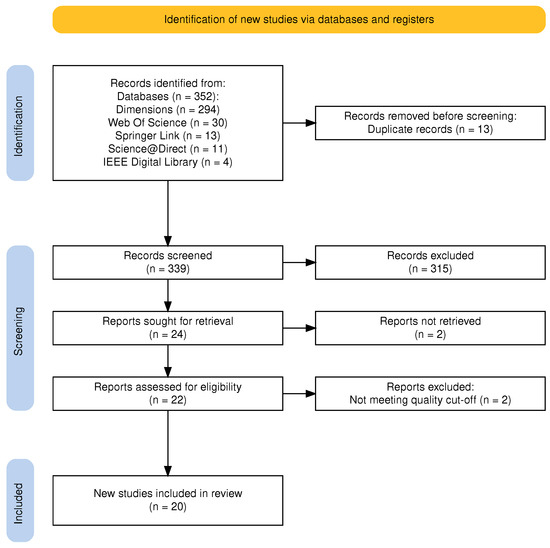
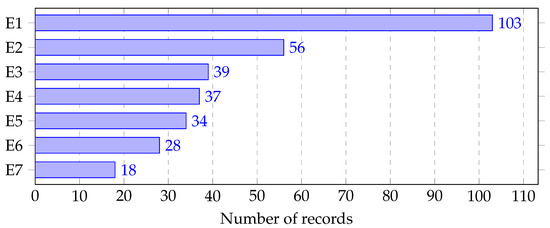
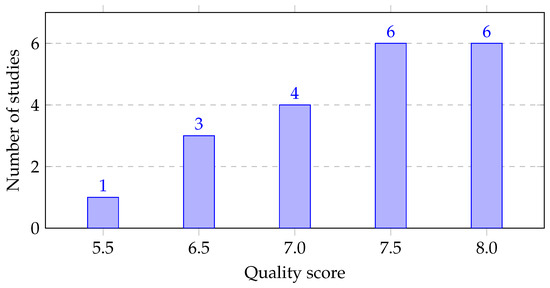
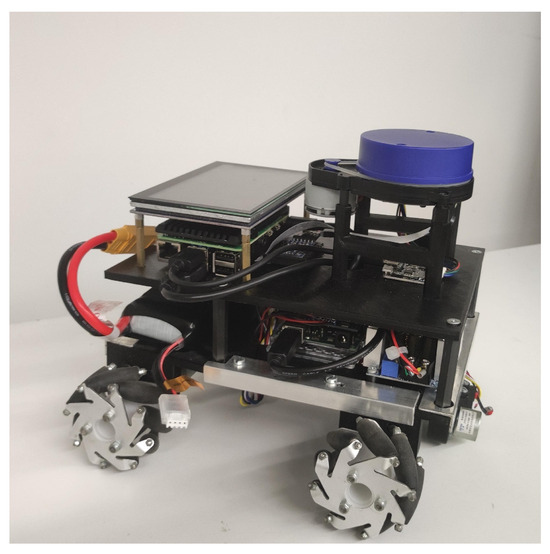
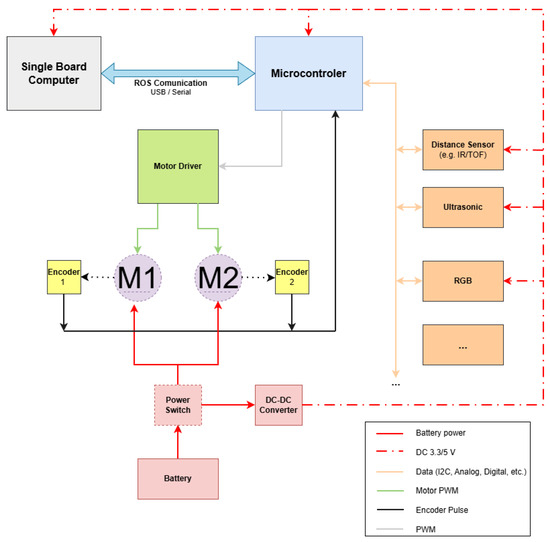
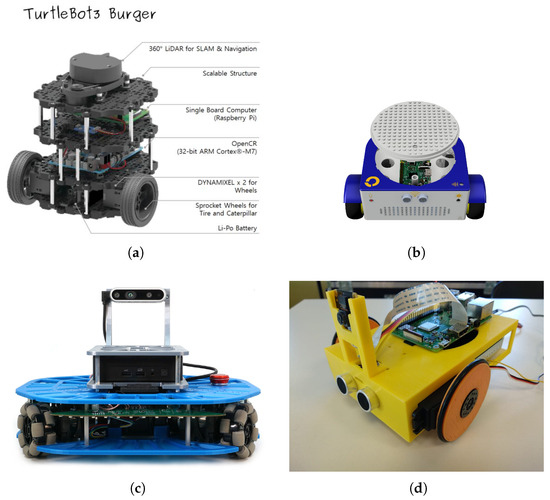
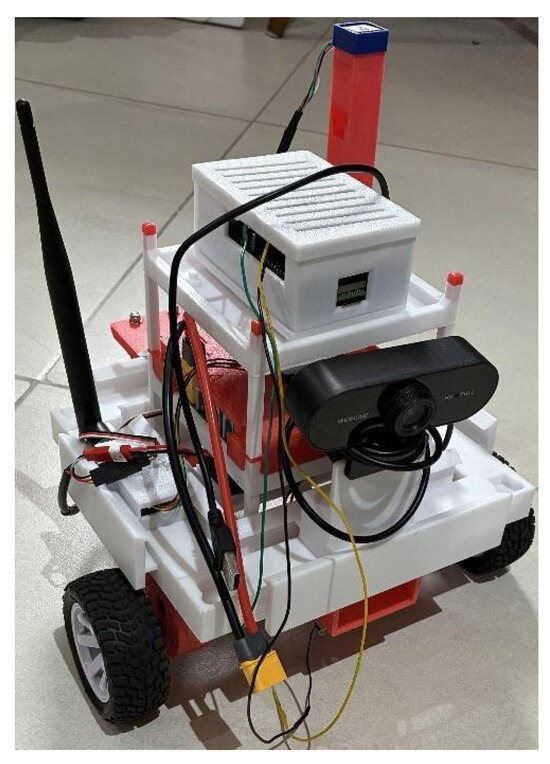
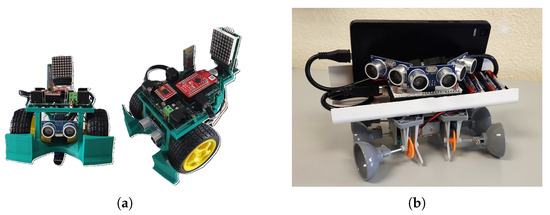
This study systematically characterizes Do It Yourself (DIY) and open-source wheeled robotic platforms used in higher education and academic competitions. It also analyzes Robot Operating System (ROS)-based designs with respect to real-time performance and multi-sensor integration, following Preferred Reporting Items for Systematic Reviews and Meta-Analyses (PRISMA) 2020 guidelines. A total of 20 high-quality studies were identified across five major digital libraries (Dimensions, Web of Science, SpringerLink, ScienceDirect, and IEEE Xplore), which were searched on 12 January 2026. Eligibility was restricted to peer-reviewed English-language studies published between 2005 and 2026 that explicitly implement ROS-based wheeled platforms in higher education contexts. Results were synthesized through qualitative analysis using a structured data extraction form implemented in the Parsifal systematic review platform. Methodological quality and risk of bias were assessed using a structured appraisal checklist. The results show a dominant trend toward distributed dual-processor architectures, which separate low-level real-time control from high-level processing. Most platforms target an accessible price range of 50€ to 500€ for open-source and DIY platforms. ROS has emerged as the standard middleware, enabling multi-sensor integration and supporting digital twin workflows. There is also a clear shift toward open-source hardware and Three-Dimensional (3D)-printed modular designs, which reduce production costs. However, challenges remain, including software obsolescence and the lack of maintenance plans. The findings highlight the need for interoperable reference architectures and automated deployment workflows to ensure long-term sustainability. Evidence is limited by heterogeneity, inconsistent reporting, and small sample sizes, which introduce risks of bias and imprecision. This review was formally registered with protocols.io. Full article
(This article belongs to the Section Educational Robotics)
Show Figures

Figure 1

36 pages, 6880 KB  
Article
Intelligent Virtual Sensor Generation Using KL-Divergence- Based Fusion and Deep Generative Learning for Smart Environmental Monitoring
by Murad Ali Khan, Qazi Waqas Khan, Muhammad Faizan, Ji-Eun Kim, Il-yeop Ahn and Do-Hyeun Kim
Sensors 2026, 26(13), 4123; https://doi.org/10.3390/s26134123 (registering DOI) - 30 Jun 2026
Abstract
Sensor-based environmental monitoring systems are often affected by missing, noisy, and unreliable measurements caused by sensor faults, sparse deployment, calibration drift, and communication interruptions. To address these challenges, this study proposes an intelligent virtual sensor generation framework that integrates physical-constraint-based preprocessing, statistical virtual [...] Read more.
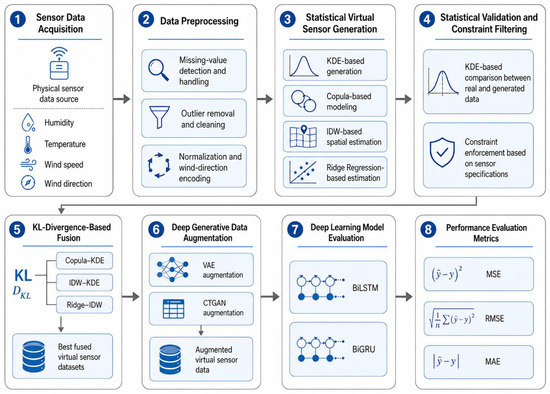
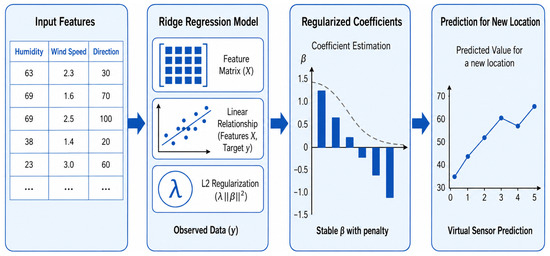
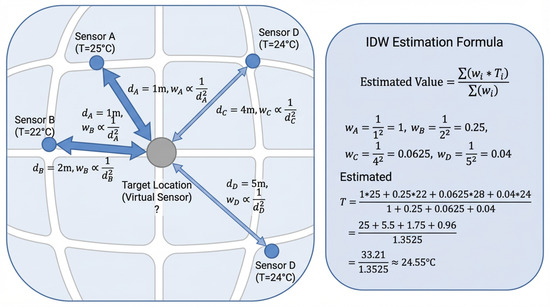
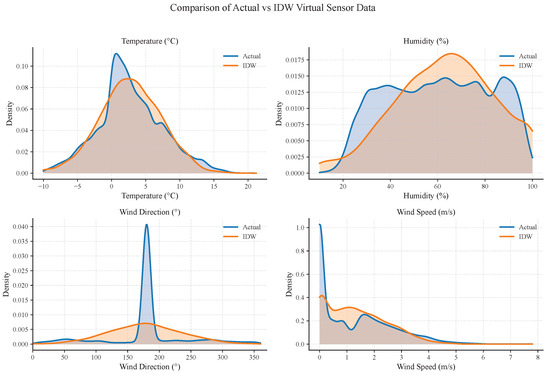
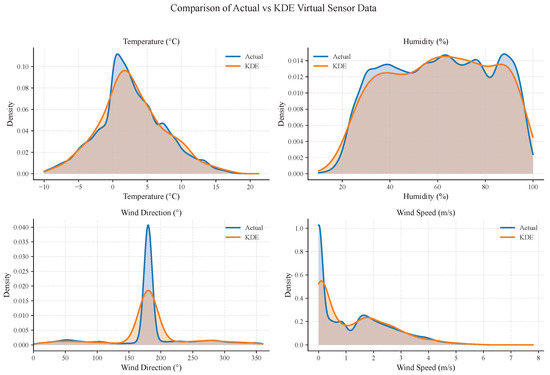
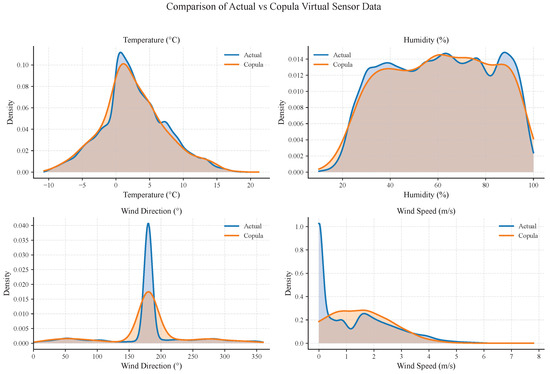
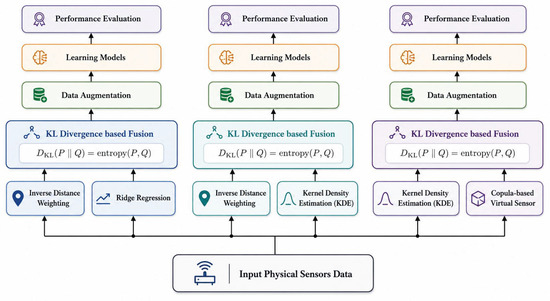
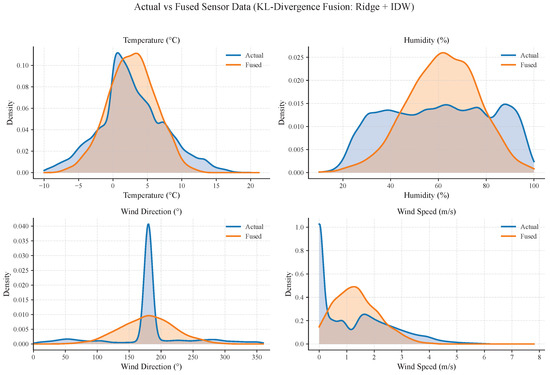
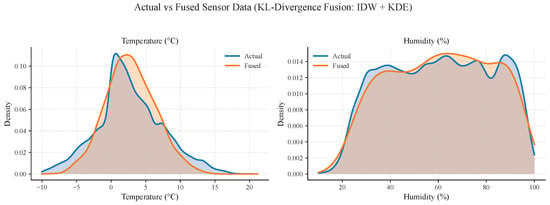
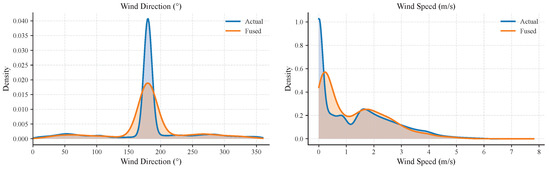
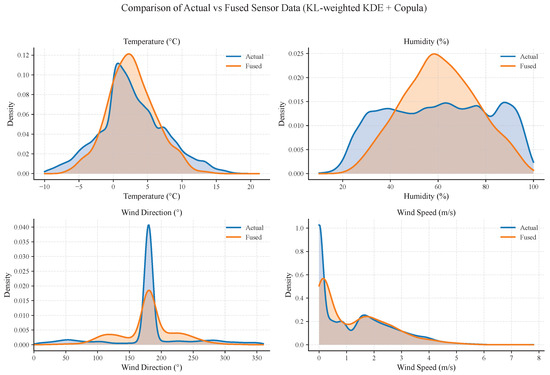
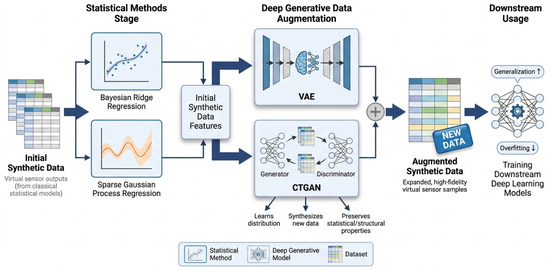
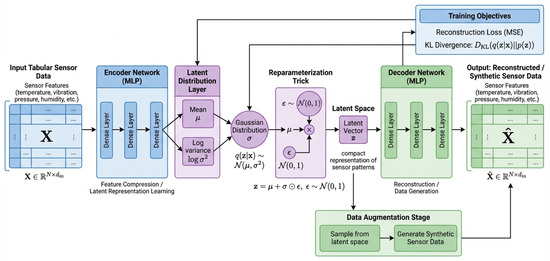
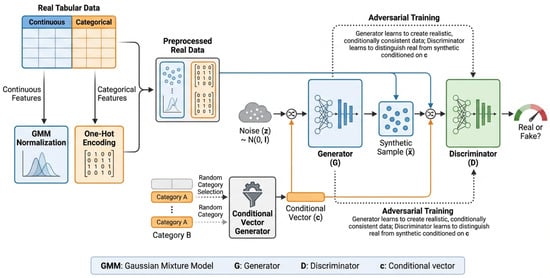
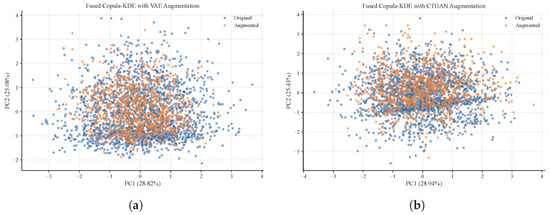
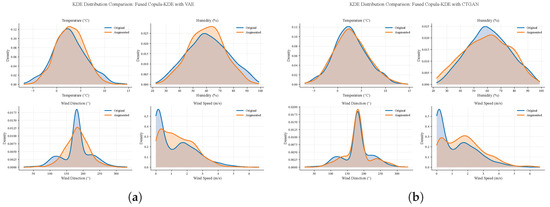
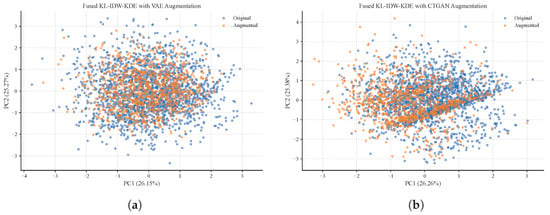
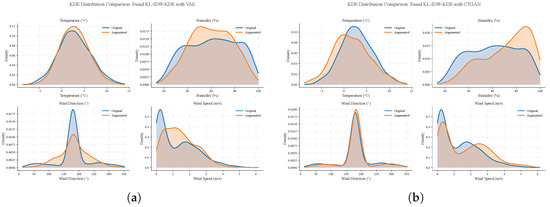
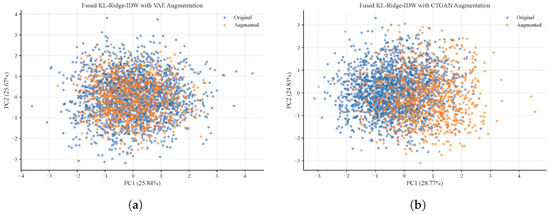
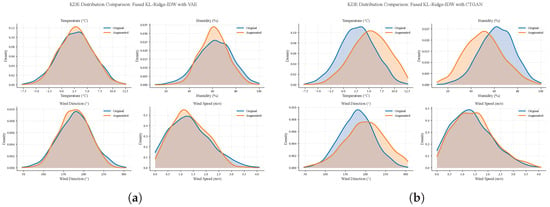
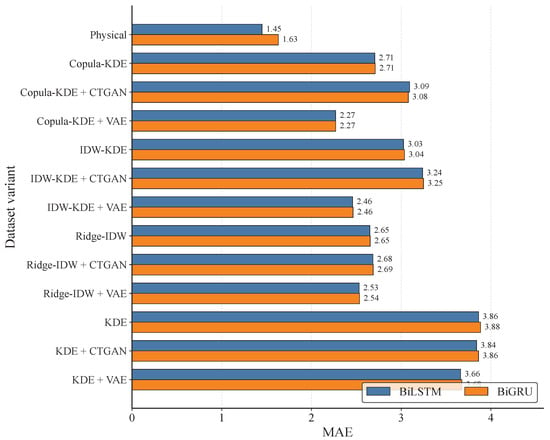
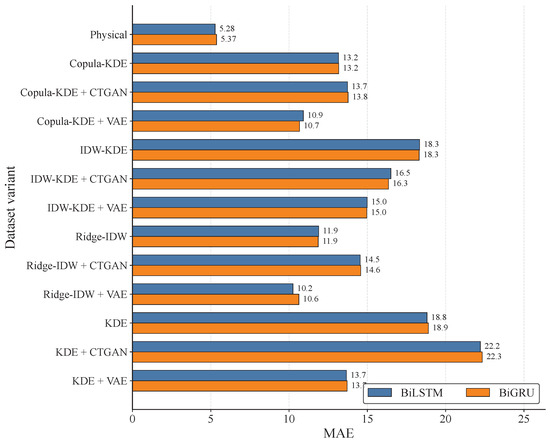
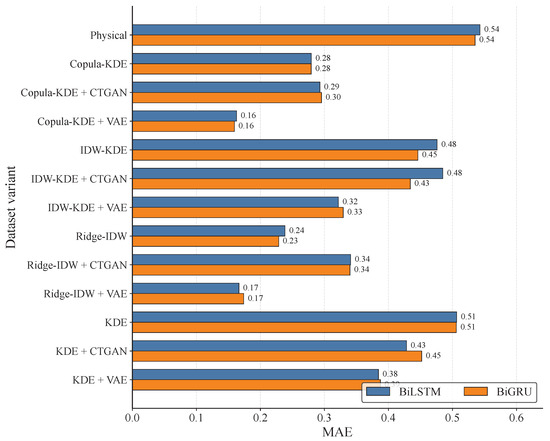
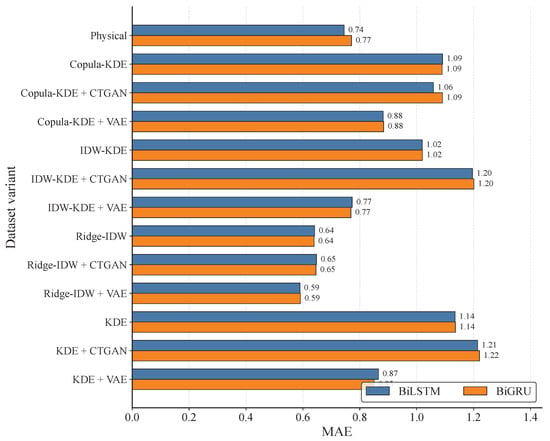
Sensor-based environmental monitoring systems are often affected by missing, noisy, and unreliable measurements caused by sensor faults, sparse deployment, calibration drift, and communication interruptions. To address these challenges, this study proposes an intelligent virtual sensor generation framework that integrates physical-constraint-based preprocessing, statistical virtual sensor modeling, KL-divergence-based fusion, deep generative augmentation, and temporal prediction. The raw weather-station data are first refined using threshold-based filtering, physical validity constraints, and Isolation Forest-based outlier detection. To handle the circular nature of wind direction, the angle is encoded using sine and cosine components during modeling and reconstructed using the atan2 function for evaluation. Multiple statistical methods, including Inverse Distance Weighting, Kernel Density Estimation, Ridge Regression, and Copula-based modeling, are employed to generate complementary virtual sensor data. These outputs are adaptively fused using KL divergence according to their distributional similarity with real sensor data. The fused datasets are further augmented using Variational Autoencoders and Conditional Tabular Generative Adversarial Networks, and then evaluated using BiLSTM and BiGRU models with MAE, MSE, and RMSE metrics. The experimental results demonstrate that the proposed framework generates physically valid and distributionally consistent virtual sensor data. Fusion-based methods outperform standalone approaches, while VAE-based augmentation generally provides better statistical fidelity and lower prediction errors than CTGAN. Additional validation using a public NOAA weather-station dataset further supports the transferability of the proposed fusion-based virtual sensing workflow. Comparisons with TimeGAN and diffusion-based temporal generative baselines, supported by Wilcoxon signed-rank testing, confirm the statistical significance and competitive performance of the proposed framework. A quantitative computational analysis also demonstrates the practical feasibility of the framework in terms of training time, inference time, memory consumption, and scalability. Overall, the proposed framework offers a reliable and scalable solution for virtual sensing in sensor-sparse and fault-prone environmental monitoring systems. Full article
(This article belongs to the Section Environmental Sensing)
Show Figures

Figure 1

32 pages, 1360 KB  
Review
Design for Metal Additive Manufacturing: A Review of Design Strategies and Process Constraints
by José Nascimento Nhanga, Manuel Fernando Vieira and Jose Manuel Costa
Metals 2026, 16(7), 721; https://doi.org/10.3390/met16070721 (registering DOI) - 30 Jun 2026
Abstract
Metal additive manufacturing (AM) enables components with high geometric complexity and functional integration; however, these advantages are realized only when topology optimization (TO) aligns with AM-specific constraints. This review examines TO strategies for metal AM, with emphasis on laser powder bed fusion (LPBF) [...] Read more.
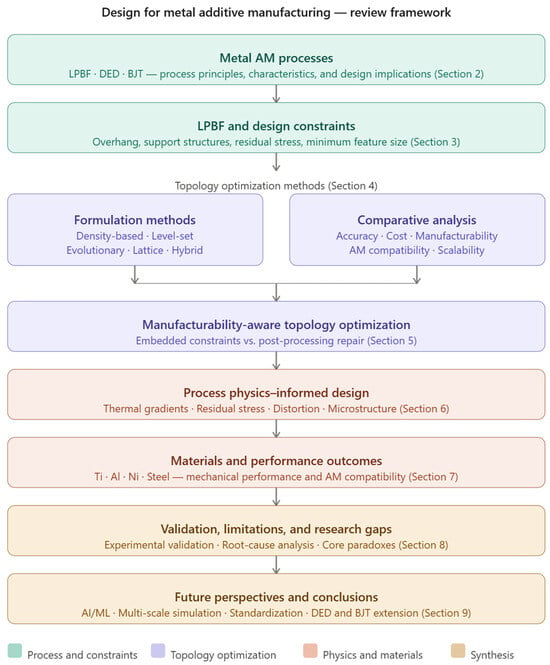
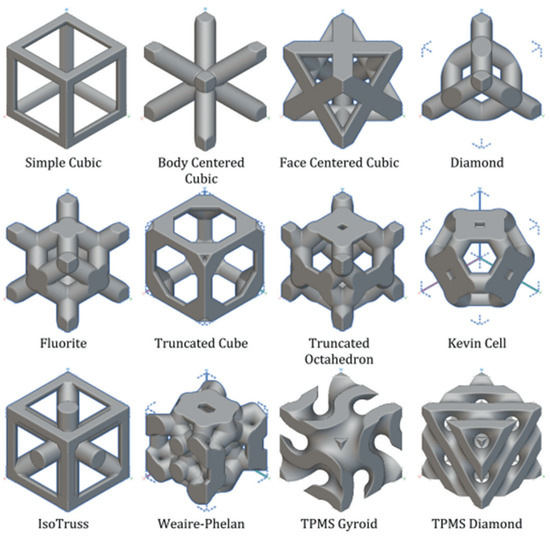
Metal additive manufacturing (AM) enables components with high geometric complexity and functional integration; however, these advantages are realized only when topology optimization (TO) aligns with AM-specific constraints. This review examines TO strategies for metal AM, with emphasis on laser powder bed fusion (LPBF) as the most established industrial route. It categorizes and assesses density-based methods, level-set approaches, and lattice or architected-material optimization, focusing on how each captures manufacturability (overhang limits, minimum feature size, surface roughness), physics (residual stress, thermal distortion), and AM-induced anisotropy. It further distinguishes algorithms that embed constraints directly into the TO loop from workflows that rely on post-optimization repair. It discusses implications for robustness and transferability across machines and alloys. Experimental and numerical evidence for titanium alloys, aluminum alloys, nickel-based superalloys, and stainless steels is synthesized to relate design decisions and processing conditions to reported gains in stiffness-to-weight ratio, strength, fatigue performance, and buy-to-fly efficiency. Persistent gaps include validation under realistic load spectra, uncertainty quantification, standardized benchmarks, microstructure-informed objectives, and sustainability metrics. Beyond synthesizing existing TO formulations and constraints, this review contributes a criteria-based decision structure linking TO method selection, constraint strategy, and process-physics coupling and identifies four inherent paradoxes defining the field’s open challenges. Full article
Show Figures

Figure 1

41 pages, 1336 KB  
Review
Wood- and Lignocellulosic-Residue-Derived Constituents in Low-Clinker Cementitious Systems for Severe Cold Service: A Review of Performance, Durability, and Microstructural Mechanisms
by Wenbo Fan, Chengyun Tao, Shouheng Jiang, Meng Zang, Nan Xu and Yini Tan
Processes 2026, 14(13), 2134; https://doi.org/10.3390/pr14132134 (registering DOI) - 30 Jun 2026
Abstract
Wood- and lignocellulosic-residue-derived constituents have attracted increasing attention in cementitious materials because they may support clinker reduction, waste valorization, moisture regulation, crack control, and longer service life. This review synthesizes evidence on wood ash, wood-derived biochar, and wood or lignocellulosic fibers in low-clinker [...] Read more.
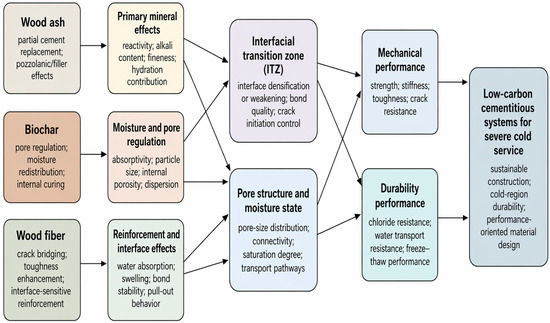
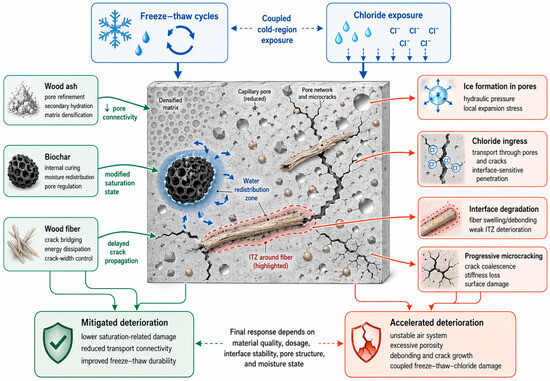
Wood- and lignocellulosic-residue-derived constituents have attracted increasing attention in cementitious materials because they may support clinker reduction, waste valorization, moisture regulation, crack control, and longer service life. This review synthesizes evidence on wood ash, wood-derived biochar, and wood or lignocellulosic fibers in low-clinker and low-carbon-oriented cementitious systems, with emphasis on severe cold service involving freeze–thaw cycling, salt freezing, and chloride ingress. This review clarifies the evidence boundaries among direct wood-derived materials and related biomass or lignocellulosic analogues, because wood ash, non-wood biomass ashes, such as bamboo ash and bagasse ash, wood fiber, and non-wood plant fibers cannot be treated as equivalent materials. Wood ash is best regarded as a controlled partial binder replacement or filler whose performance depends on combustion temperature, oxide composition, alkali content, residual carbon, fineness, and water demand. Biochar is more appropriately treated as a low-dosage functional additive, commonly in the range of approximately 1–3 wt.% of binder, where it may assist internal curing, nucleation, moisture redistribution, and pore regulation; excessive dosage can increase porosity and reduce mechanical or transport performance. Wood and lignocellulosic fibers mainly contribute to crack control, toughness, and post-cracking behavior, but their effectiveness is limited by water absorption, swelling, lignin- and extractive-related hydration interference, and long-term interfacial degradation in alkaline matrices. Across these material classes, engineering performance is governed by the interfacial transition zone, pore-size distribution, moisture state, air–void compatibility, and exposure-specific durability response. The main contribution of this review is to propose a boundary-conscious framework for material classification, quantitative comparison, mixture-design screening, and severe-cold durability qualification. Future application requires source-specific characterization, water-demand control, treated fibers, low-dosage biochar optimization, and service-informed testing that couples freeze–thaw cycling, chloride transport, saturation state, and microstructural verification. Full article
(This article belongs to the Section Environmental and Green Processes)
Show Figures

Figure 1

18 pages, 3098 KB  
Article
Invasiveness Study of Supersonic Gas-Curtain-Based Ionization Profile Monitor for Medical Accelerators
by William Butcher, Narender Kumar, Milaan Patel, Bharat Singh Rawat, Oliver Stringer, Farhana Thesni Mada Parambil, Hao Zhang and Carsten P. Welsch
Instruments 2026, 10(3), 35; https://doi.org/10.3390/instruments10030035 (registering DOI) - 30 Jun 2026
Abstract
In proton beam therapy, ideally, beam monitoring should be non-invasive to provide online real-time feedback, such that the total dose delivered to the patient is not significantly affected. The invasiveness of the Supersonic Gas-Curtain-Based Ionization Profile Monitor (SGC-IPM) system was quantified by perturbation [...] Read more.
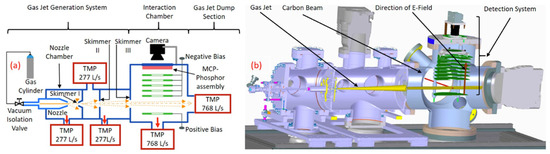
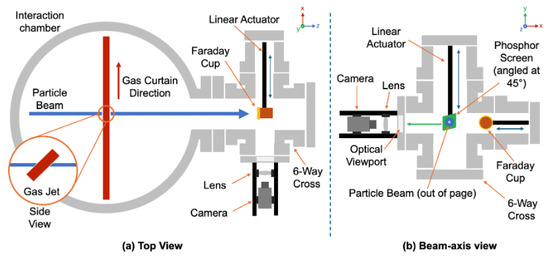
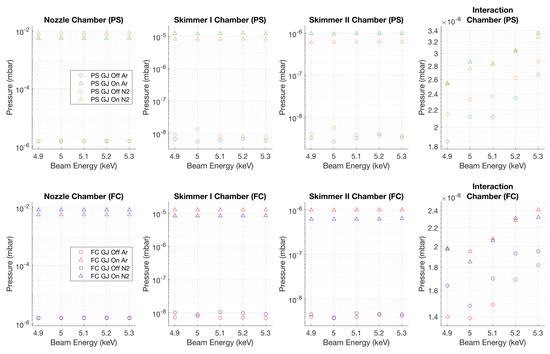
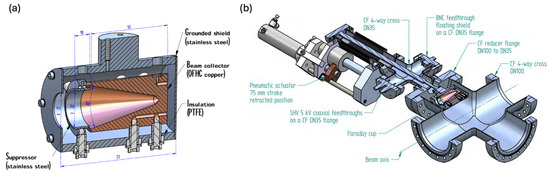
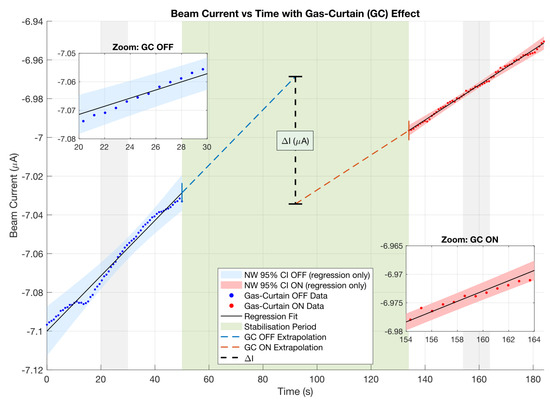
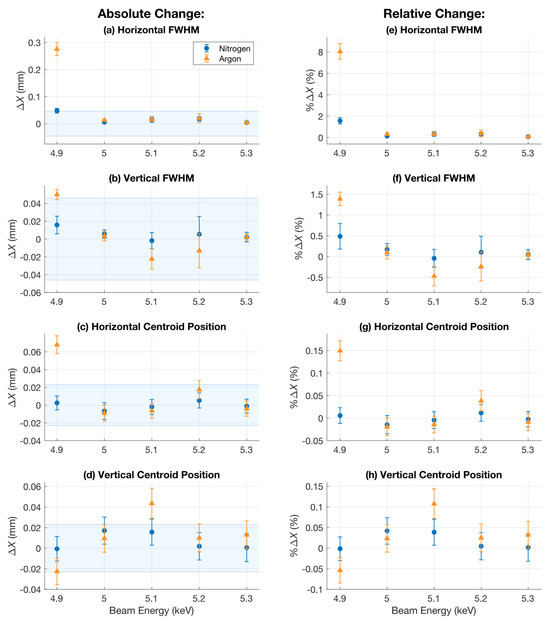
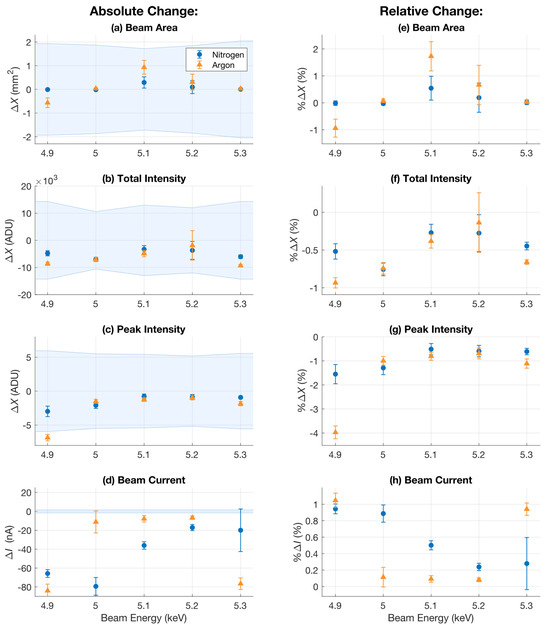
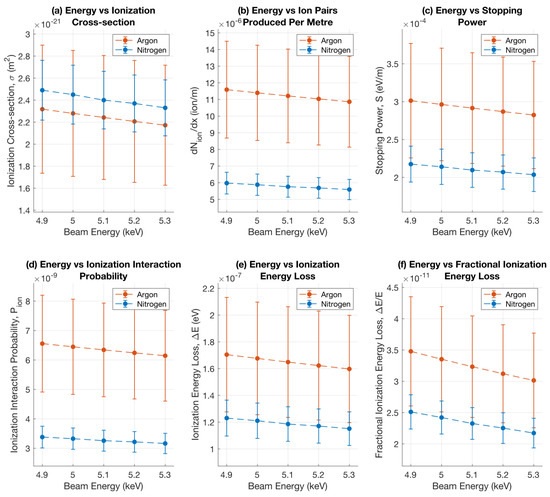
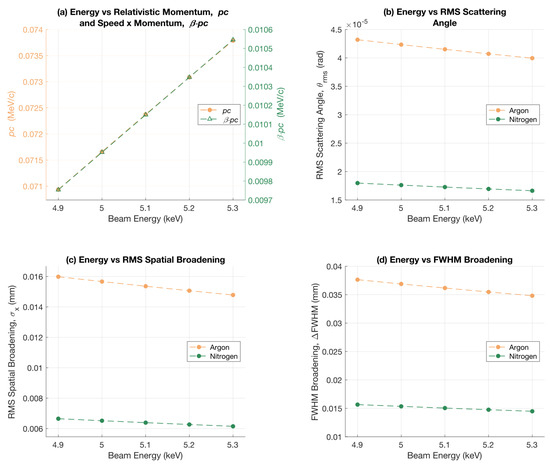
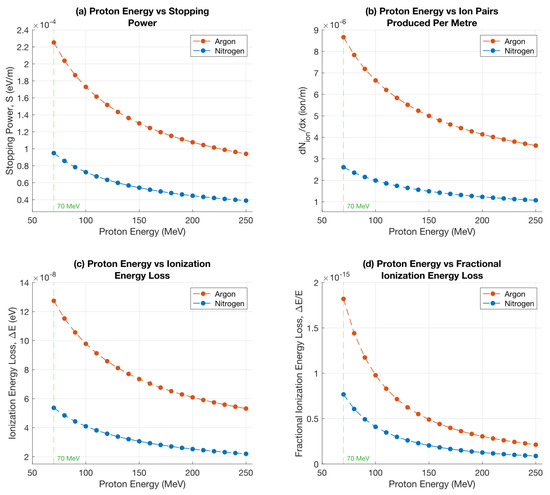
In proton beam therapy, ideally, beam monitoring should be non-invasive to provide online real-time feedback, such that the total dose delivered to the patient is not significantly affected. The invasiveness of the Supersonic Gas-Curtain-Based Ionization Profile Monitor (SGC-IPM) system was quantified by perturbation in beam current and transverse beam profile parameters induced by the supersonic gas-curtain for a 4.9–5.3 keV electron beam, representing a worst-case scenario where perturbations can be more easily observable. The experimentally measured gas-curtain effects on transverse beam parameters (≤2%), intensity (≤−1%) and beam current (≤−1%) were small in magnitude and largely below resolution limits. To confirm these effects, order-of-magnitude beam–gas interaction approximations were calculated for the experimental energy range, demonstrating negligible energy loss with minor scattering, broadly consistent with the experimental results. Clinical proton beam gas-curtain predictions (70–250 MeV) indicate a further reduction of ∼104 compared to the experimental observations. Even under the conservative electron beam conditions used in this study, the observed perturbations were minor or unresolvable and measured effects were significantly smaller than spatial and dosimetry scales relevant to proton radiotherapy. Overall, the experimental measurements and supporting order-of-magnitude estimates demonstrate that the SGC-IPM introduces negligible perturbations to beam parameters and is predicted to provide non-invasive beam profile monitoring for clinical proton beam diagnostics. Full article
(This article belongs to the Section Particle Detectors and Accelerators)
Show Figures

Figure 1

32 pages, 3615 KB  
Review
Comparative Wound Healing Processes in Plants and Animals: Bioinspired Strategies for Advancing Regenerative Medicine
by Fatemeh Najafi, Natália Aparecida de Paula, Filipe Rocha Lima, Marcio Fronza, Carem Gledes Vargas Rechia and Marco Andrey Cipriani Frade
Int. J. Mol. Sci. 2026, 27(13), 5899; https://doi.org/10.3390/ijms27135899 (registering DOI) - 30 Jun 2026
Abstract
Wound healing is a fundamental biological process essential to maintaining structural integrity and survival across both plant and animal life. Despite the profound evolutionary distance separating these kingdoms, wound healing provides one of those momentous occasions when these biological universes collide, revealing significant [...] Read more.
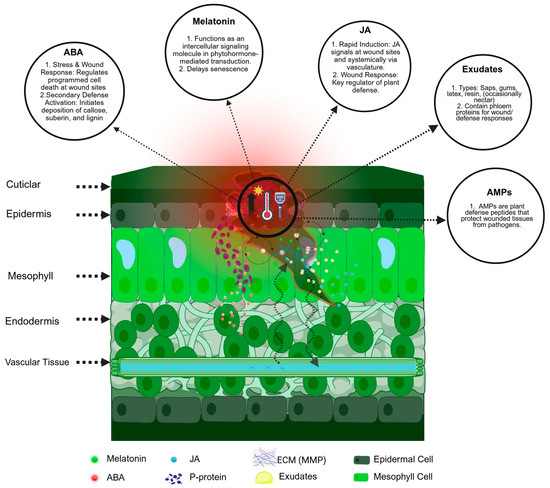
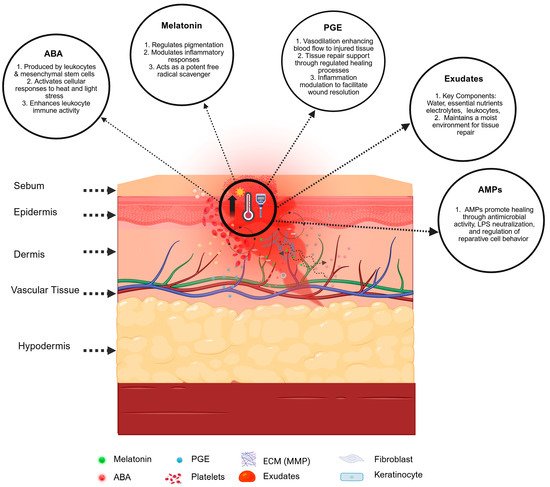
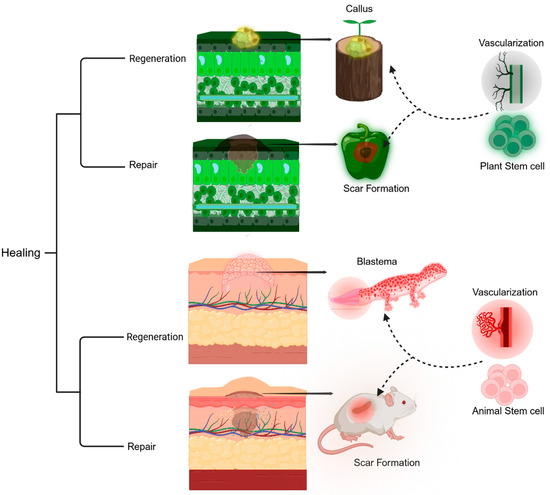
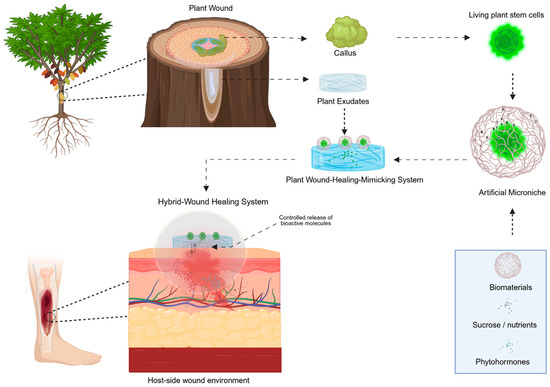
Wound healing is a fundamental biological process essential to maintaining structural integrity and survival across both plant and animal life. Despite the profound evolutionary distance separating these kingdoms, wound healing provides one of those momentous occasions when these biological universes collide, revealing significant evolutionary parallels in the core mechanisms of healing, despite clear molecular and physiological differences. However, two challenges have hindered systematic cross-kingdom comparisons. First, unlike animal wound healing, the major phases of plant wound healing have not been organized into a universally accepted classification. Second, no comparative framework exists for systematically comparing wound-healing processes across plant and animal kingdoms. To address these challenges, we developed a comparative classification framework that organizes wound healing into three functional phases: (1) bioelectrical signaling, (2) immune responses, and (3) tissue formation and remodeling. This classification defines the major phases of plant wound healing, while the comparative framework establishes a common basis for systematic cross-kingdom comparison. Through comparative analysis, multiple shared cellular and molecular mechanisms were identified. These findings led to a conceptual model termed the hybrid-wound healing system, integrating plant- and animal-derived regenerative responses and providing a theoretical basis for future bioinspired regenerative strategies. Within this system, living plant stem cells are proposed as central biological components that may potentially act as intelligent pharmaceutical microfactories, releasing bioactive molecules in suitable microenvironments. This approach represents a hypothetical future strategy requiring extensive preclinical validation to strategies based on extracts, conditioned media, extracellular vesicles, or isolated bioactive compounds. Collectively, this descriptive review establishes a conceptual foundation for future investigations in plant biology, wound healing, and regenerative medicine. Full article
(This article belongs to the Special Issue Advancements in Regenerative Medicine Research)
Show Figures

Figure 1

14 pages, 5826 KB  
Article
Molecular Iodine/PPARγ Interaction in the Invasion and Angiogenesis of Neuroblastoma Xenografts
by Edgar R. Juvera-Avalos, Gustavo Orizaga-Osti, Evangelina Delgado-Gonzalez, Hilda Lomeli, Brenda Anguiano and Carmen Aceves
Cells 2026, 15(13), 1189; https://doi.org/10.3390/cells15131189 (registering DOI) - 30 Jun 2026
Abstract
The study investigates the impact of molecular iodine (I2) supplementation on the viability, invasiveness, and angiogenic potential of high-risk neuroblastoma (NB). In vitro assays were performed using NB cell lines SK-N-AS (non-MYCN-amplified) and SK-N-BE(2) (MYCN-amplified). The role [...] Read more.
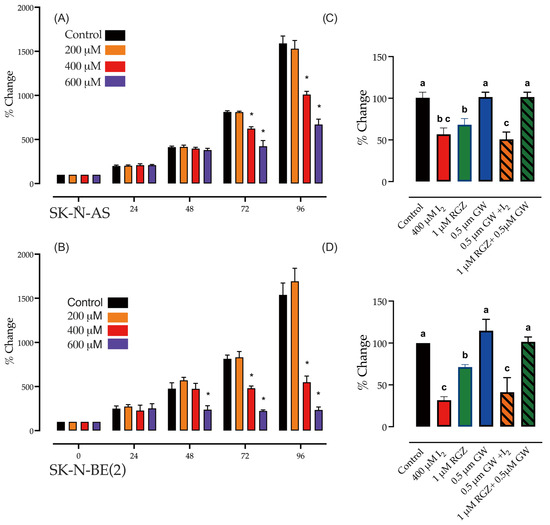
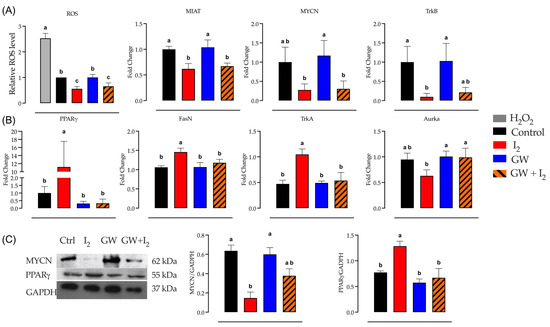
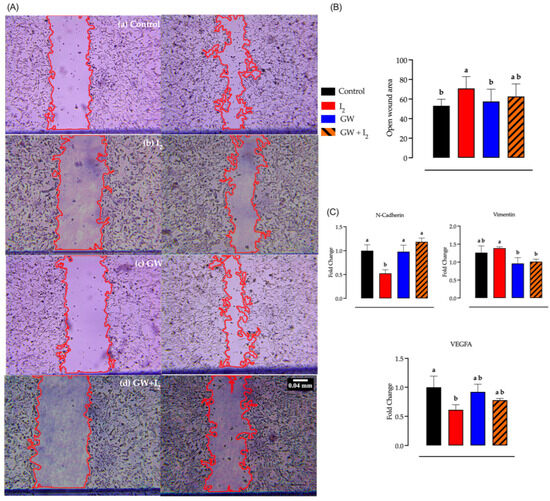
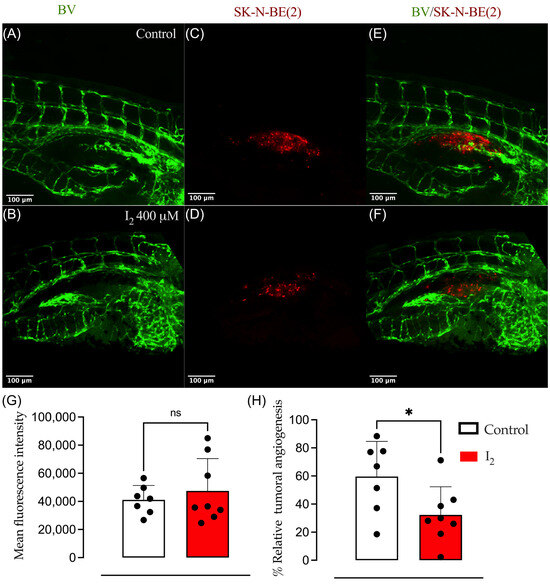
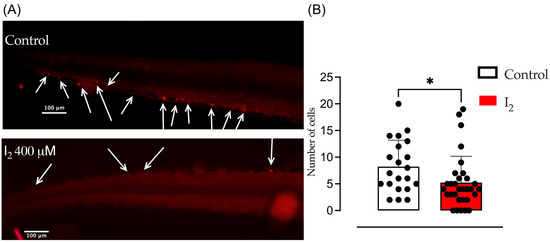
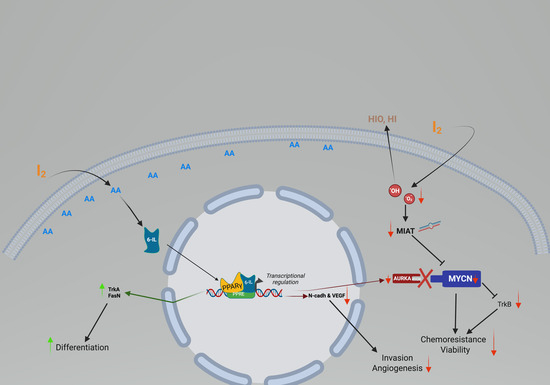
The study investigates the impact of molecular iodine (I2) supplementation on the viability, invasiveness, and angiogenic potential of high-risk neuroblastoma (NB). In vitro assays were performed using NB cell lines SK-N-AS (non-MYCN-amplified) and SK-N-BE(2) (MYCN-amplified). The role of peroxisome proliferator-activated receptor gamma (PPARγ) was evaluated using the antagonist GW9662, gene expression (RT-qPCR), and protein levels (Western blot). In vivo, zebrafish xenografts were used to evaluate tumor size, angiogenesis, and caudal cell dissemination. I2 supplementation significantly decreased cell viability in both cell lines, independent of PPARγ activation. In SK-N-BE(2), I2 impaired cell migration, as measured by a wound-healing assay, in apparent independence of PPARγ activation. However, gene expression indicates that I2 acts in complex ways, including direct antioxidant effects and PPARγ-mediated effects. The significant decrease in reactive oxygen species levels (DCFDA staining) and the silencing of the long noncoding RNA myocardial infarction-associated transcript (MIAT) by I2 were directly associated with decreased MYCN and TrkB expression. In contrast, PPARγ activation was accompanied by overexpression of FasN and TrkA and a significant decrease in Aurka, a MYCN-stabilizing protein. In zebrafish, I2-pretreated SK-N-BE(2) xenografts exhibited a clear reduction in angiogenesis (vascular density) and a decrease in invasive capacity. In conclusion, I2 supplementation decreases cell viability and attenuates invasion and angiogenesis in NB cells, highlighting its potential as an adjuvant to conventional therapy for high-risk NB. Full article

(This article belongs to the Special Issue The Role of PPARs in Disease - Volume IV)
Show Figures

Graphical abstract

16 pages, 4054 KB  
Article
Accumulation and Variation Patterns of Terpenoid Metabolites in Citron Flavedo Based on Widely Targeted Metabolomics
by Yanfang Zhang, Xiongjie Lin, Jinghao Huang, Shouxing Wen, Changbin Wei and Hanqing Hu
Horticulturae 2026, 12(7), 800; https://doi.org/10.3390/horticulturae12070800 (registering DOI) - 30 Jun 2026
Abstract
Citron is a medicinal and edible plant. Terpenoids exhibit a wide range of biological activities. However, terpenoids in citron remain underexplored. In this study, a widely targeted metabolomics approach was employed to analyze the accumulation and variation patterns of terpenoid metabolites in citron [...] Read more.
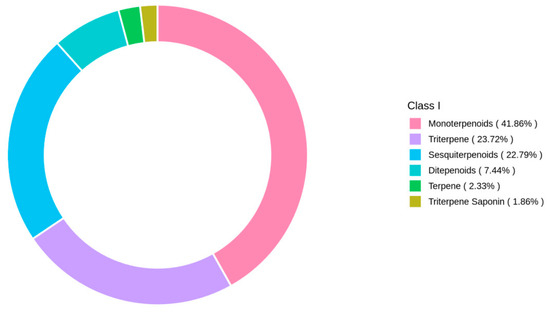
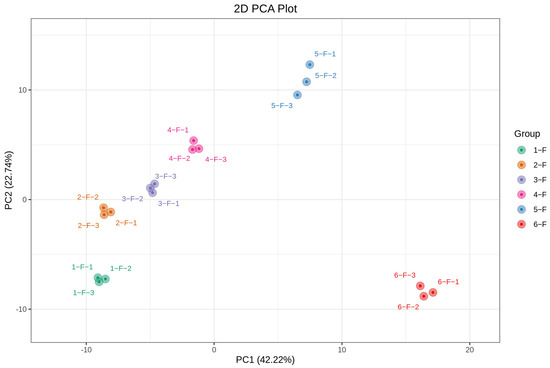
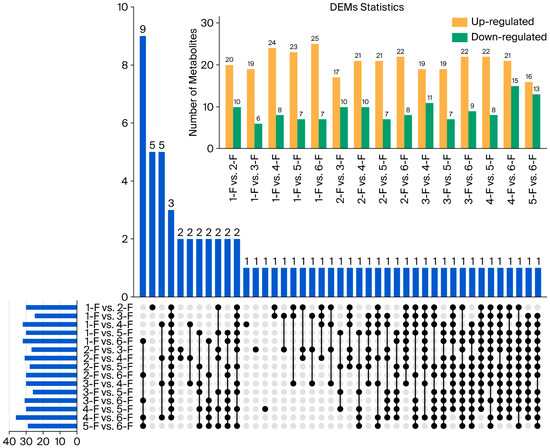
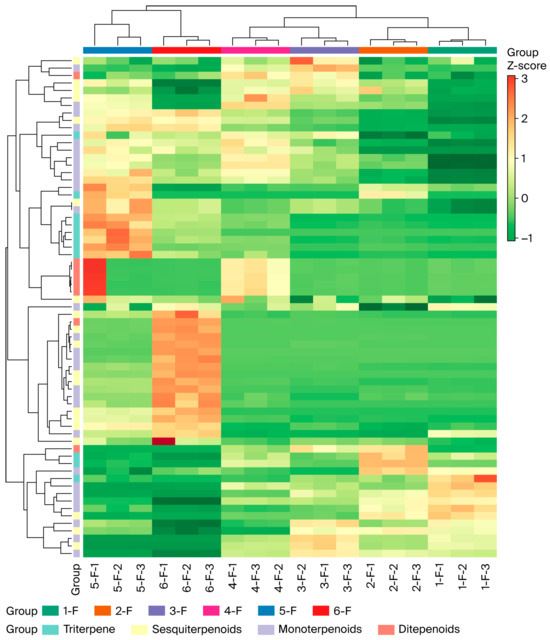
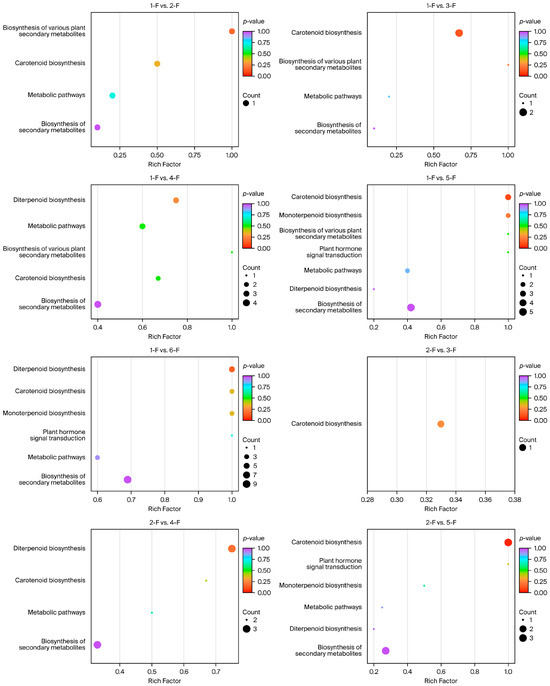
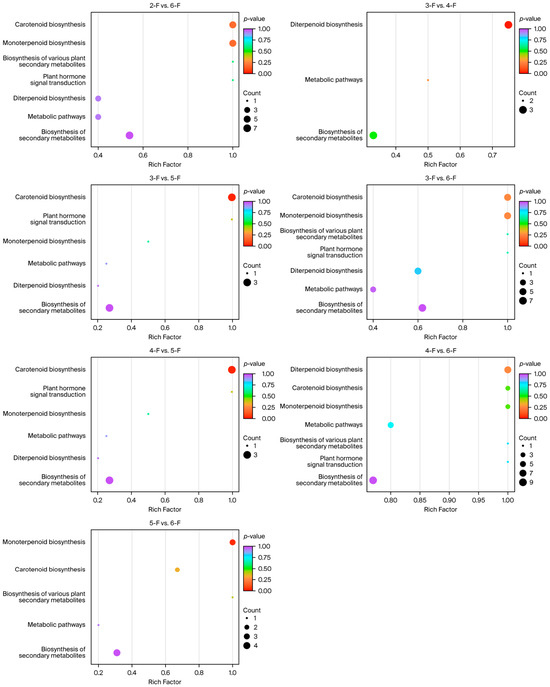
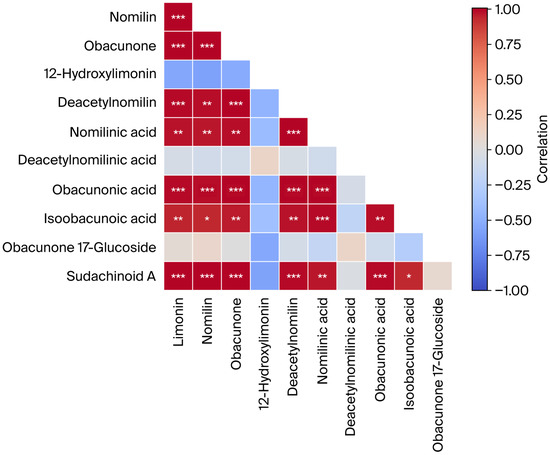
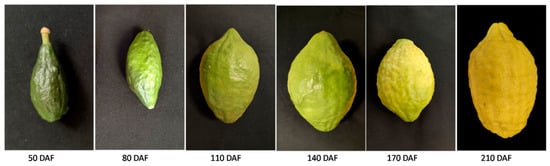
Citron is a medicinal and edible plant. Terpenoids exhibit a wide range of biological activities. However, terpenoids in citron remain underexplored. In this study, a widely targeted metabolomics approach was employed to analyze the accumulation and variation patterns of terpenoid metabolites in citron flavedo at six developmental stages (50, 80, 110, 140, 170, and 210 d after flowering). The results showed that a total of 215 metabolites were detected, with monoterpenes (90) and triterpenes (51) being the major ones, accounting for 41.86% and 23.72% of the total, respectively. A total of 67 differential terpenoid metabolites were identified across different developmental stages. The number of up-regulated metabolites consistently exceeded that of down-regulated metabolites in each comparison group. Bitterness-related triterpenoid metabolites such as limonin, nomilin, obacunone, nomilinic acid, and obacunoic acid peaked at 170 d after flowering but exhibited an overall downward trend at 210 d. Most of the limonoid metabolites were significantly or extremely significantly positively correlated with one another; notably, nomilin displayed strong positive correlations with obacunone, deacetylnomilin, nomilinic acid, and obacunoic acid. This study delivers the first in-depth analysis of terpenoids in citron throughout development stages, laying a foundation for ongoing research and development of terpenoids in citron. Full article
(This article belongs to the Special Issue Latest Advances and Prospects in Germplasm of Tropical Fruits)
Show Figures

Figure 1

22 pages, 15965 KB  
Article
Ages and Compositions of Titanite from the Bastielieke Tungsten Polymetallic Deposit, Southern Altay: Implications for Multiple-Stage Hydrothermal Events
by Mengjing Xu, Fengmei Chai, Yanwang Wu and Wen Wang
Minerals 2026, 16(7), 688; https://doi.org/10.3390/min16070688 (registering DOI) - 30 Jun 2026
Abstract
The Bastielieke W-polymetallic deposit, located in the Xinjiang Altay metallogenic belt, records a complex hydrothermal history critical to understanding multi-stage metallogenic processes in the southern Altay. This study integrates in situ U-Pb dating of hydrothermal titanite and zircon with textural and compositional analyses [...] Read more.
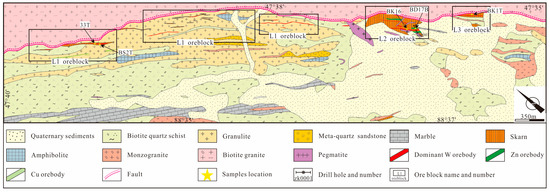
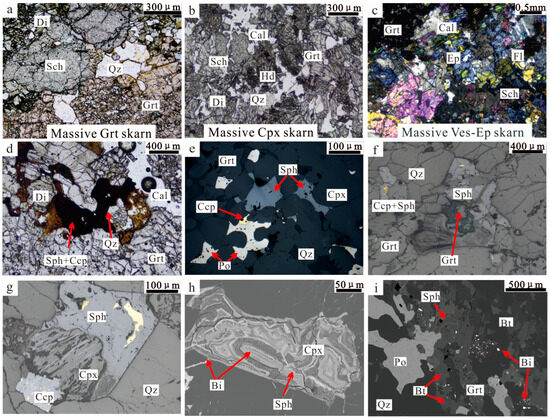
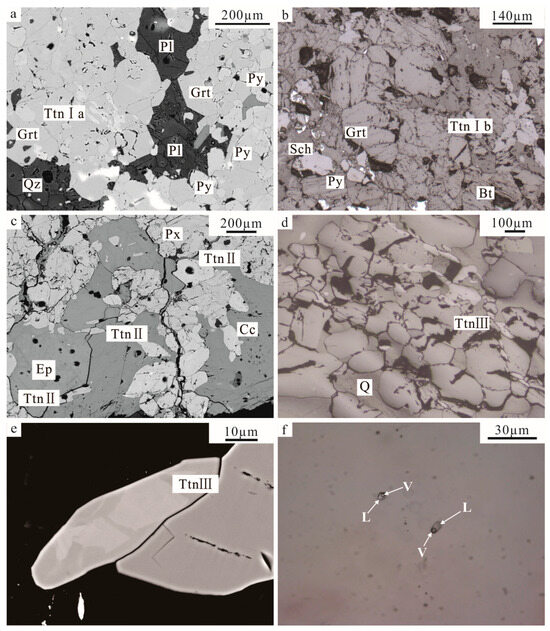
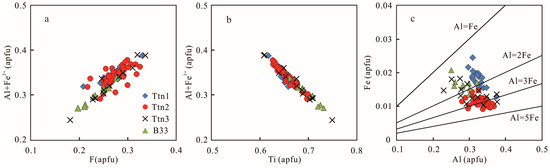
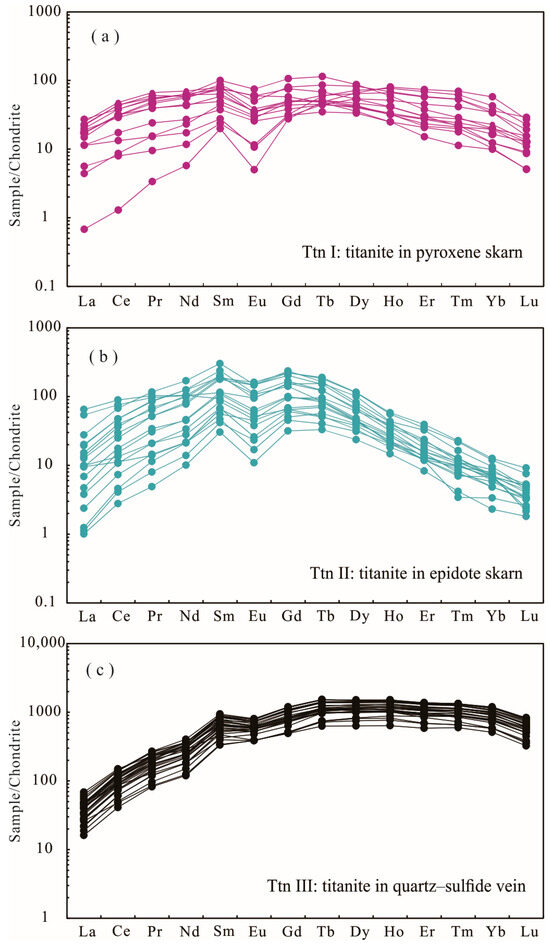
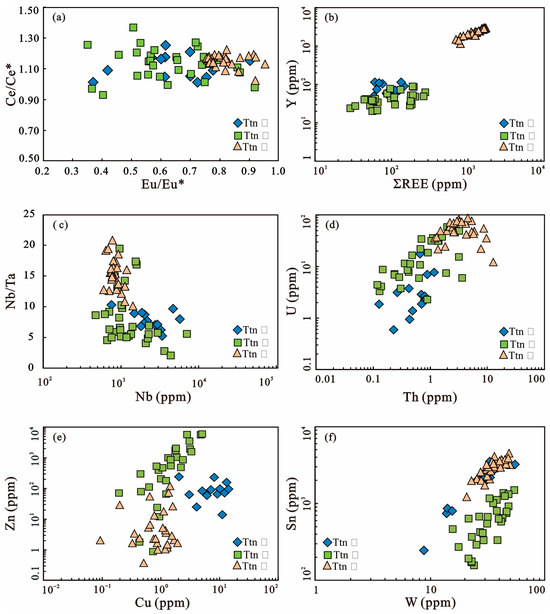
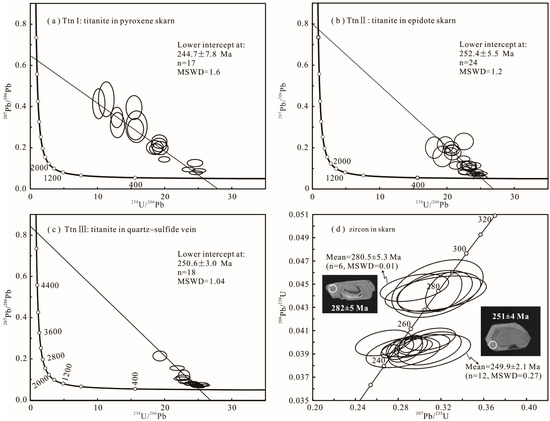
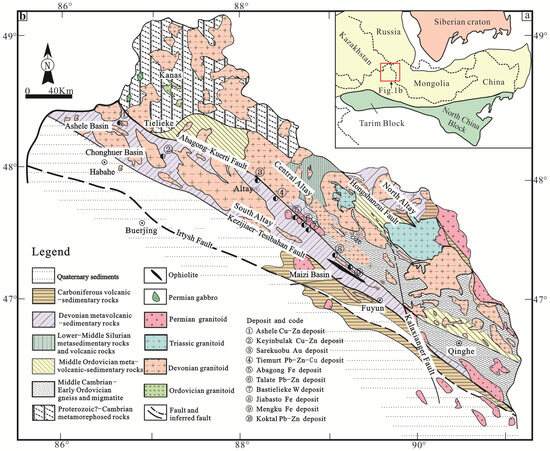
The Bastielieke W-polymetallic deposit, located in the Xinjiang Altay metallogenic belt, records a complex hydrothermal history critical to understanding multi-stage metallogenic processes in the southern Altay. This study integrates in situ U-Pb dating of hydrothermal titanite and zircon with textural and compositional analyses of titanite to reconstruct this history. Three types of hydrothermal titanite, identified from pyroxene skarn (TtnI), epidote skarn (TtnII), and quartz–sulfide ore (TtnIII), display dissolution–reprecipitation textures and systematic compositional variations, indicating distinct fluid compositions and origins. TtnI, TtnII, and TtnIII yield U-Pb ages of 244.7 ± 7.8 Ma, 252.4 ± 5.5 Ma, and 250.6 ± 3.0 Ma, respectively, and hydrothermal zircon from pyroxene skarn yields an age of 249.9 ± 2.1 Ma, constraining the hydrothermal event to the latest Permian to Early Triassic. These ages are interpreted to record the timing of U-Pb system resetting during regional shear–thrust movements. Compositional variations among the three titanite types reveal a two-stage hydrothermal history. The earlier stage involved W–Cu mineralization and protolith titanite precipitation related to magmatic–hydrothermal fluids exsolved from Permian granites. The later stage was driven by regional shear–thrust movements and metamorphic–hydrothermal processes, which reset the titanite U-Pb systems, partially altered TtnI and TtnII, precipitated TtnIII, and remobilized metals. This model links the Bastielieke deposit to multi-stage hydrothermal processes and provides insights into similar metallogenic events along the southern margin of Xinjiang Altay. Full article
Show Figures

Figure 1

19 pages, 5816 KB  
Article
Support Roof Interaction Under Lower Hard Roof Conditions in Longwall Mining
by Jie Zhang, Songtao Ji, Jun Deng, Hang Li, Jinwen Bai, Yong Liu and Jurij Karlovšek
Mathematics 2026, 14(13), 2313; https://doi.org/10.3390/math14132313 (registering DOI) - 30 Jun 2026
Abstract
Hard roofs in longwall mining may form large, suspended strata, which induce strong abutment stress redistribution. Therefore, a rational face support design is essential for ground control. This study develops an analytical numerical framework to evaluate support roof interaction under hard roof conditions. [...] Read more.
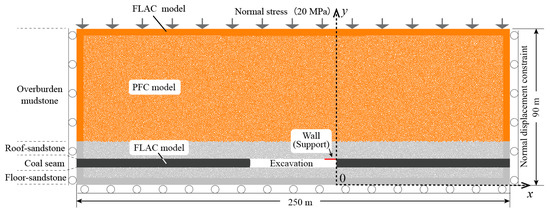
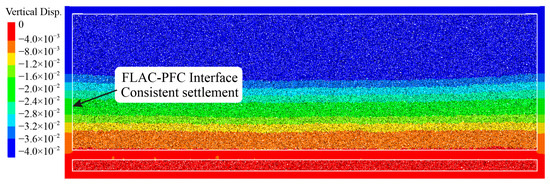
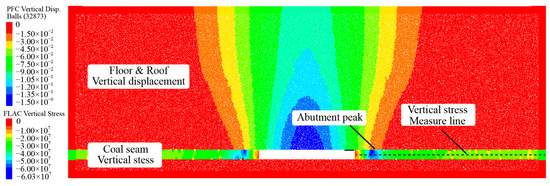
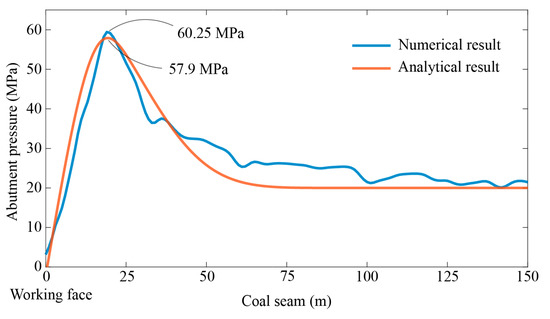
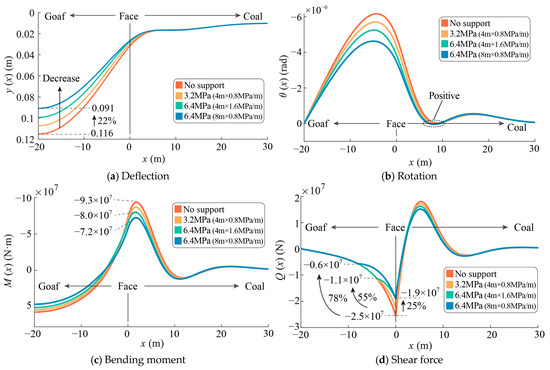
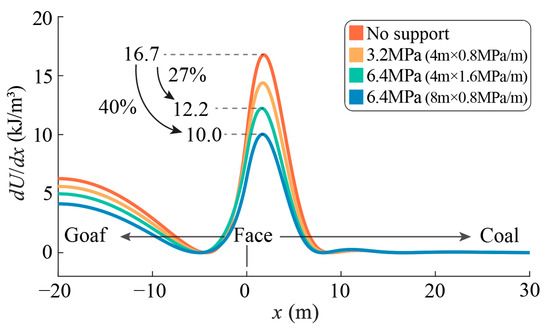
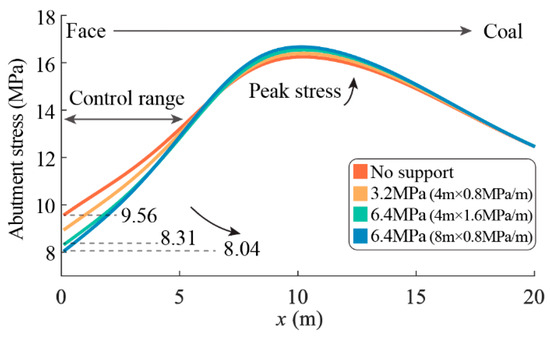
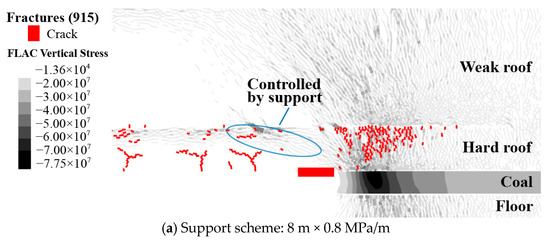
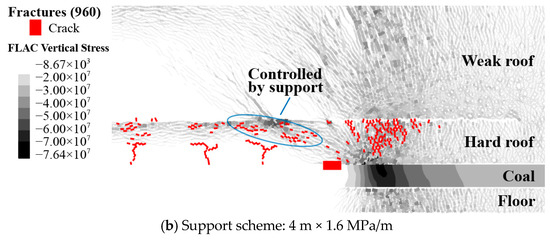
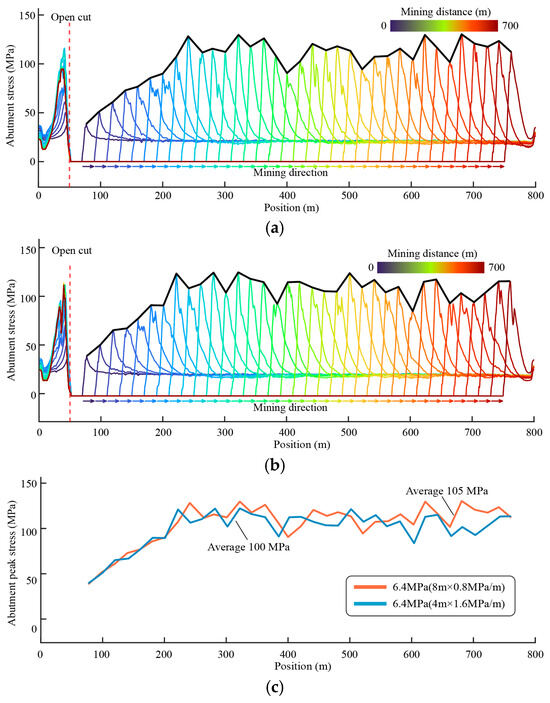
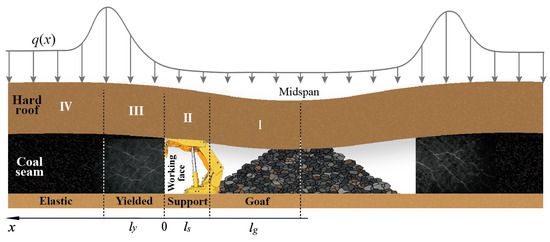
Hard roofs in longwall mining may form large, suspended strata, which induce strong abutment stress redistribution. Therefore, a rational face support design is essential for ground control. This study develops an analytical numerical framework to evaluate support roof interaction under hard roof conditions. A segmented beam foundation model is established for the support roof system, and an equivalent variable foundation modulus is introduced to represent the reduced bearing capacity of yielded coal ahead of the working face. The analytical results are checked against a Particle Flow Code (PFC) and Fast Lagrangian Analysis of Continua (FLAC) coupled model, showing good agreement in the magnitude and location of the peak abutment stress. Parametric analyses are then conducted to examine the effects of support intensity and support distance on roof deflection, rotation, bending moment, shear force, strain energy density, and abutment stress. The results show that increasing support capacity reduces roof deformation and coal wall stress, while redistributing the same capacity over a longer support distance more effectively lowers roof strain energy concentration and inclined fracture development. However, the longer distance, lower density arrangement may transfer stress deeper into the coal seam and increase peak stress fluctuation during face advance. The proposed study provides a practical method for comparing face support schemes under low position hard roof conditions. Full article
Show Figures

Figure 1

20 pages, 1152 KB  
Article
Deep Reinforcement Learning-Based Fairness and Throughput-Aware Association Control Algorithm for Dense WLAN Systems
by Hyeongjun Jeon, Sanghui Lee, Eungsu Kim and Jaewook Lee
Electronics 2026, 15(13), 2849; https://doi.org/10.3390/electronics15132849 (registering DOI) - 30 Jun 2026
Abstract
Dense indoor wireless local area networks (WLANs) suffer from load imbalance and performance degradation due to independent and uncoordinated Wi-Fi access point (AP) operations. Although existing association-control schemes have improved throughput, fairness, or quality of experience (QoE), these schemes often rely on infrastructure-side [...] Read more.
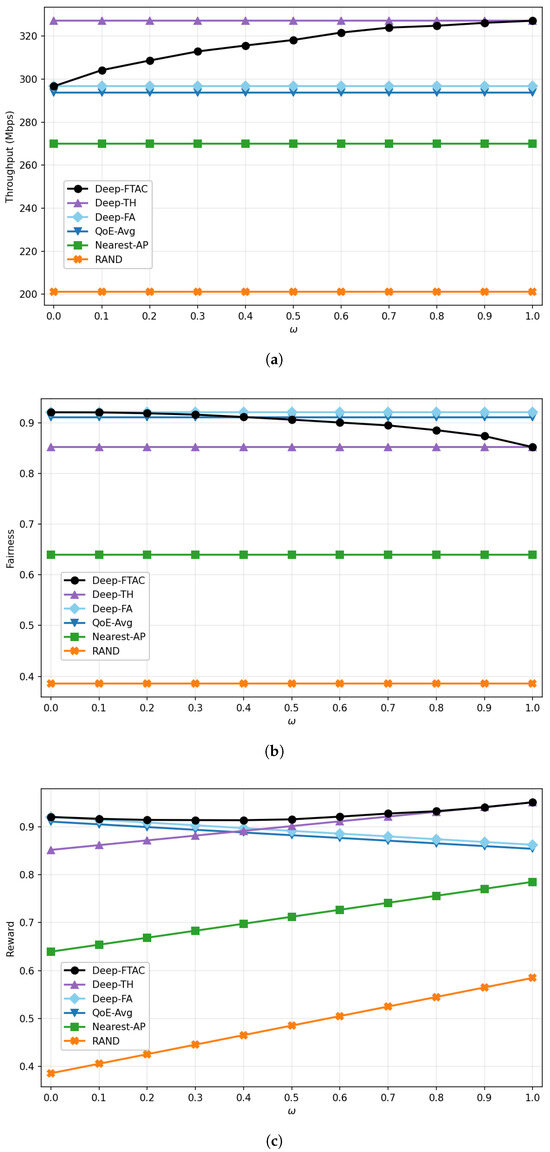
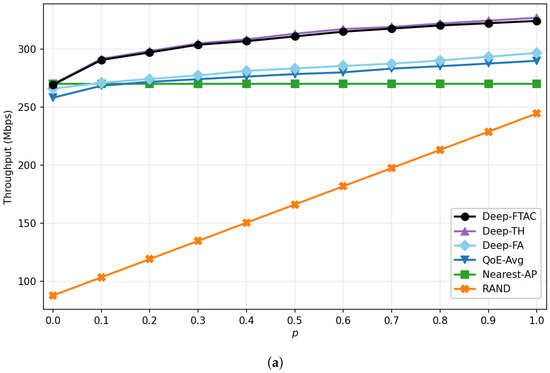
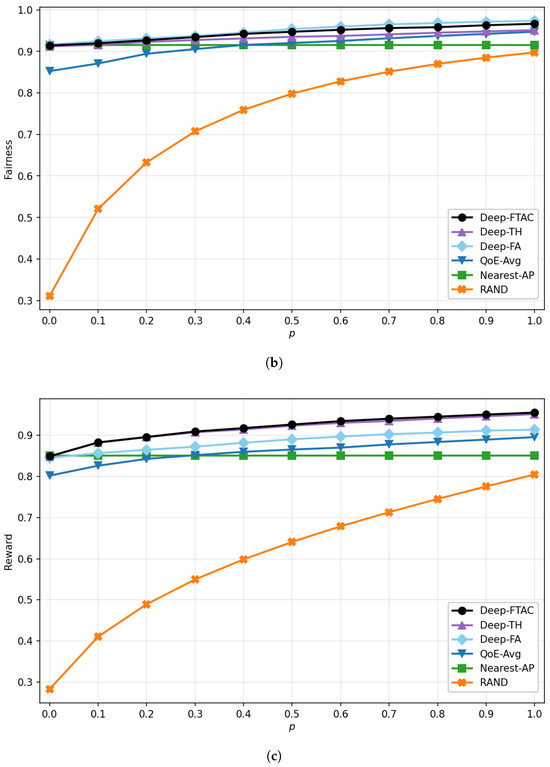
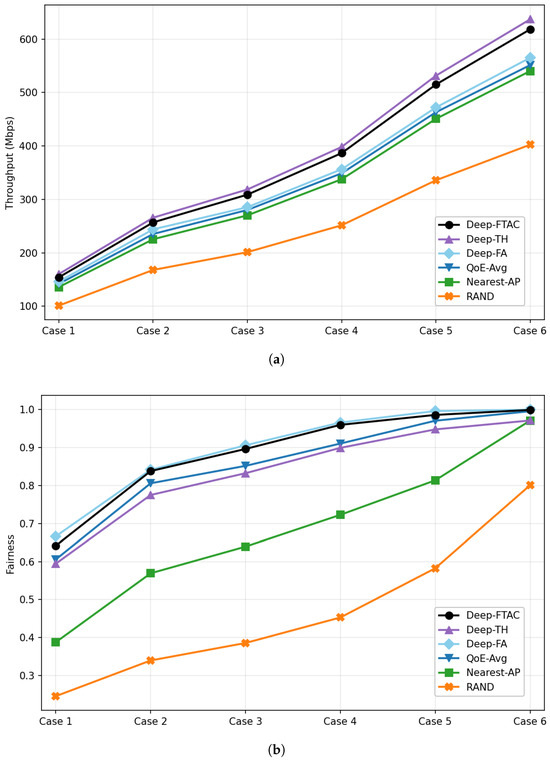
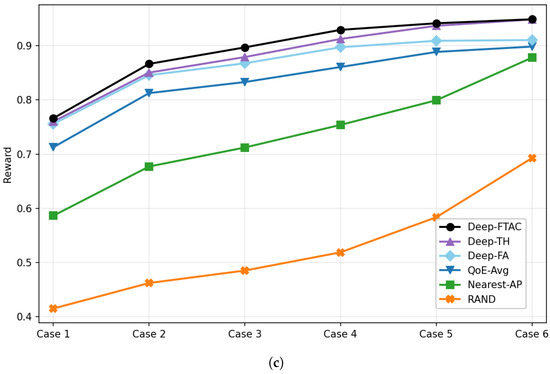
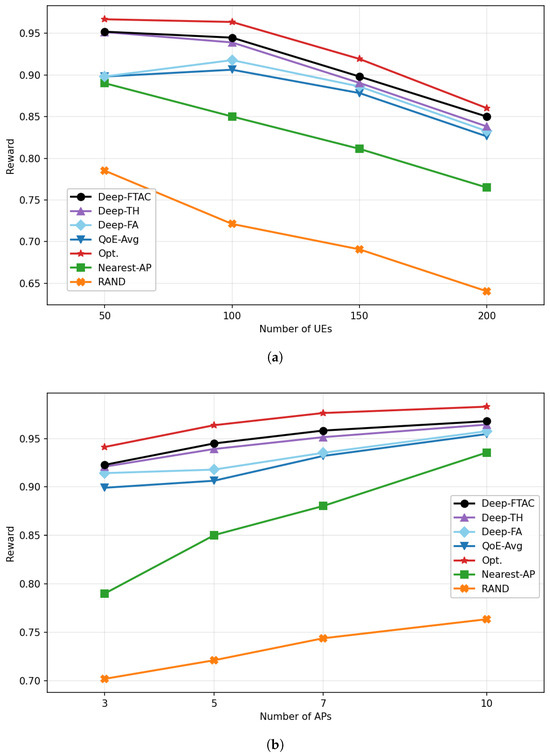
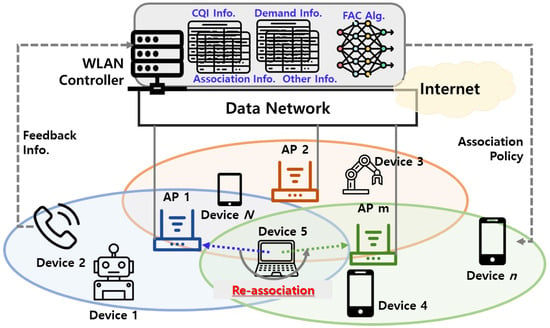
Dense indoor wireless local area networks (WLANs) suffer from load imbalance and performance degradation due to independent and uncoordinated Wi-Fi access point (AP) operations. Although existing association-control schemes have improved throughput, fairness, or quality of experience (QoE), these schemes often rely on infrastructure-side modification or fail to jointly consider system throughput and fairness in user demand satisfaction. To address these limitations, we introduce a user-centric software-defined WLAN (SD-WLAN) architecture that enables centralized association control without modifying legacy AP infrastructure. In addition, we propose a deep reinforcement learning-based fairness- and throughput-aware association-control (Deep-FTAC) algorithm. Deep-FTAC employs the Twin Delayed Deep Deterministic Policy Gradient (TD3) algorithm together with a Straight-Through Gumbel-Softmax (STGS) mechanism to support differentiable discrete AP selection. Simulation results demonstrate that Deep-FTAC improves the overall system throughput and user demand-satisfaction fairness by up to 14% and 41%, respectively, compared to the conventional scheme in which each user is associated with the geographically closest feasible AP. Full article
(This article belongs to the Special Issue Efficient Deep Learning Models and Applications)
Show Figures

Figure 1

17 pages, 2626 KB  
Article
Assessment of Wave Energy Converter Performance with Satellite Data
by Florin Onea, Eugen Rusu and Liliana Rusu
J. Mar. Sci. Eng. 2026, 14(13), 1208; https://doi.org/10.3390/jmse14131208 (registering DOI) - 30 Jun 2026
Abstract
Recent advances in satellite measurements make satellites suitable candidates for monitoring the ocean environment, especially in the case of offshore wave resources. In this context, the present work aims to evaluate the accuracy of the wave dataset provided by the European Space Agency’s [...] Read more.
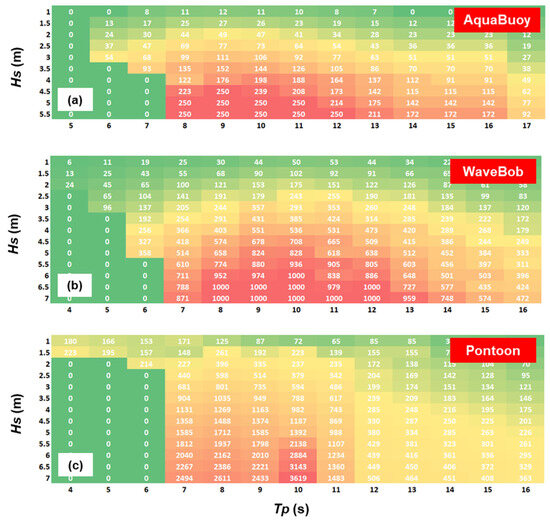
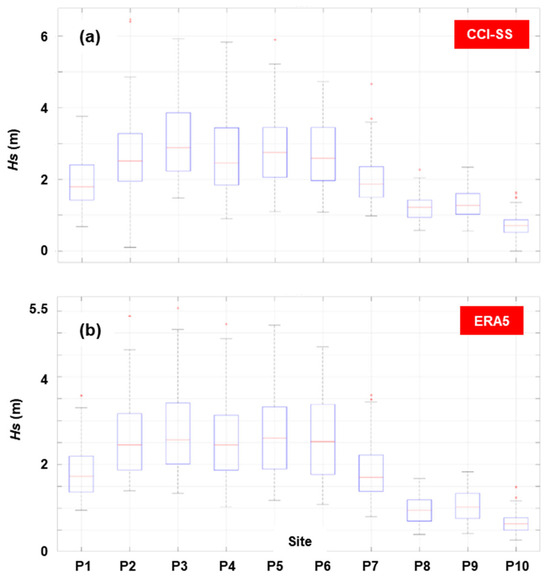
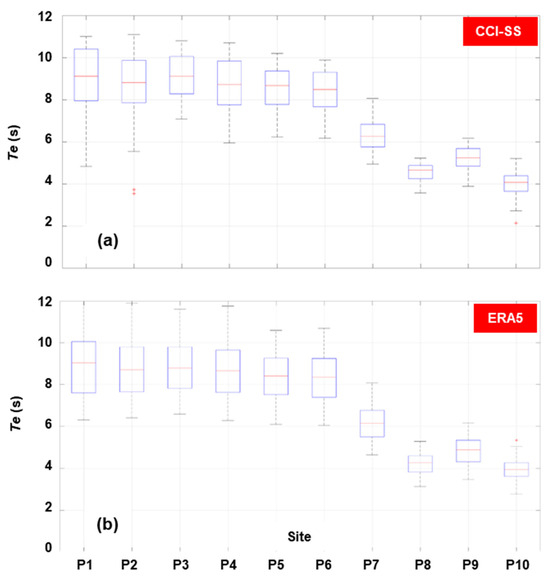
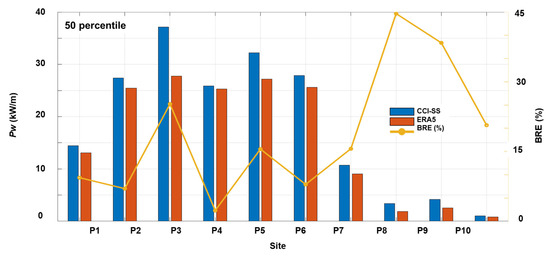
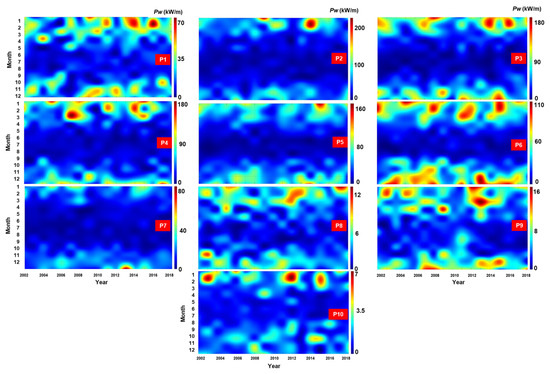
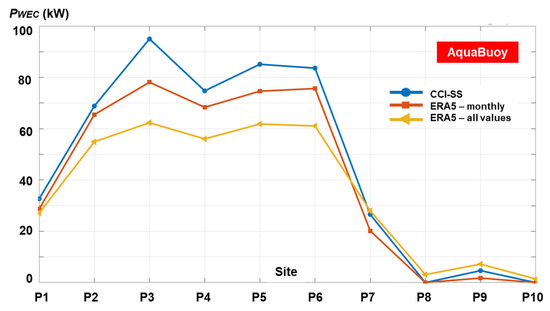
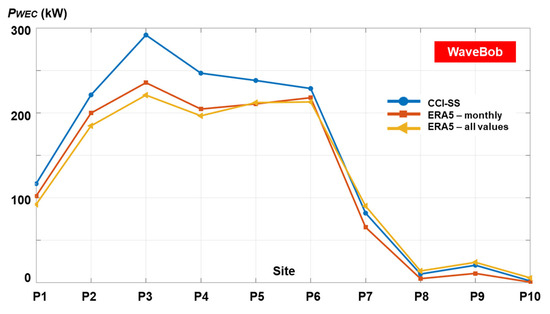
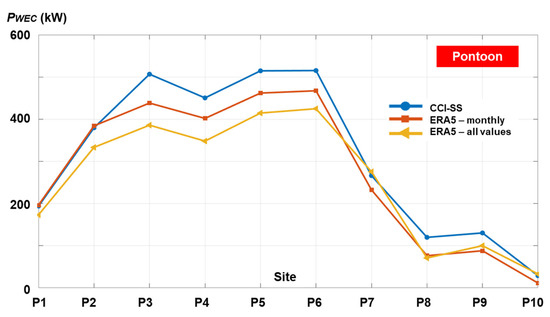
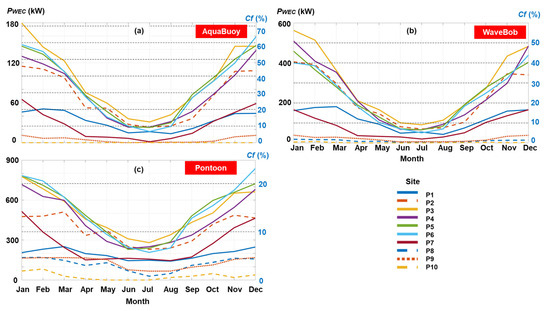
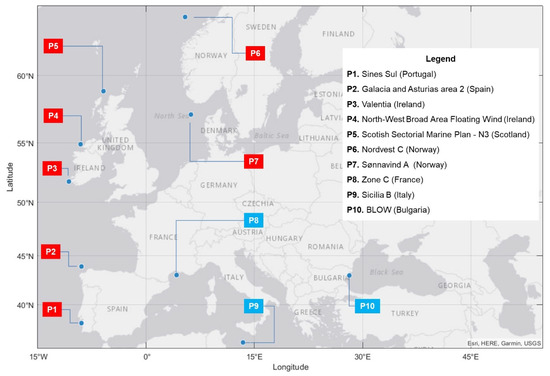
Recent advances in satellite measurements make satellites suitable candidates for monitoring the ocean environment, especially in the case of offshore wave resources. In this context, the present work aims to evaluate the accuracy of the wave dataset provided by the European Space Agency’s Sea State Climate Change Initiative (or CCI-SS) project, in order to establish its viability to be used for renewable energy applications in general and those associated with some European locations in particular. Seventeen years of ERA5 data (2002–2018) are also considered for comparison with the satellite measurements. The first step is to derive the wave periods corresponding to the significant wave heights provided by the satellite from the ERA5 data by establishing a quadratic relationship between the significant wave height (Hs) and the wave period (Te). As a next step, the local wave conditions are expressed in terms of wave power distribution, also considering the performance of three wave energy generators with nominal power ranging from 250 to 3619 kW. By comparing with ERA5 data, it was observed that the CCI-SS dataset generally overestimates the wave energy for the sites located in the oceanic environment, also indicating much higher values for the converters with a rated power that does not exceed 1000 kW. Full article
(This article belongs to the Section Marine Energy)
Show Figures

Figure 1

15 pages, 4687 KB  
Review
A Comprehensive Review of Coronavirus Non-Structure Protein 6 on Structure, Functions, Mechanisms and Its Implications for Antiviral Research
by Yingzhe Yu, Weimei He, Xiaohui Geng, Yulong He, Huapeng Feng, Jian Chen and Jianhong Shu
Viruses 2026, 18(7), 721; https://doi.org/10.3390/v18070721 (registering DOI) - 30 Jun 2026
Abstract
Coronaviruses encode a variety of non-structural proteins (NSPs) that collectively mediate viral genome replication, transcription and remodeling of the host cellular microenvironment. As a highly conserved transmembrane protein, non-structural protein 6 (NSP6) predominantly localizes to the endoplasmic reticulum. Through interactions with other viral [...] Read more.
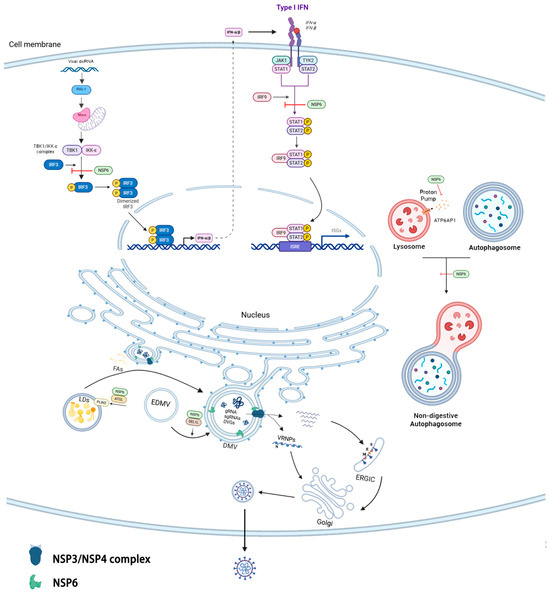
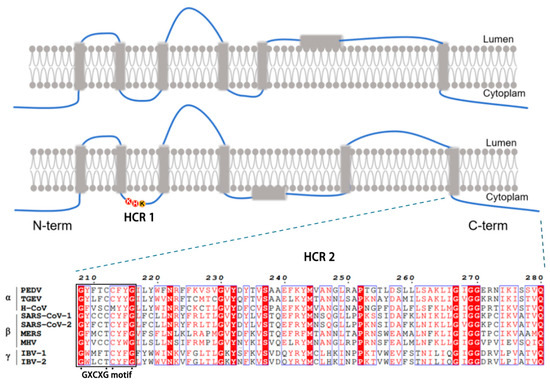
Coronaviruses encode a variety of non-structural proteins (NSPs) that collectively mediate viral genome replication, transcription and remodeling of the host cellular microenvironment. As a highly conserved transmembrane protein, non-structural protein 6 (NSP6) predominantly localizes to the endoplasmic reticulum. Through interactions with other viral proteins and host factors, NSP6 participates in multiple pivotal processes, including the formation and stabilization of double-membrane vesicles (DMVs), reprogramming of lipid metabolism, blockade of autophagic flux, and evasion of innate immunity. Recent advances in structural biology and research on virus–host interactions have further elucidated the essential roles of NSP6 throughout the viral life cycle. Mutations in NSP6 are closely associated with viral adaptability, transmissibility and pathogenicity. Herein, we comprehensively review the latest advances on the molecular structure, biological functions and mutation hotspots of coronavirus NSP6, as well as its implications for antiviral research. This review aims to provide a theoretical basis for further dissecting the pathogenic mechanisms of coronaviruses and developing broad-spectrum antiviral drugs. Full article
(This article belongs to the Special Issue Coronaviruses Pathogenesis, Immunity, and Antivirals (2nd Edition))
Show Figures

Figure 1

22 pages, 1726 KB  
Review
Molecular Crosstalk Between Flowering Time and Drought Adaptation in Cereal Crops
by Song Song, Xiaowei Fan, Nannan Zhang, Nan Lin and Guanfeng Wang
Plants 2026, 15(13), 2024; https://doi.org/10.3390/plants15132024 (registering DOI) - 30 Jun 2026
Abstract
Increasingly frequent and severe drought events restrict global agricultural productivity. As sessile organisms, cereal crops have evolved phenotypic plasticity, drawing on drought escape (DE) and drought avoidance (DA) strategies to balance survival and reproduction. While the mechanisms governing photoperiodic flowering and drought responses [...] Read more.
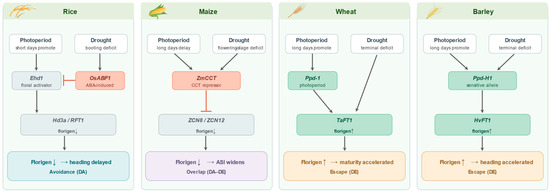
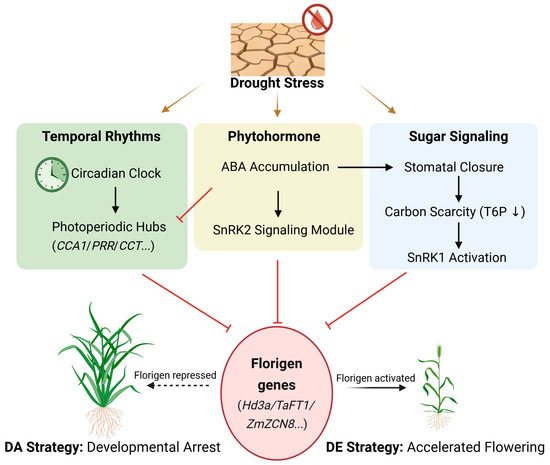
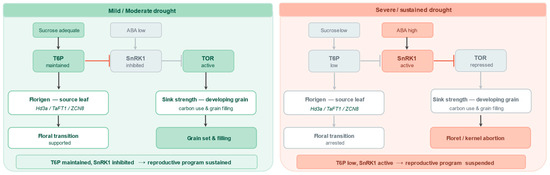
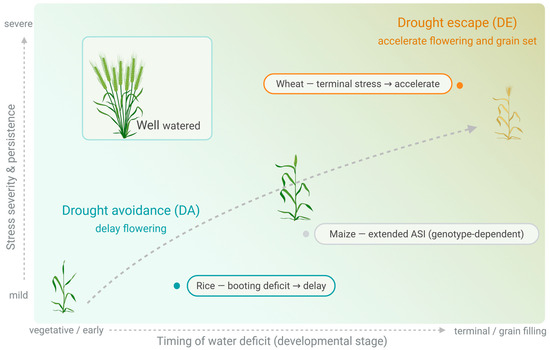
Increasingly frequent and severe drought events restrict global agricultural productivity. As sessile organisms, cereal crops have evolved phenotypic plasticity, drawing on drought escape (DE) and drought avoidance (DA) strategies to balance survival and reproduction. While the mechanisms governing photoperiodic flowering and drought responses are well characterized individually, their molecular intersection remains poorly understood. This review summarizes recent advances in the crosstalk between these two pathways. We highlight the divergent roles of core genetic hubs, such as florigen regulation, GIGANTEA (GI), DELLA proteins, and dual-function transcription factors (e.g., ZmCCT, Ghd7, Ppd-H1), and the breeding-selected alleles, including Green Revolution variants, that can partly uncouple stress tolerance from developmental penalties, though trade-offs often remain. Furthermore, we examine the internal networks driving this crosstalk, including circadian clock phase shifts, sugar and energy signaling through the trehalose-6-phosphate (T6P)-SNF1-related protein kinase 1 (SnRK1) module, and the antagonistic balance within phytohormone networks centered on abscisic acid (ABA). Finally, we propose that integrating epigenetic stress memory, systemic root-to-shoot signaling, and targeted CRISPR/Cas promoter engineering provides a useful conceptual framework for breeding climate-resilient, yield-stable crops. Full article
(This article belongs to the Special Issue Mechanism of Drought and Salinity Tolerance in Crops, 2nd Edition)
Show Figures

Figure 1

Open Access Journals

Browse by Indexing Browse by Subject Selected Journals