FIFTYS PROJECT
鈴木なりさ
私にとってフェミニズムは生き延びる術。これがなかったら今ほど幸せには生きていないだろうなって思います。
●フェミニストになったきっかけは?
母だと思います。千葉の船橋で家父長制の強い家庭で育ち、 振り返ると父も被害者だったと大人になった今思いますが、母は22歳で私を出産した専業主婦で、家にいて家事育児を全てやってくれる人。そんな母を見て女性が働くという将来像はこどもの時には描くことが出来ませんでした。
小学生時代、弟や妹が大きくなるにつれて、父が母に対し暴言や物投げる、何時間も説教するなどのDVが始まります。自分は長女なので、弟と妹には「違う部屋行ってな」とか言いつつ、母の事も守らなくてはと思っていました。自分もこどもだったのに。その時から逃げられないのかな?引っ越した方がいいのでは?おかしいなあ。とずっと疑問に思っていましたが、母は父にひたすら謝り、父の機嫌に全てを左右される生活でした。
一方で母は私たちこどもに対しては、「あなたは天才だからどこにでも行けるよ、なぜなら私達の子だから。何でも挑戦出来るし世界中のどこにでも行けるよ」と ずっと言ってくれていました。私はそれを信じ、中学受験をして初めて東京の学校に行き始めた際に、同級生の母親たちは働いていたり起業してるという話を聞き、うちの家族っておかしいじゃん!母親が働いていいんだ!ということを知ります。
その後大学でフェミニズムの授業を受け、私が探していたのってこれじゃん!みたいに、自分の体験やモヤモヤに言葉が当てられた感じがしました。その後、母は父と離婚するのですが、私が母と一緒にフェミニズムの本を読み、「もう家父長制から脱却しようよ」と言い続けた結果でした。離婚届も一緒に出しに行きました。そこから私はフェミニズムで生きて行きたい!こういう生き方がしたい、と思うようになりました。なのできっかけは母ですね。
What made you become a feminist?
I think it was my mother. I grew up in Funabashi, Chiba, in a strongly patriarchal household. Looking back now as an adult, I realize that my father was also a victim, but my mother was a full-time housewife who gave birth to me at the age of 22 and stayed at home to do all the housework and childcare.
Seeing my mother like that, I couldn't imagine a future where women worked as a child.
When I was in elementary school, as my younger brother and sister grew older, my father started to my mother domestic violence (verbally abuse, throw things, and lecture her for hours). As the eldest daughter, I told my younger brother and sister to go to a different room, but I also felt I had to protect my mother. Even though I was a child myself. From that point on, I always wondered "Is it possible to escape?" and " We should move out" and "This is something wrong". But my mother constantly apologized to my father, and our life was completely dependent on his mood.
On the other hand, my mother always told to us, "You're a genius, so you can go anywhere, because you're our child. You can try anything and go anywhere in the world." I believed her, and when I passed the junior high school entrance exam and started go to school in Tokyo for the first time, I heard stories of my classmates' mothers working or starting their own businesses. I realized, "My family is strange! I did'nt know it's ok for mothers to work!"
After that, I took a feminism class at university, and it was like, "This is what I've been looking for!" It felt like words had been put to my experiences and the frustrations I had. Later, my mother divorced my father, and it was the result of me reading feminist books with her and constantly telling her, "Let's get rid of patriarchy." We even filed for divorce together. From then on, I decided that I wanted to live my life as a feminist! That's the kind of life I wanted to live. So it was my mother who started it all.
●あなたにとってフェミニズムとは?
生き延びる術。不当な扱いを受けてる母親を見ていた時のモヤモヤ感とか、自分自身も女性という理由だけで蔑ろにされて、一人の人間として扱われない不当さとか、おかしさとか、 自分はこんなはずじゃないというところに言葉を与えてくれたのがフェミニズムです。
私にとっては支えというか背骨みたいなもので、この背骨がなかったらきっと色んなところで、 おかしいと思いながらもしかしたら家父長制の方に収斂されていったかもしれない。そこから私を引きずり出してくれたのがフェミニズムです。
フェミニズム精神を持ち続けることによって、全ての人が個として尊重され、他の人のことを踏みにじらずに済む社会に向けて一緒に取り組める仲間にも出会うことが出来ました。これがなかったら今ほど幸せには生きていないだろうなって。そんな風なものですね。
What does feminism mean to you?
A way to survive. Feminism gave me words to the frustration I felt when I saw my mother treated unfairly, and the injustice and absurdity of being looked down upon and not treated like a human being simply because I'm a woman, and the feeling that this wasn't how I should be.
For me, it was like a support, a backbone, and without it I'm sure I would have found myself drawn to patriarchy in many different places, even though I thought things were wrong. Feminism pulled me out of that situation.
By maintaining a feminist spirit, I've been able to meet friends with whom I can work together to create a society where everyone is respected as an individual and where others are not trampled on. Without it, I don't think I would be as happy as I am now. That's how it is.
●ジェンダー平等を実現する為にやっている具体的なアクションは何ですか?
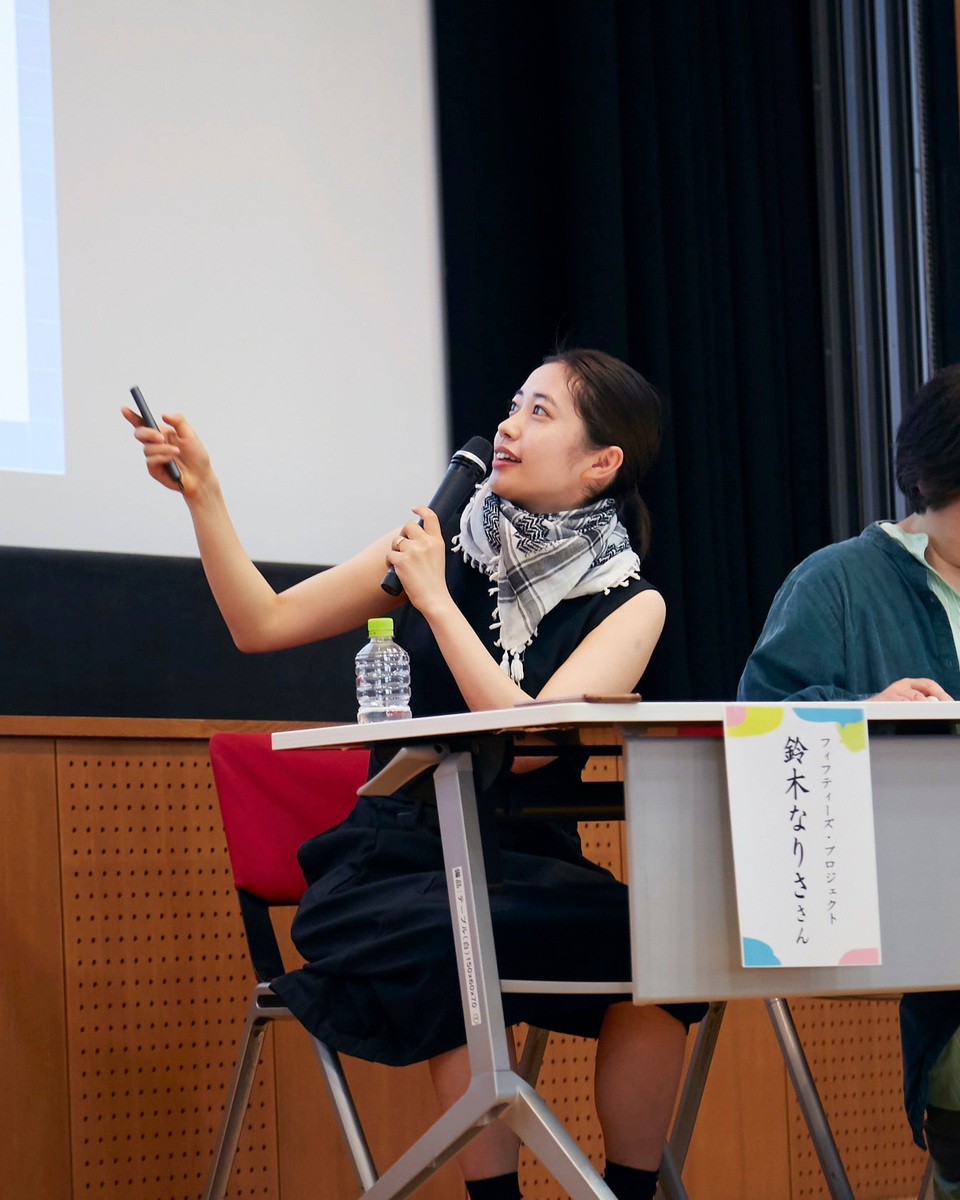
FIFTYS PROJECTで20代30代の女性(トランスジェンダー女性を含む)、ノンバイナリー、エックスジェンダーの方々の地方議会の立候補をサポートする活動をしています。ファンドレイジングを担当しながら、ジェンダー平等の政策を学ぶゼミの運営などもしています。
またFIFTYS PROJECTから派生して最近始まった「わたしたちのバトン基金」では、実際に立候補したい人に金銭支援をしようということで、クラウドファンディングを立ち上げました。
あと杉並区長の岸本聡子事務所でも働いています。女性の首長って日本で数%しかいないので、そんな中で行政の仕事をしている側の視点ってなかなか知る機会がないと思うんです。 リベラルで、かつ人権や民主主義っていうのをすごく大事にしてる人がどんな風に区政をやっているのか知りたいなと思いました。岸本さんの後援会では、ジェンダー平等や誰も踏みにじられない社会運動をやっていくにはどうすべきかというのを皆んなで考え、それがすごく楽しいし、 勉強会の際は何がハラスメントに当たるのか、またグランドルールを毎回絶対に作ろうとか、そういうレベルから動いてます。
What specific actions are you taking to achieve gender equality?
With the FIFTYS PROJECT, I support women in their 20s and 30s (including transgender women), non-binary and x-gender people running for local assembly. Originally, I was in charge of fundraising, but recently I've also been managing a monthly seminar.
The "Our Baton Fund," a recent spin-off of the FIFTYS PROJECT, has launched a crowdfunding campaign to provide financial support to people who want to run for local assembly.
I also work in the office of Satoko Kishimoto, mayor of Suginami city. Only a few percent of local government leaders in Japan are women, so I don't think there are many opportunities to learn about the perspective of those working in government in such an environment. I wanted to find out how a liberal who also values human rights and democracy runs the ward government. In Kishimoto's support group, we all think together about how to promote gender equality and other social movements that don't trample on anyone, which is a lot of fun. During study sessions, we discuss what constitutes harassment and make sure to create ground rules for each session, and we work from that level on.
●ご自分の活動から見えてくる社会問題は何ですか?
自分を含め、日本社会で女性として扱われている人たちの自信の削がれ方は、根源的な問題だなと思っています。
また女性たちの自信を削いでいく社会の方に、すごく根深い問題があるという風にも思っています。
FIFTYS PROJECTでも、 絶対に立候補したらいいのに!と思うほど素質のある方でも、きっと幼い頃からずっと「あなたには出来ない」とか、上にお兄ちゃんがいると「お兄ちゃんの方が大事」と家庭内で扱われてきたんだろうな、という女性たちをすごく目の当たりにしていて。そこで薄く薄く削られてきた『意欲の冷却効果』が、本当になかなか取り除けない自信の無さに繋がっているんだな、というのが見えてきます。
この問題は本人が自分でその呪いを解いていかない限り、なかなか乗り越えられるものではないかもしれませんが、いかに早く自分なら出来る!と思って貰える働きかけをするかというのを課題に思っています。
What social issues does your work highlight?
I believe that the way the self-confidence of people who are treated as women in Japanese society, including myself, is eroded is a fundamental problem.I also believe that the society that erodes women's confidence lies in a very deep-rooted problem.
Even in the FIFTYS PROJECT, I often see women who are so talented that I think they should definitely run for office, but I've seen them being told from a young age that "you can't do it" or that if they have an older brother, "your older brother is more important" at home.
It becomes clear that this "cooling down of aspiration" that has been gradually chipped away at leads to a lack of self-confidence that is really difficult to remove.
This may not be an issue that can be easily overcome unless the person themselves breaks the curse, but I think my challenge is to find ways to encourage people to believe that they can do it as quickly as possible.
●2023年12月の武蔵野市議会議員補欠選挙に立候補されていましたが、どのような思いから立候補しようと思ったのでしょうか?立候補する際の大変だった事、印象に残った事、学びなどありましたら教えて下さい!
一番最初は武蔵野市議のさこうもみさんから選挙ボランティアを頼まれた事がきっかけでした。
それまで投票には行ったり行かなかったりで、自分事として考えたことがなかったので私が選挙ボランティア?という感じだったのですが、やってみてチラシを配るとか、町の人と話すのとかって自分が運営していた「喫茶おおねこ」の街中バージョンみたいで。やっていくうちに慣れてきて、とても楽しかったしこれすごい得意かも!ということに気づき、20代30代の100人規模のボランティアセンターだったのですが、困った時は私を呼んでくれたら何とかするよ!というくらいになっていました。
また、さこうさんから「ちょっとマイクで喋っといて」と言われた時があって、最初は私が!?と思ったのですが、選挙戦の忙しい中なので1秒も無駄にできないという気持ちもあり、やってみたら凄く上手く話せたんですね笑。その際に街中でジェンダー平等などの主張を出来る選挙ってすごい!これは画期的な伝達方法なんだ!というのが大発見でした。
その半年後に、さこうさんから補欠選挙があるんだけど出てみない?と言われました。1週間ぐらい考えると伝えたのですが、3日後にはやります!と連絡をしていました。家族にも事後報告だったくらいで、突然の大挑戦みたいな感じでもなく、周りを見渡して今は自分しか出来なそうだったし、政治状況がおかしすぎるから正したい、みたいな感じでした。
大変だったことはやはりお金です。まず供託金で30万円を納めなくてはいけません。なので母親がずっと貯めてくれていたお年玉貯金を切り崩して立候補しました。
あとセクハラが酷かったです。応援の気持ちは有難いのですが、距離が近い、手をずっと握って離さない、政策を聞いて良かったらカンパするので個別にカフェに行けないかと誘ってくる、など。お金もなかったので渋々行くと、「ポスターより美人だね、それって珍しいんだよ」という見た目に関するものも含め、セクハラはかなり多かったです。
また年配の女性たちからは「こどもも産んでないのに何がわかるの?」と言われたりしました。上手く対話し分かり合える事もあれば、心が削られる事もありました。選挙チームは20代30代が中心だったので、今日こんなことがあったなど都度話し合い、毎日新しくルールを作ったりして安全な選挙になるよう力を尽くしました。
印象に残ったことや学びは、やればできると思えたのはすごく良い収穫だったと思います。
これは自分の収穫というよりは、一緒に活動した人たちにも、お金もない、政党もない、応援してくれる企業もない中で、都心で市政レベルであれば風通し良く選挙ができるんだ!というのは大発見だったと思います。ボランティアと候補者は立ってる場所を入れ変えるだけなので、今度は自分がやれるとイメージしやすいのかなと思います。その体験を共有できたのは嬉しかったです。
You are running for the Musashino City Council by-election in December 2023. What made you decide to run? Please tell us about any difficulties you faced, any memorable experiences, or any lessons you learned while running for office!
It all started when Musashino City Council member Momi Sako asked me to volunteer for her.
Up until then, I'd voted occasionally and never really thought of it as something that personally concerned me, so I was a bit skeptical about who I should be as an election volunteer. But when I tried it, handing out flyers and talking to people in town felt like a city-wide version of the "Cafe Ooneko" that I used to run. As I continued, I got used to it, had a lot of fun, and realized I might actually be good at it! The volunteer center was staffed by about 100 people in their 20s and 30s, but I got to the point where I was like, "If they need anything, just call me and I'll do something!"
Also, Sako asked me to say something on the microphone, and at first I thought, "Me?!" But I was in the middle of a busy election campaign, and I felt like I couldn't waste a single second, so I gave it a go, and I spoke really well. At the time, I thought, "It's amazing that an election allows me to advocate for things like gender equality on the street! This is a groundbreaking way to communicate!" It was a major revelation for me.
Six months later, Sako asked me if I wanted to run in the upcoming by-election. I told her I'd think about it for about a week, but three days later I got back to her saying, "I'll do it!" I told my family about it after I decided, so it wasn't like a sudden big challenge. I looked around and felt like I was the only one who could do it, and the political situation was wrong that I wanted to fix it.
The most difficult part was money. First of all, I had to pay a 300,000 yen deposit. So I ran for office using the New Year's money my mother had saved for me.
I also experienced a lot of sexual harassment. I was grateful for the support, but they would get too close, hold my hand long time, and invite me go to a cafe privately, offering to donate if they listened to my policies and liked it. I had almost no money, so I reluctantly went, and there was a lot of sexual harassment, including comments about my appearance like, "You're prettier than you look on the posters, that's rare."
Older women would also say to me, "What do you know because you don't even have children?" Sometimes we were able to communicate well and understand each other, but sometimes it was emotionally draining.The election team was mainly made up of people in their 20s and 30s, so we discussed what had happened that day and created new rules every day, doing our best to ensure a safe election.
What made the biggest impression on me and what I learned was that it was a great learning experience, as it made me realize that if I try, I can do it.
This wasn't so much my own learning, but rather it was a major discovery for the people I worked with: that even with no money, no political party, and no supporting companies, you can have an open and comfortable election at the city level in the city center!Since volunteers and candidates simply switch positions, I think it's easier to imagine that you could do it next time. I was happy to be able to share that experience.
●ジェンダーギャップ指数118位(2025年現在)の圧倒的男性優位社会の日本で、健康な心と体を保って生きて行くために心がけている事や、習慣はありますか?
ため込まない!嫌な事を真に受けてめちゃめちゃ下がって立ち直れなくなることの方が、社会全体にとって悪影響だと感じるので、あまり凹みすぎずに抵抗して、改善していくためのアクションをした方がトータルとして良いなあと思っています。
それこそXのアプリを携帯から消すとか。自分から情報を遮断していくことも大事だなと思います。また過去にバーンアウトした事があり、すっかり復活するのに4年ほどかかってしまいました。無理をしない方が結果的にいいと思うので、自分にとってストレスになるものから距離を取ったりしますね。
あとは携帯を置いて散歩しに行ったりとか、家族に最近のイライラしたニュースを聞いてもらったりとか。あとはお風呂に毎日浸かる!銭湯が好きで毎週末行き、そこでリセットしています。
In Japan, an overwhelmingly male-dominated society that ranks 118th in the Gender Gap Index (as of 2025), are there any habits or things you keep in mind to maintain a healthy mind and body?
Don't let it all bottled up!
I feel that taking unpleasant things seriously and becoming so depressed that you can't recover is more detrimental to society as a whole, so I think it's better overall to resist rather than get too depressed and take action to improve things.
For example, deleting X app from your phone. I think it's important to block out information from yourself.
I've also experienced burnout in the past, and it took me about four years to fully recover.I think it's better in the end to not push yourself, so I distance myself from things that stress me out.
I also put my phone down and go for a walk, or ask my family to listen to the latest news that's frustrating me. And I take a bath every day! I love public baths, so I go there every weekend and it helps me reset.
●ジェンダー平等の活動をしていると、絶望することや逆境に陥る事もあるかと思いますが、落ち込んだ時の立ち直り方はありますか?
落ち込みまくりですよね笑。最近だと高市首相ショックとか、去年の都知事選の結果にもびっくりしてしまって。すぐ飲みに行きました笑。
とにかく一人で落ち込まない様には気をつけています。SNSを一人で見過ぎると、どんどんネガティブな方に思考が行きがちなので、リアルな人と言葉を交わして生き延びてきました。森喜朗の女性蔑視発言の際はめちゃめちゃ家で怒って、母親に電話しました。衣食住を大切にして、人に会うことで保たれてきたかなと思います。
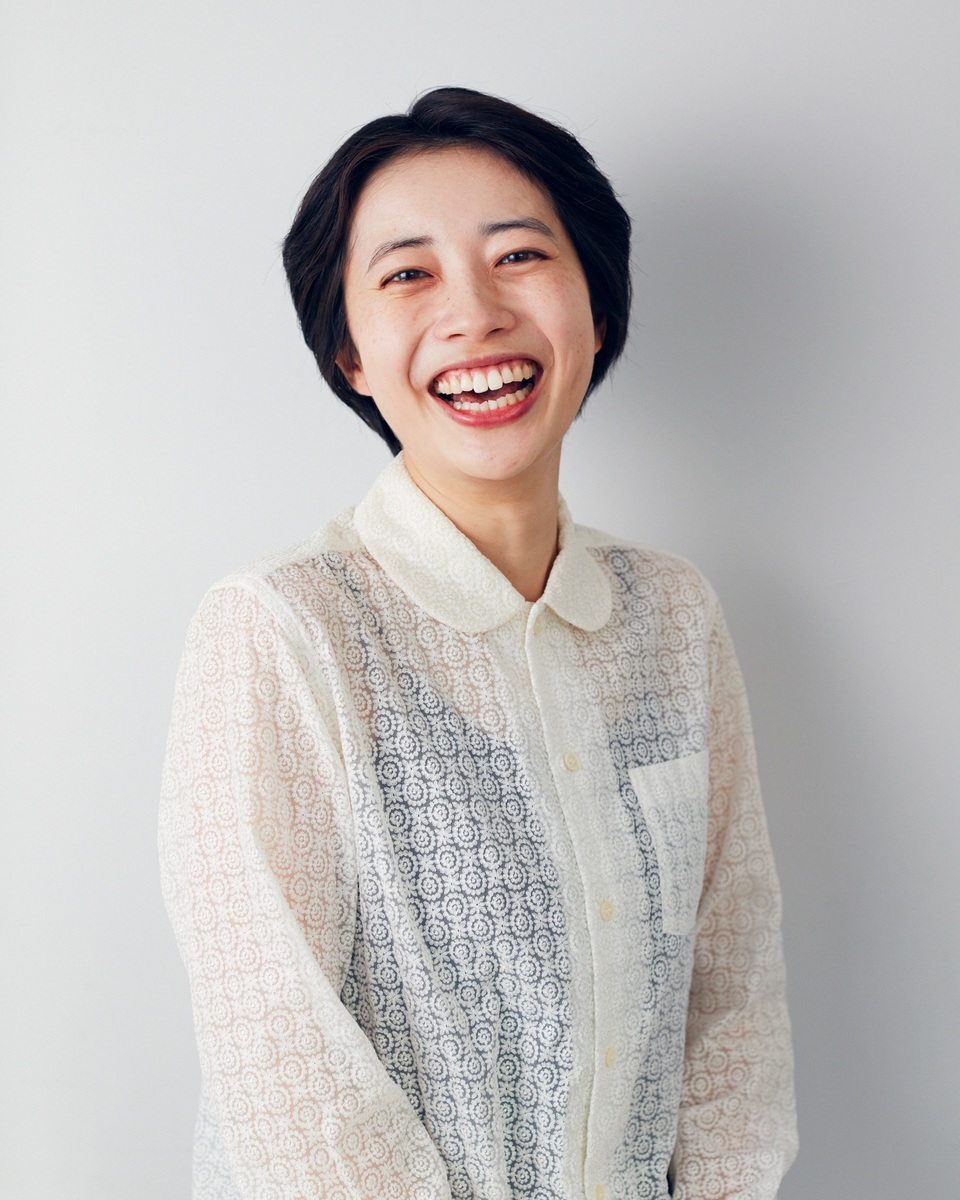
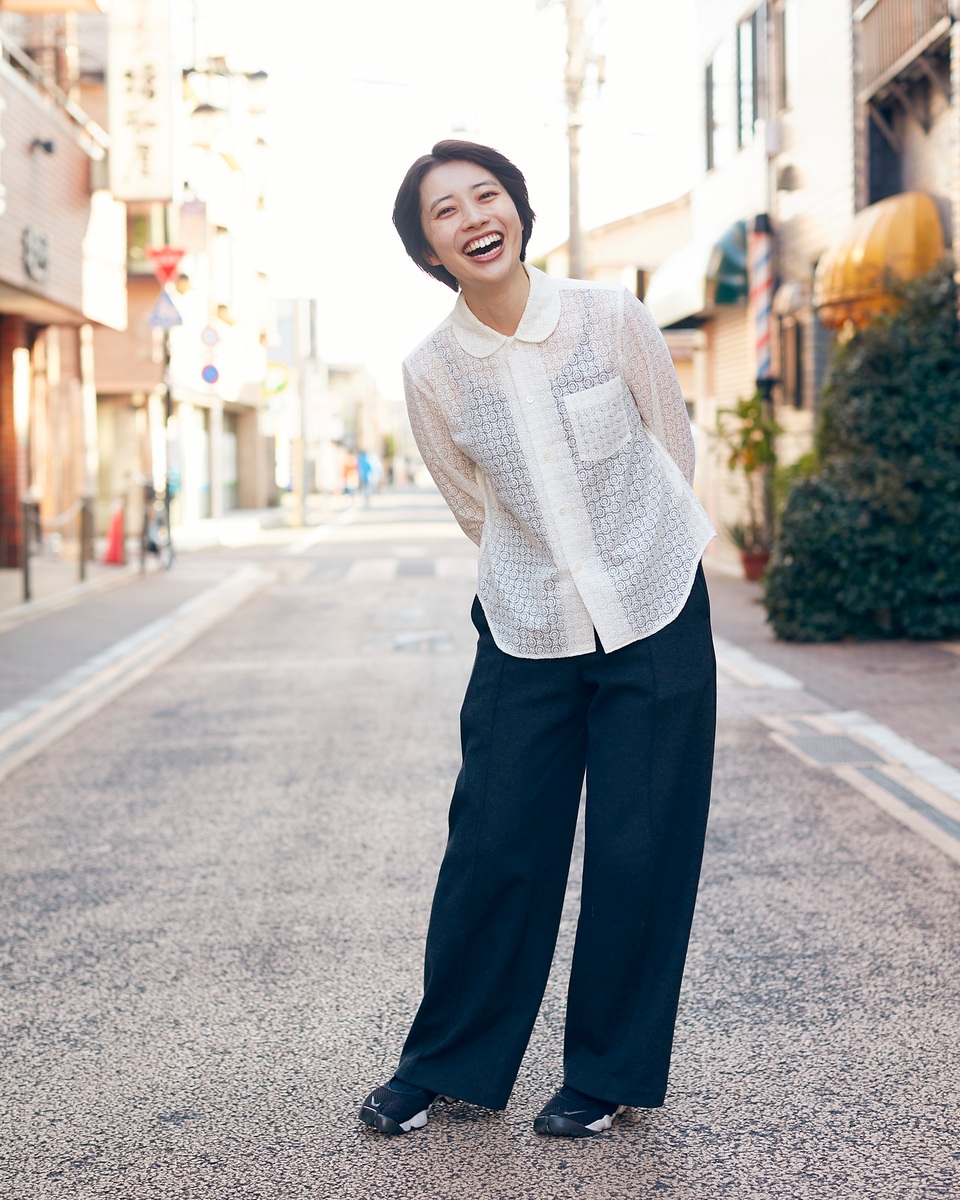
あとお気に入りのコムデギャルソンのブラウスがあるのですが、これは70代のフェミニストの方から受け継いだもので、今より逆境がすごかった時代に自分の考えはこうだ!と貫いてきた人の服を着ると、守られている気がして自分も強く言い返せるので、大変な現場に行く際はこの服を着て行くようにしています。
When working for gender equality, there are times when you feel hopeless or face adversity. Do you have any tips for getting back on your feet when you feel down?
I've been feeling really depressed often. Recently, I was shocked by Prime Minister Takaichi and the results of last year's Tokyo gubernatorial election. I went out for drinks right away.
Anyway, I'm careful not to get depressed alone. If I look at social media alone for too long, my thoughts tend to become increasingly negative, so I've survived by talking to people in real life. When Mori Yoshiro made his misogynistic comment, I got really angry at home and made a phone call to my mother. I think I've been able to survive by valuing food, clothing, and housing, and meeting people.
I also have a favorite Comme des Garçons blouse that I inherited from a feminist in her 80s. When I wear the clothes of someone who stood by their beliefs in a time of much greater adversity than we face today, I feel protected and able to speak out strongly. Whenever I go to a difficult job, I make sure to wear this blouse.
「迷ったらやる!」
小さい頃から、何かに挑戦しなかった時、やっていたら今どうなっていたんだろう?と凄く考えてしまうんです。 なので、どうしようかな?と思ったら、やってみるというのを判断の指針にしています。選挙出ない?と言われた時も、迷ってるんだったらやればいいんだ!と。やってみて大変な時もありますが、後悔はあまりないです。やってみて分かる大変さもあると思います。
実は結婚についても、法律婚には反対しているのでしたくなかったのですが、コロナ禍にもしパートナーが死ぬ間際とかになったら病室に入りたいかも‥!と思い、結婚する事について迷ってるなと思ったので、結婚しちゃったんです。 するしないで迷うのが嫌で。
苗字は話し合って私が変えましたが、悔しくて市役所で大号泣しました。当時は今ほどアクティブなフェミニストでは無かったので上手く感情を言葉に出来なかったのと、相手に苗字を変えて欲しいという願望もないし、あとは手続きが多いので仕事のお休みが取りやすい方という事で決めてしまったんです。一回やってみて大変だったので、もう法律婚はしないかなと思います。だからこそ選択的夫婦別姓は必要だと思います。苗字を奪われた側の、不当で許せないという気持ちが、やったからこそ分かるので。
Do you have a motto or favorite saying that gives you courage?
"If I'm unsure, just do it!"
Ever since I was little, when I didn't try something, I would often wonder what would have happened if I had. So, when I'm wondering what to do, I try it out.
Even when someone asked me if I wanted to run for office, I remember this motto, "If I'm unsure, just do it!" There are times when it's tough, but I don't regret it very much. I think you only understand the difficulties once you try it.
Actually, I didn't want to get married because I'm against legal marriage, but with the COVID-19 pandemic, I thought, "If my partner is dying, I might want to be in his hospital room!" And I thought I was hesitating about getting married, so I got married. I didn't want to waver on whether to get married or not.
We talked abot which will change surname and I changed it, but I was so frustrated that I burst into tears at city hall. At the time, I wasn't as active a feminist as I am now, so I couldn't put my feelings into words well, and I didn't want my partner to change his surname either. Also, there were so many procedures to go through, so we decided that the person who could easily take time off work should be the one to change their surname. I tried it once and it was so difficult, I don't think I'll ever get legally married again. That's why I think optional separate surnames for married couples is so necessary.
I understand the injustice and unforgiveness that comes from having your surname taken away, because I've experienced it myself.
●お気に入り、またはオススメのフェミニズムや、ジェンダー関連の本や作品はありますか?
「私たちにはことばが必要だ フェミニストは黙らない」イ・ミンギョン (著)は私がフェミニズムを気になるかも、これかもしれない!と思って読み始めた初期の本です。表紙がすごく可愛いらしいので人に勧めやすく、友人にプレゼントする事もあります。
同い年でこどもが2人いる友達がいて、毎日の事に凄くモヤモヤして、子育てもしないといけないのにその人が大黒柱で凄く疲弊していて、パートナーとのコミュニケーションも上手くいかないけどなんでか分からない!みたいな。なのでこの本を読んでみた方がいいよってオススメしたら目覚めちゃって笑。
あなたはフェミニストなの?セクシストなの?セクシストだったら話さない。みたいな、そういう風に割り切って振る舞ってもいいんだって教えてくれる本だと思うんです。その友人は今は好きなタイミングで海外出張にも行くし、これは私の人生だからと考えられるようになったみたいです。そんな彼女を見て私は喜びに溢れています。 今でもたまに読み返し、この姿勢でいいんだ!と再確認しています。
Do you have any favorite or recommended feminism or gender-related books or works?
"Reclaim the Language How to deal with sexist" by Lee Min-kyung is one of the first books I started reading when I thought I might be interested in feminism and thought, "This might be it!" The cover is so cute, it's easy to recommend to others, and I've even given it as a gift to friends.
I have a friend the same age as me who has two children, and she feels so frustrated with her daily life. She has to raise her children, but also she's the breadwinner, which is exhausting, and she can't communicate well with her partner, but she doesn't know why! So when I recommended this book to her, it woke her up. Are you a feminist? Are you a sexist? If you're a sexist, Idon't talk about with you. I think this book teaches you that it's okay to be pragmatic and act like that. My friend now travels overseas for business trips whenever she wants, and it seems she's come to think of it as her own life. Seeing her like this fills me with joy. I still reread it from time to time, reaffirming to myself that this attitude is okay!
●最後に、世の中に特に訴えたい事や、日々強く思っている事などありましたらお話しください!
今強く思ってるのはまず2027年の4月の統一地方選挙で100人の20代30代の女性達が立候補してる景色を見たいです。自分と近い年代の人がいるっていうだけで 一気に選挙は身近で楽しくなるし、親近感が生まれると思います。そういう人が全国各地に100人いたらどんなに変わるだろうと思うので、そこに向けて今全力を注いでいます。
あとは「わたしたちのバトン基金」を2025年11月6日から始めました。1000万円をクラウドファンディングの目標にしてるのですが、実際のところ必要なお金は約4,500万円なんです。候補者1人につき30万円ずつ支援すると、単純計算3000万。プラスで、基金が急に終わっても困るのでその運営費や人件費などを上乗せしていくと、約4,500万円は必要です。なので大口寄付をして下さりそうな方々とお話ししたりなど、活動を進めています。
目標が高いので途方に暮れそうにもなりますが、お金の支援がないと立候補出来ない人達もいて、特に本当に立候補して欲しいと思う人は育児中だったり、介護をしていたり、エッセンシャルワーカーだったりします。こういう人達が立候補出来ないと、お金に余裕のある人しか立候補出来なくなってしまいます。それって全然フェミニズム的ではないし、私達が目指したい社会ではないなと思います。
私たちがいつも見ている選挙って実は全然当たり前のものではなくて、作られてきたもの。 マッチョな人たちにフィットするように作られてきた文化だったりするので、ケアする人でも戦える選挙を作っていかなければなりません。
Finally, if there is anything in particular that you would like to convey to the world or anything that you feel strongly about on a daily basis, please tell us!
Right now, what I really want to see is 100 women in their 20s and 30s running for office in the unified local elections in April 2027. Just knowing that there are candidates close to your own age makes elections more accessible and enjoyable, and I think it creates a sense of closeness. I wonder how much of a difference it would make if there were 100 people like that across the country, so I'm currently devoting all my energy towards that.
Also, I started the "Our Baton Fund" on November 6, 2025. Our crowdfunding goal is 10 million yen, but in reality we need just under 40 million yen. If we support each candidate with 300,000 yen, that comes to 30 million yen. On top of that, we need to add in operating expenses and personnel costs, as we'd be in trouble if the fund were to run out suddenly, so we need just under 40 million yen. That's why I'm currently working on activities such as talking to people who might be willing to make large donations.
The goal is so lofty that it can be overwhelming, but there are some people who cannot run for office without financial support, and the people we particularly want to see run for office are those who are raising children, caring for elderly relatives, or are essential workers. If these people cannot run for office, then only those with financial means will be able to do so. That is not like feminism at all, and I don't think it's the kind of society we want to aim for.
The elections we always see are actually not something that is normal at all, but something that has been constructed. It's a culture that has been created to suit macho men, so we need to create elections in which caregivers can also compete.
「私たちにはことばが必要だ フェミニストは黙らない」イ・ミンギョン (著)は私がフェミニズムを気になるかも、これかもしれない!と思って読み始めた初期の本です。表紙がすごく可愛いらしいので人に勧めやすく、友人にプレゼントする事もあります。
同い年でこどもが2人いる友達がいて、毎日の事に凄くモヤモヤして、子育てもしないといけないのにその人が大黒柱で凄く疲弊していて、パートナーとのコミュニケーションも上手くいかないけどなんでか分からない!みたいな。なのでこの本を読んでみた方がいいよってオススメしたら目覚めちゃって笑。
あなたはフェミニストなの?セクシストなの?セクシストだったら話さない。みたいな、そういう風に割り切って振る舞ってもいいんだって教えてくれる本だと思うんです。その友人は今は好きなタイミングで海外出張にも行くし、これは私の人生だからと考えられるようになったみたいです。そんな彼女を見て私は喜びに溢れています。 今でもたまに読み返し、この姿勢でいいんだ!と再確認しています。
Do you have any favorite or recommended feminism or gender-related books or works?
"Reclaim the Language How to deal with sexist" by Lee Min-kyung is one of the first books I started reading when I thought I might be interested in feminism and thought, "This might be it!" The cover is so cute, it's easy to recommend to others, and I've even given it as a gift to friends.
I have a friend the same age as me who has two children, and she feels so frustrated with her daily life. She has to raise her children, but also she's the breadwinner, which is exhausting, and she can't communicate well with her partner, but she doesn't know why! So when I recommended this book to her, it woke her up. Are you a feminist? Are you a sexist? If you're a sexist, Idon't talk about with you. I think this book teaches you that it's okay to be pragmatic and act like that. My friend now travels overseas for business trips whenever she wants, and it seems she's come to think of it as her own life. Seeing her like this fills me with joy. I still reread it from time to time, reaffirming to myself that this attitude is okay!
●最後に、世の中に特に訴えたい事や、日々強く思っている事などありましたらお話しください!
今強く思ってるのはまず2027年の4月の統一地方選挙で100人の20代30代の女性達が立候補してる景色を見たいです。自分と近い年代の人がいるっていうだけで 一気に選挙は身近で楽しくなるし、親近感が生まれると思います。そういう人が全国各地に100人いたらどんなに変わるだろうと思うので、そこに向けて今全力を注いでいます。
あとは「わたしたちのバトン基金」を2025年11月6日から始めました。1000万円をクラウドファンディングの目標にしてるのですが、実際のところ必要なお金は約4,500万円なんです。候補者1人につき30万円ずつ支援すると、単純計算3000万。プラスで、基金が急に終わっても困るのでその運営費や人件費などを上乗せしていくと、約4,500万円は必要です。なので大口寄付をして下さりそうな方々とお話ししたりなど、活動を進めています。
目標が高いので途方に暮れそうにもなりますが、お金の支援がないと立候補出来ない人達もいて、特に本当に立候補して欲しいと思う人は育児中だったり、介護をしていたり、エッセンシャルワーカーだったりします。こういう人達が立候補出来ないと、お金に余裕のある人しか立候補出来なくなってしまいます。それって全然フェミニズム的ではないし、私達が目指したい社会ではないなと思います。
私たちがいつも見ている選挙って実は全然当たり前のものではなくて、作られてきたもの。 マッチョな人たちにフィットするように作られてきた文化だったりするので、ケアする人でも戦える選挙を作っていかなければなりません。
Finally, if there is anything in particular that you would like to convey to the world or anything that you feel strongly about on a daily basis, please tell us!
Right now, what I really want to see is 100 women in their 20s and 30s running for office in the unified local elections in April 2027. Just knowing that there are candidates close to your own age makes elections more accessible and enjoyable, and I think it creates a sense of closeness. I wonder how much of a difference it would make if there were 100 people like that across the country, so I'm currently devoting all my energy towards that.
Also, I started the "Our Baton Fund" on November 6, 2025. Our crowdfunding goal is 10 million yen, but in reality we need just under 40 million yen. If we support each candidate with 300,000 yen, that comes to 30 million yen. On top of that, we need to add in operating expenses and personnel costs, as we'd be in trouble if the fund were to run out suddenly, so we need just under 40 million yen. That's why I'm currently working on activities such as talking to people who might be willing to make large donations.
The goal is so lofty that it can be overwhelming, but there are some people who cannot run for office without financial support, and the people we particularly want to see run for office are those who are raising children, caring for elderly relatives, or are essential workers. If these people cannot run for office, then only those with financial means will be able to do so. That is not like feminism at all, and I don't think it's the kind of society we want to aim for.
The elections we always see are actually not something that is normal at all, but something that has been constructed. It's a culture that has been created to suit macho men, so we need to create elections in which caregivers can also compete.
FIFTYS PROJECT フィフティーズプロジェクト
鈴木なりさ Narisa Suzuki
家父長制のど真ん中、「はて」の止まらない千葉県の農家に生まれ育つ。国際基督教大学卒業後、「喫茶おおねこ」を経営。現在は若年女性の政治参加を支援するFIFTYS PROJECTでファンドレイズを担当。地方選挙に立候補した経験から、特に若い女性が政治を志す際に直面するさまざまな障壁を痛感。意思決定の場にあたりまえに多様な人がいる社会をつくるため、資金面から若い世代の政治参加を後押しする仕組みづくりに取り組む。
個人Webサイト https://oonekonarisa.tokyo/
FIFTYS PROJECT https://www.fiftysproject.com/
わたしたちのバトン基金 https://www.batonkikin.com/
個人Webサイト https://oonekonarisa.tokyo/
FIFTYS PROJECT https://www.fiftysproject.com/
わたしたちのバトン基金 https://www.batonkikin.com/

