
20% of women "might" regret a sterilization procedure, so the NHS often denies access.
1) The "regret" bogeyman is rolled out for any procedure deviating from social norms. For example, gender affirming care has an almost 0% regret rate, but "regret" is still used to gatekeep care. The rate of regret is not the factor. It is resistance to the idea people can choose not to follow the "norm".
2) People can choose things in life knowing they might regret them. The possibility of regret is part of our freedom. Only the person undergoing the procedure can decide if the risk is acceptable to them.
3) A life with regrets is not a lesser life. A life paternalistically shielded from regret is a diminished life.
https://www.theguardian.com/society/2026/may/01/female-sterilisation-nhs-access-questions

@SecondUniverse I have known since CHILDHOOD that I did not want to have children. Now many decades later it was the best decision of my life. Not only have I not regretted not having children, I am thankful that I did not.
As for "protecting" people from regrets, FFS. It *is* so paternalistic. Fuck off creepy control freaks who are arrogant enough to think they know best for others.

@nomdeb I agree


@SecondUniverse This is a classic right-wing Christian argument:
It was deployed aggressively during the campaign ahead of the referendum to #Repeal the 8th amendment to the Irish constitution.
In that case, the argument failed: spectacularly. The referendum result was the largest landslide in voting history in Ireland - to say Yes to rejecting the 8th , and allow access to abortion.
However, the price of freedom is eternal vigilance ", so we can't take that for granted.

@SecondUniverse that's not even what the literature shows. I know because I looked a bunch up when writing the essay one specialist recommended to write to a second before I got mine.
It's like 4% regret. Which is the same or less than various other serious procedures.
And guess what - way less than having-a-child regret.
They always care more about hypothetical future people's desires than our own and it's fking disgusting.

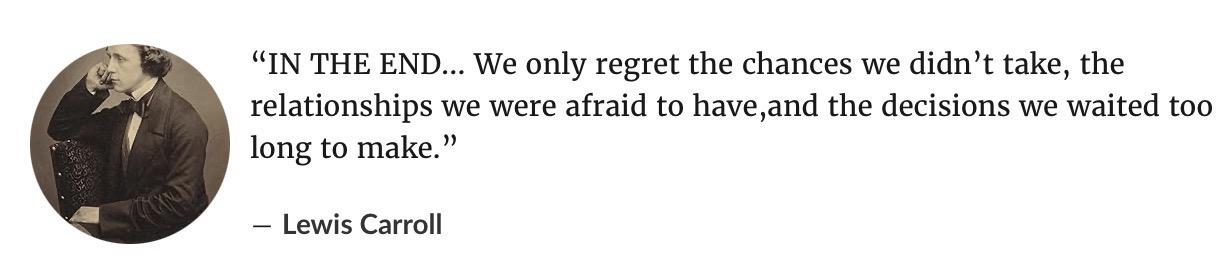

It's applied really inconsistently, though. For example, the regret rate on laser eye surgery is weirdly high, but that doesn't get brought up in discussions about whether to allow it or not.
It's almost as if the authorities only care about regret rate when it's a stick to beat underprivileged people (trans people, women) with.
Even if assuming the possibility of regret was a valid reason to refuse care, then some kind of an expectational value has to be formed, weightening the different levels of regret with their likelihood against the different levels of happiness with their likelihood. One might also regret a vaccine if one is among the few people having severe side effects. Still it would be insane to refuse.
And I have sever doubts that this is done properly. So even the argument of

@SecondUniverse why don't people ever regret not minding their own fucking business?


@SecondUniverse The number one regret among trans people is "oh my god, I should have started transitioning sooner", but somehow that regret doesn't count.

@SecondUniverse the only thing I regret is not transitioning earlier
I regret living my teenage years as a depressed shut in