

Para biathlon
 International Paralympic Committee
About Para biathlon
This sport combines the strength and endurance of cross-country skiing with the precision and composure of target shooting. As we look forward to Milano Cortina 2026, here is everything you need to know about Para biathlon.
Watch the Sport Explainer
Para Biathlon | Paralympic Winter Games Milano Cortina 2026
Step into each and every sport with confidence at the Paralympic Winter Games Milano Cortina 2026.
Check out the schedule and results
Find out when your favorite event started and your favorite athletes competed

Competition disciplines
Biathlon was introduced for athletes with physical disabilities at the 1988 Innsbruck Paralympic Games and for athletes with visual disabilities at Albertville 1992.
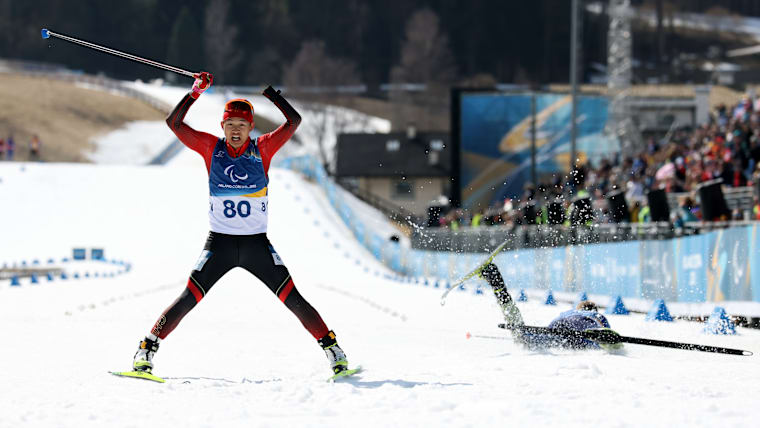
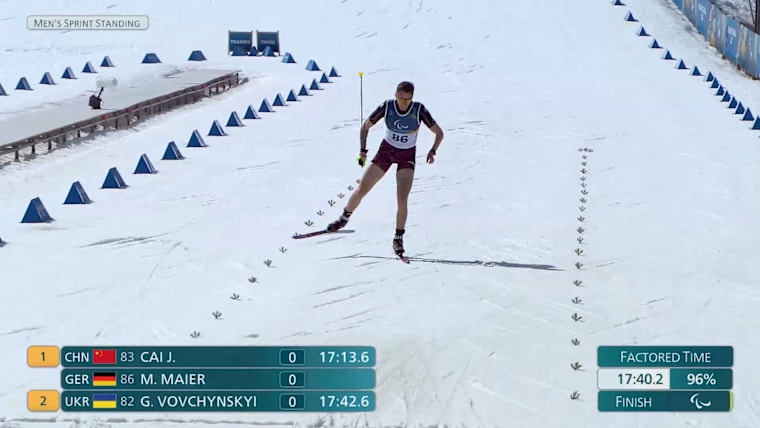
The races consist of a variable length ski course traversed three or five times by athletes using the free technique, for a total distance between 7.5 and 12.5 km.
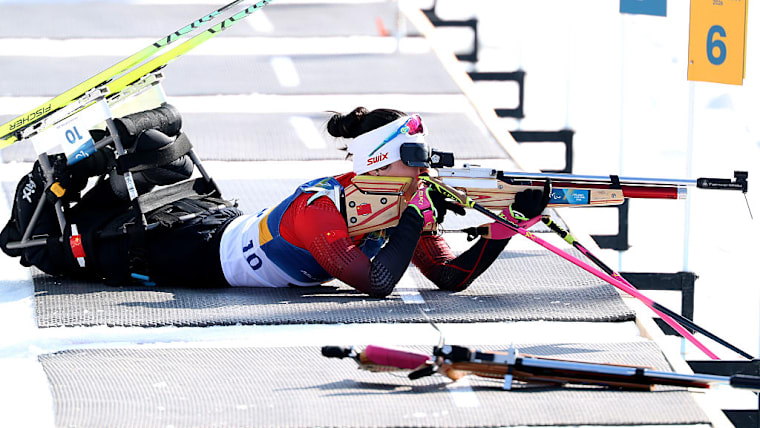
Between the two stages, athletes must shoot and hit two targets located 10m away. Each miss is penalised by an increase in overall race time. The most important factor for success lies in the ability to alternate between physical endurance and shooting accuracy during the competition.
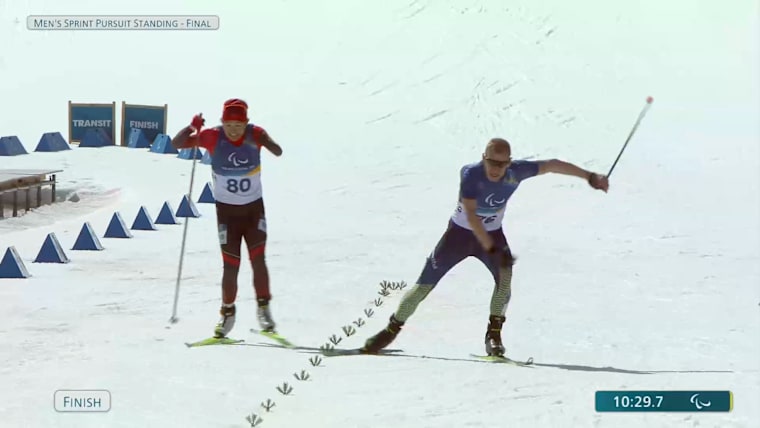
At Milano Cortina 2026 there will be three events: sprint pursuit, 7.5km sprint and 12.5km individual, each of them for men and women and divided into three categories. The "standing" category includes skiers with physical disabilities who ski standing, also with the aid of prosthetics, using the free technique.
Skiers with disabilities in the upper limbs ski without poles, or with just one pole; at the shooting range, after positioning the rifle, they give the order to shoot to a trainer, who pulls the trigger.
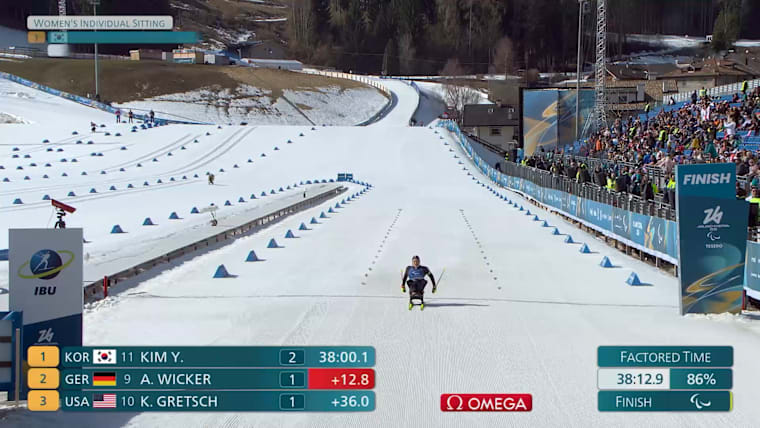
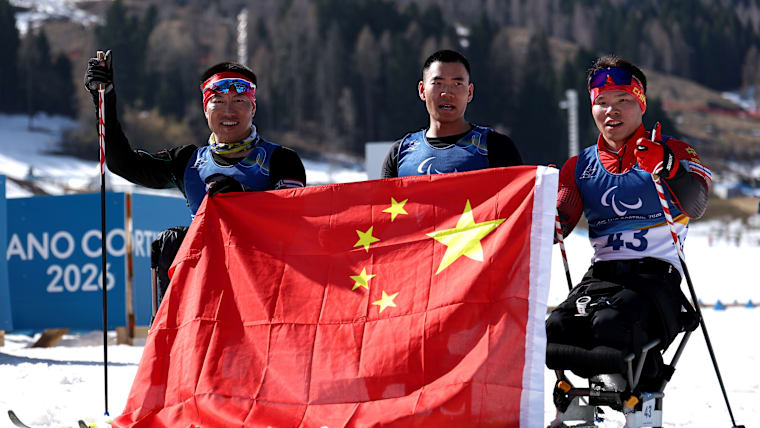
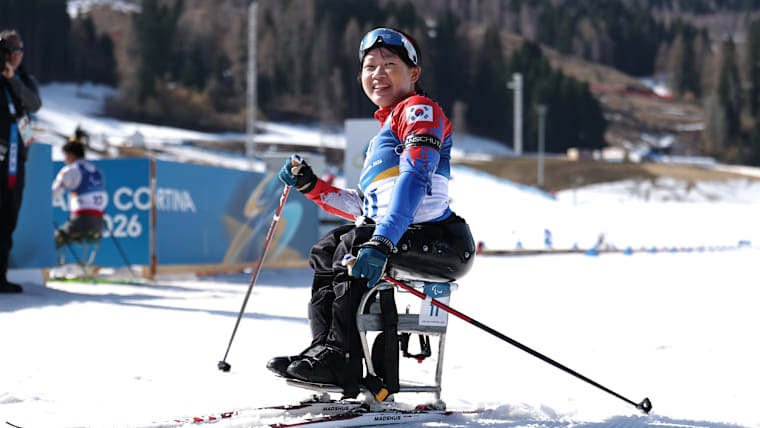
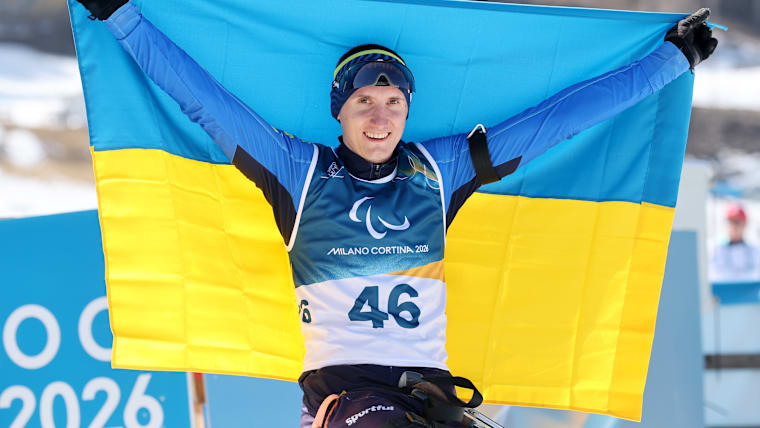
The "sitting" category includes skiers who ski on a sit-ski, consisting of a seat mounted on two cross-country skis, and use a technique like the classic one.
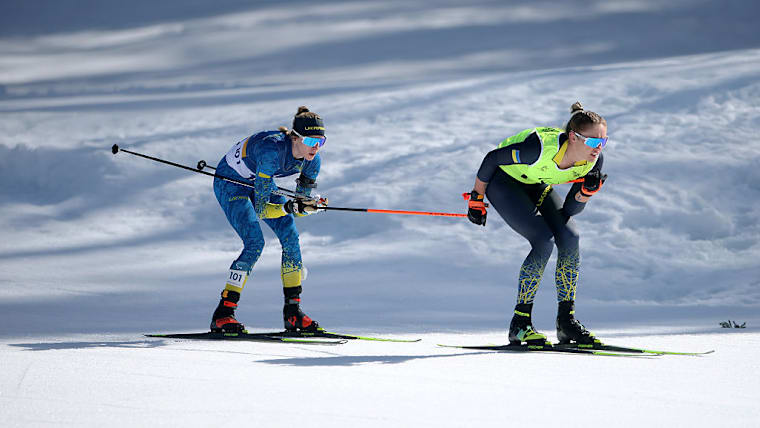
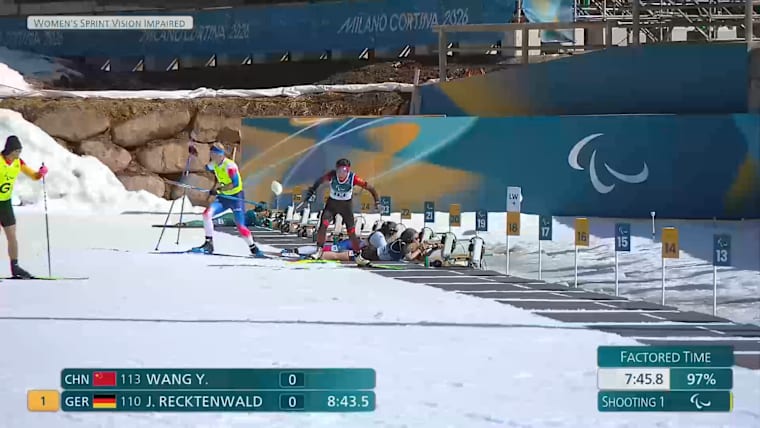
The "vision impaired" category includes skiers with a visual impairment, who compete using the free technique accompanied by a guide. At the range, they are assisted by acoustic signals which, depending on the intensity of the signal, indicate when the athlete is on target.
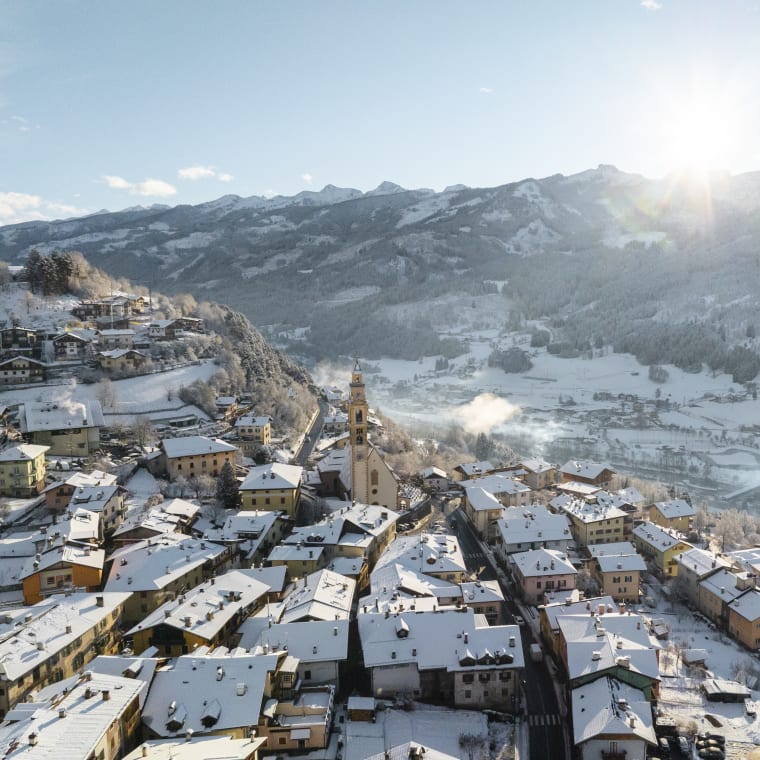
At Milano Cortina 2026, the Para biathlon events will take place in Tesero, in Val di Fiemme.
Para Biathlon venues


Tesero
Tesero was the first location in the southern Alps to host a Nordic World Ski Championship and some unforgettable runs in the Cross-Country Skiing World Cup.
Paralympic history
Para biathlon was added to the Paralympic Winter Games at Innsbruck 1988 for athletes with physical disabilities. Athletes with vision impairments first competed at Albertville 1992, and women's events were added to the Paralympic programme at Lillehammer 1994.
Equipment
This is the official equipment for Para biathlon:
Rifle: This is any type of conventional air rifle or CO2 rifle with a five-round magazine, compliant with the regulations of the International Shooting Sport Federation (ISSF).
For the vision impaired class, the rifle is equipped with electroacoustic glasses. Athletes with vision impairments shoot with an electronic rifle that allows them to aim using their hearing. The closer the rifle is to the centre of the target, the higher the tone. The different tones produced when the rifle is moved allow the shooter to find the exact centre of the target.
Target: Biathlon uses metal drop-down targets consisting of a white target face plate with five target apertures, behind which are five independent falling plate scoring targets. The targets must be black and replaced with a white indicator disk when they are hit. The target diameter is 21 mm for athletes with vision impairments (class B) and 13 mm for athletes with physical disabilities (class LW).
Sit-ski: Some athletes with physical disabilities compete sitting down using a sit-ski. The seat includes safety belts and other straps.
Skis: Made of fibreglass, classic skis are usually 25–30 cm taller than the skier's height. They are lightweight, weighing less than 0.45 kg each, and narrow, with curved tips and a thicker, arched middle section.
Free technique skis are about 10–15 cm shorter for greater manoeuvrability. They are also stiffer and have tips that are less curved than classic skis. The underside of both types of skis has a groove in the centre to keep the ski straight when skiing downhill.
Frequently asked questions
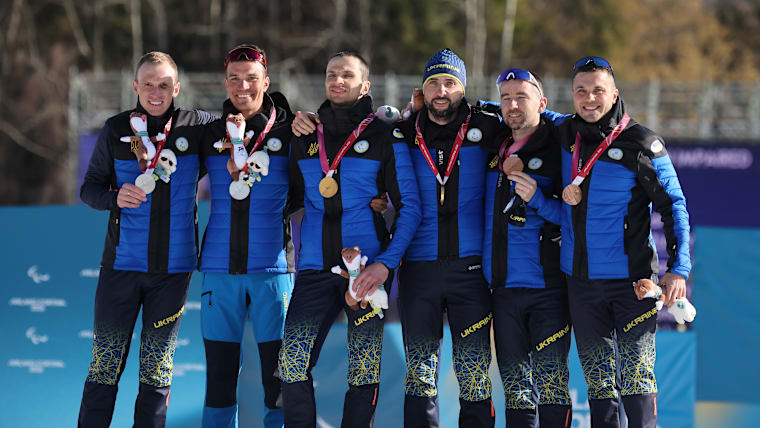
The Ukranian Vitaliy Lukyanenko has won the most medals for biathlon at the Paralympics. Since 2006 he has won 12 medals, including eight gold and two silver.
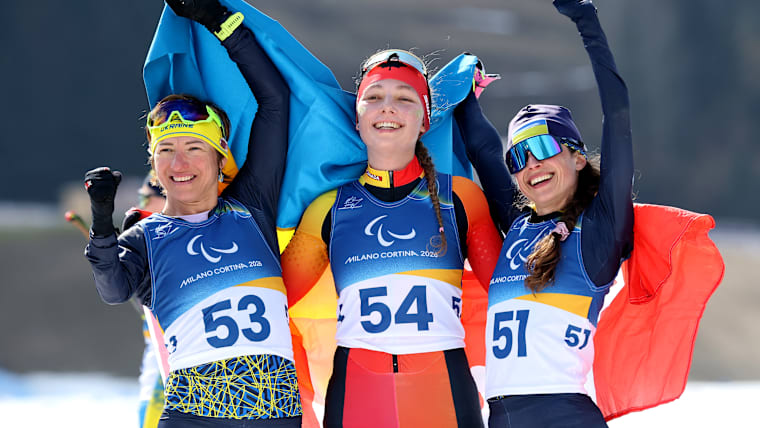
Verena Bentele, a German biathlete, has won five gold medals and one bronze medal, becoming the most decorated woman in Paralympic biathlon history.
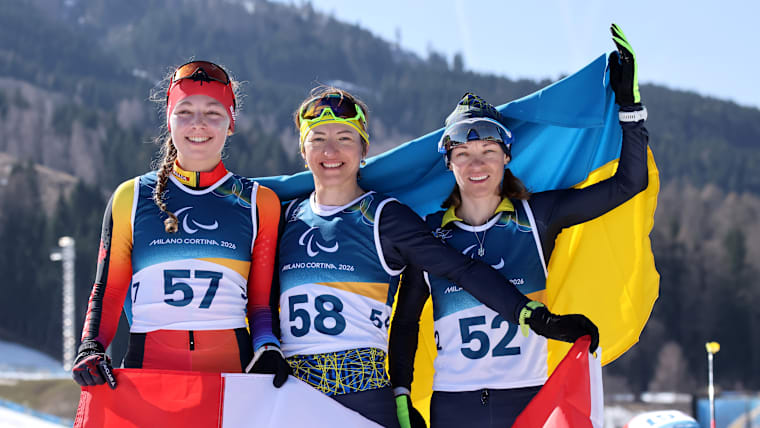
Russia is the most successful nation in Para biathlon. The Russians have won a total of 66 medals (24 gold, 27 silver and 15 bronze). In second place in the medal table is Germany, with 56 medals (23 gold, 14 silver and 19 bronze), while Ukraine is last on the podium, although it has brought home a total of 77 medals. Of these achievements, however, "only" 22 are gold medals, with 28 silver and 27 bronze.
The Para biathlon events at the Milano Cortina 2026 Games will take place in Tesero, in Val di Fiemme region.


