

Speed skating
 International Skating Union
About speed skating
Speed skating developed in the late 1600s as a means of quickly moving over frozen rivers and lakes. It became an Olympic sport in 1924. Here’s everything you need to know about the speed skating competition at Milano Cortina 2026.
Spotlight: Stories

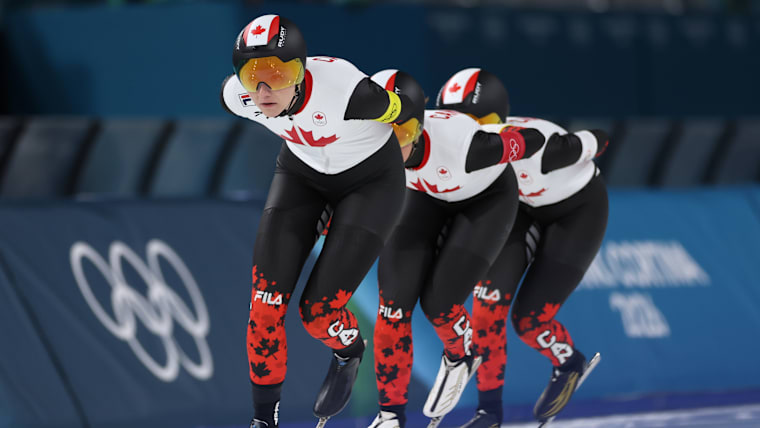
Women's Pursuit Semifinal 1 - Speed Skating | Milano Cortina 2026

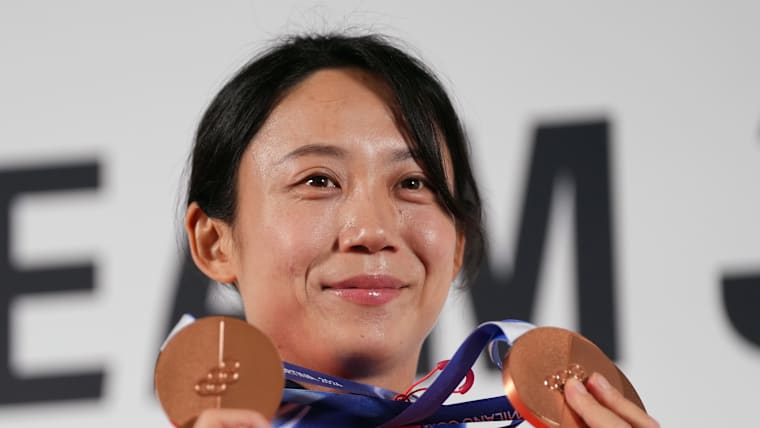
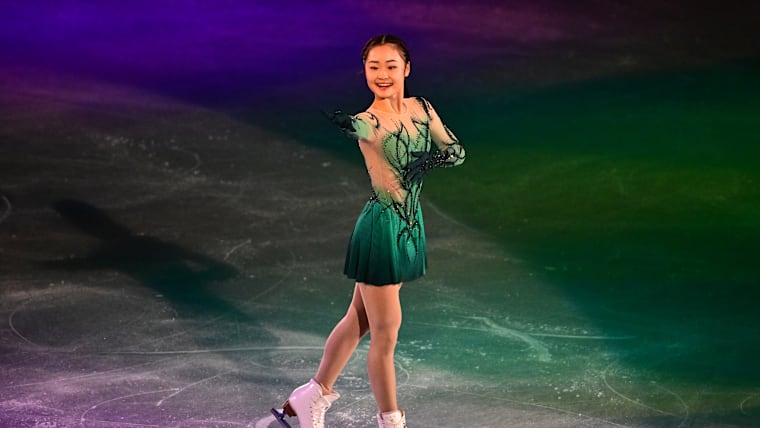
Japan's 10-time Olympic speed skating medallist Takagi Miho to retire after worlds

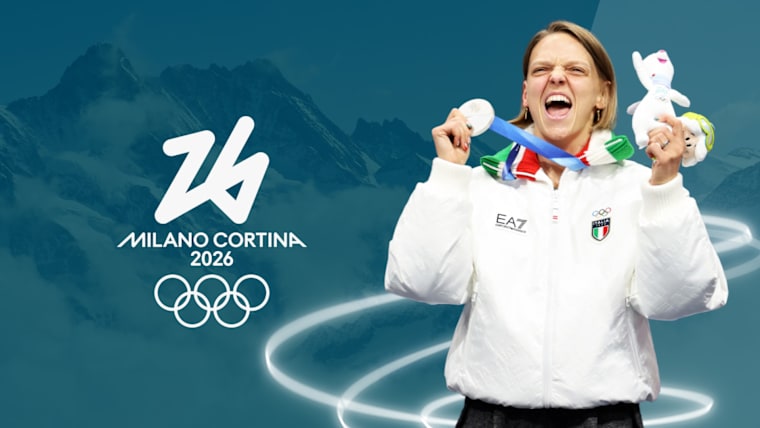
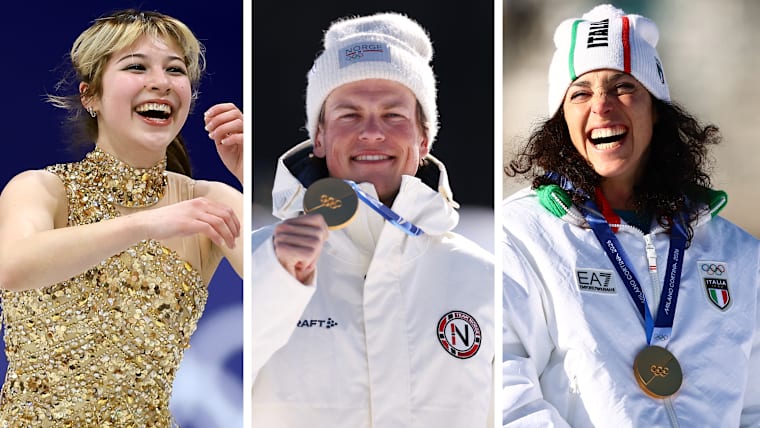
Arianna Fontana (ITA) | Athlete Highlights | Olympic Winter Games Milano Cortina 2026

Jutta Leerdam’s Olympic suit raises €195,000 for Dutch youth speed skating

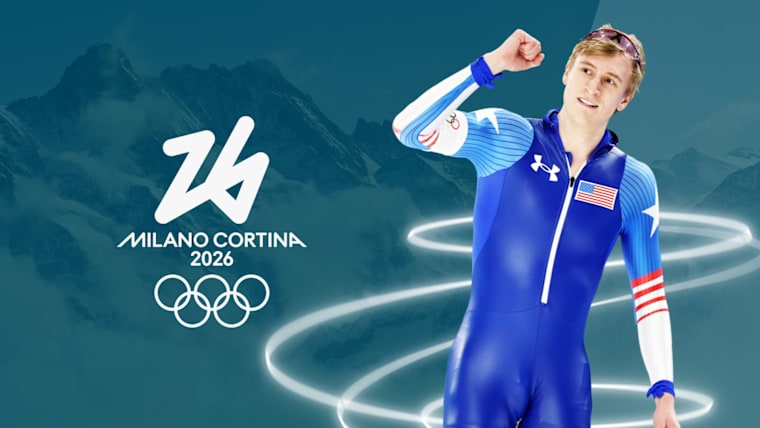
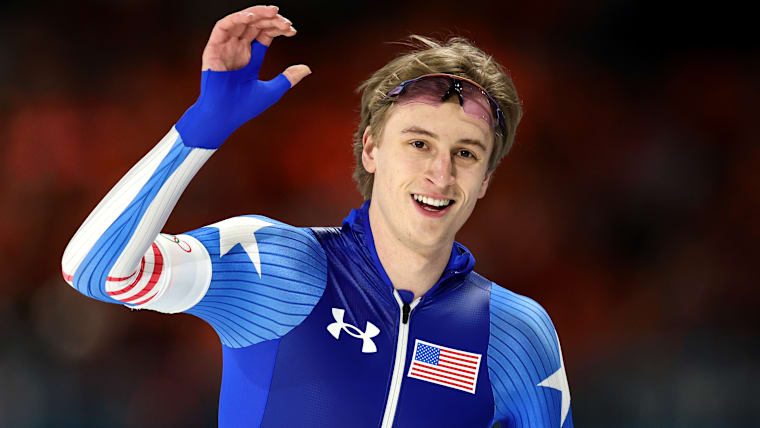
Jordan Stolz (USA) | Athlete Highlights | Olympic Winter Games Milano Cortina 2026

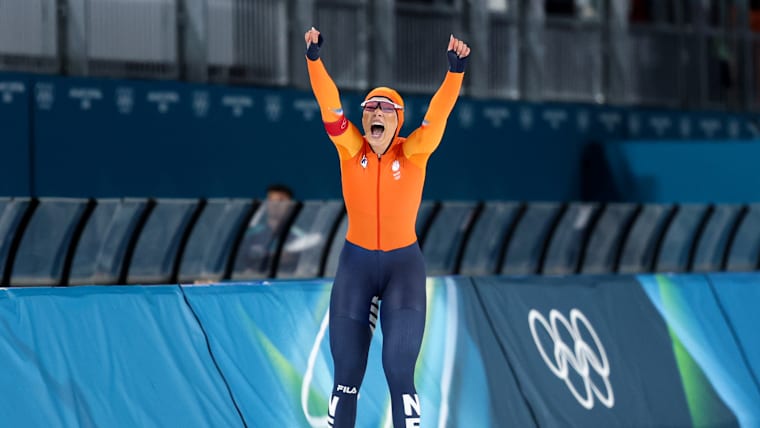
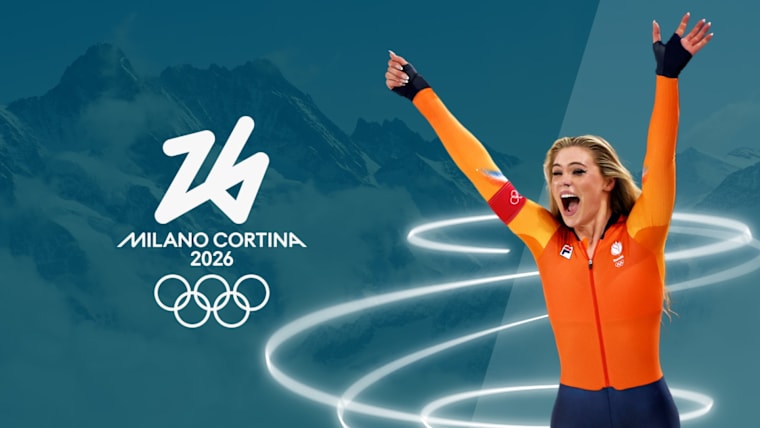
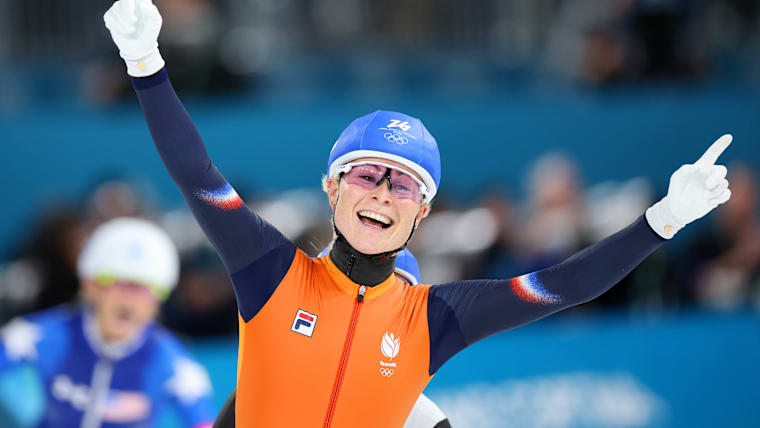
Jutta Leerdam (NED) | Athlete Highlights | Olympic Winter Games Milano Cortina 2026
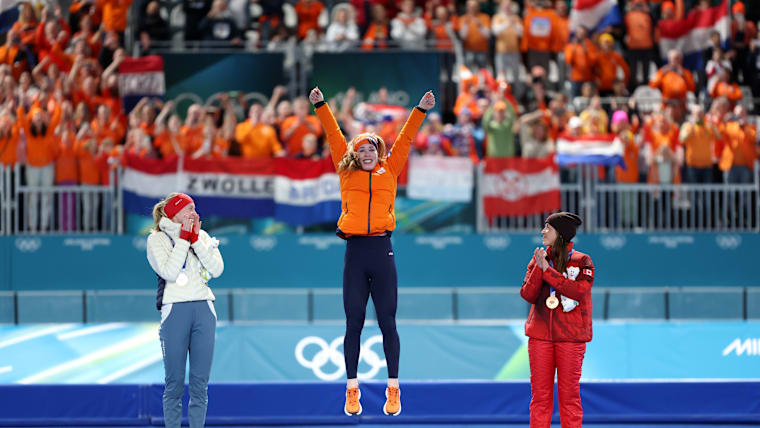
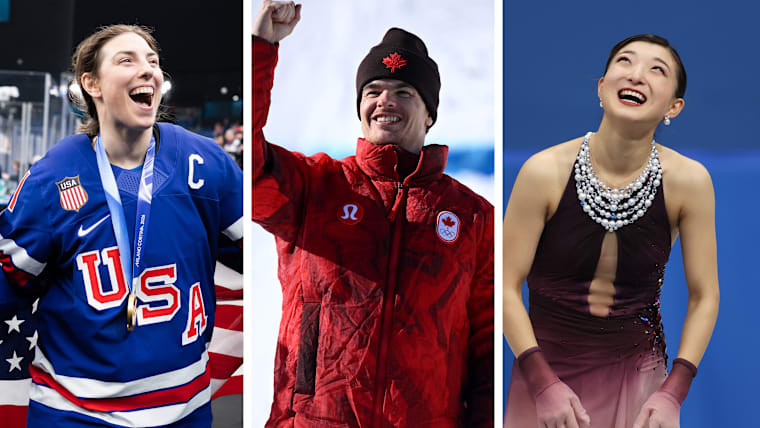
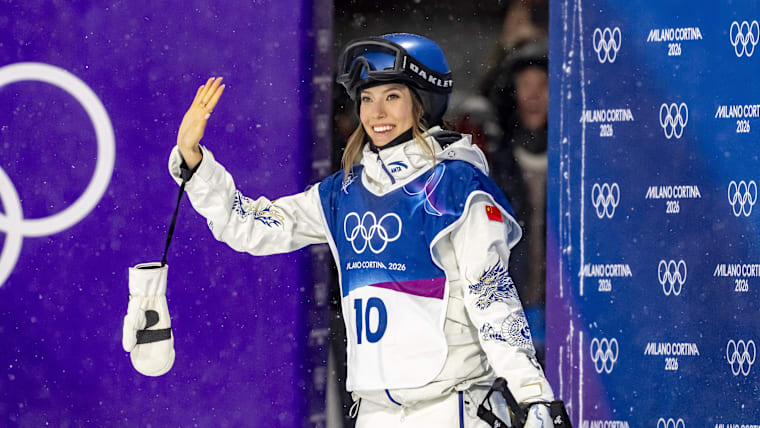
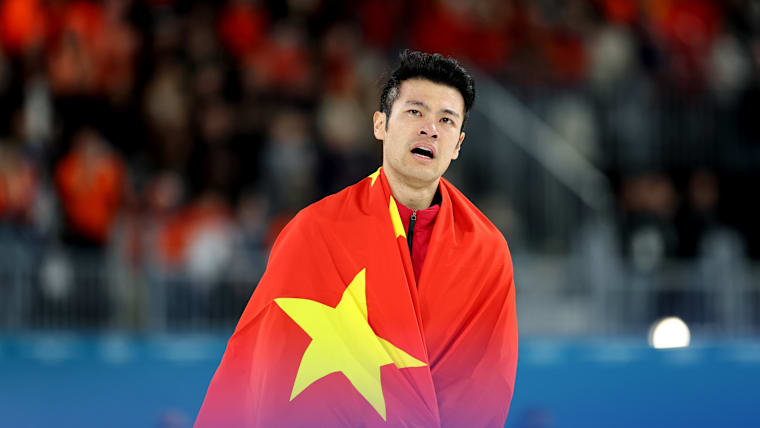
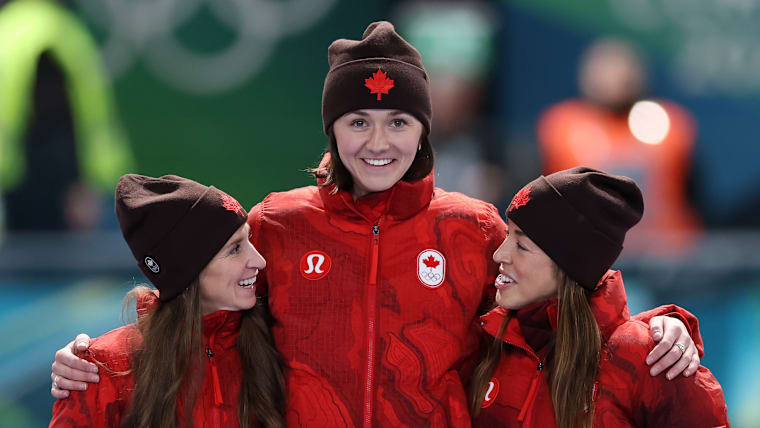
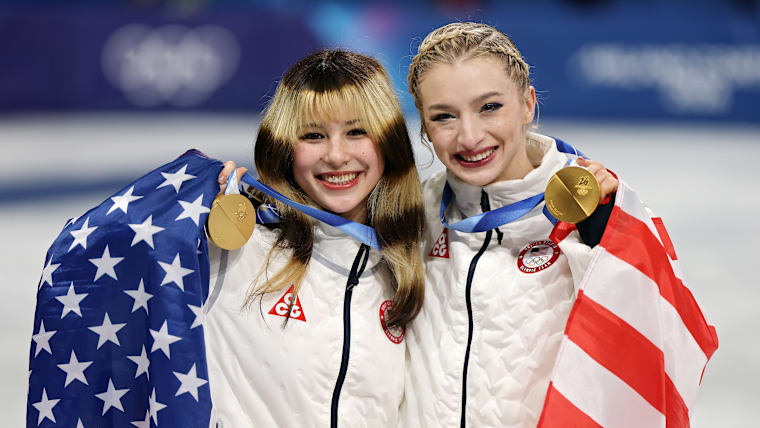
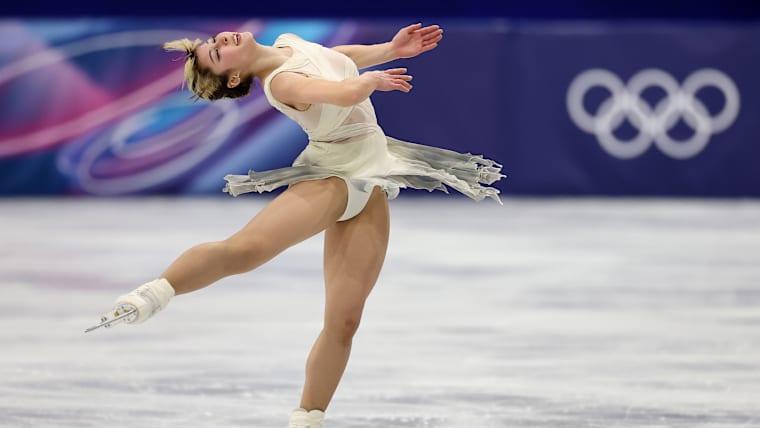
Olympic Moments
Check out the schedule and results
Find out when your favorite event started and your favorite athletes competed

Competition events
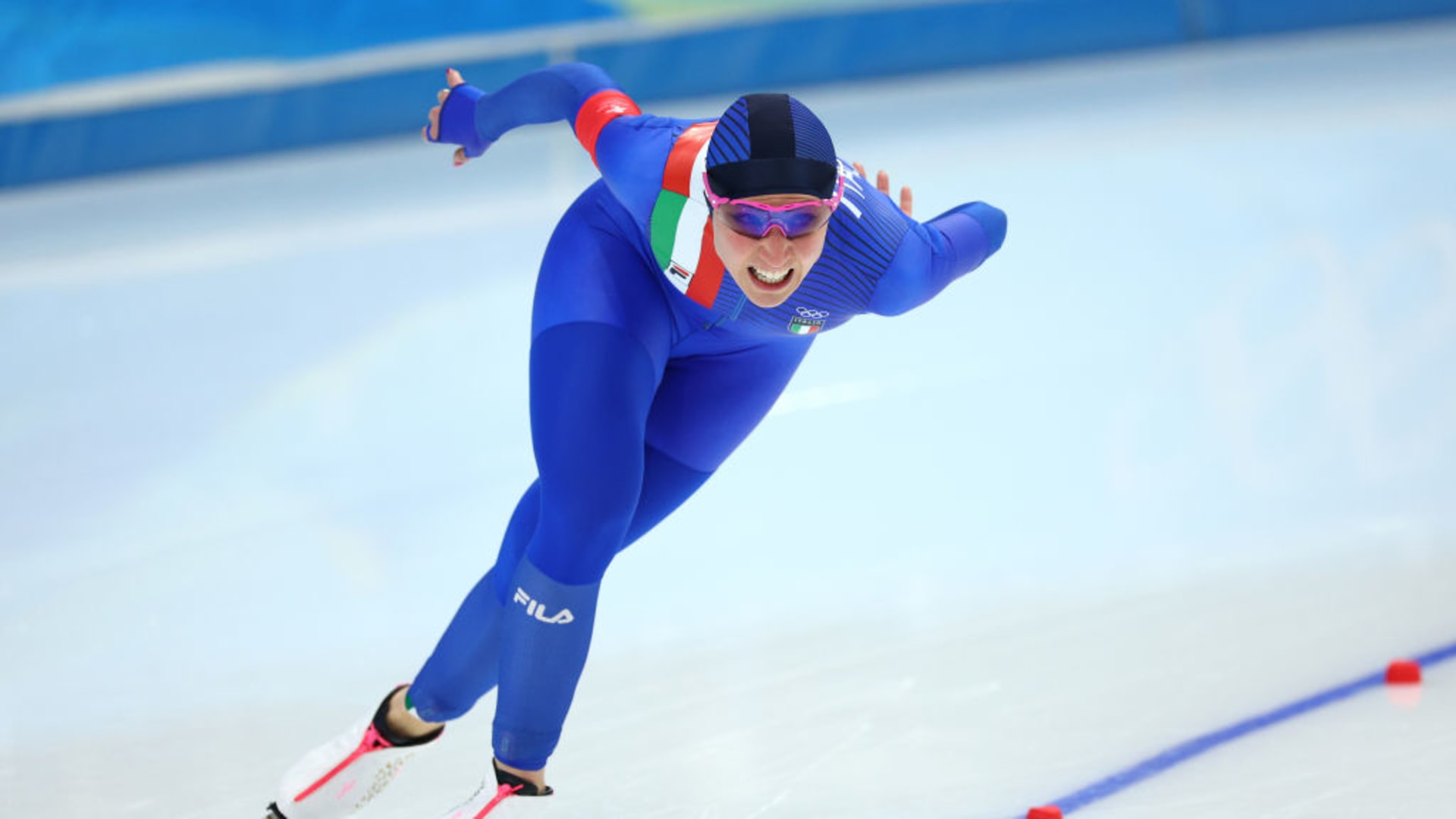
Women skate distances from 500 to 5,000 metres, while men skate up to 10,000 metres on an indoor 400-m ice ring. In the individual races at each distance, athletes race against time for a test in which mental stamina plus accurate movements are key. The mass start, on the other hand, is unpredictable, with everyone racing against each other. In the team pursuit event, competing nations are placed on opposite sides of the track as a point of reference, challenging each other in the different heats until they reach the finals. The speed skating competitions at Milano Cortina 2026 will feature 14 events for both men and women.
Watch the Sport Explainer
Speed Skating | Sport Explainers | Olympic Winter Games Milano Cortina 2026
Step into each and every sport with confidence at the Olympic Winter Games Milano Cortina 2026.
Olympic history
Speed skating made its Olympic debut at the 1924 Games in Chamonix, with four distances (500 m, 1500 m, 5000 m, and 10000 m) in the men's competition. Women's events were added to the programme at the 1932 Games in Lake Placid for demonstration purposes and officially included at the 1960 Games in Squaw Valley. The latest additions to the programme were the men's and women's team pursuit races at the 2006 Games in Torino, and the mass start event at the 2018 Games in PyeongChang.
Basic rules
In speed skating, the track is 400 metres long: the same size as an Olympic running track. Athletes race against the clock in a timed format. There is a single round where athletes try to obtain the best time. Athletes use skates equipped with a special system called a clap blade which has a hinge mechanism on the heel that allows the blade to remain in contact with the ice at the end of a sprint.
In the mass start, in contrast to the traditional long track which is timed and involves heats. All athletes start together and race against one another.
In the team pursuit, each team has three athletes that compete in elimination races to reach the final.
Fun facts about Italian champions

Francesca Lollobrigida
Francesca Lollobrigida made history as the first female Italian athlete to win two medals at Beijing 2022: a silver in the 3,000m and a bronze in the mass start.


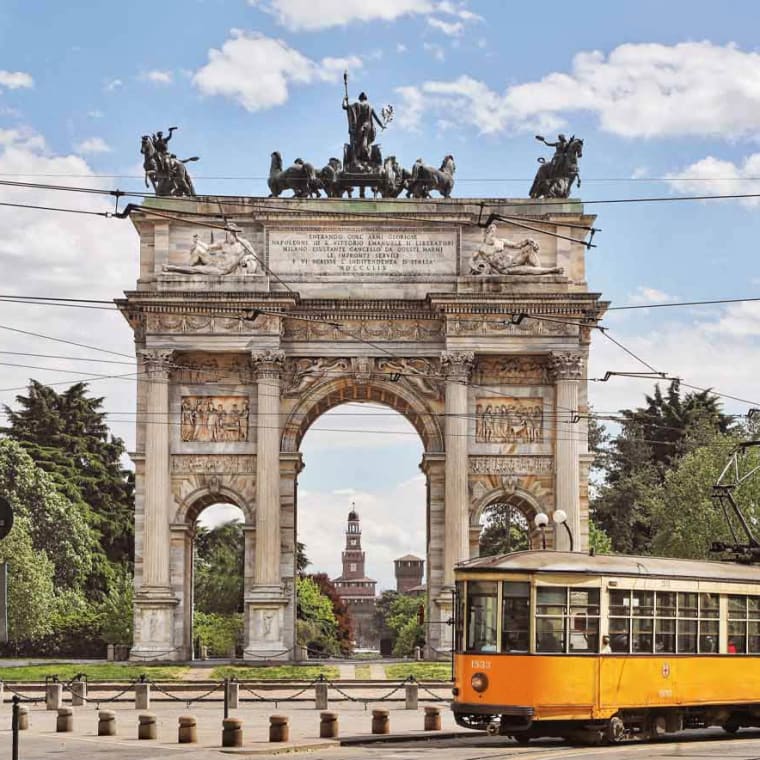
Milano
Milan is Italy's gateway to Europe and the world; a city where the energy and excitement of a global metropolis merge with the Italian lifestyle on a human scale.
Frequently asked questions
As the name suggests, short track speed skating competitions take place on a shorter track than speed skating. In speed skating, male and female athletes race against the clock in a time trial format. There are no heats, semifinals or finals, just a single round in which competitors try to obtain the best time. In short track speed skating, on the other hand, the athletes compete against each other in a series of rounds in which the order of finish matters, since the fastest male and female athletes advance to the next round. Helmets are mandatory in short track speed skating because the risk of falls is much higher than in speed skating.
In short track speed skating, the sharp curves and the speed-to-distance ratio make it necessary to use stiffer footwear to help athletes control their trajectory, so the materials are less flexible than those used in speed skating.
Speed skating involves longer straightaways and wider curves, so the athletes' skates are more flexible. They also have a special system, called a "clap blade", with a hinge mechanism on the heel that allows the blade to remain in contact with the ice when the leg is raised, giving the impression that athletes are jumping as they skate (hence the name "clap skates").
Among men, Arnold Clas Thunberg from Finland tops the speed skating medal table with seven medals, including five gold, one silver and one bronze. For the women, the most medalled athlete is Iren Wüst with 13 medals, including six gold, five silver and two bronze.
The Netherlands is in first place with 133 medals (48 gold, 44 silver and 41 bronze). The United States follows with 71 medals (30 gold, 22 silver and 19 bronze), along with Norway, with 87 medals (28 gold, 29 silver and 30 bronze).
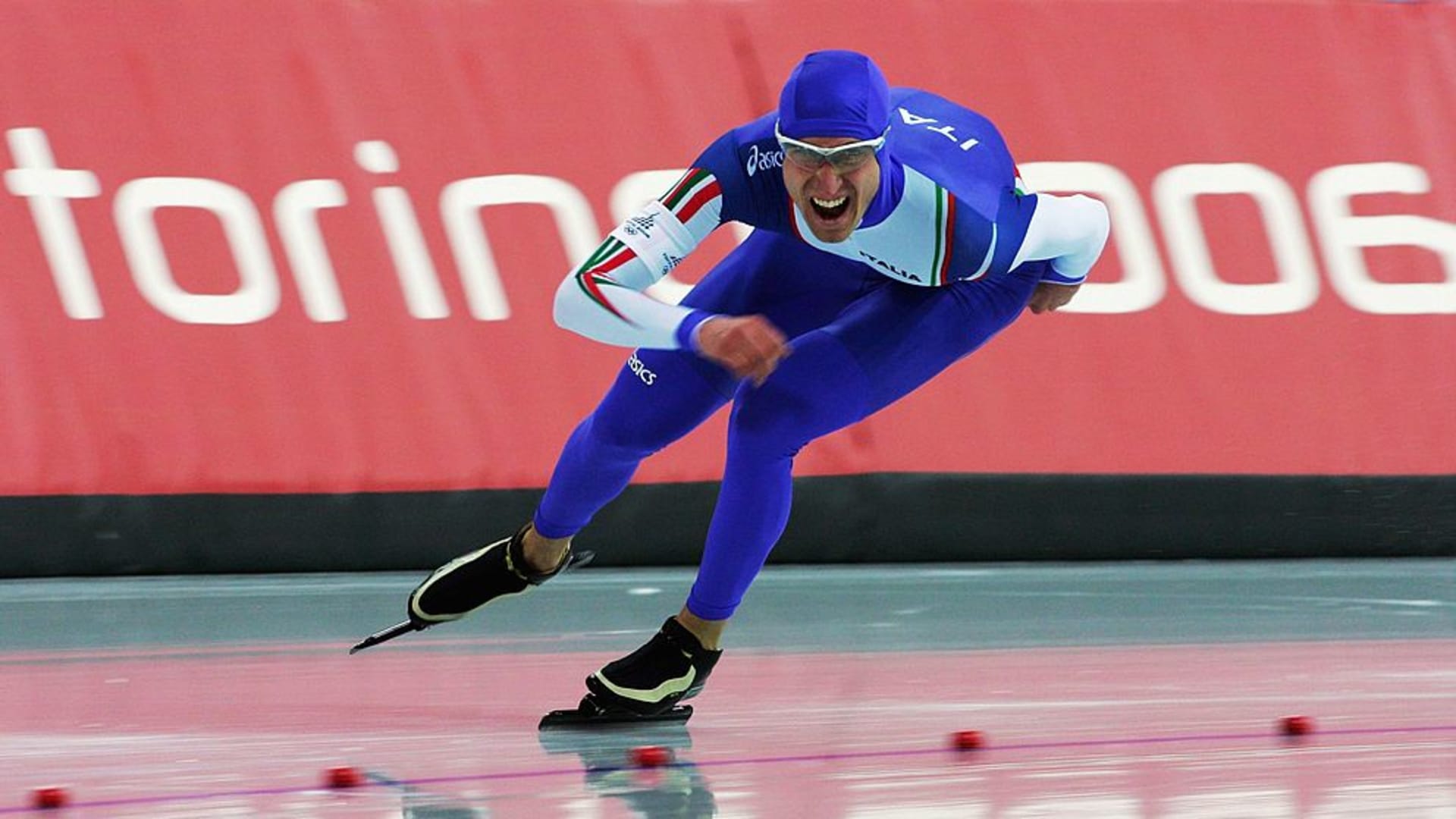
Matteo Anesi, Enrico Fabris and Ippolito Sanfratello in the team pursuit event at Torino 2006.
Enrico Fabris in the 1500m at Torino 2006.


