

Snowboard
 International Ski and Snowboard Federation
About snowboard
Snowboarding is a fun mix of surfing, skateboarding, and skiing. It has become immensely popular as a winter sport, making its Olympic debut at the 1998 Games in Nagano. Here is everything you need to know about the Snowboard competition at Milano Cortina 2026.
Spotlight: Stories


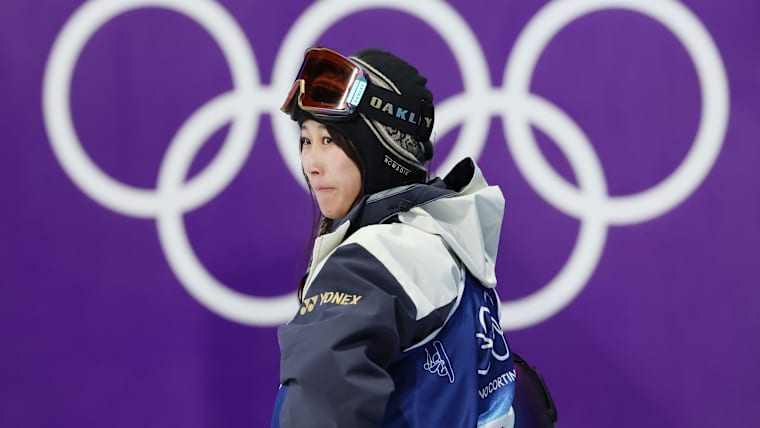
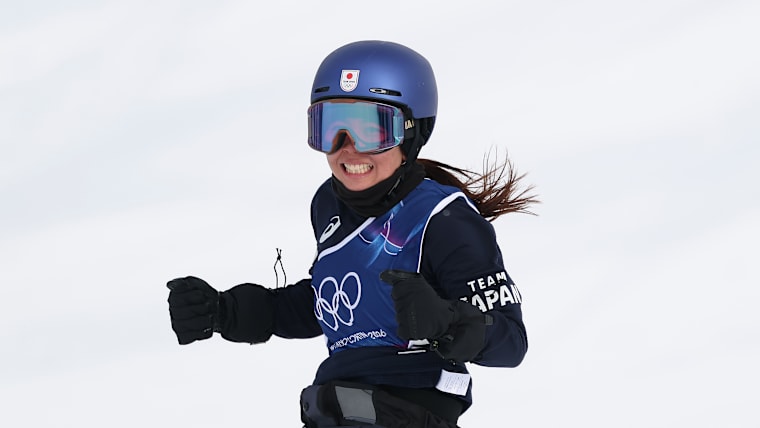
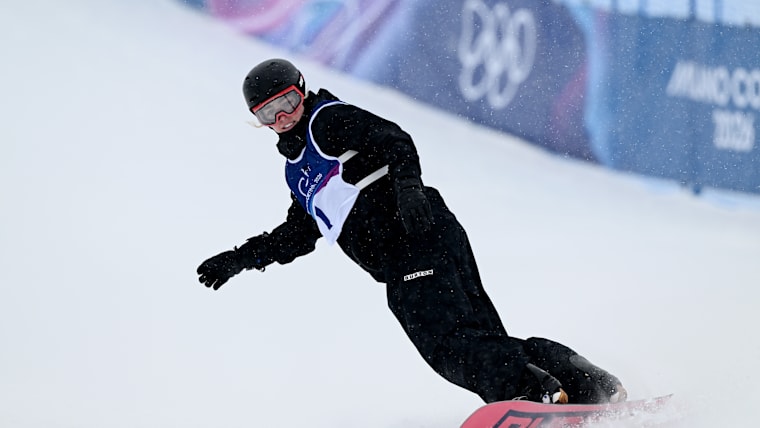
Hirano Ayumu on competing at 2026 Winter Olympics while injured: "Very meaningful"

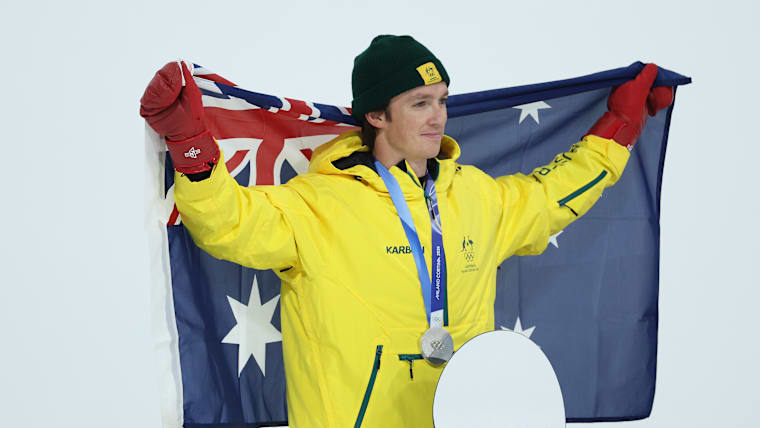
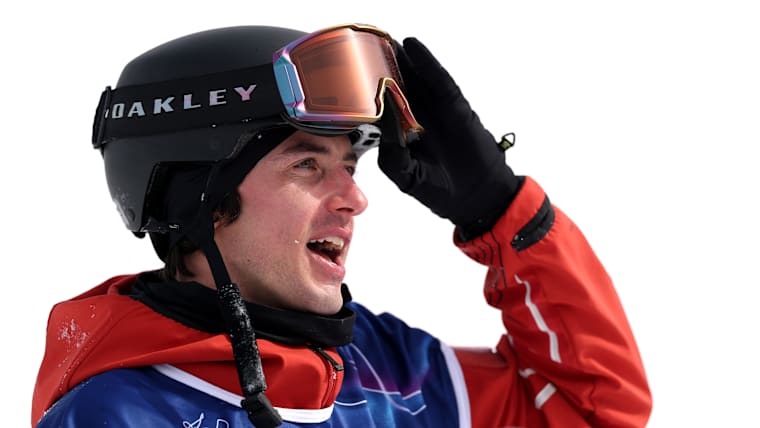
Scotty James (AUS) | Athlete Highlights | Olympic Winter Games Milano Cortina 2026

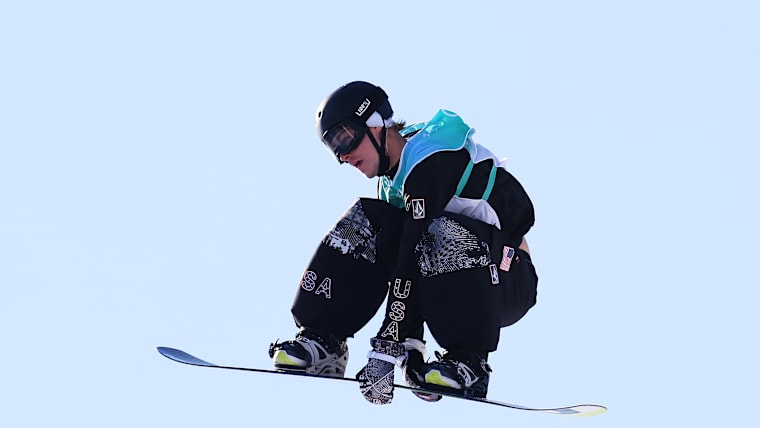
Chloe Kim (USA) | Athlete Highlights | Olympic Winter Games Milano Cortina 2026

Murase Kokomo: ‘Passing the torch doesn’t cross my mind – I want to keep making history’

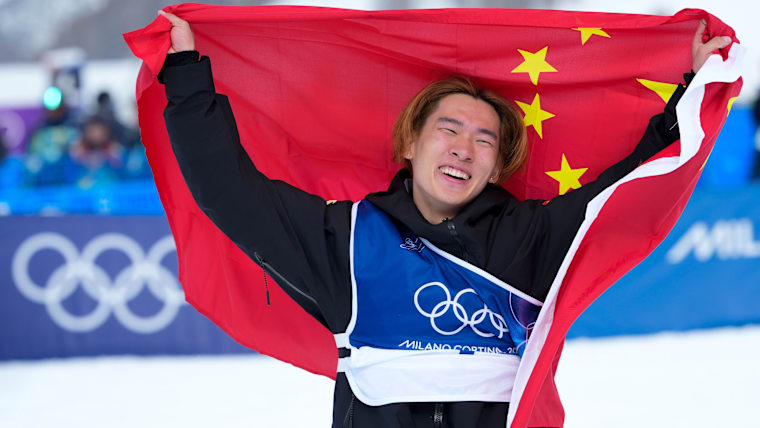
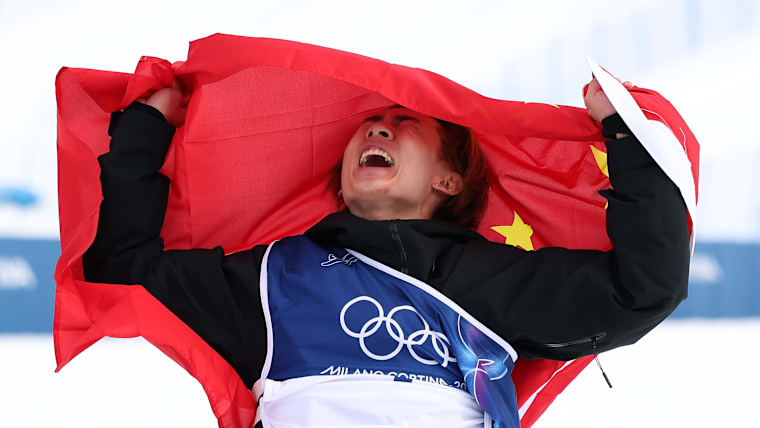
Su Yiming’s golden birthday: “My biggest opponent was myself”
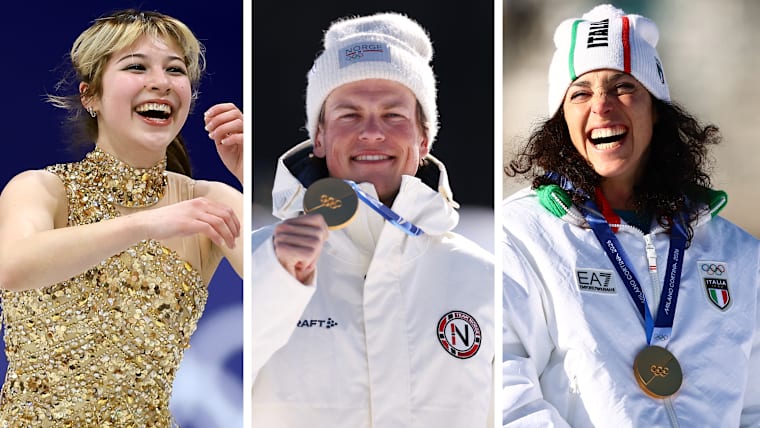
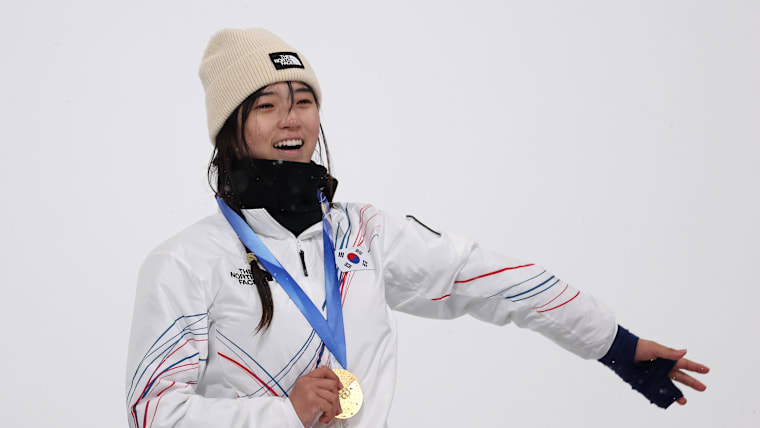
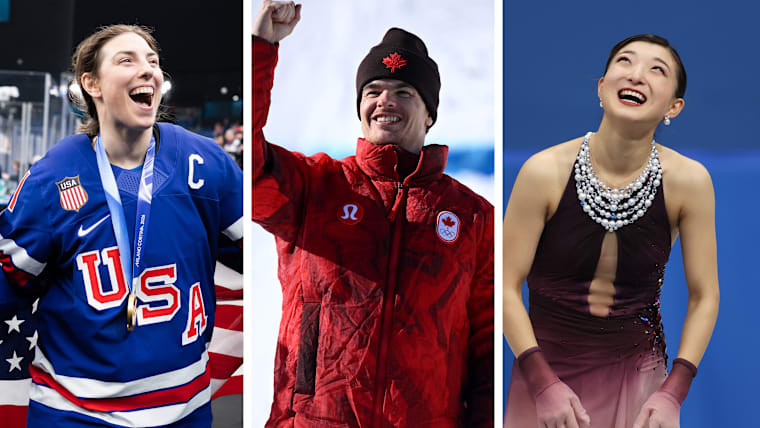
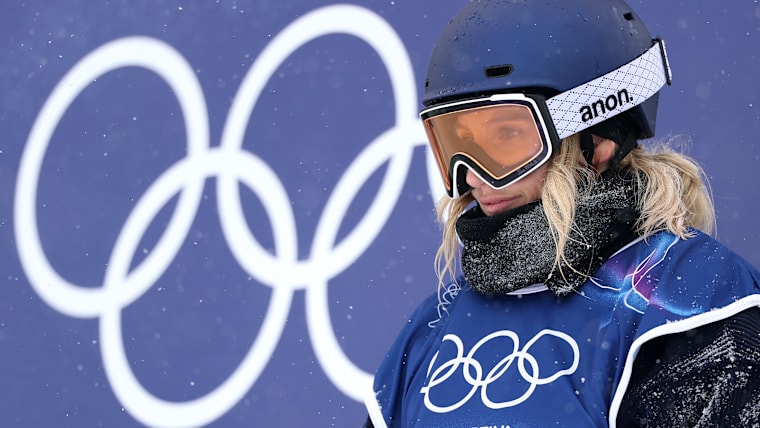
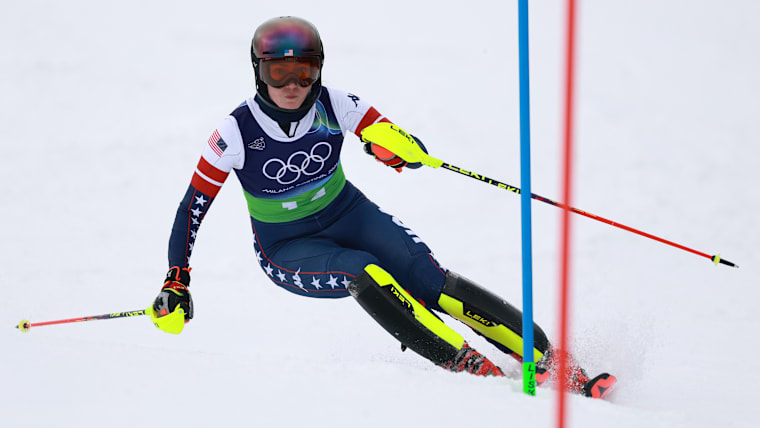
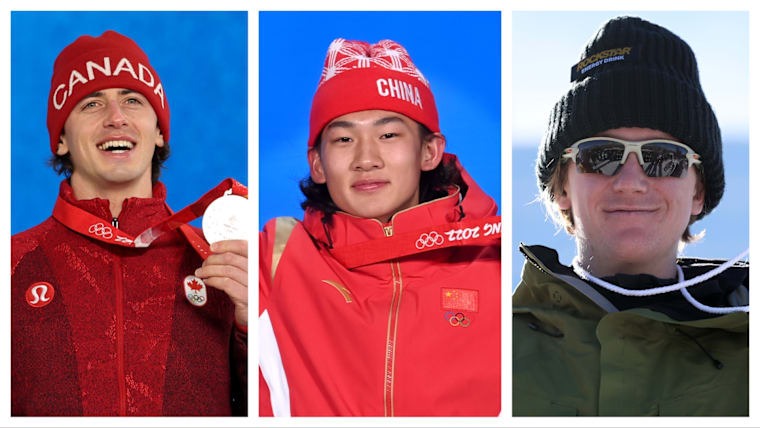
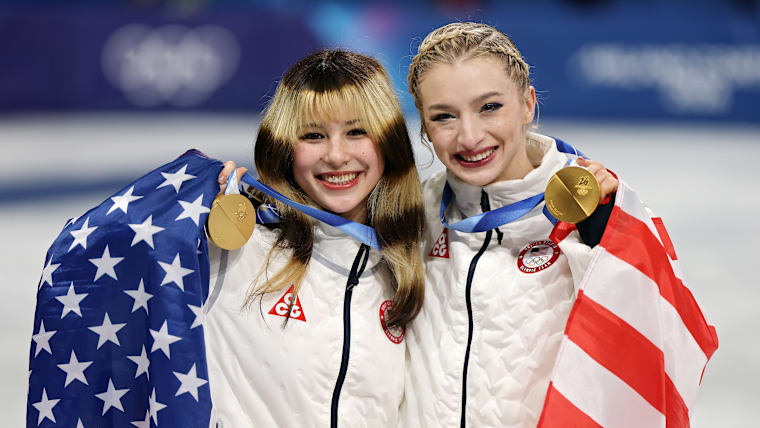
Olympic Moments
Check out the schedule and results
Find out when your favorite event started and your favorite athletes competed

Competition events
Snowboard competitions in Milano Cortina 2026 will consist of 11 events:
- Women's Parallel Giant Slalom
- Men's Parallel Giant Slalom
- Women's Snowboard Cross
- Men's Snowboard Cross
- Mixed Team Snowboard Cross
- Women's Snowboard Halfpipe
- Men's Snowboard Halfpipe
- Women's Snowboard Slopestyle
- Men's Snowboard Slopestyle
- Women's Snowboard Big Air
- Men's Snowboard Big Air
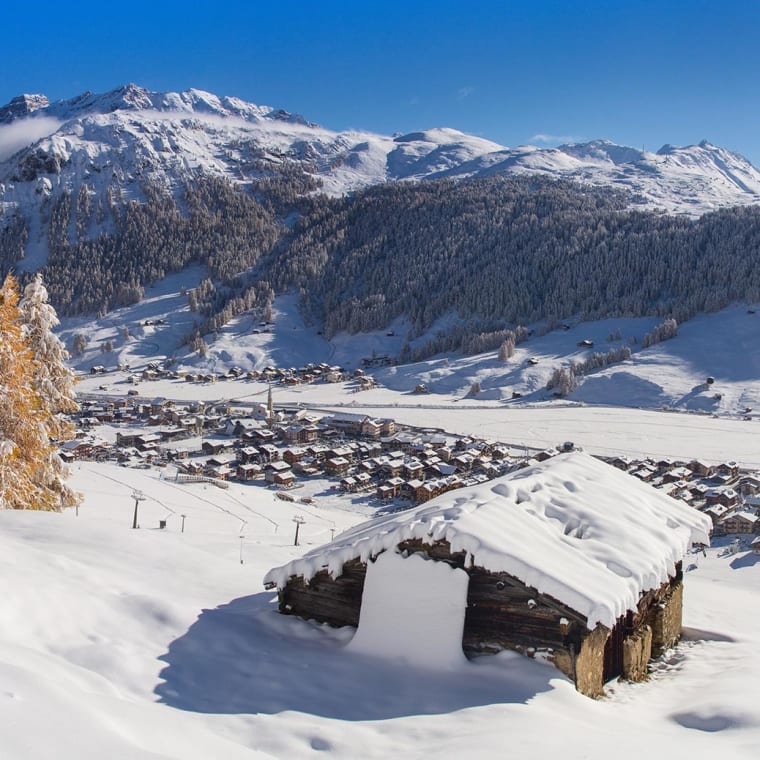
At Milano Cortina 2026, the competitions will be held in Livigno, in Valtellina region.
Watch the Sport Explainer
Allianz Sport Explainers - Snowboard
Big Air - Freestyle Skiing/Snowboard | Sport Explainers | Olympic Winter Games Milano Cortina 2026
Step into each and every sport with confidence at the Olympic Winter Games Milano Cortina 2026.
Origins
Snowboarding was created in the United States in the 1960s, when social change and the search for greater freedom of expression, along with advances in equipment, led to the development of new ways to play sports on snow. In the 1970s, the production of snowboards grew, and the sport began to gain popularity among surfers and skateboarders. Snowboarders began to ‘invade’ ski resorts. The USA hosted the first national snowboarding championships in 1982 and the first world championships in 1983. The International Snowboarding Federation (ISF) was formed seven years later and the International Ski Federation (FIS) introduced snowboarding as an FIS discipline in 1994.
Olympic history
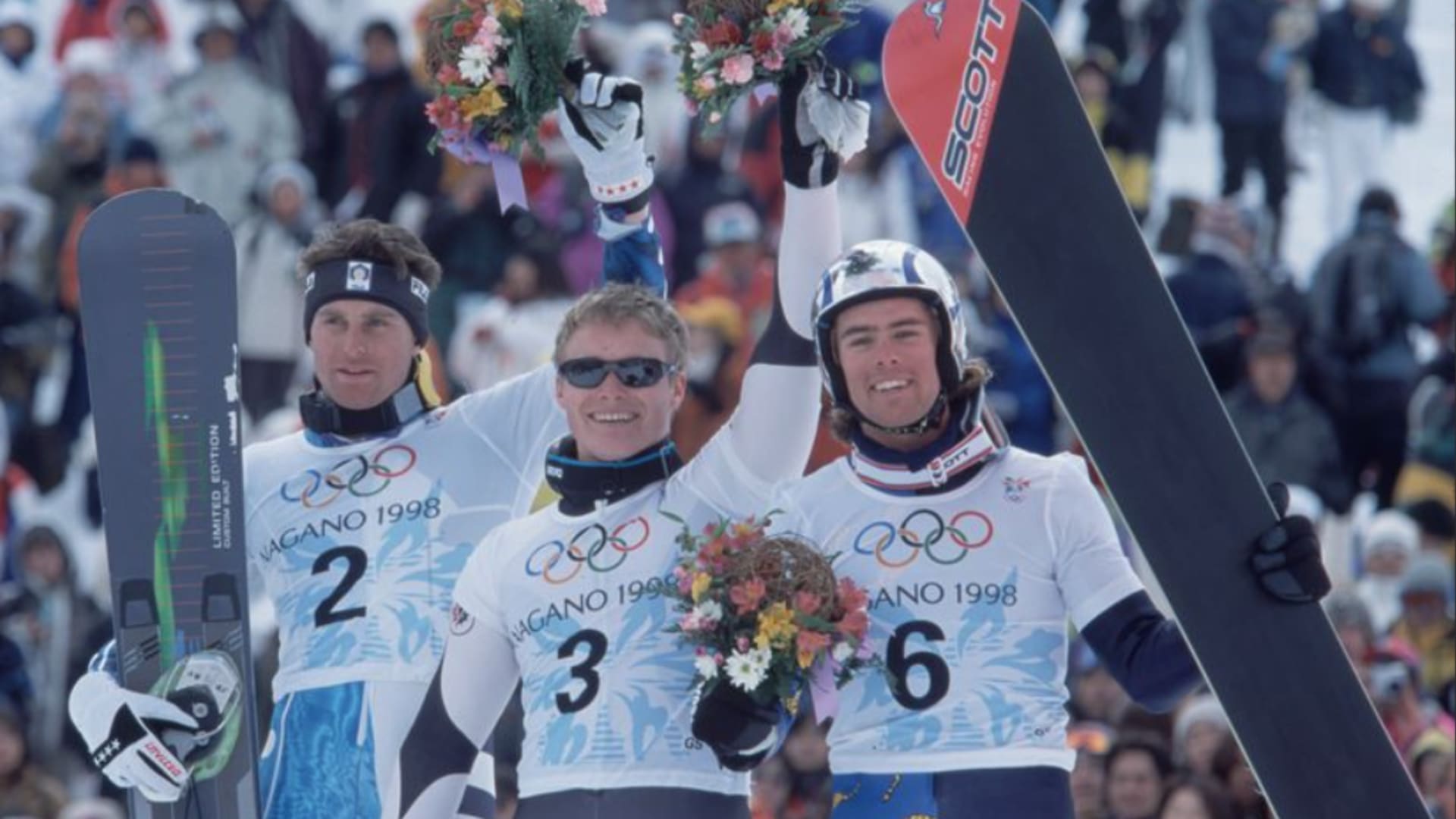
Snowboarding first appeared in the Olympic programme at the 1998 Nagano Games with the giant slalom and halfpipe events. Parallel giant slalom was added at the 2002 Games in Salt Lake City. At the 2006 Games in Turin, snowboard cross made its debut, followed by slopestyle in 2014 in Sochi and Big Air in 2018 in PyeongChang. The most recent addition was the mixed team snowboard cross event, which debuted at the Olympic Winter Games Beijing 2022.
Basic rules
In the halfpipe, competitors perform a series of tricks while snowboarding down a slope with a semi-cylindrical shape. They are scored on the breadth and difficulty of the jumps.
In the parallel giant slalom, two snowboarders ride down two parallel tracks at the same time. During the qualifiers, each competitor rides down the two tracks (blue and red) once. The times from each run are added together, and the 16 best combined times advance to the elimination rounds. The fastest athlete in each group automatically qualifies for the next round.
In snowboard cross, timed qualifiers are held to determine the top 16 athletes, who compete in direct races involving four athletes per group on a track with jumps, moguls, and wide curves. Each heat determines the best two athletes for the next round; this process continues until the final. c.
In the Big Air event, competitors use a ramp to make jumps and perform a series of aerial tricks.
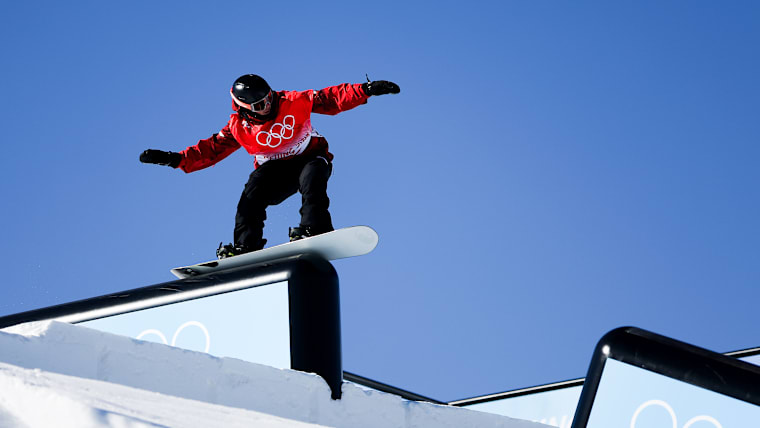
In slopestyle, athletes snowboard down a course with different types of structures (including rails and jumps) and are judged on the breadth, originality, and quality of their tricks.
Fun facts about Italian champions

Michela Moioli
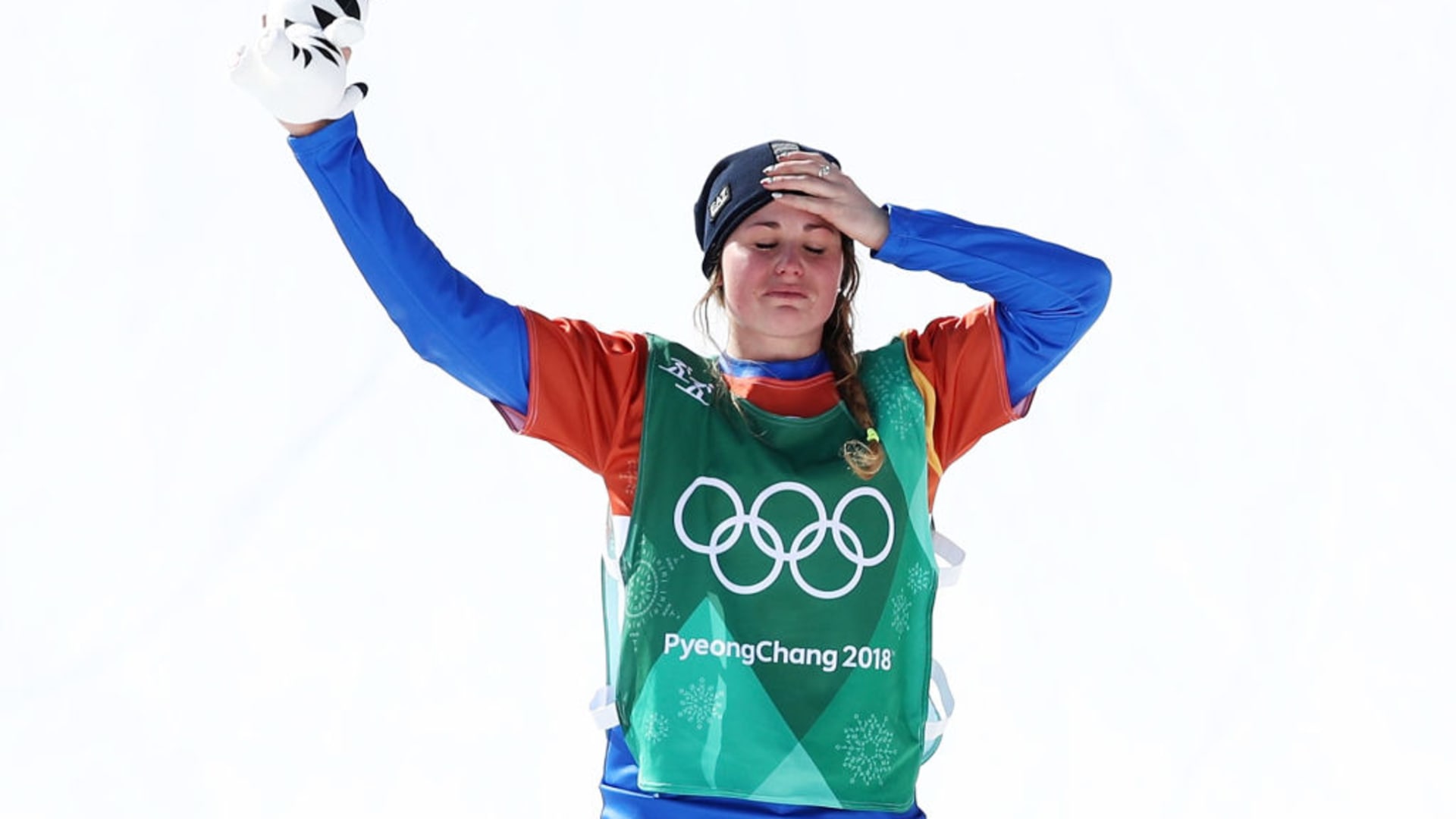
Italian snowboarder Michela Moioli won Italy's first gold medal in snowboarding at the Olympic Winter Games Pyeongchang 2018 for the snowboard cross event.


Livigno
Surrounded by high peaks, Livigno is a beautiful town 1,816m above sea level in the Rhaetian Alps near the Swiss border.
Frequently asked questions
The most decorated male snowboarder at the Olympics is the American Shaun White, with three gold medals.
The most decorated female Olympic snowboarders are the American athletes Lindsey Jacobellis and Jamie Anderson, each with two gold medals and one silver.
The United States leads the snowboard Olympic medal table with 35 medals (17 gold, 8 silver, 10 bronze), followed by Switzerland with 14 (8 gold, 2 silver, 4 bronze) and Canada with 17 (5 gold, 5 silver, 7 bronze).
Michela Moioli in snowboard cross at Pyeongchang 2018.
The competitions at Milano Cortina 2026 will be held in Livigno, in Valtellina region.


