

Short track speed skating
 International Skating Union
About short track speed skating
One of the fastest sports at the Olympic Games, short track speed skating plays host to the world's best sprinters on ice. Here’s everything you need to know about the competition at Milano Cortina 2026.
Spotlight: Stories
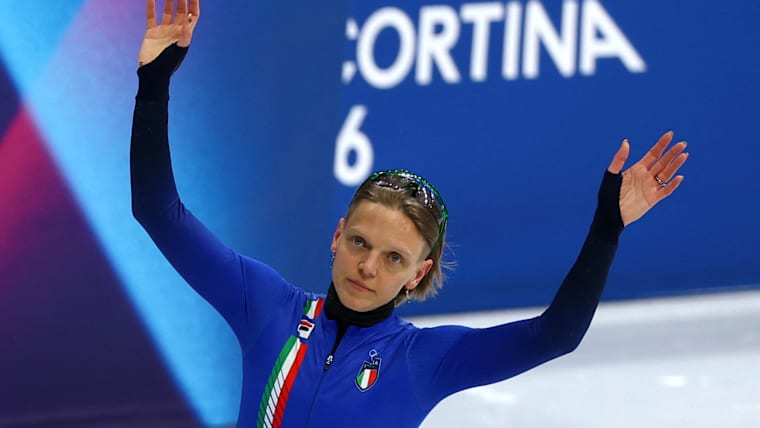
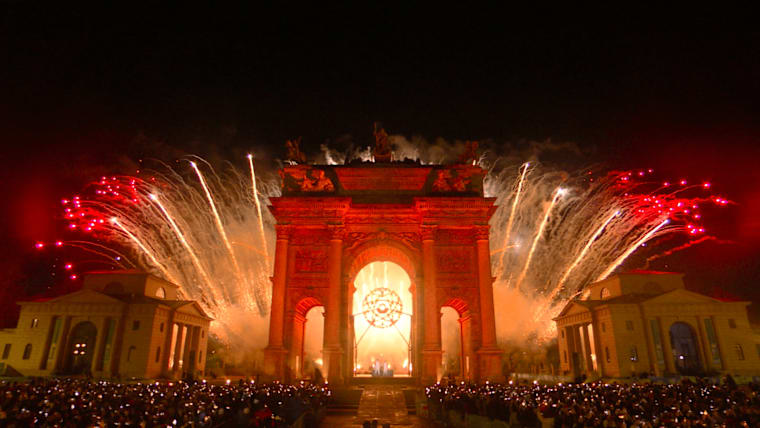
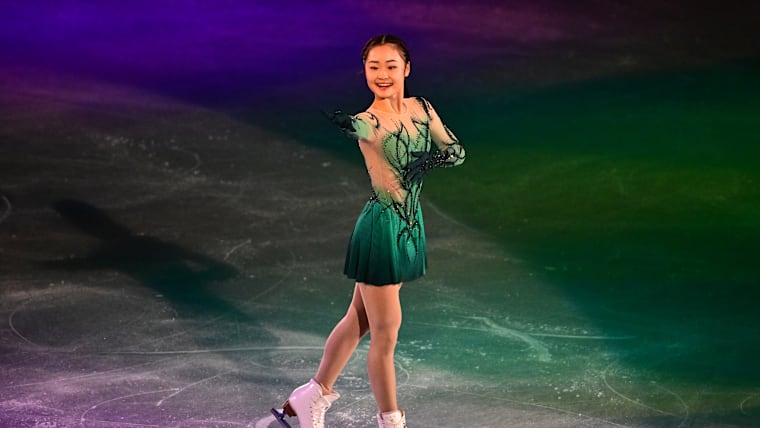
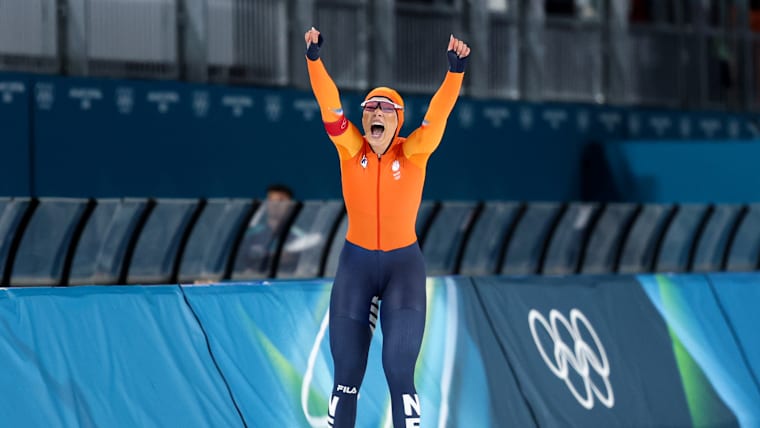
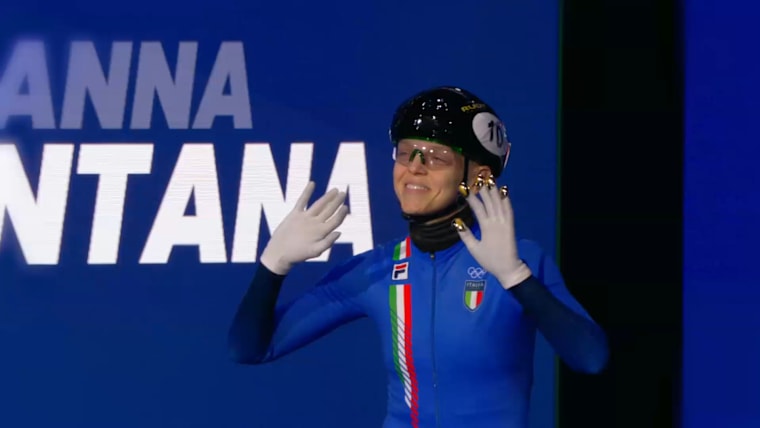
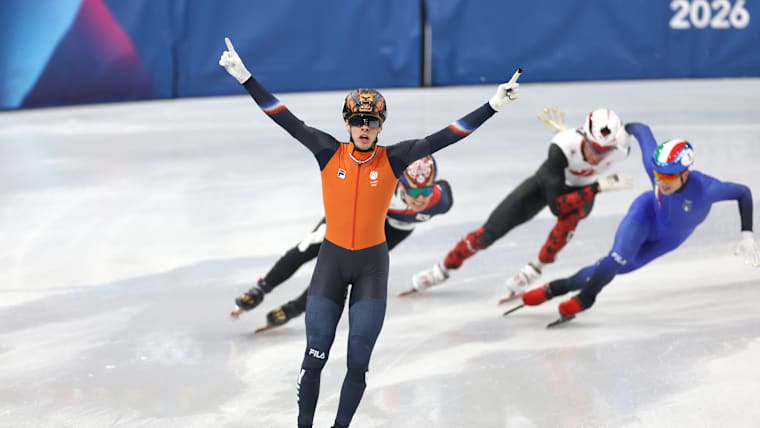
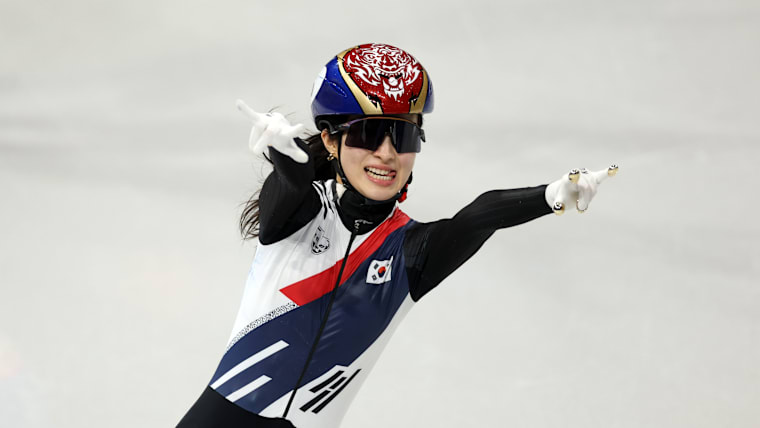
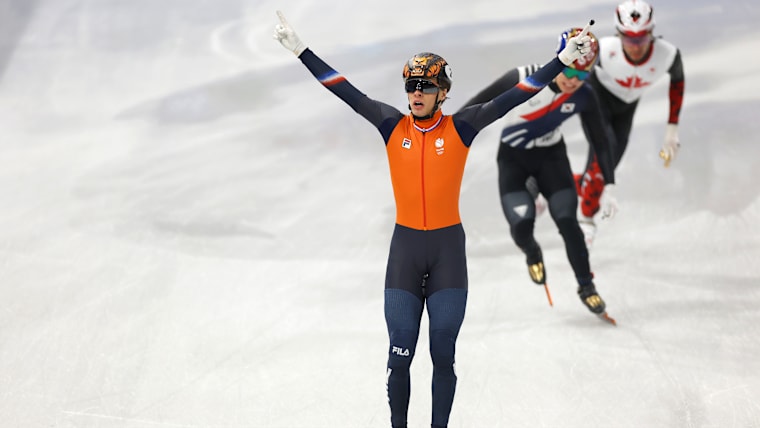
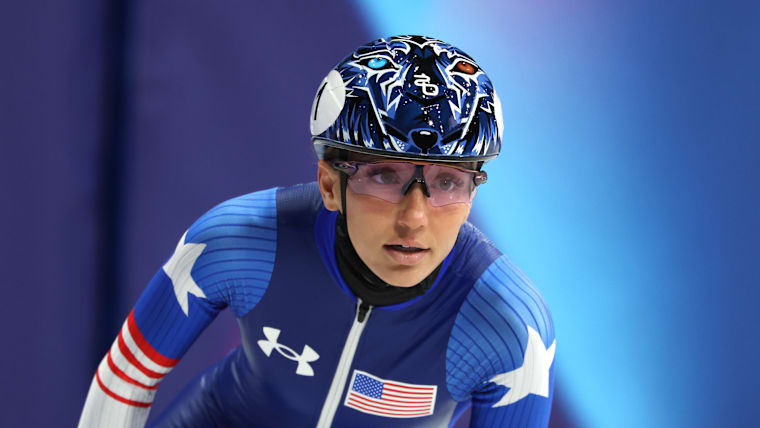
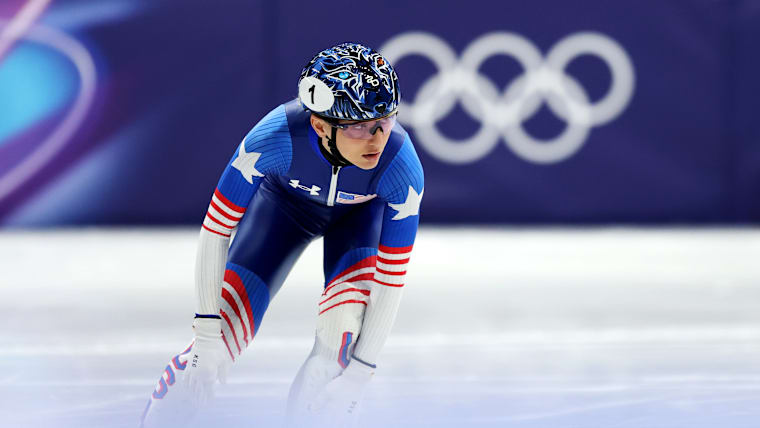
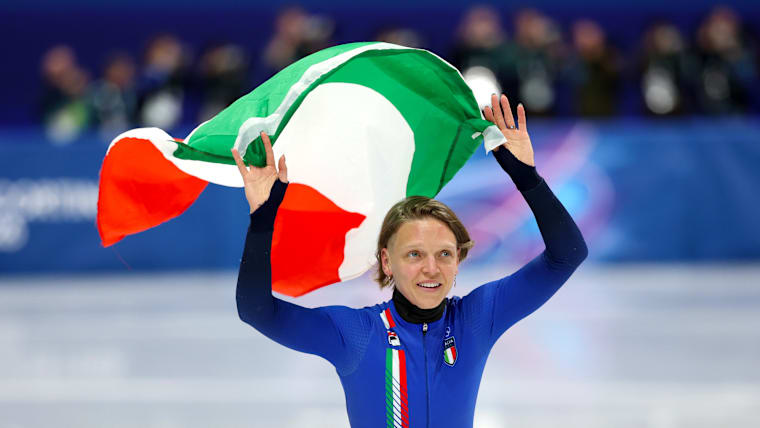
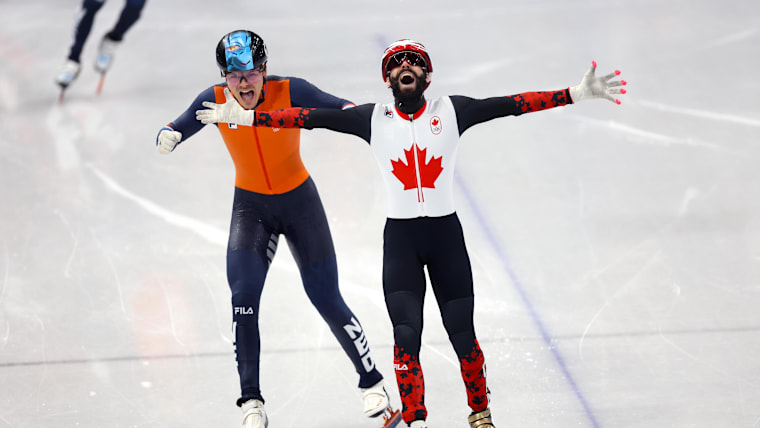
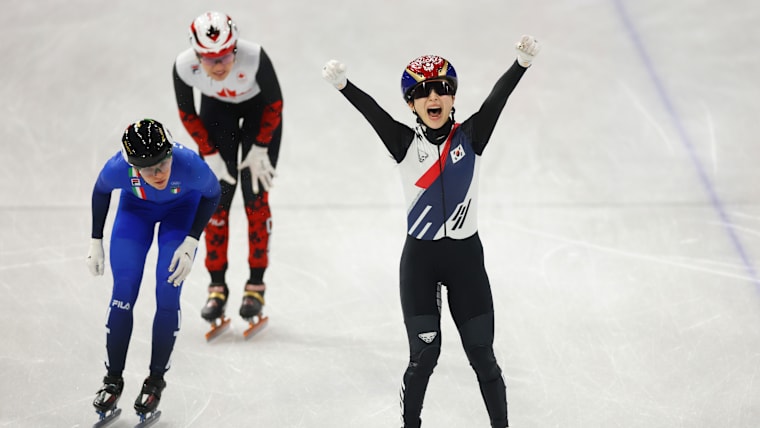
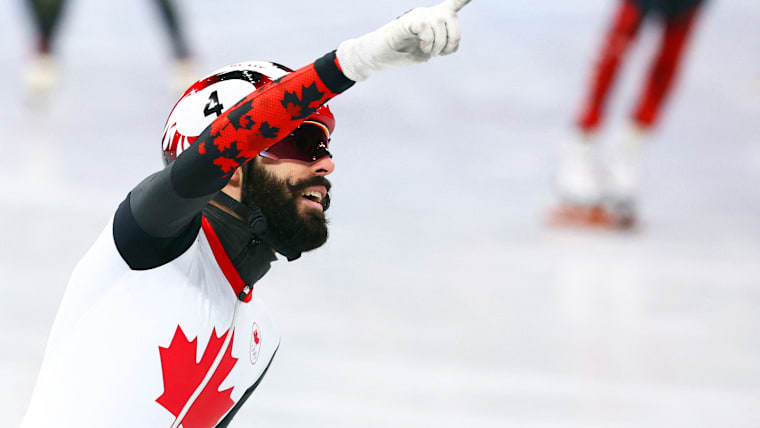
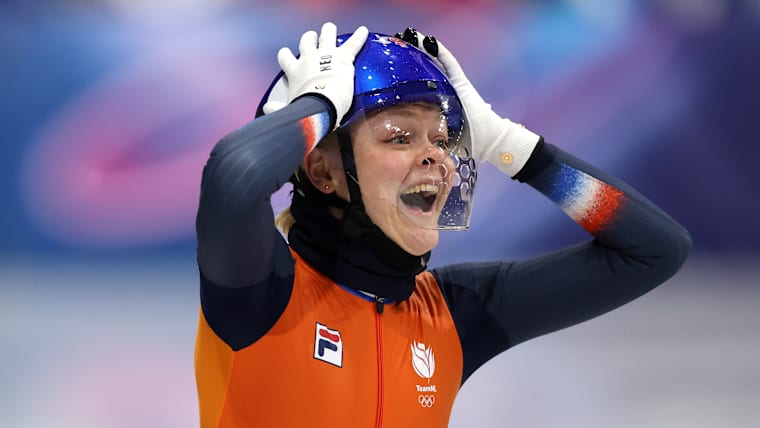
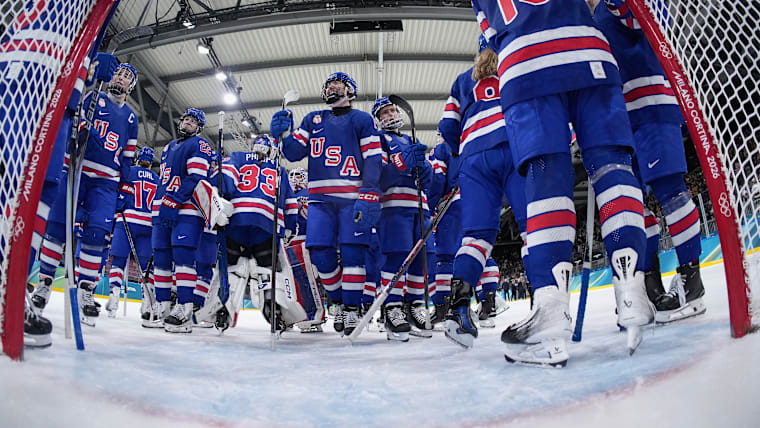
Olympic Moments
Check out the schedule and results
Find out when your favorite event started and your favorite athletes competed

Competition events
In short track speed skating, athletes compete against each other rather than against time. This introduces elements such as strategy, courage, and technique to the race. As the name suggests, short track speed skating takes place on a shorter track compared to traditional speed skating (the short track is 111.12 metres long, while the speed skating track is 400 metres long).
The competitions at Milano Cortina 2026 will consist of nine events: four for men, four for women and one mixed team event:
- Women's 500m
- Women's 1000m
- Women's 1500m
- Women's 3000m Relay
- Men's 500m
- Men's 1000m
- Men's 1500m
- Men's 5000m Relay
- Mixed Team Relay
The top two skaters in the individual and team events move on to the next round, which ends in the "A final" where the skaters compete for medals. The races will be held in Milano at the Milano Ice Skating Arena.
Watch the Sport Explainer
Short Track Speed Skating | Sport Explainers | Olympic Winter Games Milano Cortina 2026
Step into each and every sport with confidence at the Olympic Winter Games Milano Cortina 2026.
Olympic history
After its introduction as a demonstration sport at the 1988 Olympic Winter Games in Calgary, short track speed skating became a part of the Olympic programme in Albertville in 1992, with two individual races and two relays. Since the 2002 Olympics in Salt Lake City, this discipline has included eight events, while the new mixed team relay was introduced at Beijing 2022.
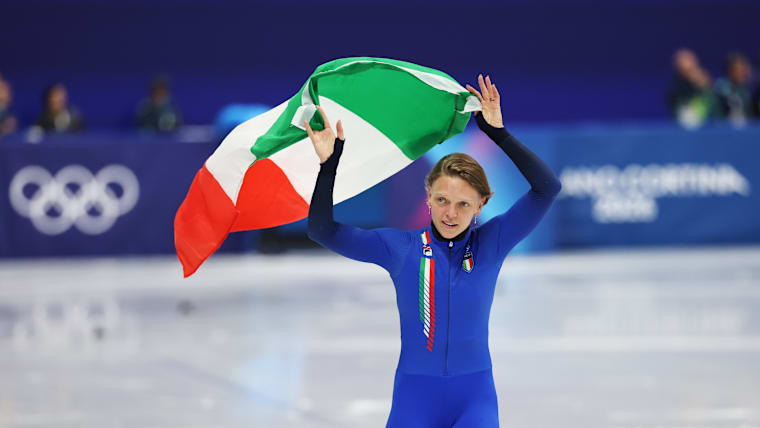
Short track speed skating has grown significantly in Italy, with an outstanding representative in Arianna Fontana; the 11-time Olympic medallist is the most decorated Italian athlete in Olympic history and had the honour of carrying Italy's flag during the Opening Ceremony of the 2018 Olympic Winter Games in PyeongChang, Republic of Korea.
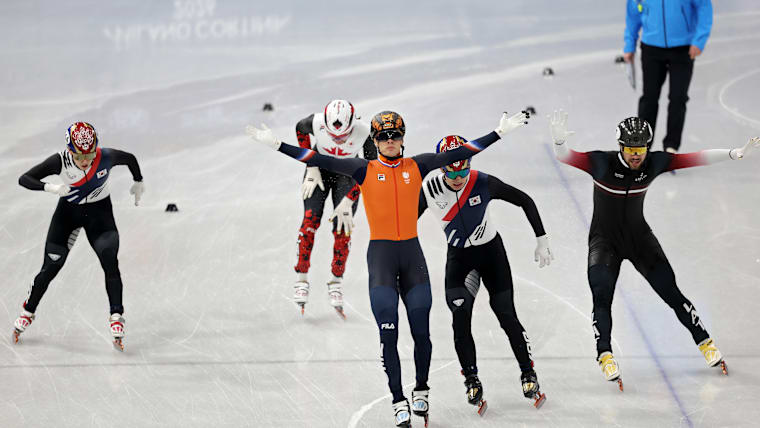
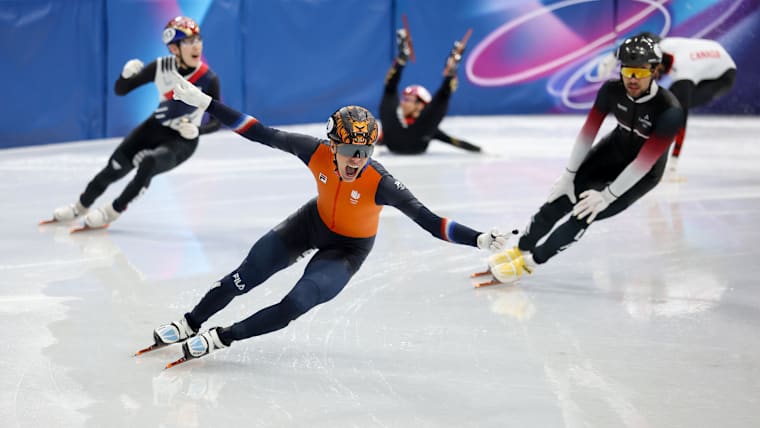
Short track speed skating is becoming increasingly popular because it is so exciting! Because the track is so short, athletes skate on a curve for most of the race, and they must lean into the turns with their hand touching the ice. Collisions and falls are bound to happen, which is why the walls of the skating oval are padded and athletes wear protective gear.
Basic rules
The short track is 111.12 metres long, and athletes compete against each other in a series of direct elimination rounds in which the fastest advance to the next round.
A unique feature of short track speed skating is that the skaters start in groups. In the 500m and 1000m races, five athletes compete in each heat, while seven skaters compete in the 1500-m event.
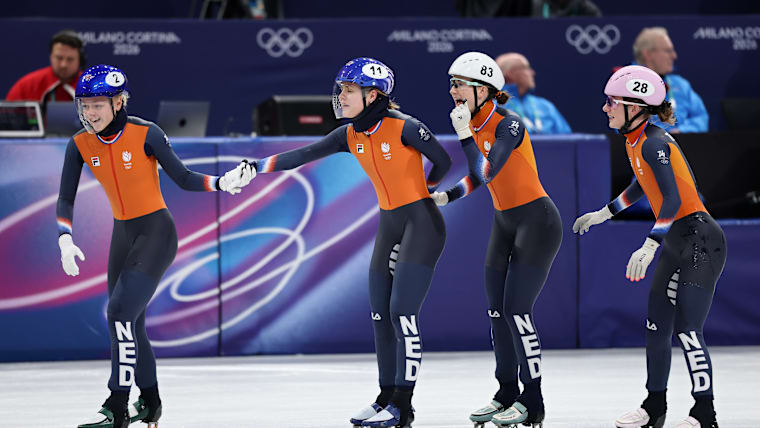
In the mixed relay, each team consists of four athletes: two women and two men. The athletes race in a required order: woman-woman-man-man-woman-woman-man-man.
Helmets are required because the risk of falling is much greater than in speed skating. The tight curves and speed-to-distance ratio mean that athletes use stiff footwear to help them control their trajectory. The blades are also smaller compared to speed skating blades, which means different training is necessary to teach the athletes to lean into the curve more aggressively.
Fun facts about Italian champions

Arianna Fontana
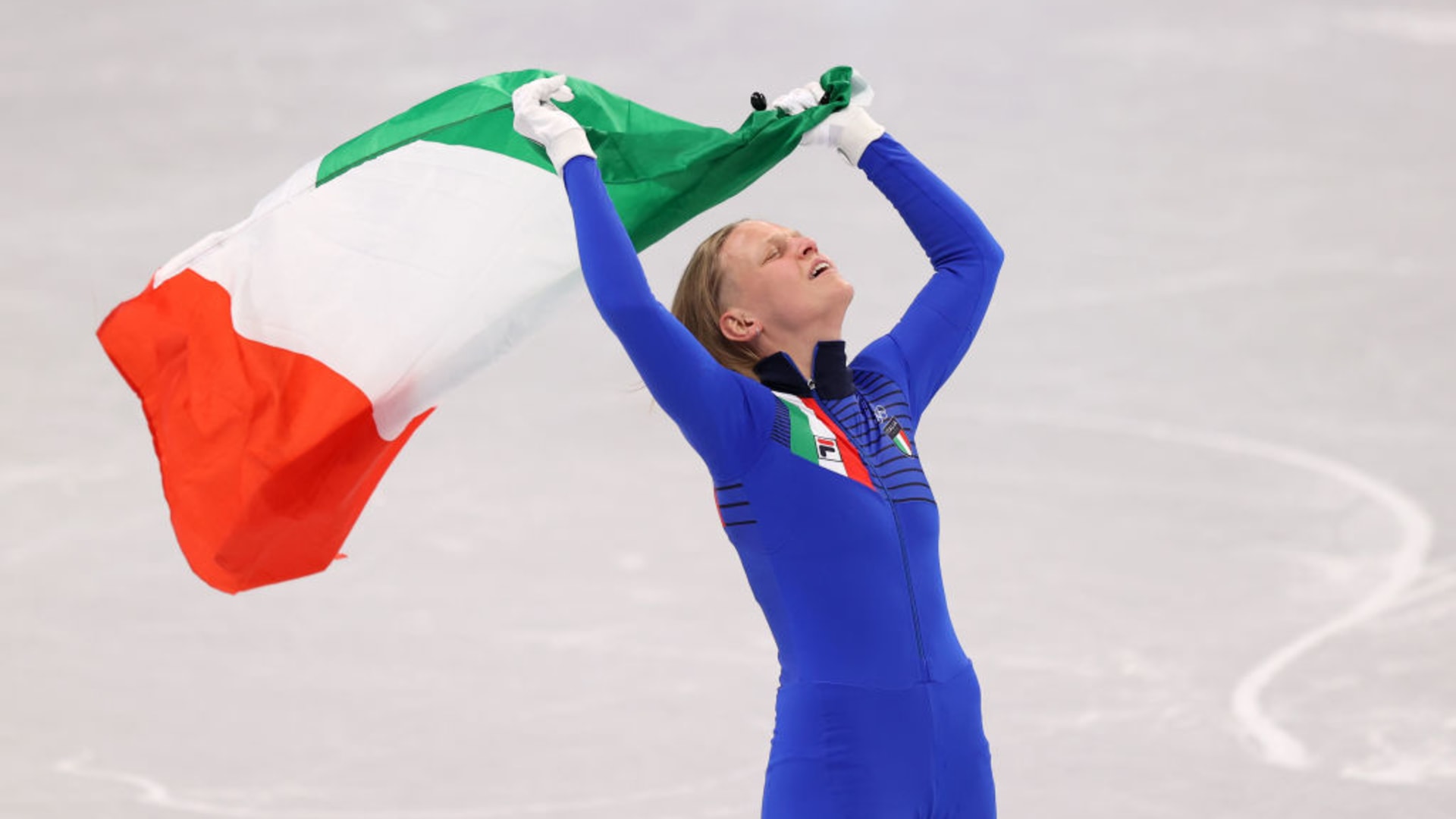
Arianna Fontana is a global legend in short track speed skating. With her 11 medals (2 gold, 4 silver and 5 bronze), she has contributed to more than 70 per cent of all medals won by Italian athletes at the Winter Olympic Games.


Milano
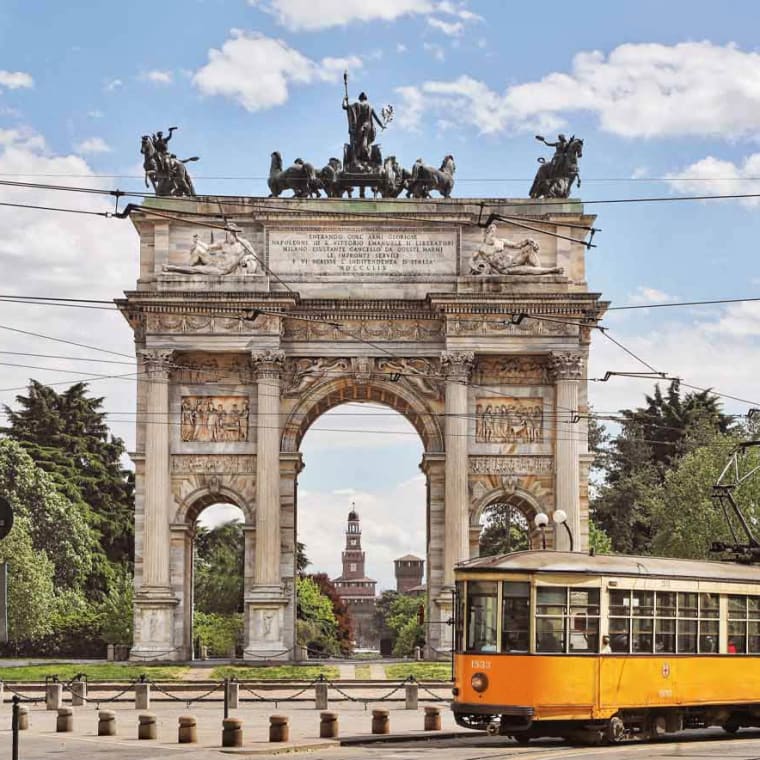
Milan is Italy's gateway to Europe and the world; a city where the energy and excitement of a global metropolis merge with the Italian lifestyle on a human scale.
Frequently asked questions
As the name suggests, short track speed skating competitions take place on a shorter track than speed skating. In speed skating, male and female athletes race against the clock in a time trial format. There are no heats, semifinals or finals, just a single round in which competitors try to obtain the best time. In short track speed skating, on the other hand, the athletes compete against each other in a series of rounds in which the order of finish matters, since the fastest male and female athletes advance to the next round. Helmets are mandatory in short track speed skating because the risk of falls is much higher than in speed skating.
In short track speed skating, the sharp curves and the speed-to-distance ratio make it necessary to use stiffer footwear to help athletes control their path, so the materials are less flexible than those used in speed skating.
Speed skating involves longer straightaways and wider curves, so the athletes' skates are more flexible. They also have a special system, called the "clap blade", with a hinge mechanism on the heel that allows the blade to remain in contact with the ice when the leg is raised, giving the impression that athletes are jumping as they skate (hence the name "clap skates").
Viktor An is the most decorated male athlete in short track speed skating, with a total of eight medals: six gold and two bronze, divided equally between the countries of South Korea and Russia. American Apolo Anton Ohno also has eight medals, but with one gold less.
Arianna Fontana is the female athlete with the most Olympic medals in short-track speed skating, with a total of 11: two gold, four silver and five bronze medals.
In first place is South Korea with 53 medals (26 gold, 16 silver and 11 bronze), followed by China (12 gold, 16 silver and 9 bronze) and Canada (10 gold, 13 silver, and 14 bronze) with 37 medals. Italy is in fifth place with 15 medals (3 gold, 6 silver and 6 bronze).
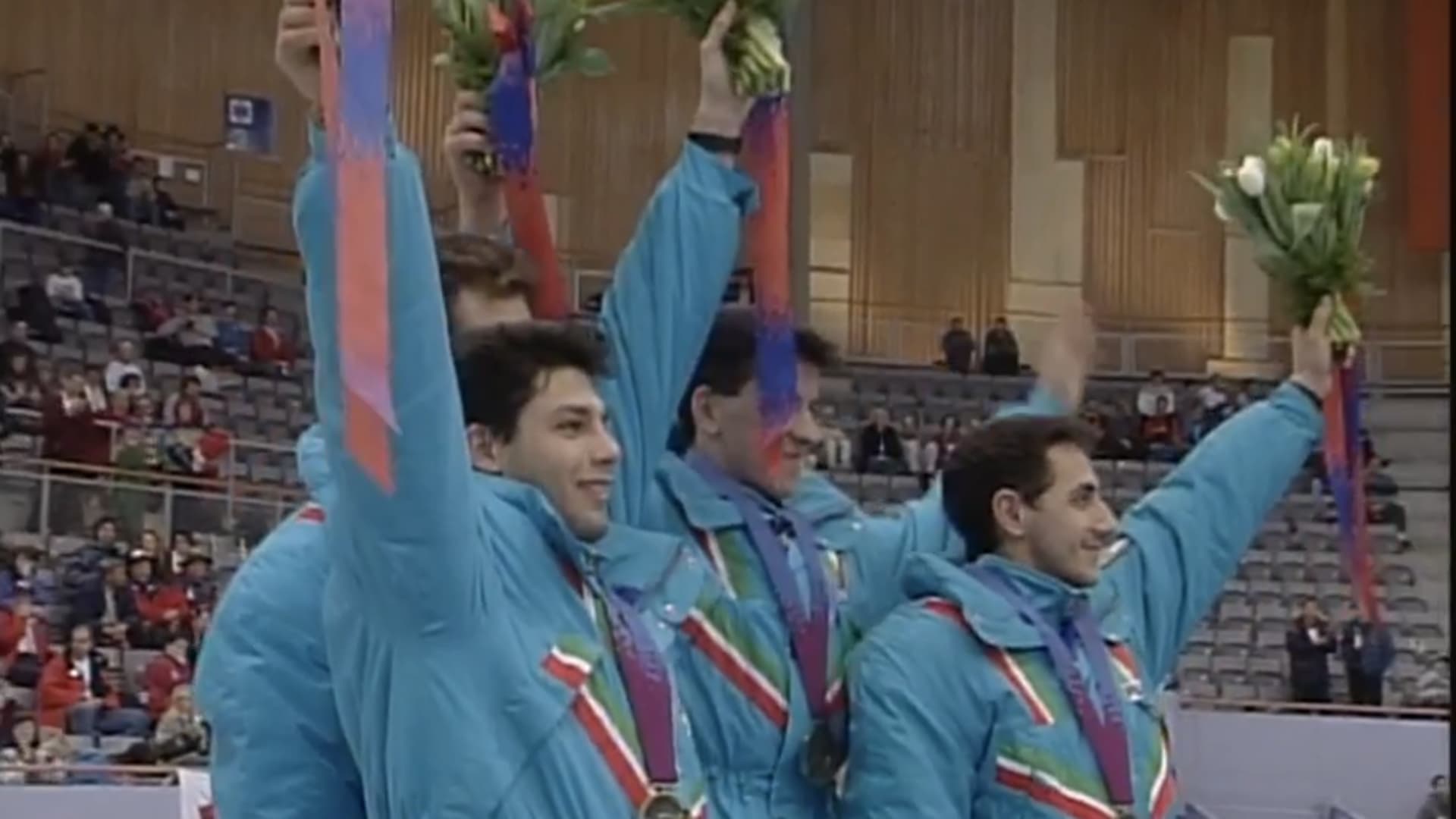
Maurizio Carnino, Diego Cattani, Orazio Fagone, Hugo Herrnhof and Mirko Vuillermin at Lillehammer 1994 (5000m relay).
Arianna Fontana at Pyeonchang 2018 and Beijing 2022 (500m).
The races will be held in Milano, at the Milano Ice Skating Arena.


