

Figure skating
 International Skating Union
About figure skating
Elegance, grace, precision, and skill come together in one of the most popular events at the Olympic Winter Games. Here’s everything you need to know about figure skating at Milano Cortina 2026.
Spotlight: Stories

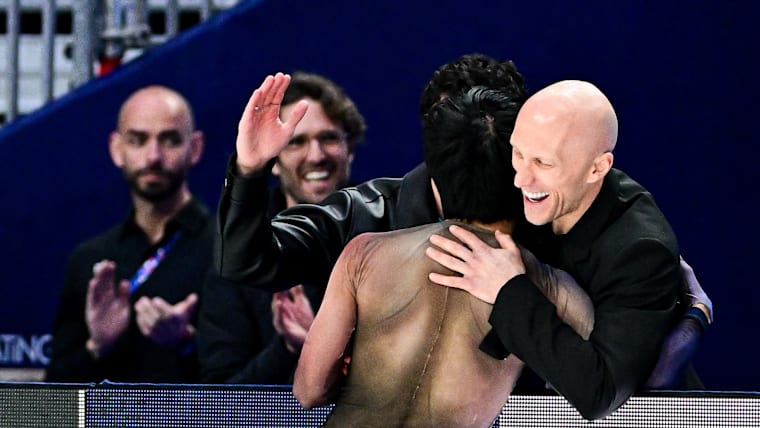
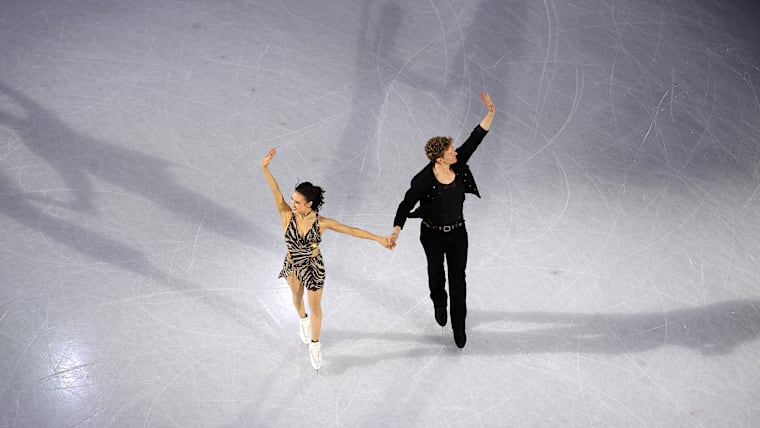
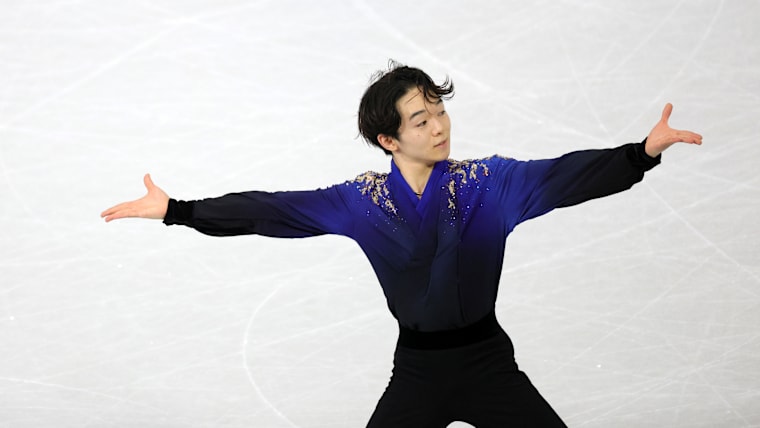
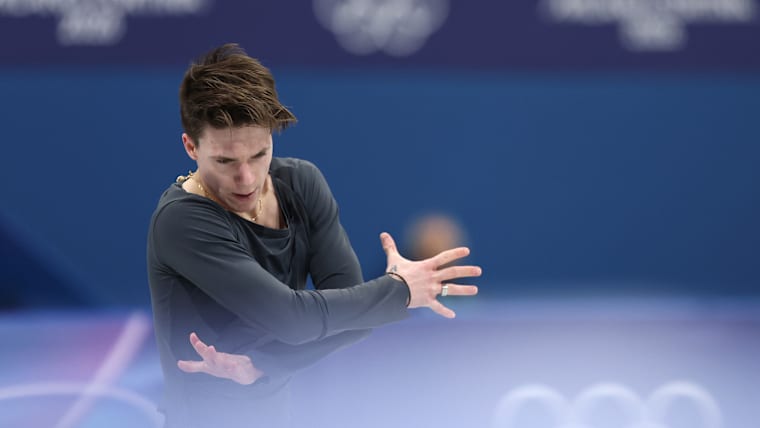
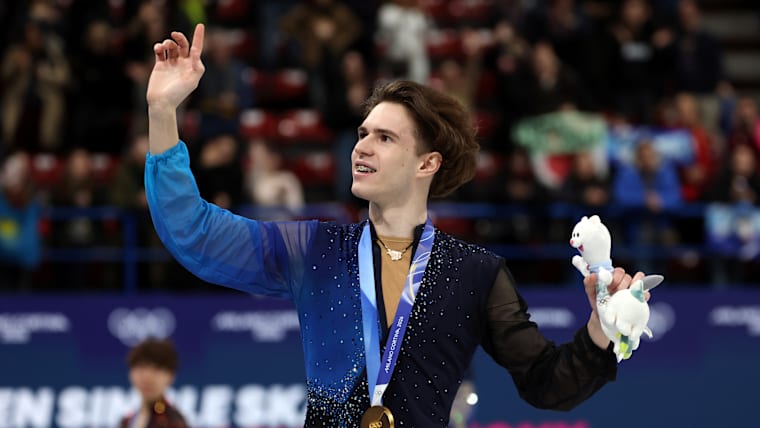
Benoît Richaud on his Olympic whirlwind and next bold vision

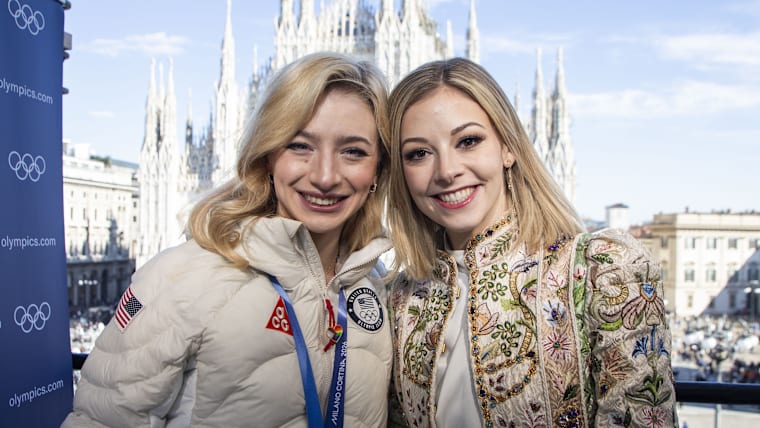
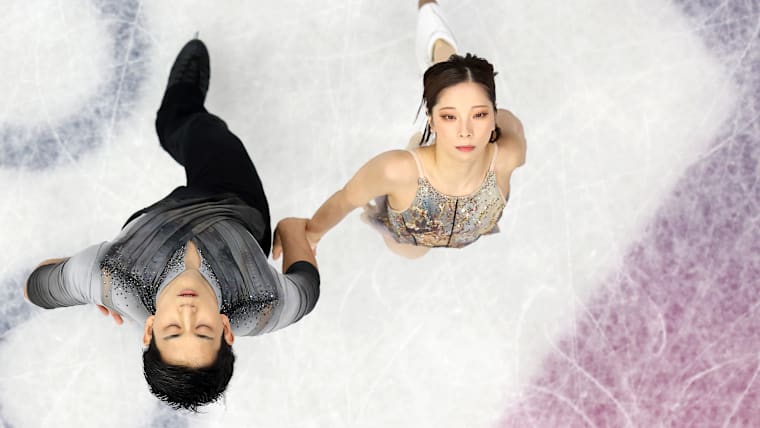
Madison Chock and Evan Bates on their "roller-coaster" Olympics: "I'm just so proud of us"

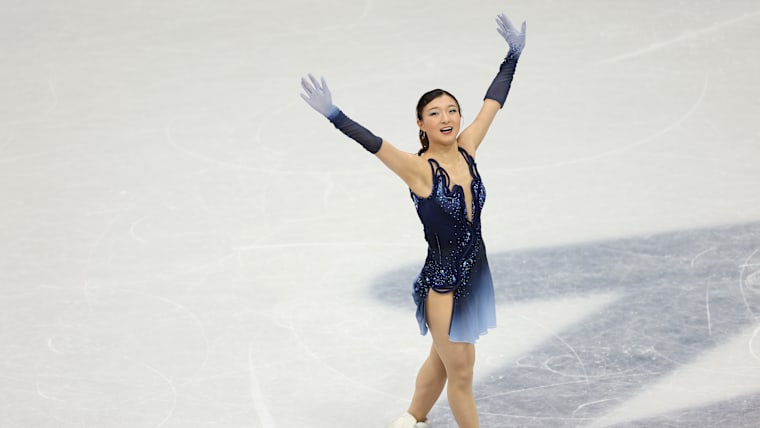
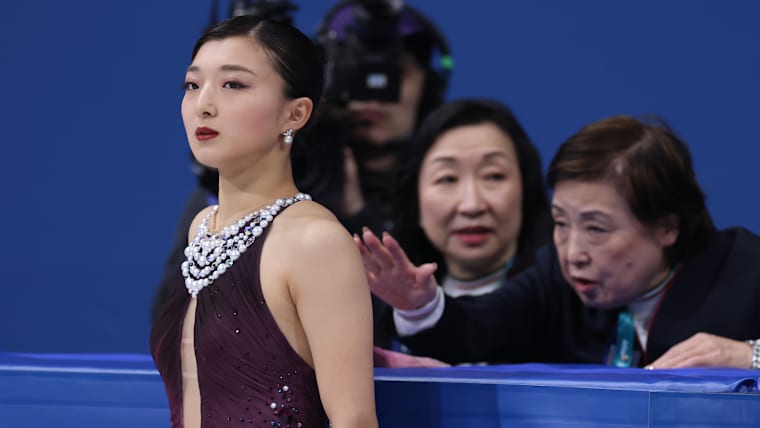
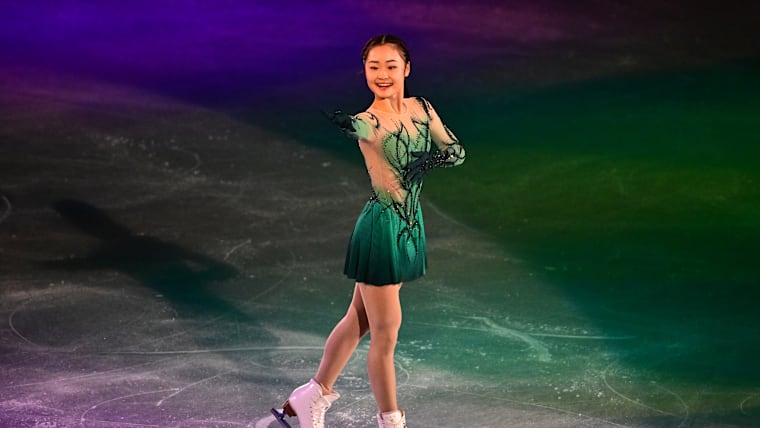
Kagiyama reflects on double silver at Milano Cortina 2026

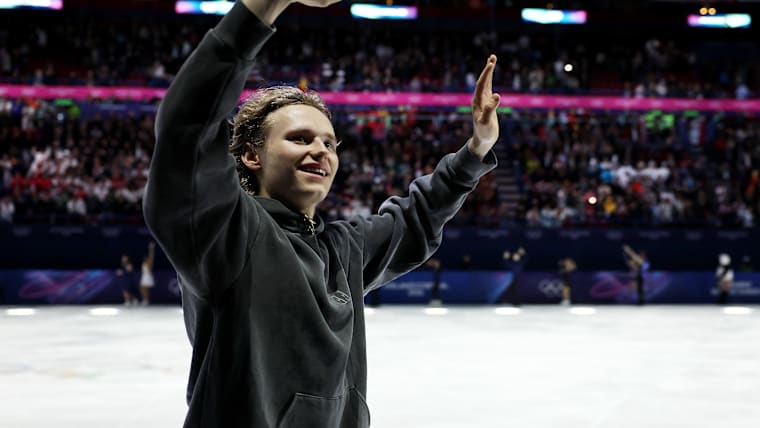
A year after loss, Maxim Naumov reflects on his journey to Olympic ice

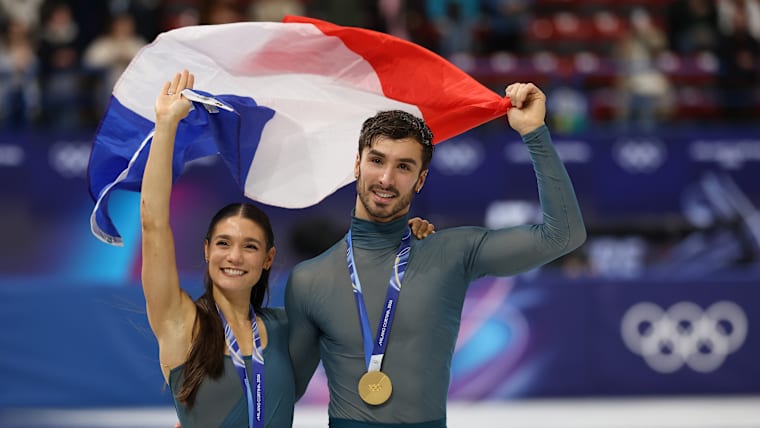
Laurence Fournier Beaudry & Guillaume Cizeron: "We did it for the journey"

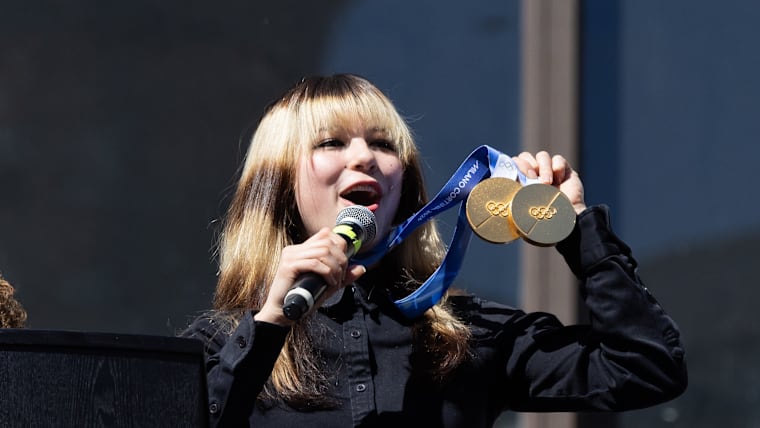
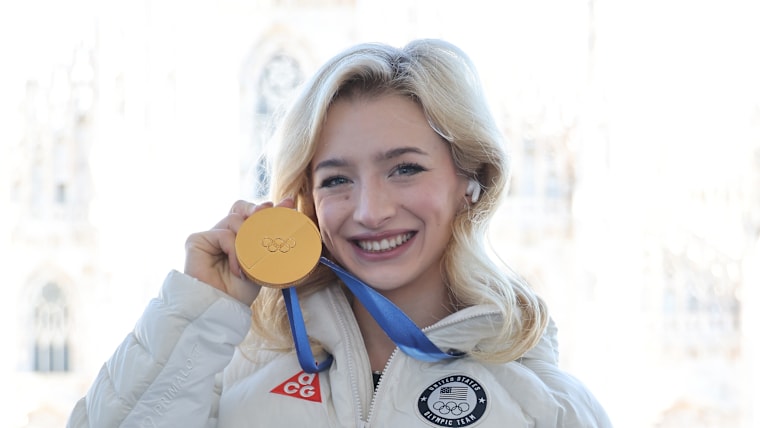
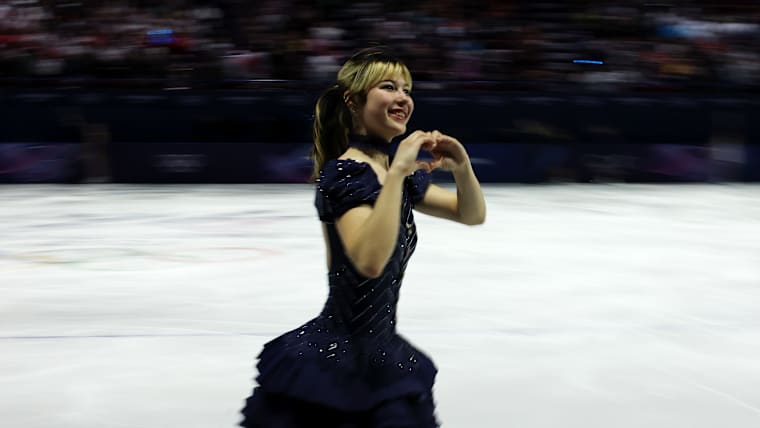
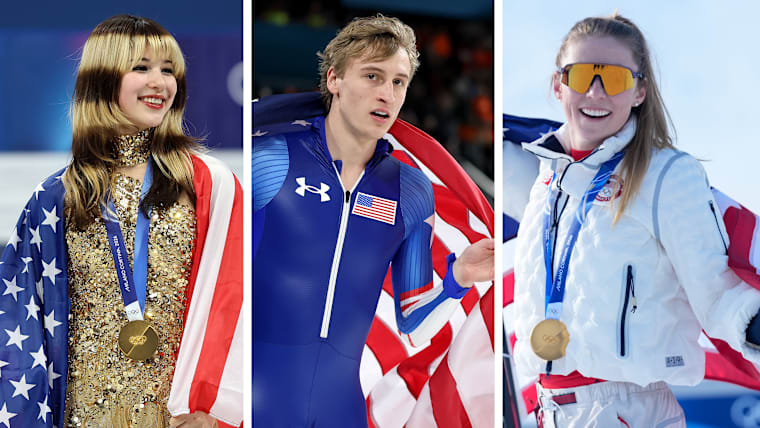
Olympic champion Alysa Liu's new high profile: "This is crazy"


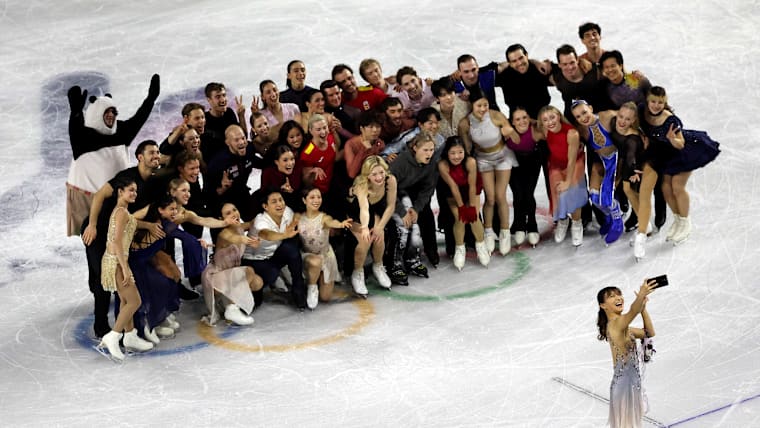
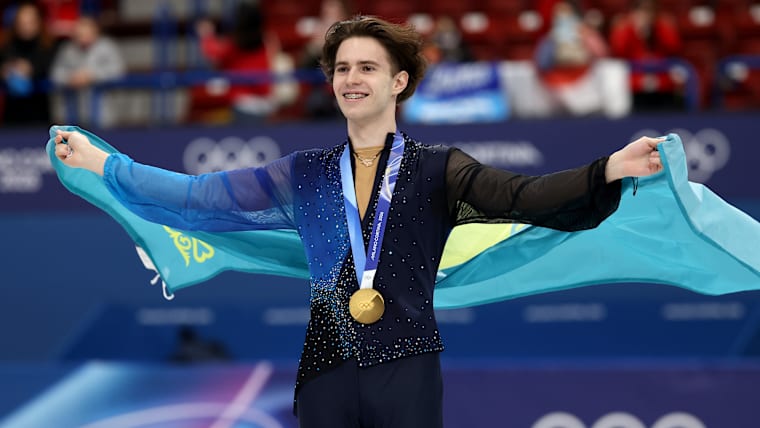
Olympic Moments
Check out the schedule and results
Find out when your favorite event started and your favorite athletes competed

Competition events
Figure skating perfectly showcases the technical and physical abilities of its incredible performers. Whether solo or in pairs, figure skaters demonstrate balance and control on the ice, setting beautiful routines to music. It is a combination of athleticism and top-notch technical skill. The figure skating competitions at Milano Cortina 2026 will include five events:
The competitions will be held at the Milano Ice Skating Arena.
Watch the Sport Explainer
Figure Skating | Sport Explainers | Olympic Winter Games Milano Cortina 2026
Step into each and every sport with confidence at the Olympic Winter Games Milano Cortina 2026.
Olympic history
Figure skating is the oldest sport at the Olympic Winter Games, but made its Olympic debut at the summer edition of the Games at London 1908 and again in Antwerp in 1920. Since 1972, there have been events in men’s and women’s singles and a pairs competition. Ice dance was added in 1976. There have been events in men's singles, women’s singles, and pairs skating at every edition of the Olympic Winter Games. Ice dance was added in 1976, with a team competition introduced at Sochi 2014.
Basic rules
Figure skating is divided into five disciplines: men's and women's singles, pairs and ice dance, and the team competition.
There are two events in the men's, women's, and pairs competitions: a short program with mandatory technical elements, and a free program with mandatory technical elements but more freedom in the execution.
Both programs are set to music chosen by the skaters themselves.
Athletes in the pairs competition must perform a few technical movements together, such as jumps and parallel spins, trying to be as synchronized as possible. The difference between the pair and dance disciplines is that the latter does not include technical elements such as jumps or overhead lifts.
In ice dance competitions, skaters perform both a rhythm dance and a free dance. The music genre for the short program is chosen each year by the International Skating Union (ISU).
The scores for each event are decided by a panel of two technical specialists and a technical controller, which determines the level of execution of the technical element performed by the skater. The quality of execution and other artistic elements, such as interpretation, are decided by a panel of nine judges.
The sum of the scores determines the winner at the end of the two rounds.
The team competition consists of a qualifying phase and a final phase, divided into the traditional skating programs: the short program and the free skate.
During the qualifying phase, a male athlete, dance team, pair, and female athlete present their short programs to earn the highest score for their team. This event takes place before the Opening Ceremony and involves the top 10 nations in the world based on the seasonal ranking.
Fun facts about Italian champions

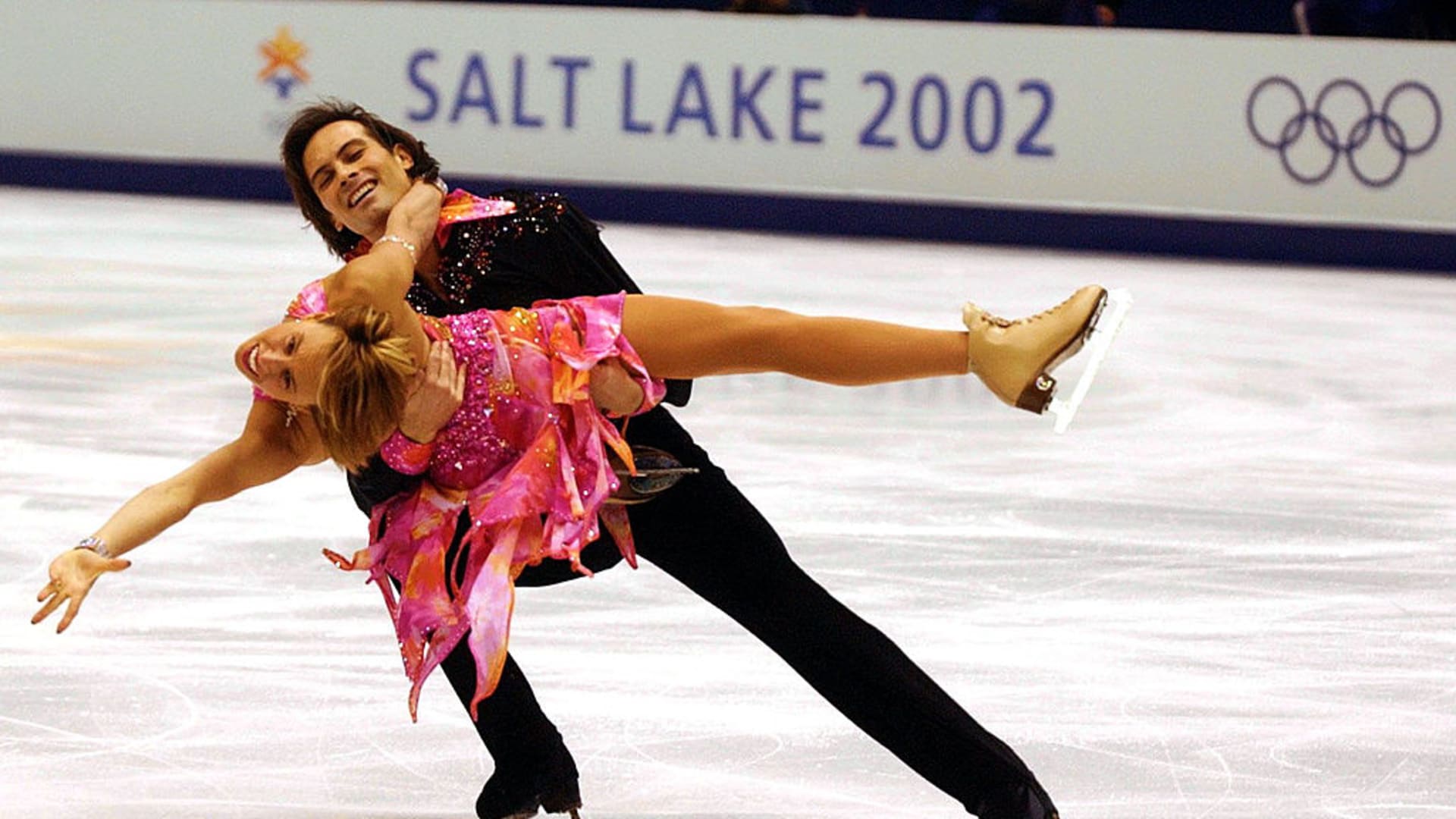
Barbara Fusar Poli & Maurizio Margaglio
Italy's first unforgettable finish at the Olympic Games was a bronze medal won by Barbara Fusar Poli and Maurizio Margaglio in ice dance at Salt Lake City 2002.
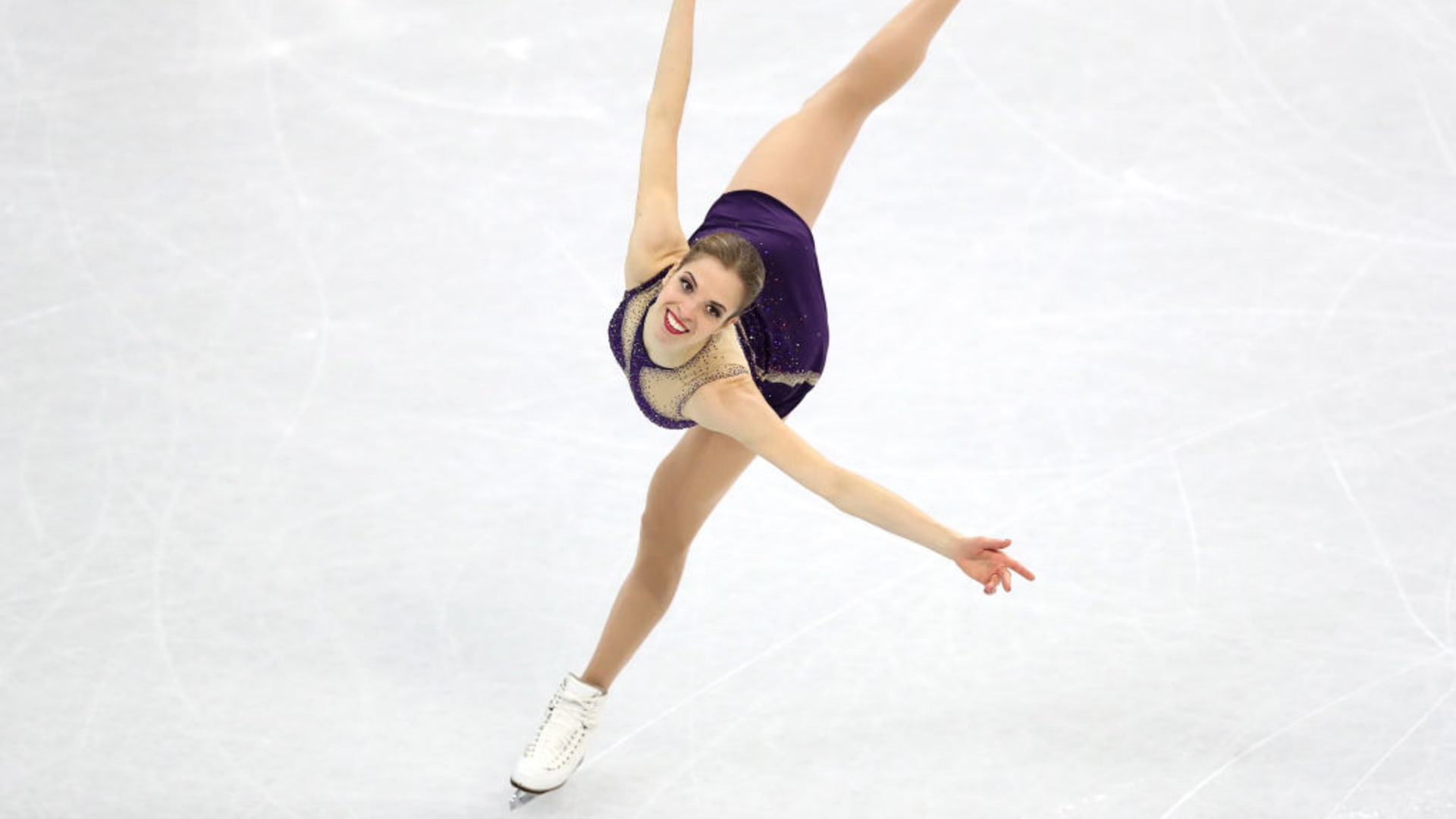


Milano
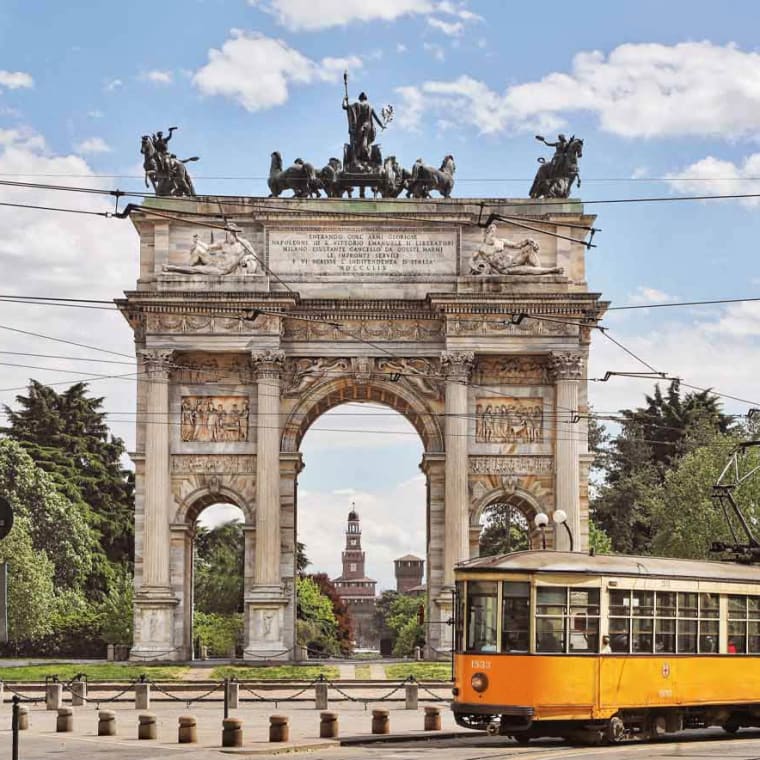
Milan is Italy's gateway to Europe and the world; a city where the energy and excitement of a global metropolis merge with the Italian lifestyle on a human scale.
Frequently asked questions
The most decorated skating pair at the Olympic Games is Scott Moir and Tessa Virtue from Canada, with a total of five medals: three golds and two silvers.
The Swedish skater Gillis Grafstrom won three gold medals and a silver medal in the men's singles in the Summer Games (Antwerp 1920) and Winter Games (Chamonix 1924, St. Moritz 1928).
The United States has won a total of 54 medals, with 16 gold, 17 silver and 21 bronze.
The difference between artistic pairs and dance pairs is that the latter does not include technical elements such as jumps or overhead lifts.
The figure skating competitions at Milano Cortina 2026 will be held in Milano, at the Milano Ice Skating Arena.


