

Cross-country skiing
 International Ski and Snowboard Federation
About cross-country skiing
The oldest form of skiing, cross-country skiing was born in northern Europe because of the need to travel for long distances across snowy terrain. It became a sport in the late 19th century. Here is everything you need to know about the Cross-Country Skiing competition at Milano Cortina 2026.
Spotlight: Stories

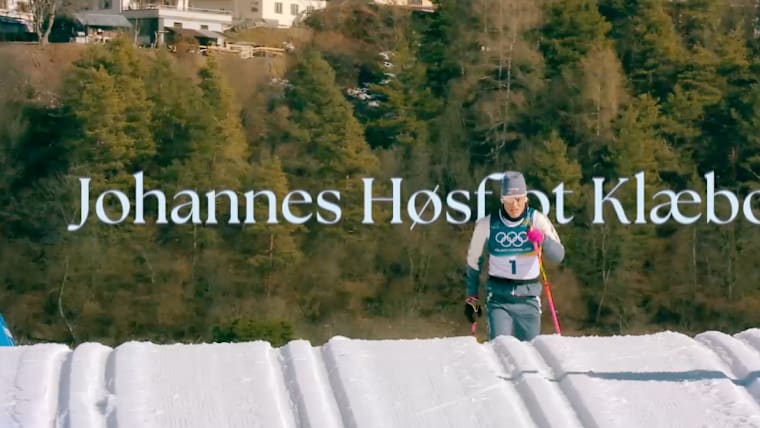
Johannes Hoesflot Klaebo (NOR) | Athlete Highlights | Olympic Winter Games Milano Cortina 2026

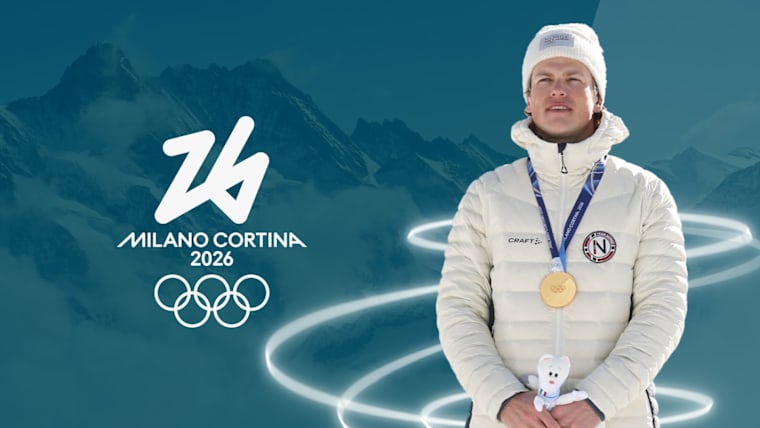
Johannes Klaebo: A living legend of cross-country skiing | Milano Cortina 2026

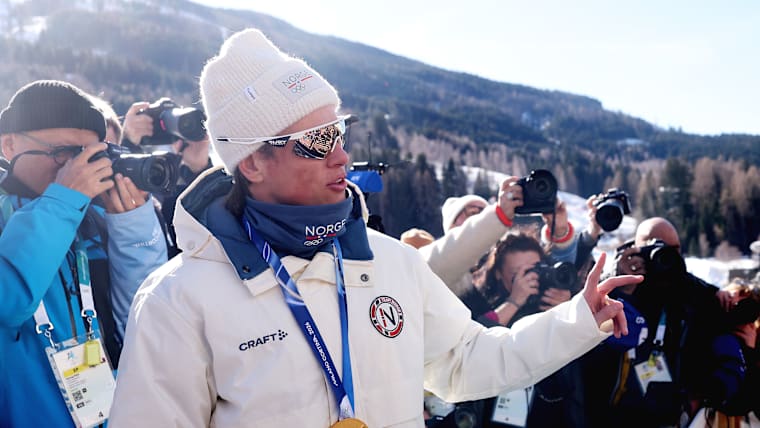
Johannes Høsflot Klæbo: How Milano Cortina 2026 changed my life


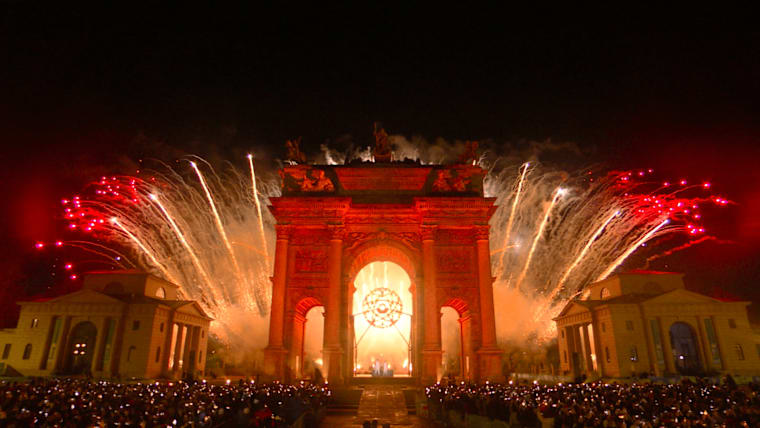
Winter Olympics 2026: Why the medallists of the final competition are welcome at Closing Ceremony

Jessie Diggins ends her Olympic career after a trailblazing journey that redefined U.S. cross country skiing
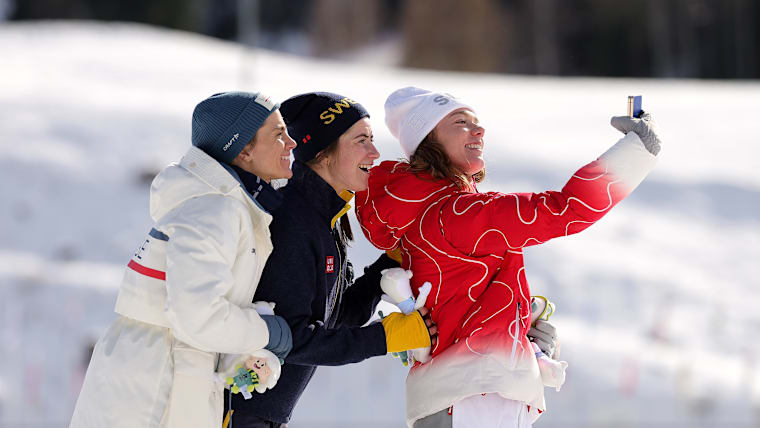
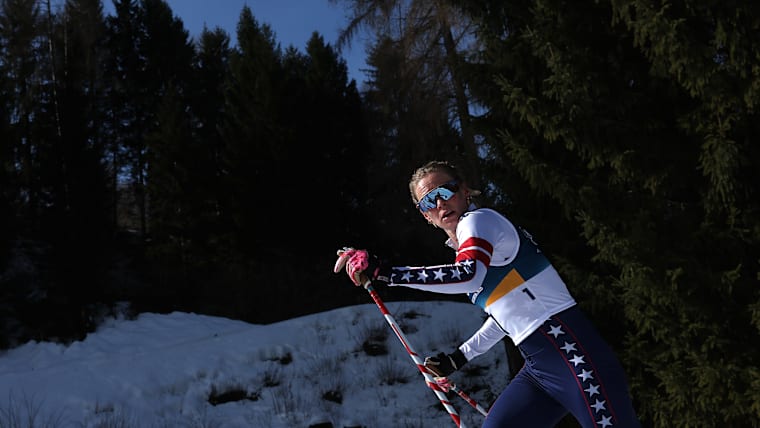
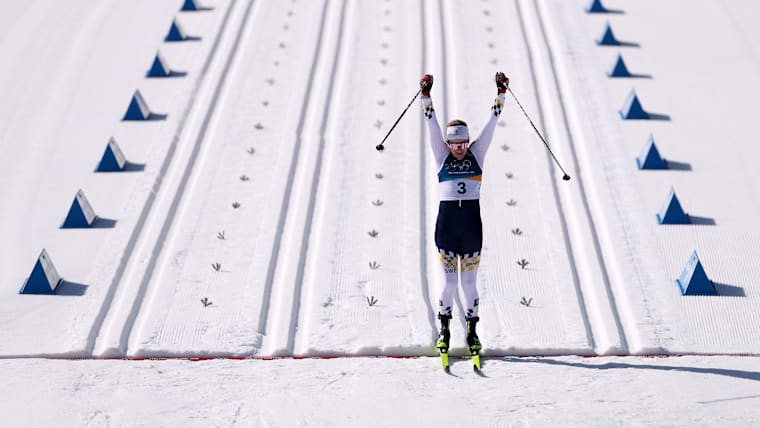
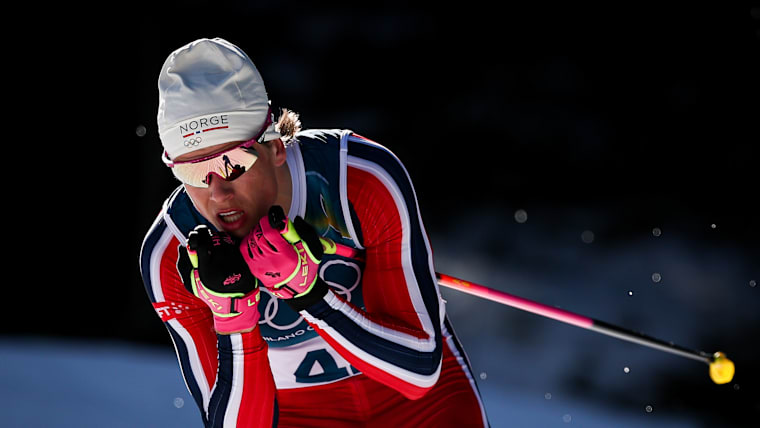
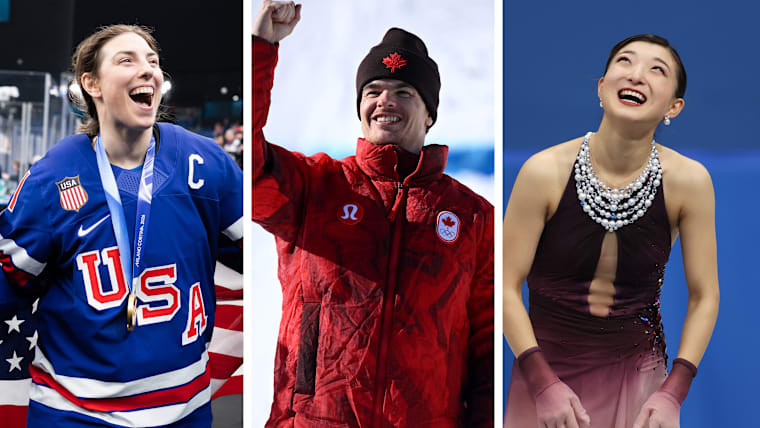
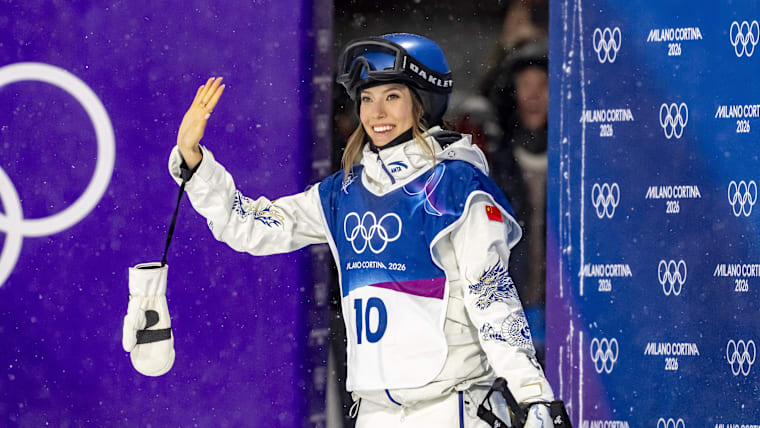
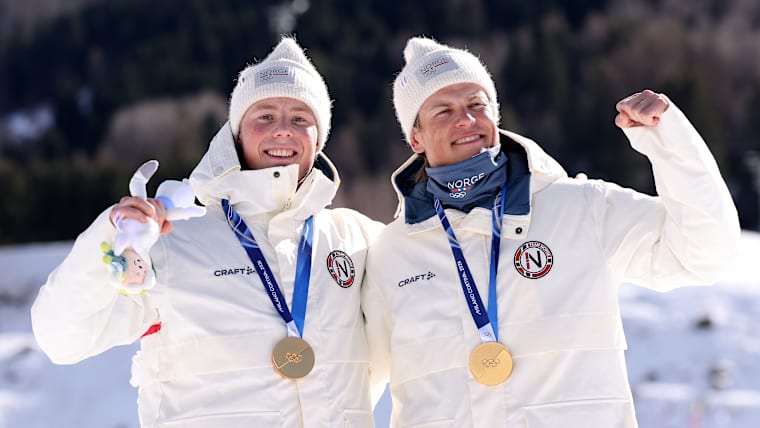
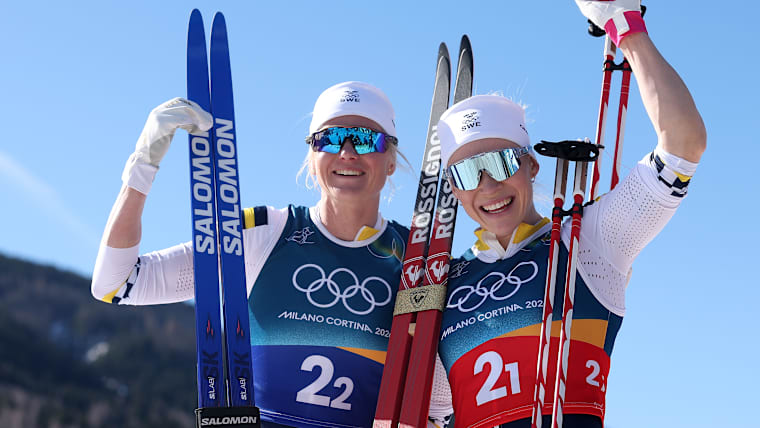
Olympic Moments
Check out the schedule
Find out when your favorite event starts and your favorite athletes will compete
Competition events
At the Olympic Winter Games Milano Cortina 2026, there will be 12 cross-country skiing events. For the first time in history, men and women will race over the same distances:
- Women's 10km Interval Start Free
- Men's 10km Interval Start Free
- Women's 10km + 10km Skiathlon
- Men's 10km + 10km Skiathlon
- Women's 4 x 7.5km Relay
- Men's 4 x 7.5km Relay
- Women's 50km Mass Start Classic
- Men's 50km Mass Start Classic
- Women's Sprint Classic
- Men's Sprint Classic
- Women's Team Sprint Free
- Men's Team Sprint Free
The competitions will be held in Tesero, in Val di Fiemme region, at the Tesero Cross-Country Skiing Stadium
Watch the Sport Explainer
Cross Country | Sport Explainers | Olympic Winter Games Milano Cortina 2026
Step into Cross Country with confidence at the Olympic Winter Games Milano Cortina 2026.
Origins
Cross-country skiing originated long ago. The word "ski" comes from the Old Norse "skid" or "long piece of wood". For centuries, people used skis to hunt and gather firewood in winter across northern Europe. With long distances between small, isolated communities and harsh, snowy winters, skiing also became important as a means of maintaining social contacts. In the late 19th century, cross-country skiing became a sport and was practiced by Norwegian army units. The first documented official competition dates to 1842. The event that brought cross-country skiing to prominence throughout Europe was the Greenland crossing by Fridtjof Nansen in 1888. The famous Holmenkollen ski festival began in 1892, and initially all attention was focused on the Nordic combined event. In 1901, however, a separate cross-country skiing race was added to the programme.
Olympic history
The sport, which was an instant success, has been an Olympic discipline since the first Winter Games were held in Chamonix in 1924 with men's competitions. Women's competitions were added at Oslo 1952. The Norwegians initially dominated the sport at the Games, later joined by Swedish and Finnish athletes.
Basic rules
Cross-country skiing is divided by technique: classic and free. In the classic technique, the skier glides along tracks etched in the snow, while in the free technique (also called "skate"), the skier makes lateral movements relative to the direction of travel. Each race at the Olympics takes place in the classic or free technique.
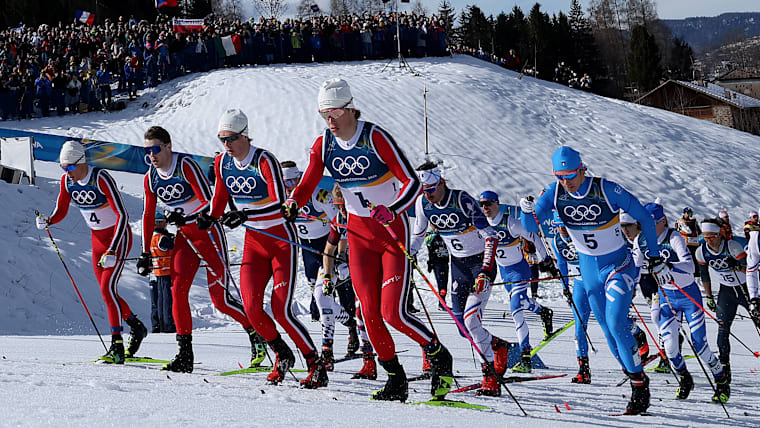
At Milano Cortina 2026 cross-country skiing events have the following format: in the 10km + 10km skiathlon, athletes start all together in line. They use both techniques in the same race. At the halfway point of the event, the athletes change from classic to free technique. In the 50km mass start classic, the athletes start all together in line. In the 4 x 7.5km relay, the teams start all together in line. A team consists of four athletes, each of whom covers the same distance. In the sprint classic, the race starts with a qualifying round and then elimination heats. Athletes start 15 seconds apart. The 30 fastest athletes reach the quarter-finals, which consist of five groups of six athletes each. The top two in each group plus the two athletes with the fastest times reach the semi-finals. In the team sprint free, athletes start individually at 30-second intervals. Teams of two alternate laps for six laps. The event begins with two semi-final races; the top two teams, along with six “lucky losers,” advance to the final. The men's and women’s 10km free events are the only ones to use interval starts; therefore, in these events the winner is the athlete with the fastest time —not the first to cross the finish line, as is the case with all other cross-country events at Milano Cortina.
Fun facts about Italian champions

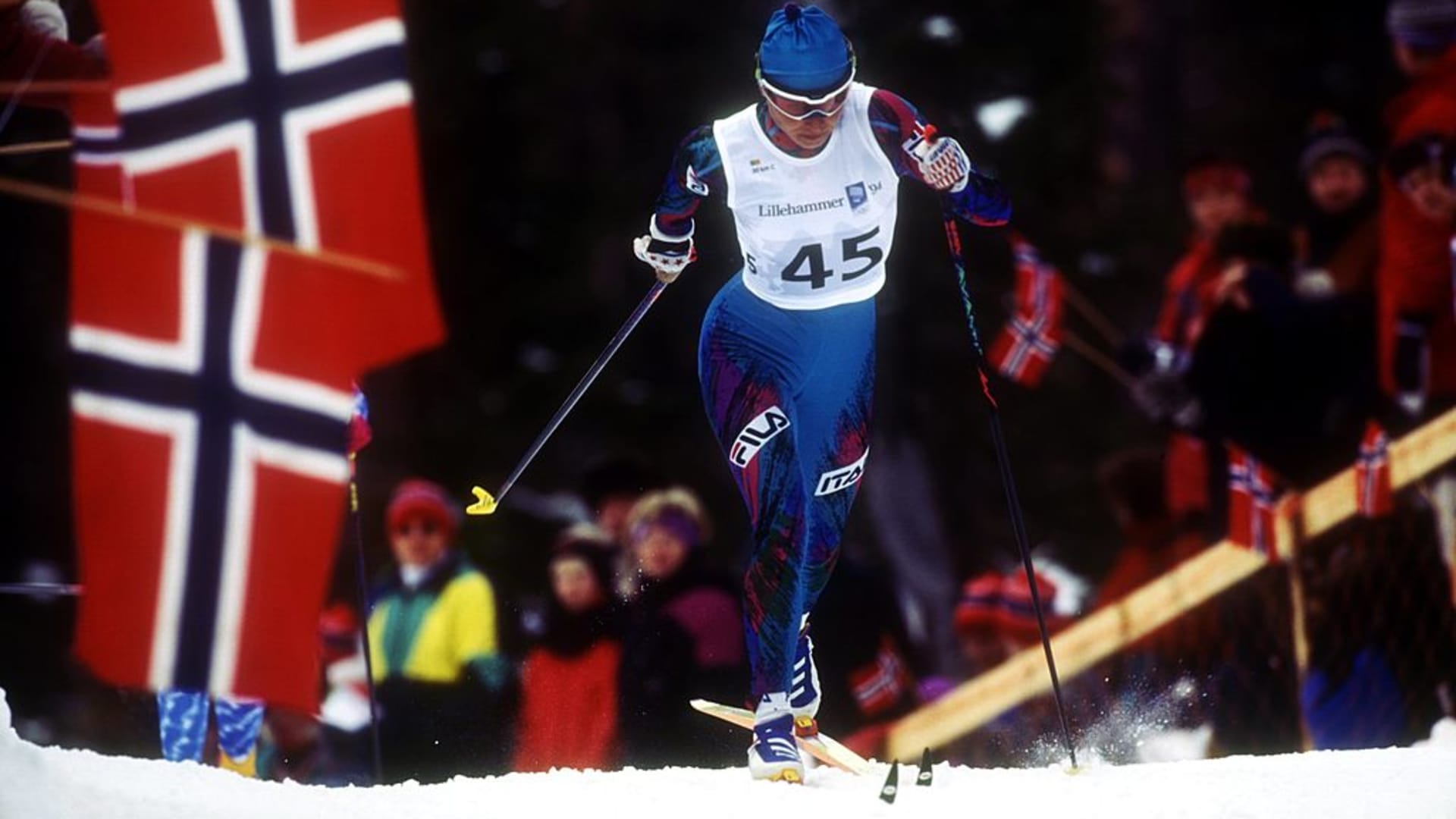
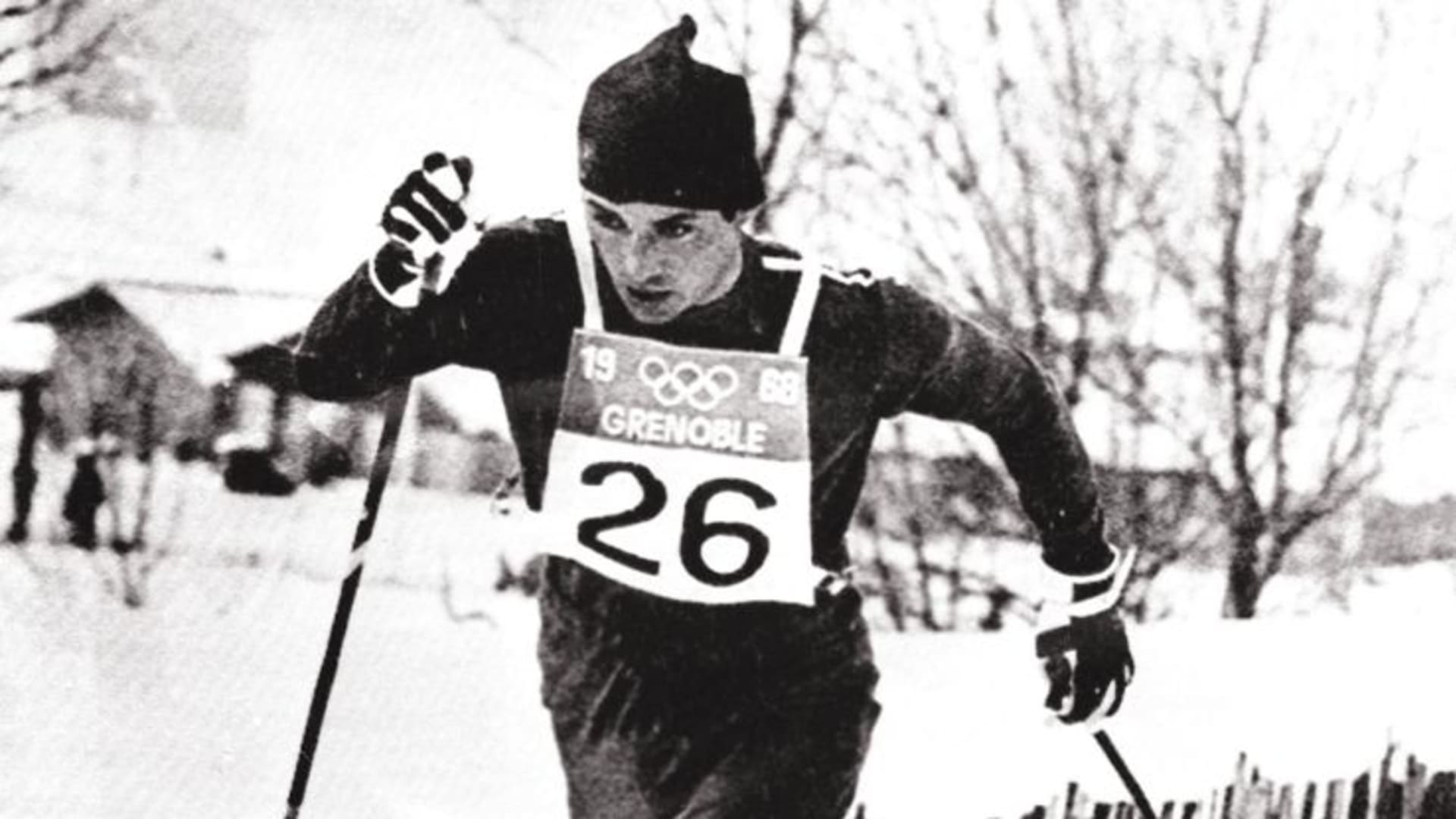
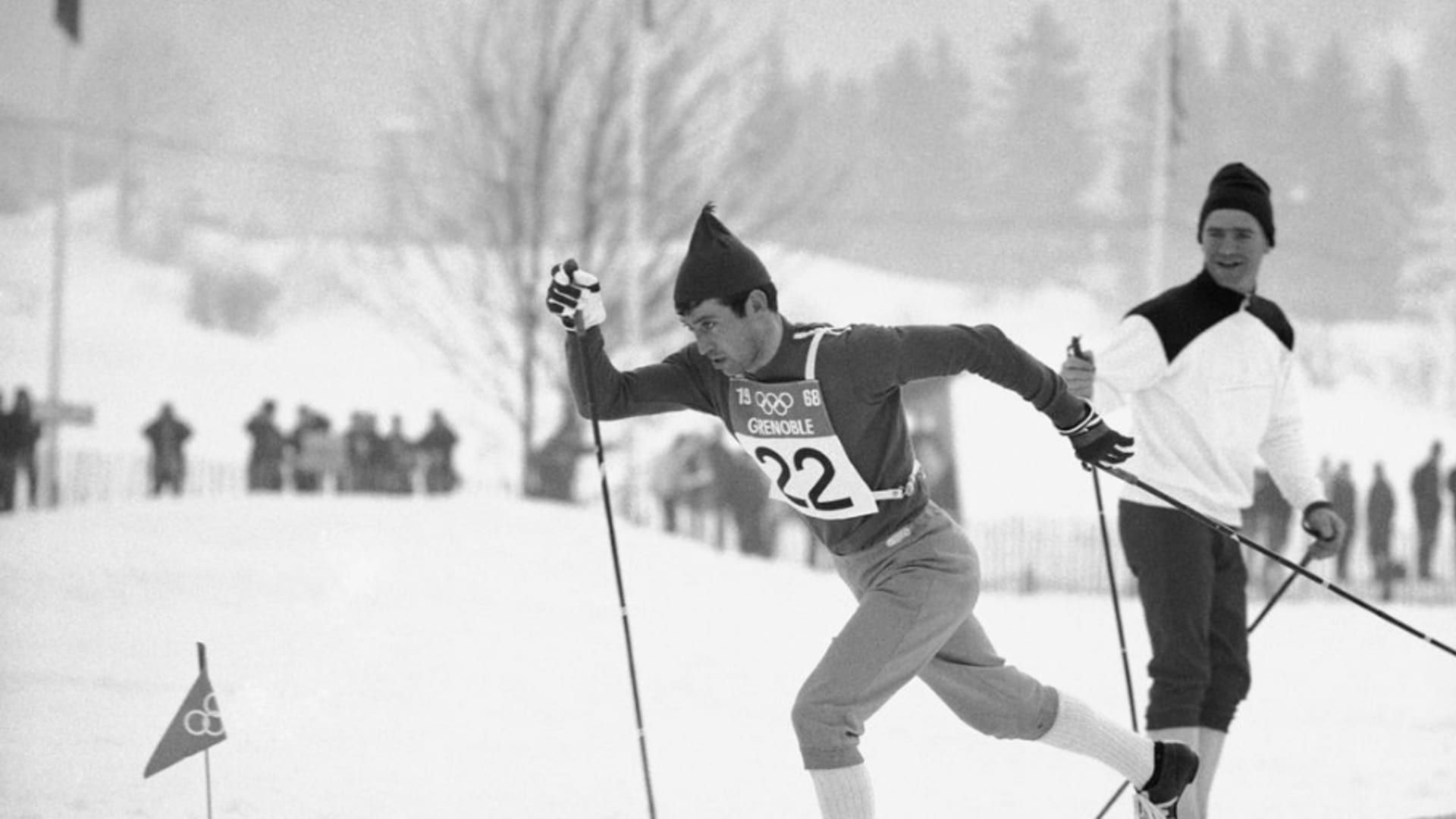
Cross-country skiing is a sport in which Italy has built its own identity step by step, starting as an absolute outsider in the 1960s and achieving exciting results over the last 50 years in every race format, both in individual events and relays. Manuela di Centa and Stefania Belmondo have been among the most successful female Olympians in Italy, and Federico Pellegrino is the most recent addition to the list, for male athletes.


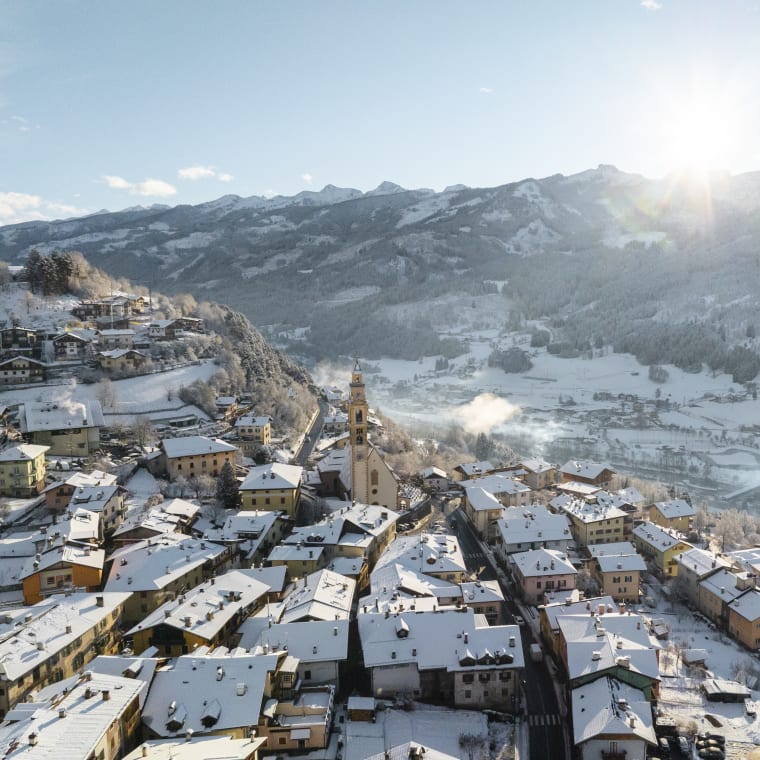
Tesero
Tesero was the first location in the southern Alps to host a Nordic World Ski Championship and some unforgettable runs in the Cross-Country Skiing World Cup.
Frequently asked questions
The Norwegian Bjørn Dæhlie has won more medals than any other cross-country skier at the Olympics. He has won 12 medals in total, 8 of which were gold and 4 silver.
The Norwegian Marit Bjørgen has won more medals than any other cross-country skier at the Olympics. She has won 15 medals, including 8 gold, 4 silver and 3 bronze.
Norway has won the most medals in cross-country skiing at the Winter Olympics, with 129 medals (52 gold, 43 silver and 35 bronze), followed by Sweden with 84 (32 gold, 27 silver and 25 bronze). Italy is in 6th place in the cross-country skiing medal table with 36 podium finishes (9 gold, 14 silver, 13 bronze).
Franco Nones at Grenoble 1968 (30 km)
Stefania Belmondo at Albertville 1992 (30 km)
Manuela Di Centa at Lillehammer 1994 (30 km and 15 km)
Maurilio De Zolt, Marco Albarello, Giorgio Vanzetta and Silvio Fauner at Lillehammer 1994 (4x10 km relay)
Gabriella Paruzzi at Salt Lake City 2002 (30 km)
Stefania Belmondo at Salt Lake City 2002 (15 km)
Giorgio Di Centa at Torino 2006 (50 km)
Fulvio Valbusa, Giorgio Di Centa, Pietro Piller Cottrer and Cristian Zorzi at Torino 2006 (4x10 km relay)
The cross-country skiing races at Milano Cortina 2026 will take place in Tesero, in Val di Fiemme.


