Newsletters


 2
2
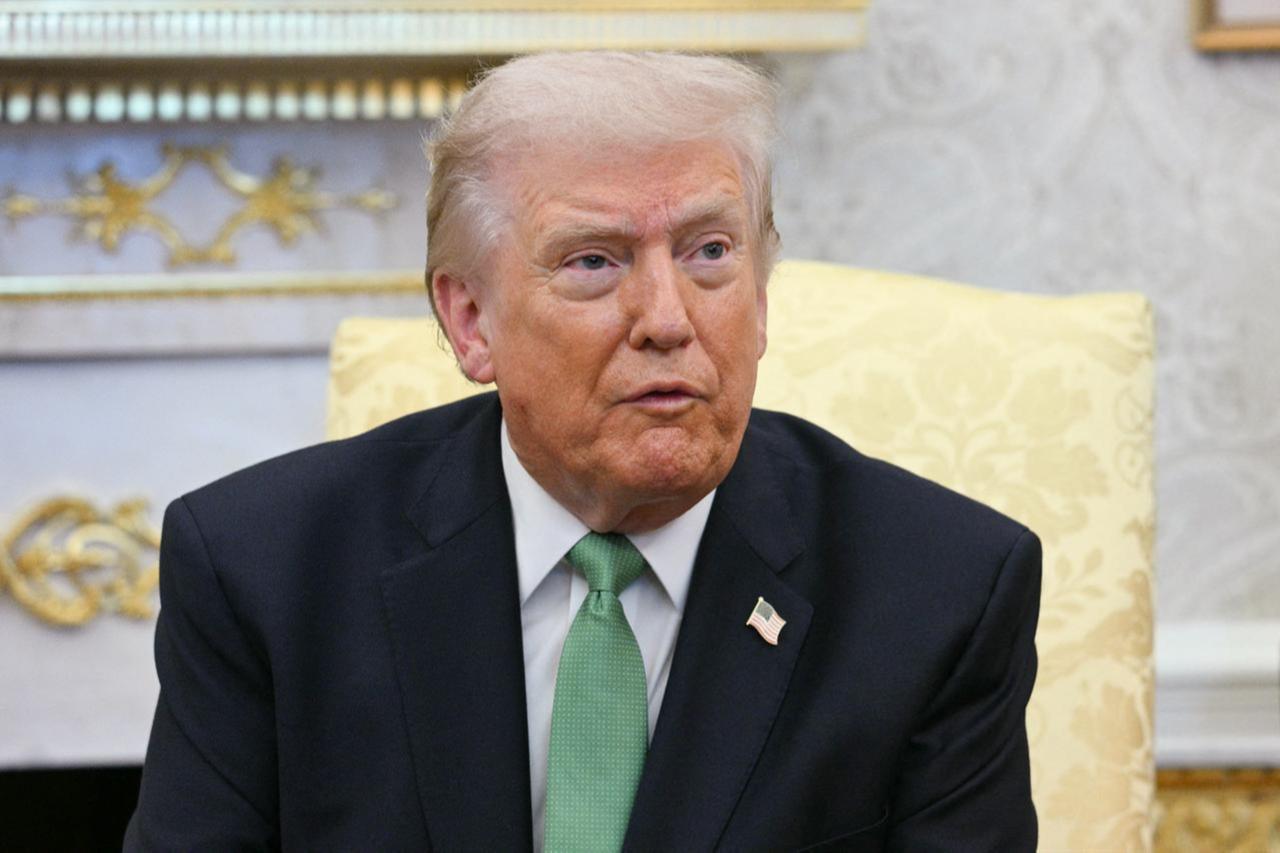
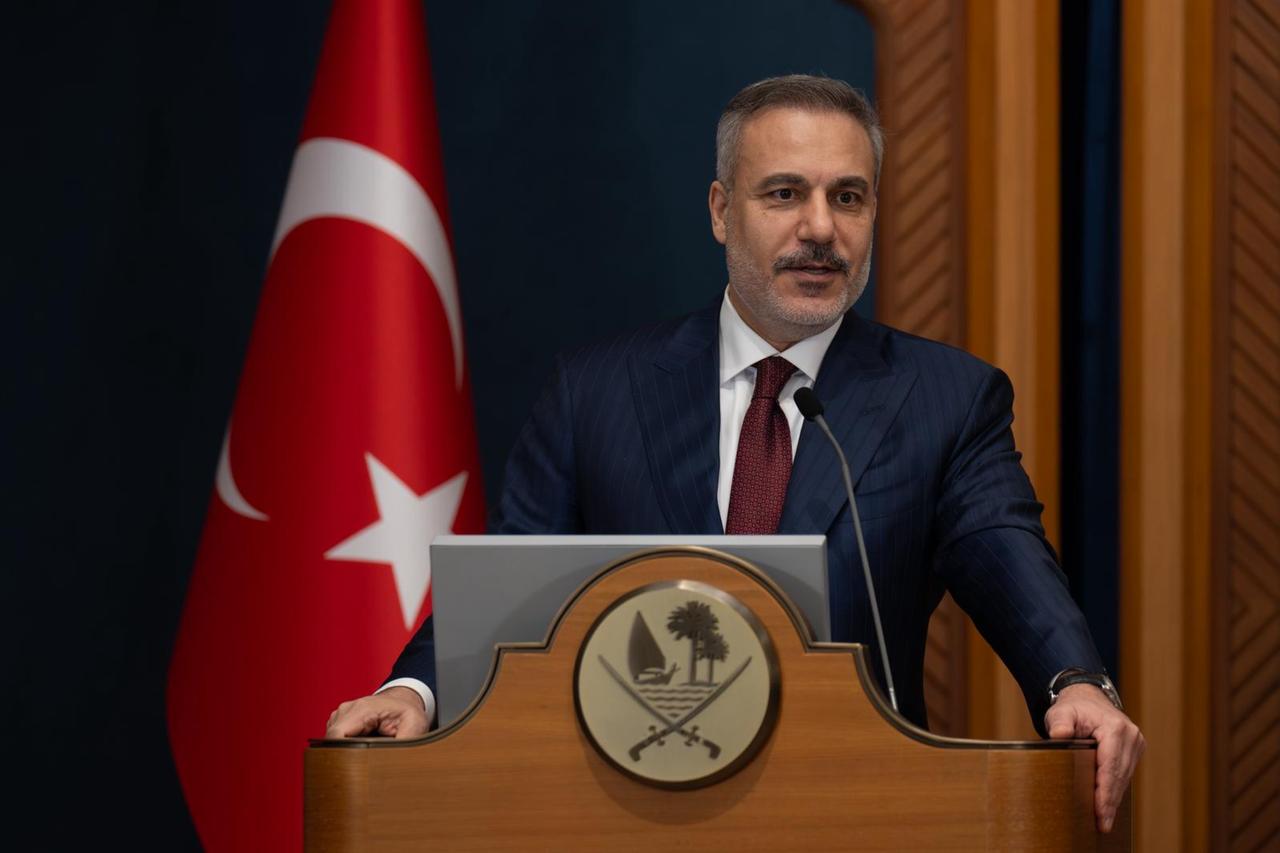
The United States has allegedly sought trillions of dollars from Gulf Arab allies in connection with the war on Iran, according to remarks made by Omani journalist Salem al-Juhouri on BBC Arabic.
Speaking on the channel, Juhouri said there are reports and “leaks” suggesting that the Trump administration is demanding financial contributions from Gulf Cooperation Council (GCC) countries.
He said the alleged demands are tied to both continuing and ending the war.
“Today we are talking about certain leaks in which the American president is demanding that the GCC states pay approximately $5 trillion if they want this war to continue, and if they want it to stop, they must pay $2.5 trillion to the United States for what has been accomplished over the past period,” Juhouri said.
 1 min read
He said the alleged demands are part of broader efforts to secure support from regional allies during the ongoing war.
The comments were made in the context of discussions about the financial and military dimensions of the conflict involving Iran.

There has been no official confirmation from U.S. or Gulf authorities regarding the claims. The remarks remain based on reported “leaks” cited during the BBC Arabic broadcast.
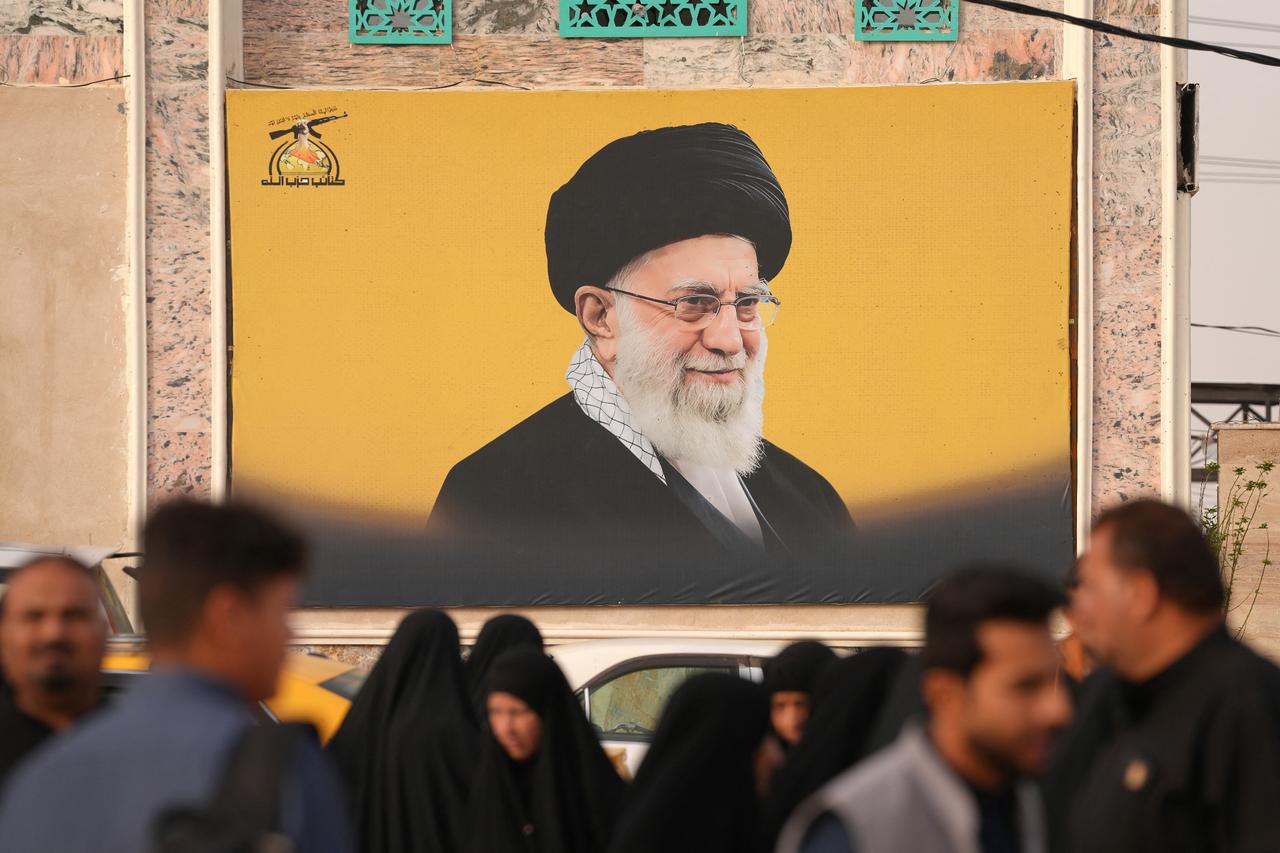
Regional escalation has continued to flare since the U.S. and Israel launched a joint offensive on Iran on Feb. 28, killing so far over 1,340 people, including then-Supreme Leader Ali Khamenei.
Iran has retaliated with drone and missile strikes targeting Israel, along with Jordan, Iraq, and Gulf countries hosting U.S. military assets, causing casualties and damage to infrastructure while disrupting global markets and aviation.

 2
2
The Pentagon is preparing to send roughly 3,000 soldiers from the Army's 82nd Airborne Division to the Middle East to support operations against Iran, with a formal deployment order expected within hours, according to two U.S. officials speaking to WSJ.
The planned deployment involves a brigade combat team along with the division's headquarters element. Officials stressed that no decision has been made to send ground forces into Iran itself, but acknowledged the move would hand President Donald Trump a menu of strategic options in the widening conflict, from reopening the Strait of Hormuz by force to seizing Iranian coastal territory or launching operations to capture Tehran's stockpile of highly enriched uranium.
The mobilization comes amid an intensifying military landscape: Iran launched fresh strikes against Israel, Kuwait, Bahrain and Saudi Arabia, even as Tehran publicly denied it was engaged in negotiations with Washington.
The 82nd Airborne Division, based at Fort Liberty in North Carolina, is one of the most storied formations in the U.S. military. Its brigade combat team serves as the Army's global emergency response force, trained to deploy anywhere on the planet in under 24 hours. The unit specializes in parachuting into hostile or contested territory to secure airfields and establish a foothold, making it a force designed for rapid, high-stakes entry operations.
The deployment would give Washington a fast-deployable ground capability in the Gulf theater at a moment when the conflict's trajectory remains deeply uncertain. While U.S. officials cautioned that the troop movement does not amount to a decision to invade Iran, the very presence of airborne infantry within striking distance sends an unmistakable signal to Tehran.
Iran's Foreign Ministry flatly denied any such discussions were taking place, raising questions about the status and nature of back-channel communications between the two governments.
Pakistan stepped forward to offer its services as a mediator for peace talks between Washington and Tehran, an overture Trump amplified on social media. Whether the proposal gains traction remains to be seen, particularly as Iran's leadership has publicly signaled concern that cease-fire efforts could be a trap.
Adding another layer to the diplomatic picture, Iran announced the appointment of Mohammad Bagher Zolghadr as secretary of its Supreme National Security Council, replacing Ali Larijani, who was killed last week. The leadership change at the apex of Iran's security apparatus comes at a critical juncture, as the council plays a central role in shaping Tehran's war strategy and any potential negotiations. 1 min read

The conflict's ripple effects are reaching well beyond the military sphere. Amazon Web Services disclosed that fighting has disrupted its cluster of data centers in Bahrain, underscoring how the hostilities are threatening critical digital infrastructure across the Gulf.
Meanwhile, Israel is moving to expand its military footprint in southern Lebanon, with Defense Minister announcing plans to take control of a larger swath of territory — a step that risks opening yet another front in a region already engulfed in overlapping conflicts.
The 82nd Airborne has historically been among the first conventional units deployed in American military operations abroad, from the invasion of Grenada in 1983 to the initial stages of the wars in Iraq and Afghanistan. Its mobilization, even as a contingency measure, marks one of the most significant ground force movements of the current crisis and suggests the Trump administration is preparing for the possibility that air and naval power alone may not achieve its objectives against Iran.



 Set as preferred source