
How A Mislabeled Peptide Turned Me Into A Walking Warning About Research Chemical Safety
Your Peptide Sourcing Guide + My Verified Source List After Learning The Hard Way

If you want to skip the backstory and view my verified sources and sourcing guide, scroll to the bottom.
** Important Disclaimer**
This content is for informational and educational purposes only and is not intended as medical advice. The information shared represents theoretical discussion about research chemical sourcing practices and personal experiences.
The companies mentioned provide research chemicals that are NOT for human consumption and are intended for laboratory research purposes only. Any mention of personal use is purely theoretical and educational in nature.
Always consult with qualified healthcare professionals before making any health-related decisions. This content does not constitute medical advice, diagnosis, or treatment recommendations.
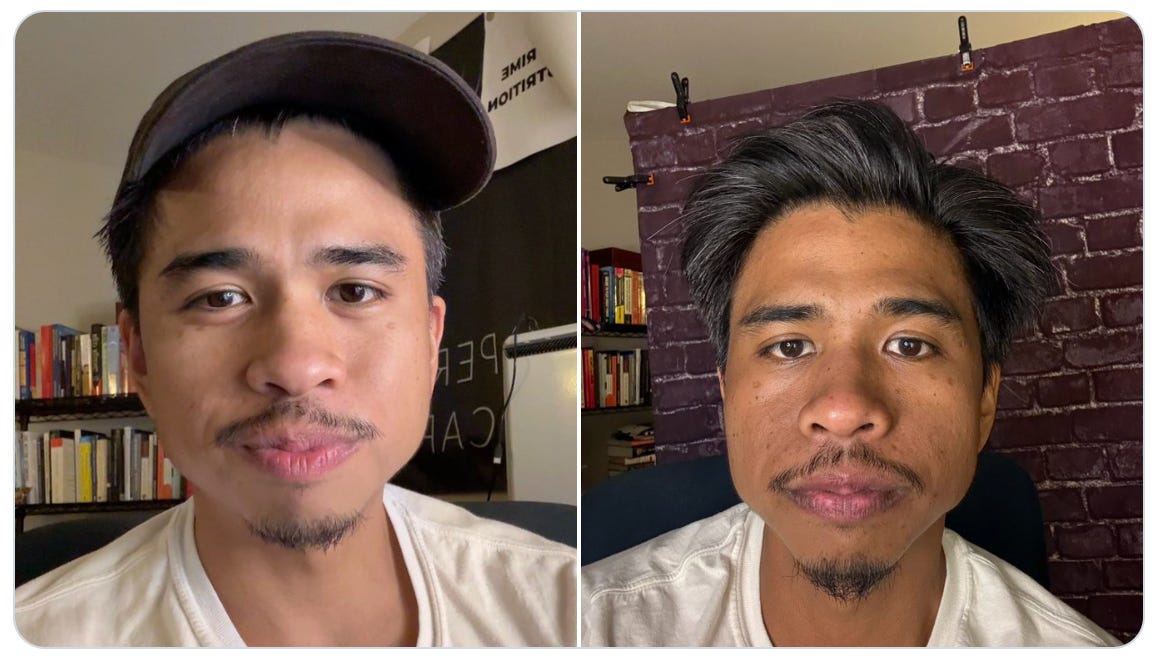
I woke up on a Wednesday morning looking like I’d just returned from a two-week vacation in Cancun.
The problem? Besides my normal daily walks, I didn’t have extra sun exposure.
My skin was darker than I’d ever seen it. Patches on my lips had changed colors. New moles were emerging like someone was drawing on me with a permanent marker.
My wife had noticed it three days earlier: “You look really dark lately. Your moles are coming out more.” But I brushed it off.
Now, staring at myself in the bathroom mirror, I was terrified. I had no idea what was happening to my body.
For the past week, I’d been injecting what I thought was BPC-157 to heal a knee problem. The label clearly said BPC-157. The website looked professional. They even had certificates of analysis available.
But as I continued getting darker each day, the truth became clear: I wasn’t injecting BPC-157. I was injecting melanotan II - a tanning peptide that bodybuilders use before competitions.
The vial was completely mislabeled.
And I’m one of the lucky ones. It could have been anything. Literally anything.
Here’s the wake-up call that changed how I source peptides forever - and what you need to know to protect yourself.
(I’ve used BPC-157 to completely heal a decade-long battle with chronic lower back: here’s a link to the protocol if you’re interested)
The Red Flags I Completely Missed (Don’t Make My Mistakes)
I was shopping for peptides like I was buying protein powder on Amazon. Cheapest price wins, right?
Wrong.
My sourcing “strategy” was pathetic:
Does the website look professional? ✓
Do they have the best price? ✓
Do they have COAs available? ✓
Order placed.
What I didn’t realize is that certificates of analysis don’t guarantee proper labeling or quality assurance practices. A COA tells you what’s in the vial they tested, not necessarily what’s in the vial they sent you.
The company I bought from had all the surface-level credibility markers. Professional website. Available COAs. Competitive pricing. But their internal processes were clearly broken.
The result? Months later, I’m still explaining my unexpected “vacation tan” in Christmas photos. People keep asking where I went. I didn’t go anywhere.
But here’s what really keeps me up at night: It could have been anything. Not just a tanning peptide. Anything.
My New 3-Level Vetting System (What I Wish I Knew Before)
Since my “accidental tan” incident, I’ve completely overhauled how I evaluate peptide sources. Here’s the framework I use:
Level 1: Automatic Disqualification
These companies don’t even deserve a second look:
No COAs whatsoever - They’re asking you to trust them blindly
COAs older than 6 months - Testing standards evolve, batches degrade
Generic COAs for multiple batches - Each batch should have specific testing
If they won’t invest in basic testing, what else are they cutting corners on?
Level 2: Proceed With Caution
These companies do some things right, but have gaps:
Selective testing - COAs for popular products only
Hard-to-find lab reports - If you can’t easily access them, red flag
No batch-specific documentation - Your order should match specific test results
Better than nothing, but still risky.
Level 3: Gold Standard (The Only Companies I Trust)
The non-negotiables:
Recent COAs for every product (within 6 months)
Batch-specific testing that matches your actual order
Endotoxin screening - Most companies skip this critical safety step
Easy access to owner/communication - Transparency breeds trust
Professional packaging and labeling -Details matter when precision is everything
Responsive customer service - When problems happen, they fix them fast
The Two Sources I Actually Trust (And Why They Earned It) - Updated 11/19/2025
After my mislabeling nightmare, I’m extremely selective. Only two companies have earned my complete trust:

