

These are the key Iranian figures killed in the US-Israeli bombing campaign
Longtime leader Khamenei, top aides such as security chief Larijani, military brass responsible for terror proxies and internal repression, are among dozens of officials killed in war
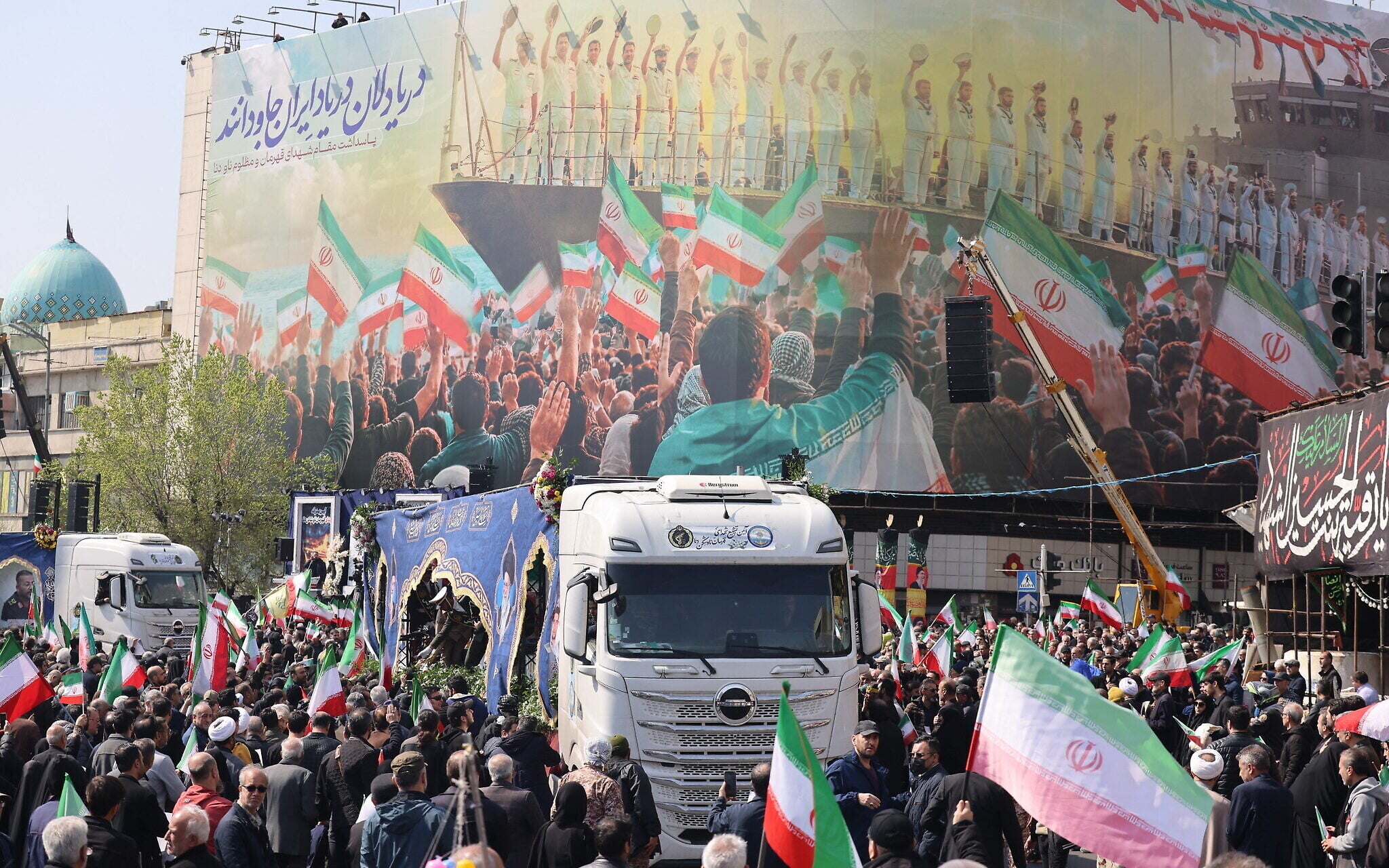
The US and Israel have killed dozens of top political and military figures in Iran since launching a bombing campaign there on February 28 in a bid to destabilize its clerical regime and destroy its nuclear and ballistic missile programs.
Iran’s leadership has repeatedly called for Israel’s destruction and amassed an arsenal of thousands of ballistic missiles. Tehran has consistently denied seeking to acquire nuclear weapons, has but enriched uranium to levels that have no peaceful application, obstructed international inspectors from checking its nuclear facilities, and, according to Israel, has taken steps toward weaponization.
Below are some of the most prominent Iranian figures killed in the war:
Ali Khamenei
Ayatollah Ali Khamenei, who as supreme leader since 1989 had an iron grip over Iran while entrenching hostility toward the US and Israel, was killed aged 86 in a strike on his compound in Tehran during the opening salvo of the US-Israeli bombing campaign.
His decades of rule were marked by consolidation of power through the security apparatus and expansion of Iran’s regional influence, including by funding and supporting a network of terror proxies surrounding Israel. Tensions over Iran’s nuclear program repeatedly brought the Islamic Republic into confrontation with the West during his rule.
Iran’s top clerics have named Khamenei’s son Mojtaba as his successor. Mojtaba Khamenei has not been seen in public since the start of the US-Israeli bombing campaign, when he was reportedly wounded in a strike. Israel has vowed to hunt down the younger Khamenei, and US President Donald Trump declared him “unacceptable.”

Ali Larijani
Ali Larijani, secretary of the Supreme National Security Council and a veteran powerbroker, was killed at 67 in an Israeli airstrike in the Pardis area on March 17, along with his son and one of his deputies, Iranian media reported.
Israel also said it had killed Larijani, whom it described as Iran’s “de facto leader” following Ali Khamenei’s death.
A former Revolutionary Guards commander and nuclear negotiator, Larijani was a close adviser to the slain supreme leader and played an important role in shaping Iran’s security and foreign policy.

Esmail Khatib
Iran’s intelligence minister, Esmail Khatib, was killed in an Israeli strike on March 18. A hardline cleric and politician, he worked in Ali Khamenei’s office and was mentored by him, before taking the helm of the civilian intelligence apparatus in August 2021.
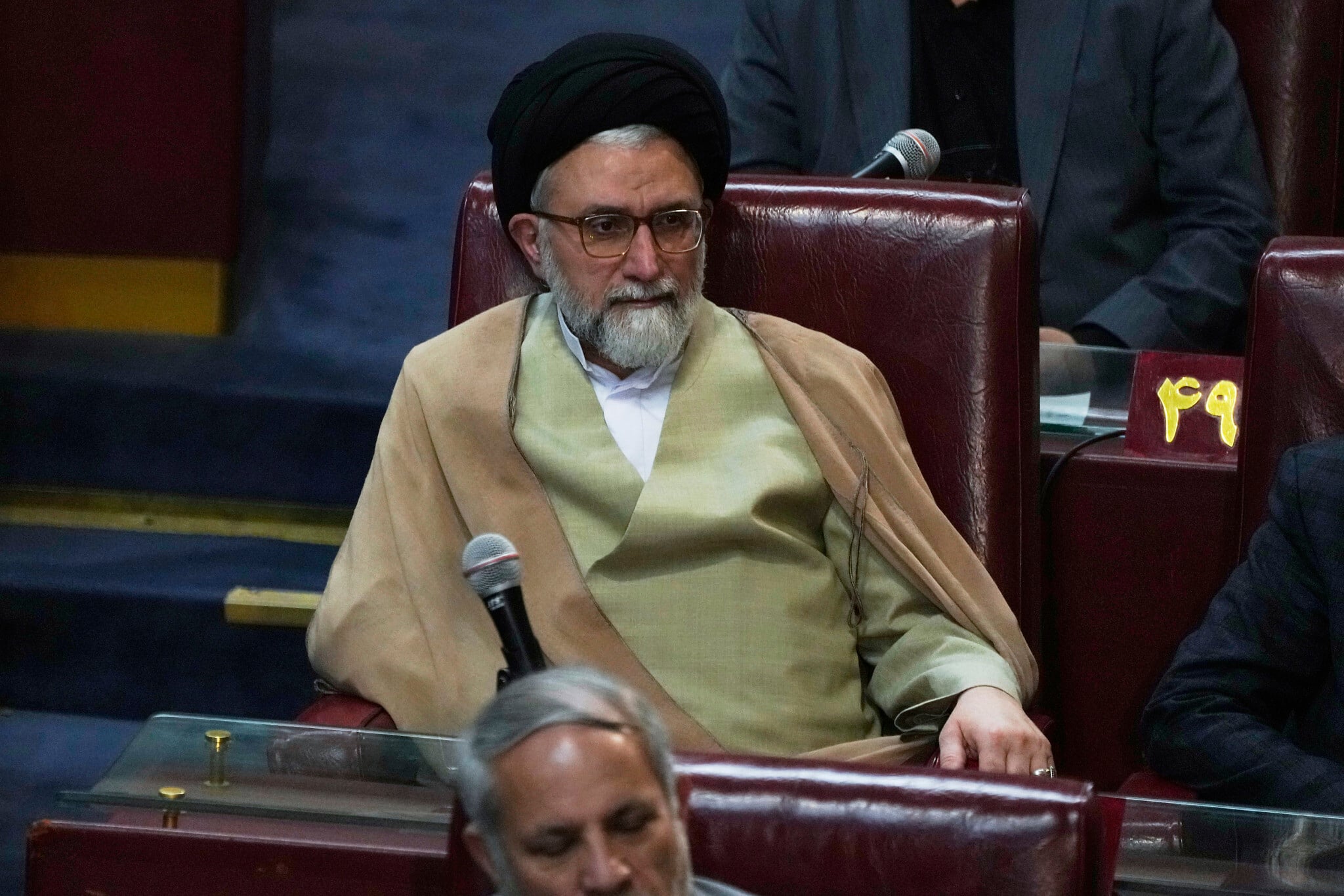
Ali Shamkhani
A close adviser to Ali Khamenei and a key figure in Iran’s security and nuclear policymaking, Shamkhani was killed in an Israeli strike on Tehran on February 28.
He had earlier survived an attack on his home during the 12-day June war between Israel and Iran.

Mohammad Pakpour
The commander of the Islamic Revolutionary Guard Corps, Iran’s most powerful military force, Mohammed Pakpour was killed in the February 28 strikes in Tehran, Iranian state media said.
He rose through the ranks to lead the IRGC after his predecessor Hossein Salami was killed in the 12-day war in June.
The IRGC, a US- and EU-designated terrorist organization, facilitates Iran’s regional Axis of Resistance terror proxy network that includes Gaza’s Hamas, Lebanon’s Hezbollah and Yemen’s Houthis.

Aziz Nasirzadeh
Iran’s Defense Minister Aziz Nasirzadeh, a career air force officer, was killed in the same wave of strikes targeting senior leadership in Tehran on February 28, according to sources.
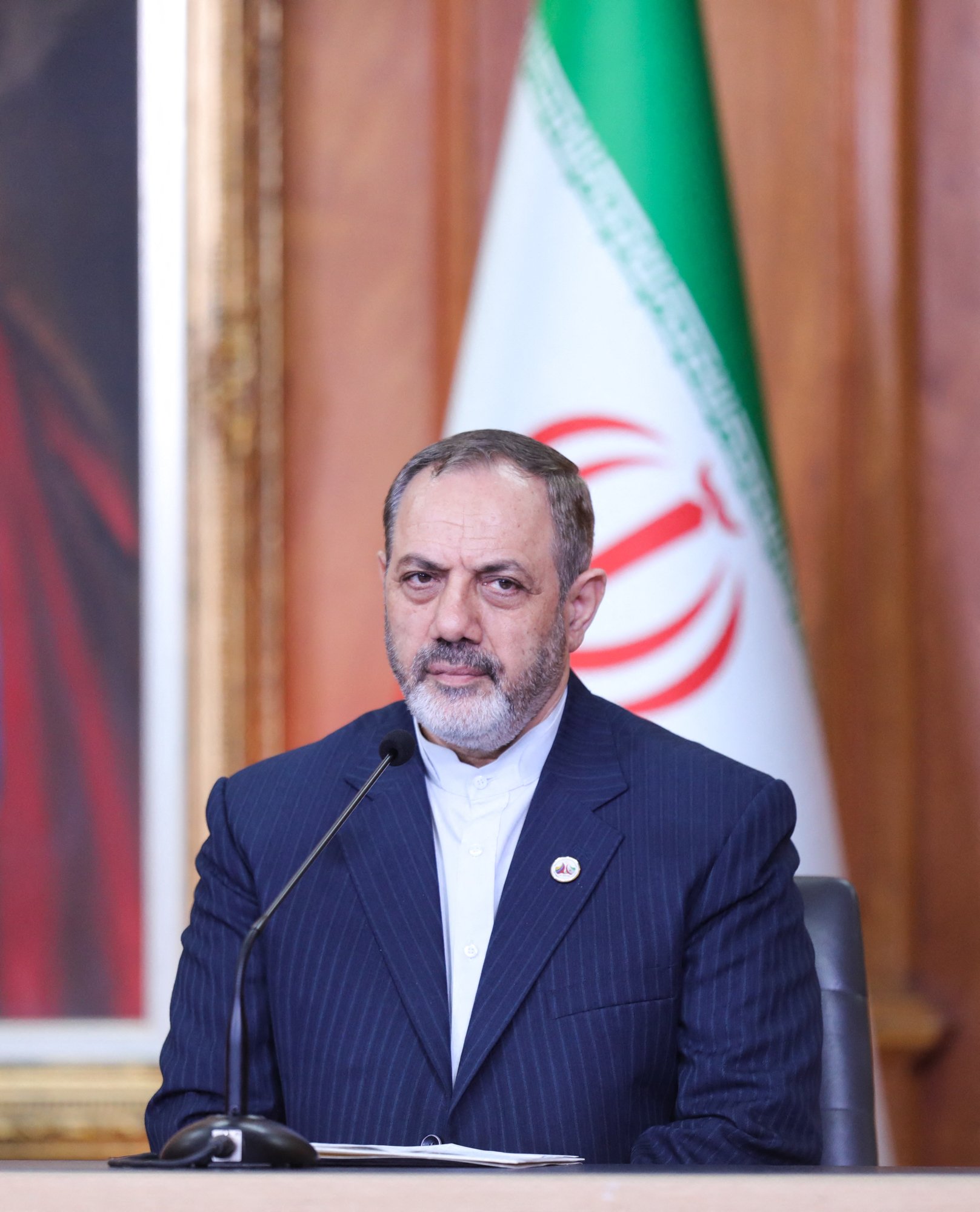
He played a key role in military planning and defense policy.
Abdolrahim Mousavi
Chief of staff of Iran’s armed forces Abdolrahim Mousavi was killed in the February 28 strikes during what Iranian media said was a meeting of senior leadership in Tehran.
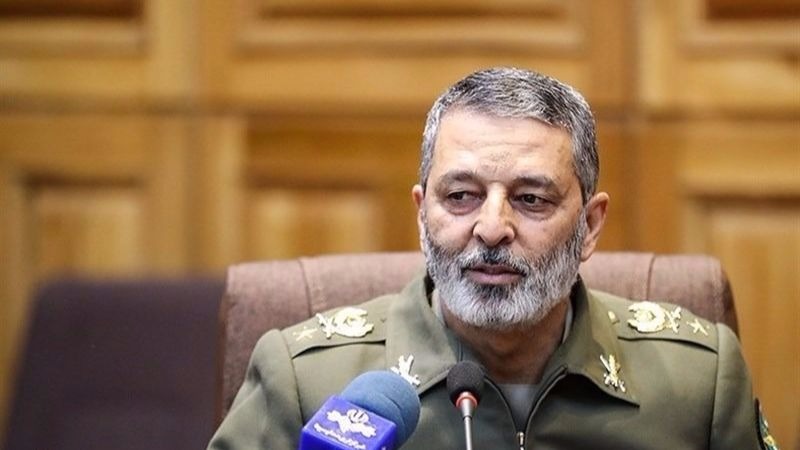
He was responsible for coordinating Iran’s military branches and overseeing conventional forces.
Gholamreza Soleimani
The commander of the IRGC’s Basij paramilitary force, Gholamreza Soleimani, was killed in US-Israeli strikes on March 17, according to Iranian state media. Israel has claimed responsibility for killing him.
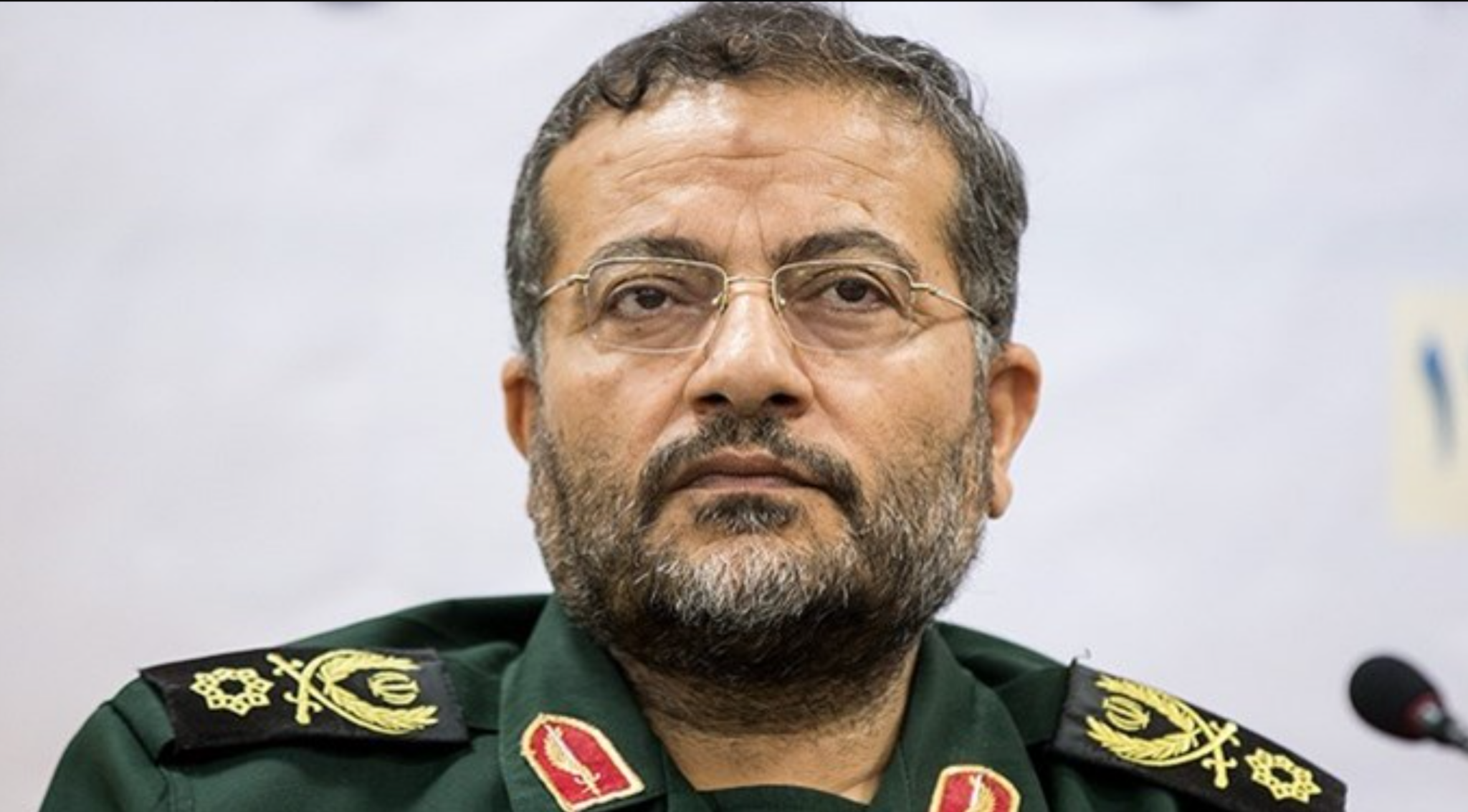
A senior Revolutionary Guards officer, Soleimani led the volunteer internal security force that has played a key role in repressing dissent, including the killing of thousands of anti-regime protesters in January.
Are you relying on The Times of Israel for accurate and timely coverage of the Iran war right now? If so, please join The Times of Israel Community. For as little as $6/month, you will:
- Support our independent journalists who are working around the clock under difficult conditions to cover this conflict;
- Read ToI with a clear, ads-free experience on our site, apps and emails; and
- Gain access to exclusive content shared only with the ToI Community, including weekly letters from founding editor David Horovitz.


The Times of Israel Community.