
 Credit: Photo:

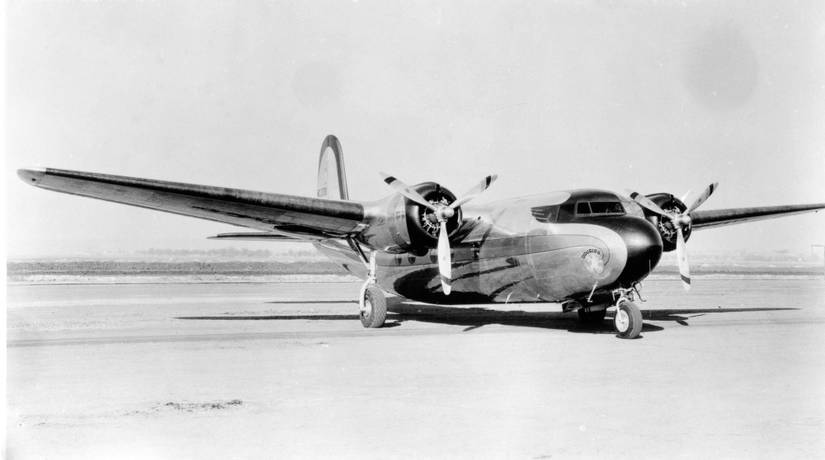
The right aircraft at the wrong time - that is the story of the lesser-known Douglas DC-5. Developed in the late 1930s to be a 16 to 22-seat civilian airliner, the DC-5 was the first aircraft to be built with a shoulder wing and tricycle landing gear.
At the time, the tricycle landing gear was revolutionary, as it provided better ground handling and visibility for the pilots. The DC-5's fuselage was about two feet above the ground, which aided the loading of cargo and passengers.
Five interesting facts about the Douglas DC-5
- The Douglas DC-5 was the first aircraft to have a shoulder wing and tricycle landing gear.
- The aircraft's prototype was used for the personal transportation of American aviation pioneer William Boeing.
- When the United States entered into the Second World War following the bombing of Pearl Harbor, production of the DC-5 stopped so that Douglas could build more SBD Dauntless dive bombers.
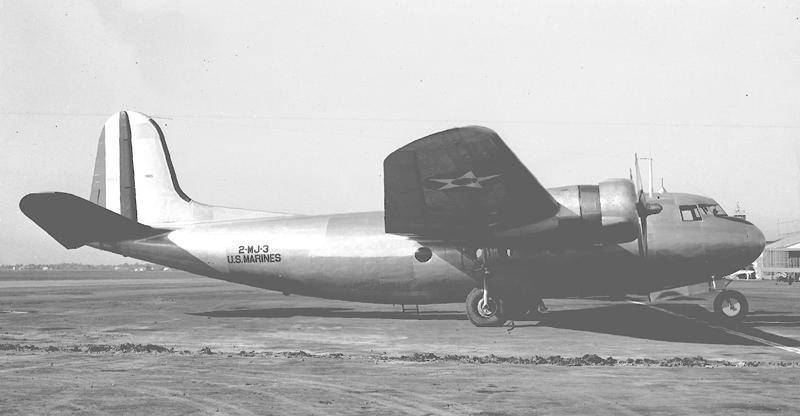
- In the end, only 12 Douglas DC-5s were ever built, of which four went to KLM, three to the US Navy, and four to the US Marine Corps.
- Following the war, production of the Douglas DC-5 never resumed as there was a massive surplus of C-47s, a military version of the Douglas DC-3 aircraft.
The prototype Douglas DC-5 was built in California and fitted with two 1,000 hp Wright R-1820-44 Cyclone engines. Configured with just eight seats, the aircraft took its maiden flight on February 20th, 1939, before later becoming the personal transport for American aviation pioneer William Boeing (the founder of the Pacific Airline Company, which would later become Boeing).
Before the outbreak of the war, sales potential for the aircraft looked promising, with British Airways ordering nine DC-5s for its short-haul European operations.
However, once the UK entered the war following the invasion of Poland on September 1st, 1939, the Air Ministry canceled the order, preferring to use the funds to purchase military aircraft. In 1939, the US Navy ordered seven aircraft, one of which crashed before it could be delivered.
KLM became the first airline customer for the DC-5 with four orders, the first two of which went to the Caribbean island of Curaçao and were used to fly between there and Paramaribo in Suriname. The other two aircraft were dispatched to the Dutch East Indies (Indonesia), where they were later joined by the two aircraft from the Caribbean.
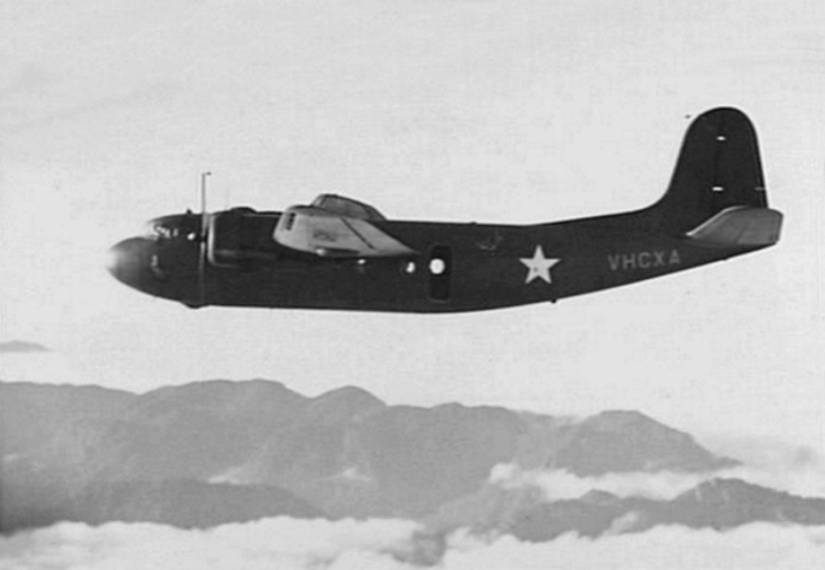
During the Japanese invasion of the Dutch East Indies in 1942, the aircraft were used to evacuate civilians from Java to Australia. One of the DC-5s was damaged during the mission in a Japanese airstrike and left behind, although the aircraft was later repaired and entered service with the Japanese Imperial Army Air Force.
The three aircraft that had made it to Australia were then sold to the US Army Air Forces, which used them as military transport planes. By the end of 1942, two of the three aircraft were destroyed, with the sole survivor going to Australian National Airways (ANA), where it was deployed on courier missions across the region.

Why Was The Douglas DC-5 Unpopular?
While never successful, the Douglas DC-5 inspired Fokker to build the F-27.
Production ended due to the Second World War
When the United States entered the Second World War in December 1941, Douglas stopped production of the DC-5 to build more SBD Dauntless dive bombers for the American Navy. However, even following the end of the conflict, production of the DC-5 never resumed, as by this point, there was a massive surplus of C-47s, a military version of the DC-3 airliner.
In 1948, the last surviving Douglas DC-5 was sold by Australian National Airways. The aircraft was then sent to Israel in 1948, where it was used as a transport plane, occasionally, as a bomber by Israel during the first Arab–Israeli War.
The DC-5's technical specifications
- Wingspan: 78 feet
- Length: 62 feet 2 inches
- Height: 19 feet 10 inches
- Operating altitude: 23,700 feet
- Range: 1,600 miles
- Weight: 20,000 pounds
- Engines: Two 900-horsepower Wright Cyclone engines
- Maximum speed: 202 mph
- Capacity: 16 to 22 passengers
What do you think of the Douglas DC-5 aircraft? Let us know by commenting below.