


Council approves six focuses for next budget cycle, but some criticize the process
The six pillars include reliable and sustainable infrastructure; public safety; a functional transportation network; community livability and wellbeing; balanced growth and evolving neighbourhoods; and trusted and collaborative government

Calgary city council on Tuesday approved a blueprint to establish six focus areas for the next four-year budget cycle — though some expressed concern the approach will give administration too much leeway to present a budget that results in substantial property tax hikes.
Council’s strategic meeting outlined the priorities that will guide administration as it drafts the city’s 2027-30 budget, which council will deliberate in November.
The six pillars include reliable and sustainable infrastructure, public safety, a functional transportation network, community livability and well-being, balanced growth and evolving neighbourhoods, and trusted and collaborative government.

David Duckworth, the city’s chief administrative officer, said the focuses will provide administration direction from council as departments start piecing together funding plans for the next budget cycle.
Compared to the previous council’s strategic vision, which Duckworth said included more than 320 key performance indicators, the 2027-30 fiscal plan will have a narrower focus.
“This work will provide stability for Calgarians but, most importantly, clearer direction for administration moving forward with you over the next four years,” he told council, adding more firm financial updates will come in May.
After an hours-long meeting that saw the discussion move behind closed doors, council voted 10-4 to approve the strategic focuses.
Critiquing councillor calls process ‘bad governance’
But councillors Myke Atkinson, DJ Kelly, Andre Chabot and Jennifer Wyness voiced frustration while voting against the blueprint. Ward 13 Coun. Dan McLean was absent for the vote.
Kelly said he felt council’s discussion was rushed Tuesday, and that what they ultimately approved will provide “no real focus or direction” to city staff.
The six priorities are too broad and will give administration too much latitude in how they interpret council’s priorities, Kelly added.
“We’re going to see a little bit of everything from administration, and we’re going to see very little in the way of prioritization or focus,” he said. “What we’re going to get is a massive business plan with many different things in it, and a massive proposed property tax increase as a result.”
Atkinson said council’s ability to debate and amend the document was limited. Just before the vote, he called the process “bad governance.”
- Advertisement 2Story continues below


“We were creating the strategic vision today, for the next four years, of how the City of Calgary delivers services for its citizens,” he said afterward.
“This is the governance body for the city and its operations. To not come together and have a fulsome conversation about the contents of that document, to make sure the priorities of this council are rooted in that document and charting a strong path forward for Calgary is, I think, improper governance.”
‘We have some clear action items,’ says councillor in favour
But the majority of council argued otherwise. Ward 6 Coun. John Pantazopoulos pointed out that council has been meeting monthly since December to set the next budget’s strategic priorities.
Those five meetings ultimately added up to dozens of hours of discussion, he said, adding the six focus areas present a “clear path” forward to discuss a budget that prioritizes public safety, infrastructure and accountability.
“We have some clear action items coming out of this,” he said.
“No document is going to be 100 per cent approved by everybody. It’s going to be the best of what you can get, and can you work with it to make sure we achieve the objective.”
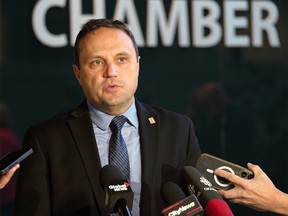
Wyness said she’d have preferred if the plan outlined four focus areas, rather than six. She suggested cutting or consolidating the focus on public safety and “trusted and collaborative government.”
One of just four returning council members, Wyness also criticized the lack of mention of financial sustainability.
“(Being) financially sustainable is what every conversation has revolved around, but it’s missing in the final document,” she said. “I really do want that as a metric on here, because without a financially sustainable city and the economy today, you’re going to struggle . . . to meet all of the asks of your community.”

Postmedia is committed to maintaining a lively but civil forum for discussion. Please keep comments relevant and respectful. Comments may take up to an hour to appear on the site. You will receive an email if there is a reply to your comment, an update to a thread you follow or if a user you follow comments. Visit our Community Guidelines for more information.