

When people think of anime's beginnings in America, they mostly think of the 2000s. It's a fair assumption, as Toonami really didn't get going until the 2000s, and some of the most popular series in America didn't come Stateside until the mid to late 2000s. However, anime in the '90s still played an important part in the growth of the medium.
Several key anime airing on Saturday mornings, or in syndication, helped define the medium in America. Some of these anime would experience enduring popularity that lasts even today. Others are forgotten by younger anime fans, but their contributions are still valuable to the genre.
10 Ronin Warriors
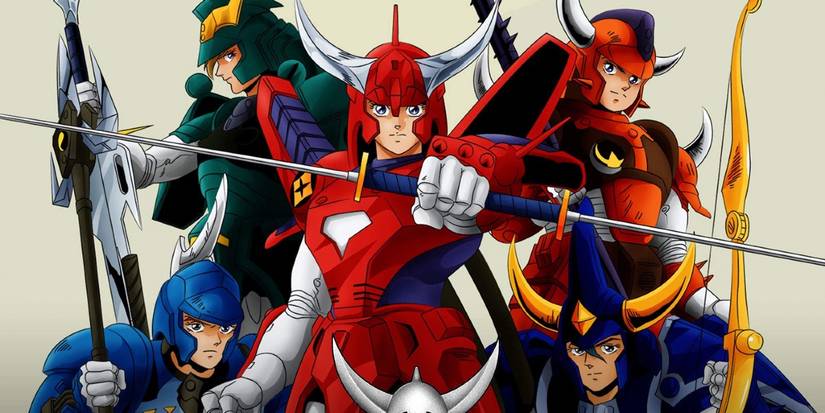 Image via Sunrise
While the popular '80s series Saint Seiya had trouble working out in America, it's sister series Ronin Warriors had no such issue. The series made an appearance on syndication and on the Sci-Fi Network in the early mornings, achieving moderate success.
Seemingly, what worked the most was how easily it fit alongside other toyetic cartoons of the '80s and 90s. Primary-colored protagonists that all had their own weapons were an easy sell to boys who were already into Power Rangers and X-Men. The series found even greater success when Toonami licensed it for another airing in 2000.
9 G-Force

One thing that often goes unnoticed for anime in America in the '90s is just how many great older anime series still found their way onto the air. The 1972 anime Gatchaman saw frequent reruns on American television in the '90s as G-Force: Guardians of Space.
Focusing on five teenagers fighting against alien would-be conquerors, G-Force felt similar to Power Rangers, just without the giant robots. Of course, G-Force wasn't the only older anime on television at the time: Gigantor, Speed Racer, and more series found their way to cable television at a time when original programming was scarce.
8 Voltron
 Image via Toei Animation
While the original GoLion came out in the '80s, the series saw success in America across multiple decades. In the '90s, Toonami licensed the series to air alongside shows like Robotech, Thundercats, and Dragon Ball Z to round out its after-school line-up. Unsurprisingly, the show was still a massive success thanks to being reminiscent of another popular show that was massive in America at the time in Power Rangers.
Voltron had much the same formula, though all of its monster of the week battles occurred inside the giant robot. Still, Voltron helped to maintain the popularity of Toonami in the mid to late '90s, and was popular enough on its own to get several American-only reboots. Because America loves giant robot lions.
7 Akira
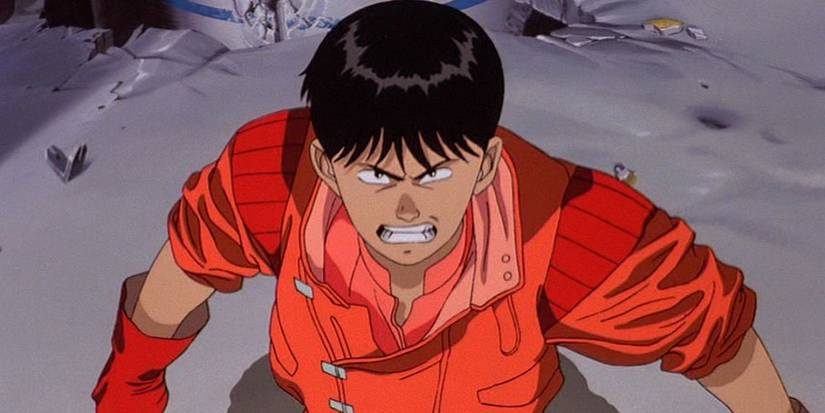 Image via Tokyo Movie Shinsha Co., Ltd.
Akira aired in American cinema in 1989, but its influence was felt in American animation and even film all throughout the '90s. With an interest in cyberpunk themes already here, Akira tapped into everything American audiences were looking for in terms of gritty futuristic settings. Of course, Akira was also known for something else: it proved that animation could be taken seriously as an art form.
While anime in Japan had been telling mature stories for years, America was having trouble doing the same. The popularity of Akira opened the door for more anime of its kind in America, and played a major role in the early wave of anime that came to the States.
6 Ghost in the Shell
.jpg?q=50&fit=crop&w=825&dpr=1.5) Image via Production I.G.
Image via Production I.G.Mamoru Oshii's adaptation of Masamune Shirow's Ghost in the Shell represented another groundbreaking moment for anime. The film, which focused on Section 9 agent Motoko Kusanagi and her case involving the Puppet Master, was an immediate critical success both in Japan and America. Presenting a bold vision of a cyberpunk future unlike anything else, Ghost in the Shell offered ideas on how technology could affect humanity in the future that felt shockingly real.
While the movie wasn't an immediate hit in Japan, in America it forced companies to pay more attention to the adult-oriented anime movies. With the critical success of Ghost in the Shell here, an explosion of anime's popularity began feeling like an inevitability.
5 Robotech
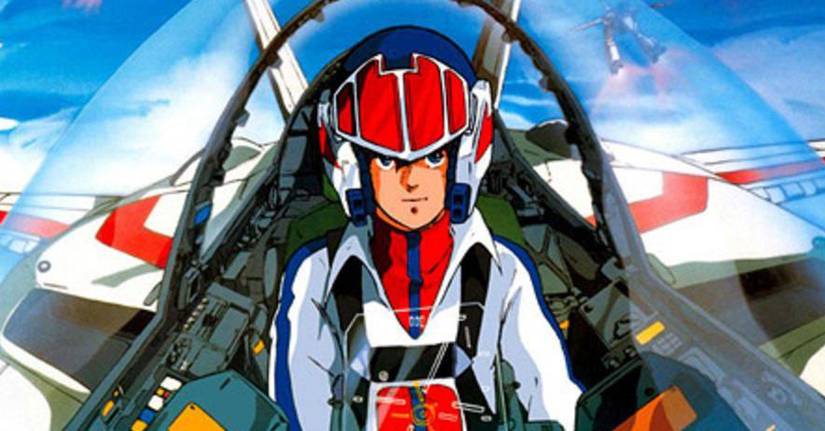
Robotech represented another '80s anime that found life in America thanks to reruns. The series came to Toonami in the late '90s and achieved enough success to air not only their version of Macross, but the two "sequel" Robotech anime as well. Robotech represents something important from the early anime era, in how much licensors were willing to change to make things more palatable for American audiences.
The amount of changes Harmony Gold made to Macross for Robotech would cause a firestorm in anime communities these days. However, Robotech's popularity also represented something else at the time: the enduring popularity of mecha anime.
4 Digimon
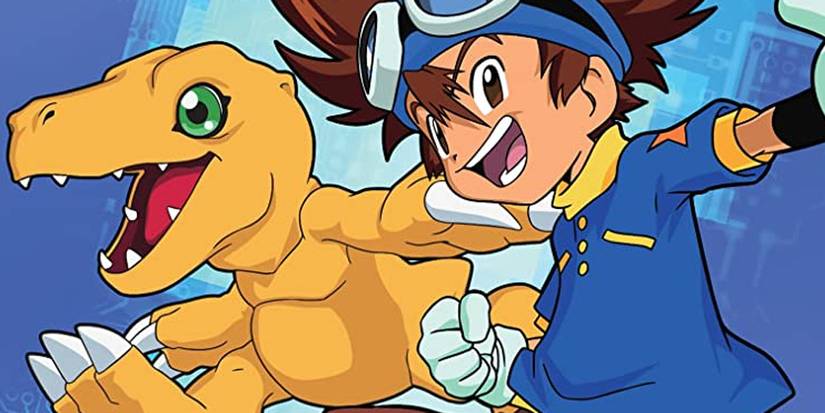 Image via Toei Animation
At the very end of the '90s, kids were introduced to the anime version of a toy they'd had for years. The Tamagotchi craze had been a thing in the mid '90s, and it was extended by the introduction of Digimon toys. These toys contained tiny Digital pets players were meant to take care of, and the longer they did, the more they evolved.
By 1999, Fox Kids finally had the first season of the show in Digimon Adventure. This series focused on a group of kids being sent to an alternate world, where they met digital partners they also had to take care of. Digimon's success in the States was not only a sign of the popularity of Pokemon, but of how easily anime was translating to American audiences.
3 Pokémon
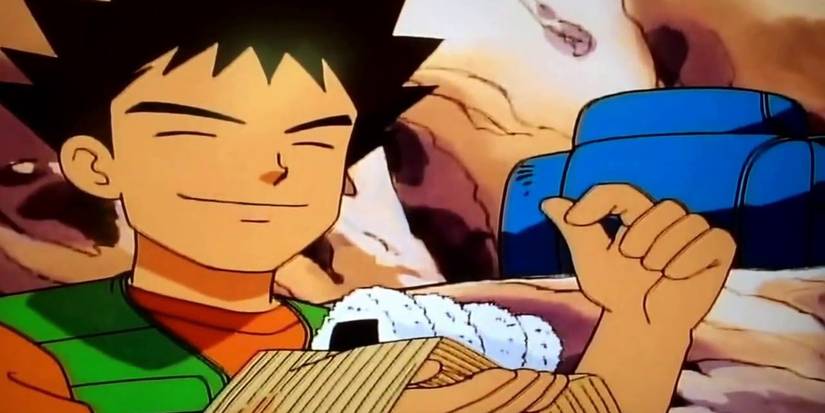
Though Pokémon still enjoys some incredible success today, it's impossible to overstate how big it was in the '90s. Nintendo inspired an entire generation of kids to think they had to "Catch 'Em All." Meanwhile, the Pokémon anime came at just the right time to capitalize off this success.
Pokémon introduced fans to Ash, Pikachu, and the catchiest theme song of all time when the series hit syndication in the late '90s. While this series being a massive hit shouldn't have come as a surprise, Pokemon was also responsible for something else. The series managed to prime kids of the next generation for a new wave of collectible-focused cartoons, from Yu-Gi-Oh! to Beyblades.
2 Sailor Moon

In the '90s, Sailor Moon's existence on cable television showed kids everywhere that anime wasn't just for the boys. The magical girl series prominently featured a cast of well-written female characters, locked in a battle against the forces of evil.
However, Sailor Moon didn't neglect things like themes of bonding between young girls, or romance, making it stand out a bit from other anime of the era in America. The series took its place on FOX airing on Saturday mornings around the same time as Power Rangers and other key '90s kids shows. Like Dragon Ball Z, it also got to make a comeback in the 2000s, getting to finish its run on the network.
1 Dragon Ball Z
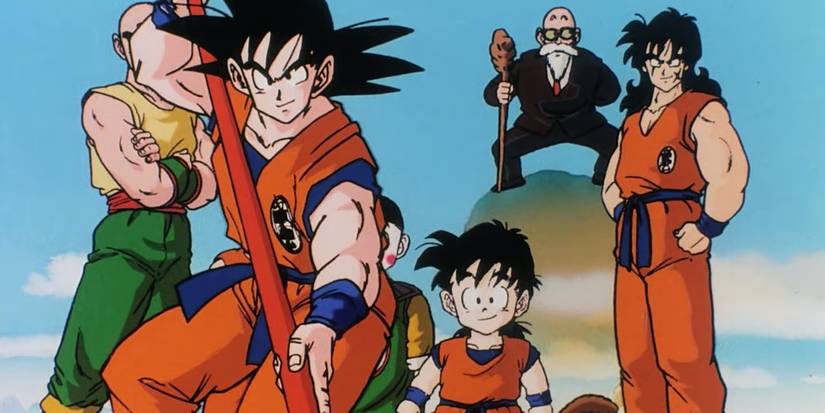
Anime's history in America can't be told without Dragon Ball Z. In the mid '90s, the series made its way to America in syndication. Later though, it found its way to Toonami, Cartoon Network's afternoon block.While Toonami only had a fraction of the series available in English dub, the show still became a huge success. Fans gladly watched reruns of Goku and the Z Fighters struggling against the Saiyans and all the forces of Frieza. The popularity of the show in the '90s is a large part of why the shonen anime genre has such a hold on American anime culture even today.