


18: Restoring Freshwater Ecosystems:
Saving Rivers, Lakes, and Wetlands

The Lifeblood of the Planet
Freshwater ecosystems—rivers, lakes, wetlands, and streams—are essential to life on Earth. They provide drinking water, sustain agriculture, and serve as habitats for countless species. Yet, they are among the most threatened ecosystems globally, facing challenges such as pollution, overuse, and habitat destruction.
Restoring freshwater ecosystems is not just an environmental imperative; it’s a necessity for human survival. In this article, we’ll explore why these ecosystems matter, the threats they face, and how we can bring them back to health.

Why Freshwater Ecosystems Matter
1. Water Supply:
- Rivers and lakes provide drinking water for billions of people.
2. Biodiversity Hotspots:
- Freshwater systems host more than 10% of all known species, despite covering less than 1% of the Earth's surface.
3. Flood Control and Climate Resilience:
- Wetlands absorb excess rain, reducing flood risks and mitigating droughts.
4. Carbon Storage:
- Peatlands and other freshwater ecosystems store vast amounts of carbon, helping to regulate the climate.

Major Threats to Freshwater Ecosystems
1. Pollution:
- Agricultural runoff, industrial waste, and plastic pollution contaminate water sources.
2. Overuse and Water Diversion:
- Excessive water extraction for agriculture and urban use depletes rivers and lakes.
3. Habitat Destruction:
- Dams, urbanization, and deforestation disrupt natural water flows and habitats.
4. Climate Change:
- Rising temperatures and changing precipitation patterns threaten freshwater availability.
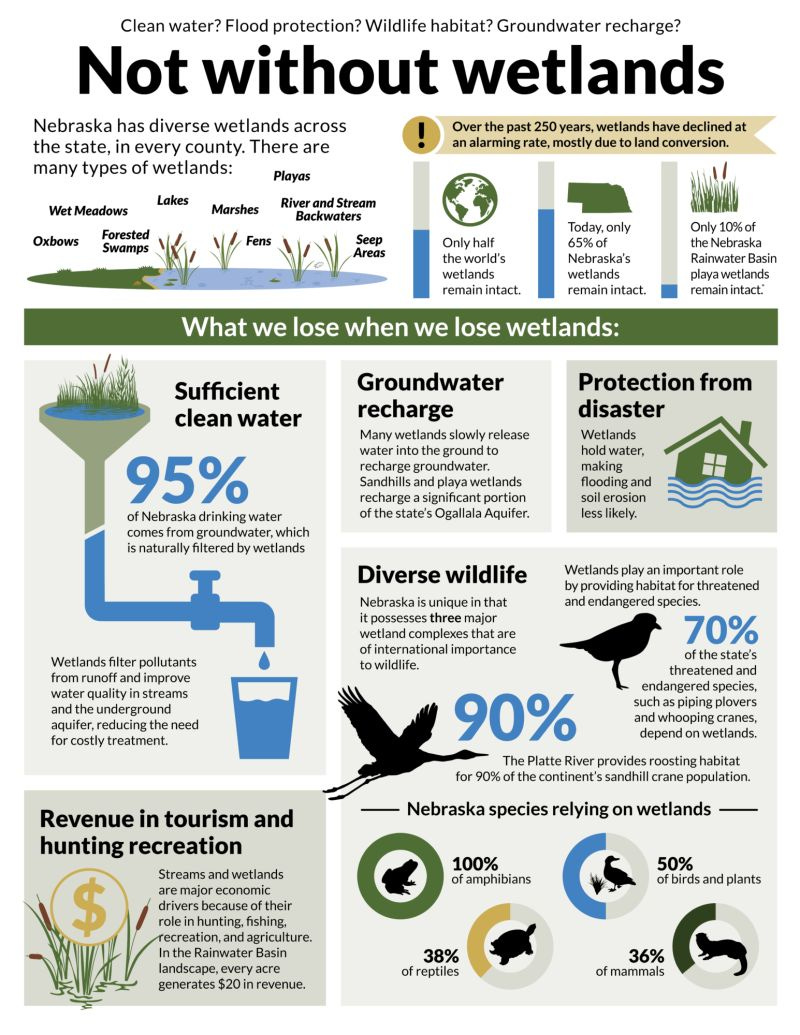
via Rainwater Basin Joint Venture
How to Restore Freshwater Ecosystems
1. Reduce Pollution
- Implement sustainable farming practices to minimize agricultural runoff.
Use natural water filtration systems, such as constructed wetlands, to filter pollutants.
2. Reconnect Waterways
- Remove obsolete dams to restore natural water flows and fish migration routes.
- Restore riverbanks with native vegetation to stabilize soil and improve water quality.
3. Protect and Rehabilitate Wetlands
- Wetlands act as nature’s kidneys, filtering pollutants and storing water. Protecting these areas is crucial.
Reintroduce native plants to degraded wetlands to help jump-start recovery.
4. Use Water Wisely
- Reduce water waste in agriculture, industry, and households through efficient technologies and practices.
5. Engage Communities
- Encourage local participation in cleanups, restoration projects, and education campaigns to foster long-term stewardship.
Case Studies of Freshwater Restoration
1. The Elwha River, USA:
- After the removal of two large dams, salmon populations returned, and the river began restoring itself naturally.
2. Wetland Restoration in Canada:
- Projects across Canada have revitalized wetlands, improving biodiversity and water quality.
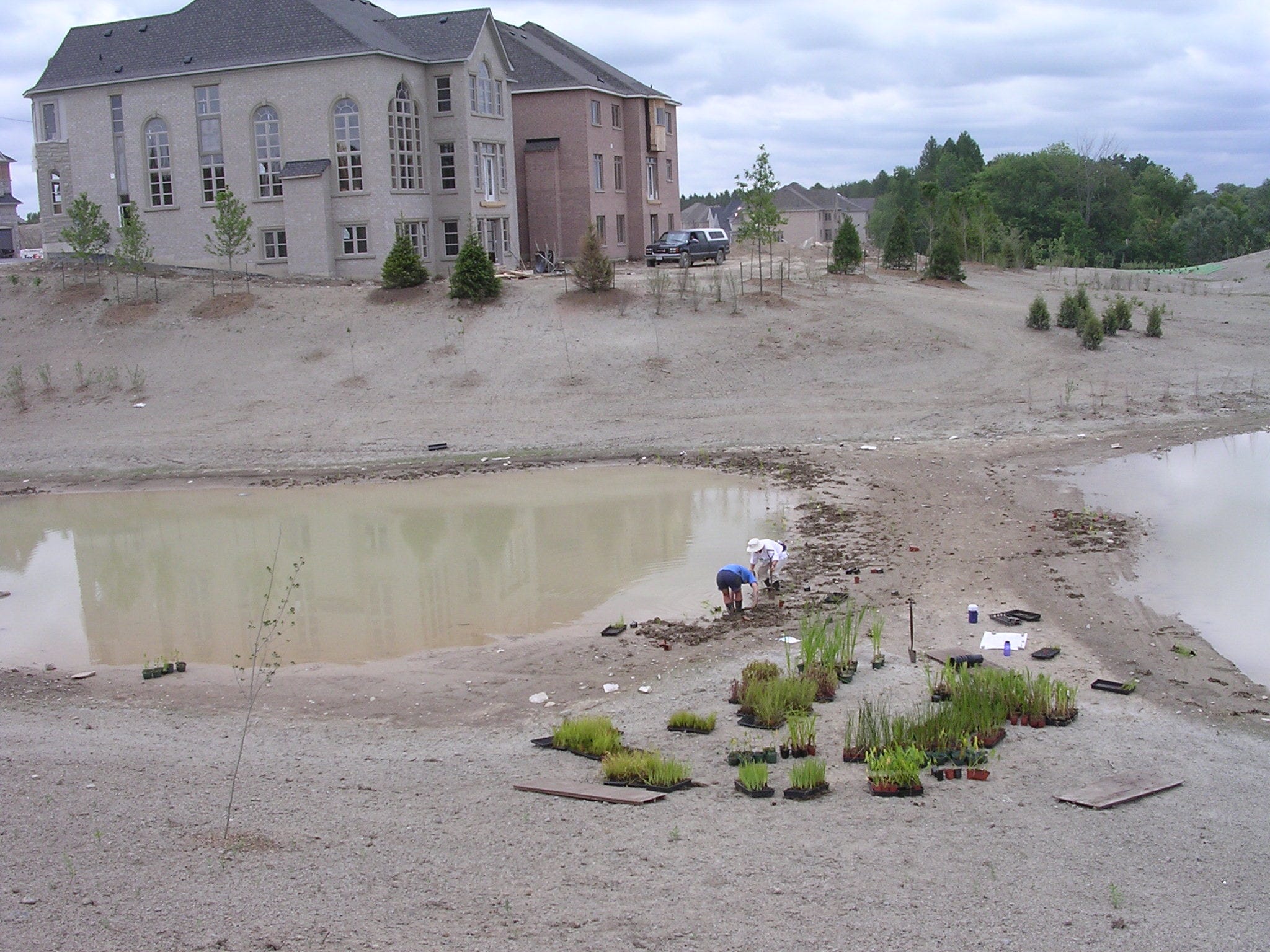
The stormwater pond restoration project we did near Toronto
3. Lake Naivasha, Kenya:
Community-led efforts to reduce pollution and overuse have helped restore this vital lake, supporting both wildlife and local livelihoods.
What You Can Do
Even small actions contribute to the restoration of freshwater ecosystems:
- Reduce Water Waste: Fix leaks, use water-efficient appliances, and collect rainwater.
- Avoid Harmful Chemicals: Use eco-friendly cleaning products to prevent water pollution
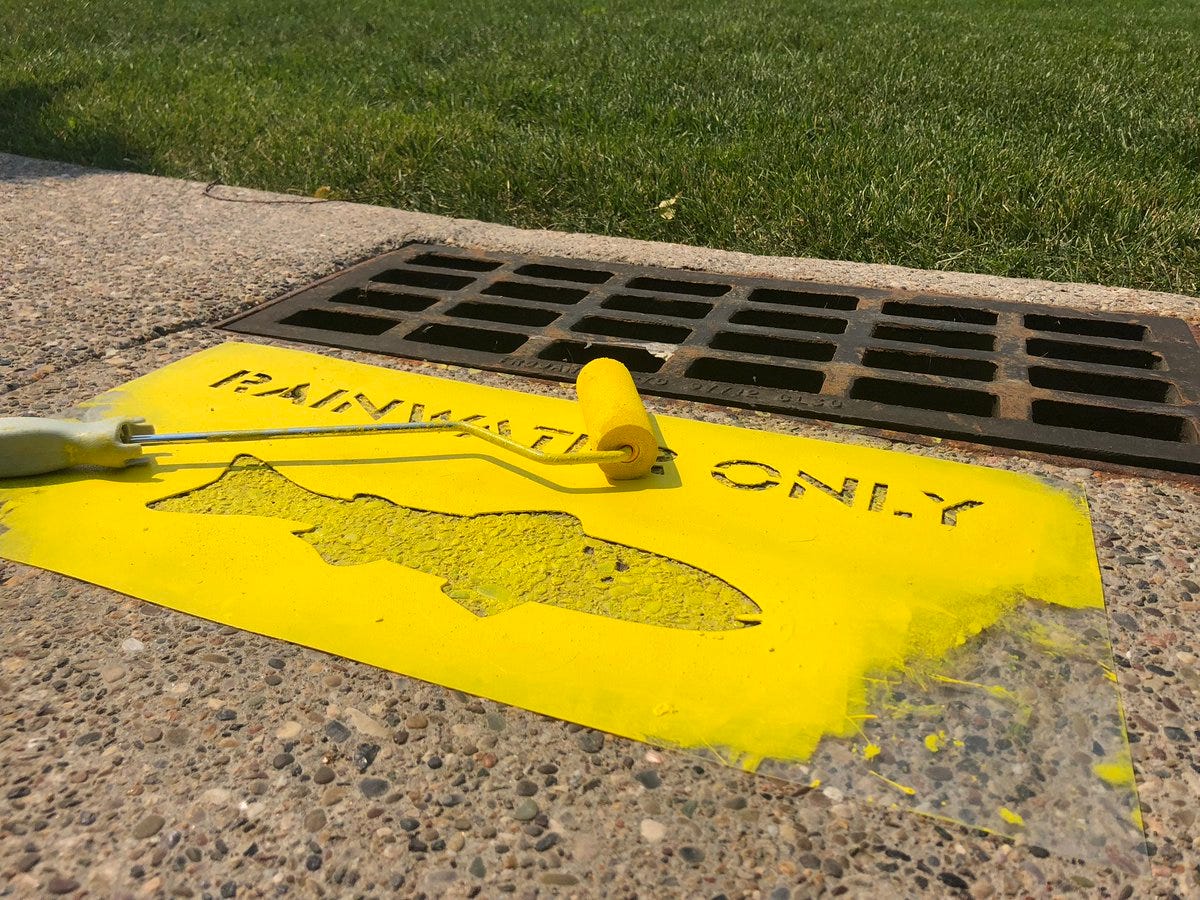
Yellowfish Campaign to remind people that their water drains into wetlands.
- Participate in Local Cleanups: Join efforts to remove trash and debris from nearby rivers and lakes.
-Support Restoration Initiatives: volunteer or donate to organizations restoring freshwater habitats.
Home Project: Create micro wetlands for wildlife

Restoring the Flow of Life
Freshwater ecosystems are the lifeblood of our planet, supporting both nature and human communities. Restoring them is essential for a sustainable future. By understanding their importance and taking action—whether through local efforts or supporting large-scale projects—we can save rivers, lakes, and wetlands for generations to come.
Together, we can restore the flow of life.
Useful Resources:
Society for Wetland Scientists
Save a River with One Simple Action
Rivers, lakes, and wetlands are Earth’s lifeblood, but 50% are degraded (UNEP). In Planet Healers, we’ve shown how communities revive freshwater ecosystems. Here, we’ll teach you one skill to save a waterway. Ready to make waves? Let’s keep rivers flowing!
The Problem: Freshwater in Crisis
Pollution, dams, and overuse threaten 85% of wetlands (UN) and 60% of rivers (WWF). Unsafe water impacts 122 million people (WHO), and 20% of fish species are declining (FAO). Restoration funding is just 8% of needs (UNEP), leaving ecosystems and communities parched.
The Solution: Freshwater Fights Back
Communities are winning! France’s Seine cleanup boosted fish by 60% (Paris Municipality). Kenya’s Lake Naivasha restoration supported 5,000 livelihoods (IUCN). The USA’s Elwha River dam removal revived salmon by 40% (NOAA). Paul Morris grew millions of wetland plants and helped restore 100s of wetlands in Canada. Freshwater restoration secures water for 4 billion and saves $60 billion in floods (UNESCO). It’s a lifeline!
The Skill: Join a River Cleanup
You can save freshwater with one skill: joining a river cleanup. It clears trash and restores flow. Here’s how:
Find a Group: Check Ocean Conservancy (oceanconservancy.org) for local events.
Gear Up: Bring gloves and bags—safety first!
Clean Smart: Focus on plastics near banks.
Track Impact: Log trash with Clean Swell app.
One cleanup removes 100 lbs of trash and saves 100 fish (UNEP). It’s river rescue!
Your Planet Healer Challenge
Try this: Join a river cleanup this month. Use Ocean Conservancy’s guide (oceanconservancy.org). Share your cleanup haul with #PlanetHealers for a “Planet Healer Spotlight” feature! Want more freshwater tips? Subscribe to our $5/month tier for exclusive guides or join our Patreon (patreon.com/planethealers).
The Impact: Thriving Waters, Secure Future
Your cleanup can boost fish by 25%, secure water for 1,000 people (UN), and save $100 billion in floods (UNESCO). If 1,000 readers clean rivers, that’s 100,000 lbs of trash gone and 100,000 fish saved. As John F. Kennedy said, “We are tied to the oceans.” Let’s free our rivers!
Take Action Now
Watch our Planet Healers YouTube videos for freshwater stories, then join a cleanup. Share your plan with #PlanetHealers and join our Patreon for more. Read The Big Thirst by Charles Fishman for deeper dives. How will you save a river? Comment below and let’s restore together!
Resources:
Books: The Big Thirst by Charles Fishman
Organizations: Ocean Conservancy (oceanconservancy.org),
Mission to Marsh (https://missiontomarsh.org/)
Apps: Clean Swell
Actions: oceanconservancy.org
Support and check out our other posts and videos: patreon.com/planethealers
Extra find! -Looking to support projects or learn more about agroecology?


