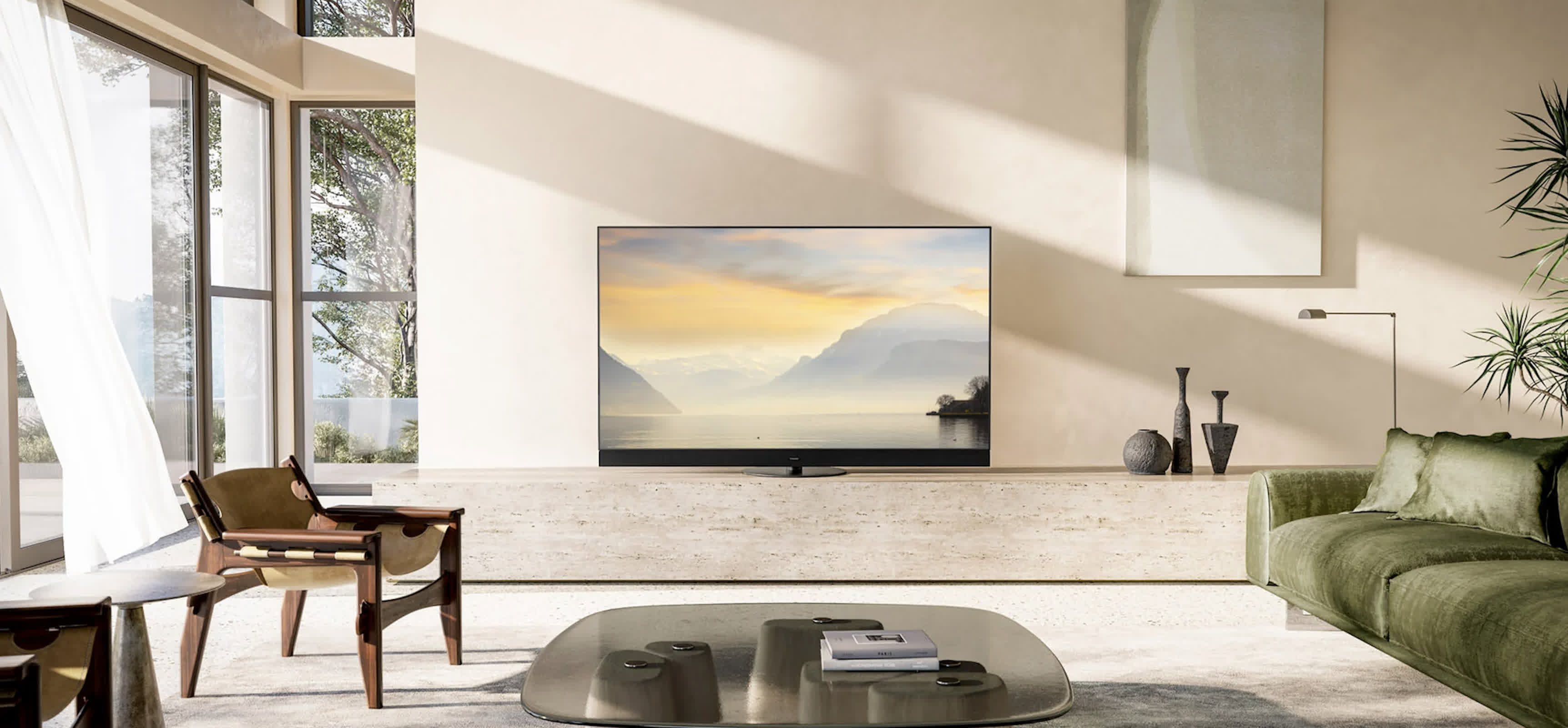
TL;DR: Once one of Japan's most revered electronics brands, Panasonic will no longer manufacture its own televisions. The company has confirmed that all Panasonic-branded TVs will now be built, marketed, and distributed by Chinese manufacturer Skyworth.
Under the new arrangement, Skyworth takes full responsibility for manufacturing, sales, and logistics across North America and Europe. Panasonic will remain involved in product design, image processing, and quality assurance – areas where it still claims deep expertise – but physical production and go-to-market execution shift entirely to Shenzhen.
At a press event covered by FlatpanelsHD, Panasonic said joint development on next-generation OLED TVs will continue. That includes flagship models built around LG Display's latest Tandem WOLED panels, a dual-stack OLED architecture designed to deliver higher brightness and improved longevity over conventional OLED designs.
Panasonic's withdrawal has been a long time coming. In the early 2010s, it controlled more than 40% of the global plasma TV market, ahead of Samsung and LG, according to data from DisplaySearch.
Plasma's deep blacks and motion response once made Panasonic a favorite among videophiles, but the technology was expensive to produce and power-hungry compared to the rising LCD panels. When the 2008 global financial crisis squeezed margins across the business, the plasma division never recovered. By 2014, Panasonic had shut down plasma manufacturing entirely and steadily contracted its TV business outside Japan.
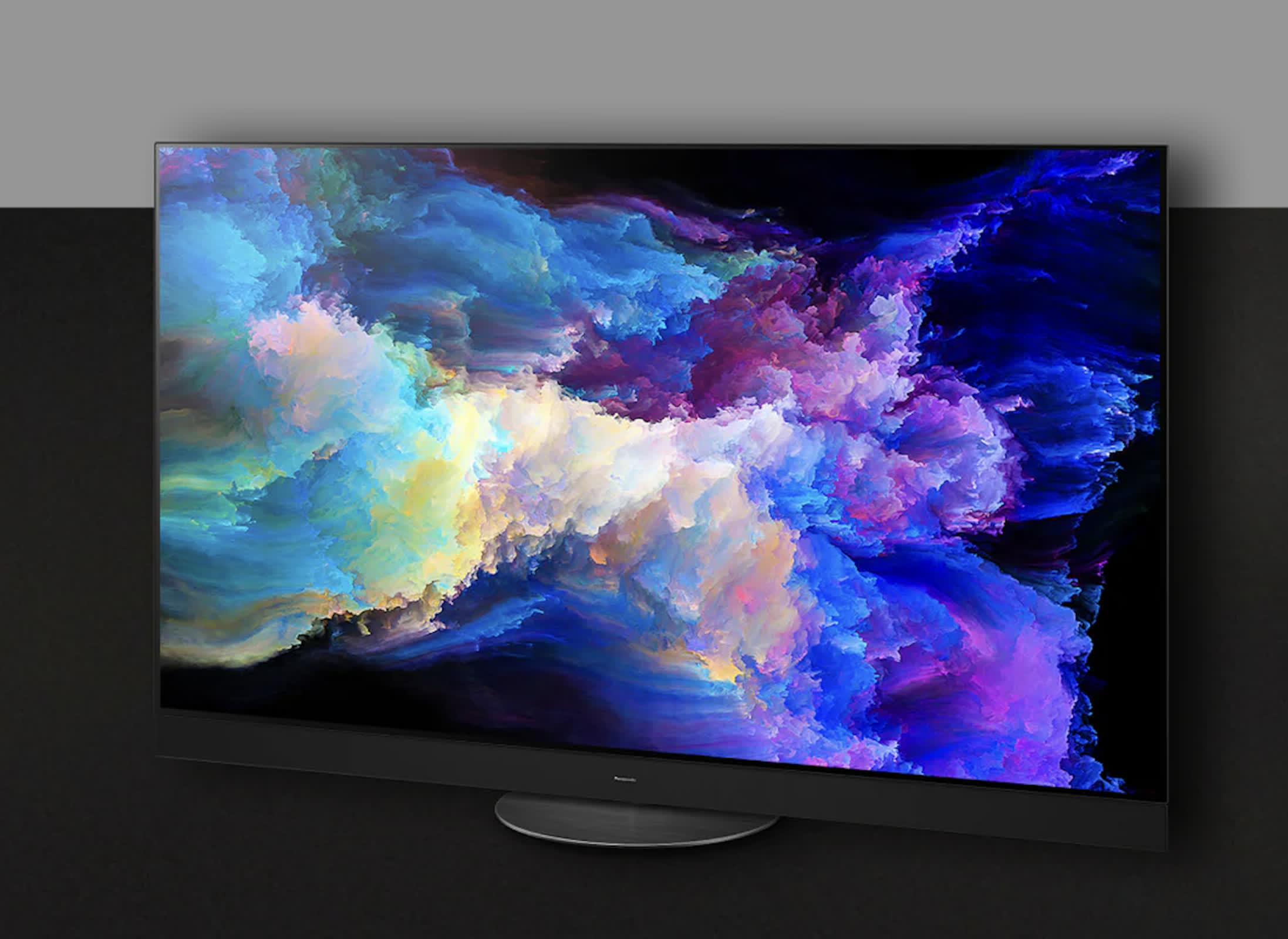
By 2016, the company exited the US market altogether. Five years later, it announced that all TV production would be outsourced to a third party, a move aimed at financial stability rather than innovation. Its 2024 comeback in the US with OLED and Mini LED models briefly suggested a revival. But in early 2025, President Yuki Kusumi made its strategic uncertainty public, saying Panasonic was "prepared to sell" its TV operations outright if necessary.
The partnership with Skyworth serves as a compromise: retain the brand's engineering reputation while removing the capital costs of manufacturing. For Skyworth, a company already ranked among the top five global TV manufacturers by Omdia early last year, the deal opens doors to Western markets where its name recognition remains limited. The company calls itself one of the leading suppliers of Android TV systems worldwide and has been expanding into premium display technologies to compete with South Korea's giants.
Skyworth-built Panasonic TVs are expected to launch in both the US and Europe, with the companies reportedly targeting double-digit market share. Panasonic will continue handling customer support for all units sold through March 2026 and beyond, covering the transition to the Skyworth-produced lineup.
This shift also marks the end of Japan's long history of television manufacturing. Sharp, Toshiba, Hitachi, and Pioneer have already left the sector, and earlier this year, Sony sold a controlling stake in its Bravia TV business to TCL. With Panasonic's exit, virtually no TVs will be produced by Japanese firms themselves.
At its most recent launch event, Panasonic did show two OLED prototypes, hinting that the brand may still influence the visual fidelity of upcoming models. Yet those designs – again based on LG's Tandem WOLED technology – will be assembled under Skyworth's supervision. For much of the industry, it's a sobering milestone: Japan's last TV maker has effectively become a design partner in a market it once defined.


