Advancing Open Science
Supporting academic communities
since 1996
 
21 pages, 20874 KB  
Article
Assessing the Relationship Between Erosion Risk, Climate Change and Archaeological Heritage: Medieval Sites in the Basilicata Region, Italy
by Alessia Frisetti, Nicodemo Abate, Antonio Minervino Amodio, Dario Gioia, Giuseppe Corrado, Maria Danese, Gabriele Ciccone and Nicola Masini
Heritage 2026, 9(3), 89; https://doi.org/10.3390/heritage9030089 (registering DOI) - 24 Feb 2026
Abstract
Climate change has among its effects the increasing frequency and intensity of natural disasters, such as landslides, floods, erosion and fires, with clear implications on both natural and anthropic hazards and risks. These natural phenomenapose a growing threat to archaeological heritage through increased [...] Read more.
Climate change has among its effects the increasing frequency and intensity of natural disasters, such as landslides, floods, erosion and fires, with clear implications on both natural and anthropic hazards and risks. These natural phenomenapose a growing threat to archaeological heritage through increased rates of soil erosion, flooding, and landslides. This study presents a multidisciplinary approach to assess the erosion risk affecting medieval rural settlements in the Basilicata Region of Southern Italy. This area is characterised by high-impact natural phenomena that have influenced settlement patterns in the past. The focus is on rural settlements that arose during the Middle Ages, some of which were abandoned as early as the late Middle Ages. This study has the dual objective of analysing the natural causes that may have led to the abandonment of many sites in ancient times and producing a predictive multi-risk map of the possible loss of cultural heritage sites. By integrating archaeological data, remote sensing, historical sources, and geospatial modelling, a multi-risk map was developed to identify areas at the highest risk. The results demonstrate the urgent need for proactive conservation strategies in the face of ongoing climatic change. Full article
32 pages, 3381 KB  
Article
Depression Detection from Three-Channel Resting-State EEG Using a Hybrid Conv1D and Spectral–Statistical Fusion Model
by Oana-Isabela Știrbu, Florin-Ciprian Argatu, Felix-Constantin Adochiei, Bogdan-Adrian Enache and George-Călin Serițan
Sensors 2026, 26(5), 1417; https://doi.org/10.3390/s26051417 (registering DOI) - 24 Feb 2026
Abstract
Major depressive disorder requires scalable, low-burden screening tools. We examined whether three-channel resting-state EEG can support reliable discrimination between major depressive disorder and healthy controls using a lightweight model compatible with portable implementations. This work makes three main contributions: (i) a compact hybrid [...] Read more.
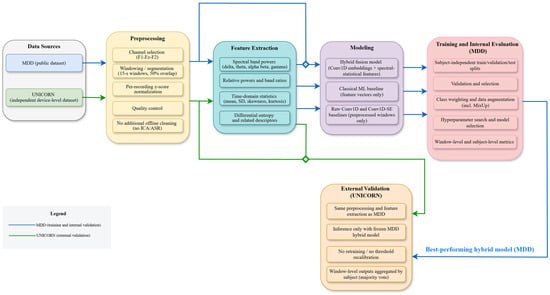
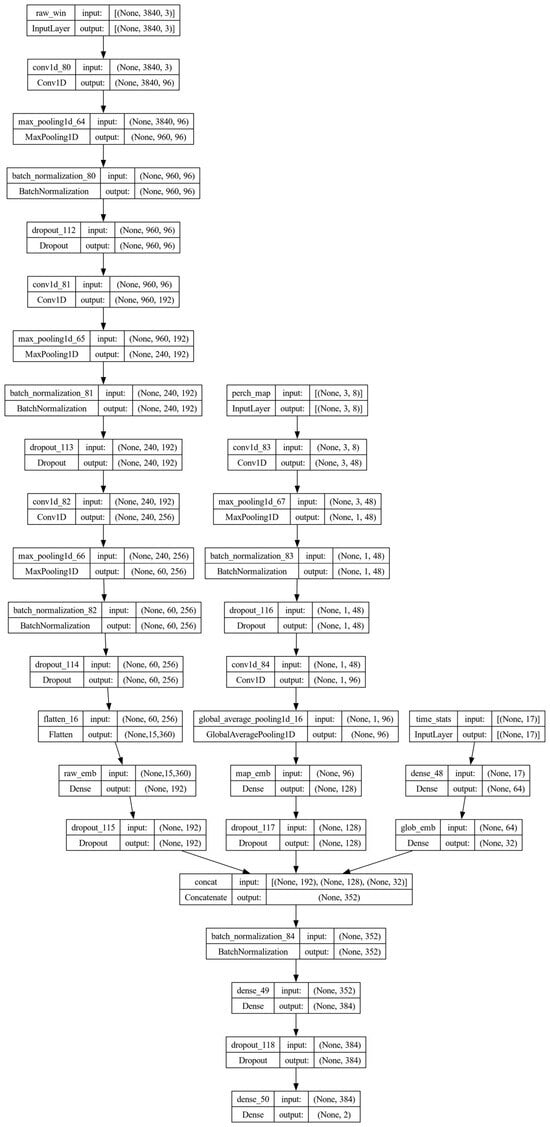
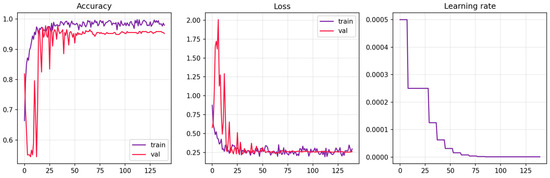
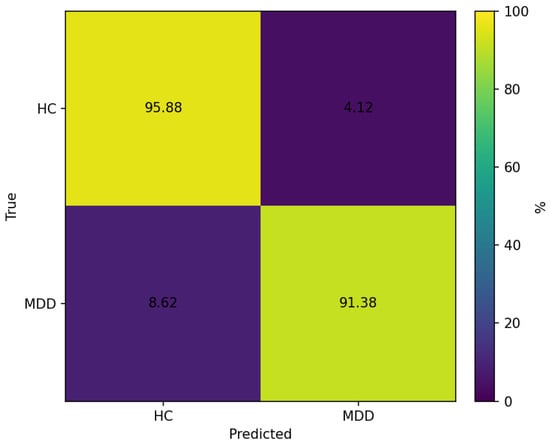
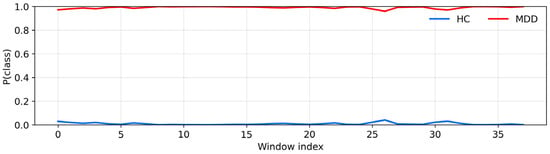
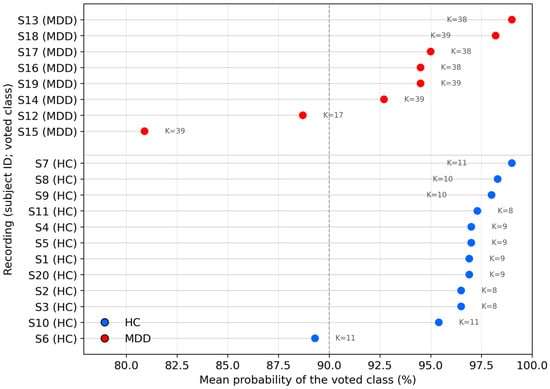
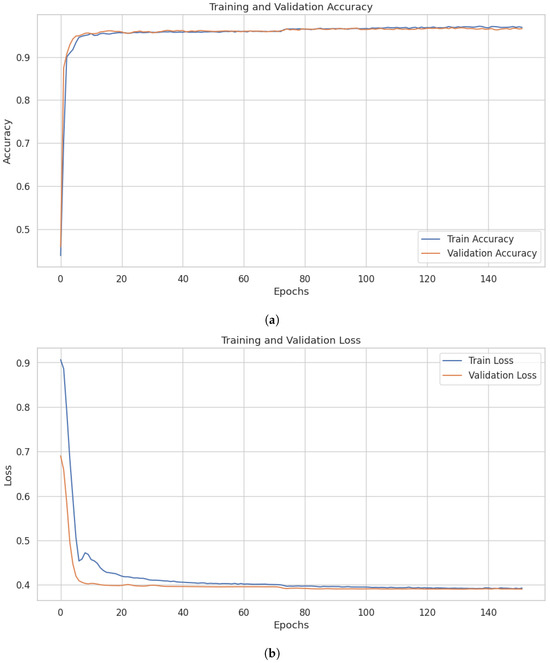
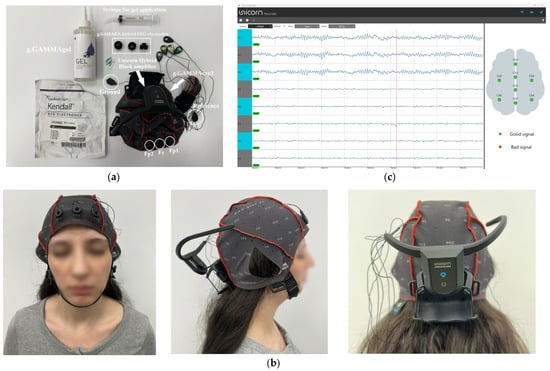
Major depressive disorder requires scalable, low-burden screening tools. We examined whether three-channel resting-state EEG can support reliable discrimination between major depressive disorder and healthy controls using a lightweight model compatible with portable implementations. This work makes three main contributions: (i) a compact hybrid fusion model combining raw-window Conv1D embeddings with per-channel spectral–statistical descriptors for three-channel resting-state EEG, (ii) a leakage-resistant subject-independent (cross-subject) evaluation protocol with subject-level inference via majority voting, and (iii) a preliminary external feasibility test on an independent portable three-channel cohort without fine-tuning. The proposed model fuses a Conv1D encoding of raw ≈15 s eyes-closed windows (3840 samples; 15.36 s at 250 Hz) with per-channel spectral and statistical descriptors. Training uses subject-independent splits to avoid leakage, class weighting, and data augmentation (including MixUp); hyperparameters are selected via randomized search with refinement. The model is trained on a publicly available MDD dataset and subsequently applied, without fine-tuning, on an independent acquisition of 20 subjects recorded with a portable three-channel device; we report both window-level and subject-level (majority-vote) performance. On the held-out test subjects from the public dataset, the hybrid model attains 93.43% window-level accuracy. The independent evaluation is reported as a preliminary external feasibility analysis; given the small cohort, we report subject-level performance with 95% confidence intervals to reflect uncertainty and avoid over-interpreting cross-device generalization. The model occupies approximately 40.19 MB on disk, and the architecture is compatible with post-training int8 (TFLite) quantization for resource-constrained hardware. These results, obtained on limited samples, support the feasibility of three-channel EEG for major depressive disorder detection using a lightweight hybrid architecture and motivate prospective clinical validation, on-device inference and quantization studies, and broader evaluation across centers and devices. Full article
(This article belongs to the Section Biomedical Sensors)
Show Figures

Figure 1

18 pages, 4349 KB  
Article
Effect of Post-Build Annealing on the Microstructure and Mechanical Properties of LPBF-Processed AlSn10Pb10 Alloy
by Kirill O. Akimov, Alexander L. Skorentsev, Nikolay M. Rusin, Vadim E. Likharev, Dmitry P. Ilyashchenko and Andrey I. Dmitriev
J. Manuf. Mater. Process. 2026, 10(3), 77; https://doi.org/10.3390/jmmp10030077 (registering DOI) - 24 Feb 2026
Abstract
The work studied the effect of high-temperature annealing on the phase composition, microstructure, and mechanical properties of an AlSn10Pb10 vol.% alloy obtained by laser powder bed fusion (LPBF). For this purpose, a series of anneals was carried out in the temperature range of [...] Read more.
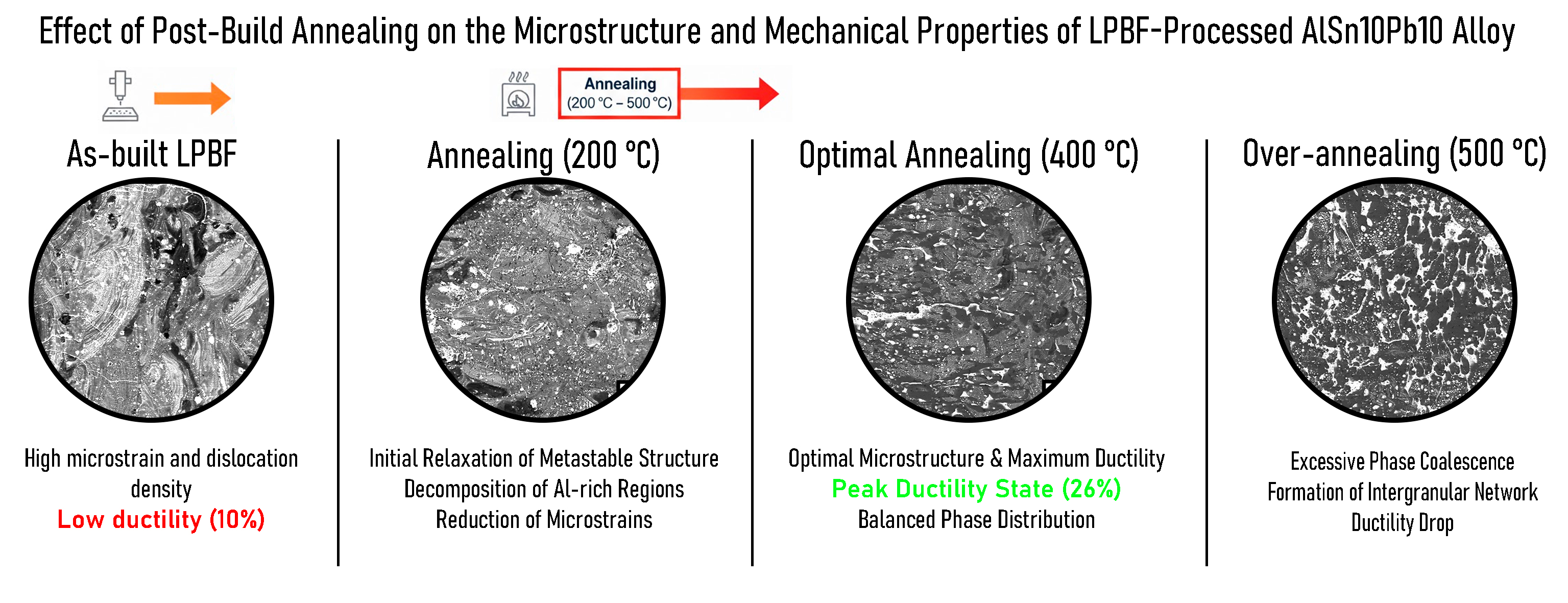
The work studied the effect of high-temperature annealing on the phase composition, microstructure, and mechanical properties of an AlSn10Pb10 vol.% alloy obtained by laser powder bed fusion (LPBF). For this purpose, a series of anneals was carried out in the temperature range of 200–500 °C with a duration of 30 min. Using X-ray diffraction, it was determined that the annealed samples had a three-phase structure consisting of Al, β-Sn, and α-Pb phases, with a gradual decrease in their lattice elastic strain and dislocation density as the heating temperature increased. Analysis of the obtained SEM images revealed that these changes were accompanied by the coarsening of Sn and Pb inclusions and growth of the pure aluminum areas. As a result of the described structural changes with increasing annealing temperature, the ultimate compressive strength of the alloy monotonically decreased from 108 MPa (in the as-built state) to 75 MPa after annealing at 500 °C. The alloy’s ductility (strain at peak stress) also improved and reached a maximum of 26% after annealing at 400 °C. Compression test results showed that the optimal combination of ductility and strength of the LPBF-processed AlSn10Pb10 alloy was observed after annealing at 400 °C. Full article
Show Figures

Graphical abstract

33 pages, 11068 KB  
Article
Fasting Enhances Cardiomyocyte Hypoxia Tolerance by Regulating Ca2+ Transport at Mitochondria–Endoplasmic Reticulum Contact Sites
by Xiangning Chen, Bo Jiao, Tong Xue, Manjiang Xie and Zhibin Yu
Int. J. Mol. Sci. 2026, 27(5), 2117; https://doi.org/10.3390/ijms27052117 (registering DOI) - 24 Feb 2026
Abstract
Mitochondria–endoplasmic reticulum contacts (MERCs) are physical structures formed between mitochondria and the endoplasmic reticulum (ER) through various tethering proteins, playing crucial roles in multiple physiological processes, including Ca2+ and lipid exchange between the ER and mitochondria, regulation of mitochondrial morphology and dynamics [...] Read more.
Mitochondria–endoplasmic reticulum contacts (MERCs) are physical structures formed between mitochondria and the endoplasmic reticulum (ER) through various tethering proteins, playing crucial roles in multiple physiological processes, including Ca2+ and lipid exchange between the ER and mitochondria, regulation of mitochondrial morphology and dynamics (fusion and fission), as well as the induction of autophagy and apoptosis. Mitofusin 2 (MFN2), a key mitochondrial fusion protein, has been identified as an essential structural component of MERCs. Our research demonstrates that 16:8 circadian intermittent fasting (CIF) leads to enhanced mitochondrial fusion. The upregulation of MFN2 reinforces MERC stability, thereby facilitating efficient Ca2+ transfer between the ER and mitochondria. This process sustains the activity of mitochondrial oxidative phosphorylation (OXPHOS) enzymes, elevates mitochondrial oxygen utilization efficiency, and ultimately augments ATP production. Consequently, these adaptations enhance cardiomyocyte tolerance to hypoxic conditions. This study elucidates a novel mechanism by which MERCs regulate cellular hypoxia resistance and proposes a potential therapeutic strategy for improving acute hypoxia tolerance through the modulation of Ca2+ transport at MERCs. Full article
(This article belongs to the Section Molecular Biology)
22 pages, 814 KB  
Article
Graph Convolution Neural Network and Deep Q-Network Optimization-Based Intrusion Detection with Explainability Analysis
by Kelvin Mwiga, Mussa Dida, Leandros Maglaras, Ahmad Mohsin, Helge Janicke and Iqbal H. Sarker
Sensors 2026, 26(5), 1421; https://doi.org/10.3390/s26051421 (registering DOI) - 24 Feb 2026
Abstract
As networks expand in size and complexity, coupled with an exponential increase in intrusions on network and IoT systems, this leads to traditional models failing to capture increasingly intricate correlations among network components accurately. Graph Convolution Networks (GCNs) have recently acquired prominence for [...] Read more.
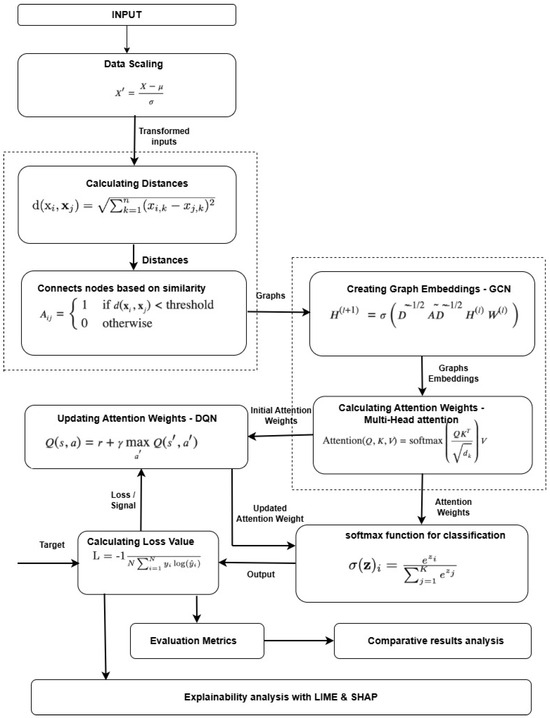
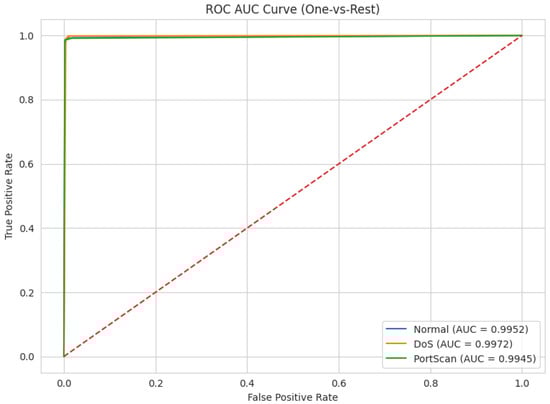
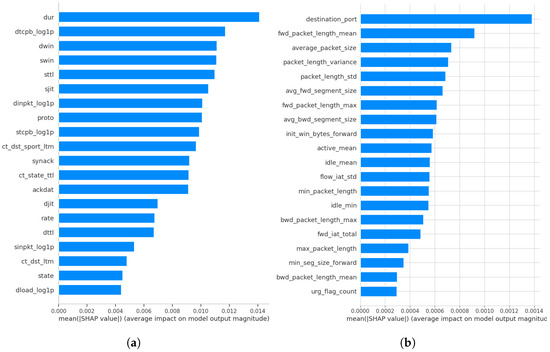
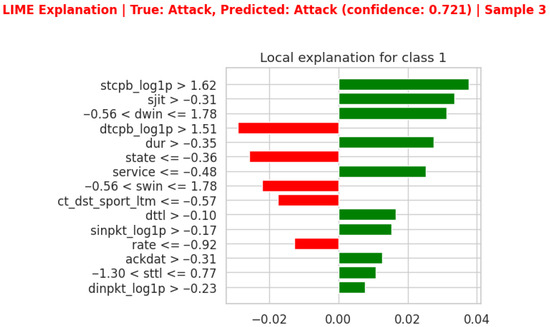
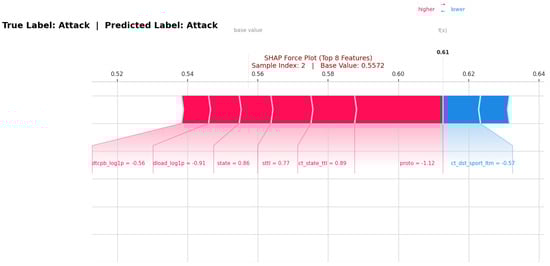
As networks expand in size and complexity, coupled with an exponential increase in intrusions on network and IoT systems, this leads to traditional models failing to capture increasingly intricate correlations among network components accurately. Graph Convolution Networks (GCNs) have recently acquired prominence for their capacity to represent nodes, edges, or entire graphs by aggregating information from adjacent nodes. However, the correlations between nodes and their neighbours, as well as related edges, differ. Assigning higher weights to nodes and edges with high similarity improves model accuracy and expressiveness. In this paper, we propose the GCN-DQN model, which integrates GCN with a multi-head attention mechanism and DQN (Deep Q Network) to adaptively adjust attention weights optimizing its performance in intrusion detection tasks. After extensive experiments using the UNSW NB15 and CIC-IDS2017 dataset, the proposed GCN-DQN outperformed the baseline model in classification accuracy. We also applied LIME and SHAP techniques to provide explainability to our proposed intrusion detection model. Full article
(This article belongs to the Special Issue Advanced Applications of WSNs and the IoT—2nd Edition)
Show Figures

Figure 1

28 pages, 4533 KB  
Article
SFCF-Net: Spatial-Frequency Synergistic Learning for Casting Defect Segmentation of Pre-Service Aircraft Engine Blades in Industrial Radiographic Inspection
by Shun Wang, Zhiying Sun, Xifeng Fang and Dejun Cheng
Sensors 2026, 26(5), 1416; https://doi.org/10.3390/s26051416 (registering DOI) - 24 Feb 2026
Abstract
Turbine blades serve as critical components in aircraft engines, yet casting defects inevitably arise during manufacturing. Therefore, accurate pre-service turbine blade defect detection is critical for aircraft engine safety. However, existing deep learning-based detection methods face several challenges: poor image quality, intraclass variance, [...] Read more.
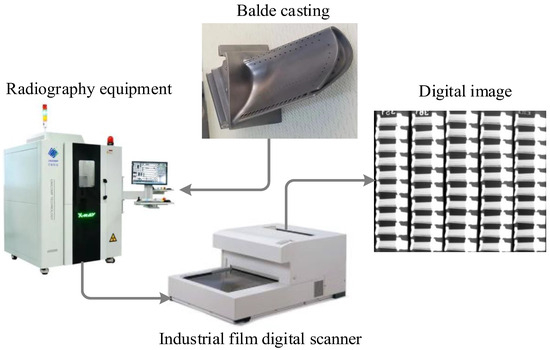
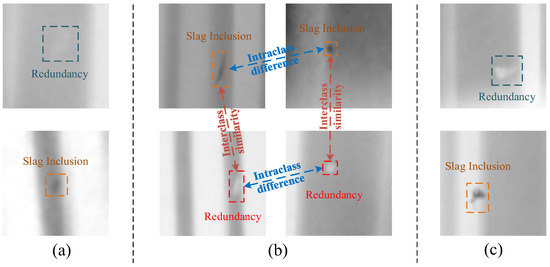
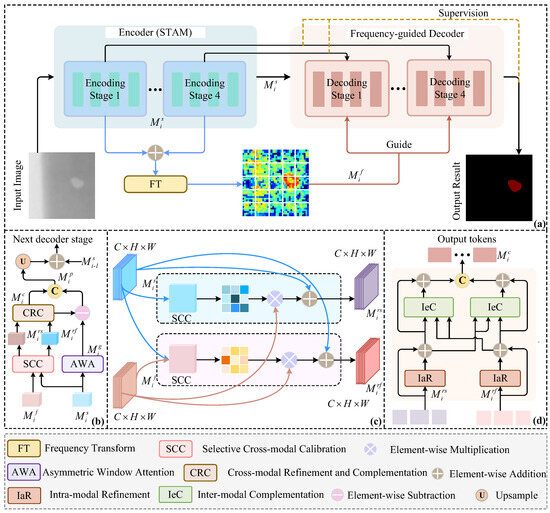
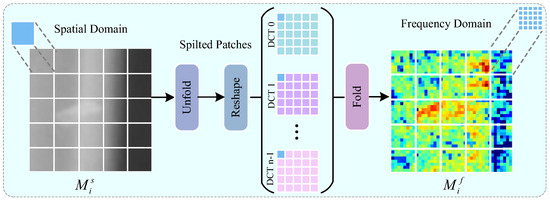
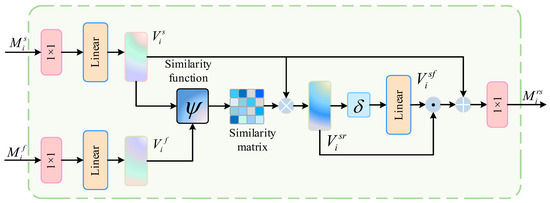
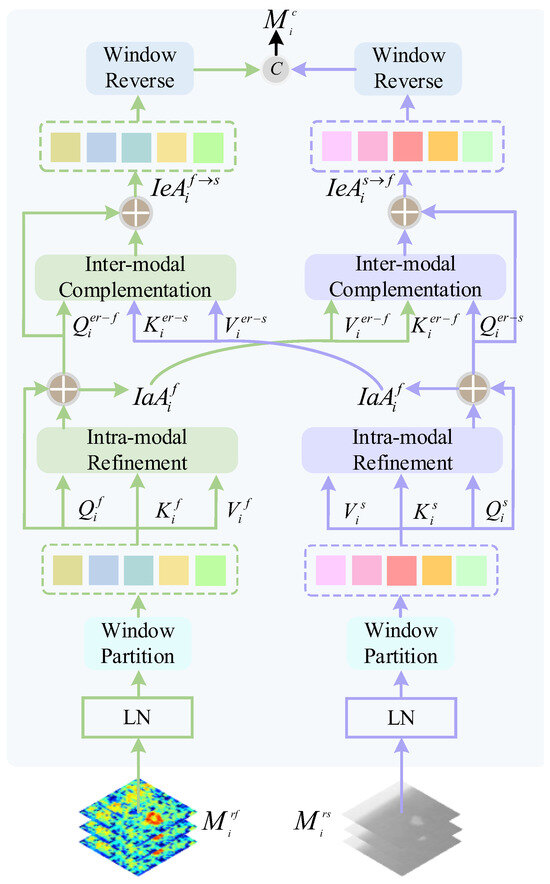
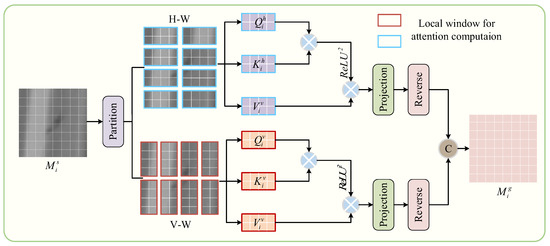
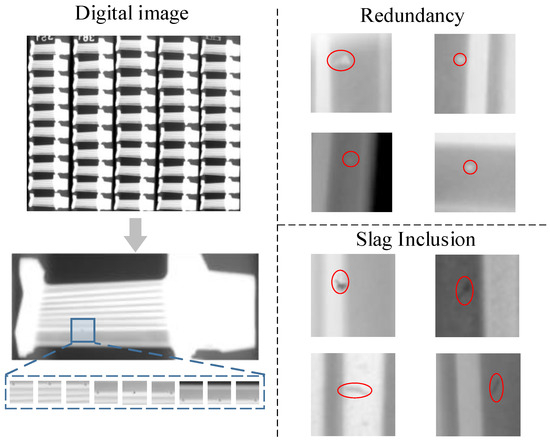
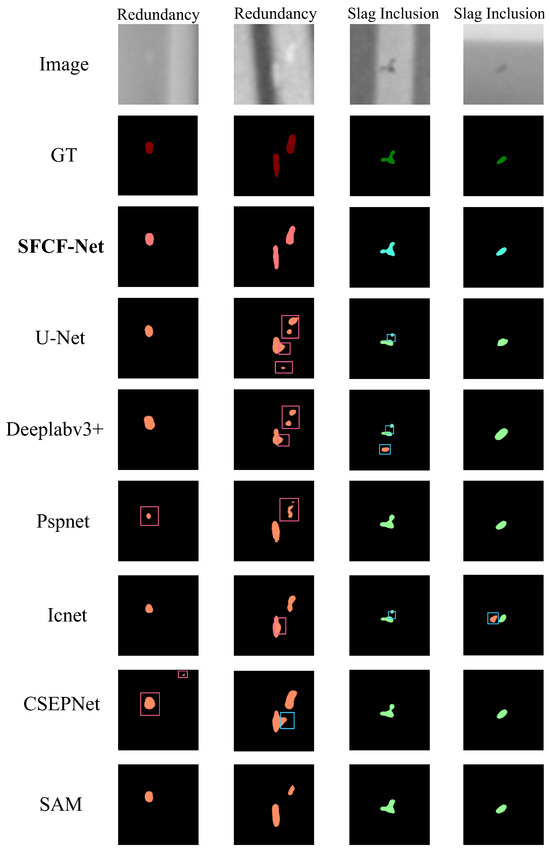
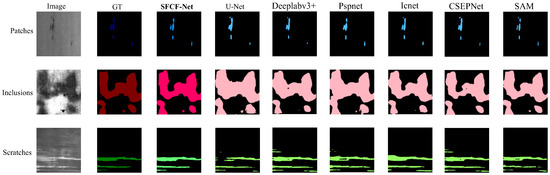
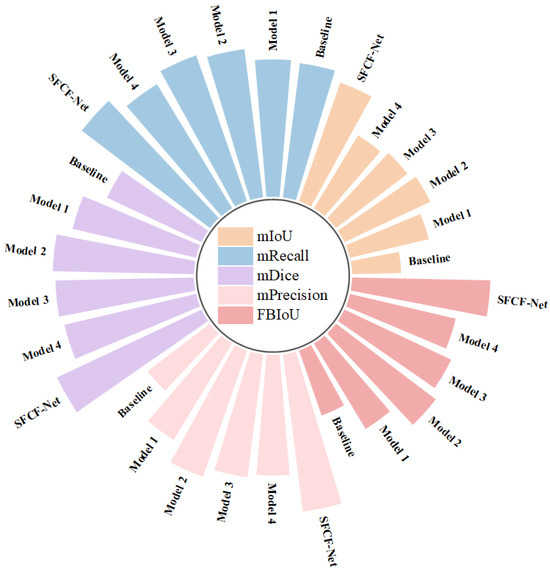
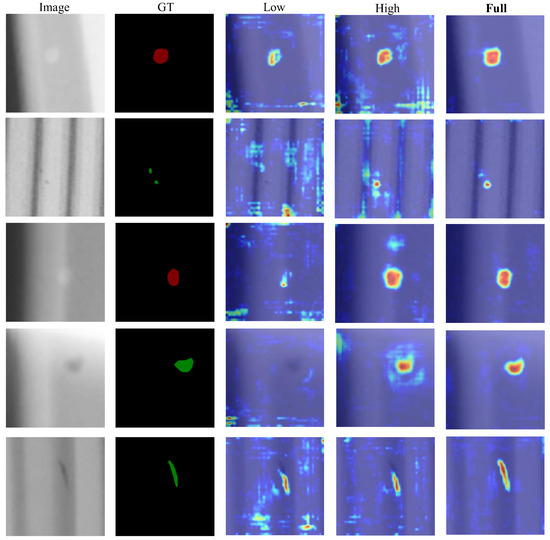
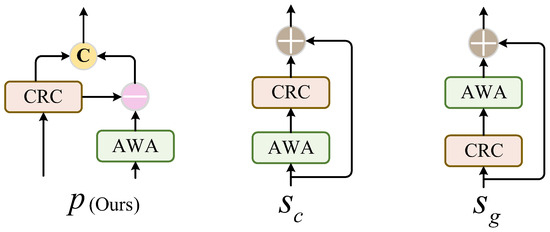
Turbine blades serve as critical components in aircraft engines, yet casting defects inevitably arise during manufacturing. Therefore, accurate pre-service turbine blade defect detection is critical for aircraft engine safety. However, existing deep learning-based detection methods face several challenges: poor image quality, intraclass variance, interclass similarity, and irregular defect geometries. Moreover, most existing defect detection methods rely primarily on spatial-domain features, which are insufficient for capturing fine-grained texture information, limiting their ability to discriminate complex defect patterns. To address these challenges, we propose a novel Spatial-Frequency Complementary Fusion Network (SFCF-Net) that synergistically integrates spatial and frequency-domain features through complementary cross-modal fusion for accurate defect segmentation. First, a Selective Cross-modal Calibration (SCC) module is introduced that selectively calibrates spatial-frequency features through gated cross-modal interactions, effectively preserving fine-grained details under poor image conditions. Next, we propose a Cross-modal Refinement and Complementation (CRC) module that employs dual-stage attention mechanisms to model intra- and inter-modal feature dependencies, enabling robust discrimination between similar defect categories while maintaining consistency within the same defect class. Finally, we propose an Asymmetric Window Attention (AWA) module that employs bidirectional rectangular windows for accurate defect geometric characterization. Comprehensive experiments on the Aero-engine Turbine Blade Casting Defect Segmentation (ATBCD-Seg) dataset and a public benchmark demonstrate that SFCF-Net consistently outperforms state-of-the-art methods across multiple evaluation metrics, meeting practical requirements for automated quality control in blade manufacturing. Full article
(This article belongs to the Section Fault Diagnosis & Sensors)
Show Figures

Figure 1

29 pages, 2459 KB  
Article
Bilevel Carbon-Aware Dispatch and Market Coordination in Power Networks Under Distributional Uncertainty
by Liye Xie, Guoyang Wang, Miao Pan and Peng Wang
Energies 2026, 19(5), 1132; https://doi.org/10.3390/en19051132 (registering DOI) - 24 Feb 2026
Abstract
The accelerating transition toward carbon neutrality necessitates the synergistic integration of power and hydrogen systems to mitigate renewable intermittency; however, coordinating regulatory policies with the operational flexibility of these coupled systems remains a critical challenge under deep uncertainty. Motivated by this gap, this [...] Read more.
The accelerating transition toward carbon neutrality necessitates the synergistic integration of power and hydrogen systems to mitigate renewable intermittency; however, coordinating regulatory policies with the operational flexibility of these coupled systems remains a critical challenge under deep uncertainty. Motivated by this gap, this study develops a bilevel carbon price-coupled optimization framework for integrated power–hydrogen systems, aiming to coordinate environmental policy design with operational scheduling under deep uncertainty. The upper-level model represents the decision-making of a market regulator that determines the optimal carbon price and emission allowances to maximize overall social welfare, while the lower-level model captures the coordinated operation of electricity and hydrogen subsystems that minimize total dispatch cost, including renewable utilization, electrolyzer conversion, and fuel-cell recovery.To address stochastic variations in renewable generation and load demand, a Distributionally Robust Optimization (DRO) formulation is introduced using Wasserstein ambiguity sets, ensuring decision feasibility against worst-case probability distributions. The bilevel structure is efficiently solved via a Benders–Column-and-Constraint Generation (CCG) algorithm, which decomposes policy and operation layers into tractable subproblems with provable convergence. Case studies on a 33-bus integrated power–hydrogen network demonstrate that the proposed framework effectively balances economic efficiency and carbon reduction. Results show that the optimal carbon price of approximately 45 $/tCO2 achieves a 27% emission reduction with only a 9% cost increase, revealing a near-optimal social welfare equilibrium. Hydrogen subsystems operate flexibly, with electrolyzer utilization increasing by 30% and storage cycling deepening by 15%, enabling enhanced renewable absorption. Sensitivity analyses confirm that the DRO layer reduces operational risk by 4% compared with stochastic optimization, validating robustness against distributional shifts. The study provides a rigorous and computationally efficient paradigm for policy-coordinated decarbonization, highlighting the synergistic role of carbon pricing and cross-energy scheduling in the next generation of resilient low-carbon energy systems. Full article
43 pages, 16980 KB  
Review
Applications of Image Recognition in Intelligent Agricultural Engineering: A Comprehensive Review
by Yujie Xue, Junyi Li and Tingkun Chen
Agriculture 2026, 16(5), 496; https://doi.org/10.3390/agriculture16050496 (registering DOI) - 24 Feb 2026
Abstract
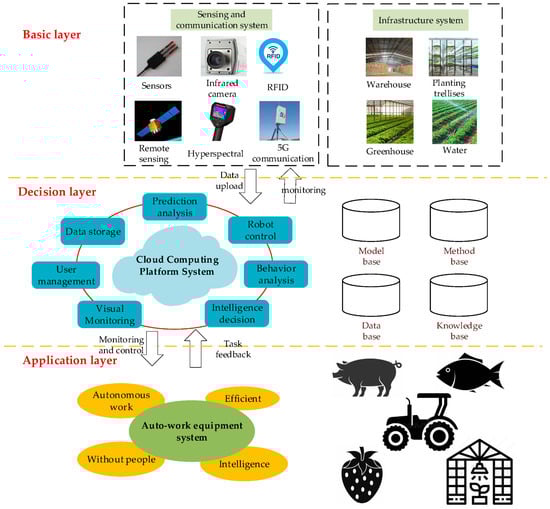
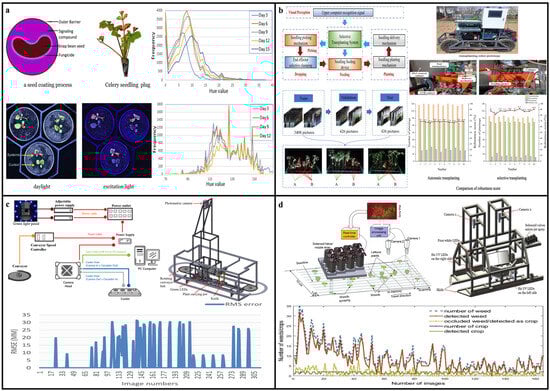
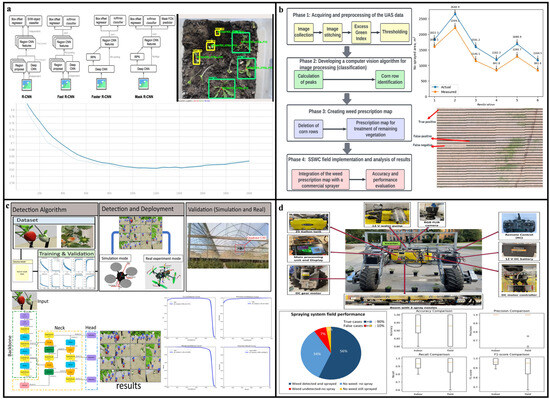
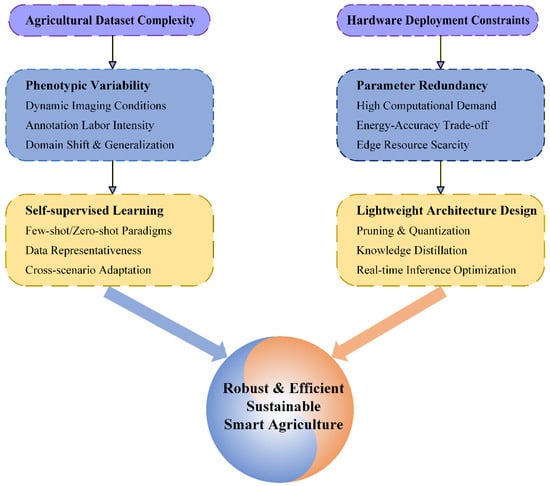
Confronted with the severe imperatives to food security posed by a growing population and the urgent need for sustainable development amid climate change, traditional agricultural models face significant resource-intensive efficiency bottlenecks. Deep learning-based image recognition is driving a future-oriented intelligent agricultural revolution by [...] Read more.
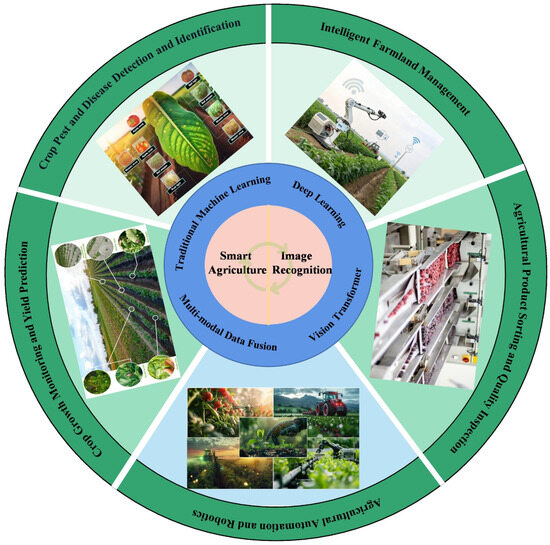
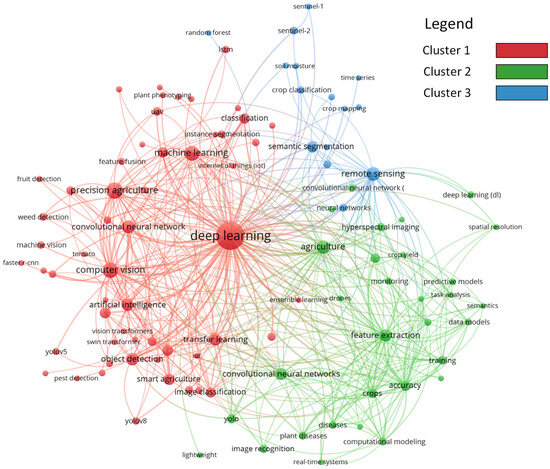
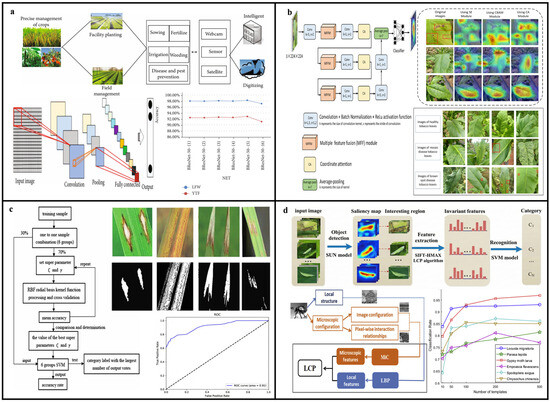
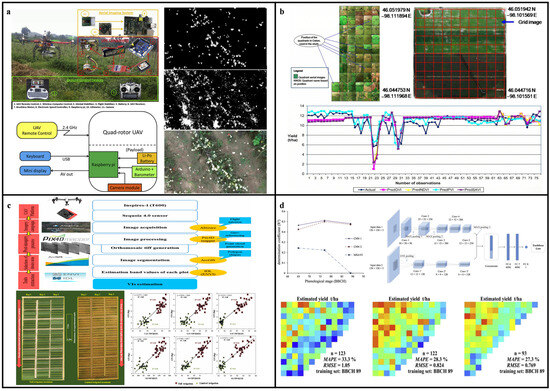
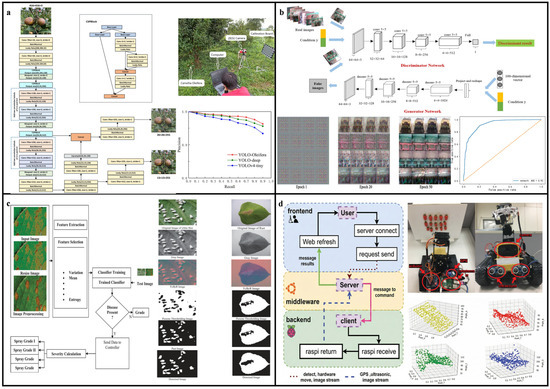
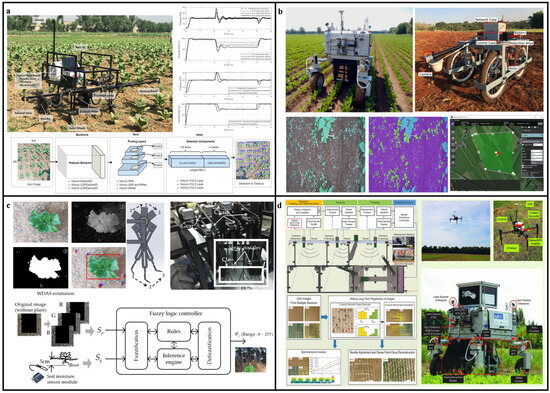
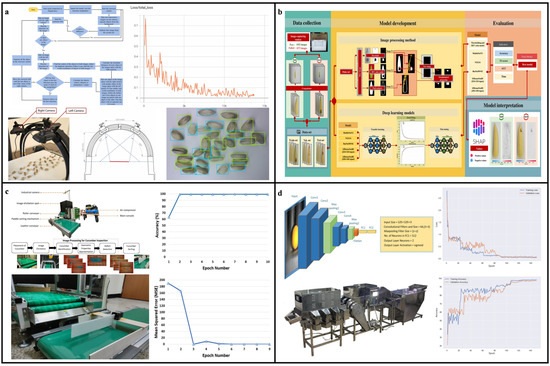
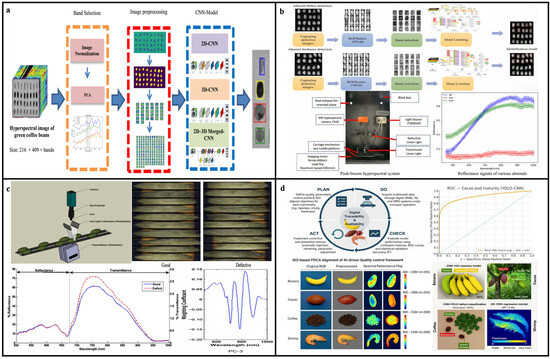
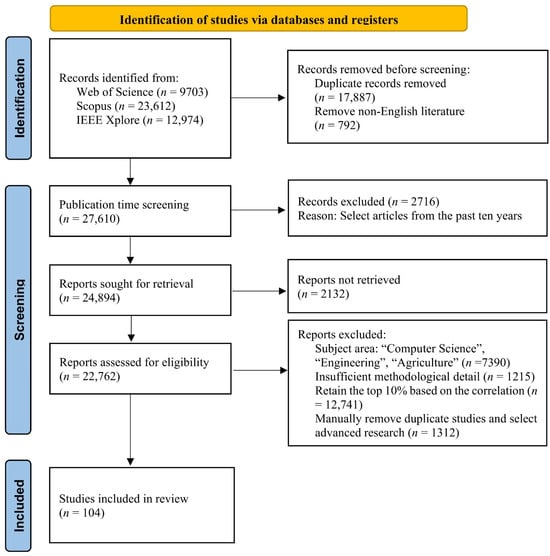
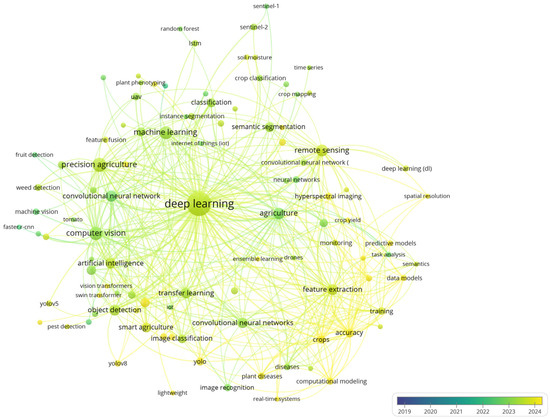
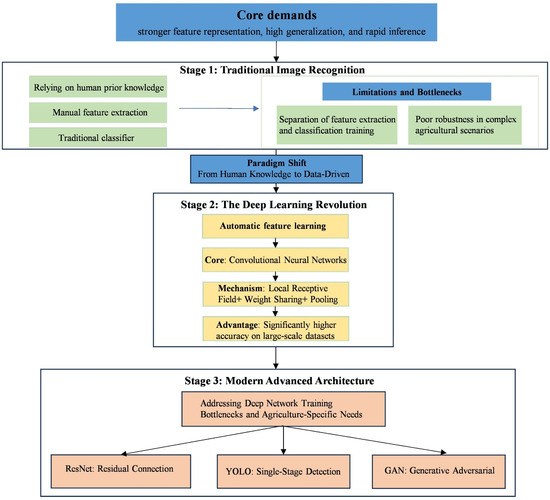
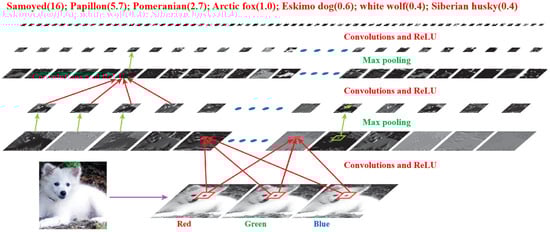
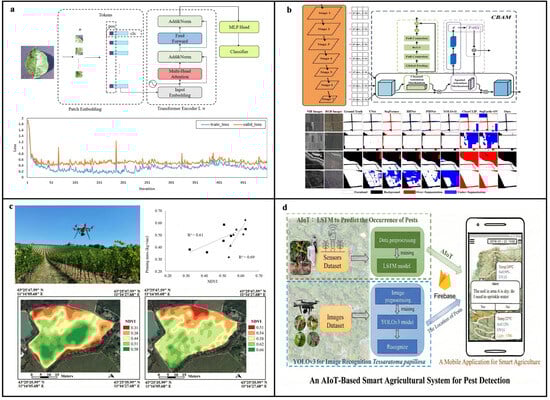
Confronted with the severe imperatives to food security posed by a growing population and the urgent need for sustainable development amid climate change, traditional agricultural models face significant resource-intensive efficiency bottlenecks. Deep learning-based image recognition is driving a future-oriented intelligent agricultural revolution by enabling high-throughput phenotyping and autonomous decision-making across the production chain. This paper systematically reviews key advancements in image recognition within modern agriculture, mapping the fundamental paradigm shift from traditional hand-crafted feature engineering to adaptive deep feature learning. We critically analyze technological implementation and performance across five core application scenarios: high-precision pest and disease diagnosis, spatio-temporal growth monitoring and yield prediction through multi-source image fusion, agricultural robots for automated harvesting, non-destructive quality inspection of products, and intelligent precision management of farmland. The review further identifies critical challenges hindering large-scale technology adoption, primarily centered on the high costs of constructing high-quality agricultural datasets and model robustness in complex field environments. Consequently, this study provides a comprehensive and forward-looking reference for advancing the deep integration of vision technology, thereby offering a strategic path toward achieving more intelligent, efficient, and sustainable global agricultural production systems in the digital era. Full article
(This article belongs to the Section Artificial Intelligence and Digital Agriculture)
Show Figures

Figure 1

23 pages, 10174 KB  
Article
Assessing Flood Susceptibility Using a Data-Driven, GIS-Based Frequency Ratio Model
by Roshan Sewa, Bishal Poudel, Sujan Shrestha, Dewasis Dahal and Ajay Kalra
Atmosphere 2026, 17(3), 231; https://doi.org/10.3390/atmos17030231 (registering DOI) - 24 Feb 2026
Abstract
Flooding is one of the major natural disasters that have a major impact on urban areas due to the increasing intensity of factors like extreme weather conditions, climate change, and unplanned urbanization. Considering Cook County, Illinois, the rapid development of the region, flat [...] Read more.
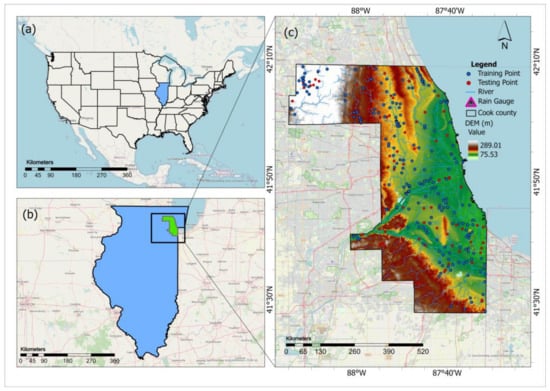
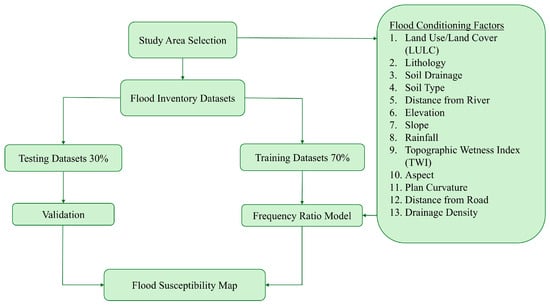
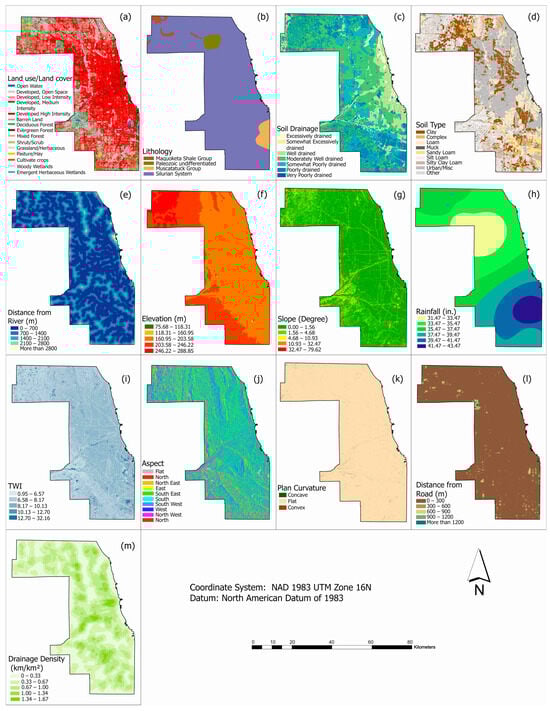
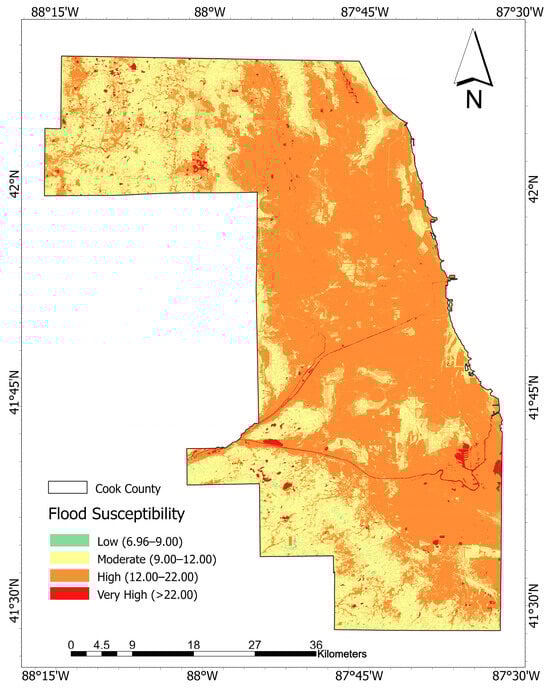
Flooding is one of the major natural disasters that have a major impact on urban areas due to the increasing intensity of factors like extreme weather conditions, climate change, and unplanned urbanization. Considering Cook County, Illinois, the rapid development of the region, flat topography, and the induced rainfall extremes from climate change increase the potential risk of flooding when interacting with dense urban exposure and infrastructure. This study employed the Frequency Ratio (FR) model in a GIS environment to create a high-resolution flood susceptibility map of the county. The map was developed using 281 historical flood points collected from several authoritative sources, such as National Oceanic and Atmospheric Administration (NOAA) Storm Events Database records, Federal Emergency Management Agency (FEMA) Flood Insurance Study (FIS) and Flood Insurance Rate Map (FIRM)-based FIRMette products, and U.S. Geological Survey (USGS) flood-inundation studies. Thirteen conditioning factors, including land use, elevation, slope, soil drainage, rainfall, and distance to the stream, were used to calculate FR values and to develop the Flood Susceptibility Index (FSI). The resulting FSI was grouped into four susceptibility zones: low, medium, high, and very high. The findings indicated that more than 64% of Cook County has a high and very high risk of flood susceptibility, particularly in the vicinity of major river corridors. The model was validated using testing data with a 91.4% prediction accuracy, which also demonstrated the reliability and applicability of the FR model in the urban flood susceptibility assessment. The map serves as a valuable tool for risk-based urban planning and design of flood mitigation infrastructure in one of the most populated counties in the United States. Full article
(This article belongs to the Section Meteorology)
Show Figures

Figure 1

18 pages, 2003 KB  
Article
Annual Load Scenario Generation Using a Hybrid STL and Improved DDPM Approach
by Heran Kang, Hongyang Liu, Jianfei Liu, Ruichen Hao, Xiang Wang, Wenbo Hu, Jie Chen, Wei Yue, Haibo Li and Zongxiang Lu
Inventions 2026, 11(2), 21; https://doi.org/10.3390/inventions11020021 (registering DOI) - 24 Feb 2026
Abstract
To address the limitations of existing annual load scenario generation methods, including insufficient ability to represent long-term trends, excessive randomness in generated scenarios, and inadequate consideration of special holiday conditions, in this paper, an annual load curve generation method is proposed that integrates [...] Read more.
To address the limitations of existing annual load scenario generation methods, including insufficient ability to represent long-term trends, excessive randomness in generated scenarios, and inadequate consideration of special holiday conditions, in this paper, an annual load curve generation method is proposed that integrates Seasonal–Trend decomposition using Loess (STL) with an improved denoising diffusion probabilistic model (DDPM). In the proposed method, the STL algorithm is first applied to decompose the annual load curve into a trend component and a daily seasonal component. The trend component is used as a baseline to ensure that the generated load curves remain consistent with the actual long-term trend characteristics. On this basis, an improved diffusion-based denoising model is employed to achieve controllable generation of different types of daily load scenarios. Finally, the generated daily load scenarios are aggregated with the trend component on an hourly basis to construct annual load scenario curves that simultaneously preserve realistic trend behavior and stochastic fluctuations. A case study based on a city in China is used to evaluate the proposed method. The results demonstrate that both the generated daily load scenarios and annual load scenarios outperform existing benchmark methods across multiple quantitative evaluation metrics, thereby validating the effectiveness of the proposed load scenario generation approach. Full article
14 pages, 248 KB  
Article
Safety of an SV-1 Cell Line-Based Varicella Vaccine Before and After Integration into the Expanded Program on Immunization: A Real-World Study in Jiangsu Province, China
by Jing Yu, Yurong Li, Zhiguo Wang, Xiang Sun, Guodong Kang, Borong Xu, Yuanyuan Zhu, Xun Li, Xiaozhe Song, Yonghong Sun, Dongsheng Liu, Yuan Ren, Xueyan Sha and Ran Hu
Vaccines 2026, 14(3), 200; https://doi.org/10.3390/vaccines14030200 (registering DOI) - 24 Feb 2026
Abstract
Background/Objectives: Varicella is a highly contagious childhood disease that may cause severe complications in susceptible populations. The SV-1 cell line-based varicella vaccine (VarV [SV-1]) has been increasingly used in routine immunization; however, safety and reporting patterns during the transition from partial use [...] Read more.
Background/Objectives: Varicella is a highly contagious childhood disease that may cause severe complications in susceptible populations. The SV-1 cell line-based varicella vaccine (VarV [SV-1]) has been increasingly used in routine immunization; however, safety and reporting patterns during the transition from partial use to full Expanded Program on Immunization (EPI) implementation remain poorly characterized. This study aimed to evaluate the safety profile and reporting dynamics of VarV (SV-1) before and after its incorporation into the Expanded Program on Immunization in Jiangsu Province, China. Methods: A retrospective observational study was conducted using data from the Jiangsu Provincial Immunization Integrated Service Management Information System and the Chinese National Adverse Event Following Immunization (AEFI) Information System (CNAEFIS), including all reported AEFI following VarV (SV-1) vaccination among children under 6 years of age during 2021–2023. Temporal trends, distribution characteristics, and factors associated with AEFI reporting were assessed using descriptive analyses, negative binomial (NB) regression models, and interrupted time series (ITS) analysis. Results: A total of 1,208,500 doses of VarV (SV-1) were administered, and 634 AEFI cases were reported, corresponding to an overall reporting rate of 52.46 per 100,000 doses. Most reported events were mild, self-limiting common reactions, predominantly pyrexia and injection-site reactions. No serious adverse events were identified. Although no immediate level change was observed at EPI implementation, a significant increasing post-EPI trend was detected, consistent with enhanced surveillance sensitivity rather than a change in intrinsic vaccine safety. Abnormal reactions were rare and resolved without sequelae. Conclusions: AEFI reporting rates following VarV (SV-1) vaccination in Jiangsu Province were within expected ranges, predominantly mild and reversible. Findings support the favorable safety profile of the VarV (SV-1) in routine childhood immunization programs and provide real-world evidence to support continued implementation of the two-dose varicella vaccination strategy within the EPI. Full article
(This article belongs to the Special Issue Vaccine Efficacy and Disease Burden Evaluation)
22 pages, 741 KB  
Article
Architectural and Operational Drivers of Bedside Light Exposure Across Neonatal, Paediatric, and Adult Intensive Care Units: A Multicentre Real-World Study
by Gizem Izmir Tunahan, Feyza Inceköy Girgin, Dincer Yildizdas, Merih Cetinkaya, Seyma Kilic and Soyhan Bagci
Buildings 2026, 16(5), 896; https://doi.org/10.3390/buildings16050896 (registering DOI) - 24 Feb 2026
Abstract
Light is a critical regulator of circadian physiology, yet its delivery in intensive care units (ICUs) is primarily determined by architectural features and clinical workflows rather than by biological timing. This multicentre study (34 ICUs across nine hospitals) investigated bedside light exposure (illuminance [...] Read more.
Light is a critical regulator of circadian physiology, yet its delivery in intensive care units (ICUs) is primarily determined by architectural features and clinical workflows rather than by biological timing. This multicentre study (34 ICUs across nine hospitals) investigated bedside light exposure (illuminance and correlated colour temperature [CCT]) in neonatal (NICU), pediatric (PICU), and adult ICUs under routine operational conditions. Measurements were performed at the patient’s eye level during morning, afternoon, and evening/night periods, with ceiling luminaires switched on and off, and stratified by window proximity. Extreme operational heterogeneity was observed, with median morning bedside illuminance spanning more than a tenfold range across centres, and most ICUs failing to reach either the biologically referenced daytime level of ≥200 lux or the EN 12464-1 bedside task reference level of 500 lux. Artificial lighting increased illuminance but did not consistently mitigate spatial inequities related to window proximity. Spectral characteristics varied markedly at the same time. The use of artificial lighting frequently altered CCT, often reducing it by more than 1500 K, thereby overriding natural daylight cues and shifting the spectral environment toward an earlier circadian phase. These findings highlight the need to treat ICU lighting as a designable, population-sensitive environmental exposure, integrating architectural layout, operational practice, and temporal intent to support both clinical care and circadian health. Full article
20 pages, 1735 KB  
Article
An Adaptive PID Control Strategy Based on Offline–Online Cooperative Optimization
by Jichi Yan, Jizhen Li, Mingfan Chen, Huijia Zhou and Yannan Yu
Electronics 2026, 15(5), 921; https://doi.org/10.3390/electronics15050921 (registering DOI) - 24 Feb 2026
Abstract
To address the difficulty of simultaneously achieving fast response, high stability, and strong disturbance rejection in gimbal systems operating under complex conditions, an adaptive control strategy based on offline–online cooperative optimization is proposed. The method is built upon the conventional proportional–integral–derivative (PID) control [...] Read more.
To address the difficulty of simultaneously achieving fast response, high stability, and strong disturbance rejection in gimbal systems operating under complex conditions, an adaptive control strategy based on offline–online cooperative optimization is proposed. The method is built upon the conventional proportional–integral–derivative (PID) control framework. First, a particle swarm optimization (PSO) algorithm is employed offline to obtain an optimized set of initial control parameters, thereby improving the transient response during the startup phase. Subsequently, a single-neuron adaptive (SNA) mechanism is introduced to adjust the control parameters online according to real-time error information, enhancing the system’s adaptability to environmental variations and external disturbances. Stability analysis demonstrates the convergence of the proposed control scheme. Finally, an experimental gimbal platform is constructed to validate the effectiveness of the method. Experimental results show that, under various disturbance conditions, the proposed strategy effectively reduces angular fluctuation amplitude, shortens the settling time, and maintains smooth control performance. These results indicate that the proposed control strategy exhibits strong robustness and significant engineering applicability. Full article
21 pages, 317 KB  
Review
Review of Risk Factors Opioid Misuse and Addiction Following Traumatic Injury
by Nicholas J. Lawler, Bipasha Sobhani, Ejura Yetunde Salihu, Hannah Muller, Jordan Edwards, Megan Ringo and Randall Brown
Healthcare 2026, 14(5), 564; https://doi.org/10.3390/healthcare14050564 (registering DOI) - 24 Feb 2026
Abstract
Traumatic injuries represent a significant public health challenge, affecting millions worldwide annually and necessitating acute pain management that frequently involves the use of opioid analgesics to mitigate discomfort and facilitate recovery. Although opioids remain an integral part of post-traumatic injury pain management, their [...] Read more.
Traumatic injuries represent a significant public health challenge, affecting millions worldwide annually and necessitating acute pain management that frequently involves the use of opioid analgesics to mitigate discomfort and facilitate recovery. Although opioids remain an integral part of post-traumatic injury pain management, their use exposes trauma survivors to the risk of developing persistent use, misuse, or opioid use disorder (OUD). Pre-injury health determinants, such as age, gender, psychiatric conditions, medical conditions, and substance use history, may interact with injury-related factors to acutely escalate the risk for misuse and addiction. Despite the growing recognition of these potential vulnerabilities, there remains a lack of evidence-based clinical decision support on modifiable and non-modifiable risk factors specific to post-traumatic injury opioid risk trajectories. This review summarizes the literature related to the multifactorial contributors to opioid misuse and addiction following traumatic injury such as patient-level (e.g., demographics, behavioral health), injury-related (e.g., severity, type), and system-level (e.g., prescribing patterns) characteristics. A comprehensive literature search, inclusive of the literature from 1995 to November 2025, was performed in PubMed/MEDLINE, Scopus, and Google Scholar using combinations of terms related to “opioids,” “misuse,” “addiction,” “trauma,” and “injury.” Search keywords and operators were developed in collaboration with a university librarian. Reference lists of articles were searched and synthesized. Case reports, case series, editorials, mini-reviews, letters to editor without original data, and qualitative studies were excluded. The findings of the review are expected to provide insight into clinical-decision making as it relates to the management of pain, pain-related distress and functional impact, and co-occurring conditions that may impact injury-related outcomes and the potential likelihood of substance misuse and addiction. Full article
11 pages, 401 KB  
Article
Readiness and Implementation of Evidence-Based Practice Among Physiotherapists: A Cross-Sectional Study and Evidence-Based Practice Questionnaire Validation
by Christi Ojaste, Jarek Mäestu and Kadri Medijainen
J. Clin. Med. 2026, 15(5), 1716; https://doi.org/10.3390/jcm15051716 (registering DOI) - 24 Feb 2026
Abstract
Background/Objectives: Evidence-based practice (EBP) is a core competence in physiotherapy, yet its implementation in routine clinical practice remains inconsistent. This study aimed to describe self-reported EBP competencies among physiotherapists and to examine factors associated with daily EBP and readiness to implement EBP. [...] Read more.
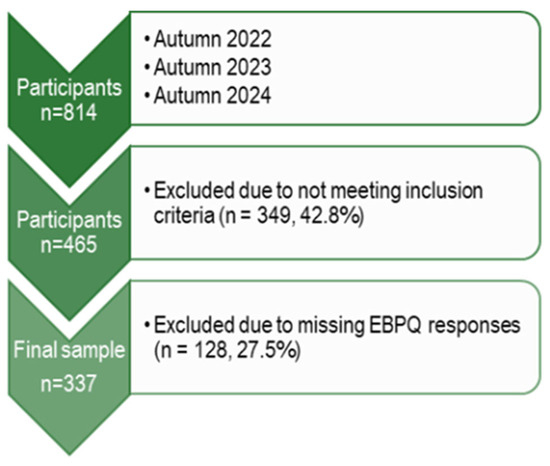
Background/Objectives: Evidence-based practice (EBP) is a core competence in physiotherapy, yet its implementation in routine clinical practice remains inconsistent. This study aimed to describe self-reported EBP competencies among physiotherapists and to examine factors associated with daily EBP and readiness to implement EBP. Methods: A cross-sectional analytic survey was conducted among 337 practicing Estonian physiotherapists (75% female) between 2022 and 2024. EBP competencies were assessed using the Estonian version of the Evidence-Based Practice Questionnaire (EBPQ-E). Two multiple linear regression models examined associations of demographic and professional characteristics and EBP competencies with (1) daily EBP and (2) readiness to implement EBP. Results: The mean total EBPQ-E score was 4.72 (SD = 0.89), with the highest scores in Attitude, followed by Knowledge/Skills, Practice, and Sharing. While physiotherapists strongly endorsed the value of EBP, critical appraisal and knowledge sharing were less frequent. Readiness to implement EBP was associated with supervisory experience, dual employment, and working with colleagues (p < 0.05), explaining 7.5% of the variance. Daily EBP was primarily explained by EBP competencies (40.8% variance), whereas 5–10 years of qualification showed a negative association. Conclusions: While professional and contextual factors support readiness for EBP, sustained implementation relies on continuous competency development and career-long support for practicing physiotherapists, shifting focus away from static background characteristics, workload, and time constraints. Full article
(This article belongs to the Special Issue Evidence-Based Physiotherapy: Prospects and Challenges)
Show Figures

Figure 1

10 pages, 1181 KB  
Communication
Impedimetric Detection of Free Fatty Acids in Patient Serum Using Commercially Available Screen-Printed Carbon Electrode
by İsmail Oran, Halil İbrahim Özdemir, Turgay Yılmaz Kılıç, Hilmiye Deniz Ertuğrul Uygun, Hakan Gökalp Uzun, Barış Kılıçaslan, Evrim Şimşek, Yusuf Ali Altuncı, Şadiye Mıdık and Ali Murat Ergin
Chemosensors 2026, 14(3), 53; https://doi.org/10.3390/chemosensors14030053 (registering DOI) - 24 Feb 2026
Abstract
Objective: The performance of chrono-impedance measurement, a novel electrochemical method for determining free fatty acids (FA), was evaluated in a real-world clinical setting. Methods: Patients presenting to the emergency department with chest pain or discomfort were included. Routine diagnostic tests were performed in [...] Read more.
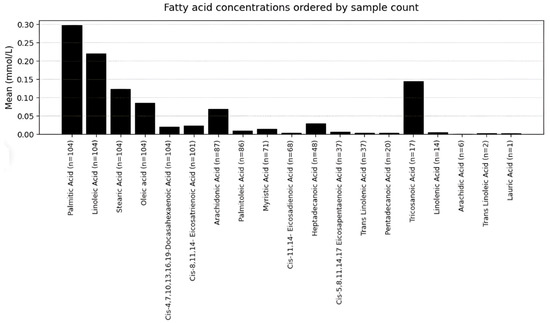
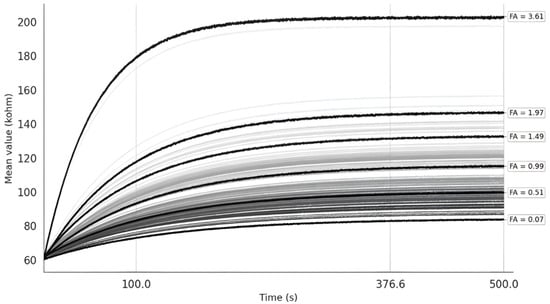
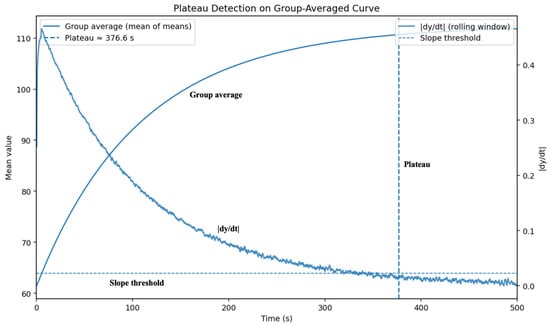
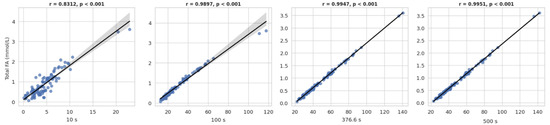
Objective: The performance of chrono-impedance measurement, a novel electrochemical method for determining free fatty acids (FA), was evaluated in a real-world clinical setting. Methods: Patients presenting to the emergency department with chest pain or discomfort were included. Routine diagnostic tests were performed in accredited laboratories. Chrono-impedance was measured using a screen-printed carbon electrode connected to a dedicated potentiostat. Serum total free-FA levels were determined by gas chromatography with flame ionization detection. Results: Among 104 patients, 21 received a specific diagnosis, while the remaining 83 patients were discharged with non-specific pain. Mean free-FA level was 0.9 ± 0.6 mM. Palmitic, linoleic, stearic, oleic, and arachidonic acids accounted for 74.9% of total free FAs. Impedance plots showed a characteristic logarithmic increase over time for all patients. When instantaneous impedance values at four different time points (10, 100, 376.6, and 500 s) were examined, a significantly strong correlation was observed between impedance and FA molarity (r = 0.8312, 0.9897, 0.9947, and 0.9951) and FA weight (r = 0.9572, 0.9878, 0.9996, and 0.9998), respectively. Conclusions: Chrono-impedance demonstrated a very high correlation with total free-FA levels in real patient samples. Full article
(This article belongs to the Section Electrochemical Devices and Sensors)
Show Figures

Figure 1

23 pages, 3154 KB  
Article
Structural, Dielectric, and Impedance Properties of Sintered Al6Si2O13 Composite for Electronic Applications
by Nassima Riouchi, Oussama Riouchi, Abderrahmane Elmelouky, Mohammed Mansori, Boštjan Genorio, Petranka Petrova, Soufian El Barkany, Mohamed Abou-Salama and Mohamed Loutou
J. Compos. Sci. 2026, 10(3), 118; https://doi.org/10.3390/jcs10030118 (registering DOI) - 24 Feb 2026
Abstract
Mullite (Al6Si2O13), an aluminosilicate with remarkable thermal and dielectric properties, is a promising material for advanced electronic applications. This study focuses on a sintered mullite composite and examines its structural, morphological, dielectric, and electrical properties. X-ray diffraction [...] Read more.
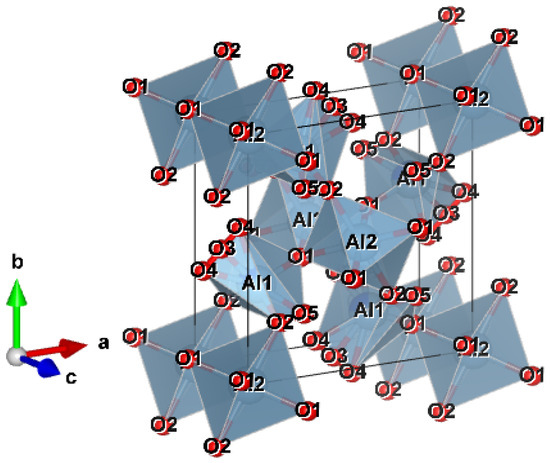
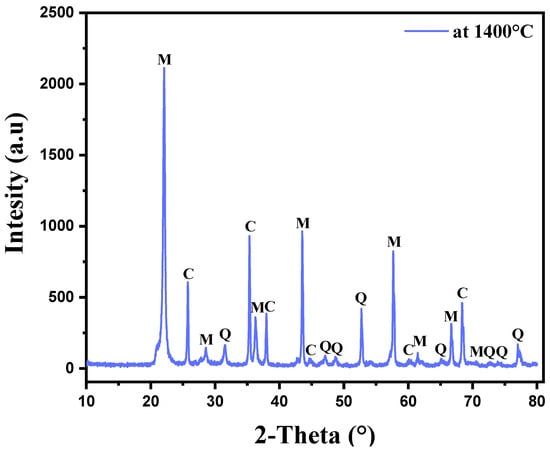
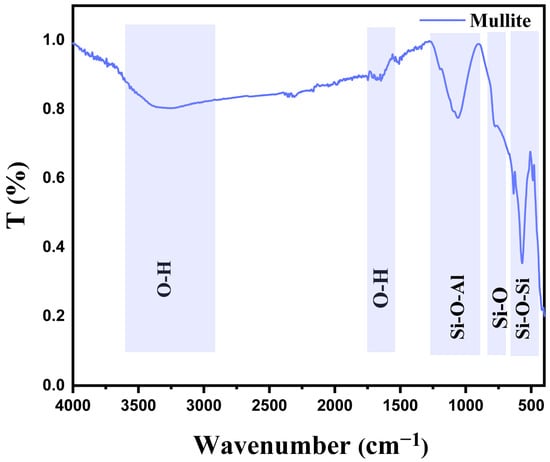
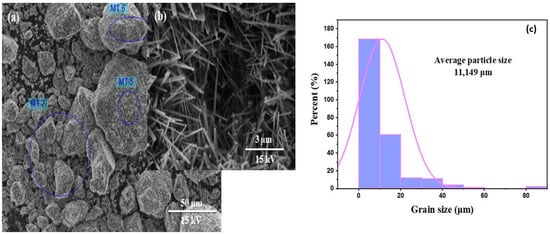
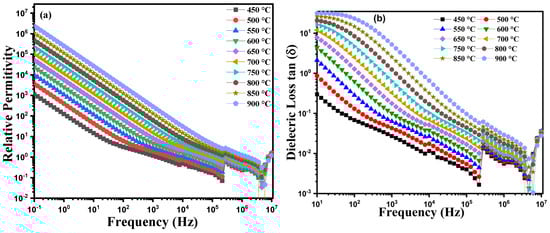
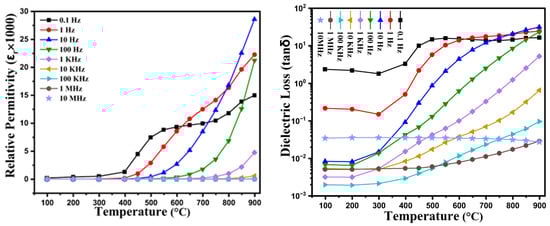
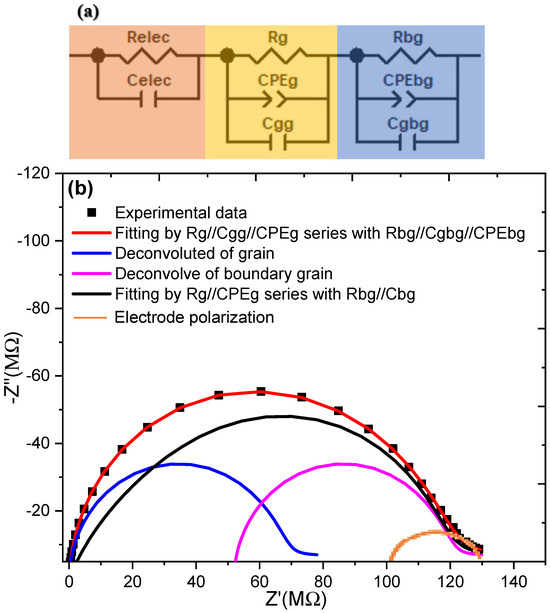
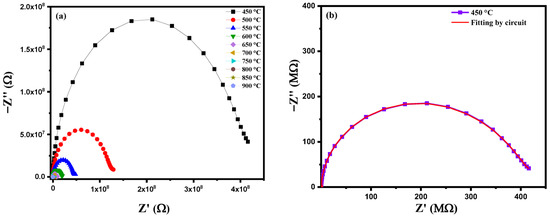
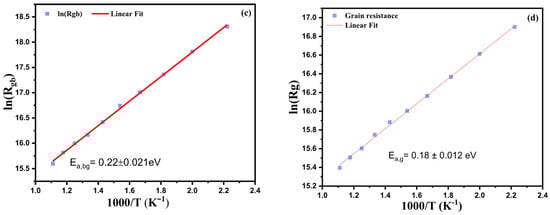
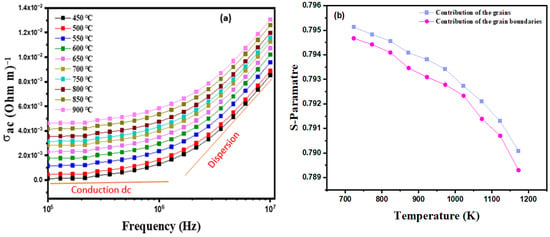
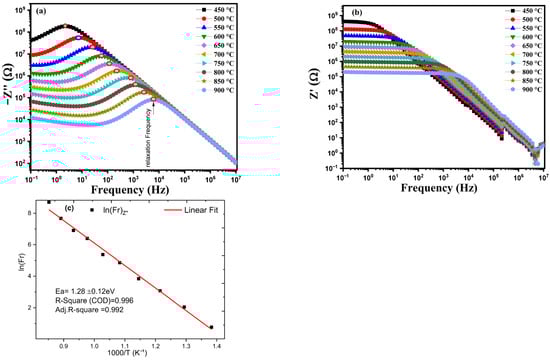
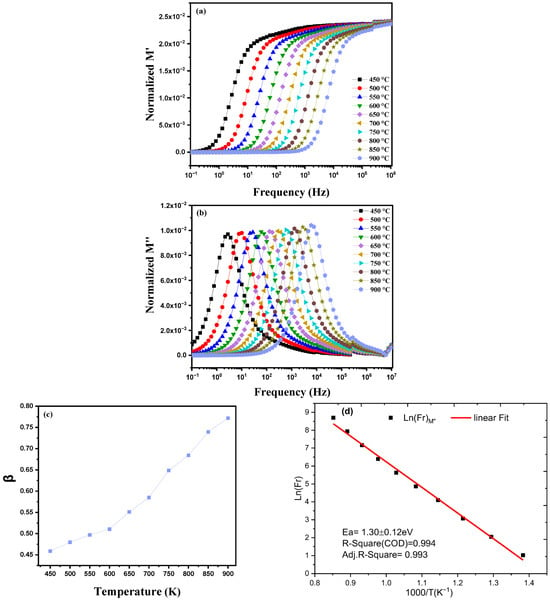
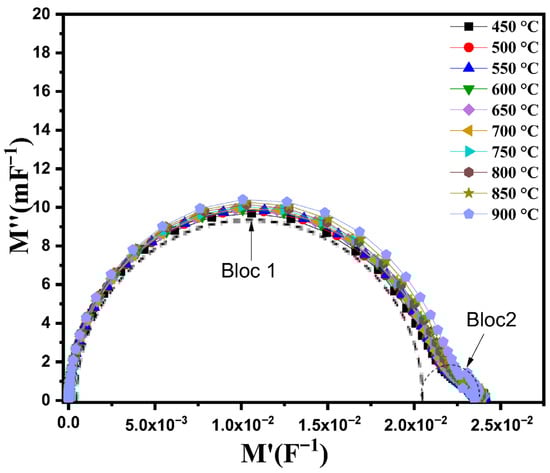
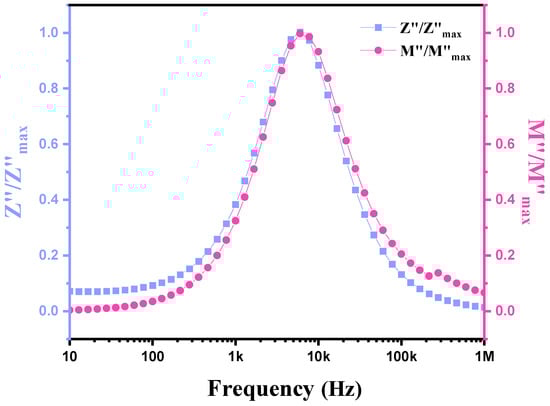
Mullite (Al6Si2O13), an aluminosilicate with remarkable thermal and dielectric properties, is a promising material for advanced electronic applications. This study focuses on a sintered mullite composite and examines its structural, morphological, dielectric, and electrical properties. X-ray diffraction and scanning electron microscopy analyses confirm a well-defined crystalline structure and a homogeneous microstructure. Impedance spectroscopy measurements reveal a high relative permittivity at low frequencies, dominated by interfacial and jump polarization mechanisms. Electrical conductivity follows Jonscher’s double-power law, reflecting mixed ionic and electronic conduction due to contributions from grains and grain boundaries. Analysis of the Nyquist diagrams shows a marked decrease in resistances with increasing temperature: The grain resistance decreases from 21.87 MΩ to 4.85 MΩ, while that of the grain boundaries decreases from 89.44 MΩ to 5.94 MΩ between 450 °C and 900 °C. In addition, the relative permittivity increases sharply with temperature, from 25 × 103 to 350 × 103 at 1 kHz and from 200 to 1 × 10³ at 1 MHz over the same temperature range, highlighting the dominant influence of temperature and low frequencies on polarization mechanisms. These results confirm the strong potential of sintered mullite for electronic applications. The activation energy of the grain and grain boundary were determined to be Ea,g = 0.18 eV and Ea,bg = 0.22 eV, respectively. Full article
(This article belongs to the Section Composites Manufacturing and Processing)
Show Figures

Figure 1

29 pages, 1979 KB  
Article
SFWA-TweetyNet: Cross-Regional Acoustic Analysis of Red-Winged Blackbird Vocalizations via Automated Syllable Annotation
by Zhicheng Zhu, Ziqian Wang, Danju Lv, Yan Zhang, Yueyun Yu, Ting Zhou and Haifeng Xu
Diversity 2026, 18(3), 132; https://doi.org/10.3390/d18030132 (registering DOI) - 24 Feb 2026
Abstract
The syllable is the most fundamental acoustic unit in bird vocalizations and is highly informative of species-specific behavioral characteristics. However, because syllables vary significantly across different species and environments, existing syllable extraction methods still rely on manual or semi-automatic processing, which constrains deep [...] Read more.
The syllable is the most fundamental acoustic unit in bird vocalizations and is highly informative of species-specific behavioral characteristics. However, because syllables vary significantly across different species and environments, existing syllable extraction methods still rely on manual or semi-automatic processing, which constrains deep learning-based research on birdsong syllables. This study proposes SFWA-TweetyNet for automatic syllable annotation and applies it to the red-winged blackbird (Agelaius phoeniceus), achieving a validation accuracy of 0.978 and a loss of 0.073. Based on high-quality syllable recognition, this study conducted exploratory cross-regional and cross-seasonal acoustic comparisons at the syllable level to demonstrate a syllable-based analytical framework. Specifically: (1) Acoustic features were extracted from the principal syllables and analyzed using the Kruskal–Wallis test to explore potential variations in acoustic characteristics across regions and seasons; (2) A syllable-based frequency-weighted Acoustic Complexity Index (FW-ACI) was proposed to demonstrate how FW-ACI can be applied for acoustic analysis within the proposed framework, with the Kruskal–Wallis test used as an exploratory statistical tool. In addition, this study constructs a high-quality syllable-level dataset of red-winged blackbird vocalizations, providing important foundational data resources for automatic birdsong annotation, cross-domain soundscape analysis, and avian ecological and behavioral research. Full article
(This article belongs to the Section Biodiversity Conservation)
27 pages, 11428 KB  
Article
Experimental Investigation on the Fracture Behavior of Basalt Fiber-Reinforced Shotcrete
by Junbo Guo, Wei Shi, Kun Wang, Lingze Li and Dingjun Xiao
Materials 2026, 19(5), 842; https://doi.org/10.3390/ma19050842 (registering DOI) - 24 Feb 2026
Abstract
Basalt fiber-reinforced concrete is increasingly being used in shotcrete support systems for rock mass excavation engineering due to its superior mechanical properties and durability. Rapid freeze–thaw cycling tests were performed to simulate freeze–thaw conditions in order to meticulously investigate the dynamic and static [...] Read more.
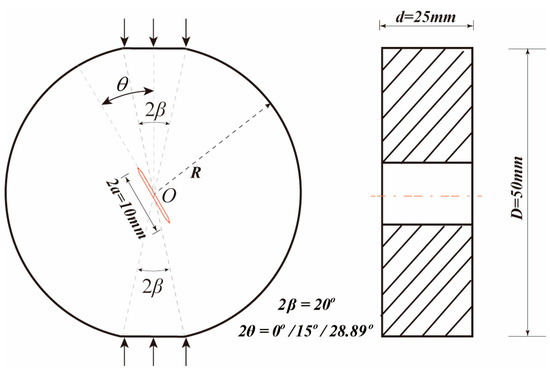
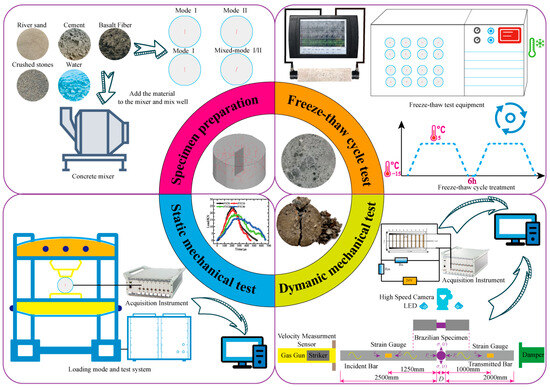
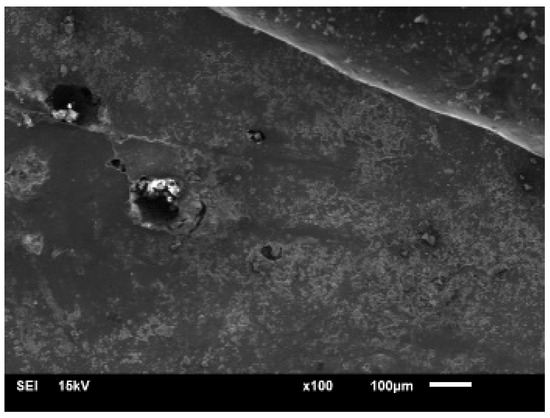
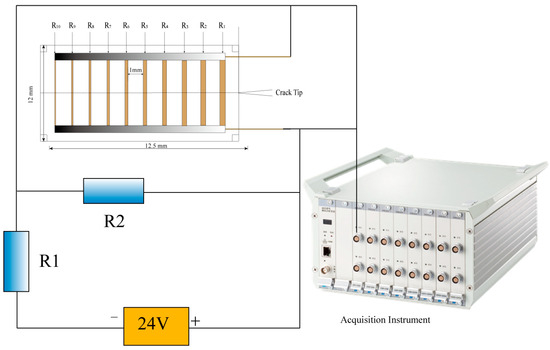
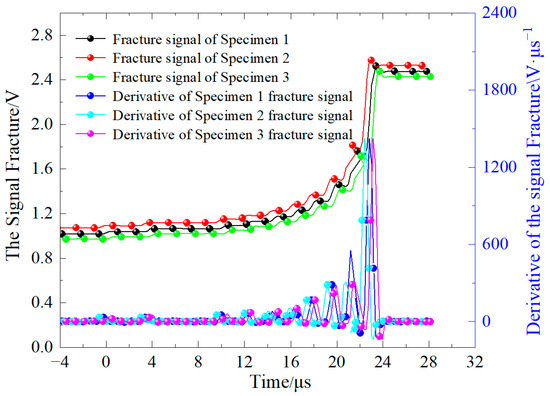
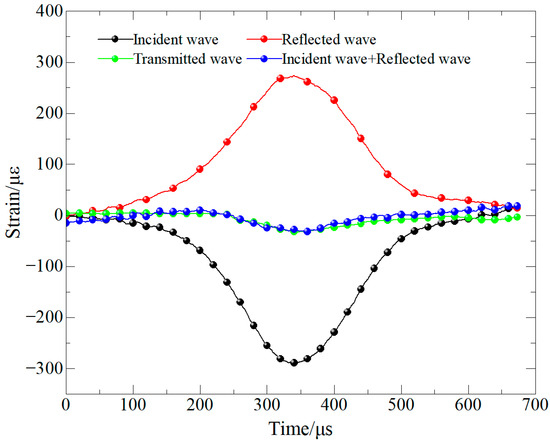
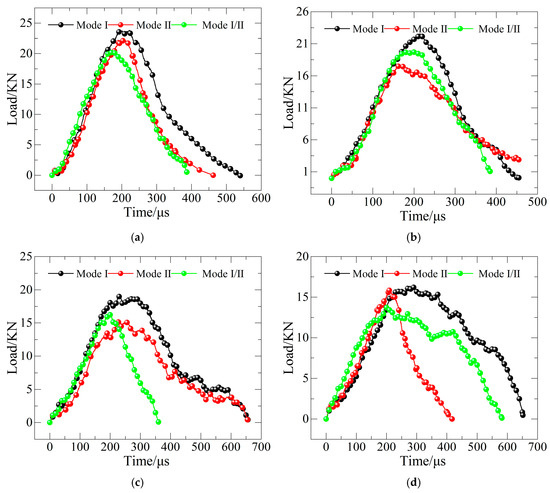
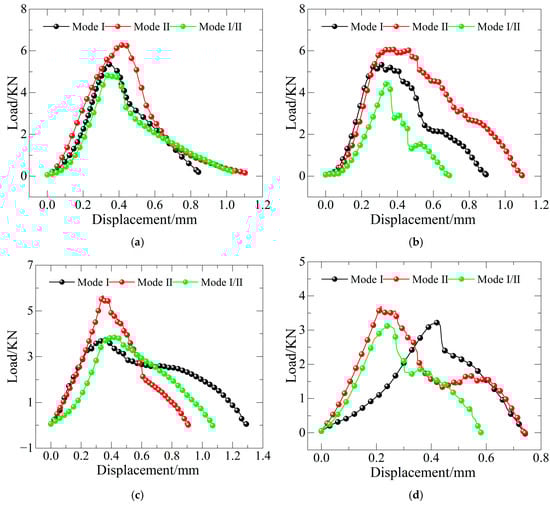
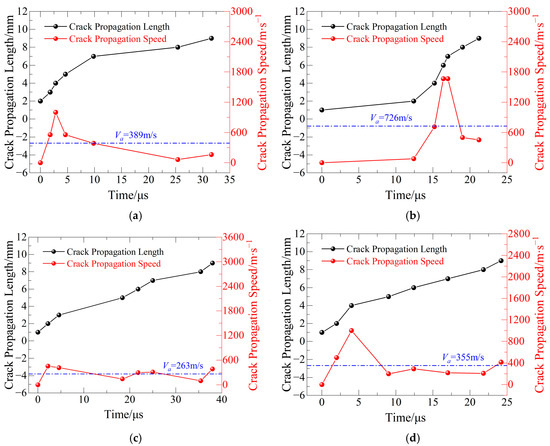
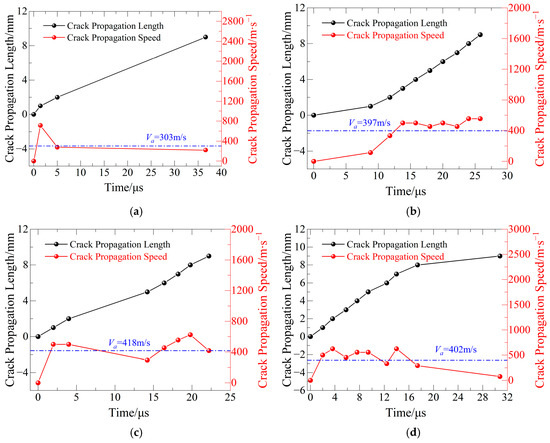
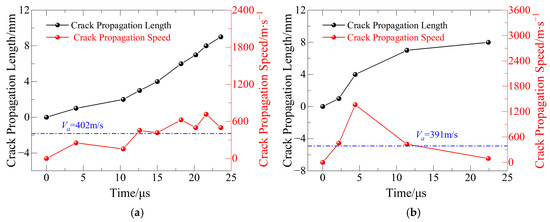
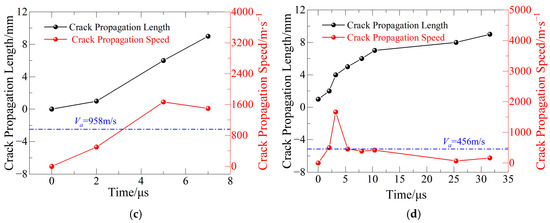
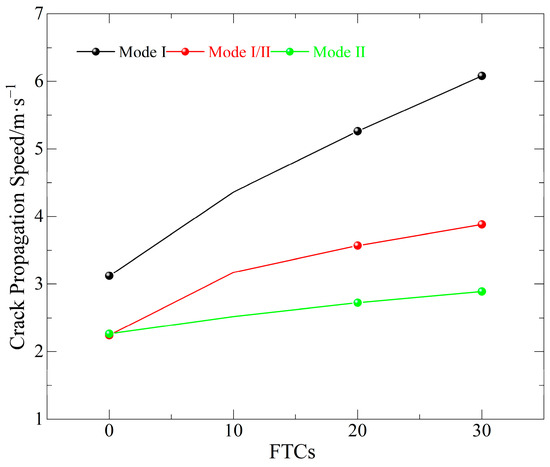
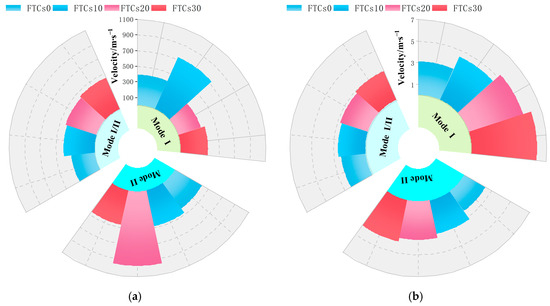
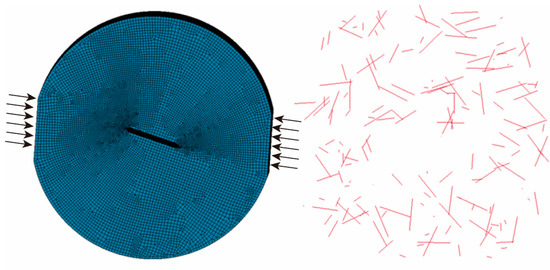
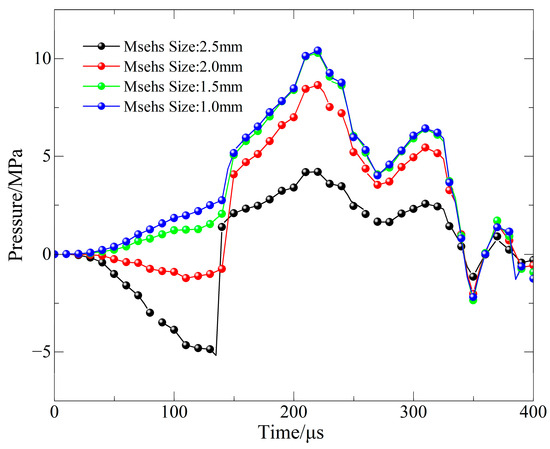
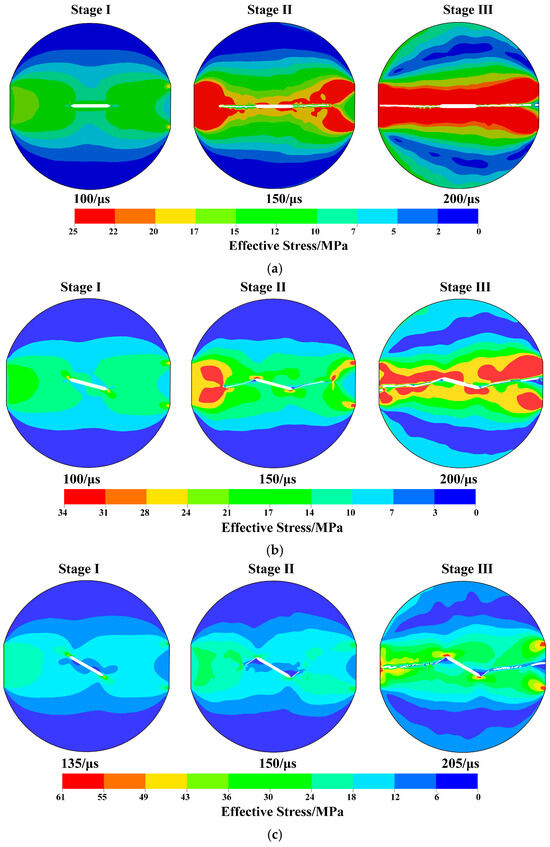
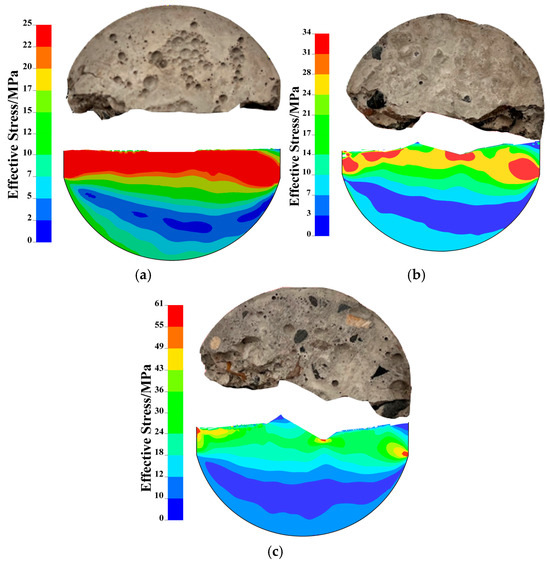
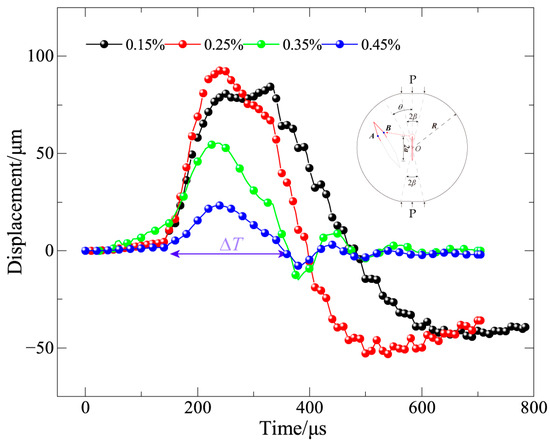
Basalt fiber-reinforced concrete is increasingly being used in shotcrete support systems for rock mass excavation engineering due to its superior mechanical properties and durability. Rapid freeze–thaw cycling tests were performed to simulate freeze–thaw conditions in order to meticulously investigate the dynamic and static fracture behaviors of basalt fiber-reinforced concrete in freeze–thaw environments. Then, utilizing a Split Hopkinson Pressure Bar (SHPB) system and rock testing equipment, dynamic and static fracture tests were performed on developed Mode I, mixed-mode I/II, and Mode II platform Brazilian disk specimens. Under freeze–thaw conditions, the dynamic and static fracture propagation velocities of specimens with diverse crack propagation modes were determined. Based on this, LS-DYNA numerical simulations were used to perform inverse evaluations of crack propagation processes in specimens with varied fracture modes and Mode I fracture specimens with variable basalt fiber contents. We were able to calculate the effective stress field distributions during crack propagation with dynamic loading. The data indicate that different fracture modes present significantly distinct crack propagation issues. Pure Mode I fracture specimens exhibit the most straightforward crack propagation, with a maximum effective stress of roughly 25 MPa after crack penetration. With a maximum effective stress of around 31 MPa following crack penetration, the mixed-mode I/II fracture specimens exhibit considerable propagation difficulties. Mode II fracture specimens are the hardest to propagate after crack penetration because of their maximum effective stress of 64 MPa. Additionally, the optimal basalt fiber content was determined to be in the range of 0.35% to 0.45%, at which the concrete exhibited the best fracture toughness and freeze–thaw resistance. Furthermore, the evolution characteristics of the displacement of the crack tip opening under different fracture modes are revealed. A theoretical basis for stability analysis and design of excavation engineering structures under dynamic stress and associated freeze–thaw conditions is provided by the study’s findings. Full article
Show Figures

Figure 1

12 pages, 849 KB  
Article
Meanings and Practices of Swaddling (qillpu) in Infant Care in Andean Communities
by Edgar Gutiérrez-Gómez, Roxana Rojas-Montes, Sonia Beatriz Munaris-Parco, Roly Auccatoma-Tinco, Adolfo Quispe-Arroyo and Rubén Darío Alania-Contreras
Societies 2026, 16(3), 77; https://doi.org/10.3390/soc16030077 (registering DOI) - 24 Feb 2026
Abstract
Swaddling, known in Quechua as qillpu, is an ancestral practice still in use in Andean communities, linked to cultural conceptions of health, protection, and appropriate ways of raising babies. The objective of the research was to analyze the sociocultural meanings and practices [...] Read more.
Swaddling, known in Quechua as qillpu, is an ancestral practice still in use in Andean communities, linked to cultural conceptions of health, protection, and appropriate ways of raising babies. The objective of the research was to analyze the sociocultural meanings and practices associated with qillpu, as well as the tensions that arise in relation to conventional medicine in the field of childhood. A qualitative ethnographic approach was used, involving in-depth interviews with mothers, participant observation, and interpretive analysis of the discourses collected in Andean communities. The results show that swaddling is perceived as a comprehensive care strategy that promotes rest, bodily symmetry, and the physical and spiritual protection of the child. The testimonies legitimize its use in the face of accusations of abuse, emphasizing its temporary and functional nature. It is concluded that the qillpu maintains a solid symbolic and practical relevance, and therefore its analysis requires an intercultural dialogue that articulates ancestral knowledge with biomedical approaches. Full article
20 pages, 2552 KB  
Article
Metal-Decorated C8 Quantum Dots as Lightweight Hydrogen Storage Materials: A Comprehensive DFT Study
by Seyfeddine Rahali, Ridha Ben Said, Youghourta Belhocine, Suzan Makawi and Bakheit Mustafa
Nanomaterials 2026, 16(5), 286; https://doi.org/10.3390/nano16050286 (registering DOI) - 24 Feb 2026
Abstract
Lightweight, efficient, and reversible hydrogen storage materials are critical for the advancement of hydrogen-based energy technologies. In this work, we present a comprehensive density functional theory (DFT) investigation of hydrogen storage in pristine and metal-decorated C8 carbon quantum dots (CQDs), representing ultrasmall, [...] Read more.
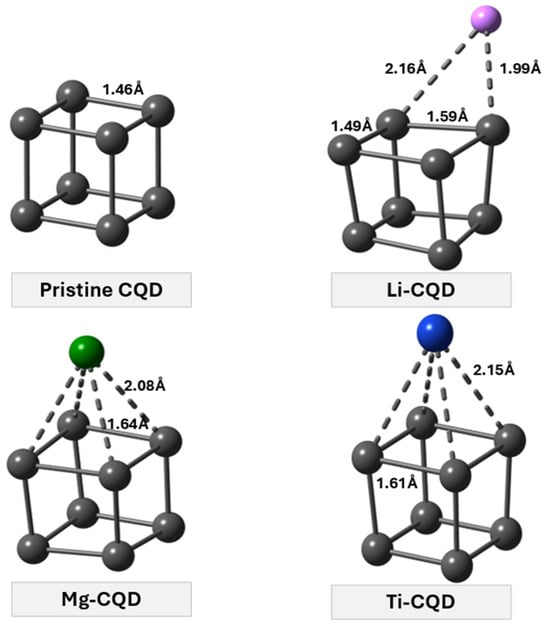
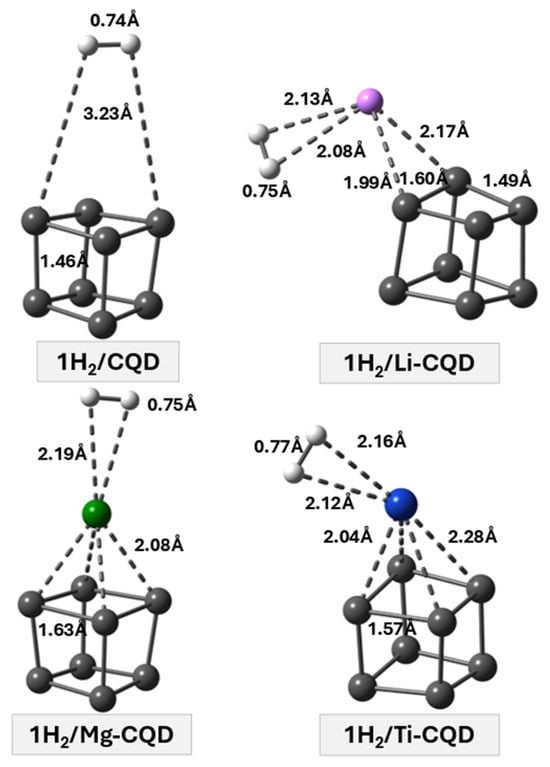
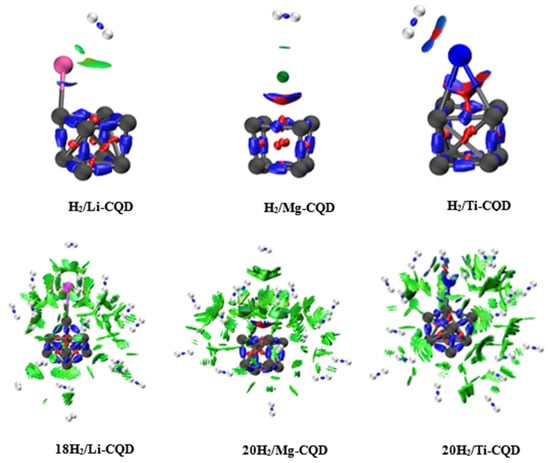
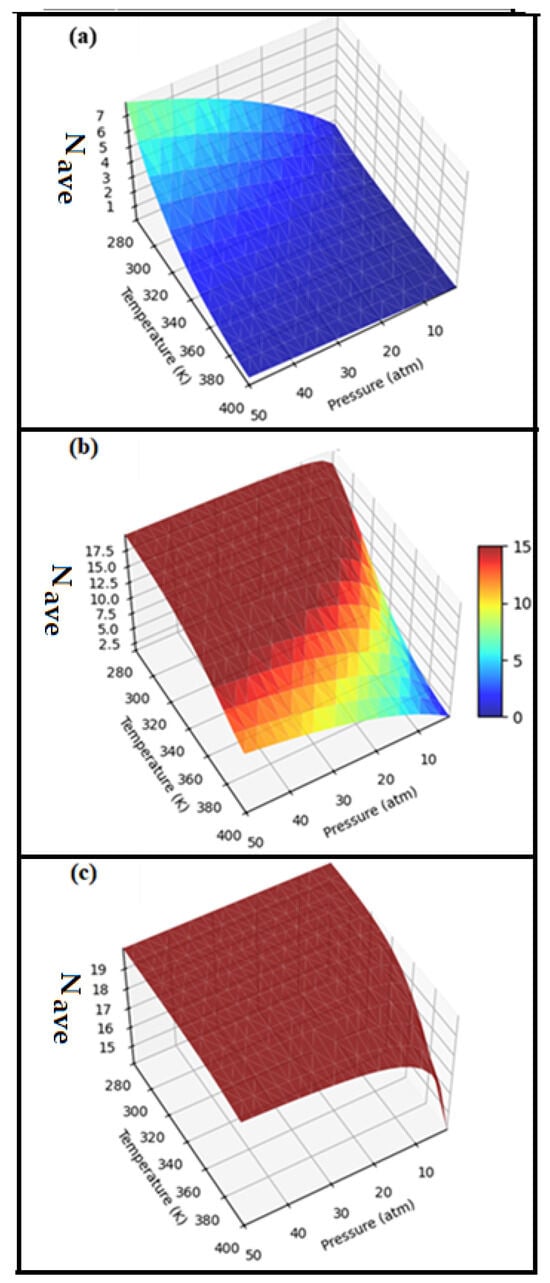
Lightweight, efficient, and reversible hydrogen storage materials are critical for the advancement of hydrogen-based energy technologies. In this work, we present a comprehensive density functional theory (DFT) investigation of hydrogen storage in pristine and metal-decorated C8 carbon quantum dots (CQDs), representing ultrasmall, highly curved nanomaterials at the molecular–nanoscale interface. Lithium, magnesium, and titanium were investigated as representative decorating metals to tailor hydrogen adsorption strength and reversibility. The pristine C8 quantum dot is structurally stable but exhibits negligible hydrogen affinity (−0.062 eV per H2), rendering it unsuitable for practical storage applications. In contrast, metal decoration significantly enhances hydrogen adsorption while preserving molecular H2 physisorption, yielding optimal single-molecule adsorption energies of −0.172, −0.304, and −0.451 eV for Li-, Mg-, and Ti-CQDs, respectively. Sequential adsorption analysis indicates exceptionally high hydrogen uptakes of up to 18 H2 molecules for Li-CQD and 20 H2 molecules for both Mg- and Ti-CQDs, corresponding to very high theoretical gravimetric capacities. Energy decomposition and interaction region analyses demonstrate that hydrogen uptake proceeds via a cooperative physisorption mechanism driven by dispersion, electrostatic, and polarization interactions, strongly enhanced by quantum confinement and extreme curvature effects inherent to the CQD. Grand canonical thermodynamic modeling confirms fully reversible hydrogen storage under practical temperature and pressure conditions. Among the systems studied, Mg-CQD exhibits the most favorable balance between adsorption strength and desorption accessibility, delivering a remarkable reversible gravimetric hydrogen storage capacity of 21.7 wt%, significantly surpassing most metal-decorated graphene-, fullerene-, and carbon nanotube-based materials reported to date. These results establish metal-decorated C8 quantum dots as a new class of high-performance nanomaterials for reversible hydrogen storage and demonstrate the potential of ultrasmall carbon quantum dots to overcome the long-standing trade-off between hydrogen uptake and reversibility in nanostructured storage media. Full article
(This article belongs to the Section Energy and Catalysis)
Show Figures

Figure 1

24 pages, 1410 KB  
Article
Performance Assessment of Fluidized Bed Drying System for Enhancing Drying Efficiency and Quality of Parboiled Rice
by Josiah Ojeniran, Griffiths G. Atungulu and Kaushik Luthra
AgriEngineering 2026, 8(3), 78; https://doi.org/10.3390/agriengineering8030078 (registering DOI) - 24 Feb 2026
Abstract
Parboiling improves rice-milling performance and consumer acceptance; however, drying parboiled rice can be energy intensive and highly sensitive to drying conditions, making it costly for processors. High head rice yield (HRY) and whiteness index (WI) are essential for commercial value because they reduce [...] Read more.
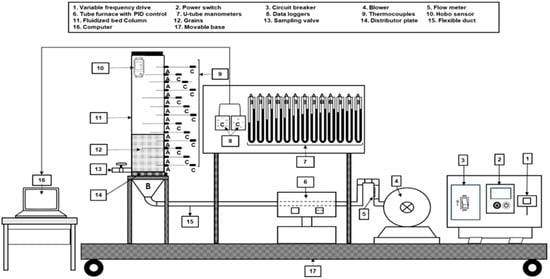
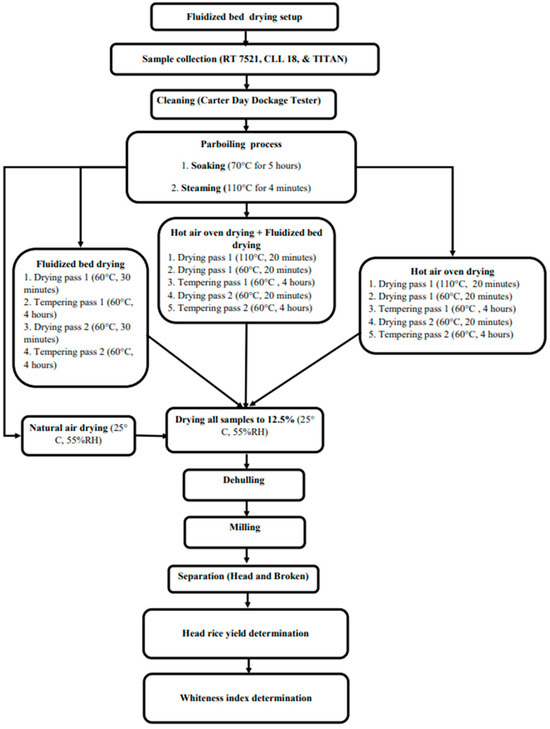
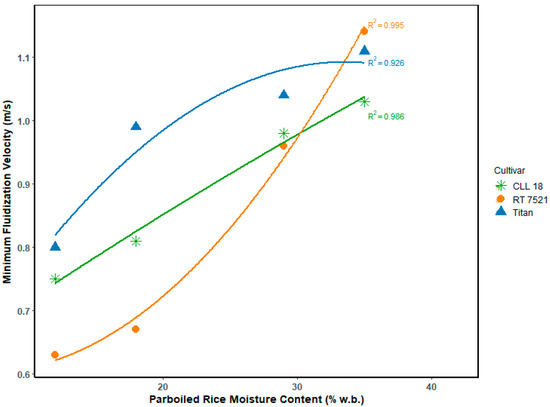
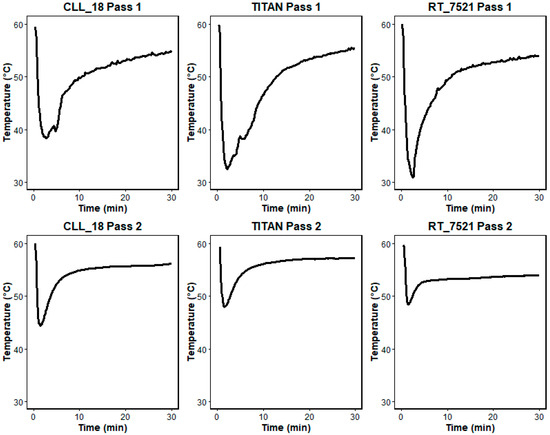
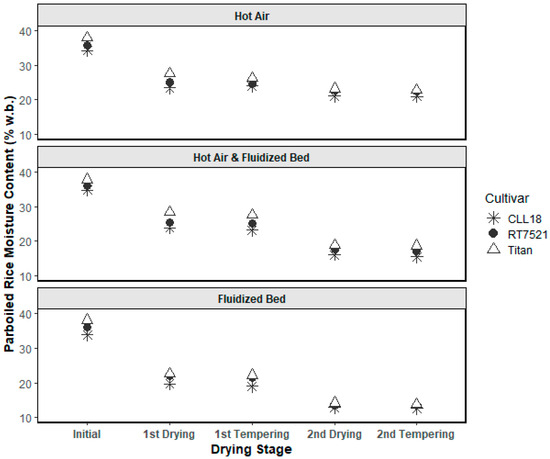
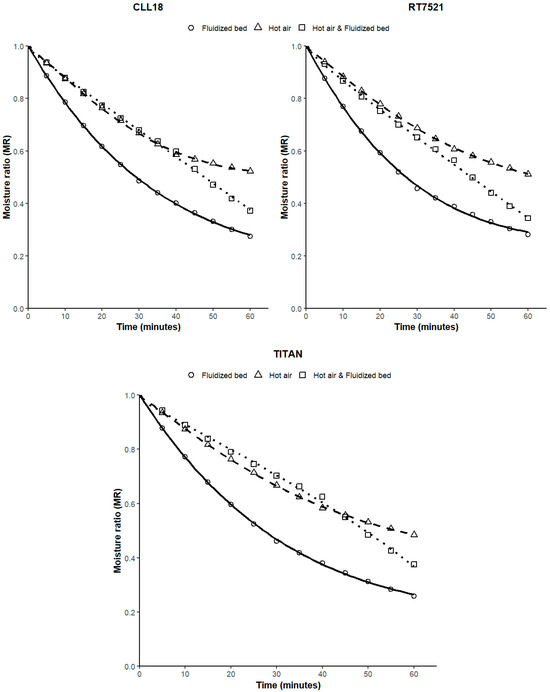
Parboiling improves rice-milling performance and consumer acceptance; however, drying parboiled rice can be energy intensive and highly sensitive to drying conditions, making it costly for processors. High head rice yield (HRY) and whiteness index (WI) are essential for commercial value because they reduce breakage and improve visual quality. In the United States, parboiled rice is typically dried in a two-stage process using rotary drum and crossflow dryers, but the high temperature condition of rotary drums can increase energy demand and compromise rice quality. This study evaluated the drying kinetics, effective moisture diffusivity (Deff), energy consumption, and quality for three common cultivars (CLL 18, RT 7521, and Titan) using four methods: natural air drying (NAD), two-pass hot air oven drying (OO), two-pass fluidized bed drying (FBD), and a hybrid of oven and fluidized bed method (OFBD). Moisture content (MC) was monitored during drying until 12.5% (w.b.) to understand the drying kinetics. FBD achieved the fastest drying, reducing Titan MC from 38.24% to 13.79% (w.b.) in 60 min (two passes). It also produced highest Deff across cultivars and consumed less energy (1.6599 kWh) as compared to OFBD (1.6733 kWh) and OO (1.68 kWh). Among nine thin-layer models explored, the logarithmic model provided the best fit, and Midilli–Küçük and Verma et al. models performed better in specific cases. NAD produced a higher quality of HRY (Titan: 65.33 ± 2.07%) and WI (RT 7521: 63.99 ± 0.25) than FBD but required 7–10 days to reach the target moisture content, limiting industrial applicability. Results from this study show that drying method and rice cultivars significantly influenced parboiled rice quality, and FBD offered efficient drying without compromising parboiled rice quality. Full article
(This article belongs to the Section Pre and Post-Harvest Engineering in Agriculture)
Show Figures

Figure 1

19 pages, 11479 KB  
Article
Synergistic Performance and Reaction Mechanisms of a Carbide Lime-Powdered Glass Composite for Soil Stabilization
by Yao Zhang, Zijie Feng, Yangfei Wu, Degang Liao, Xinyu Fan and Yu Xi
Materials 2026, 19(5), 837; https://doi.org/10.3390/ma19050837 (registering DOI) - 24 Feb 2026
Abstract
Carbide lime (CL) and powdered glass (PG), as industrial by-products, possess significant potential as eco-friendly soil amendment materials. This paper presents a systematic investigation into the effectiveness and reaction mechanisms of a composite material comprising CL and PG for stabilizing dispersive soils. A [...] Read more.
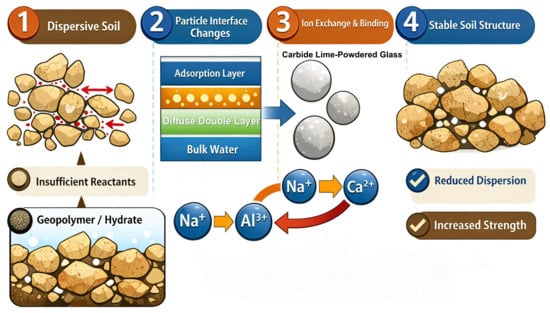
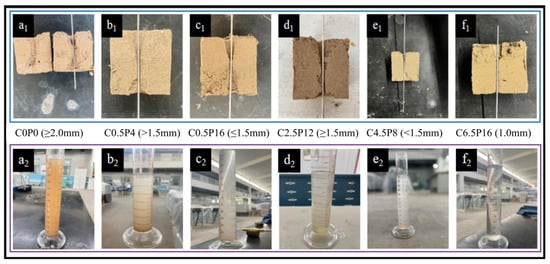
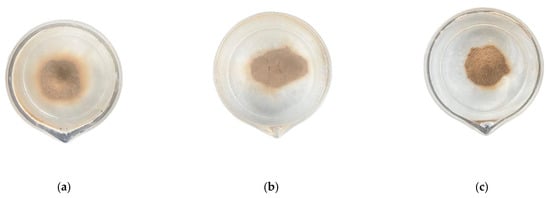
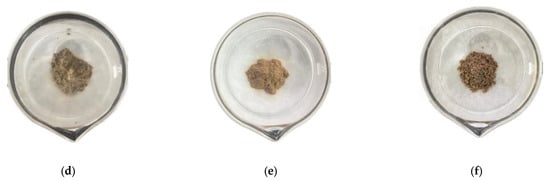
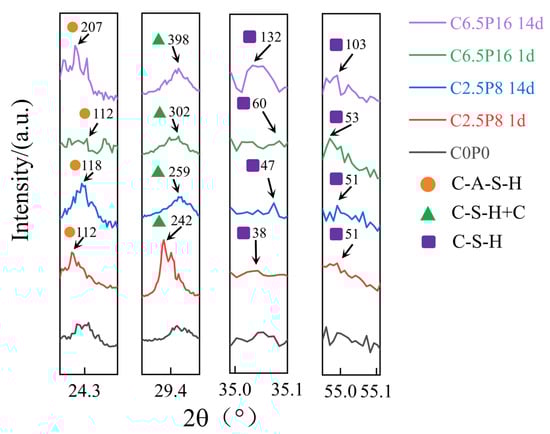
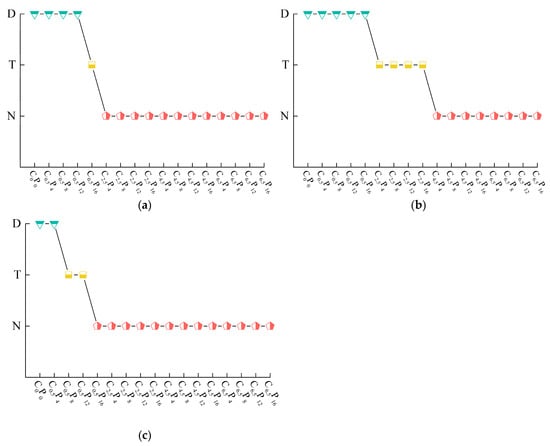
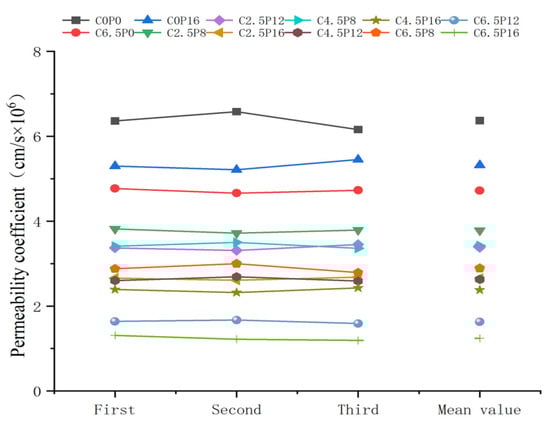
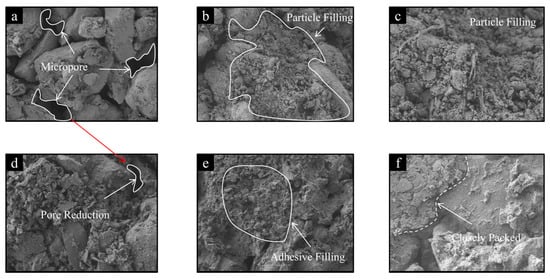
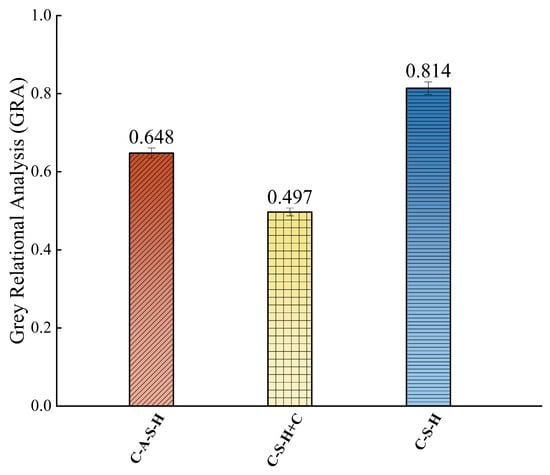
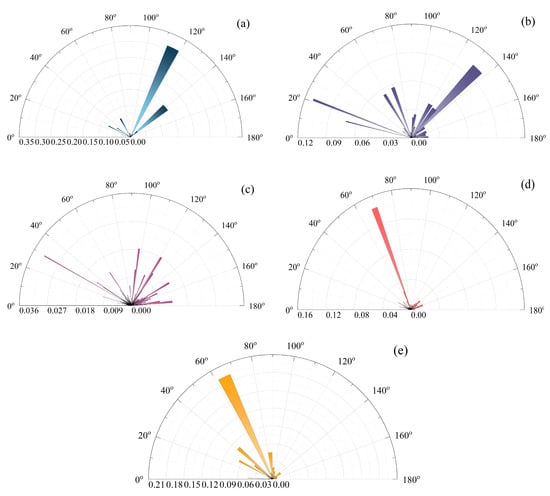
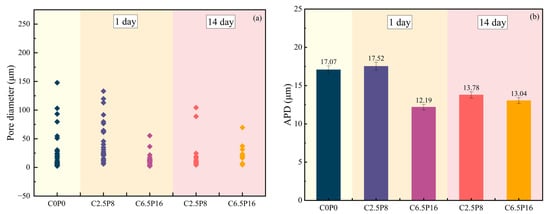
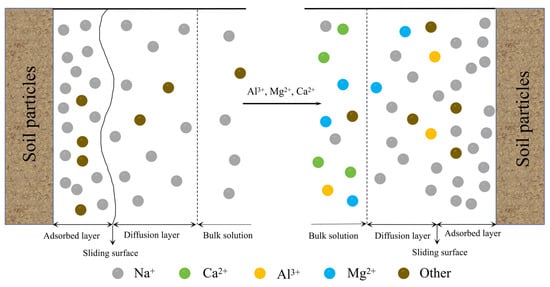
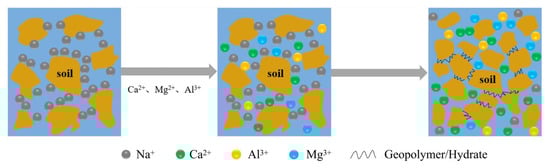
Carbide lime (CL) and powdered glass (PG), as industrial by-products, possess significant potential as eco-friendly soil amendment materials. This paper presents a systematic investigation into the effectiveness and reaction mechanisms of a composite material comprising CL and PG for stabilizing dispersive soils. A systematic experimental program was designed with varying CL (0.5–6.5%) and PG (4–16%) contents, along with curing ages of 1, 7 and 14 days. Macroscopic properties, including dispersibility and permeability, were evaluated through pinhole, mud ball, and permeability tests, while phase composition and microstructural evolution were analyzed using X-ray diffraction (XRD) and scanning electron microscopy (SEM). Results demonstrate a pronounced synergistic effect between CL and PG at optimal ratios: soil dispersibility is markedly improved when CL ≥ 2.5% and PG ≥ 8%, non-dispersive behavior is achieved at all curing ages with CL between 4.5 and 6.5% and PG between 4 and 16 permeability coefficient decreases significantly with increasing material content; for instance, increasing CL from 2.5% to 6.5% (at 16% PG) reduces the permeability coefficient by over 50%. Microstructural analysis reveals that CL supplies Ca2+ and an alkaline environment, whereas PG provides reactive SiO2 and Al2O3. Their interaction facilitates ion exchange and pozzolanic reactions, leading to the formation of C–S–H and C–A–S–H gels. These cementitious products effectively fill pores and bond soil particles, thereby enhancing structural stability. This study confirms that the CL-PG composite is an efficient and sustainable soil stabilization material. It provides novel insights into the synergistic mechanisms and optimal dosage range, offering valuable theoretical and practical guidance for the resource utilization of industrial by-products in geotechnical engineering. Full article
Show Figures

Graphical abstract

21 pages, 7292 KB  
Article
Study on the Different Thermal Insulation Methods to Control the Wellbore Temperature in Deepwater Wells
by Bo Zhang, Bowen Yu, Jipei Sun, Qing Wang, Wei Fan, Nu Lu, Mengzhe Cai and Tengfei Sun
J. Mar. Sci. Eng. 2026, 14(5), 411; https://doi.org/10.3390/jmse14050411 (registering DOI) - 24 Feb 2026
Abstract
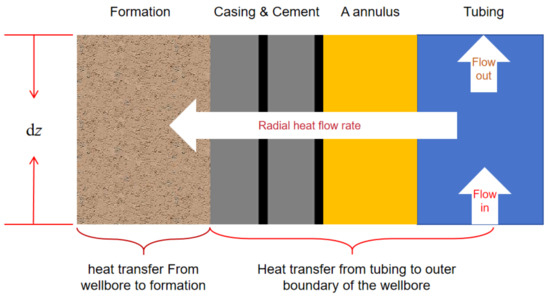
Thermal insulation is necessary for deepwater wells to achieve safe and effective production. Based on the comparison of different thermal insulation measures and the control requirements, this paper proposes two indicators to analyze thermal insulation performance. A model is established by considering the [...] Read more.
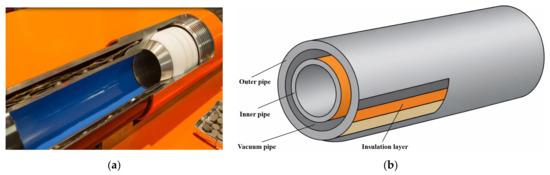
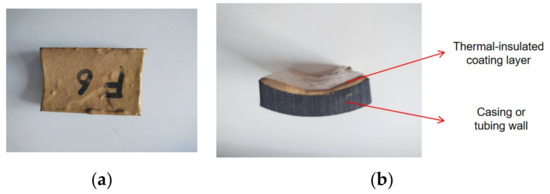
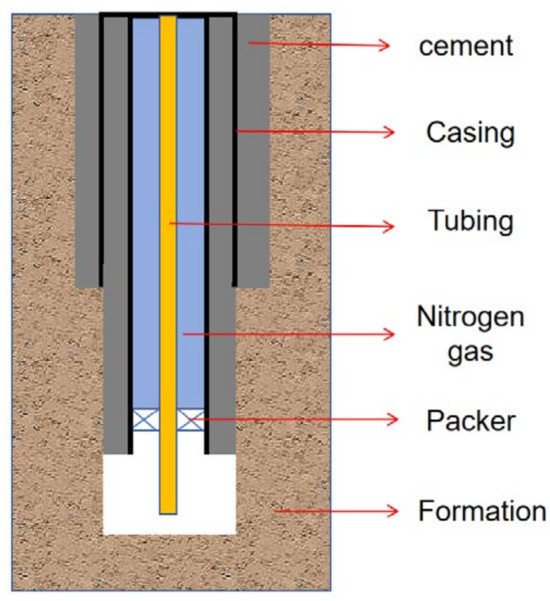
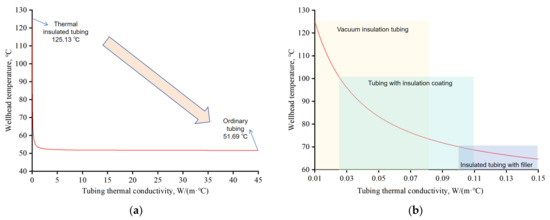
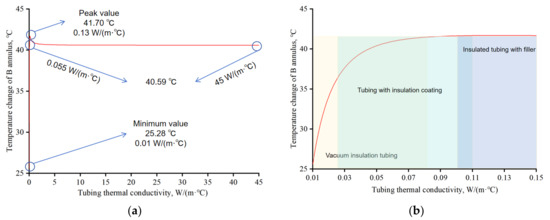
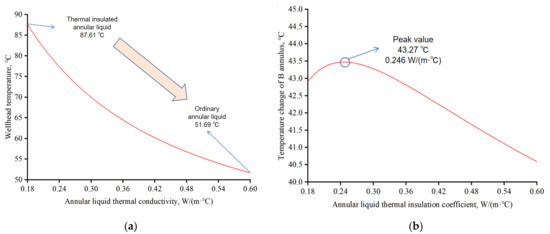
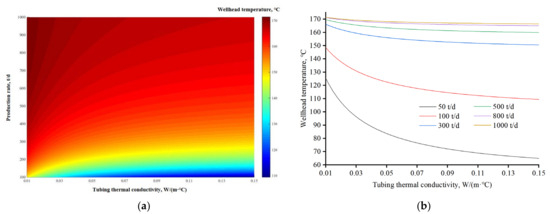
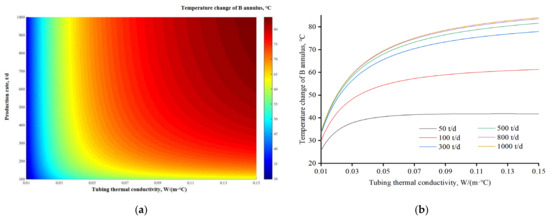
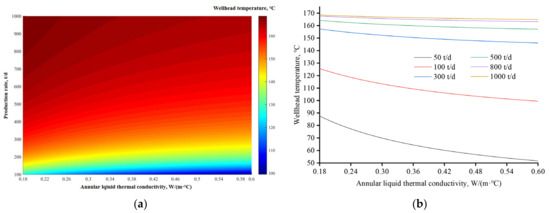
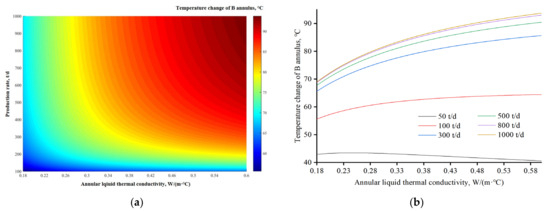
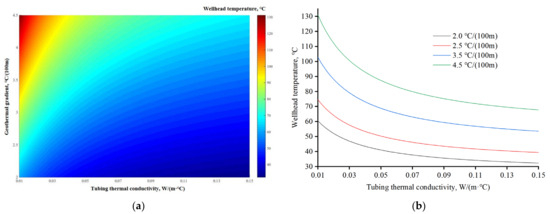
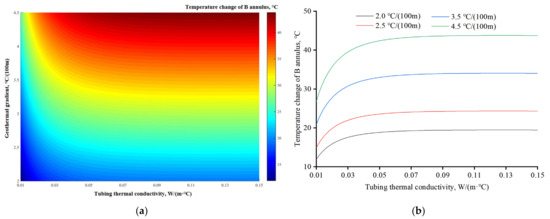
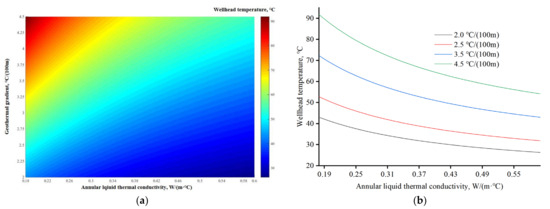
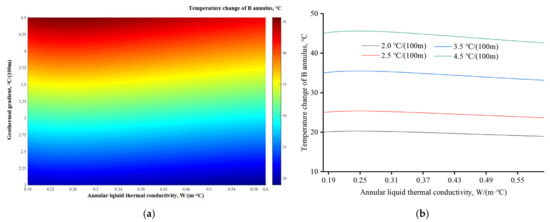
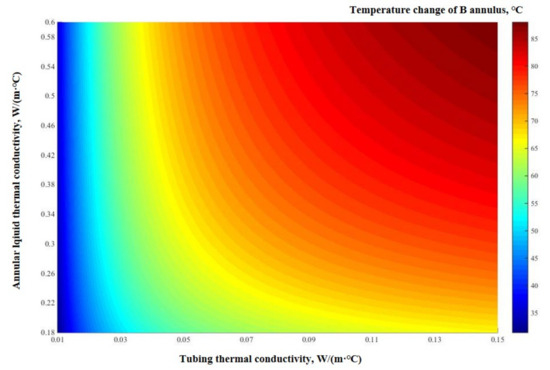
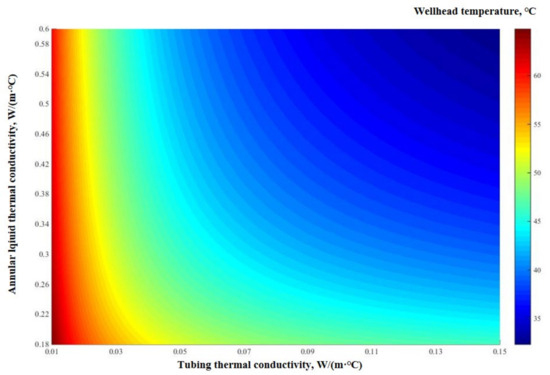
Thermal insulation is necessary for deepwater wells to achieve safe and effective production. Based on the comparison of different thermal insulation measures and the control requirements, this paper proposes two indicators to analyze thermal insulation performance. A model is established by considering the wellbore radial thermal resistance and wellbore-formation heat transfer process in order to calculate the two indicators. The analysis shows that there exists an overlapping effective range between vacuum-insulated tubing and insulation-coated tubing, and a similar overlap is observed between insulating liquid and insulated tubing. When comparable insulation performance can be achieved, insulating liquid should be prioritized, while vacuum-insulated tubing should be considered only as the final option. Under high production or a high geothermal gradient, annular temperature change is the primary control objective, whereas under low-production or low-temperature conditions, wellhead temperature becomes the dominant control target. The combination of insulated tubing and insulating liquid exhibits pronounced synergistic effects. In the case of a well under high-temperature and high-production conditions, the composite insulation reduces annular temperature change by 64.26%, and in low-temperature, low-production wells, it increases wellhead temperature by 100.43%. In practical applications, insulating fluids should be preferred, with insulated tubing employed as a supplementary measure. Full article
(This article belongs to the Topic Advanced Technology for Oil and Nature Gas Exploration)
Show Figures

Figure 1

21 pages, 2406 KB  
Article
AC Series Arc Fault Detection Method Based on Composite Multiscale Entropy and MRMR-RF
by Bo Wang, Haihua Tang, Shuiwang Li and Yufang Lu
Appl. Sci. 2026, 16(5), 2190; https://doi.org/10.3390/app16052190 (registering DOI) - 24 Feb 2026
Abstract
Series arc faults often occur in aging or faulty electrical systems due to insulation degradation, poor contact, or corrosion. These faults typically generate low current signatures, which are difficult to detect with traditional overcurrent protection methods. To address this measurement challenge, this paper [...] Read more.
Series arc faults often occur in aging or faulty electrical systems due to insulation degradation, poor contact, or corrosion. These faults typically generate low current signatures, which are difficult to detect with traditional overcurrent protection methods. To address this measurement challenge, this paper proposes a systematic fault detection framework that combines discriminative feature extraction, statistical validation, and optimized classification. To comprehensively characterize arc fault signals, a diverse set of time- and frequency-domain features is extracted, and composite multiscale entropy is introduced to quantify nonlinear and transient fault dynamics more effectively. The MRMR (Maximum Relevance Minimum Redundancy) algorithm is applied to select features with high information content and low redundancy, thereby improving model generalization. A random search algorithm is used to adaptively optimize the random forest hyperparameters, establishing a high-accuracy fault diagnosis model. The experimental setup was established based on the UL1699B standard using a 115 V/400 Hz arc fault platform, and 1800 sets of data under nine different load types were collected for training and validation. Experimental results show that the proposed method outperforms five mainstream machine learning algorithms in terms of fault detection accuracy and performance. The results confirm its metrological robustness and its potential for deployment in waveform-based fault electrical monitoring systems. Full article
38 pages, 3027 KB  
Review
Extracellular Redox Balance as a Determinant of Immune Regulation and Tissue Inflammation
by Rebecca Seitz, Martina Müller and Karsten Gülow
Antioxidants 2026, 15(3), 280; https://doi.org/10.3390/antiox15030280 (registering DOI) - 24 Feb 2026
Abstract
Reactive oxygen species (ROS) are widely recognized as intracellular signaling mediators and contributors to oxidative damage. Increasing evidence indicates that redox processes in the extracellular space constitute a distinct and functionally relevant layer of immune regulation. Extracellular ROS are generated in a spatially [...] Read more.
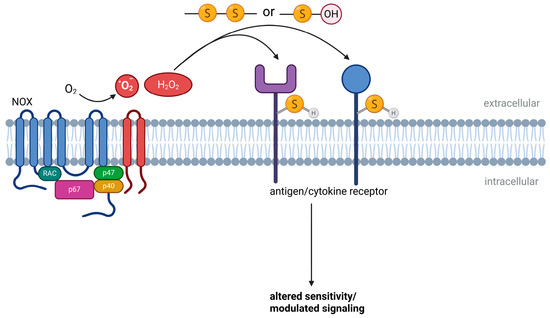
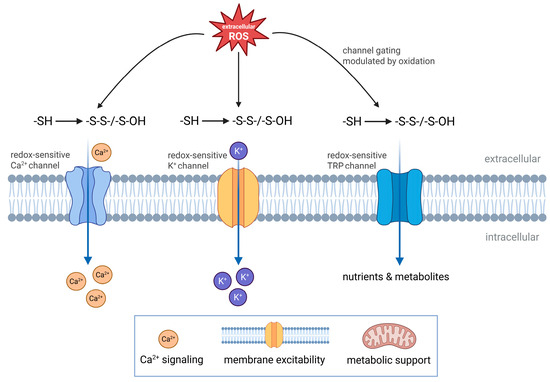
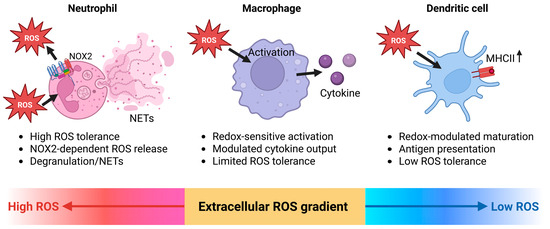
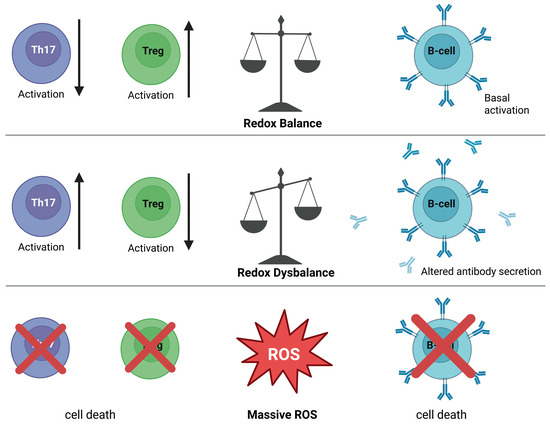
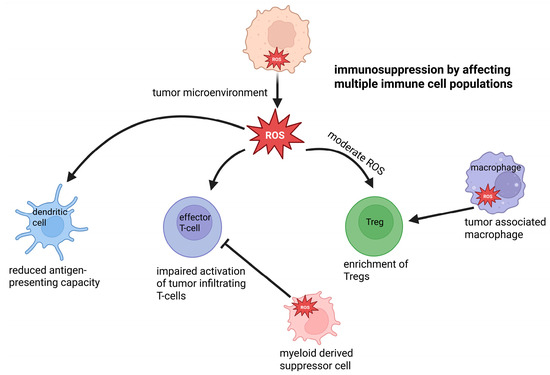
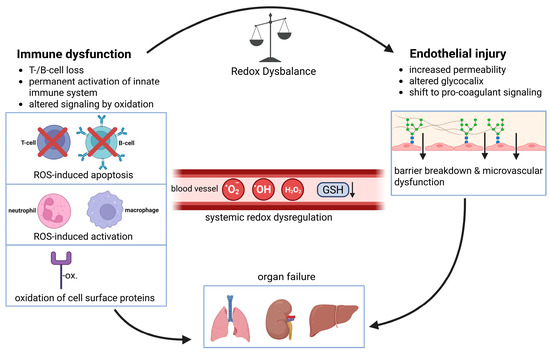
Reactive oxygen species (ROS) are widely recognized as intracellular signaling mediators and contributors to oxidative damage. Increasing evidence indicates that redox processes in the extracellular space constitute a distinct and functionally relevant layer of immune regulation. Extracellular ROS are generated in a spatially and temporally controlled manner by immune and non-immune cells and are shaped by local antioxidant buffering, redox-active metabolites, and tissue architecture. Rather than acting as diffuse by-products of inflammation, extracellular redox conditions modulate immune cell activation, migration, and intercellular communication by influencing surface-associated signaling events and receptor responsiveness. Physiological redox control in the extracellular compartment supports host defense, tissue repair, and coordinated immune responses. In contrast, disruption of spatial redox regulation promotes chronic inflammation, immune dysfunction, cancer-associated immune suppression, and systemic inflammatory states such as sepsis. Loss of redox confinement and insufficient extracellular buffering uncouple redox signaling from its regulatory function and contribute to endothelial dysfunction, immune dysregulation, and tissue injury. Together, these observations identify the extracellular redox balance as an integral component of immune regulation with important implications for understanding inflammatory pathology and for the development of strategies that preserve localized redox control rather than globally suppressing ROS. Full article
(This article belongs to the Special Issue Redox Regulation of Immune and Inflammatory Responses)
Show Figures

Figure 1

Open Access Journals

Browse by Indexing Browse by Subject Selected Journals