

Most online shoppers never think twice about the business address hidden at the bottom of a website. Yet one location has quietly appeared across hundreds of stores that offer unbelievable deals, vanish overnight, and leave a trail of frustrated customers behind them.
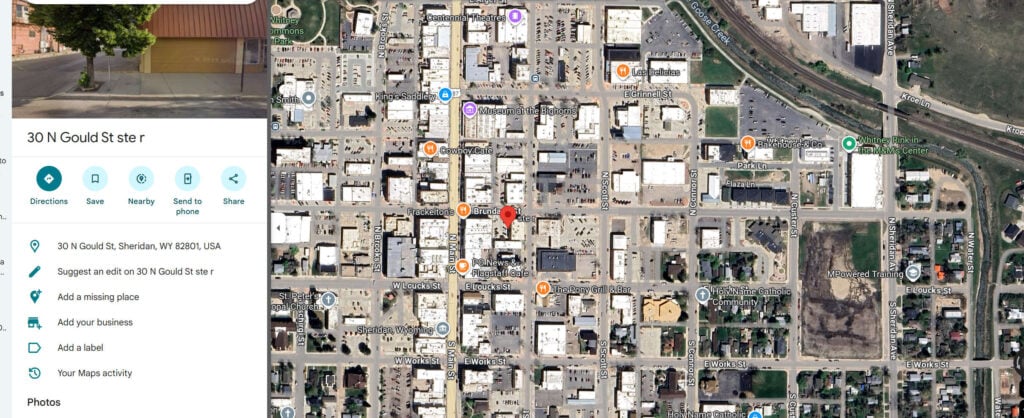
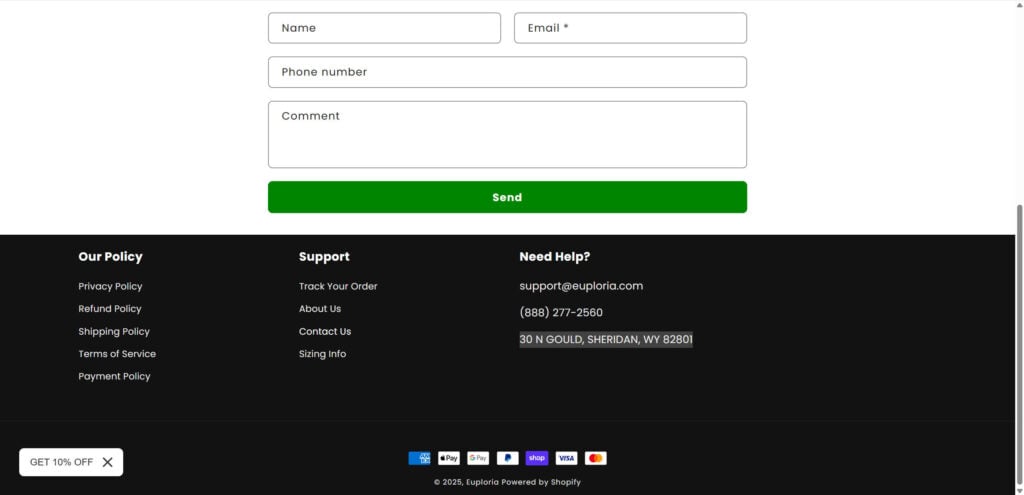
That address is 30 N Gould St, Sheridan, WY 82801.
At first glance, it looks perfectly ordinary. But the deeper you dig, the more unsettling the pattern becomes. Countless scam stores point to this same place, each one promising massive discounts and each one ending the same way.
Before you buy from any site connected to this address, you need to know what is really happening behind the scenes.
Scam Overview
Many fake shopping websites list 30 N Gould St, Sheridan, WY 82801 as their business address. At first glance, this seems harmless. It sounds like a real commercial office in the United States. The issue is that this location is not a retail store, a warehouse, or a physical business. It is a mailbox and corporate registration hub, used by countless shell companies that exist only on paper. This makes it extremely difficult to trace scammers and almost impossible for victims to receive support or refunds.
These websites typically appear overnight and are built using generic ecommerce templates. They target shoppers on Facebook, Instagram, TikTok, and Google, usually by showing unbelievably low prices for high demand items. Electric bikes that normally cost $800 show up for $69. Designer shoes advertised for $150 suddenly appear for $12. Outdoor gear, tools, drones, clothing, electronics, and household items are all common bait categories. The scammers rely on impulsive buying behavior triggered by urgency, massive discounts, and visually polished ads.
A closer look at these stores reveals several consistent warning signs. The domains are almost always newly registered and often change every few weeks. The products use polished, glossy images copied from legitimate brands. The text descriptions look like they were scraped from Amazon or AliExpress. Contact pages list only a single email address, usually from a generic provider. There is no phone number, no real company name, and no evidence that the business exists offline. Even when a refund policy is displayed, it is usually filled with vague promises that offer no real protection.
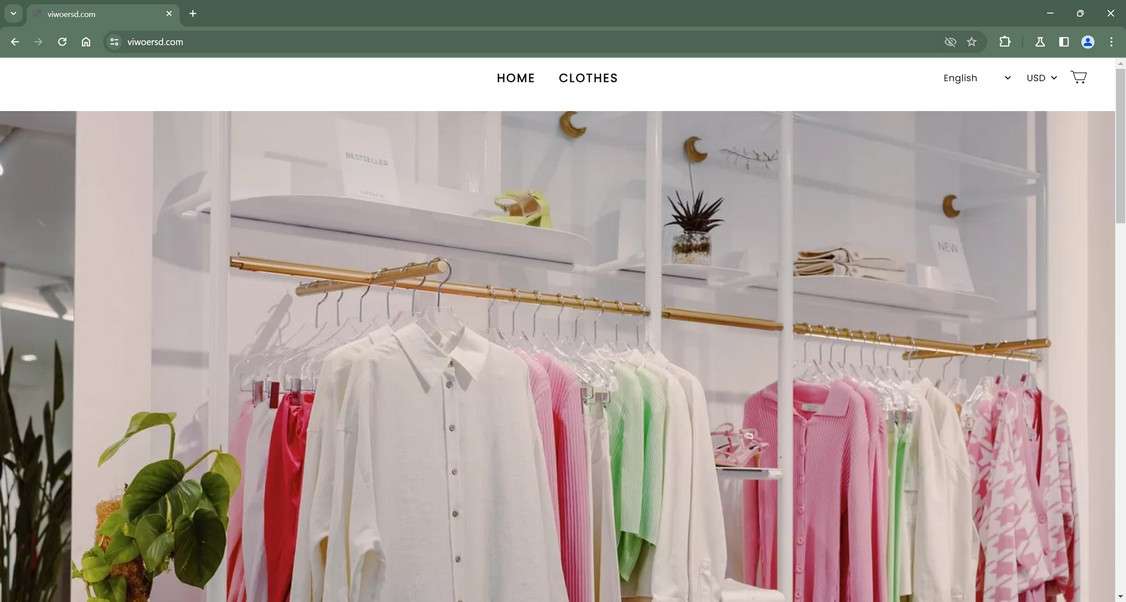
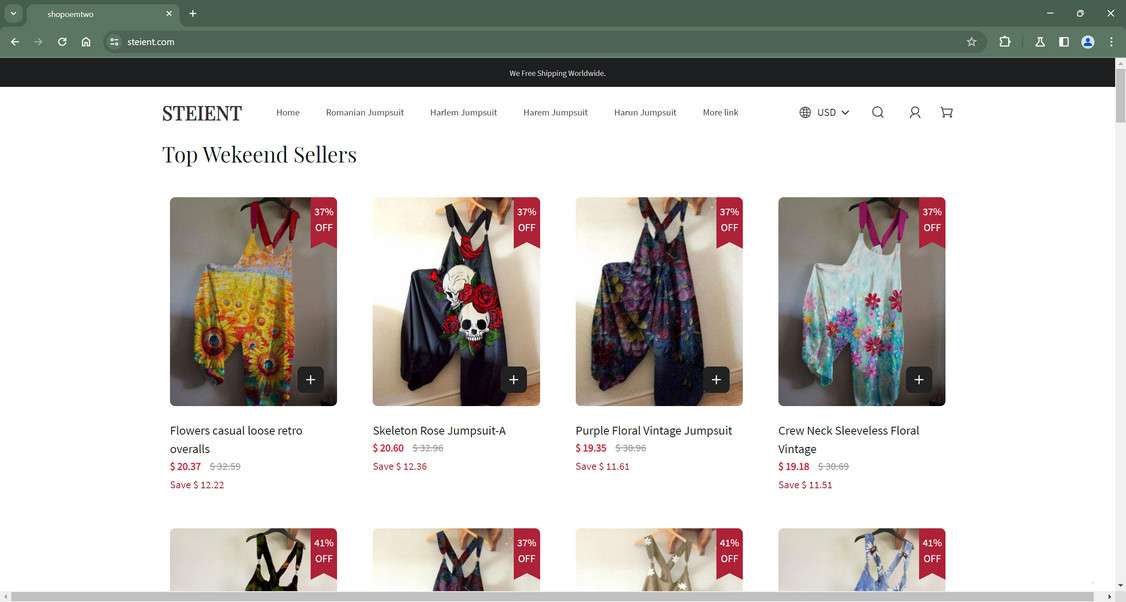
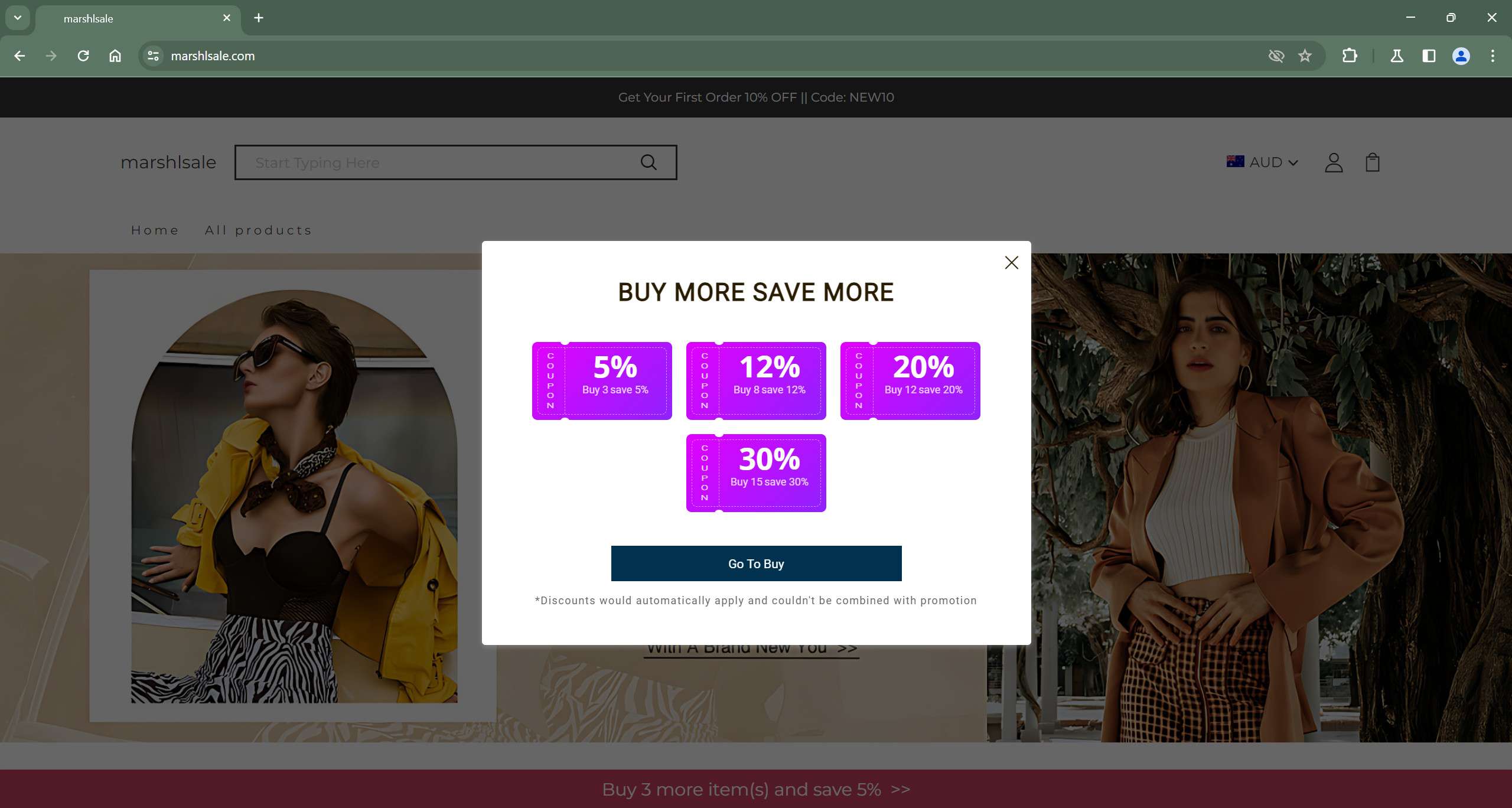
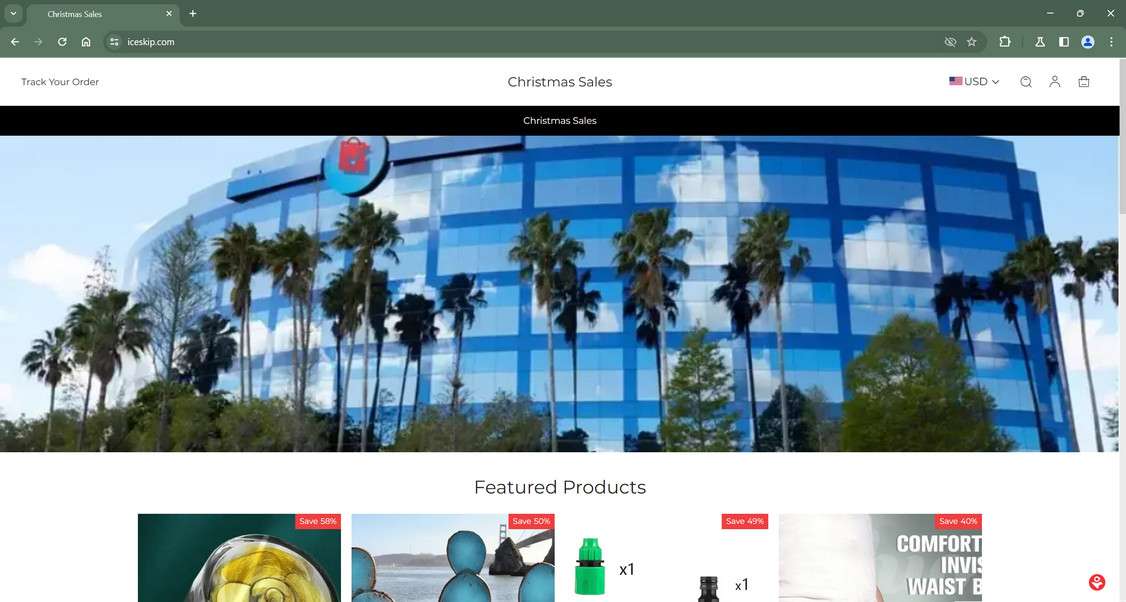
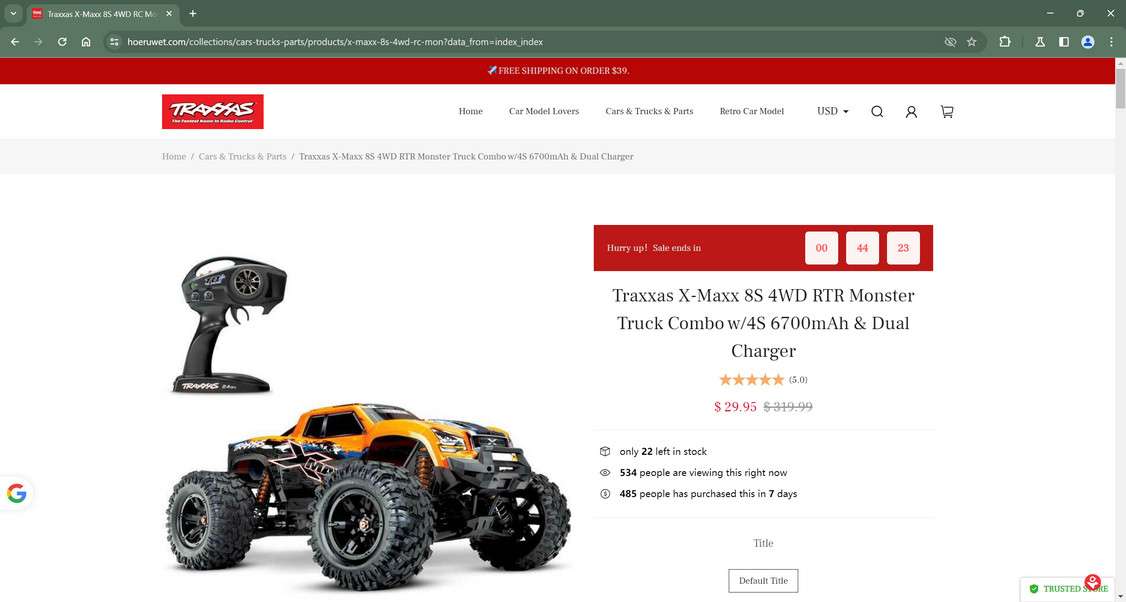
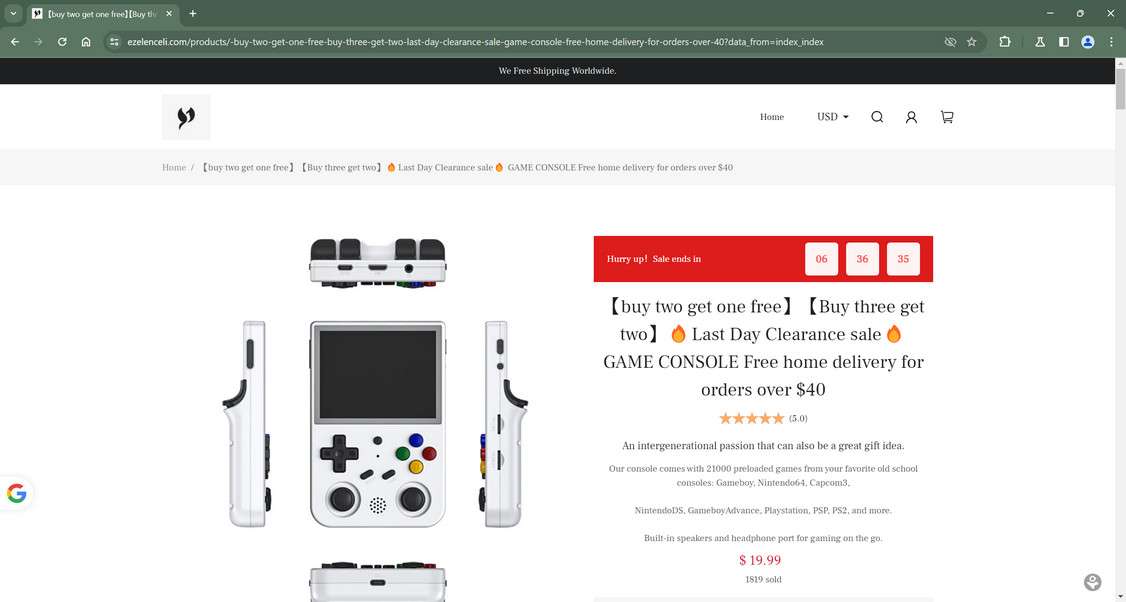
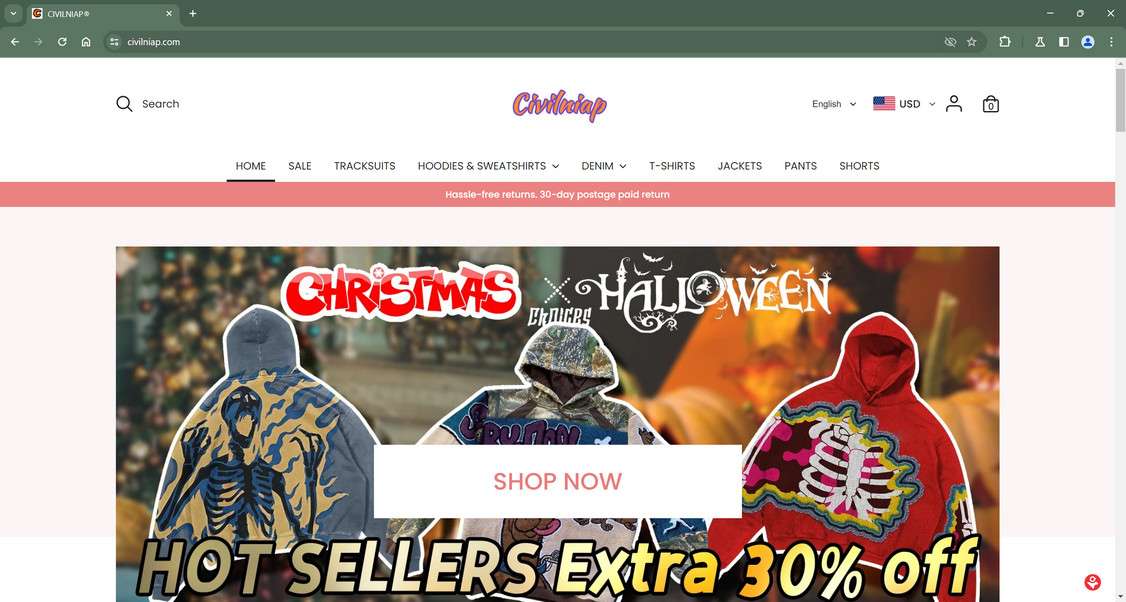
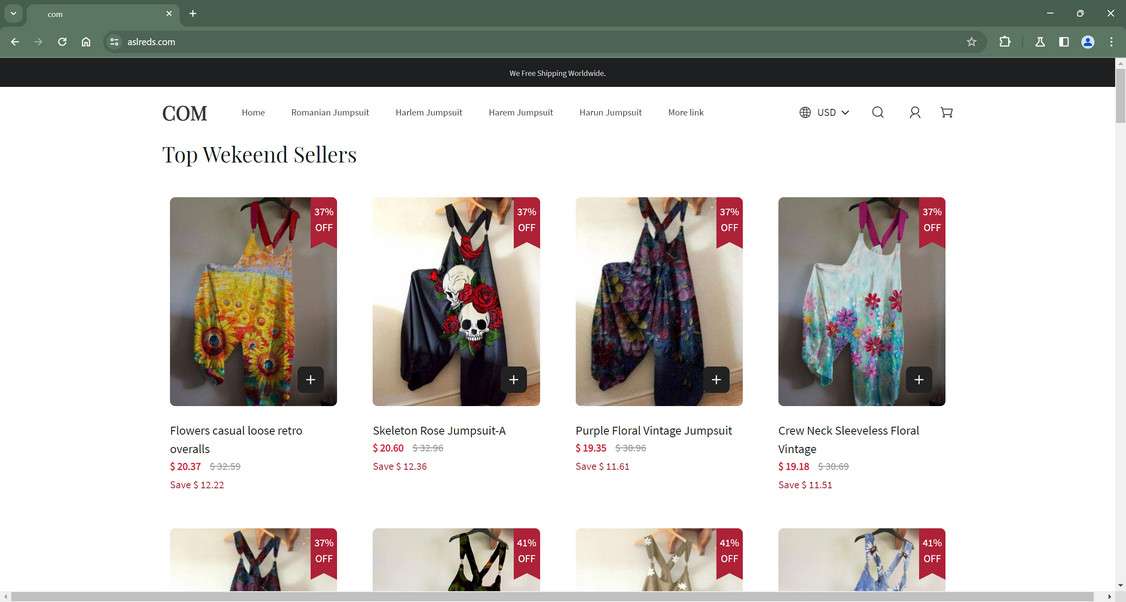
Most of these websites also display repetitive marketing messages such as “Store Closing Sale”, “Massive Clearance Event”, or “Everything Must Go”. They advertise free shipping worldwide, no matter the size or price of the item. The goal is to push you to checkout as fast as possible. Once a victim pays, the experience falls apart. Many shoppers never receive anything. Others get a cheap trinket, a pair of socks, a plastic toy, or an unbranded item worth a few dollars. Some receive a parcel from China that has nothing to do with their order. It is a tactic designed to prove that something was “shipped”, which scammers use to fight PayPal or credit card disputes.
Returns are another hurdle. The websites often claim that the return address is in the United States, but after a customer requests a refund, they are told to ship the product back to China at their own expense. Because international returns cost far more than the original product, most victims abandon the claim. Scammers then offer a 15% to 30% partial refund to close the conversation, allowing them to keep most of the stolen money.
The lack of social media presence is another major indicator. Aside from paid ads, the store usually has no real Facebook page, no follower interactions, and no customer reviews. There are no videos showing actual products, no engagement, and no trace of satisfied shoppers. Everything is built purely for conversion, not long term credibility.
The number of scam stores tied to the 30 N Gould network has grown dramatically. Investigators and cybersecurity researchers have identified hundreds of domains linked to this address. They use similar marketing structures, the same template designs, the same font choices, and even the same refund policy wording. They often disappear as quickly as they appear. Once enough victims begin complaining online, the scammers shut down the domain and reopen another one within days. This cycle allows them to steal money continuously while avoiding accountability.
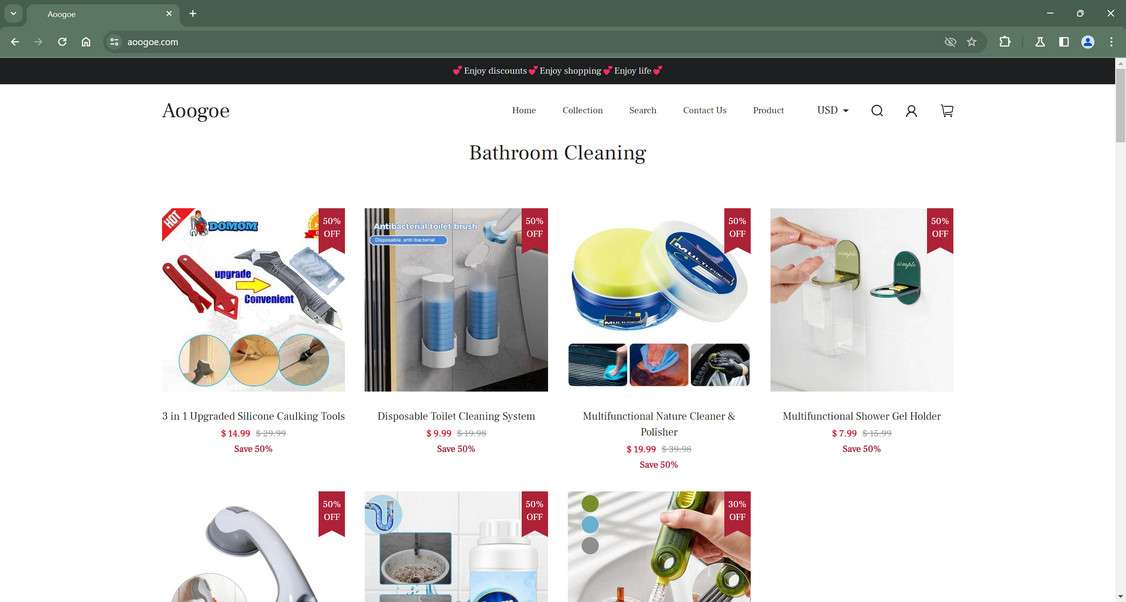
The reason 30 N Gould St is attractive to scammers is simple. It is a location used by registered agent services, meaning it allows anyone to list a corporate entity in the United States without living there. This adds a false sense of trust. Many shoppers believe they are dealing with an American company and assume that consumer laws will protect them. Unfortunately, the real operators are almost always based overseas. Most stores ship from China or do not ship anything at all. American laws cannot help when the listed address is not the actual business location.
Scammers using this address thrive on psychological manipulation. They rely on urgency, fear of missing out, and the emotional appeal of huge savings. They know that when a shopper sees a product they desire at an unusually low price, especially during holiday seasons, they will often skip due diligence. By the time the shopper realizes what happened, the website is gone, the customer support email is no longer active, and the payment processor cannot reverse the charge.
Researchers have also discovered a pattern in how these sites acquire traffic. Most rely heavily on paid ads rather than organic ranking. They push videos and images that create emotional reactions. For instance, they show a father giving his child a brand new electric bike for Christmas, or a couple unboxing luxury shoes. These ads are designed to make the viewer imagine themselves in the same situation and act quickly before the deal disappears. Because the ads are visually appealing and the products look legitimate, many people assume the store is real.
This is why understanding the full structure of the scam is essential. The address is not the cause. It is the symptom. It represents a sophisticated operation that keeps reinventing itself through new domain names, new ads, and new marketing angles. Shoppers need to recognize the patterns rather than the names. Once you learn how these sites work, you can identify them instantly and avoid becoming another victim.
How The Scams Works
The Hook
The first step of the scam begins with attractive advertisements. These ads appear on Facebook, Instagram, TikTok, YouTube, and even inside mobile games. They highlight products that people want but find too expensive in regular stores. The scammers create a sense of urgency by adding phrases like “Limited Time Offer” or “Only Today”. The goal is to trigger impulse buying and limit the time a shopper spends evaluating the offer. These ads link to newly created websites that appear polished at first glance but crumble under closer inspection.
The Landing Page
Once a shopper clicks an ad, they arrive on a website that looks like a normal ecommerce store. The design uses clean layouts, professional images, and modern fonts. Everything is optimized for mobile phones. The prices appear too good to be true, often showing discounts of 70% to 90%. The scammers know that extreme savings increase conversion rates. The website rarely offers any company background. The About page is often generic, poorly written, or copied from another site.
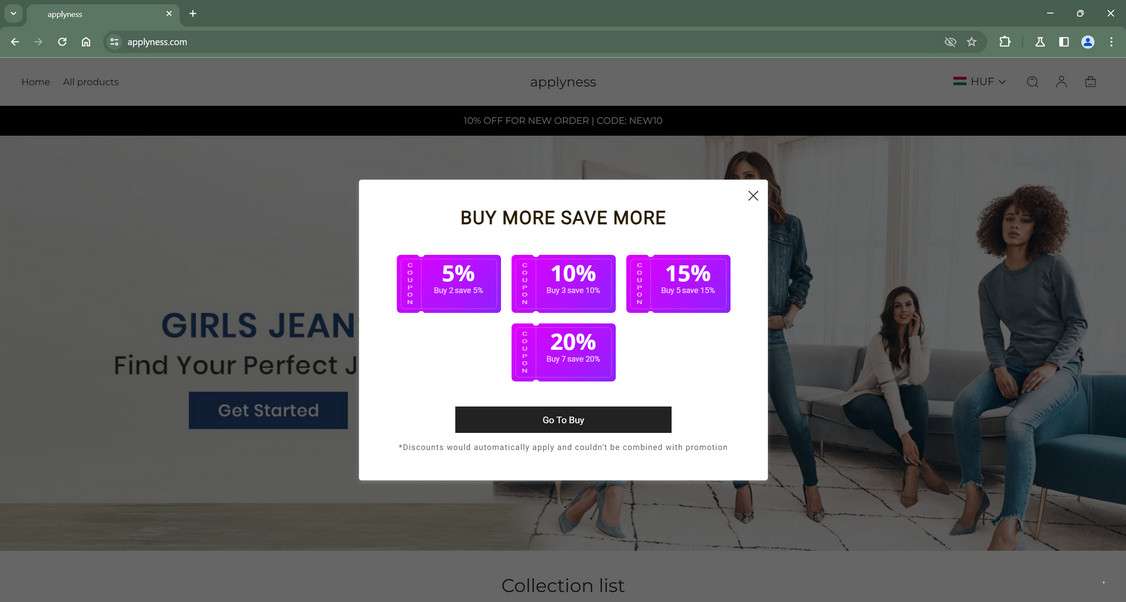
The Fake Credibility
To build trust quickly, the scammers include several elements meant to reassure the customer. These include:
- A US address, usually 30 N Gould St
- Free worldwide shipping
- A money back guarantee
- Fake trust badges
- Fake reviews copied from other retailers
None of these indicators reflect reality. The US address is only a mail forwarding location, not a physical storefront. The guarantee is unenforceable. The reviews are not from real customers. The scammers rely on the assumption that people do not investigate these details before buying.
The Checkout Stage
Once a victim decides to purchase, they proceed to checkout. The scammers encourage fast action by showing countdown timers or claiming that stock is low. Payment options typically include credit cards, PayPal, or local payment processors. After a payment is completed, the victim receives an automated confirmation email. This email looks legitimate and includes an order number, but it does not signify that the product will be shipped.
The Waiting Period
Days pass. Some victims receive a tracking number that shows a parcel moving somewhere in China. Others receive no tracking at all. The tracking information is often fake or unrelated to the actual product. In many cases, the parcel contains something cheap and unrelated, such as a small accessory or a low quality item worth only a few dollars. This is intentional. Scammers use this tactic to show the payment processor that something was “delivered”, making it harder for the victim to dispute the charge.
The Customer Service Trap
When victims contact the store, they discover that the only method of communication is a single email address. Responses are slow, vague, and unhelpful. The representatives insist the product is on the way or claim shipping delays. If the victim insists on a refund, the scammers offer either:
- A partial refund of 15% to 30%
- A return address in China that costs too much to ship to
This tactic discourages returns and allows the scammers to keep most of the money. Victims who refuse the partial refund are often ignored entirely. By the time they take further action, the website may have disappeared.
The Shutdown Cycle
Scam websites rarely remain online for long. Once complaints accumulate, the operators shut down the domain and reopen a new store using a nearly identical layout. They run the same ads, use the same product photos, and continue targeting new victims. Because the address is always the same and the marketing tactics repeat, the scams appear identical even when the domain changes.
What 30 N Gould St, Sheridan, WY 82801 Really Is
A commercial registered agent and virtual office hub
30 N Gould St in Sheridan, Wyoming is a real building in the middle of Sheridan’s small downtown. It is not a warehouse, a factory, or a retail store. It is primarily used as a commercial registered agent and virtual office location.

Multiple companies that sell “Wyoming LLC” or “US company formation” services operate from this address. They rent out mailboxes, registered agent services, and “virtual offices” to thousands of businesses around the world that want a Wyoming corporate presence without actually being in Wyoming. Public rosters from the Wyoming Secretary of State list several registered agents at this address, including Registered Agents Inc, Wyoming Registered Agent Services, Wyoming Virtual Address LLC, and other similar services.
In plain language, this means a person or company can form an LLC, list 30 N Gould St as its official address, and never set foot in Sheridan. The registered agent handles legal mail and forwards documents or scans to the client. This setup is legal and widely used for tax planning, privacy, and convenience.
Why so many companies are registered there
Because it acts as a mass registered agent hub, 30 N Gould St has become home on paper to tens of thousands of companies. Investigators, court filings, and industry discussions all note that this single address is associated with a huge number of corporate entities, including firms later accused of fraud or regulatory violations.
For example:
- SEC and FTC documents list companies whose statutory registered office is 30 N Gould St, even though their real operations and management are elsewhere in the world.
- Fraud complaints and legal cases point out that investment schemes, shady online merchants, and synthetic identity fraud operations have all used this address as a cover.
This does not mean the building itself is committing fraud. It means the address is being rented as a convenient, anonymous contact point by both legitimate businesses and bad actors.
Why scam shopping websites love this address
Scam ecommerce sites want to look like real US based businesses. Listing “30 N Gould St, Sheridan, WY 82801, USA” on their contact page or in their footer helps them achieve that. To an ordinary shopper, it looks like a normal American business address in a quiet Western town.
In reality:
- There is no showroom for the “brand” at this location
- There is no warehouse full of the products they advertise
- Staff at the registered agent office usually have no connection to the online shop beyond receiving legal mail for the corporate shell
This distance makes it incredibly difficult for victims to track down the real people behind the website. When the store disappears or ignores complaints, all that remains is a mailbox at 30 N Gould St that cannot help you get your money back.
Important nuance
It is important to be fair. Not every company using 30 N Gould St is a scam. Many startups, holding companies, and small online businesses use Wyoming registered agent services for legitimate reasons such as low state fees, simple reporting rules, and privacy protections.
The problem is that this same structure is very attractive to scammers who want:
- A US address to display on their site
- Privacy and distance from regulators and customers
- The ability to dissolve one shell company and open another quickly
So, when you see 30 N Gould St, Sheridan, WY 82801 on a shopping site, it should not be treated as automatic proof of fraud, but it is a serious warning sign. Combined with other red flags such as:
- Recently created domain
- 70% to 90% “clearance” discounts
- Copy pasted product images and descriptions
- No phone number or real contact details
- No genuine social media presence
it strongly suggests that you are dealing with a disposable shell company rather than a trustworthy online store.
What To Do If You Have Fallen Victim To This Scam
Realizing you may have been scammed can be stressful, but there are clear steps you can take to protect yourself and increase the chances of recovering your money. The sooner you act, the better. Follow these steps calmly and in order.
1. Contact Your Bank Or Card Provider Immediately
Explain that the purchase was made on a fraudulent website. Provide all transaction details, screenshots, emails, and tracking numbers. Most banks offer chargeback protection if you act quickly. Request a dispute due to goods not received or goods significantly not as described.
2. File A Dispute Through PayPal If You Used It
If you paid with PayPal, open a dispute under “Item not received” or “Item significantly different from description.” Do not accept the scammer’s offer of a 15% to 30% refund. This is meant to weaken your claim. Provide clear evidence and stick to your original request for a full refund.
3. Do Not Ship Anything Back To China
Scammers often ask victims to return the item to an address in China even though the website claims to be based in the United States. Shipping internationally is expensive, slow, and usually unnecessary in fraud cases. Inform your bank or PayPal that the seller is requesting an unreasonable return process intended to prevent refunds.
4. Save Every Piece Of Evidence
Keep emails, order confirmations, screenshots of the website, product images, tracking numbers, and communication attempts. This evidence strengthens your case when filing disputes and helps investigators identify patterns across multiple scam sites.
5. Report The Scam To Your Local Consumer Protection Agency
Reporting the website helps authorities track fraudulent networks. Depending on your country, this may be the FTC, your national fraud center, your cybersecurity agency, or your police’s online fraud department.
6. Report The Website To The Hosting Company And Domain Registrar
Most scam sites are hosted on cheap servers and rely on quick deployment. Reporting them helps get the site shut down sooner. You can use WHOIS lookup tools to find the registrar and hosting provider.
7. Warn Others
Share your experience in online reviews, forums, social media groups, and scam reporting websites. Many victims are saved from losing money because someone else reported the website first. Clear warnings help break the scam cycle.
8. Monitor Your Bank Account
Check your statements regularly for unauthorized charges. Scammers sometimes attempt additional transactions. If you see anything suspicious, notify your bank immediately and request a new card.
9. Change Passwords If You Reused Them On The Scam Site
If you used the same password elsewhere, change it now. Scam websites do not always secure customer data. A reused password can place your email, social accounts, or financial accounts at risk.
10. Accept That The Website Will Likely Disappear
Many victims try to contact the store repeatedly, hoping for a response. These websites are designed to vanish without warning. Focus your efforts on recovering your money through your bank or PayPal rather than waiting for the scammer to reply.
Why do so many scam websites use the address 30 N Gould St, Sheridan, WY 82801?
Because this location is a mail forwarding office and corporate registration address. Scammers list it to appear based in the United States, even though the real operators are usually overseas. The address gives a false sense of legitimacy without providing any real traceability.
Are all websites using this address scams?
Not necessarily, but a large number of recently created fake shopping websites use this address. If a website is new, offers unrealistic discounts, provides almost no contact information, and lists this location, the risk is extremely high. Always investigate further before buying.
Why do these websites offer such large discounts?
Huge discounts trigger impulse buying. Scammers know that prices such as 80% or 90% off make shoppers act quickly without researching the store. Unrealistic deals are one of the strongest red flags of a fraudulent ecommerce site.
Why are the products never delivered or completely different from what was advertised?
The scammers do not intend to send the real product. Once they have your payment, they either ship nothing or send a cheap item to create a tracking record. This makes it harder for victims to dispute the charge as the system shows a “delivery.”
Why do scammers offer only a 15% to 30% partial refund?
This tactic helps them keep most of the money while appearing cooperative. Many victims accept the partial refund because returning the product to China costs more than the product itself. Scammers rely on this frustration to close the case cheaply.
Why is customer service unresponsive?
Most scam websites do not have real customer support staff. The email inbox is monitored occasionally, usually by someone instructed to delay, deny, or discourage refunds. Once enough complaints accumulate, the website disappears entirely.
What should I do if I placed an order but have not received anything?
Contact your bank or PayPal immediately. File a dispute under goods not received or goods significantly not as described. Provide screenshots, confirmation emails, and tracking numbers. Do not wait for the scam website to respond.
Will I get my money back?
Many victims succeed in recovering their money if they act quickly. Banks and PayPal often protect consumers from fraudulent transactions. The success rate increases when you provide clear evidence and file the dispute early.
Are my personal details safe?
Not always. Scam websites often collect emails, names, and addresses without proper security. They may share or sell this data. If you reused a password on the site, change it everywhere immediately.
How can I avoid these scams in the future?
Verify the domain age, look for real reviews, check the contact details, search for the address online, and be cautious of websites offering extreme discounts. If the deal looks too good to be true, it usually is.
Why do these websites disappear so quickly?
Scammers shut them down as soon as complaints accumulate. They simply open a new domain using the same layout, products, and ads. The rapid cycling helps them avoid detection and continue stealing money.
Can reporting the website help others?
Yes. Reporting scams helps investigators track connections between fraudulent domains. It also warns future shoppers who might search the website name before buying. Even one detailed review can prevent someone else from losing money.
The Bottom Line
Shopping scams tied to the 30 N Gould St address follow a predictable structure based on urgency, unrealistic discounts, fake credibility, and disappearing customer service. Once you understand the patterns, these websites become easy to recognize. They rely on emotional triggers and the promise of impossible deals. By staying cautious, verifying domain age, reading real reviews, and avoiding offers that appear too good to be true, you can protect yourself from falling into the same trap.
If you have already been targeted, take action quickly. Banks, card providers, and PayPal often help victims recover funds when they move fast. Share your experience and help others avoid the same pitfalls.


