Advertisement
Advertisement

Singapore

Salaries of political office holders to be reviewed: Chan Chun Sing

A scheduled review in 2023 was deferred due to the uncertain external environment and the downside risks in the global economy at that time.

Salaries of political office holders to be reviewed: Chan Chun Sing

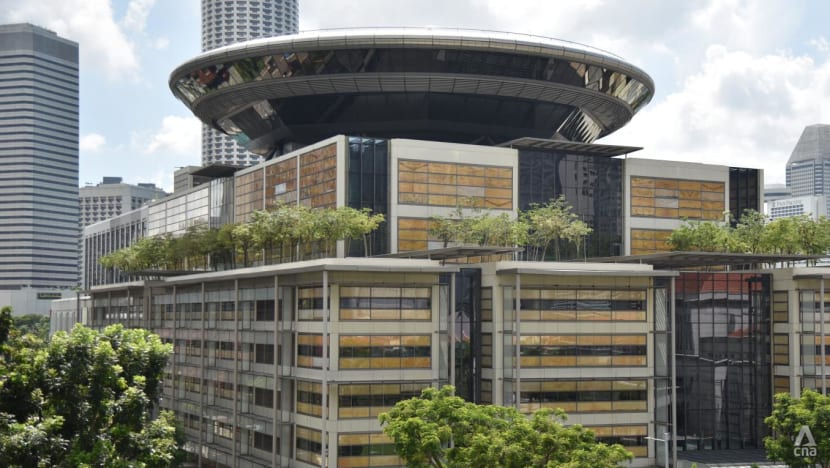
A view of Parliament House in Singapore. (File photo: CNA/Syamil Sapari)

Listen
2 min
New: You can now listen to articles.

This audio is generated by an AI tool.

Read a summary of this article on FAST.
FAST

SINGAPORE: The salaries of political office holders will be reviewed soon, Minister-in-charge of the Public Service Chan Chun Sing said on Monday (Jan 12), following the deferral of the last scheduled review.

Mr Chan, who is Coordinating Minister for Public Services, was responding to Mr Alex Yam's (PAP-Marsiling-Yew Tee) parliamentary question on whether the salaries of political office holders will be reviewed soon, since the last scheduled review in 2023 was deferred.

“The salary structure and benchmark have not been updated since they were introduced in 2012,” said Mr Chan in a written reply.

“It is therefore timely to undertake a review.”

He noted the current salary framework was established by a review committee in 2012, with the government agreeing with its recommendation that the framework would be reviewed by an independent committee every five years.

The framework covers the salaries of all political appointment holders, as well as MPs and NMPs.

The salary framework and political salaries have not been adjusted since they took effect in May 2011.

A subsequent committee formed in 2017 to review the 2012 framework concluded that it remained sound, and that political salaries should be adjusted annually in line with the movement of the benchmark salaries. Nevertheless, the government decided not to make any changes to political salaries then.

In 2023, the government decided to defer the scheduled review, given the uncertain external environment, and the downside risks in the global economy at that time.

Mr Chan said on Monday that the government has convened an independent committee, chaired by Mr Gan Seow Kee, chairman of Singapore LNG Corporation and alternate member of the Council of Presidential Advisers, to conduct this review.

“The committee has been asked to recommend the appropriate salary levels based on the current salary framework, and where necessary, to propose refinements so that the implementation of the framework will remain relevant and able to meet its intended purpose,” said Mr Chan.

“The committee has just been formed, and will submit its report to the government when ready, after which the government will consider its findings and provide an update to Parliament.”

Source: CNA/ec(ac)

Sign up for our newsletters

Get our pick of top stories and thought-provoking articles in your inbox

Subscribe here
Inbox
FAST
Advertisement

Commentary

Commentary: Being a hawker is tough. Is it unfair to criticise their food online?

In leaving an online review for a hawker, diners should be aware of the power they wield over a struggling industry, says food writer Pamelia Chia.

Commentary: Being a hawker is tough. Is it unfair to criticise their food online?
FILE PHOTO: The hawker industry is widely understood to be hanging by a thread, sustained by long hours, gruelling labour and razor-thin profit margins. (Photo: Roslan Rahman / AFP)
Listen
7 min
New: You can now listen to articles.

This audio is generated by an AI tool.

Read a summary of this article on FAST.
FAST

SINGAPORE: At a coffee shop in Toa Payoh, a yong tau foo stall is counting down its final days. Soon, the metal shutters will come down and the broth pots drained for the last time.

What should have been a quiet, bittersweet farewell for Hup Chong Yong Tau Foo, however, became a public skirmish over words. Stomp published a critical review of the stall, finding fault in the pricing, ingredients and portion sizes. The review prompted online backlash and the family who runs the business wrote on Facebook that they were “deeply hurt”.

Had the review been of a restaurant or cafe, it might have passed with little notice. Instead, it struck a nerve precisely because it involved a hawker-run business – and one that has been operating for decades.

In Singapore, hawkers are not just food vendors. They are custodians of an everyday culture that cuts across class and generations, formally recognised by UNESCO as intangible cultural heritage.

The hawker industry is also widely understood to be hanging by a thread, sustained by long hours, gruelling labour and razor-thin profit margins. So when a review lands with the force of a takedown, it no longer reads as merely ungenerous – to some, it may feel unethical. 

The debate sparked by the Stomp article raises uncomfortable but necessary questions: Are hawkers being shielded from scrutiny that applies to every other business? Or are Singaporeans so protective of hawkers that any form of criticism feels like betrayal? Should hawker food be fair game for negative reviews – and if so, under what principles?


THE HAWKER ENTREPRENEUR PARADOX

Last year, food vlogger Lucas Neo drew criticism for a TikTok series in which he “exposed” Michelin-rated hawker stalls, questioning whether the accolades were deserved. Neo has described his approach as a corrective to a review culture where “everything is good”.

“I wanted to post something more raw, but not at the expense of the hawker going out of business,” he said in an interview.

Amid a backdrop of rising living costs, that argument has force. If people are spending hard-earned money, why shouldn’t they want frank assessments? Why should hawker stalls be exempt from the critique that applies to restaurants?

Yet, treating hawkers as ordinary entrepreneurs sits uneasily with how Singaporean society regards hawker food.

In a 2012 interview, Ravi Menon, then managing director of the Monetary Authority of Singapore, described hawker centres as offering “good quality meals at almost Third World prices”, a form of broad-based subsidy that benefits rich and poor alike. Hawkers are expected to function simultaneously as entrepreneurs and as providers of affordable social infrastructure, and those who keep prices low even as costs rise are celebrated. 

This contradiction matters. If hawkers function purely as businesses, like a typical restaurant, then criticism should be dispassionate and transactional. However, if they are also part of a shared cultural legacy, then critique carries a different weight.

This tension is keenly felt by those behind the stalls; after all, in such a fragile ecosystem, a negative review can feel less like constructive feedback and more like a hammer blow to an already weakened structure.

Reacting to Neo’s videos on Facebook, Jean Lim of Ah Hua Teochew Fishball Noodle captured the sentiment shared by many hawkers: “One careless post, one ‘honest review’ with our signboard shown, can easily crush the heart and effort we pour into this business… We hawkers don’t need pity. We just ask for fairness, respect and a little empathy.”

THE BUTTERFLY EFFECT

None of this is to argue that hawkers should be immune from criticism. Bad hawker food exists. Corners are sometimes cut. Accolades are sometimes undeserved.

Honest feedback can be valuable, especially as rising costs push prices upward and expectations follow. Even a 20-cent increase can feel “exorbitant” relative to the low prices Singaporeans have long associated with hawker food. Any price hike, however modest, naturally raises expectations for quality, portion size and consistency.

But the question is not whether criticism should be allowed. It is how it is exercised and through what channels.

If feedback is genuinely offered in the spirit of improvement, the most constructive place for it may be the hawker stall itself. As with restaurants, respectfully raising an issue in the moment gives hawkers the opportunity to explain or correct a lapse without the stigma of public shaming. A disappointing meal may simply be the product of a bad day, rushed service or circumstances invisible to the diner.

Public criticism, by contrast, is often less about resolution than record. A one-star Google review or viral negative reel fixes a fleeting experience into a lasting public record that may be disproportionate to the lapse itself.

To be clear, online reviews are not without value. For hawkers operating in a competitive environment, positive reviews on platforms such as Google Maps or social media can be crucial, helping new customers discover stalls and sustaining businesses that might otherwise struggle. In that sense, reviews can, and often do, serve a public good.

EXERCISING RESTRAINT

The problem arises when the same mechanisms that amplify praise are used to broadcast disappointment with little regard for consequence. More troubling still is the erosion of accountability in today’s media landscape.

Food criticism was once the domain of professional reviewers, who brought experience, expertise, editorial oversight and journalistic integrity to their work. Today, beyond traditional media, criticism circulates across online platforms that may publish content with minimal fact-checking or editorial review.

Social media has further collapsed the distance between private opinion and public scrutiny. Anyone can broadcast their opinion – instantly, permanently and often without context.

This does not mean lowering standards or insisting that “everything is good”. It means recognising that not every disappointment requires amplification. After all, a bowl of overcooked wonton mee or a lacklustre plate of nasi lemak is rarely catastrophic. Restraint here is not cowardly withdrawal from criticism, but an awareness of one’s power over an industry already under strain.

Holding one’s pen – or tongue – is a responsibility and, in the case of hawkers, one that should be wielded with grace.

Pamelia Chia is the author of the cookbooks Wet Market to Table and PlantAsia, and writer of the Singapore Noodles newsletter.

Source: CNA/el

Sign up for our newsletters

Get our pick of top stories and thought-provoking articles in your inbox

Subscribe here
Inbox
FAST
Advertisement

Singapore

Hyflux trial resumes: A reminder of what led to the court case

How did the Hyflux executives land in court and what are they charged with?

Hyflux trial resumes: A reminder of what led to the court case

A photo of the Hyflux logo and a file photo of former Hyflux chief executive officer Olivia Lum Ooi Lin. (Photos: CNA/Jeremy Long, TODAY)

Listen
10 min
New: You can now listen to articles.

This audio is generated by an AI tool.

Read a summary of this article on FAST.
FAST

SINGAPORE: The criminal trial of Hyflux founder and former chief executive Olivia Lum and other leaders of the company resumes on Jan 13 with more witnesses from the prosecution taking the stand.

The trial, scheduled to run until Feb 5, began last August, nearly three years after Lum and her former colleagues were charged with violations of the Securities and Futures Act.

In total, seven individuals were charged over Hyflux’s intentional failure to disclose information relating to the Tuaspring Integrated Water and Power Project, among other things.

Hyflux’s eventual collapse resulted in significant losses to investors. This includes about 34,000 investors holding perpetual securities and preference shares, who were owed a total of S$900 million, the prosecution said at the opening of the trial in August.

How did a company that was once Singapore’s leading example for homegrown businesses land itself in court? Here’s what you need to know.

ABOUT HYFLUX

Hyflux was once a celebrated water treatment company in Singapore, backed by its founder’s rags-to-riches story. In 1989, Lum left a career in pharmaceuticals and sold her car and apartment to start a business to help solve the world’s water problems.

Lum – an orphan who grew up in a small Malaysian town – built Hyflux from the ground up with its proprietary membrane technology that can treat water through reverse osmosis.

The company went public in early 2001, and secured its first municipal water treatment project in Singapore to supply and install the process equipment for the country’s first NEWater plant in Bedok that same year.

It also developed Singapore’s third NEWater plant in Seletar and the country’s first seawater treatment facility. Eventually, it expanded to projects in northern China, India, Algeria and Oman, even briefly garnering state investment from Temasek Holdings from 2003 to 2005.

At its peak in 2010, Hyflux’s market capitalisation hit S$2.1 billion. Revenue and net profit also hit record highs of S$569.7 million and S$88.5 million respectively.

This is when Hyflux embarked on its most ambitious project.

WHAT IS TUASPRING?

In 2010, PUB called a tender for Singapore’s second and largest desalination plant to be built at Tuas.

When the tender closed in October that year, PUB received nine bids. Hyflux’s submission was way below its competitors, such as S$0.67 per cubic metre from Keppel Seghers and S$1.42 per cubic metre from Sembcorp Utilities.

It was also markedly lower than the first-year price of water for SingSpring Desalination Plant at S$0.78 per cubic metre.

Five months after it submitted the bid, Hyflux was named preferred bidder for Tuaspring. It would be the company’s largest contract to date.

In April 2011, Hyflux signed a 25-year water purchase agreement with PUB. To fund the Tuaspring project, the company geared up for the issue of its perpetual preference shares with a 6 per cent annual dividend.

When construction of the plant concluded in 2013, Hyflux’s net profit had dropped to nearly half of that in 2010. Operating cash flow, which indicates how much cash is generated from business activities, had been negative since 2010.

And more challenges were ahead. In May 2014, Hyflux reported its first delay in connecting Tuaspring to the national grid. It only managed to do so in the second half of the following year, and began selling electricity to the grid by Feb 2016.

The company also cautioned in its 2016 annual report that “persistently low electricity prices due to an oversupply are expected to continue impacting near-term profitability”.

It remained aggressive in borrowing and issued 6 per cent perpetual securities in May 2016. Again, it saw red hot demand from retail investors and had to upsize the issue from S$300 million to S$500 million.

The fall in electricity prices continued to take a toll on Hyflux’s finances. The company reported earnings of S$4.8 million for the full year ended Dec 31, 2016 – a steep drop of 91 per cent from the previous year.

The company said weaker-than-expected electricity prices had “substantially wiped out” its profits. Excluding losses from the Tuaspring plant, full year earnings would have been S$118 million.

In line with its asset light strategy, it decided that it would be seeking partial divestment of Tuaspring.

But finding a buyer amid these issues proved difficult. In February 2018, Hyflux announced its first full-year loss since going public, with the integrated plant itself chalking up losses of S$81.9 million.

It also said that it would not be redeeming its S$400 million tranche of preference shares until the partial divestment of Tuaspring was completed.

Just months later, news broke that Hyflux was eyeing court protection to facilitate negotiations with creditors. The company then confirmed that it had applied to the Singapore High Court to commence a court-supervised debt restructuring and an extended six-month moratorium.

A day earlier, it had suspended trading in its SGX-listed shares and related securities. At its last trade price of S$0.21 a share, the company’s market value of S$165 million was a far cry from its 2010 peak.

The news came as a huge shock for tens of thousands of Hyflux retail investors.

The company’s debt moratorium was granted by the High Court on June 19, 2018, and almost one year later, its Tuaspring plant was taken over by PUB at no cost.

On Nov 16, 2020, Hyflux was placed under judicial management, and on July 21, 2021, the High Court approved Hyflux’s winding up.

The collapse resulted in significant losses to investors, the prosecution said at the opening of the trial in August. 

THE COURT CASE

The Tuaspring Project was pitched to the market as Hyflux's second and largest seawater desalination plant in Tuas. Investors were led to believe that Tuaspring Project was primarily a desalination project, with Hyflux's announcement in March 2011 giving the impression that the power plant was to be built to supply power to the desalination plant. 

But in reality, the financial viability of the Tuaspring Project depended entirely on the sale of electricity, said the prosecutors when the trial opened.

This meant that the Tuaspring Project exposed Hyflux to electricity market risks in what was a brand-new business for the company, said the prosecution.

These material facts were allegedly not disclosed to the investing public, and the omission was purportedly repeated when the offer information statement was released to raise funds from the public.

The prosecution is pursuing charges under the Securities and Futures Act linked to two key public statements by Hyflux that contained material non-disclosures: The March 2011 announcement, forming the basis of certain charges against all six Hyflux ex-leaders, and the April 2011 offer information statement, which forms the basis of certain charges against five of them.

Both documents allegedly failed to disclose that the Tuaspring Project was Hyflux's expansion into a new business of selling electricity.

The prosecution also contends that Hyflux did not tell investors that revenue from the sale of electricity from Tuaspring Project's power plant was projected to make up the significant majority of the project's revenue, and that the profitability of the project was contingent on revenue from the sale of electricity from the power plant.

Seven individuals were charged over Hyflux’s intentional failure to disclose information relating to the Tuaspring Integrated Water and Power Project, among other things.

One of the defendants, former independent director Rajsekar Kuppuswami Mitta, pleaded guilty to a charge of neglect in relation to an announcement by the company to the SGX. He was fined S$90,000 in August.

The fine was handed down to him by a district court after he pleaded guilty to a charge of neglect in relation to an announcement by the company to the SGX on March 7 that year.

The six other defendants are Lum, former chief financial officer Cho Wee Peng, as well as former Hyflux independent directors Teo Kiang Kok, Christopher Murugasu, Gay Chee Cheong and Lee Joo Hai.

They contested their charges, which is why they have been on trial since August.

Of the six, ex-CEO Lum faces the most charges, with the prosecution proceeding on two charges under the Securities and Futures Act: For making an offer of S$200 million worth of securities to the public with omissions about the electricity sales, and for consenting, as CEO, to Hyflux's intentional failure to notify the securities exchange about information relating to the electricity sales.

Another four charges are stood down or set aside while the trial goes ahead.

Cho is on trial for one charge – for conniving in his capacity as the chief financial officer for Hyflux to intentionally fail to notify the securities exchange about the information related to the electricity sales.

The remaining four former independent directors face two similar charges each: For the same omission of information in an April 2011 offer information statement, and for their alleged neglect as directors, such that Hyflux intentionally failed to notify the securities exchange about the electricity sales.

The trial is expected to continue with the prosecution’s case on Jan 13.

Source: CNA/hw

Sign up for our newsletters

Get our pick of top stories and thought-provoking articles in your inbox

Subscribe here
Inbox
FAST
Advertisement

Singapore

All healthcare providers required to share patients' health data under new law

Providers will be required to share key information, such as vaccinations, diagnoses and medications.

All healthcare providers required to share patients' health data under new law

File photo of a doctor speaking to a patient. (Photo: iStock/BongkarnThanyakij)

Listen
12 min
New: You can now listen to articles.

This audio is generated by an AI tool.

Read a summary of this article on FAST.
FAST

SINGAPORE: All licensed healthcare providers will be required to share their patients’ health information with a central repository from early next year after parliament passed a new law on Monday (Jan 12).

Under the Health Information Bill, healthcare providers must contribute key health information to the National Electronic Health Record system (NEHR), which was introduced in 2011.

Examples of information to be shared include allergies, vaccinations, diagnoses, medications, laboratory test results, radiological images and discharge summaries.

This will apply to patients who are Singaporeans, permanent residents or have long-term immigration passes.

The move aims to improve coordination of care as Singapore shifts from a hospital-centric system to one that is more community-based, according to the Ministry of Health (MOH).

Speaking in parliament on Monday, Senior Minister of State for Health Tan Kiat How described the current situation as “not ideal”.

“Currently, when patients move between healthcare providers, such as from private specialist clinics to their GPs, their key health records are often not accessible across providers,” he said, adding that such gaps risk medication errors, delayed treatment, duplicate tests and procedures.

He said the Bill will close the remaining gap, allowing patients’ key health information to be accessible by their healthcare providers when they move across healthcare settings.

Patients will benefit from better coordinated care, enhanced quality of care and lower costs, he said.

Since its introduction, NEHR has stored the health data of patients of public hospitals and polyclinics, while participation was voluntary for some private-sector providers.

While most healthcare providers already contribute to the NEHR, only a small group of specialist clinics, clinical and radiological laboratories and dental clinics do not. 

As of Oct 31, 2025, approximately 70 per cent of GPs contribute to the NEHR, according to MOH.

WHAT DOES THE BILL COVER?

The Bill provides a statutory framework governing the collection, contribution, access and sharing of health information under the NEHR, which contains patients’ medical histories from multiple healthcare providers.

It also spells out who may access the data and for what purposes.

Access is generally limited to patient care purposes, and only healthcare providers and professionals whom patients are consulting may view their records. These include doctors, nurses, pharmacists and allied health professionals.

The Bill also specifies use cases and conditions where non-NEHR health information - which refers to basic identification, contact information and, if necessary, broad health risk indicators - can be shared to support continuity of care and outreach for national health initiatives.

However, the data sharing must be between specified entities and will cover key public healthcare stakeholders such as public health institutions, the Agency for Integrated Care and public agencies for a start.

Identifiable NEHR data may be shared for public health purposes - subject to conditions if necessary - for example, during major drug contamination incidents to allow providers to quickly contact affected patients.

Anonymised data may be used for public interest purposes such as reviewing the cost-effectiveness of medicines, and NEHR information may also be used where required or permitted under other laws, such as for criminal investigations or disease control.

Use of NEHR data for employment or insurance purposes is prohibited, except for a limited set of medical examinations required or permitted by law, including fitness-for-service assessments for the Singapore Armed Forces, Singapore Police Force and Singapore Civil Defence Force.

Patients will be able to see which healthcare providers accessed their records through HealthHub and can flag any unauthorised access to MOH.

They can also place an access restriction so that only selected healthcare providers may view their NEHR record. However, information such as allergies and vaccination records will remain accessible to providers to reduce the risk of inappropriate prescriptions or immunisation when patients visit a new healthcare provider.

The patients’ key health information will also continue to be contributed to the NEHR to ensure there are no gaps in the records if the access restrictions are lifted in future.

In certain situations, such as medical emergencies, access restrictions may be overridden. However, this will be subjected to strict controls.

The access restriction feature will be rolled out on HealthHub in the second half of this year.

While the feature is an option, Mr Tan said its use is not encouraged as it would “adversely affect” the quality of care received by patients.

“It is only when healthcare providers … have access to our key health information that they can deliver holistic and effective care in a timely manner,” he said.

HOW WILL THE DATA BE PROTECTED?

Healthcare providers and system operators will be required to put in place safeguards to protect patients’ health information and to promptly notify MOH of confirmed cybersecurity incidents and data breaches.  

Where providers fall short, MOH said it will work with them first to resolve issues such as incompatible systems. If necessary, the ministry may issue directions requiring them to take steps to remedy or prevent recurrence.

For deliberate or persistent non-compliance, providers may face prosecution, said MOH.

Maximum penalties range from a S$20,000 fine and/or one year’s jail for failing to comply with directions to a S$50,000 fine and/or two years’ jail for unauthorised access or disclosure of NEHR information. This will be doubled for egregious breaches or repeat offences.

Systemic cybersecurity and data security failures carry fines of up to S$1 million.

The Bill will come into force early next year to give healthcare providers time to familiarise themselves with the new requirements and to strengthen their cybersecurity and data security measures.

Training resources and programmes, as well as funding support, will be made available to support healthcare providers and professionals.

WORRIES ABOUT PATIENT PRIVACY

While welcoming the privacy safeguards, MPs stressed the need to ensure patient trust and sought clarity on how more sensitive information, like mental health records, will be treated.

Dr Wan Rizal (PAP-Jalan Besar) said that the mere perception that health records could be used in employment decisions can discourage workers from seeking the care they need.

“Workers must feel safe engaging with the healthcare system, without fear of downstream consequences at work,” said the labour MP.

He said workers worry about “backdoor” use of their information, and sought assurance that the exception to share patient data for specific statutory medical examinations will not expand to general pre-employment screenings.

Mr Kenneth Tiong (WP-Aljunied) raised concerns about possible insurance loopholes, noting that integrated plan insurers increasingly require doctors to sign contracts with inspection and right to audit clauses, which grant them the right to inspect full medical records to verify claims.

He asked if the government would review the inspection and right to audit clauses in integrated plan contracts to ensure that insurers do not circumvent the excluded purposes provision.

Some MPs asked for more patient control or differentiation around access to medical records.

Ms Mariam Jaafar (PAP-Sembawang) sought higher-level authorisation and additional justification to access sensitive information like mental health and reproductive health records.

Noting how key health information will continue to be shared with the NEHR even if there are access restrictions, Mr Louis Chua (WP-Sengkang) urged MOH to move away from the “collect first, tell later” approach.

He also said some patients might wish to block access to only certain records and have more flexibility in protecting their information, rather than a blanket approval or restriction.

SUPPORT FOR SMALLER CLINICS

MPs on both sides of the House called for more support for smaller clinics, which they said could face challenges implementing the necessary cybersecurity requirements.

“This Bill changes the rules of the game. It mandates that every private clinic, from the specialist in Orchard Road to the void deck GP in the heartlands, must contribute their data. They have no choice if they wish to stay open,” said Mr Dennis Tan (WP-Hougang).

Mr Dennis Tan, Ms Joan Pereira (PAP-Tanjong Pagar), Mr David Hoe (PAP-Jurong East-Bukit Batok) and Nominated MP Haresh Singaraju suggested providing shared IT services or staffing arrangements to support smaller clinics, which do not have the dedicated IT departments of large healthcare operators.

Dr Haresh, a family physician, said there remains a “grey zone” around what is considered “reasonable care” by doctors, who may not consult patient records available in the NEHR if they consider their clinical assessment sufficient.

Echoing this, Dr Hamid Razak (PAP-West Coast-Jurong West) asked for confirmation that the NEHR is “a supplementary clinical tool and not a mandatory step”.

The surgeon said this would help to address concerns that clinicians could be held liable for not checking the NEHR in every patient consultation.

LESSONS FROM 2018 SINGHEALTH BREACH

Workers’ Party’s (WP) Mr Tiong noted that Synapxe, the agency that operates the NEHR, was rebranded from Integrated Health Information Systems (IHiS), the entity found responsible for the 2018 SingHealth data breach.

That was when the records of 1.5 million patients were stolen in the most serious breach of personal data in Singapore’s history.

Mr Tiong pointed to the findings that the breach was a result of human lapses, including lack of cybersecurity awareness among IHiS staff, who did not respond appropriately when they detected suspicious activity.

“Given the history here, I believe our health authorities also need to take steps towards rebuilding that trust,” he said.

He sought details and assurance from MOH on NEHR’s technical architecture and how the ministry will police unauthorised access to the database.

Fellow WP MP Mr Dennis Tan noted that SingHealth and IHiS were collectively fined S$1 million for the 2018 data breach.

He said this effectively worked out to a 66-cent fine for each stolen patient record, and that the fine could be considered “a trivial operating expense” for such a large healthcare operator, given its revenues.

He suggested that a fine on a per-person basis would signal the value the government places on citizens’ privacy and make organisations take cybersecurity more seriously.

Responding to Mr Tiong, Mr Tan encouraged the WP MP to file a separate parliamentary question as the topic was not related to the debate on the Health Information Bill.

He added: “Synapxe is not a commercial entity. Its fundamental role is to support MOH in delivering digital health and IT services to benefit the healthcare clusters, to deliver better healthcare services to our Singaporeans.”

Mr Tan later also said that MOH and the NEHR had taken in the recommendations of the 2019 committee of inquiry into the cyberattack.

"NEHR is subject to security and resilience audits, with vulnerability scans, penetration tests and exercises carried out regularly to ensure that systems are secure and back-up systems are operational in the event of downtime," he said.

He said the NEHR database had "several lines of defence" to detect and block suspicious traffic.

He added that the lesson from the data breach was that “we are open and transparent about the issue, convene the committee of inquiry, learn the lessons, apply them, and make sure we work very hard to prevent such breaches from reoccurring”.

On the S$1 million fine for SingHealth and IHiS, Mr Tan pointed out that Singapore also provides for criminal prosecution for data breaches, which can include prison time.

“But more basically, we take an approach that is more supportive, working together with our healthcare providers and healthcare professionals,” he said.

“We want to take a supportive role and approach to uplift data security and cyber security postures, not the punitive approach.”

Source: CNA/vl(ac)

Sign up for our newsletters

Get our pick of top stories and thought-provoking articles in your inbox

Subscribe here
Inbox
Advertisement

Singapore

LTA to conduct independent tests to ensure public buses cannot be controlled remotely by manufacturers

Manufacturers of public buses in Singapore have said that their vehicles do not have remote command capabilities, and the additional technical tests are to verify this, says Acting Transport Minister Jeffrey Siow.

LTA to conduct independent tests to ensure public buses cannot be controlled remotely by manufacturers

An electric public bus in Singapore. (Photo: Facebook/Go-Ahead Singapore)

Listen
2 min
New: You can now listen to articles.

This audio is generated by an AI tool.

Read a summary of this article on FAST.
FAST

SINGAPORE: The Land Transport Authority (LTA) will be conducting "additional independent technical assessments" to ensure that public buses in Singapore cannot be controlled remotely by their manufacturers, said Acting Transport Minister Jeffrey Siow.

This comes after cybersecurity concerns arose late last year over how Chinese manufacturer Yutong Group was found to be able to remotely control its buses for software updates and diagnostics.

LTA said at the time that Yutong's 20 electric buses in Singapore did not have remote command capabilities.

On Monday (Jan 12), Mr Siow said in a written reply to parliamentary questions filed by two Members of Parliament that LTA had carried out technical reviews with all public bus manufacturers, who have assured the authority that they cannot control the buses remotely.

"LTA will conduct additional independent technical assessments to verify this," he added. 

Mr Siow was responding to questions from MPs Joan Pereira (PAP-Tanjong Pagar) and Melvin Yong (PAP-Radin Mas) on how cybersecurity concerns involving electric public buses are being addressed.

Focusing on these vehicles, Mr Siow said: "Public electric buses are an essential public transport service. Hence, cybersecurity vulnerabilities carry higher risk and impact on public safety and service continuity."

He noted that LTA requires the manufacturers of all electric buses in its fleet to have "certified cybersecurity controls to prevent, detect and respond to cyber threats across the vehicle lifecycle" and ensure the security of over-the-air, or wireless, software updates.

"Any software updates or changes needed today are executed by authorised personnel on-site at the bus depot using a wired connection, only after LTA has verified the purpose of the updates and given approval," he said.

Noting that over-the-air updates for electric public buses are increasingly common and necessary to swiftly patch vehicle software vulnerabilities, he said that LTA is working closely with government cybersecurity agencies to look into the safe transition from wired to over-the-air updates for its buses.

Source: CNA/dy(kg)

Sign up for our newsletters

Get our pick of top stories and thought-provoking articles in your inbox

Subscribe here
Inbox
Advertisement

Living

Overstimulating or cute? A couple's colourful, toy-filled BTO flat divides views on TikTok

Homeowners Jean Kuah and Aiden Liow wanted their home to be more than just a place to live, but a space where they may "freely explore ideas and fully express our personalities".

Overstimulating or cute? A couple's colourful, toy-filled BTO flat divides views on TikTok

Ms Jean Kuah and Mr Aiden Liow transformed their four-room Build-to-Order flat into a home of their dreams that is filled with colourful furnishings and toys. (Handout: Jean Kuah)

Listen
5 min
New: You can now listen to articles.

This audio is generated by an AI tool.

Read a summary of this article on FAST.
FAST

A couple is living in their dream home with a toy-store theme, but when their colourful four-room Build-to-Order (BTO) flat made the rounds on social media, the design and toy collections that filled the home were panned as being too much for the senses and likened to "overconsumption".

One user on TikTok remarked: "Go work stress, come home more stressful."  

The flat has its mix of fans as well, with some online users praising it for being cute and bringing cheer.

The homeowners, Ms Jean Kuah and Mr Aiden Liow, are creators of intellectual property (IP) brand Mochi Buddies, which sells merchandise such as keychains, stickers and bags based on characters designed by Ms Kuah.

Just like what she doodles, the couple's home is an eclectic mix of colours, featuring bright furniture, brightly painted walls and fixtures, as well as displays of popular IP characters. These include those from their own brand, as well as Ms Kuah's favourite IPs such as Hello Kitty and Toy Story.

Ms Kuah, 31, told CNA on Monday (Jan 12) that her interest in collecting such toys began in childhood and they gradually grew into a sizeable collection over the years.

That passion later inspired her to create her own IP line, Mochi Buddies.

She added that she has long been drawn to "cute, colourful, rainbow-filled things”, an inclination that naturally shows up in both her artwork and the way she lives.

"We wanted our home to be more than just a place to live. It's a space where we can freely explore ideas and fully express our personalities," she said.

"When it came to designing the house, my husband encouraged me to really 'go for it'. We decided to go all out and turn it into a playful, immersive world that truly feels like us."

A "JOYFUL, FEEL-GOOD" HOME

The couple, who collected the keys to their flat in January last year, said they knew from the start that they wanted to create a "joyful, feel-good" home.

The four-room flat has been zoned for specific purposes, with the living room serving as a toy showcase, one bedroom for rest, another converted into a home office, and the third set aside as a dedicated "creation room", since Ms Kuah works from home most of the time.

Describing the creation room – her personal favourite – as a space where ideas "begin and take shape", she said that it is a multifunctional area used for painting, drawing and creating digital artworks, as well as for storing product samples and other works in progress.

In contrast, the home office is designed for "structure and focus" and is where the couple handles administrative and operational tasks, such as packing orders, that support their creative work.

The couple worked within a tight budget to furnish their home, spending about S$10,000 (around US$7,700) on renovation and around S$15,000 on furniture and appliances.

Although they engaged an interior designer for the kitchen, Ms Kuah said that they took "full creative control" over the rest of the home, planning and designing the space themselves.

She added that her husband played a key role in shaping the home's look, sourcing many of the quirky, colourful furniture pieces and customising wall colours after testing multiple paint swatches.

The creation room – Ms Jean Kuah's personal favourite – allows her to reference physical products as she refines ideas and explores ways to improve future designs. (Photo: Jean Kuah)

The couple also took on several do-it-yourself projects, including laminating and painting their front door and main gate, as well as creating wall murals within the home.

"It was a labour of love, but it made the space feel truly personal and uniquely ours," she said.

REACTIONS ON SOCIAL MEDIA

The couple documents their home on video-sharing platform TikTok under the handle JeanKuah, where reactions have been mixed. 

Some viewers have praised the design as cute, joyful and "full of character", but others have described it as overstimulating, questioned whether the belongings and furnishings attract dust, or labelled the homeowners as hoarders.

Responding to concerns about dust, Ms Kuah said that she cleans the place regularly and finds dusting calming. 

As she enjoys spending much of her time at home, she added that maintenance is more manageable than some people might expect.

She also noted that regularly rearranging and interacting with the toys allowed her to clean them and keep them dust-free.

"In reality, dust accumulates in any home, even minimalist ones, if you don’t clean regularly."

Not too bothered by the reactions online, the couple said of their love nest: "It's absolutely worth it because we get to live in a home that reflects our dream aesthetics, which makes us happy every day."

Source: CNA/dl(sf)

Sign up for our newsletters

Get our pick of top stories and thought-provoking articles in your inbox

Subscribe here
Inbox
Advertisement

Singapore

Maid jailed 52 weeks for abusing 90-year-old woman with dementia

The prosecution said Nwe Nwe San’s abuse of the frail woman likely resulted in rib fractures.

Maid jailed 52 weeks for abusing 90-year-old woman with dementia

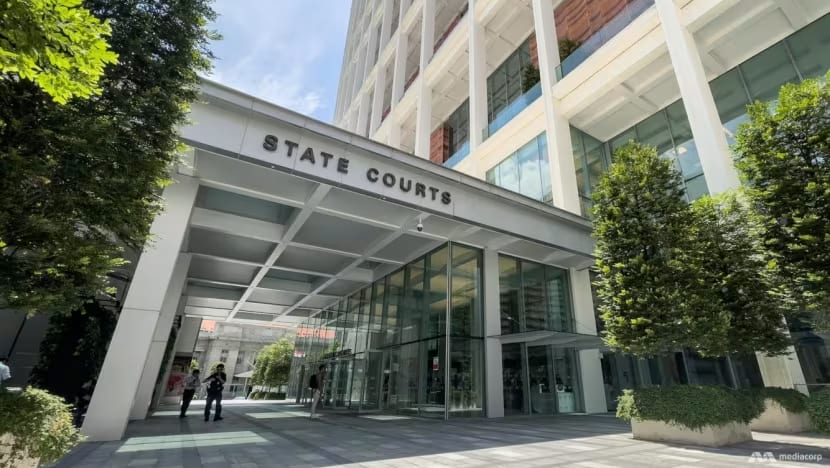
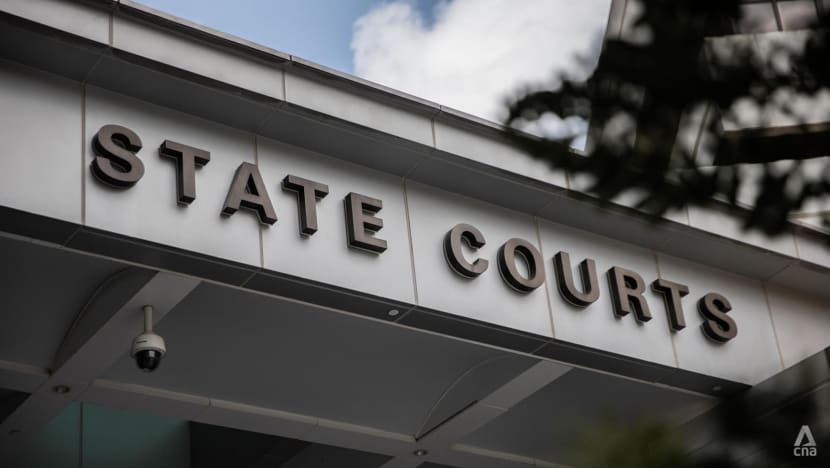
A view of the State Courts building in Singapore. (Photo: CNA/Ili Nadhirah Mansor)

Listen
4 min
New: You can now listen to articles.

This audio is generated by an AI tool.

Read a summary of this article on FAST.
FAST

SINGAPORE: A domestic helper abused a 90-year-old woman she was supposed to care for, including slapping her face and hitting her with a diaper.

Some of the mistreatment occurred while the victim, who has moderate vascular dementia, was partially unclothed, as her helper, Nwe Nwe San, attempted to help her put on a diaper.

Nwe Nwe San, a 49-year-old Myanmar national, was jailed for 52 weeks on Monday (Jan 12).

She pleaded guilty through an interpreter to two counts of voluntarily causing hurt to a vulnerable person.

Her abuse was captured on closed-circuit television (CCTV) footage, which was played in court. At times, the frail victim could be seen raising her hands to defend herself against Nwe Nwe San, who stood before her.

In addition to dementia, the victim is minimally communicative, requires assistance to move around and wears a diaper.

Nwe Nwe San was engaged by the victim’s 68-year-old son in 2017 to care for his mother.

He discovered the abuse when he randomly checked CCTV footage while visiting his mother on Jul 9, 2025.

When the victim was taken to hospital for a urinary infection on Jul 30, 2025, doctors informed her son that she had bruises on her body. 

She was also found to have several rib fractures, although doctors could not pinpoint when they occurred. The son reviewed CCTV footage again and lodged a police report on Aug 2, 2025.

ACTS OF ABUSE

On Jul 16, 2025, Nwe Nwe San kicked the victim’s knee, prodded her head twice, then grabbed her by the shirt and pushed her onto a sofa, according to court documents.

At various points, she grabbed the victim’s hair, slapped her face at least two times and struck her arm with a diaper.

On Jul 28, 2025, while attempting to put a diaper on the victim, the helper grabbed the victim’s right leg and pushed it towards her while the elderly woman was naked from the waist down.

Nwe Nwe San grabbed the victim by her shirt, swung her around several times and repeatedly pushed her onto the sofa. The mistreatment caused the victim to hit her head on the sofa. She also inserted her finger into the victim’s mouth.

At one point, the victim gestured towards the toilet but was ignored. She then pressed her hands together in a pleading gesture towards Nwe Nwe San.

According to court documents, Nwe Nwe San admitted to manhandling the victim as she was frustrated at having to care for the woman on her own.

The victim’s son checked in every weekend. After learning about the helper’s frustrations, he arranged for a part-time helper to assist her.

The prosecution sought 13 to 15 months’ jail, describing the victim as a "highly vulnerable nonagenarian".

"We would also like to highlight that while the doctor could not pinpoint exactly when the fractures were sustained, it is clear that the nature of the abuse likely resulted in the fractures," Deputy Public Prosecutor Caleb Looi said.

Nwe Nwe San, who was unrepresented, told the court that she had committed the acts in an attempt to bring the victim's condition to her family’s attention. This was dismissed by Mr Looi as an afterthought.

He noted that there were better ways to raise concerns, and that the victim’s son had in fact arranged for part-time help.

District Judge Lorraine Ho said that while caring for an ailing senior can be challenging, abusing the victim was not a way to resolve issues, manage frustration or gain the family’s attention.

It was not for the accused to take matters into her own hands by deliberately hurting someone, Judge Ho added.

For voluntarily causing hurt to a vulnerable person, Nwe Nwe San could have been jailed for up to six years, fined up to S$10,000 (US$7,800), or both.

Source: CNA/wt(sn)

Sign up for our newsletters

Get our pick of top stories and thought-provoking articles in your inbox

Subscribe here
Inbox
Advertisement

Singapore

Hospitals may implement surge capacity if more turn to public healthcare options after IP rider changes: MOH

Singapore announced last November that new Integrated Shield Plan riders will no longer be allowed to cover the minimum plan deductibles from Apr 1, to stem a growing exodus of patients from private to subsidised healthcare.

Hospitals may implement surge capacity if more turn to public healthcare options after IP rider changes: MOH

A person holds the hand of an elderly patient in a hospital bed. (File photo: iStock)

Listen
3 min
New: You can now listen to articles.

This audio is generated by an AI tool.

Read a summary of this article on FAST.
FAST

SINGAPORE: The Ministry of Health (MOH) may need to implement surge capacity for selected treatments if more people turn to public hospitals for subsidised healthcare resulting from changes to private health insurance, said Minister for Health Ong Ye Kung on Monday (Jan 12).

Surge capacity refers to a healthcare system's ability to handle a sudden increase in demand beyond normal operational levels.

Singapore recently implemented changes to Integrated Shield Plan (IP) riders to stem a growing exodus of patients from private to subsidised healthcare.

Riders are optional add-ons that cover part of the deductible and co-insurance of a patient's Integrated Shield Plan.

MOH announced last November that new riders will no longer be allowed to cover the minimum plan deductibles from Apr 1.

Currently, policyholders with riders must co-pay at least 5 per cent of their bills, with insurers setting a co-payment cap of no less than S$3,000 (US$2,300) per year. This cap will be raised to a minimum of S$6,000 per year for riders sold from April 2026.

Several Members of Parliament have expressed concerns that those on new riders may choose to seek care at public hospitals to reduce what they need to co-pay, said Mr Ong on Monday.

The government will monitor this closely, and efforts to expand public health capacity are already ongoing, Mr Ong said.

“If need be, we may need to implement surge capacity for selected treatments,” he added.

He was responding to a parliamentary question from Dr Hamid Razak (PAP-West Coast-Jurong West) about what contingency measures have been developed to support restructured hospitals if there is higher patient volume due to shifts from private to public healthcare.

Over the last 10 to 15 years, the shift from private healthcare to public healthcare has been “very discernible”, and the rising cost of private hospital treatment is a key reason, said the health minister.

In particular, IP riders are fuelling this cost increase, he added.

“It will help the entire system, and in particular the public healthcare system, if more of them who can afford it stay with private hospital care,” said Mr Ong.

“And so private hospital care has to become more accessible, more affordable, but we cannot do that without this adjustment in IP rider policy.”

MOH and the Monetary Authority of Singapore work closely together to exercise regulatory oversight of IP insurers to ensure that policyholders’ interests are protected and that the products are sustainable, said the minister.

The Health Ministry’s key role is to oversee the development and operation of Singapore’s public healthcare system.

“For individuals who prefer private healthcare and purchase private insurance, we should not micromanage or prescribe the market practices,” said Mr Ong, adding that MOH instead sets requirements for key parameters.

“We only step in when we see a serious market failure emerging, which is why we have intervened in this case to tighten the design of IP riders.” 

Source: CNA/hw(ac)

Sign up for our newsletters

Get our pick of top stories and thought-provoking articles in your inbox

Subscribe here
Inbox
Advertisement

Singapore

Law passed allowing public sector data to be shared with ‘trusted external partners’

Under the amended Act, agencies are allowed to share data with external partners only when three "safeguards" are met.

Law passed allowing public sector data to be shared with ‘trusted external partners’

Minister of State for Digital Development and Information Jasmin Lau speaking in parliament on Jan 12, 2026.

Listen
9 min
New: You can now listen to articles.

This audio is generated by an AI tool.

Read a summary of this article on FAST.
FAST

SINGAPORE: Public sector agencies will be able to share data with "trusted external partners" whom they work with for legitimate public interest purposes after parliament passed legal amendments on Monday (Jan 12).

Currently, the Public Sector (Governance) Act (PSGA) allows government agencies to share data with one another. When the PSGA amendments come into force, the government will be able to share data with private organisations, such as social service agencies, community partners and self-help groups. 

Examples of these organisations that currently work with ministries include SG Enable, the Chinese Development Assistance Council, Mendaki, Sinda and the Eurasian Association.

Under the amended Act, agencies are allowed to share data with external partners only when three "safeguards" are met.

This means that the data can only be shared if there is a legitimate purpose, if a minister or the minister's delegate has authorised it, and if these organisations are held to the same data protection standards that public sector agencies already adopt.

Speaking in parliament, Minister of State for Digital Development and Information Jasmin Lau said that the changes represented a "careful evolution" of the PSGA.

"It extends our data sharing and governance framework that has enabled better services within government, to trusted partnerships beyond government, all while keeping clear what our purpose is, ensuring that there is high-level oversight, strong safeguards and strong accountability," she said.

ADDRESSING A GAP

Introduced in 2018, the PSGA allows public sector agencies to share data with one another for seven purposes, all of which support the public interest.

"Since then, the PSGA has enabled public sector agencies to work together to better serve Singaporeans through data, resulting in more data-driven policies and schemes, faster implementation, and more citizen-centric support and services," said the Ministry of Digital Development and Information (MDDI) in a press release.

The ministry added that data sharing between agencies has enabled "automatic qualification and disbursement" for various support schemes, such as the Community Development Council (CDC) vouchers scheme and the Majulah Package.

Data sharing across public sector agencies for seven purposes

  1. To uphold and promote the values of the Singapore public sector
  2. To secure economies or efficiencies for the Singapore public sector
  3. To improve (directly or indirectly) the efficiency or effectiveness of policies, programme management or service planning and delivery by Singapore public sector agencies
  4. To ensure business continuity
  5. To ensure accountable and prudent stewardship of Singapore public sector finances and resources
  6. To manage risks to the financial position of the government
  7. To support a whole-of-government approach in the discharge of the Singapore public sector agencies’ functions
Expand

"When the PSGA bill was debated in parliament in 2018, some Members of Parliament saw the potential for PSGA to do more. They asked about data sharing with trusted partners, like our social service agencies," said Ms Lau.

"Back then, we had promised to review this later. And now we are ready for the next step."

The PSGA did not cover external partners outside the public sector. To share data with them, public agencies relied on individual consent, common law public interest grounds, or sector-specific legislation, said Ms Lau.

But these avenues are "not ideal" in many "real-world situations", where contact details become outdated as vulnerable individuals may not respond in time, or when the consent route becomes onerous when multiple datasets and partners are involved, she added.

"In all of these situations, relying on consent means people in need may fall through the cracks and fail to receive timely support," said Ms Lau.

"Common law public interest grounds can also be difficult to apply consistently, because boundaries are not clearly set out and each case needs extensive assessment."

The amendments address the "gap", she added.

"It provides a clear legal basis with clear guardrails for data sharing with our trusted external partners, where it serves legitimate public purposes.”

"HIGH-LEVEL" OVERSIGHT INVOLVED

As for the three safeguards under the PSGA, Ms Lau reiterated the need for these conditions to be met to ensure accountability and that the data is handled in a secure manner.

On the first safeguard, public agencies can only share data for the same seven public purposes that govern inter-agency sharing today.

In addition, each data sharing arrangement with an external partner needs “specific” authorisation by a minister, or the minister's delegate.

The authorisation must clearly specify what data can be shared, which organisation receives it, and for what purpose it may be used, said Ms Lau.

"This ensures high-level oversight for each and every arrangement. It is not a broad, open-ended permission."

The public agency must evaluate the organisation's ability to fulfil its role and handle data responsibly with proper security protection, she added. Where the partner is unable to meet the required safeguards, the sharing will not proceed.

Under the third safeguard, all external partners will also be bound by clear terms of use that set out how the data is protected and used.

"Currently, public agencies already need to make sure external partners whom they share data with are able to meet these requirements, and are contractually bound to do so," said Ms Lau.

"While public agencies already hold external partners to such requirements, we will provide more specific guidance to ensure consistency across different partnerships."

To deter misconduct when it comes to shared data, individuals from external partners will also be liable for criminal offences.

Those convicted of an offence will be subject to a fine of not more than S$5,000 (US$3,900) or jail term of not more than two years or both, said MDDI. This is aligned with data-related offences that apply to public officers under the PSGA.

"Expanded data sharing will mean expanded accountability too," added Ms Lau.

Authorities can also revoke authorisation and cease data sharing arrangements with partners where appropriate.

"With the proposed amendments, we maintain our commitment to protect data, while addressing the reality that effective service delivery requires trusted partnerships beyond public agencies," said Ms Lau.

"These amendments will enable vulnerable Singaporeans to receive faster, targeted and more coordinated support, when they need it most."

ACCOUNTABILITY AND TRANSPARENCY

During the Bill’s debate, eight Members of Parliament raised their concerns about various aspects of the safeguards, especially those related to ensuring accountability.

MP Kenneth Tiong (WP-Aljunied) said he supported the PSGA but wanted to “place some significant concerns” on the record. He brought up the TraceTogether incident in 2021, in which the government clarified that the police can access TraceTogether data under the Criminal Procedure Code.

“I raise this because the Bill before us creates a new framework for sharing citizen data, this time with private entities,” said Mr Tiong.

In response, Ms Lau said that the incident did not “undermine” public trust. When the issue arose, the government explained its position in parliament and clarified the legal framework, she added.

“The lesson from TraceTogether is not that the government cannot be trusted with data. It is that when questions arise, the government must be accountable and transparent - and we were,” said Ms Lau.

Mr Tiong and Dr Choo Pei Ling (PAP-Chua Chu Kang) suggested that the authorities set up a public register detailing how these data requests are handled.

This would reassure Singaporeans that health data sharing beyond healthcare delivery is tightly controlled, exceptional, and subject to public oversight, said Dr Choo. 

Mr Tiong added that the register would create “accountability without undue operational burden”.

To this, Ms Lau said that authorities will consider what is “feasible” as they get more “experience” with the amended law.

Ms Jessica Tan (PAP-East Coast), who is also part of the Government Parliamentary Committee for Digital Development and Information, similarly called for strong documentation. 

Ministerial direction and authorisation will ensure that agencies spell out why data is needed, what will be shared, the party accountable, and the safeguards in place, she said.

This creates a transparent audit trail ensuring that decisions are not made "quietly or casually" at operational levels, Ms Tan added. 

ANONYMISED DATA AND RECOURSE

MPs from both sides of the House raised concerns about privacy, particularly the risk of individuals being re-identified from anonymous data. 

Ms He Ting Ru (WP-Sengkang) asked when re-identification would be allowed and what recourse citizens would have, while Mr Yip Hon Weng (PAP-Yio Chu Kang) questioned whether residents would be informed when their data is shared and who they could approach if issues arise.

To this, Ms Lau said re-identification would be allowed only in limited cases to meet public sector objectives, such as when data is corrupted.

Unauthorised re-identification remains an offence, she said, adding that individuals can raise concerns with agencies, external partners or via the government’s data incident reporting platform.

Ms Lau also responded to another question by Mr Tiong, who said that only individual employees can be prosecuted for breaches involving non-personal data shared with private entities, while the entity that profited faces no direct liability.

The new PSGA offences cover non-personal data, ensuring that all data - including personal data - shared by the government is subject to penalties for misuse under the PDPA or the PSGA, she said.

She added that public agencies will impose terms of use on external partners, requiring organisations that receive government data to comply with data protection and security safeguards.

These organisations may face liability through contractual terms if breaches occur, said Ms Lau.

Source: CNA/mt

Sign up for our newsletters

Get our pick of top stories and thought-provoking articles in your inbox

Subscribe here
Inbox
Advertisement

Singapore

Rare sighting of Himalayan vulture in Singapore, viral video shows it was struggling to fly near ECP

The large bird was found to be distressed and weak after it was rescued by animal welfare volunteers.

Rare sighting of Himalayan vulture in Singapore, viral video shows it was struggling to fly near ECP

A distressed Himalayan vulture (left) was safely rescued after it was spotted along the highway in Singapore. (Photos: The Animal Concerns Research and Education Society)

Listen
3 min
New: You can now listen to articles.

This audio is generated by an AI tool.

Read a summary of this article on FAST.
FAST

SINGAPORE: A huge Himalayan vulture caused a stir on the road and online over the weekend after it was spotted around East Coast Parkway (ECP) on Sunday (Jan 11). 

One video posted on the Nature Society Singapore's Facebook page showed the large bird – known for eating the flesh of dead animals – on a grass patch by the roadside, flapping its wings to try to take flight. 

Another video on TikTok showed it walking along the shoulder of the expressway. 

Separately, birdwatchers reported seeing a Himalayan vulture along Tanah Merah Coast Road on Saturday. It is unclear whether it is the same bird.

In response to queries from CNA, chief executive officer Kalai Vanan Balakrishnan of the non-governmental organisation Animal Concerns Research and Education Society (ACRES) said that it received a call about a distressed large bird, which was struggling after being stranded in a canal and along the ECP.

A rescue team led by three volunteers was deployed and safely rescued the male bird, later identified as a Himalayan vulture, Mr Kalai added. It is now under the care of ACRES' veterinary team. 

"Dehydration, overall weakness and overall exhaustion from the long voyage seem to be the initial diagnosis," Mr Kalai told CNA.

"We are still assessing it and hope to fully rehabilitate the large bird for release in the near future."

The website of the Bird Society of Singapore states that Himalayan vultures are migratory and are usually spotted in this region between late December and early January. 

Most Himalayan vulture sightings here have been recorded in the central and western parts of the island, with fewer sightings in the north and east.

Himalayan vultures are birds of prey native to the Himalayas, the foothills of North and Northeastern India, and the Tibetan Plateau. 

With a wingspan of between 2.5m and 3m and weighing up to 12kg, it is the second-largest Old World vulture species. 

Old World vulture species are from Africa, Asia and Europe, while New World vultures are from the Americas, the National Geographic site states. Only Old World vultures can make alarm and other calls, whereas New World vultures hiss or grunt instead because they have have no voice box.

These birds are scavengers that feed mainly on dead or decaying flesh, playing an important role in the ecosystem by clearing animal carcasses. 

Young Himalayan vultures are likelier to be found at lower altitudes and their presence has been recorded across northern India, Nepal and parts of Southeast Asia. The younger ones are noted to have distinctive, long and broad wings, as well as a short, wedge-shaped tail. 

Source: CNA/nl(sf)

Sign up for our newsletters

Get our pick of top stories and thought-provoking articles in your inbox

Subscribe here
Inbox
Advertisement

Singapore

Surging rents, subletting and tourism reshape Kampong Glam’s historic streets

As rents climb and tourist-oriented businesses move in, the area’s small businesses say it is becoming harder to survive. 

Surging rents, subletting and tourism reshape Kampong Glam’s historic streets

Property experts attribute Kampong Glam’s sharper rental increases partly to tourism recovery.

Listen
9 min
New: You can now listen to articles.

This audio is generated by an AI tool.

Read a summary of this article on FAST.
FAST

SINGAPORE: In Kampong Glam, one of Singapore’s oldest conservation districts, rents have climbed sharply in recent years – in some cases nearly doubling.

For small businesses that once defined the area’s eclectic character, the increases are proving unsustainable.

Aggressive subletting practices have also exacerbated the surge in prices, observers say, with larger brands and tourist-oriented businesses with deeper pockets swooping in.

Designated a conservation area in 1989, Kampong Glam is a historical centre for Singapore’s Malay-Muslim community and encompasses a network of streets with distinct identities. 

Arab Street remains home to traditional textile and carpet shops, while nearby Haji Lane has evolved over the years into a cluster of food-and-beverage outlets, lifestyle brands and creative retail concepts.

For those who remember the area a decade or more ago, it was a melting pot of music, art and fashion.

But for tenants today, the picture is far less rosy.

SMALL SHOPS PRICED OUT

Honeybee, an ice cream shop that opened along Haji Lane in 2022, once made up to S$1,000 (US$777) a day on weekdays.

By mid-2025, daily takings had fallen by half. At the same time, rent had nearly doubled, with little room for negotiation as its lease approached expiry in December.

“We waited for the landlord. They never emailed, they never called,” recounted owner Hakim Ismail. He was then informed that the lease was not being extended, he told CNA in October.

He added that he discovered the unit was being renovated, along with a substantial rent increase. The new landlord, he said, was a corporate entity.

Honeybee shut its doors after its lease expired.

Honeybee, an ice cream shop that opened along Haji Lane in 2022, once made up to S$1,000 a day on weekdays.

Similar stories are common along the street, with several tenants reporting that their rents jumped from around S$3,000 to close to S$10,000 over the past few years.

Some businesses did not make it past their first year, with a few shuttering just weeks after launch.

Over the past three years, at least 10 shops along Haji Lane have closed.

One business that has managed to stay afloat is retail store Beau, which opened in 2012.

Retail store Beau has operated in Haji Lane since 2012.

Its owner Daryl Yan credits this to a more accommodating landlord.

“It’s all about supply and demand,” he said. “Especially when we saw a lot of foreign companies coming in … and they are willing to afford higher rental, which eventually causes the overall market price to edge up.”

Even with a supportive landlord now, Mr Yan believes future renewals are likely to follow the market.

“SERIAL SUBLETTING”

Another practice is pushing rents even higher – subletting.

Currently, tenants are allowed to lease shophouse units from landlords and sublet them to others.

Several business owners told CNA that an individual they called a “serial subletter” is active in the area.

The person allegedly monitors leases nearing expiry, bids significantly above current rents to secure the unit, and then rents it out again at an even higher rate to other businesses.

This makes it impossible for existing tenants to match new offers, shopowners say.

International chains and brands have also become increasingly visible in Haji Lane – a shift that some local tenants say dilutes the area’s cultural value.

A souvenir shop along Haji Lane.

SOUVENIR SHOPS, PHOTOBOOTHS EYE TOURIST DOLLARS

Among the most noticeable changes is the rise of souvenir shops.

In the past year alone, at least four such stores selling Singapore-inspired merchandise have opened along Haji Lane, replacing restaurants and clothing shops.

Several units are leased by a single owner and operated by sublet tenants. 

One of them is Sinnkawa, which opened in July 2024. Its owner Soul Chen now runs four shops in the area.

“The reason why I've opened so many outlets is because I really like the area,” he said in Mandarin.

During peak tourist seasons, his shops can take in about S$10,000 a day. Their combined monthly rent is around S$60,000.

The business also supplies merchandise to large clients such as Haidilao and Popular.

Mr Chen said landlords typically rely on agents to manage relationships with tenants.

“The landlords are all very rich, so they don't really have time to come and deal with us,” he added.

Tourists along Haji Lane told CNA that souvenir shops were part of the appeal.

“There’s a lot of cute stuff,” one said. Another described the street as immersive, calling it “a unique experience”.

Korean-style self-photobooths along Haji Lane.

Another new entrant is Korean-style self-photobooths. Of the roughly 79 units along Haji Lane, about six are now photo studios offering various themes.

Such businesses catering directly to tourists appear better positioned to cope with rising rents, experts say. Around 15 per cent of Haji Lane’s units now fall into these categories.

WHY KAMPONG GLAM RENTS ARE RISING

Property consultancy Colliers attributes Kampong Glam’s sharper rental increases partly to tourism recovery.

Yearly median rents in the precinct have risen to about S$7.54 per square foot (psf) over the past year, up from about S$6.02 psf in 2023, according to its data.

That translates to a 25 per cent increase between 2023 and 2025, compared with smaller rises of about 5 per cent in Chinatown and Little India over the same period.

Location is another factor.

Kampong Glam sits near Bugis and the Central Business District, and new developments such as Guoco Midtown and Shaw Tower have added to its appeal.

In 2025 alone, seven shophouses were sold in Kampong Glam, amid strong island-wide demand.

According to Huttons Asia, shophouse transactions in the first nine months of 2025 rose about 10 per cent year-on-year, with many units bought by funds and institutional investors.

As long as interest rates remain low, analysts expect demand to persist.

LOSS OF CULTURAL HERITAGE?

Amid the shop closures, questions are growing about what it means to preserve Kampong Glam’s culture.

The Kampong Gelam Alliance (KGA), which brings together residents, business owners and cultural institutions, does not regulate rents.

Instead, it facilitates conversations between tenants and landlords, advocates for the area’s cultural value and works to increase footfall.

One proposal is to extend weekend road closures at Bussorah Street and Baghdad Street to weekdays, allowing for more frequent performances and events.

The alliance also plans to collaborate with businesses to organise activities tied to cultural periods such as the Islamic holy month of Ramadan.

It also hopes to draw more young people into the district – not just as visitors, but as entrepreneurs.

“I need youth to come in, not just volunteer. Let them start something over here. Start a business … sell something,” said Mr Syed Osman Alsagoff, KGA’s place director.

Most of the shophouses in Kampong Glam are owned by third- or fourth-generation descendants of Arab traders and former merchants.

Rising rents and a lack of successors have shuttered many such heritage retailers.

Along Arab Street, a handful of textile and kebaya shops remain.

One of them is Toko Aljunied, a pre-war shophouse that has served four generations of customers.

Owner Zahra Aljunied said many similar shops have closed, but her business has survived because she owns the premises.

Toko Aljunied owner Zahra Aljunied.

"If you compare 30, 40 years ago, there’s so many changes. We used to have a lot of F&B, people offering shisha … but those old shops that sell fabrics, I think they are left only a few."

Shisha tobacco has been banned in Singapore since November 2014. Retailers in areas including Kampong Glam were given until the end of July 2016 to finish their stock.

While Ms Zahra said she understands that lifestyles have changed and traditional clothing is no longer worn daily, she worries about the dilution of Malay-Muslim culture and cautioned against the influx of non-traditional businesses in the area.

She also works with tour guides and the KGA on exhibitions and kebaya fashion shows to ensure the public is educated about the culture.

BALANCING THE PAST WITH THE FUTURE

Experts say heritage does not have to be frozen in time.

Professor Ho Puay Peng, UNESCO chair on architectural heritage conservation and management in Asia, said the area today “has very little to do with our own Southeast Asian Malay-Muslim heritage or lifestyle”, but added that this may not be the aim.

“Heritage conservation is not to preserve the past and make it like a museum,” he said.

Such districts should also avoid catering solely to tourists, he added, and take a more forward-looking approach.

For Kampong Glam, that means paying attention not just to physical conservation – such as shophouses and mosques – but also the intangible aspects such as cultural practices. 

“How we curate, how we do the more intangible side of heritage with the tangible … that is what we need to help create,” Prof Ho said.

Source: CNA/mp(lt)

Sign up for our newsletters

Get our pick of top stories and thought-provoking articles in your inbox

Subscribe here
Inbox
Advertisement

Singapore

Growing buzz around EVs draws 25% more visitors to Singapore Motorshow

More players are expected to enter the luxury EV market to meet growing demand in Singapore, said carmakers.

Growing buzz around EVs draws 25% more visitors to Singapore Motorshow

This year's Singapore Motorshow at the Suntec Singapore Convention & Exhibition Centre featured 37 automotive brands and over 200 vehicle models, with the bulk of exhibitors showcasing electric or hybrid models.

Listen
6 min
New: You can now listen to articles.

This audio is generated by an AI tool.

Read a summary of this article on FAST.
FAST

SINGAPORE: Growing interest in electric vehicles (EVs) drew larger crowds to this year’s Singapore Motorshow.

Attendance at the four-day event, which ended on Sunday (Jan 11), rose by about 25 per cent compared to last year. The increase was driven by increasing consumer interest in EVs, including those from Chinese brands, the organiser said.

“People are now more open to the idea of EVs. They are more open to the idea of Chinese brands as well,” said Mr Glenn Tan, president of the Motor Traders Association of Singapore.

“But I think now, with a lot of Chinese brands (coming) in, people are really open to the idea of Chinese EVs, and it's something that has become very mainstream in Singapore.”

The event at the Suntec Singapore Convention & Exhibition Centre featured 37 automotive brands and over 200 vehicle models, with the bulk of exhibitors showcasing electric or hybrid models. 

GROWING BUZZ AROUND EVs

As with last year, Chinese manufacturers dominated the show floor, underscoring their growing presence in Singapore’s automotive market.

EVs and new model launches took centre stage at the motorshow, which spanned 21,000 sqm across four levels.

Riding the growing buzz around EVs, car dealership Vincar Group expanded its lineup to include more electric models. The event also marked the firm’s debut of Chinese brand Guangzhou Automobile Group and Malaysia’s Proton eMAS.

Mr Ernest Tan, deputy CEO of Vincar Group, said public response to EVs has been encouraging.

“Last year alone, the uptake for EVs grew quite a lot and we are expected to grow again this year,” he said.

“It is a good thing for the industry. A lot of new brands are coming with new models.”

EVs made up 43 per cent of new Singapore car registrations in the first nine months of last year. In comparison, EVs accounted for 33.8 per cent of new car sales in the whole of 2024, and 18.2 per cent in 2023.

Chinese brand BYD, which showcased its new plug-in hybrid Seal 6 DM-i, also saw strong interest at the motorshow.

“EV definitely has been more popular and it's widely accepted,” said Ms Wang Hsiao Yen, head of marketing at BYD Singapore.

“We have seen a lot of people just come directly with full knowledge about EVs – I think that's great. That's why I think we (filled) up a lot of crowds this year compared to last year.”

She added that the recent drop in Certificate of Entitlement (COE) premiums for Category A cars also helped draw more visitors.

Prices for Category A cars – those 1,600cc and below with horsepower not exceeding 130bhp – closed at S$102,009 last week, down 6.8 per cent in the previous bidding exercise.

LUXURY EV MARKET

Carmakers told CNA that more players are expected to enter the luxury EV market to meet growing demand in Singapore.

To prepare for this, some are already raising the bar by offering customisable entertainment systems and more spacious seating.

China’s oldest passenger carmaker Hongqi, for instance, made its Singapore debut by unveiling a preview of its electric luxury sport utility vehicle, which is set to hit the market from the middle of 2026.

Eurokars Group, Hongqi's Singapore distributor, said the model will offer more legroom.

But even as it jazzes up its rides, the company expects competition in the luxury EV segment to intensify in the near future.

“We don't really see aggressive players within the luxury EV space,” said Ms Charmain Kwee, group executive director of Eurokars.

“But (in) the next few years, I'm not surprised that more and more car players will move into the direction,” she added.

“Similar to what combustion engines were years back, different carmakers will want to launch into different segments and different categories to cater to their broad customer pool.”

As more buyers turn to luxury EVs, brands will need to innovate to stand out in an increasingly competitive market.

Audi, already active in the luxury EV segment, is focusing on features such as premium interiors and customisable high-end sound systems.

The automaker expects to continue expanding its offerings in Singapore and the region.

“I think Singapore is the most progressive market for luxury EVs compared to other markets in the (Southeast Asia) region, mainly due to the perfect ecosystem here, (including) the charging system,” said Mr Martin Bayer, managing director of Audi Singapore

“Singapore (also) has a very clear plan of how it evolves for the next few years, and this gives confidence to the manufacturers and also to the customers.”

FUTURE OF DRIVING

Retailers said young families remain the largest group of potential buyers, many of whom are drawn to features and technology designed for everyday use.

Leading carmakers believe the race is no longer just about price and driving range, but also about chips, software and artificial intelligence aimed at creating smarter vehicles.

Among the brands shaping the future of car mobility is Chinese EV maker Xpeng, which is relatively new to the Singapore market. Its use of technology is heavily centred on AI.

“We have been here for about just under two years,” said Mr Dominic Tan, sales manager at Xpeng Singapore.

“That is the number one hurdle that we do face, but I think putting more cars on the roads gives customers a lot of confidence in the brand.”

Even as car brands experiment with new technologies, they stressed that safety remains a top priority.

BYD has developed an in-house system that combines sensors, software and AI to create a 360-degree view of a vehicle’s surroundings.

The technology is already in use in China, and the company is working to get it approved in Singapore.

“Over (the) years, people's expectations for EV products have changed. It has accelerated. People are looking beyond just having a more sustainable energy (car),” BYD’s Ms Wang.

“It (also) has to be smart, it has to be practical.”

Source: CNA/ca(lt)

Sign up for our newsletters

Get our pick of top stories and thought-provoking articles in your inbox

Subscribe here
Advertisement

Singapore

GIC’s decision to de-risk pre-emptively was a ‘matter of judgment’: Jeffrey Siow

The Senior Minister of State for Finance said that the state investor’s prudent decision at the time led to foregone returns, but it performed within expectations. 

 GIC’s decision to de-risk pre-emptively was a ‘matter of judgment’: Jeffrey Siow
Senior Minister of State for Finance Jeffrey Siow speaking in parliament on Jan 12, 2026.
Listen
5 min
New: You can now listen to articles.

This audio is generated by an AI tool.

Read a summary of this article on FAST.
FAST

SINGAPORE: In trying to lower risks, Singapore’s sovereign wealth fund GIC ended up missing out on some investment returns in recent years, Senior Minister of State for Finance Jeffrey Siow said in parliament on Monday (Jan 12).

But he said the decision to de-risk was a “matter of judgment”, and that the fund has met the government’s expectations.

Addressing several parliamentary and supplementary questions on GIC’s investment performance, Mr Siow said the fund expected increased market volatility and saw that valuations were heightened, so it took pre-emptive measures to moderate its risk exposure.

The measures, which were taken in recent years, were intended to keep the portfolio risks within acceptable limits, and to guard against the possibility of “significant asset impairment” if markets fell sharply.

“But as equity markets have continued to remain elevated, these prudent de-risking measures resulted in some foregone returns,” said Mr Siow.

GIC’s annual return has lagged behind its reference portfolio by 0.5 and 1.3 percentage points over 20 and 10 years, respectively, the Financial Times reported in December.

The fund’s reference portfolio comprises 65 per cent global equities and 35 per cent global bonds.

Over five years, FT said the GIC portfolio lags its reference by 3.1 percentage points.

In response to a question from Associate Professor Jamus Lim (WP-Sengkang) about whether the Ministry of Finance plans to address the lower returns generated by GIC compared with its reference portfolio, Mr Siow said the reference portfolio is not a performance benchmark.

Instead it is an expression of the overall risk that the government would like GIC to take, and there will be periods where GIC takes less risk than the reference portfolio, he said.

“Should GIC not have de-risked and ridden through the drawdowns? I think that is a matter of judgment,” said Mr Siow, noting that GIC has to balance its mandate with the need to preserve Singapore’s capital assets.

“(In) hindsight, we can always make all sorts of assertions, but they have taken that decision to de-risk and preserve our capital and still be able to make the returns that we expect of them.”

Mr Siow said GIC’s team has demonstrated over the years that it is able to make active decisions to manage assets and generate high returns.

“I think we have to leave the professionals to do the work that they do,” he said.

The government works with GIC’s board to make sure it fulfils its mandate, and is focused on the fund’s long-term investment performance rather than year-to-year fluctuations, he added.

“We think they have met the expectations in this regard,” said Mr Siow.

Video Player is loading.
Current Time 0:00
Duration 31:09
Loaded: 0.53%
Stream Type LIVE
Remaining Time 31:09
 
1x
    • Chapters
    • descriptions off, selected
    • captions off, selected
    • en (Main), selected
    Current Time 0:00
    Duration 0:00
    Loaded: 0%
    Stream Type LIVE
    Remaining Time 0:00
     
    1x
      31:09 Min

      The government’s assessment is that the returns generated by GIC and Temasek are reasonable and within expectations, given their mandates and risk profiles. The government will continue to review their mandates and performance regularly, in line with changes in the global economic investment landscape. Senior Minister of State for Finance Jeffrey Siow said this in reply to MPs’ questions in parliament on Monday (Jan 12). He pointed out that the government assesses their performance primarily against their respective mandates and risk profiles - not with other funds. GIC has achieved a real return of 3.8 per cent per annum over the past 20 years. Temasek has over the last 20-year period reported a total shareholder return of 8 per cent per annum in US dollar terms. 

      TEMASEK’S PERFORMANCE

      Several Members of Parliament also raised questions about the performance of Temasek and its recent restructuring.

      In July last year, the state investor said its net portfolio value increased by 11.6 per cent from a year before to hit a record high of S$434 billion, which was equivalent to US$324 billion as of Mar 31.

      Amid geopolitical uncertainty, Temasek said it had been “actively rebalancing” its portfolio and strengthening resilience.

      Mr Siow said that Temasek operates as an active, bottom-up investor that invests directly in companies where it sees long-term growth potential. Compared with GIC, Temasek operates at the higher end of the risk spectrum, he said.

      “In recent years, Temasek’s performance was affected by the performance of the Chinese market, although this was mitigated by higher returns from its growing investments in Europe and in the (United States),” he said.

      Nonetheless, over the last 20-year period, Temasek has reported a total shareholder return of 8 per cent per annum in US dollar terms, he added.

      Taken as a whole, the government has assessed that the returns generated by GIC and Temasek are “reasonable and within expectations”, given their mandates and risk profiles, Mr Siow said.

      Video Player is loading.
      Current Time 0:00
      Duration 12:49
      Loaded: 1.29%
      Stream Type LIVE
      Remaining Time 12:49
       
      1x
        • Chapters
        • descriptions off, selected
        • captions off, selected
        • en (Main), selected
        Current Time 0:00
        Duration 0:00
        Loaded: 0%
        Stream Type LIVE
        Remaining Time 0:00
         
        1x
          12:49 Min

          As Temasek expands its investment activities across new geographies and sectors, it may need to adjust its organisational structure to sharpen its focus and better achieve its objectives. Temasek has publicly explained the rationale for its latest restructuring. These are matters for its board to determine and the government does not intervene in such decisions. Ultimately, the government holds the board of Temasek accountable for delivering good long-term returns on its overall portfolio - on the basis of net portfolio performance after deducting all investment fees and expenses. Senior Minister of State for Finance Jeffrey Siow said this in reply to MPs’ questions in parliament on Monday (Jan 12).

          Mr Ng Shi Xuan (PAP-Sembawang) asked a supplementary question on what levers the government has in the event that the long-term performance of Temasek is deemed unsatisfactory.

          In response, Mr Siow said that as an active investor, volatility in the markets is expected. Over a long period, these volatilities and fluctuations should even out, he said.

          “As long as they make what we require of them – which is something that is sustainable, that’s something that is in line with their risk profile… I think we should be able to accept that these are within our expectations and that they are delivering what they have been set out to do,” he said.

          Assoc Prof Lim pointed out that Temasek’s long-term investment returns are comparable to those of global benchmarks, despite Temasek’s holdings in private assets, which are expected to generate higher returns.

          He asked whether directing dividends from privately held assets toward public assets might be a possible strategy to maximise returns.

          Mr Siow said that the government will continue to engage Temasek to develop and build a diversified portfolio that reduces volatility and outperforms a broad-based market index.

          The government will not go into exactly how the dividends are spent and the proportion of listed or unlisted assets they should manage, he added.

          “That’s something for the Temasek management to decide, and we will not interfere in those decisions,” he said.

          Source: CNA/er(kg)

          Sign up for our newsletters

          Get our pick of top stories and thought-provoking articles in your inbox

          Subscribe here
          Advertisement

          Singapore

          Singapore reviewing early findings from Hong Kong's investigations into Wang Fuk Court fire

          The Singapore government is studying whether it needs to strengthen regulations for works during the construction and maintenance of residential buildings.

          Singapore reviewing early findings from Hong Kong's investigations into Wang Fuk Court fire

          An aerial view of the burnt buildings after a deadly fire at Wang Fuk Court, a residential estate in the Tai Po district of Hong Kong's New Territories, on Nov 28, 2025. (File photo: AP/Ng Han Guan)

          Listen
          6 min
          New: You can now listen to articles.

          This audio is generated by an AI tool.

          Read a summary of this article on FAST.
          FAST

          SINGAPORE: The Singapore government has started reviewing the early observations from Hong Kong's ongoing investigation into the Wang Fuk Court fire, which killed 161 people.

          Minister of State for Home Affairs Goh Pei Ming said in parliament on Monday (Jan 12) that the government is also studying whether there is a need to strengthen regulations for works during the construction and maintenance of residential buildings.

          “This will allow us to better manage fire risks, and the outcome of this ongoing review will be announced in due course,” said Mr Goh, who was responding to questions from Members of Parliament about Singapore's fire and safety regulations in light of the Hong Kong fire.

          Senior Minister of State for National Development Sun Xueling said that where relevant, the Ministry of National Development will incorporate findings from the review into its legislative and policy framework, including the Building (Strata Management) Act.

          There were 1,051 residential building fires in Singapore in 2025, an increase from 968 in 2024.

          "This is a slight increase amid a stable trend of residential building fires over the past five years," said Mr Goh.

          He added that the statistics should be "viewed in the context of Singapore's housing stock", and that the percentage of fires has decreased from 0.067 per cent in 2021 to 0.065 per cent in 2025.

          “However, recent tragic events remind us that we cannot afford to be complacent about fire safety. The Wang Fuk Court fire in Hong Kong last November is a grim example,” he said.

          MP Alex Yam (PAP-Marsiling-Yew Tee) asked for reassurance about inspection enforcement regimes during construction and renovation works, given the "confluence of hot works, emergency wiring and flammable materials".

          Mr Goh said the use of bamboo as scaffolding is not allowed in Singapore.

          "Any construction and maintenance works done in Singapore must adhere to the safety requirements set out in the fire code and the Workplace Safety and Health regulation," he added. 

          "For example, any hoarding used during construction must be made of non-combustible materials, and all fire safety systems must remain functional. It is also a requirement to ensure ... hot works are separated from flammable materials."

          The Wang Fuk Court buildings were clad in bamboo scaffolding draped with nylon netting for external investigations. Hong Kong officials said in December that the netting did not meet codes for fire resistance. 

          Smoke rises while flames burn bamboo scaffolding on a building at Wang Fuk Court housing complex in Tai Po, Hong Kong, Nov 26, 2025. (Photo: Reuters/Tyrone Siu)

          All buildings in Singapore are designed and built in accordance with the prevailing fire code, which stipulates the fire safety requirements, said Mr Goh. 

          This includes the compartmentalisation of residential units to limit fire spread prior to the arrival of the Singapore Civil Defence Force (SCDF).

          Other fire safety provisions include adequate staircases to support swift evacuation, fire engine access roads and rising mains to support firefighting operations.

          The SCDF is also constantly reviewing its firefighting tactics and equipment and the fire safety requirements for high-rise buildings, he said.

          This includes exploring new technologies and studying international best practices to effectively conduct firefighting and rescue operations in high-rise settings.

          For instance, the SCDF has “aerial appliances” that can reach up to 90m, as well as surveillance drones.

          In addition, high-rise residential buildings that exceed 40 storeys are required to have at least one refuge floor per 20 storeys.

          “The refuge floor is designed to provide evacuees with quick access to a safe holding space in the event of a fire,” said Mr Goh.

          FIRE DRILLS, SUPPORT FOR SENIORS

          MP Ng Chee Meng (PAP-Jalan Kayu) noted that there were three serious fires that resulted in deaths in 2025. 

          He suggested conducting fire drills at public housing estates so residents get "more hands-on education besides head knowledge".

          Mr Goh said that a prepared and ready public is the “best line of defence against fires.”

          “Every fire, every death is one too many, and we deeply regret that,” he said. “That’s the reason why, all the more, we do need to step up.”

          To that end, the SCDF holds campaigns to educate residents, such as teaching them how to use fire extinguishers and automated external defibrillators.

          He said that a sense of "individual responsibility" among residents is also crucial, given that the primary cause of fires is unattended cooking.

          “If you are able to get everyone aware that these can cause fires, I think that solves a big part of the problem,” he said.

          MP Lee Hong Chuang (PAP-Jurong East-Bukit Batok) asked if there were any operational limits faced by SCDF when battling fires on high floors, as well as how to better evacuate the elderly.

          Mr Goh said that all high-rise structures above 24m, or about eight storeys, are required to have fire lifts that can be switched to manual operations so that firefighters can have prompt access to the higher floors.

          Additional fire lifts are also required for high-rise residential buildings 40 stories and above.

          To keep seniors safe, they are encouraged to install home fire alarm devices. These are subsidised under the Enhancement for Active Seniors programme.

          Community support is also essential. Mr Goh gave the example of a network of residents in Jalan Besar GRC that assists with the evacuation of elderly neighbours in the event of a fire.

          “This is a very good example of how the community can work very closely with the SCDF to especially reach out to those in need,” he said. 

          Source: CNA/jx(mi)

          Sign up for our newsletters

          Get our pick of top stories and thought-provoking articles in your inbox

          Subscribe here
          Advertisement

          Dining

          Popular Muslim-owned Fluff Bakery reopens in Geylang under new name

          Why didn’t the bakery, which closed last year, reuse its beloved brand and instead rename itself Big Mouth?

          Popular Muslim-owned Fluff Bakery reopens in Geylang under new name

          Big Mouth Bakehouse was recently launched within the premises of Penny University’s Wisma Geylang Serai store. (Photos: Big Mouth Bakehouse)

          Listen
          4 min
          New: You can now listen to articles.

          This audio is generated by an AI tool.

          Read a summary of this article on FAST.
          FAST

          Over the past half a year, Mouss Kamal, the owner of coffee and brunch spot Penny University, has overseen a five-month renovation of the cafe’s Wisma Geylang Serai outlet. As a partner in the wildly popular but now defunct Fluff Bakery at North Bridge Road – which used to supply Penny University with baked goods – the 49-year-old also had to deal with the closure of Fluff last September

          “It has been tough for a couple of years now and we just can’t keep afloat anymore,” the bakery posted on social media at the time.

          Out of that closure, something new is rising out of the metaphorical oven, though. Together with Fluff’s founder and baker, Nursyazanna Syaira Mohammad Suhimi, 39, and her husband Ashraf Alami, 45, Mouss has launched Big Mouth Bakehouse within the premises of Penny University’s Wisma Geylang Serai store.

          Some of the items sold at Big Mouth Bakehouse. (Photo: Big Mouth Bakehouse)

          The homey 20-seater cafe soft-opened in late December for two days to test its menu – a combination of focaccia sandwiches and sweet and savoury bakes like flatbreads, scones and waffles, alongside Penny University’s signature coffee – and officially debuted earlier this week.

          “Now it’s really a true collab between Penny and the Fluff founders, in the sense that we coexist in the same space and run the menu and service together. Previously, we were simply supplying [goods] to each other,” shared Mouss.

          He called the decision to close Fluff and reopen it as Big Mouth Bakehouse the result of a “combination of rising unsustainable business costs and the need to reinvent ourselves”.

          When we asked him to clarify industry rumours that Fluff closed to escape its debts, Mouss explained: “We closed down and opened as Big Mouth because, yeah, of course there were some issues with the business before. And we felt the need to reinvent. But Fluff is not running away or writing off bad debts. Most of the suppliers we’re working with for Big Mouth are the people we’ve been working with for more than 10 years. They’re still supportive of us, and we’re clearing the outstanding with them; still servicing the payment arrangements.

          “Sometimes when other businesses close down, they go through liquidation and that doesn’t work out the best for all parties because there isn’t enough money to pay everyone. We didn’t want to go down that route, so we thought about how best to turn it around. And we felt the best way was to come up with a new concept that’s more current. Hopefully, when things pick up, we can clear what was outstanding in the past.”

          Ashraf Alami (left) and Nursyazanna Syaira outside the now-closed Fluff Bakery store at North Bridge Road. (Photo: Fluff Bakery)

          Not reusing the Fluff name was intentional, he added, because “it’s an entirely different concept”. 

          “The menu has evolved in so many ways. And we have dine-in now. It’s a new beginning, new ideas, with a new partner set-up too.”

          At Big Mouth, everything is made fresh daily and served as part of a rotating menu. Mouss said Syaira came up with the name because “all the bakers, including herself, are very chatty and there's always a lively energy while they work in the kitchen. So it's more like a name that describes the team”.

          Fresh bakes at Big Mouth. (Photo: Big Mouth Bakehouse)

          While it’s early days yet and customer patterns are still under study, he noted that some of the star items include the focaccia sandwiches (like a Thai Beef Salad version for S$12.50), the Honey Butter Brioche Toast (S$5.50), and the Matilda chocolate cake (S$8).

          For drinks, he recommended the Muddy Espresso (S$6.50) and the Espresso with Milk made “using really good Colombia coffee” (S$4). Non-coffee drinkers can partake of specialty drinks too, like the Lychee Oolong Tea with Sea Salt Foam (S$8) and the Jamu Cooler (S$7.50), starring homemade jamu sorbet and perendjak tea from Indonesia.

          Still, Fluff fans craving a taste of their favourite treats shouldn’t get their hopes up just yet. Said Mouss: “For now, no cupcakes.”

          Big Mouth Bakehouse is at #01-06 Wisma Geylang Serai, 1 Engku Aman Turn, S408528. Open Tue to Sun from 9am to 6pm. More info via Instagram

          This story was originally published in 8Days.

          For more 8Days stories, visit https://www.8days.sg/

          Source: 8 Days/hq

          Sign up for our newsletters

          Get our pick of top stories and thought-provoking articles in your inbox

          Subscribe here
          Advertisement

          Entertainment

          Mediacorp actress Tay Ying only went on honeymoon after husband said it was a 'business research' trip

          According to celebrity chef Wu Sihan, his wife, Tay Ying, is such a workaholic that she’d only travel for work.

          Mediacorp actress Tay Ying only went on honeymoon after husband said it was a 'business research' trip

          Celebrity couple Tay Ying and Wu Sihan. (Photo: Tay Ying)

          Listen
          2 min
          New: You can now listen to articles.

          This audio is generated by an AI tool.

          Read a summary of this article on FAST.
          FAST

          Most couples would be eager to embark on their honeymoon right after getting married. But for Mediacorp actress Tay Ying, 29, who tied the knot with celebrity chef Wu Sihan last June, work always comes first.

          It's why it took her husband a little more effort to get her to say yes to their honeymoon trip to Spain, France and Scotland last October.

          In a recent interview with Zaobao.sg, the 33-year-old chef shared that he had to use "business research" as an excuse to get his wife to go on their honeymoon.

          “Tay Ying is actually a workaholic and always puts work first. If it’s just a vacation, she’d say she has work and won’t go," he revealed.

          If he tells her it's work and asks her to accompany him, though, she'd be willing to go along.

          “So I used the excuse of going to France to visit a supplier while we ‘incidentally’ went on our honeymoon. That was how I convinced her,” he recalled.

          Wu also took the opportunity to praise Tay Ying for her diligence.

          “As an artiste, she gives a 100 per cent effort. Last time she had to gain weight for [Mediacorp drama The Blockbusters]. She ate a lot for two months and gained 10kg, then worked hard to lose it afterwards," he revealed.

          Sihan also noted that it's "not easy" for artistes these days as they have to manage social media and content creation on top of their acting gigs.

          "I think she learnt a lot of resilience and focus from her parents," he gushed, referring to his parents-in-law, celebrity couple Hong Huifang and Zheng Geping.

          This story was originally published in 8Days.

          For more 8Days stories, visit https://www.8days.sg/

          Source: 8 Days/hq

          Sign up for our newsletters

          Get our pick of top stories and thought-provoking articles in your inbox

          Subscribe here
          Advertisement

          Singapore

          Bill tabled to tackle personal mobility aid misuse, mandate ERP 2.0 unit; active mobility rules to start from mid-2026

          It was initially announced that the new active mobility rules would take effect from the first quarter this year.

          Bill tabled to tackle personal mobility aid misuse, mandate ERP 2.0 unit; active mobility rules to start from mid-2026

          Two men riding across a junction on a PMA in Yishun, Dec 16, 2024. (Photo: CNA/Wallace Woon)

          Listen
          5 min
          New: You can now listen to articles.

          This audio is generated by an AI tool.

          Read a summary of this article on FAST.
          FAST

          SINGAPORE: An omnibus Bill to require individuals to hold a valid certificate of medical need in order to ride a mobility scooter on public paths was tabled in parliament on Monday (Jan 12), with its active mobility provisions set to be implemented in mid-2026 by the Land Transport Authority (LTA).

          Introduced by Acting Minister for Transport Jeffrey Siow, the Land Transport and Related Matters Bill, if passed, will also mandate the installation of the ERP 2.0 system’s on-board unit (OBU) in all Singapore-registered motor vehicles for use on public roads.

          The Ministry of Transport (MOT) said the mid-2026 implementation timeline for the mobility scooter rules would give affected parties “time to comply”. The rules were previously slated to take effect in the first quarter of this year.

          The Bill seeks to amend various transport-related legislation, such as the Active Mobility Act, the Land Transport Authority of Singapore Act, the Small Motorised Vehicles (Safety) Act, the Road Traffic Act and the Road Vehicles (Special Powers) Act, and other laws.

          Among other things, the proposed amendments aim to address concerns over the misuse of mobility scooters by seemingly able-bodied individuals, as well as speeding and the use of oversized devices, which could compromise the safety of other path users, said the ministry.

          Under the changes, users will need a valid certificate of medical need to ride or drive a mobility scooter, which is a type of personal mobility aid (PMA). The speed limit for PMAs will also be reduced from 10kmh to 6kmh.

          In addition, mobility scooters will be required to be registered to strengthen enforcement. The LTA proposes to first impose the requirement on new devices sold, before giving existing users time to comply ahead of full implementation.

          The bill also proposes to make it an offence to keep non-UL2272 e-scooters, as these non-compliant e-scooters pose severe fire risks. Currently, it is an offence to use e-scooters that do not meet the UL2272 fire safety standard on public paths or roads, but not to keep such a device.

          UL2272 is the fire safety standard for electric personal mobility devices in Singapore.

          Separately, the Bill proposes to mandate that Singapore-registered motor vehicles be installed with ERP 2.0 system’s OBU to travel on public roads in Singapore.

          MOT said in a statement that the installation of the OBUs is “progressing well”, with more than 90 per cent of all vehicles in Singapore already fitted.

          The collection of missed ERP charges will also be streamlined by decriminalising missed ERP payments and treating it as an administrative matter.

          Motorists with outstanding charges will no longer face a traffic offence, but will be unable to transact with LTA for services such as road tax renewal or vehicle transfers until payments are settled.

          The ministry did not say when it intends to mandate the installation of the ERP 2.0 unit, but has previously stated the OBU installation exercise is expected to be completed by end-2026.

          OTHER AMENDMENTS

          From Jul 1 next year, all lorries with a maximum laden weight of 3,501 kg to 12,000 kg must be fitted with speed limiters capped at 60km/h to reduce speeding-related accidents.

          The Bill proposes to tighten accountability by requiring authorised agents to report suspected tampering, holding owners and drivers liable for permitting or using non-compliant vehicles, and banning unauthorised speed limiter services, said the Ministry of Home Affairs (MHA) in a separate statement.

          Currently, lorry owners who fail to comply with speed limiter requirements may be fined up to S$1,000 (US$740) for a first conviction, and up to S$2,000 for a second or subsequent conviction.

          Penalties will also be significantly increased, with maximum fines raised to S$10,000 for a first offence and S$20,000 for repeat offences, to better reflect the road safety risks involved.

          The Bill also strengthens deterrence by raising penalties for serious vehicle-related offences.

          If the Bill is passed, penalties for illegal vehicle alterations will be increased and expanded to cover those who permit such activities on their premises, with individuals facing fines of up to S$20,000 and/or up to 2 years’ jail, and higher fines of up to S$40,000 for non-individual offenders, doubled for repeat cases.

          Penalties will likewise be increased for keeping or using unregistered or deregistered vehicles, with offenders facing fines of up to S$20,000 and/or up to two years’ imprisonment, and with penalties doubled for repeat offences.
           

          Source: CNA/jx(nj)

          Sign up for our newsletters

          Get our pick of top stories and thought-provoking articles in your inbox

          Subscribe here
          Advertisement

          Singapore

          Teen given 21 months' probation after deceiving peer into performing degrading acts

          The 18-year-old manipulated the victim into performing degrading acts such as drinking his own urine, then recorded the acts and extorted money from the victim. 

          Teen given 21 months' probation after deceiving peer into performing degrading acts

          A view of the State Courts building in Singapore. (File photo: CNA TODAY)

          Listen
          6 min
          New: You can now listen to articles.

          This audio is generated by an AI tool.

          Read a summary of this article on FAST.
          FAST

          SINGAPORE: A teenager who made another teenager perform degrading acts, such as soaking his genitals in chilli oil and drinking his own urine, was given 21 months' probation on Monday (Jan 12).

          The 18-year-old male pretended to be a female to deceive the male victim, also 18, into believing that they were in a romantic relationship.

          Both the accused and the victim, who were around 16 at the time of the offences, cannot be named due to a gag order protecting their identities. The gag order also covers the nature of their relationship.

          The teenager earlier pleaded guilty to a charge each of cheating and extortion, with two counts of a similar nature considered. 

          Intending to pull a prank at first, he created an Instagram account in February 2023 that seemingly belonged to a female and used it to contact the victim. He downloaded inappropriate photos of girls from the internet to make the fake profile more convincing.

          He also engaged the victim in conversations about sexual fantasies, misleading him into believing that he was in a romantic relationship with the female. The two had video calls, during which the accused kept his camera turned off, while the victim showed his face.

          Between February and December 2023, the accused deceived the victim into performing degrading acts. These included soaking his genitals in chilli oil for two minutes and rubbing salt on them.

          The accused also made the victim drink his own urine, perform sexual acts in front of a camera, play football unclothed, and cut and burn his hair with a lighter.

          He further manipulated the victim into sending gift cards and cash amounting to S$390 (US$300), and coerced him into eating butter and cheese even when he was unable to swallow any more.

          The prosecution, saying earlier that some of the acts were likely to cause bodily harm to the victim, added: "The victim performed the acts as he believed that he was in a relationship with (the woman in the profile) and did so in order to make (her) happy. These were acts that the victim would not have done if he were not so deceived."

          Having recorded video calls with the victim, the accused sent the screen recordings to another person.

          Using the same hoax profile, the accused then extorted money from the victim by threatening to circulate the compromising recordings.

          Fearing exposure, the victim complied with instructions to hide cash inside a book at a bookstore in Tampines Mall. The accused and the person with whom he had shared the recordings would then collect the money, splitting the proceeds. On one occasion, they collected S$100, of which S$20 was given to the other person.

          Using the same method, the pair continued to collect money from the victim between July and December 2023. Across five occasions, S$2,450 was collected.

          The victim lodged a police report on Jun 8, 2024, and the accused was arrested two days later. Court documents did not state how the victim discovered that he had been deceived.

          ACCUSED HAS POTENTIAL FOR REFORM

          After the accused pleaded guilty, he was assessed for probation and reformative training.

          Both are rehabilitative sentencing options. Under probation, a young offender is placed under the supervision of a probation officer for a period and must comply with conditions such as curfews. Probation does not result in a permanent criminal record.

          A step up from probation is reformative training, which includes offenders being placed in a controlled environment with a structured schedule of activities for a period of time. This results in a criminal record.

          On Monday, the court heard that the accused was found suitable for both probation and reformative training.

          Deputy Public Prosecutor Stephen Yeo called for reformative training, stating that the need for deterrence in this case was "very clear". The acts of cheating were "very depraved" and "unprovoked", he said.

          The accused was represented by lawyer Rohit Kumar Singh from Regal Law, who urged the court to grant his client probation. 

          "The accused is truly remorseful for his actions and regrets the offences he has committed ... he is dedicated to improving himself following these incidents, by furthering his studies ... and subsequently focusing on his National Service," Mr Singh said.

          "It's been a while since I saw a probation report this positive. I urge your honour to give him a chance, and I assure you he will not waste this chance," Mr Singh added, stressing the teenager's potential for reform. 

          Despite having earlier expressed her reluctance to consider probation, District Judge Carol Ling decided to grant probation to the accused. 

          As part of his probation, he must remain indoors from 10pm to 6am, perform 110 hours of community service and undergo counselling programmes as necessary.

          His parents were also required to post a bond of S$5,000 to ensure their son’s good behaviour.

          "Make no mistake, the offences are serious," Judge Ling said in court.

          She described the teenager's conduct as "highly reprehensible" and said that it showed a "complete lack of empathy" and total disregard for the victim. 

          Noting the accused's youth at the time of the offences, Judge Ling said that young age alone could not always excuse one's actions, but found that there was room for rehabilitation in this case.

          She noted that both the probation and reformative training reports were consistent in finding his risk of reoffending to be low, and that he had insight into his harmful behaviour and its effects. 

          However, she warned the accused that if he reoffended or failed to comply with his probation conditions, the court could revoke probation and impose reformative training.

          "Probation is not a get-out-of-jail card," the judge said.

          For cheating, an offender can be jailed for up to three years or fined, or both.

          For extortion, an offender can be jailed between two and seven years, and caned. 

          Source: CNA/wt(ss)

          Sign up for our newsletters

          Get our pick of top stories and thought-provoking articles in your inbox

          Subscribe here
          Advertisement

          Singapore

          Legal practice must guard against risks of AI degrading lawyers' skills: Chief Justice

          The Chief Justice, the Attorney-General and the president of the Law Society of Singapore spoke about the risks and opportunities that AI can provide to the legal practice.

          Legal practice must guard against risks of AI degrading lawyers' skills: Chief Justice

          Chief Justice Sundaresh Menon speaking at the opening of the legal year on Jan 12, 2026. (Photo: CNA/Wallace Woon)

          Listen
          4 min
          New: You can now listen to articles.

          This audio is generated by an AI tool.

          Read a summary of this article on FAST.
          FAST

          SINGAPORE: As artificial intelligence (AI) increasingly displaces the opportunities for young lawyers to develop foundational skills such as legal research and analysis, these skills are expected to degrade, perhaps even to the point of affecting a lawyer's ability to check if an AI-generated product is correct.

          Chief Justice Sundaresh Menon said this in his speech at the opening of the legal year at the Supreme Court on Monday (Jan 12).

          He said the core function of a lawyer and the nature of legal work would be affected by the emerging ubiquity of generative AI, and that it would "upend the practice of the law and the way we train and develop lawyers".

          "At the same time, ensuring that our profession is ready to harness new technology responsibly will improve the public's access to justice," he added.

          Attorney-General Lucien Wong said in his speech that there is still a place for lawyers in an AI world: "As lawyers, we place our client's interests above our own and advocate for him or her, but this does not always mean saying 'yes'.

          "Sometimes, it may mean saying 'no'. This is why lawyers are given 'instructions' and not 'prompts'."

          AI may be able to answer your questions, but it cannot tell you when you are asking the wrong question.

          He also said that the lawyer is not there to be a "frictionless instrument of the client's will", or a mere mirror of his or her desires, but is a "trusted and loyal adviser and champion".

          "The very best lawyers know their clients' needs better than the clients themselves. They make their clients feel seen, known and understood; they discern the true concerns lying behind their clients' queries; and they explore the underlying interests behind hardened positions to identify potential trade-offs and win-win outcomes across issues," the Attorney-General added.

          "AI may be able to answer your questions, but it cannot tell you when you are asking the wrong question."

          Attorney-General Lucien Wong delivering his address during a ceremony for the opening of the legal year at the Supreme Court on Jan 12, 2026. (Photo: CNA/Wallace Woon)

          STEPS TO TACKLE THE ISSUE

          The Chief Justice said he had proposed a public-private partnership to tackle the issue of AI, and stressed that the approach to the education and training of new lawyers must be transformed.

          Steps that the Singapore Academy of Law (SAL) has taken towards this include launching a career coaching programme with legally trained coaches, supplemented with an AI-powered career coach.

          SAL will also partner with the Infocomm Media Development Authority to equip practitioners to use AI effectively and responsibly, with more details to come by the first half of this year.

          Chief Justice Menon said the industry must also recognise the potential implications of AI.

          "While AI will power a widening range of tools capable of assisting practitioners, we must recognise and guard against the potential accompanying risks, including the real possibility that AI will affect or even compromise the development of foundational skills such as legal research, analysis, drafting and reasoning." 

          Professor Tan Cheng Han, Law Society of Singapore's president, touched on the concern that technology is likely to shrink the need for the type of work that many lawyers, particularly junior lawyers, do today.

          "Another concern is the ability of the profession as a whole to access, utilise and apply technology effectively, including the ability to understand their ethical obligations when doing so."

          Professor Tan Cheng Han, president of the Law Society of Singapore, delivering his address during the ceremony for the opening of the legal year at the Supreme Court on Jan 12, 2026. (Photo: CNA/Wallace Woon)

          He also said that if many lawyers do not understand or are unable to have reasonable access to technological tools, this affects their clients' access to justice.

          "The inaugural annual Legal Tech-Guide issued by the Information Technology Committee is a good start towards fostering greater understanding."

          He has also asked for solutions from relevant committees on how to enhance access to relevant tech tools, and for the development of programmes that can better educate lawyers on how the tools can be used, while making these programmes accessible and affordable.

          Source: CNA/ll(sf)

          Sign up for our newsletters

          Get our pick of top stories and thought-provoking articles in your inbox

          Subscribe here