

Hong Kong authorities are looking into expanding the city’s sexual offences laws to cover AI-generated “deepfake” porn, security chief Chris Tang has said.

Speaking to select media on Monday, Tang said that the Security Bureau would launch a public consultation next year, aiming to pass legislative amendments by the end of the current administration’s term in June 2027.
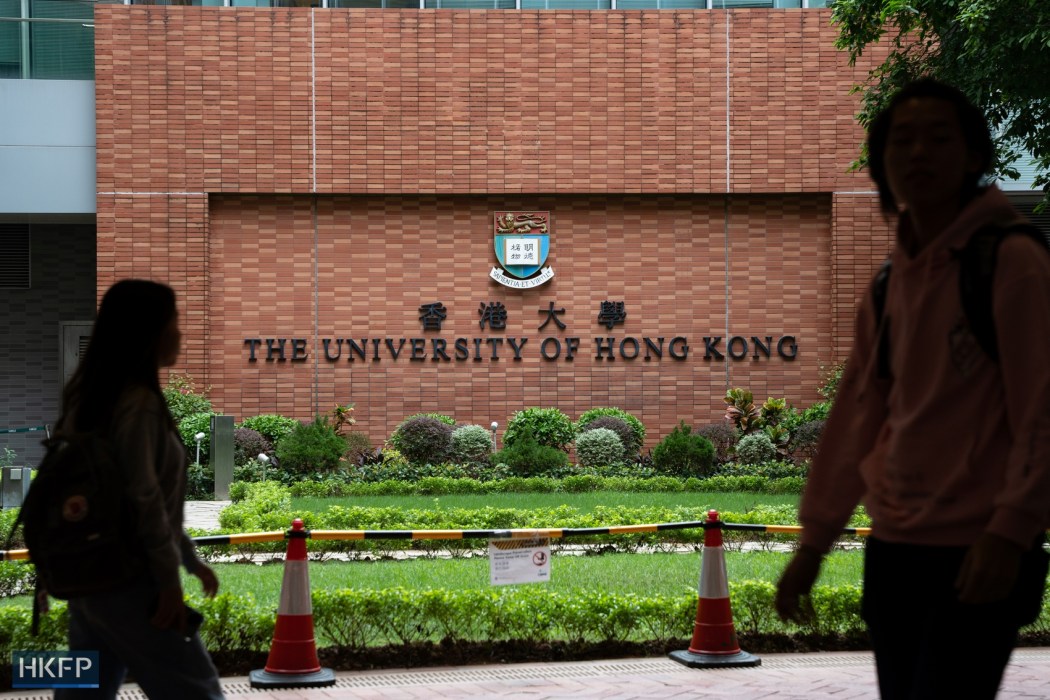
Tang’s remarks come about two months after a law student at the University of Hong Kong (HKU) was accused of creating pornographic images of around 20 to 30 women, including his classmates and teachers, without their consent.
The student allegedly used free online artificial intelligence (AI) tools to generate deepfake porn images with photos from the women’s social media pages.
Tang said on Monday that the Law Reform Commission, which gives recommendations on changes to the law, would look into whether using AI to generate pornographic images should be included under the Crimes Ordinance, according to local media.
The ordinance includes offences such as “publication or threatened publication of intimate images without consent” and “access to a computer with dishonest intent,” with each carrying a maximum punishment of five years in jail.
Tang also added that the amendments would adhere to the principle that sexual offences are not distinguished based on gender or sexual orientation.
Existing laws
When asked about the issue in July, Chief Executive John Lee made no mention of a proposal for legislation regarding AI-generated indecent images but said most of Hong Kong’s laws applied to online behaviour.
Lee also mentioned that the government’s Digital Policy Office published a guideline for generative AI use in April, promoting the “safe and responsible development” of the technology and its related activities.
HKU received public backlash over its handling of the deepfake image scandal. It issued a warning letter to the student but refused three anonymous victims’ requests to have the case handled by the Disciplinary Committee. The university said that the male student likely did not commit an offence that the committee could address.
After the city’s privacy watchdog launched a criminal probe, HKU said the case would remain open.


