

The UK security minister has said the country would “never” allow Hongkongers to be extradited for political reasons, after activists raised alarm that changes to an extradition act could put them at risk.

Dan Jarvis, the UK’s security chief, said on Wednesday that there had been “inaccurate” reporting on modifications being made to the country’s extradition laws.
Last month, he said the UK was planning to remove Hong Kong from the UK’s Extradition Act 2003, as it no longer had a formal extradition arrangement with the city after the UK scrapped the treaty in response to Beijing imposing a national security law in Hong Kong in 2020.
In place of that, the UK would cooperate with Hong Kong on “the case-by-case ad hoc basis available for non-treaty partners,” Jarvis added.
In response, UK-based advocacy group Hong Kong Watch said the proposal could give rise to “opaque extradition cooperation outside the protections of a formal treaty-based system.”
Conservative Party lawmaker Alicia Kearns wrote a letter to Jarvis expressing concern about the “transnational repression” faced by Hong Kong democracy activists and questioning how the UK could protect them from Hong Kong authorities.
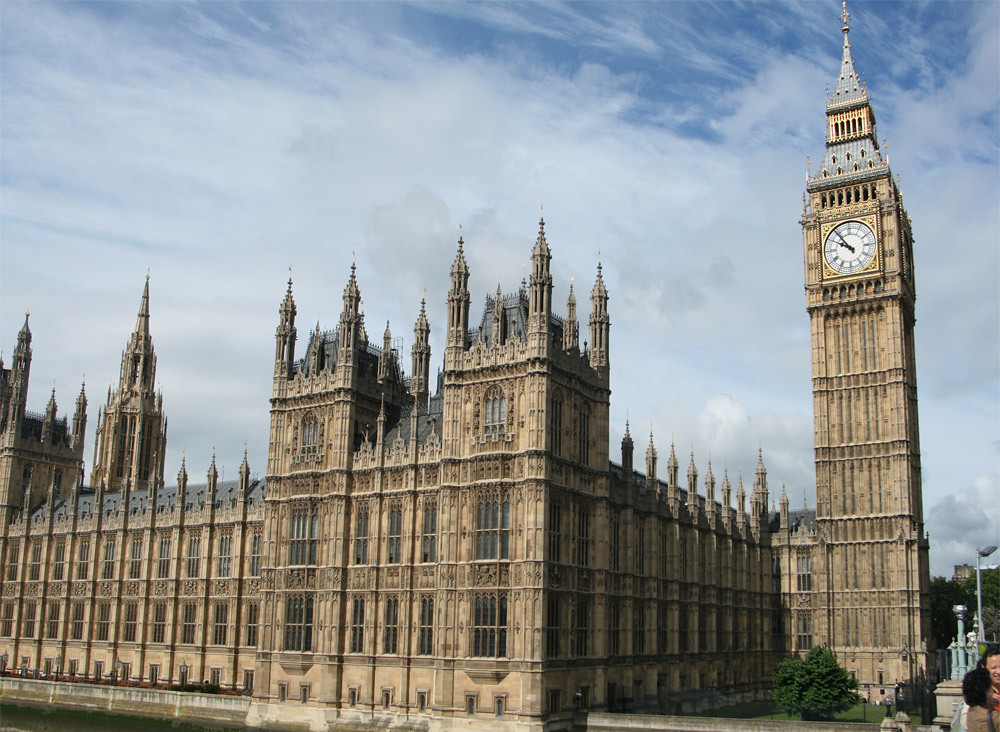
In response, Jarvis said on Wednesday that the change – removing Hong Kong from the UK’s Extradition Act 2003 – simply “formalises the severing of ties between the British and Hong Kong extradition systems.”
“The government will never allow a situation where [Hongkongers] or any other nationality is extradited for politically motivated purposes, he said, adding that UK courts have “extensive powers” and could bar extradition if it is determined that a request is political.
Arrest warrants
Since Beijing imposed a national security law in Hong Kong following the 2019 protests and unrest, scores of activists have relocated to other countries – with the UK being one of the most popular destinations.
Hong Kong police have issued arrest warrants and bounties of up to HK$1 million for 19 overseas activists accused of breaching the national security law.
Some of them are now based in the UK, including activists Nathan Law, Finn Lau, and Chloe Cheung.

Last week, police issued a new round of warrants for 15 activists, plus a HK$200,000 bounty each for information that could lead to their arrests. Police cited their involvement in a political group deemed subversive by Hong Kong authorities.
Jarvis said the UK government “stands resolutely” with Hongkongers who have relocated to the UK, and that he was “deeply concerned by the news of further bounties having been issued.”
“Any attempt by any foreign state to intimidate, harass or harm individuals in the UK will not be tolerated,” he said.
In June 2020, Beijing inserted national security legislation directly into Hong Kong’s mini-constitution – bypassing the local legislature – following a year of pro-democracy protests and unrest. It criminalised subversion, secession, collusion with foreign forces and terrorist acts, which were broadly defined to include disruption to transport and other infrastructure.
The move gave police sweeping new powers, alarming democrats, civil society groups and trade partners, as such laws have been used broadly to silence and punish dissidents in China. However, the authorities say it has restored stability and peace to the city.


