

Hong Kong health authorities have announced tightened border control measures to prepare for imported cases of chikungunya fever, as mainland China is battling an outbreak of the mosquito-borne disease.

A recent spike in chikungunya fever in multiple regions worldwide, including neighbouring areas, coupled with more frequent travel over the summer holidays, poses “a significant risk of imported cases in Hong Kong,” the Centre for Health Protection (CHP) said on Tuesday.
Thousands of cases have been reported in neighbouring Guangdong province since the chikungunya fever outbreak began earlier this month. As of Saturday, Guangdong logged more than 4,800 infections, while the city of Foshan – the hardest hit – reported over 4,700 confirmed cases.
Confirmed cases have also been recorded recently in other cities in Guangdong. There have been no confirmed cases in Hong Kong since 2020.
The virus is not transmitted from person to person, and is primarily transmitted to humans through the bite of female Aedes albopictus mosquitoes carrying the virus.
“Therefore, early identification of infected persons and preventing them from mosquito bites during [the] communicable period is vital in [the] prevention of local transmission,” CHP Controller Edwin Tsui said.
Control measures
Chikungunya fever causes rare fatalities, and its symptoms are milder than those of dengue fever, which is also a mosquito-borne disease. However, “occasional cases of eye, heart, and neurological complications have been reported” with chikungunya fever infections, the World Health Organization said.
The Hong Kong government has adopted several measures to prevent the virus from becoming endemic.
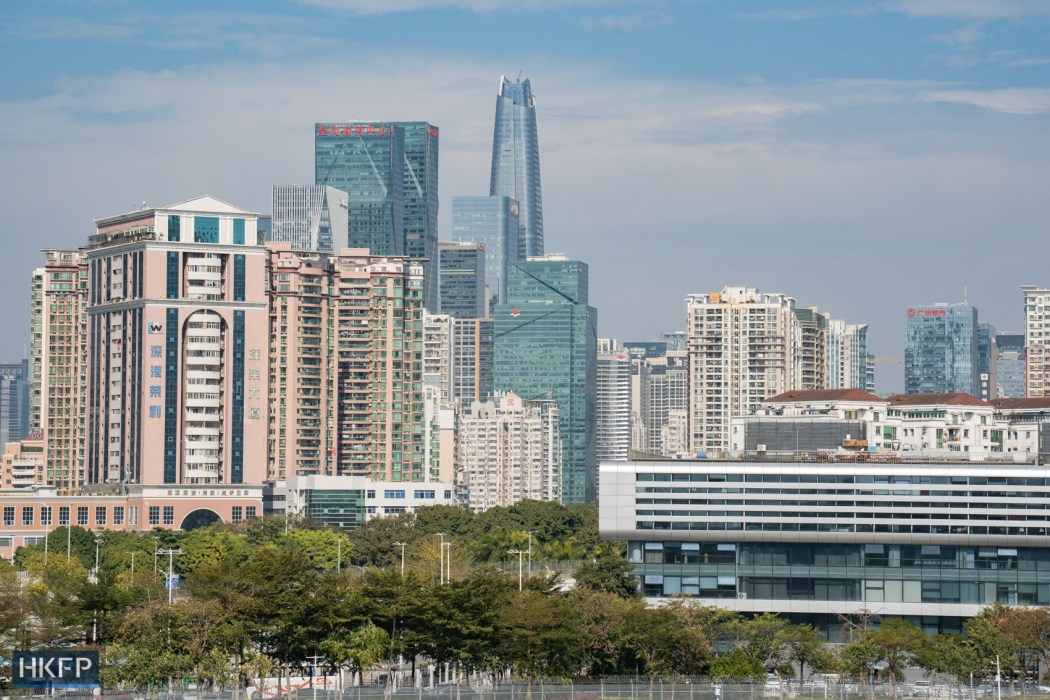
According to the statement, the CHP’s Port Health Division has been in close contact with Shenzhen Customs “to ensure prevention and control measures at border control points in Shenzhen and Hong Kong are properly put in place.”
The CHP has also enhanced local testing capabilities to ensure that suspected cases can be tested as soon as possible, the statement said. Confirmed patients will be admitted to hospital to receive treatment in a mosquito-free environment.
The CHP will also implement prevention and control measures, including providing medical surveillance and health advice to household contacts of the patient or those with common exposure to the source of infection.
Together with the Food and Environmental Hygiene Department (FEHD), the CHP will also conduct on-site inspections, vector investigations and mosquito control to lower the risk of local transmission.
The centre also called on people returning to Hong Kong from areas affected by chikungunya fever to apply insect repellent for 14 days upon arrival. If they feel unwell, they should seek medical advice promptly and provide their travel details to the doctor.


