

By Amber Wang
Taiwanese voters turned out at schools, temples and community centres on Saturday to cast their ballots in a high-stakes recall election that could give President Lai Ching-te’s party control of the parliament.

Civic groups backed by Lai’s Democratic Progressive Party (DPP) are seeking to unseat 31 lawmakers belonging to the main opposition Kuomintang party, who they accuse of being pro-China and a threat to the democratic island’s security.
The KMT, which wants closer ties with Beijing, controls parliament with the help of the Taiwan People’s Party (TPP) and has slammed the unprecedented recall effort as a DPP power grab.
Polling stations opened around Taiwan at 8:00 am (0000 GMT) with 24 KMT lawmakers facing potential recall. Elections for another seven KMT lawmakers will be held on August 23.
In the capital Taipei, people queued in school hallways and temples. AFP saw an elderly man arrive at a primary school in an ambulance, which had brought him from hospital so he could vote in favour of the recall.
A 71-year-old woman surnamed Tseng told AFP she was voting against the recall, arguing the process was “costly” and the government should instead “focus on improving the economy and social welfare”.
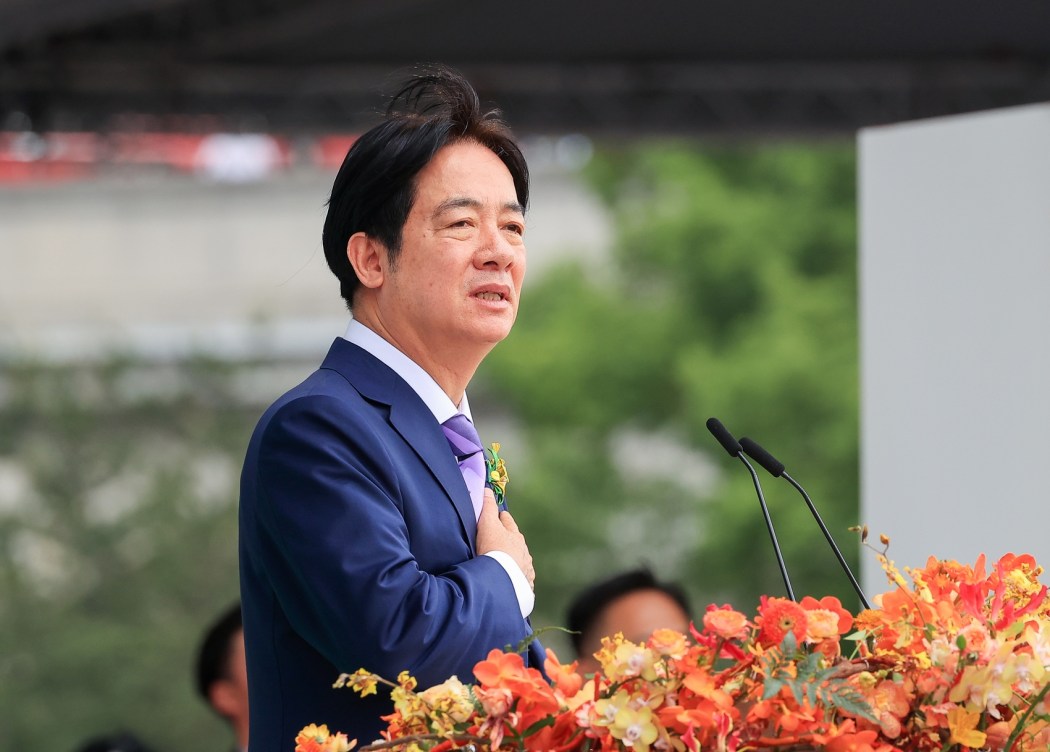
Both major parties held rain-soaked rallies in recent days to urge supporters to take part in the critical election, which could upend the balance of power in parliament.
While Lai won the presidential election in 2024, his DPP party lost its majority in the legislature.
Since then, the KMT and TPP have joined forces to stymie Lai’s agenda, and slashed or frozen parts of the government’s budget.
Contentious opposition bills, including an attempt to expand parliament’s powers, sparked brawls in the legislature and massive street protests.
The DPP needs a minimum of 12 KMT lawmakers recalled to gain temporary control of the parliament, with risk analysis firm Eurasia Group giving that outcome “a 60 percent probability”.

Lai’s party would then need to flip six seats in by-elections later this year to cement its dominance in the parliament — which analysts say would be a formidable challenge.
Recall results will be released Saturday night. Analysts said if the DPP gets control of the purse strings, even if only for a few months, it is likely to reverse the budget cuts and increase defence spending.
Whatever the outcome, though, analyst Lev Nachman said political divisions in Taiwan were certain to deepen.
“The way that the recalls have played out have been perhaps some of the most divisive language used towards both camps that I think I’ve ever seen,” Nachman, a political scientist and longtime observer of Taiwan, told AFP.
China looms large
In recent months, KMT chairman Eric Chu has compared Lai’s government to Hitler’s Nazi regime, while Lai has spoken of “removing impurities” to defend Taiwan’s sovereignty.
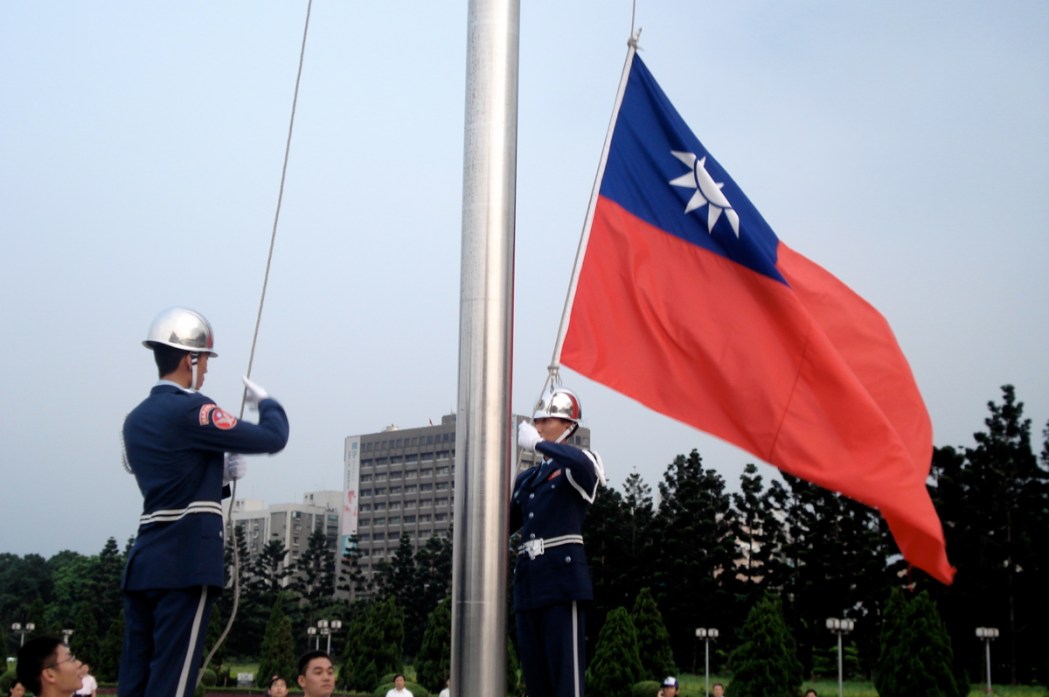
Beijing has loomed large over the recall vote, with Taipei warning of “visible evidence” that China was trying to interfere in the process.
The KMT’s ties with Beijing and frequent visits by its lawmakers to China have raised concerns among critics over Chinese influence on the party.
But the KMT rejects accusations it is beholden to Beijing.
Communist China has never ruled Taiwan, but Beijing claims the island is part of its territory and has threatened to use force to bring it under its control.
For a KMT lawmaker to lose their seat, the number of votes in favour of recalling them must exceed those against and also be more than 25 percent of the total number of registered voters in the electorate.


