

Hong Kong’s Hospital Authority has negotiated lower prices for medication following discussions with pharmaceutical firms, as part of cost-cutting measures aimed at optimising resources.

Hospital Authority chief executive Tony Ko said on Wednesday that, of the pharmaceutical firms it had spoken with – most of which make drugs for cancer and chronic conditions – around 70 per cent agreed to lower prices. The average price cut was about 20 per cent.
The Hospital Authority is also planning to rely more on generic drugs instead of brand-name medication, Ko said, citing expiring patents on some drugs paving the way for other manufacturers.
William Chui, the Hospital Authority’s chief pharmacist, said that market competition could lower prices across the board.
“Whether it’s generic drugs manufactured in India, Western countries or mainland China, the original manufacturers will follow by reducing their prices,” Chui said in Cantonese.
Last year, the Hospital Authority established a “Cost Assessment Panel” to negotiate costs with pharmaceutical firms.

In March, the Health Bureau said it had reduced procurement costs for some drugs for colon cancer and paroxysmal nocturnal haemoglobinuria, a type of rare blood disorder.
The Hospital Authority will continue to promote the “diversification of drug supply so as to provide patients with safe, efficacious and cost-effective drugs,” the bureau added.
On Wednesday, Chui said authorities had taken reference from drug prices offered under mainland China’s medical insurance system while negotiating costs. The Hospital Authority is also looking to purchase medical equipment from mainland China, he said.
Ko added on Wednesday that the Hospital Authority has been using artificial intelligence (AI) to draft medical reports since March. Around 80 per cent of reports can be processed by AI, he said, helping save about 40 per cent of the time staff spend handling paperwork.
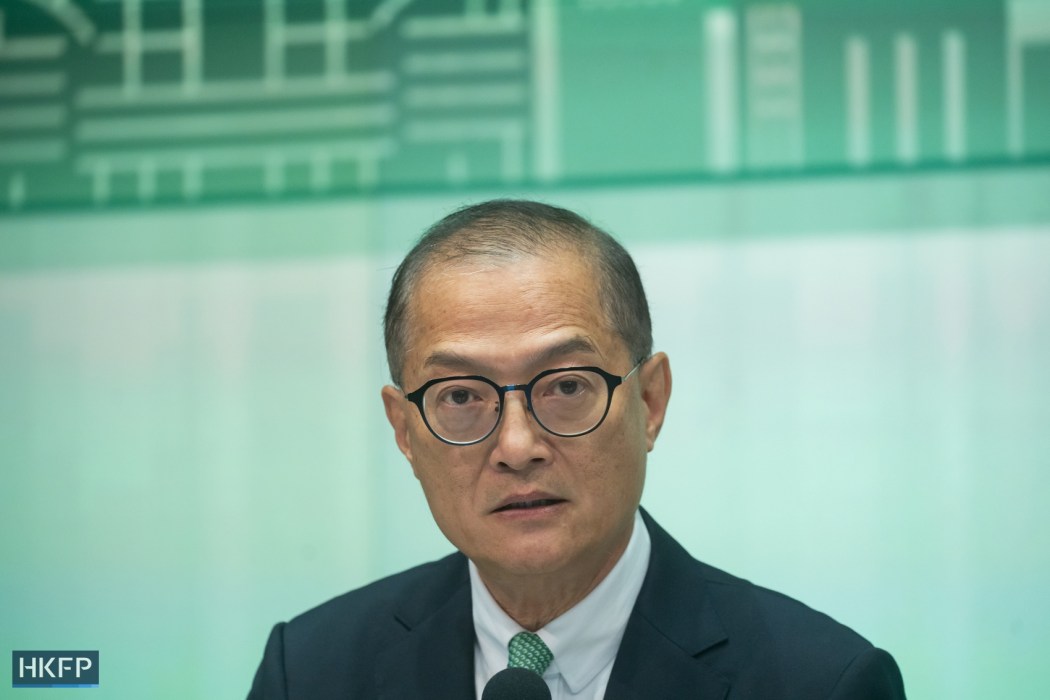
Lowered drug costs at public hospitals come as the city is set to raise fees for services such as non-critical Accident and Emergency (A&E) room visits.
The hike is part of a reform that Secretary for Health Lo Chung-mau called “belated and necessary,” saying that the current public healthcare system, which is heavily subsidised by the government, is not sustainable.
Under the new plan, patients classified as “urgent,” “semi-urgent,” or “non-urgent” will have to pay HK$400 for A&E services. The current fee has been HK$180 since 2017.
Patients classified as “critical,” referring to those who should receive immediate medical attention and those classified as “emergency,” which should be attended to within 15 minutes, will be treated for free.


