

The Hong Kong government has lashed out, saying it will “never be intimidated” following US lawmakers’ call for sanctions on the city’s judges and prosecutors, whom they accuse of being complicit in human rights violations.

The Hong Kong government issued a statement on Saturday in response to US politicians introducing a new bill calling for sanctions on the city’s judiciary staff and support for Hongkongers “facing persecution from the Chinese Communist Party.”
According to the statement, “those US politicians insist on turning a blind eye to all these facts, and even clamour for so-called ‘sanctions’ against the HKSAR personnel and judges who dutifully safeguard national security.”
It added: “The HKSAR despises any so-called ‘sanctions’ and shall never be intimidated. It shall continue to resolutely discharge the responsibility of safeguarding national security.”
Last week, three US senators – Dan Sullivan and John Curtis of the Republican Party, and Jeff Merkley of the Democratic Party – introduced the Hong Kong Judicial Sanctions Act, listing 45 judges and prosecutors whom they said should be sanctioned.
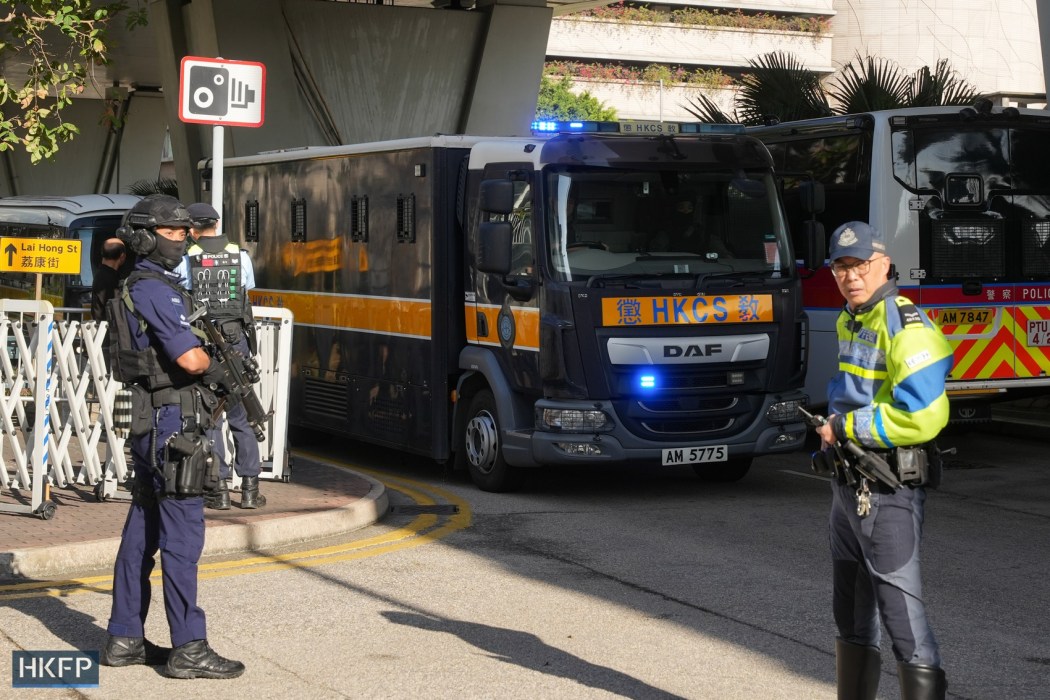
The list includes judges presiding over the city’s highest-profile national security cases. High Court judges Esther Toh, Susana Maria D’Almada Remedios, Alex Lee, Andrew Chan, and Johnny Chan – on the panel for the 47 democrats case and Apple Daily founder Jimmy Lai’s trial – are named.
Also listed are prosecutors involved in those cases, including Anthony Chau, Jonathan Man, and Andy Lo.
“In Hong Kong, the CCP has completely corrupted the local judiciary and is turning it into a tool of intimidation and injustice, contrary to the promises made to the world,” Sullivan said.
The bill calls on US President Donald Trump to determine if the judges and prosecutors have violated human rights and to decide whether to impose sanctions under the country’s Magnitsky Human Rights Accountability Act, the Hong Kong Human Rights and Democracy Act, or the Hong Kong Autonomy Act.
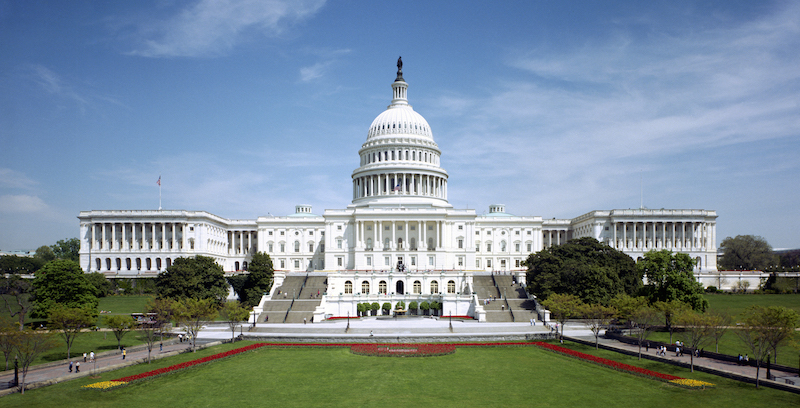
US lawmakers passed the Democracy Act amid the 2019 protests and unrest in Hong Kong, and the Autonomy Act after Beijing imposed a national security law in the city.
‘Reprehensible act’
To date, a total of 17 officials have been sanctioned by Washington for acts it said undermined Hong Kong’s autonomy in two rounds of sanctions.
The first round, in August 2020, included then-chief executive Carrie Lam; then-security chief John Lee; and Xia Baolong, the director of the Hong Kong and Macao Affairs Office.
In March, the US imposed sanctions on six more people, among them Secretary for Justice Paul Lam; Sonny Au, the secretary-general of the national security committee; and police chief Raymond Siu just before he retired.
In Saturday’s statement, the government said it “strongly urges the US politicians concerned to discern facts from fallacies, and immediately stop acting against the international law and basic norms of international relations and interfering in Hong Kong matters.”

It also defended its rule of law, saying that courts decide cases “in accordance with the evidence” and are not influenced by the “professions, political beliefs or backgrounds” of those involved.
“The judicial system of the HKSAR has always been highly regarded by international communities. Any attempt by any country, organisation, or individual to interfere with the judicial proceedings in the HKSAR by means of political power is a reprehensible act undermining the rule of law of the HKSAR,” the statement added.
In June 2020, Beijing inserted national security legislation directly into Hong Kong’s mini-constitution – bypassing the local legislature – following a year of pro-democracy protests and unrest. It criminalised subversion, secession, collusion with foreign forces and terrorist acts, which were broadly defined to include disruption to transport and other infrastructure.
In March last year, the city’s opposition-free legislature passed a homegrown security law known as Article 23 to target more offences such as treason and theft of state secrets.
Foreign governments have criticised the national security laws, while local authorities maintain that they are needed to address “shortcomings” in the legal system.


