

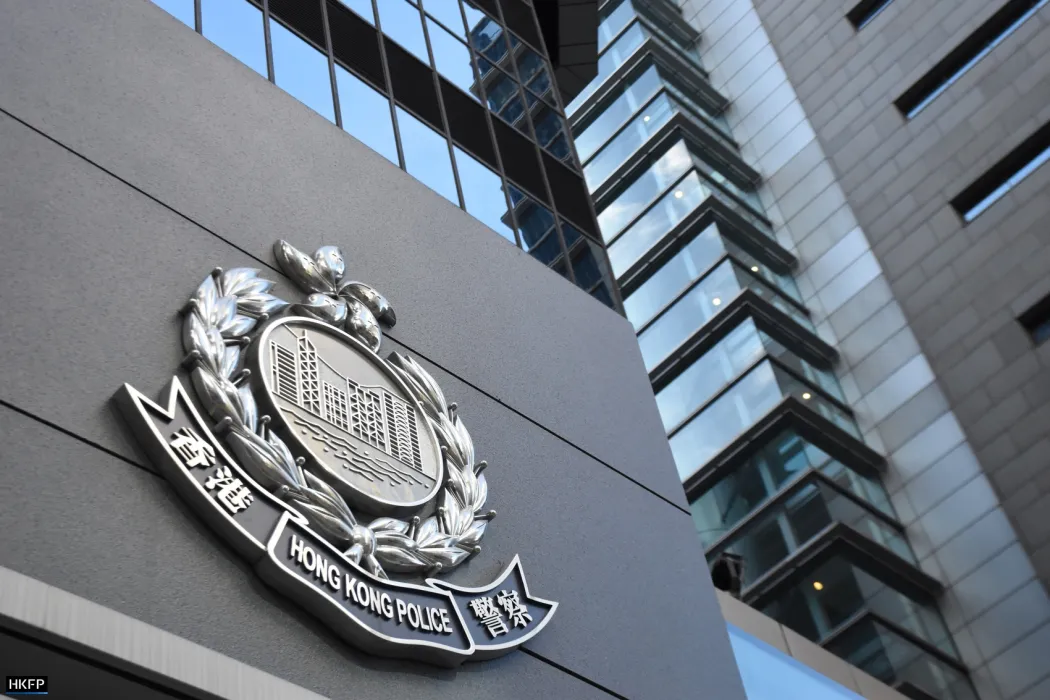
Hong Kong police have taken in relatives of activist Joe Tay, who has a HK$1 million bounty on his head for alleged national security violations.

Tay’s cousin and the cousin’s wife were brought from their home in Fo Tan to a police station on Thursday morning, according to local media. They were reportedly asked to assist in an investigation relating to Tay.
HKFP has reached out to the police for comment.
Tay, now based in Canada, is one of six overseas activists police issued arrest warrants for in December. He left Hong Kong in June 2020.
See also: Explainer: Who are the six overseas activists facing new Hong Kong nat. security arrest warrants?
The former TVB actor, 62, is accused of inciting secession and foreign collusion linked to operating an advocacy platform called HongKonger Station between July 2020 and June 2024.
Tay ran in the Canadian legislative elections last month as a member of the country’s Conservative Party. He emerged second in his district out of six candidates.
19 wanted activists
A total of 19 overseas activists are wanted by Hong Kong national security police, including ex-student leader Nathan Law and lawmakers Ted Hui and Dennis Kwok.
Police are offering HK$1 million for information related to them. Officers have also taken in a number of the activists’ family members for questioning as part of their investigations.
Last week, police charged a relative of a wanted activist for the first time. Anna Kwok’s father, Kwok Yin-sang, was said to breached Article 23 – Hong Kong’s homegrown security law – by attempting to obtain funds from a life and personal accident insurance policy that belonged to her.
Anna Kwok, the executive director of the US-based Hong Kong Democracy Council, is accused of foreign collusion.
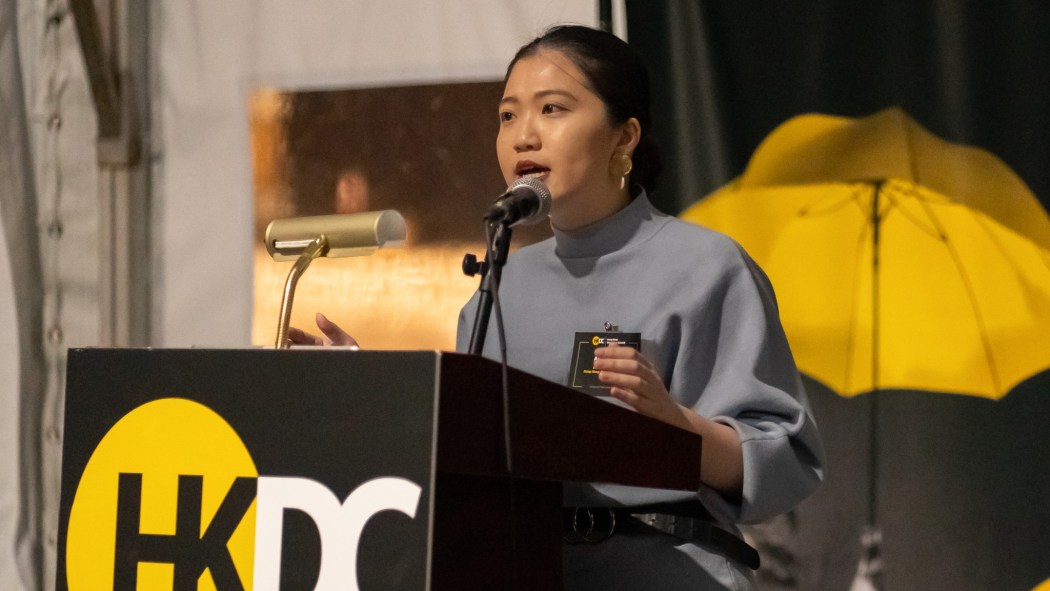
Kwok Yin-sang was remanded in custody. The activist’s brother was also arrested but was not charged, local media reported.
In June 2020, Beijing inserted national security legislation directly into Hong Kong’s mini-constitution – bypassing the local legislature – following a year of pro-democracy protests and unrest. It criminalised subversion, secession, collusion with foreign forces and terrorist acts, which were broadly defined to include disruption to transport and other infrastructure.
The move gave police sweeping new powers, alarming democrats, civil society groups and trade partners, as such laws have been used broadly to silence and punish dissidents in China. However, the authorities say it has restored stability and peace to the city.


