

China has eased travel curbs on Uyghurs but maintains “severe restrictions” on those seeking to go abroad or visit family in Xinjiang, a Human Rights Watch (HRW) report said Monday.

Beijing stands accused of detaining more than a million Uyghurs and other Muslims in its northwestern region, in a campaign that the United Nations has said may constitute “crimes against humanity”.
China vehemently denies the allegations, saying the policies have rooted out extremism in Xinjiang and brought about economic development.
Authorities have detained Uyghurs with overseas connections and confiscated their travel documents since a crackdown in the mid-2010s, according to researchers, campaigners and members of the Uyghur diaspora.
The HRW report says officials have now begun returning some passports and permitting applications for international travel, but retain “severe restrictions, conditions and controls” on those who do.
“The modest thaw… has allowed some Uyghurs to briefly reunite with loved ones abroad after having no news for years”, but the curbs are still used to “oppress” them, HRW China researcher Yalkun Uluyol said.
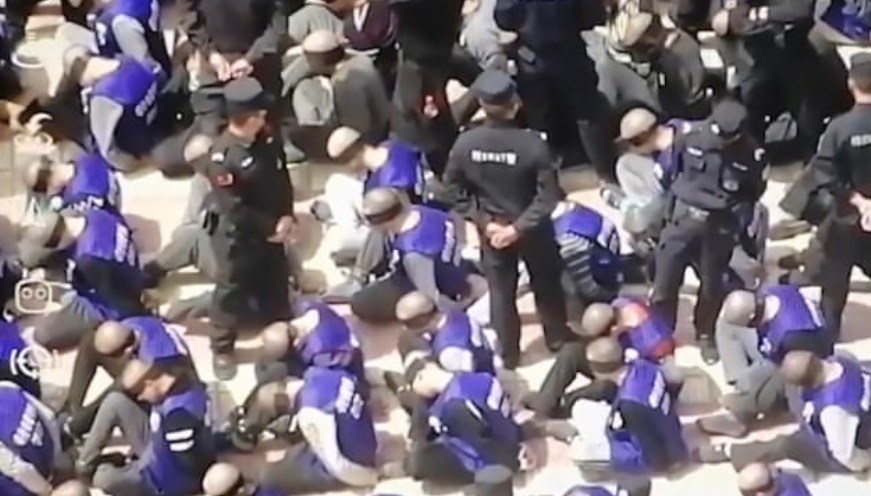
Uyghurs, a Muslim minority in China, must disclose the purpose of overseas trips, return by a certain date and promise not to criticise the Chinese government while abroad, according to the report.
It says they are rarely permitted to travel with family members and often face interrogation on returning to China.
The report also states that Uyghurs visiting China on foreign passports often face lengthy waits for visas, are questioned by authorities and prohibited from staying overnight with relatives.
Some have visited on government tours that HRW said paint a one-sided picture of Xinjiang’s supposed progress.

The report was based on interviews with 23 Uyghurs outside China, and Chinese government documents.
Xinjiang’s detention camps are allegedly rife with violence, sexual assault, forced labour and political indoctrination.
China denies the accusations and says the facilities were voluntarily training centres that have been closed since attendees “graduated”.
The United States has branded Beijing’s treatment of Uyghurs a “genocide”, and the UN rights office (OHCHR) said in August that “problematic” policies persist in Xinjiang, two years after its bombshell report cited possible crimes against humanity there.


