

Australia has banned DeepSeek from all government devices on the advice of security agencies, a top official said Wednesday, citing privacy and malware risks posed by China’s breakout AI program.

The DeepSeek chatbot — developed by a China-based startup — has astounded industry insiders and upended financial markets since it was released last month.
But a growing list of countries including South Korea, Italy and France have voiced concerns about the application’s security and data practices.
Australia upped the ante overnight banning DeepSeek from all government devices, one of the toughest moves against the Chinese chatbot yet.
“This is an action the government has taken on the advice of security agencies. It’s absolutely not a symbolic move,” said government cyber security envoy Andrew Charlton.
“We don’t want to expose government systems to these applications.”
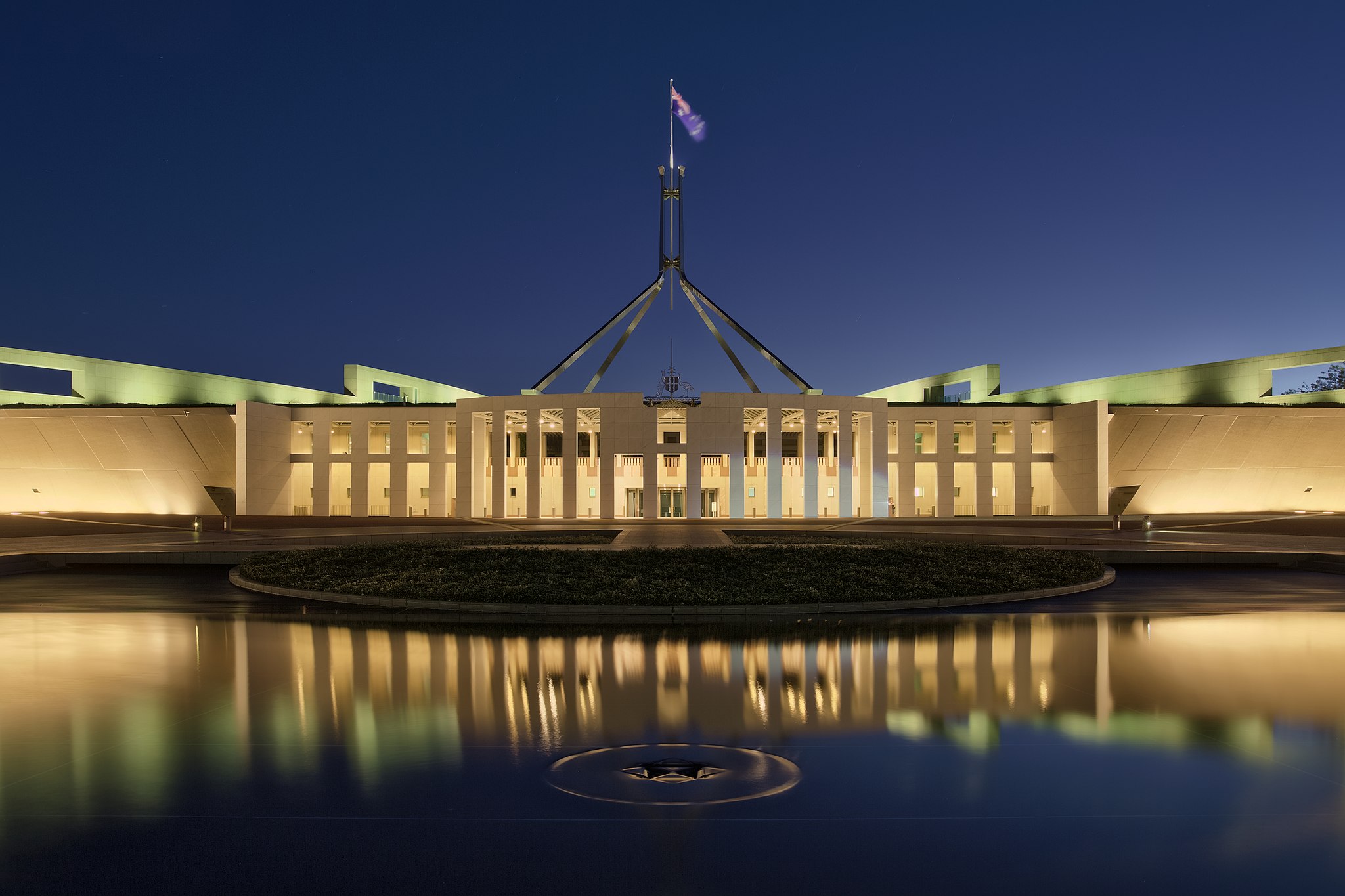
Risks included that uploaded information “might not be kept private”, Charlton told national broadcaster ABC, and that applications such as DeepSeek “may expose you to malware”.
‘Unacceptable’ risk’
Australia’s Home Affairs department issued a directive to government employees overnight.
“After considering threat and risk analysis, I have determined that the use of DeepSeek products, applications and web services poses an unacceptable level of security risk to the Australian Government,” Department of Home Affairs Secretary Stephanie Foster said in the directive.
As of Wednesday all non-corporate Commonwealth entities must “identify and remove all existing instances of DeepSeek products, applications and web services on all Australian Government systems and mobile devices,” she added.
The directive also required that “access, use or installation of DeepSeek products” be prevented across government systems and mobile devices.
It has garnered bipartisan support among Australian politicians.
In 2018 Australia banned Chinese telecommunications giant Huawei from its national 5G network, citing national security concerns.
Cyber security researcher Dana Mckay said DeepSeek posed a genuine risk.
“All Chinese companies are required to store their data in China. And all of that data is subject to inspection by the Chinese government,” she told AFP.

“The other thing DeepSeek says explicitly in its privacy policy is that it collects keystroke data on typing patterns,” said Mckay, from the Royal Melbourne Institute of Technology.
“You can identify an individual through that.
“If you know some work is coming from a government machine, and they go home and search for something unsavoury, then you have leverage over them.”
Alarm bells
DeepSeek raised alarm last month when it claimed its new R1 chatbot matches the capacity of artificial intelligence pace-setters in the United States for a fraction of the cost.
It has sent Silicon Valley into a frenzy, with some calling its high performance and supposed low cost a wake-up call for US developers.
Some experts have accused DeepSeek of reverse-engineering the capabilities of leading US technology, such as the AI powering ChatGPT.
Several countries now including South Korea, Ireland, France, Australia and Italy have expressed concern about DeepSeek’s data practices, including how it handles personal data and what information is used to train DeepSeek’s AI system.
Tech and trade spats between China and Australia go back years.
Beijing was enraged by Canberra’s Huawei decision, along with its crackdown on Chinese foreign influence operations and a call for an investigation into the origins of the Covid-19 pandemic.
A multi-billion-dollar trade war raged between Canberra and Beijing but eventually cooled late last year, when China lifted its final barrier, a ban on imports of Australian live rock lobsters.


