

By Mary Yang
At least 35 people were killed and dozens more injured when a man ploughed his car into pedestrians exercising around a sports centre in the southern Chinese city of Zhuhai on Monday night.

Footage showing bodies lying on the pavement appeared on social media in the hours after the crash but had vanished by early Tuesday morning, and local police reported only “injuries”.
It took officials nearly 24 hours to reveal that dozens had died — in one of the country’s deadliest incidents in years.
Here AFP looks at how China jumps into action to block information it does not want shared:
Social media scrub
China heavily monitors social media platforms, where it is common for words and topics deemed sensitive to be removed — sometimes within minutes.

On X-like social media platform Weibo, videos and photos showing the bloody moments after the incident late Monday night were swiftly deleted.
Videos of the aftermath posted to Xiaohongshu, China’s equivalent to Instagram, were also taken down.
24-hour delay
Chinese officials did not reveal that dozens had died until almost 24 hours after the attack, with state media reporting the 35 deaths shortly after 6:30 pm on Tuesday.
Soon after, the hashtag “Man in Zhuhai rammed the crowd causing 35 deaths” jumped to the No. 1 trending topic on Weibo and reached 69 million views within an hour.

The fatal crash happened on the eve of China’s largest airshow, taking place in the same city, a showpiece event promoted for weeks by the country’s tightly controlled state media operation.
State narrative
State media in China also acts as a government mouthpiece.
The state-backed newspaper Global Times on Wednesday morning published a short story on the “car ramming case” on page 3 — a stark contrast to the front page feature on fighter jets at the airshow nearby.

The Communist Party’s People’s Daily included Chinese President Xi Jinping’s instructions to treat injured residents and punish the perpetrator in a short block of text on its front page.
State broadcaster CCTV’s flagship evening news programme, Xinwen Lianbo, on Tuesday spent about a minute and a half on Xi’s directive to “treat those injured” during the 30-minute show, but shared no footage from the city.
‘Order from the top’
AFP reporters on the scene in Zhuhai late Tuesday night saw delivery drivers placing online orders of flower bouquets beside flickering candles to commemorate the victims.
But just a few hours later, cleaning staff cleared away the memorial, with some telling AFP they were acting on an “order from the top”.
A handful of people at the site were blocked from taking videos by a police car and security guards shouting: “No filming!”
Long history
China has a long history of clamping down on the spread of information, sometimes leading to costly delays in response.
Authorities in 2008 worked to stifle news of contaminated milk that poisoned about 300,000 children — days before the start of the Beijing Olympics.
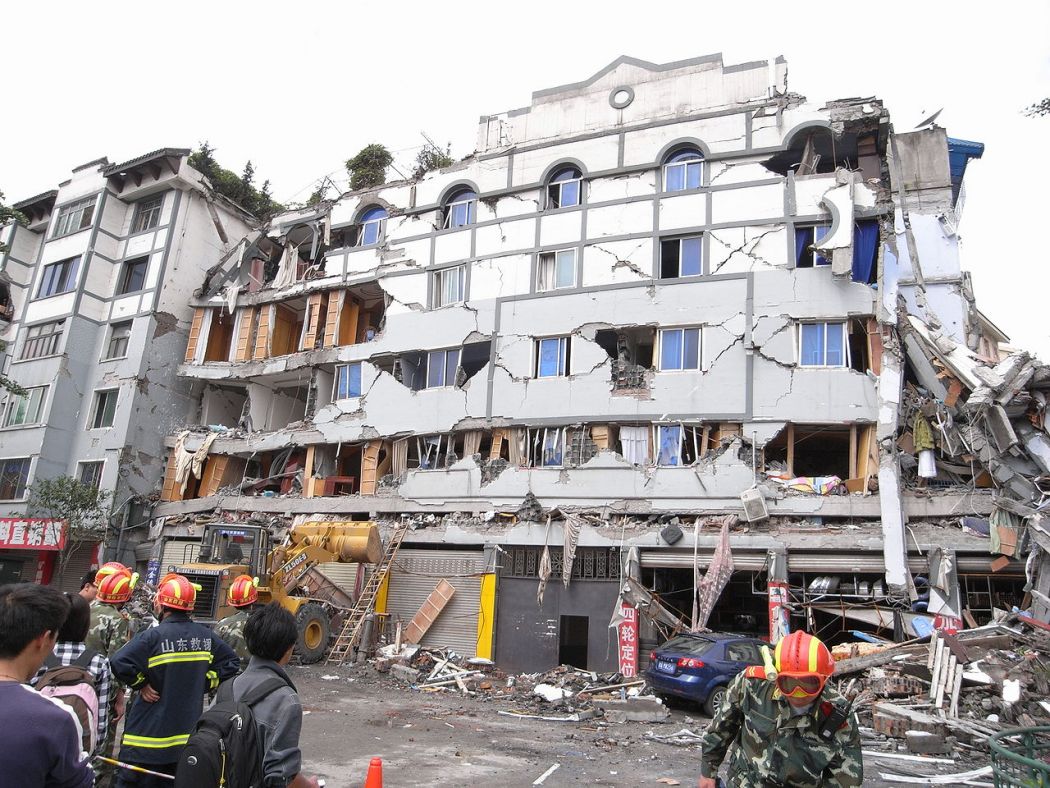
The Chinese government that year also restricted foreign media access when protests broke out after an earthquake in southwest Sichuan province killed an estimated 70,000 people.
And Chinese censors delayed an early response to Covid-19, penalising local health officials who warned of a fast-spreading coronavirus.


