

A 57-year-old man has been charged under Hong Kong’s homegrown security law, known as Article 23, over allegedly publishing “seditious” posts on social media platforms.
The National Security Department of the police laid a charge of “knowingly publishing publications that had a seditious intention” against the man on Wednesday morning, according to a government statement issued at 2 pm the same day.

The defendant will appear at West Kowloon Magistrates’ Courts on Wednesday afternoon, where his case will be mentioned.
According to the statement, the man was arrested in Hung Hom on Tuesday. National security police accused him of “repeatedly publishing online posts with seditious intentions.”
The statement said the posts incited “hatred towards the Central Authorities and the Government of the Hong Kong Special Administrative Region as well as inciting violence.”
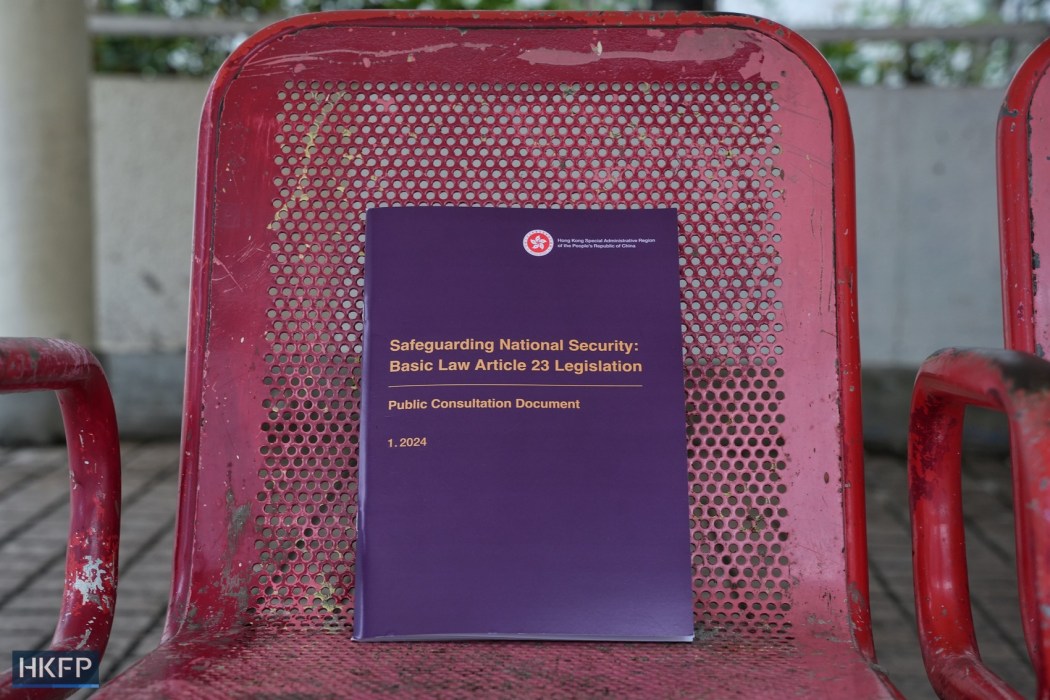
Separate from the 2020 Beijing-enacted security law, the homegrown Safeguarding National Security Ordinance targets treason, insurrection, sabotage, external interference, sedition, theft of state secrets and espionage. It allows for pre-charge detention of up to 16 days, and suspects’ access to lawyers may be restricted, with penalties involving up to life in prison. Article 23 was shelved in 2003 amid mass protests, remaining taboo for years. But, on March 23, 2024, it was enacted having been fast-tracked and unanimously approved at the city’s opposition-free legislature.
The law has been criticised by rights NGOs, Western states and the UN as vague, broad and “regressive.” Authorities, however, cited perceived foreign interference and a constitutional duty to “close loopholes” after the 2019 protests and unrest.
Under Article 23, the maximum penalty for sedition was raised to seven years in jail, up from two years, while offenders found to have colluded with an “external force” in committing sedition face a maximum of 10 years behind bars.
Article 23 convictions
In response to enquiries, the Security Bureau provides figures for the number of national security-related arrests and prosecutions, though it does not provide a breakdown of the number of arrests under specific security laws.
As of November 1, three people had been convicted under Article 23.
On September 19, 27-year-old Chu Kai-pong became the first person convicted under Hong Kong’s new security legislation. He was jailed for 14 months after pleading guilty to sedition for wearing a T-shirt with a protest slogan on it.
On the same day, Chung Man-kit was sentenced to 10 months in jail after pleading guilty to writing “seditious” graffiti on bus seats, an offence under Article 23.
On September 20, Au Kin-wai was convicted under the new security law and sentenced to one year and two months in prison for sedition over statements made on social media platforms.


