

China on Friday passed a new energy law to promote carbon neutrality, state media reported, as Beijing moves ahead with its pledge to decarbonise its economy by 2060.
China is the world’s biggest emitter of the greenhouse gases scientists say drive global warming and climate change.

But it is also a global leader in clean energy — building almost twice as much wind and solar capacity as every other country combined.
It has committed to bringing carbon dioxide emissions to a peak by the end of the decade and to net zero by 2060.
State news agency Xinhua reported that the officials had voted to pass the energy law on Friday, saying it would “actively and steadily promote carbon peaking and carbon neutrality”.
The law was formulated to “promote high-quality energy development, ensure national energy security, (and) promote green and low-carbon transformation and sustainable development of the economy and society”, according to Xinhua.
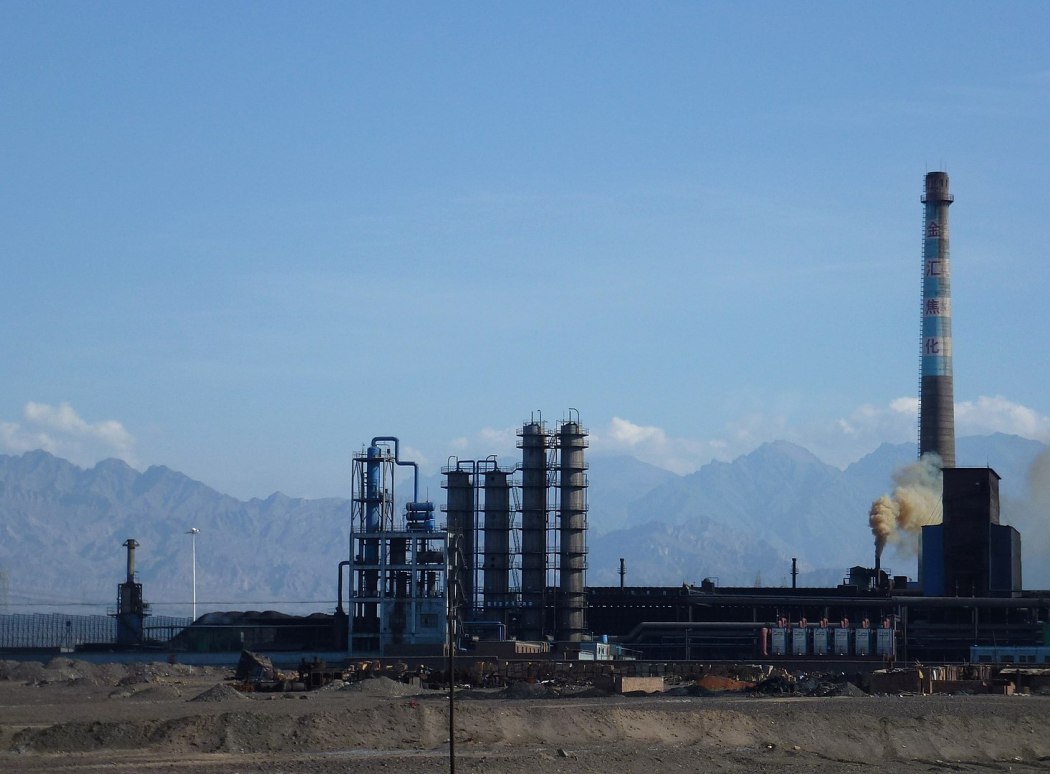
The legislation contains sections on energy planning, development and utilisation, it said, without giving further details.
The announcement came as the country’s top lawmaking body gathered in Beijing this week, with a suite of new laws and economic support high on their agenda.
Crunch climate talks
Countries will gather in the Central Asian state of Azerbaijan next month for a crunch UN climate summit, COP29.
The EU climate monitor Copernicus said this week that 2024 is “virtually certain” to be the hottest in recorded history with warming of more than 1.5 degrees Celsius above the pre-industrial average.
Under the Paris climate accord, countries must aim to keep global warming well below 2C above pre-industrial levels and shoot for 1.5C if possible.
China, like many nations across the northern hemisphere, has endured a summer of extreme weather of the kind scientists say will intensify as the world heats up.
Swathes of the country’s north sweltered under blistering heatwaves, while parts of the centre and south were pummelled by heavy rains that triggered deadly floods in some areas.


