

The Hong Kong government has postponed the roll out of its already delayed pay-as-you-throw waste tax until August, the environment minister has announced.
Secretary for Environment and Ecology Tse Chin-wan met the press at 4pm on Friday about what the government called “enhanced arrangements” for the waste charging scheme, which was supposed to be implemented on April 1.

Addressing reporters at the Central Government Offices, Tse said that while the waste charging scheme would be implemented at government offices on April 1 as planned, the levy would not apply elsewhere until August 1.
“As a responsible government, we need to understand the public’s concerns. And we saw that people were discussing waste charging and many did not properly understand the scheme,” Tse told the media in Cantonese. “The government wishes to roll out the scheme as soon as possible, but we need to make sure it is implemented well. Therefore we need more time for preparations.”
Tse said that the government would try new ways to promote the scheme, including “on-site demonstrations.”
By implementing the scheme first itself, Tse said the government would help demonstrate how it worked, “helping to fix very tiny problems that will emerge when the plan comes into effect.”

Friday’s delay marked the second postponement of the controversial scheme, which will require Hongkongers to purchase government-authorised bags to dispose of their rubbish or risk a HK$1,500 fine.
The scheme was approved by the legislature in August 2021, with authorities announcing that the charge would come into effect by the end of 2023. Last year, it was announced that the levy would not be introduced until April 1.
Under the new scheme, the designated plastic bags will come in nine different sizes, ranging from three to 100 litres, with each litre costing HK$0.11. A household using one 10 or 15 litre bag per day would pay about HK$33 to HK$51 a month in garbage tax.
Tse said in an Op-ed published by Ming Pao on Monday that similar arrangements overseas had encouraged people to recycle, and the tax could result in a “cleaner, more hygienic and healthy” city.
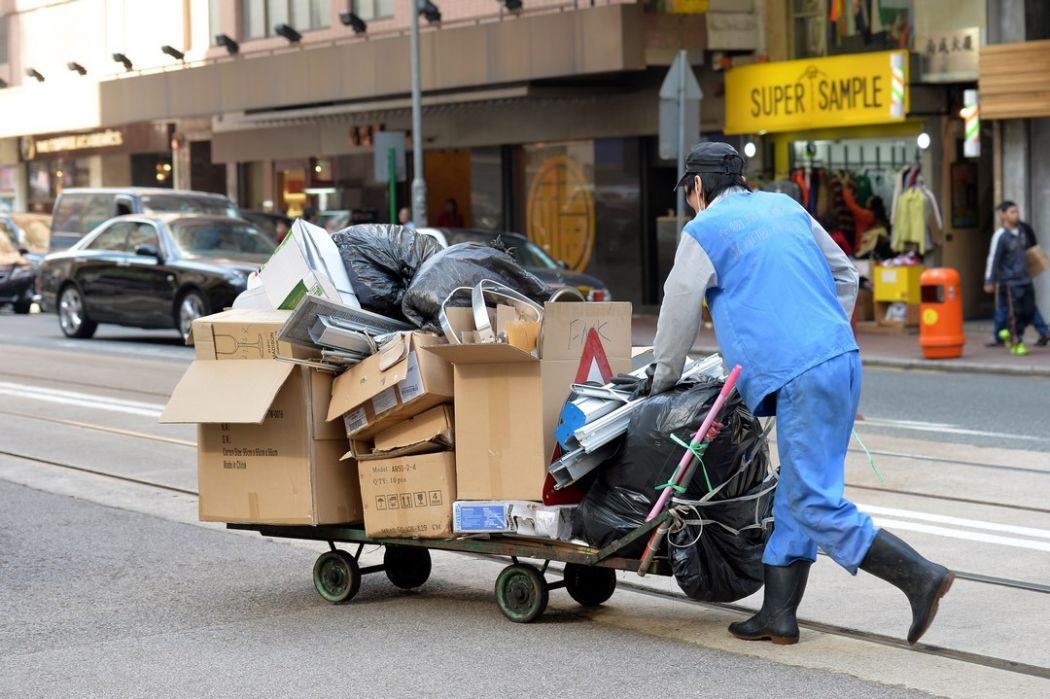
Green Earth, an environmental NGO, said in a Chinese press release on Friday that apart from rolling out a waste tax, authorities should also raise awareness of reducing waste at the source.
The NGO urged the government to establish more recycling facilities, especially in older districts and rural areas, adding that support should be provided for institutions such as care homes that face challenges of waste reduction.
The group also suggested that the government set up a review system to regularly assess the scheme in terms of waste reduction, recycling, and the sale of authorised bags.
Public concerns
The scheme has raised concerns in the public and various sectors over implementation details and increased running costs.

Grace Li, honorary chairwoman of Elderly Services Association of Hong Kong, said on RTHK on Thursday that the new levy would not help reduce waste at care homes for the elderly, where most of the refuse was non-recyclable clinical waste.
“For a large-scale care homes… this means an additional cost of hundreds of thousands of dollars, or even up to millions, a year. This operational cost is quite excessive,” Li said, adding the waste disposal requirements would increase employees’ workload.
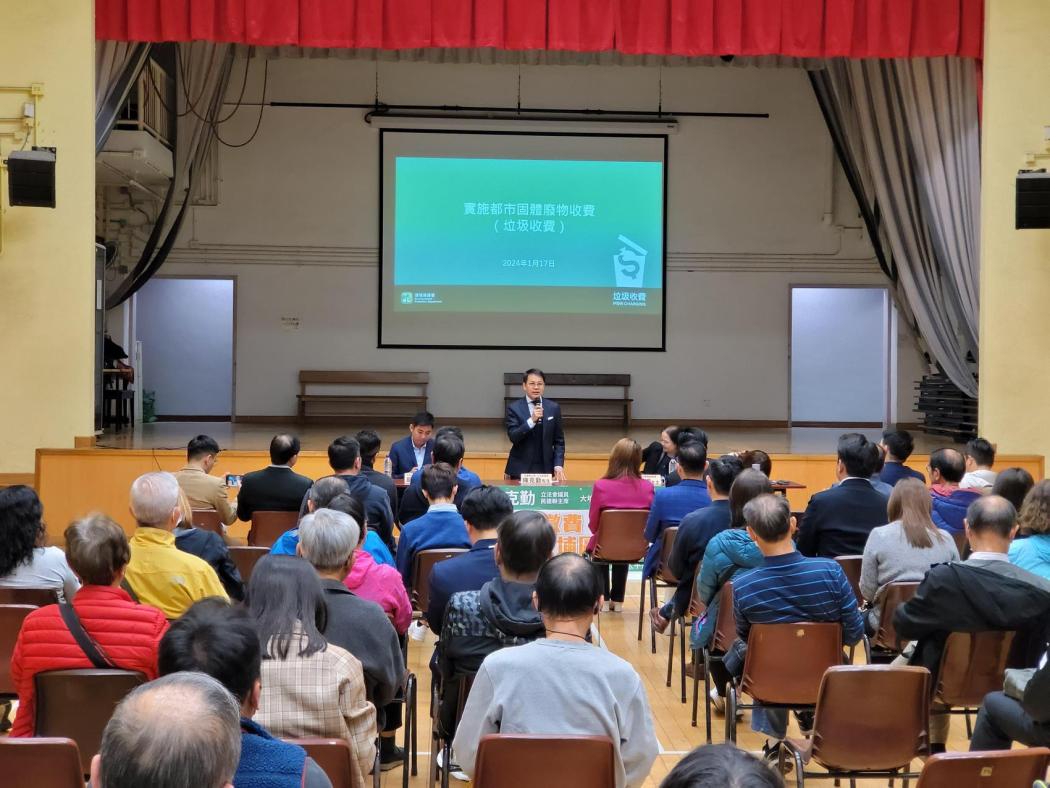
After organising a talk with local residents on Wednesday, the city’s largest pro-establishment party, the Democratic Alliance for the Betterment and Progress of Hong Kong, said in a press release on Thursday that cleaners were worried about how to handle rubbish not disposed of in authorised bags.
Residents also raised concerns that the cost of the designated bags may burden low-income families and the elderly.


