

Hong Kong’s former financial chief has defended the use of ChatGPT in classrooms, calling some universities’ ban on the Artificial intelligence (AI) tool “uncalled for.”

In a Facebook post published on Sunday, John Tsang likened forbidding students from using ChatGPT to “not allowing students to use a calculator, only letting them use pen and paper.”
“Why can’t we let students use ChatGPT to write a first draft, and have them tweak and thoroughly analyse it to enrich the content?” Tsang wrote.
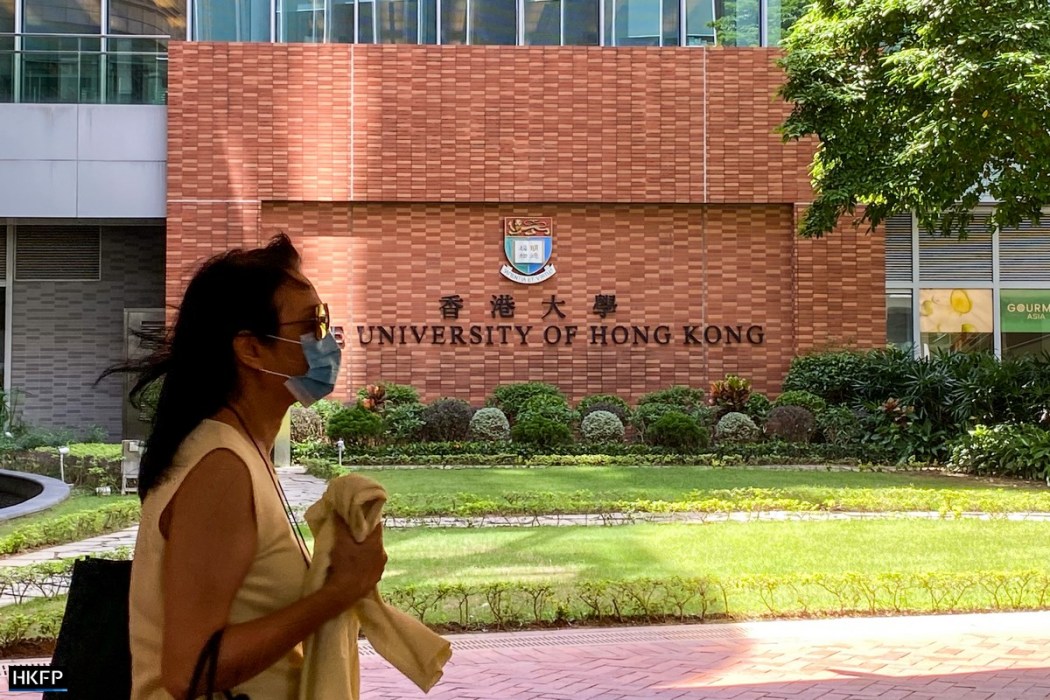
His comments came after some universities including the University of Hong Kong, Baptist University and Chinese University said students were barred from using ChatGPT and other similar AI tools.

The University of Science and Technology, meanwhile, said it would allow instructors to choose the extent to which students would be allowed to use AI tools depending on the course needs. Education University, too, announced on Thursday that it welcomed its use.
Students at Education University would be allowed to employ AI-enabled tools in their assignments if they declare such use and “articulate their reflections” on the process, the institution said.
A powerful AI chatbot capable of providing immediate, thorough responses when prompted, ChatGPT has made international headlines in recent months and triggered debate about its place in academia. The tool was developed by US research lab OpenAI.
While some educators argue in favour of ChatGPT as a convenient and accessible study tool, others say using it could constitute plagiarism and hinder students’ critical thinking skills.
“Educators… should think about how to integrate these [AI] tools into the curriculum. Work that is robotic should be left for robots,” Tsang said. “People should do the work that robots do not have the skills for, like empathy, communication and teamwork.”
The former finance chief also said Hong Kong’s education system was impeding the city’s development, pointing to the Hong Kong Diploma of Secondary Education (DSE) exams that students must take to qualify for university.
The DSE makes it difficult to motivate students to be creative, Tsang said, adding that Hong Kong’s education system was comprised of a “19th century curriculum” with “20th century teachers teaching a class of 21st century students.”


