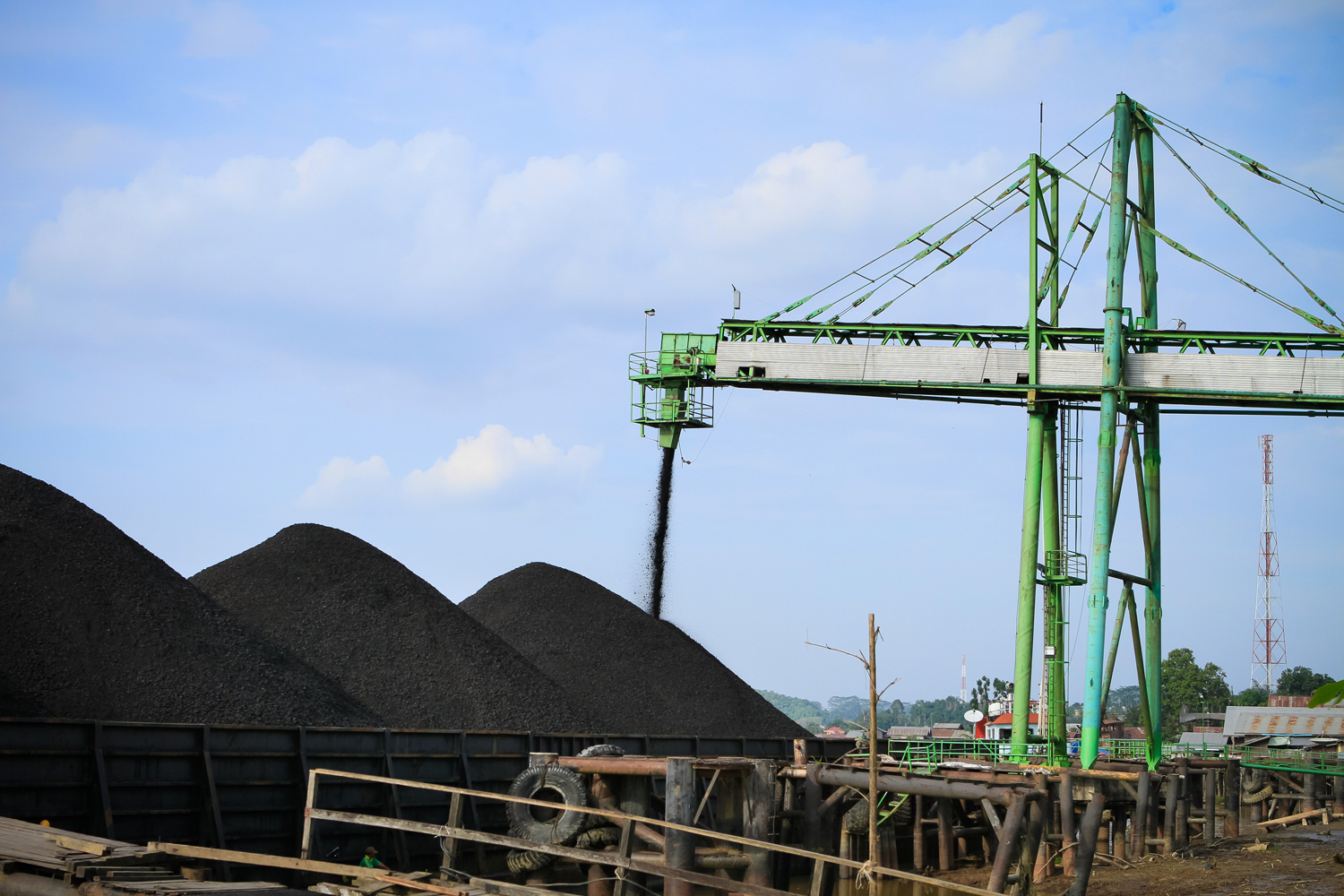
Some of the actions we need to take regarding climate change are pretty hard to implement without putting a price on carbon emissions. There’s no inherent profit to be made from capturing carbon dioxide and storing it underground, for example, but that changes when a price on carbon makes it cheaper to store it underground than to emit it. Some sort of carbon tax or cap and trade program has also been seen as a solution that might appeal across political party lines, as it can enable more market-based responses.
The biggest question has always been the correct price of carbon emissions. That is, what do all the impacts of climate change and air pollution add up to in financial terms? This is known as the “social cost of carbon,” and estimates can range from as little as $10 per ton of CO2 to well over $100 per ton. It’s not just about the scientific knowledge of climate change’s worsening impacts, but also abstract and subjective factors. The “discount rate,” for example, defines how much more one values a dollar in hand now compared to a dollar several years into the future. There is no correct answer, but this rate has a huge influence on social cost of carbon values.
A team led by Noah Kaufman at Columbia University decided to come at this question from a very different angle. Instead of attempting to work out an ever-more-complete financial accounting of the harms of climate change, they calculate something much more pragmatic: What price would be sufficient to have the result you want?
Pick a target
They lay out what they describe as a “near-term to net zero approach” (abbreviated to NT2NZ in boy band nomenclature). First, you select the year in which you’re aiming to hit net-zero emissions—2050, for example. Next, you select the pathway you want emissions to follow between now and then. Perhaps you think you can make steady progress starting immediately, so you choose a linear downward slope. But if you think you’re going to need to invest in solutions that aren’t quite ready to take off yet, you might aim for initial slow progress followed by a rapid drop.


 Loading comments...

