

by Carlos Hamann
US military planners pushed for nuclear strikes on mainland China in 1958 to protect Taiwan from an invasion by Communist forces, classified documents posted online by Daniel Ellsberg of “Pentagon Papers” fame show.

US planners also assumed that the Soviet Union would aid China and retaliate with nuclear weapons — a price they deemed worth paying to protect Taiwan, according to the document, first reported by the New York Times.
Former military analyst Ellsberg posted online the classified portion of a top-secret document on the crisis that had been only partially declassified in 1975.
Ellsberg, now 90, is famous for his 1971 leak to US media of a top-secret Pentagon study on the Vietnam war known as the Pentagon Papers.
Ellsberg told the Times that he copied the top-secret Taiwan crisis study in the early 1970s, and is releasing it as tensions mount between the United States and China over Taiwan.
Had an invasion taken place, General Nathan Twining, the chairman of the Joint Chiefs of Staff at the time, “made it clear that the United States would have used nuclear weapons against Chinese air bases to prevent a successful air interdiction campaign,” the document’s authors wrote.
If this did not stop an invasion, then there was “no alternative but to conduct nuclear strikes deep into China as far north as Shanghai,” the document said, paraphrasing Twining.
In the event, US president Dwight D. Eisenhower decided to rely initially on conventional weapons.
The 1958 crisis ended when Communist forces halted artillery strikes on islands controlled by Taiwan, leaving the area under the control of Nationalist forces under Chiang Kai-shek.
China considers Taiwan to be a rebel province that will one day return to the mainland’s fold, by force if necessary.
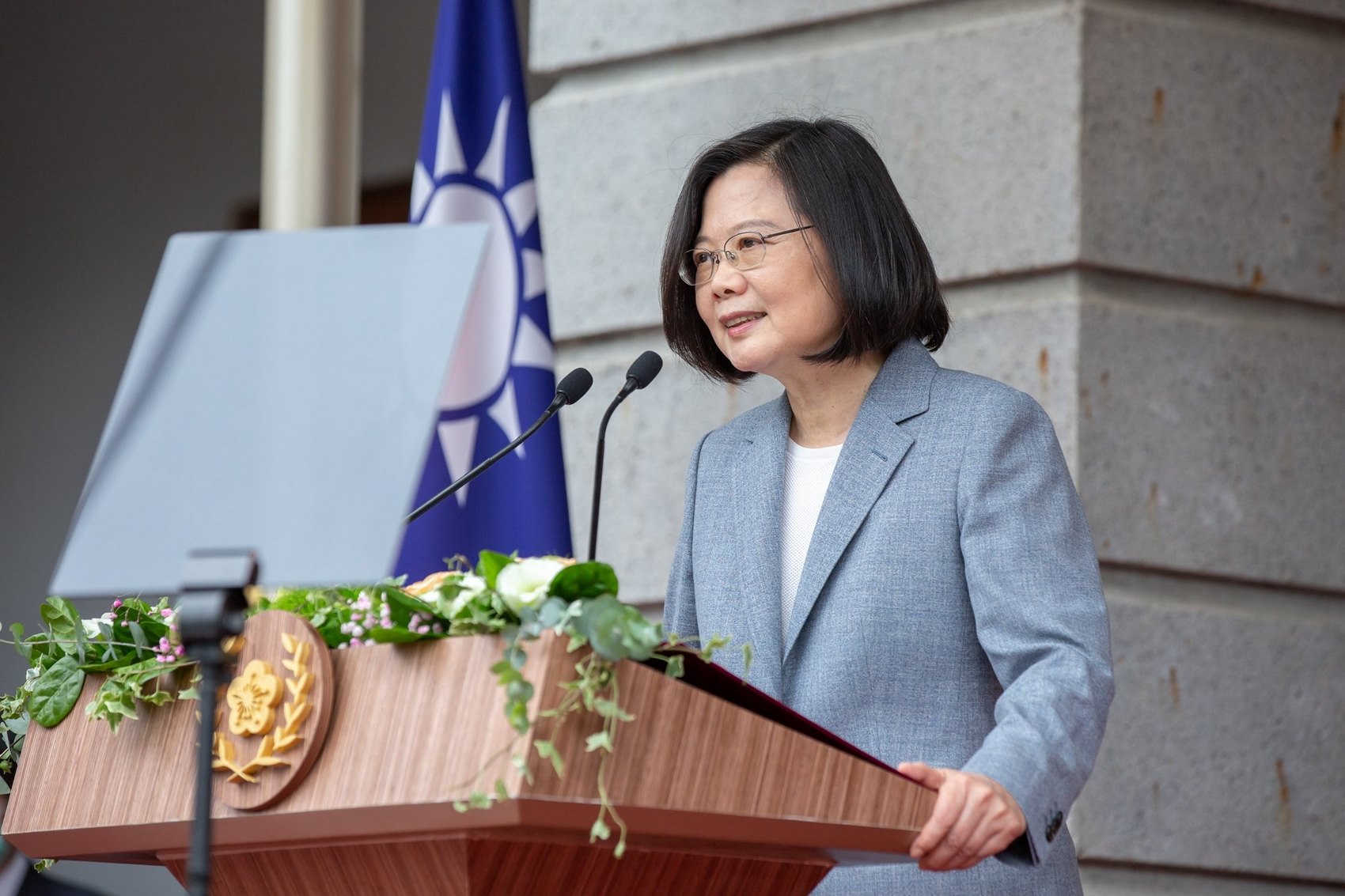
Washington has recognized Beijing since 1979, but maintains relations with Taipei and is its most important military ally.
Tensions remain high
In recent months the Chinese air force has increased incursions into Taiwan’s air defense identification zone.
The United States also frequently conducts what it calls “freedom of navigation” operations in the flashpoint Taiwan Strait waterway.
US President Joe Biden is expected to announce his strategy toward China soon, and calls are growing for him to make a clear public commitment to defend Taiwan militarily.
A US law requires Washington to help the island defend itself in the event of a conflict, but the United States has pursued a policy of “strategic ambiguity” for decades, refraining from clearly stating what circumstances would lead it to intervene militarily on Taiwan’s behalf.


