

China has dramatically increased its prosecution of Muslim minorities in Xinjiang through the formal court system, handing out long prison terms for dubious charges such as “picking quarrels” and giving gifts to overseas relatives, a rights group said Wednesday.
These criminal convictions are in addition to the detention of an estimated one million Uighurs and other mainly Muslim minorities in “political education” camps in Xinjiang.

More than 250,000 people in the northwestern region have been formally sentenced and imprisoned since 2016, according to Human Rights Watch.
“Despite the veneer of legality, many of those in Xinjiang’s prisons are ordinary people who were convicted for going about their lives and practicing their religion,” HRW researcher Maya Wang said in a statement.
The US State Department has said China’s actions in Xinjiang amount to genocide, while Canadian lawmakers on Tuesday passed a similar declaration.
HRW said criminal sentences in the Xinjiang region had spiked between 2017 and 2019 during a crackdown on Uighurs and other mainly Muslim minorities.
Xinjiang courts sentenced nearly 100,000 people in 2017, up from less than 40,000 in 2016, the organisation said, citing government data.
The rights group said police, prosecutors and courts had been placed under pressure to “deliver swift and harsh punishment” in the name of counter-terrorism, causing many to be imprisoned without committing any genuine offence.
Sentences were handed out for activities including “telling others ‘what is haram and halal'” and bringing gifts to relatives in Turkey, HRW said, noting that prison terms have also grown longer.
Prior to 2017, around 11 percent of the sentences carried prison terms of over five years. In 2017, 87 percent did.
A Chinese foreign ministry official rejected the findings of the report on Wednesday, saying HRW “has always been full of prejudice on issues related to China, often spreading false statements to smear China, and their allegations should not be trusted”.
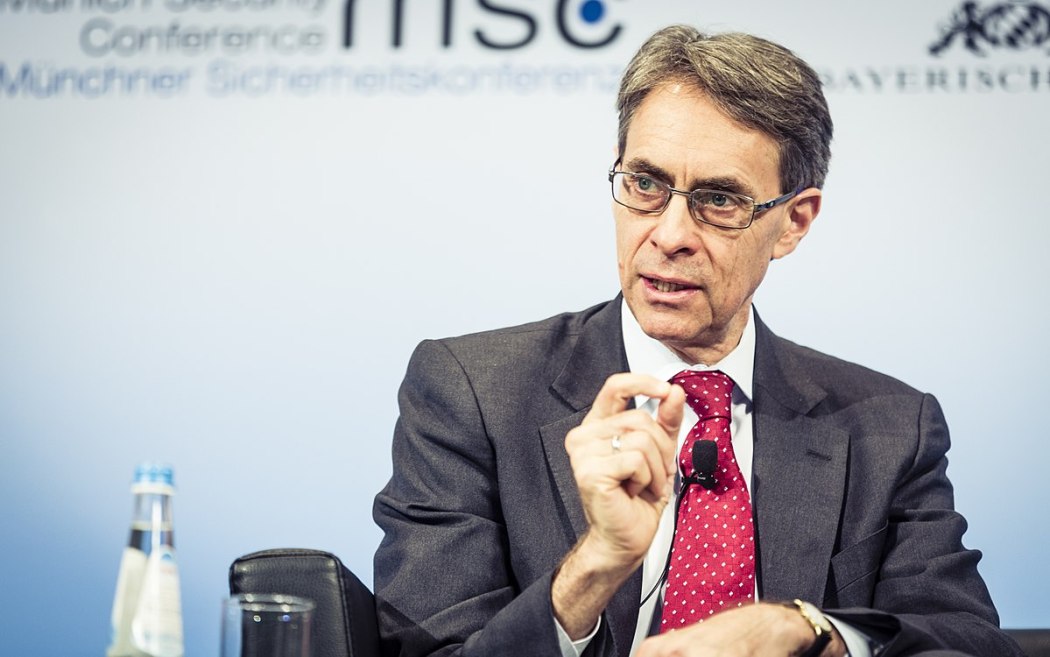
Beijing has already put sanctions on “people that behaved badly on Hong Kong-related issues”, including HRW director Kenneth Roth.
China’s treatment and incarceration of Muslim minorities in Xinjiang, which includes accusations of forcibly sterilising women and imposing a regime of forced labour, has drawn a growing chorus of international condemnation.
After initially denying the existence of camps in Xinjiang, Beijing later defended them as vocational training centres aimed at reducing the appeal of Islamic extremism.
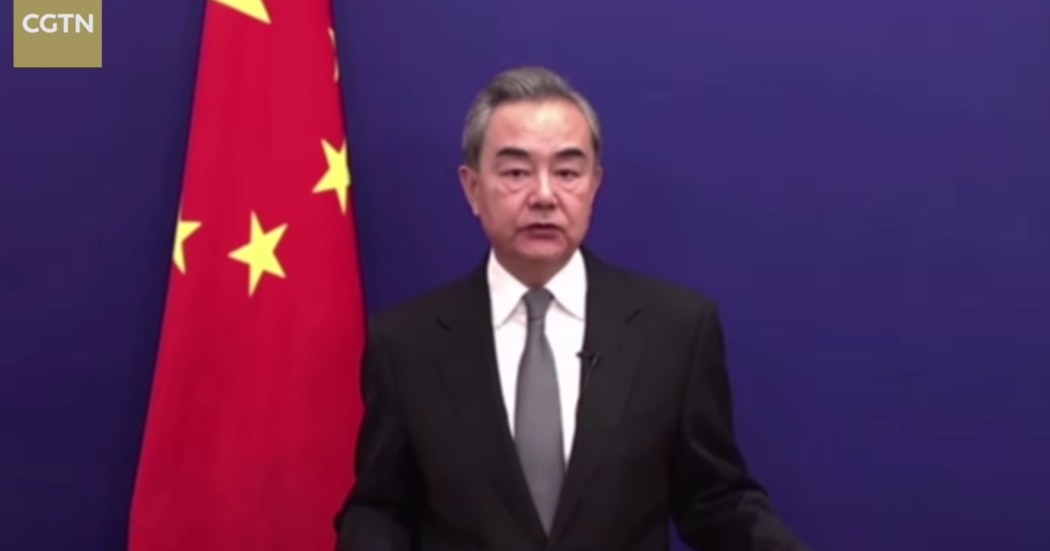
Foreign Minister Wang Yi said Monday that Beijing’s treatment of ethnic minorities in Xinjiang was a “shining example” of China’s human rights progress.


