

Hong Kong’s government has said the national security law does not affect the city’s judicial independence after an Australian judge resigned from the local top court earlier this month, citing unspecified reasons related to the Beijing-imposed legislation.
On Friday, Chief Executive Carrie Lam revoked of the appointment of Justice James Spigelman as a judge from another common law jurisdiction in the Court of Final Appeal (CFA), with effect from September 2.
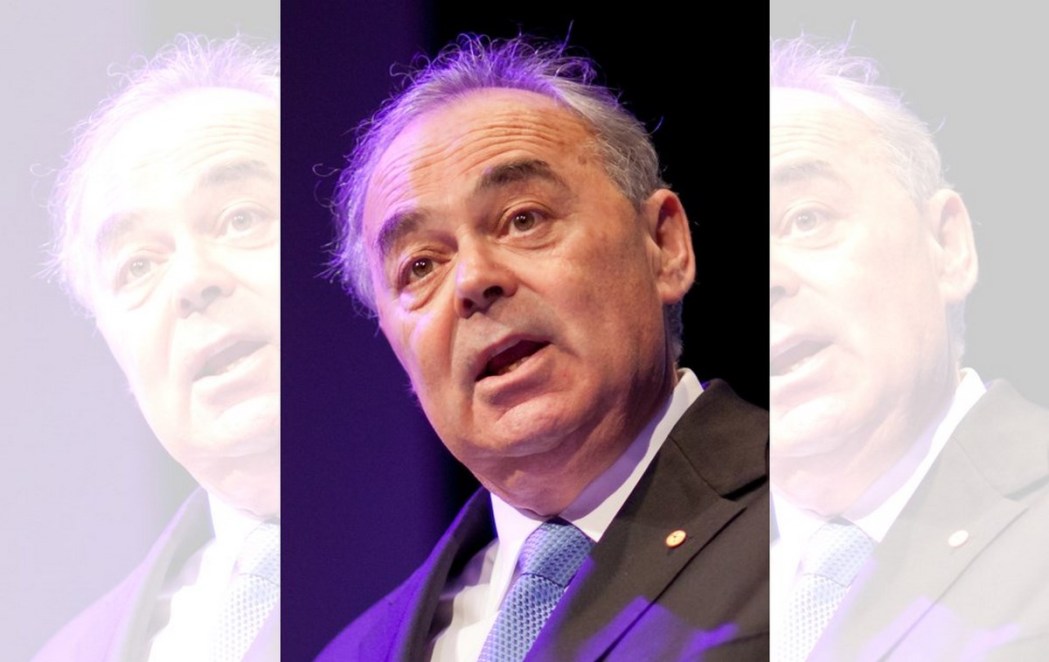
The distinguished judge told Australia’s national broadcaster that his resignation was linked to reasons “related to the content of the national security legislation,” but did not explain further. The controversial law enacted by Beijing on June 30 outlaws secession, subversion, collusion with foreign forces and interruption to transport and other infrastructure.
In a statement issued on Saturday evening, the government said Spigelman, who has served as an overseas non-permanent judge in the city since 2013, did not give any reason for his departure. They said a non-permanent judge may resign at any time by written notice to the city’s leader, with no consultation or approval process needed.
The spokesman said Hong Kong currently has 13 overseas non-permanent judges, whom they described as proof of the city’s judicial independence. The government hailed common law and judicial independence as the “bedrocks” of Hong Kong’s success, saying nobody should doubt the HKSAR’s commitment to upholding the rule of law and an independent judiciary.

“The chief executive has on many occasions appreciated the valuable contribution of these eminent jurists on the CFA to jurisprudence in Hong Kong. The appointment of judges from other common law jurisdictions has served us well and will continue,” the spokesman said.
The government added there was “no question” that Hong Kong’s independent judiciary, as well as the smooth operation of the judicial system, including the appeal court, would remain intact: “Important principles of the rule of law are embodied in the national security law.”
Pro-democracy lawmaker Dennis Kwok of the Civic Party said on Friday that he was worried more overseas judges might quit or refuse appointments if Spigelman’s decision to leave the Hong Kong top court was linked to the national security law.
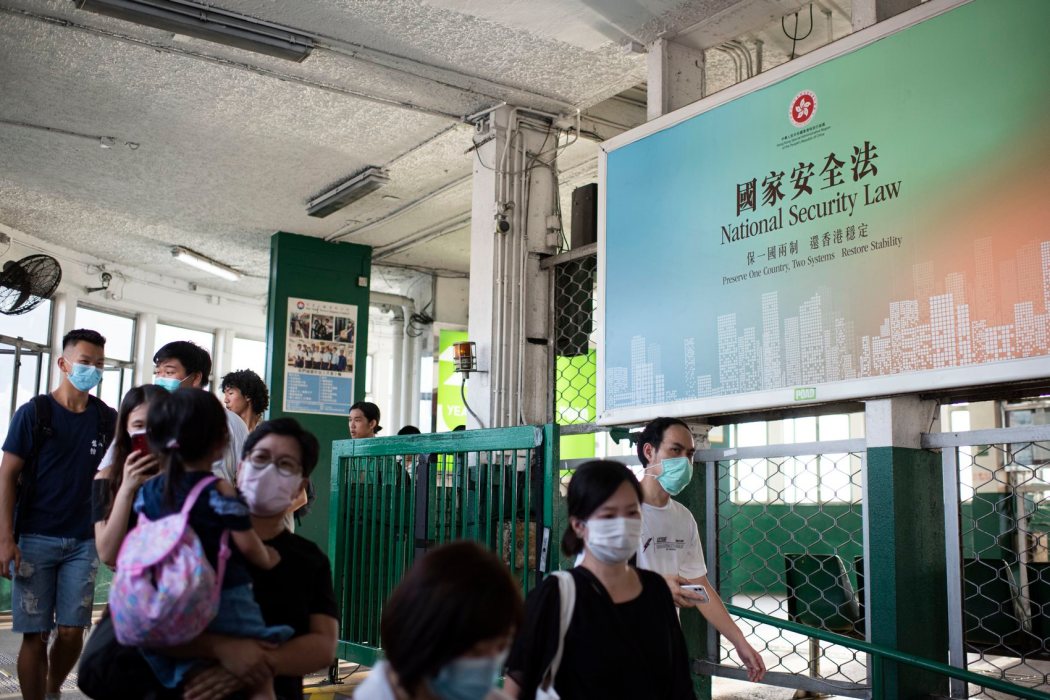
“Maybe many people may be unwilling to be appointed [as a non-permanent judge], this will harm Hong Kong’s rule of law,” the legal sector representative said.
Executive Council member and barrister Ronny Tong, on the other hand, told NowTV that he was disappointed with the resignation of a justice: “I believe those who come to Hong Kong as non-permanent judges would hope to contribute to the One Country, Two Systems.”
Support HKFP | Policies & Ethics | Error/typo? | Contact Us | Newsletter | Transparency & Annual Report | Apps
Help safeguard press freedom & keep HKFP free for all readers by supporting our team


















latest national security stories


