The controversial Basic Competency Assessment (BCA) for primary three students will return this year in the form of anonymous testing for ten per cent of students.
In 2015, many demanded the abolition of the controversial test, previously known as Territory-wide System Assessment (TSA), saying that the assessments were beyond student capabilities and caused stress as they could not be completed without practice. Some parents boycotted the BCA test last year.
The arrangement was announced on Friday at noon after a committee reviewing the matter held a meeting. Chief Executive Carrie Lam hinted last month that the test will not be abolished if society can accept it.
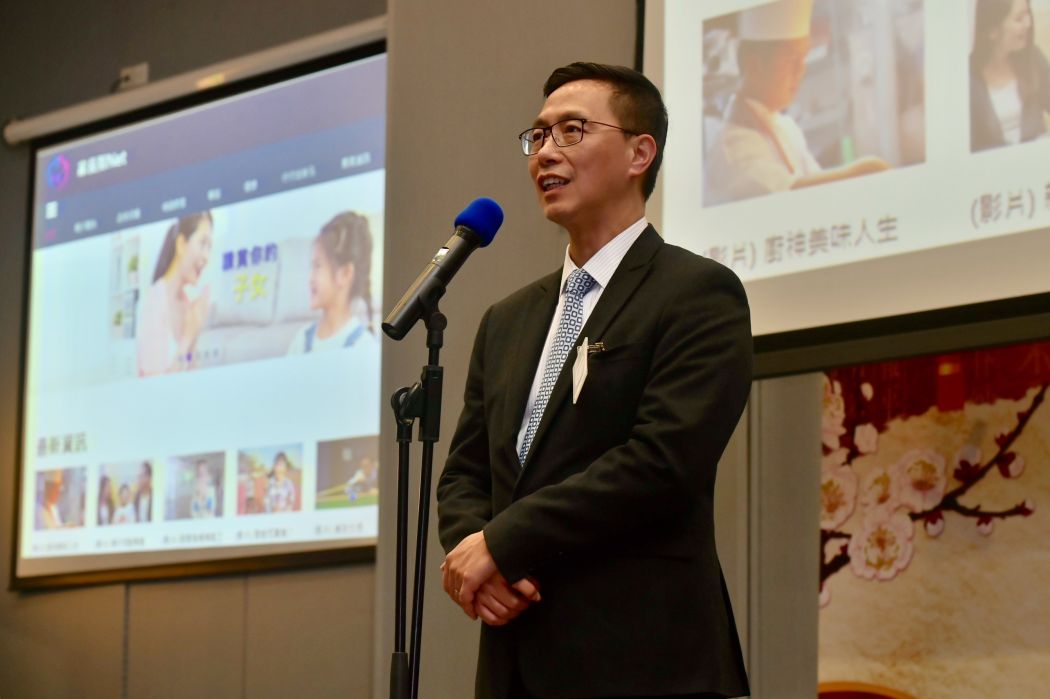
Secretary for Education Kevin Yeung said the data collected will be adequate for the government to improve education measures.
“In the education sector, we all agree that this assessment can improve teaching and learning,” he said.
He said the Education Bureau will pay close attention to see if complaints of excessive homework arise.
The new test will not record the names of students and their schools, and around ten per cent of students will be randomly picked for testing to reduce the pressure of excessive homework.
Schools will not receive their own results but city-wide performance data.
Lawmaker Michael Tien said on Thursday that it was the only way to prevent excessive homework: “But the disadvantage is that the schools cannot get any data.”

However, schools can apply for their primary three students to take the test and apply for an independent assessment report.
To avoid excessive pressure, the report will only explain the strengths and weaknesses of students’ performance at schools that opt-in, but will not provide exact scores or comparison with other schools.
Tien agreed that schools should be allowed to voluntarily opt-in, saying schools may conduct their own tests if they were not allowed to participate.
“If a school is interested, it can go to the Hong Kong Examinations and Assessment Authority [to conduct a test], then the Authority will give the exam data to schools – it should not release the city-wide data or other schools’ data to the school, so that the school cannot chase scores or compare with others.”
Not-for-profit, run by journalists and completely independent – HKFP relies on readers to keep us going. Contribute to our critical HK$1m Funding Drive – just a few days remaining. Help safeguard our independence and secure our operations for another year. Read how carefully we spend every cent in our Annual/Transparency Report.