

Hong Kong’s regulatory board for social workers remains undecided on how it will punish pro-democracy activist Ken Tsang over misconduct.
Tsang, who formerly worked in youth outreach, was jailed for five weeks earlier this year for pouring liquid over police officers and resisting arrest during the 2014 Occupy protests. He was beaten by seven police officers shortly after the incident.
Last year, a pro-Beijing social worker filed a complaint against Tsang to the Social Workers Registration Board (SWRB), arguing that his conviction constituted professional misconduct.

SWRB guidelines state that a registered social worker has committed a disciplinary offence if they have been convicted in Hong Kong, or elsewhere, of any criminal offence punishable with imprisonment “which may bring the social work profession into disrepute.”
A SWRB disciplinary panel recommended the suspension of Tsang’s licence for six months, but the body was unable to reach a consensus on the actual punishment during a meeting in June, and another meeting on Thursday.
The 15-member board consists of eight members elected by social workers and six are appointed by the government. The Director of Social Welfare or his representative also sit on the board. Pro-democracy candidates, including Tsang, won all of the eight electable seats available in 2015.
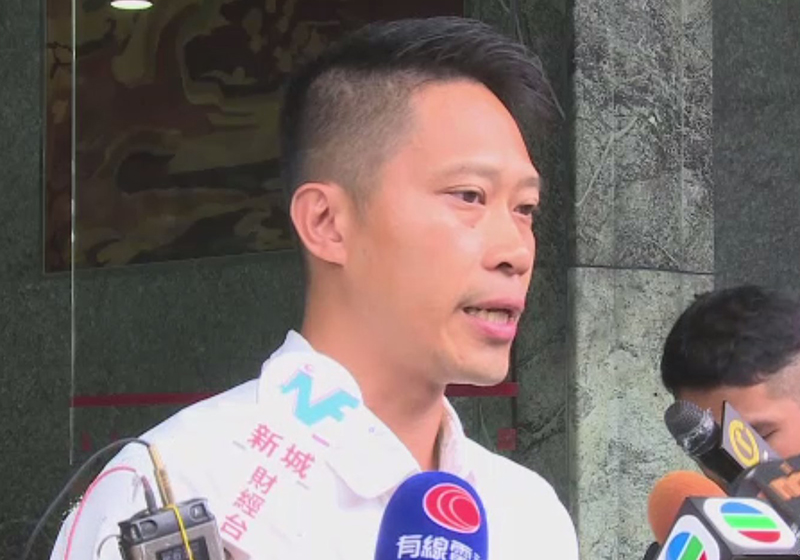
SWRB chairman Lun Chi-wai said he believed there had been no delay in the decision making process.
“There was no precedent which someone was convicted of a crime and harmed the reputation [of the social work profession]. So we have to investigate very carefully,” he said.
Lun said the SWRB exercises its power in accordance with the law and that it was not a case of “social workers protecting social workers” which some groups had accused them of.
Tsang was required to avoid attending meetings discussing him. He said, normally, it would take more than two months, or up to a year, for the SWRB to handle complaints.
“The nature of different cases differ. Some may need more meetings. Two months is not a particularly long or short time,” he said.
The next regular meeting of the board will be in October.


