A look at killer whales in marine parks and aquariums
Current number of known orcas in captivity: 55

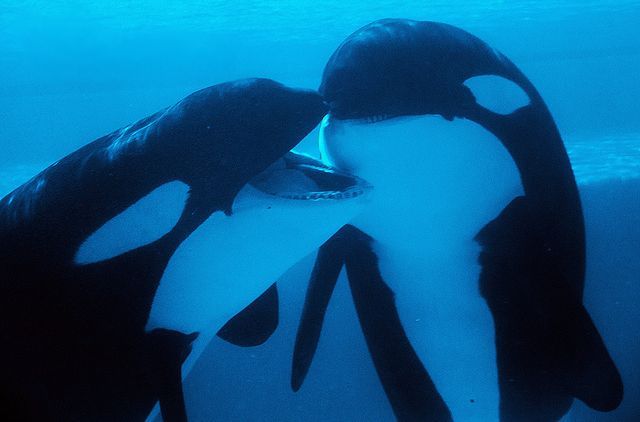
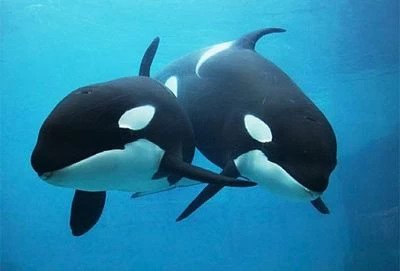
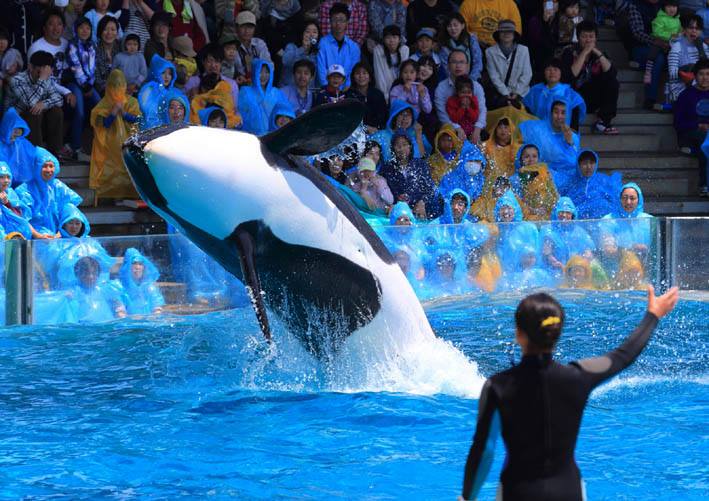
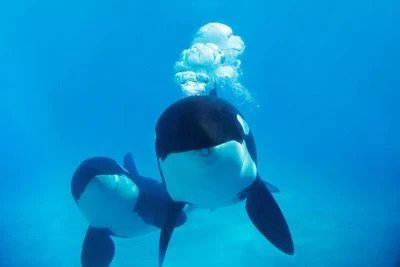
This page details every killer whale that is currently in captivity. Due to the lack of information surrounding Russian capture operations, the status of some of the animals listed below may be incorrect and is subject to change. It’s possible (and highly likely) that some animals have died or been transferred to a different facility to the one listed without my knowledge. Using the small amount of information that is available, a sincere attempt has been made to provide the most accurate information.
To view photos of a certain orca simply click on the orca’s name!
| Name | Wild Population & Ecotype OR Captive Mother / Father | Sex | Origin | Capture/Birth Date | Length at Capture | Aquarium | Remarks |
|---|
Name | Wild Population & Ecotype OR Captive Mother / Father | Sex | Origin | Capture/Birth Date | Length at Capture | Aquarium | Remarks |
|---|---|---|---|---|---|---|---|
| Corky 2 | North Eastern Pacific Northern Residents (Mother believed to be A23 Stripe) | F | Pender Harbor, British Columbia, Canada | 1969/12/11 | 366 | SeaWorld San Diego, California, USA | Corky was about 3 years old when captured. She is a member of the Northern Resident killer whale population and is the oldest killer whale at any SeaWorld park. She has experienced 7 unsuccessful pregnancies, with no calf surviving more than 46 days. Corky measures about 19.8 feet and weighs in at around 8,500 pounds (January 2022). |
| Katina | North Atlantic Icelandic | F | Skardsfjara, Iceland | 1978/10/17 | 360 | SeaWorld Orlando, Florida, USA | Katina, also known as Kandu 6, was about 2 years old when captured. She became the first "successful" mother in captivity with her calf Kalina. She is the ruling matriarch at SeaWorld Orlando. Katina measures about 17 feet (March 2016) and weighs in at around 5,400 pounds (August 2021). |
| Ulises | North Atlantic Icelandic | M | Reyðarfjörður, Iceland | 1980/11/07 | 400 | SeaWorld San Diego, California, USA | Ulises, sometimes spelled Ulysses, was about 3 years old when captured. He spent a long time alone in Barcelona, Spain. Ulises measures about 21 feet and weighs in at around 9,900 pounds (January 2022). |
| Stella (ステラ) | North Atlantic Icelandic | F | Seyðisfjörður, Iceland | 1987/10 | 270 | Kobe Suma Sea World, Hyogo Prefecture, Japan | Stella was less than 1 year old when captured. She is the oldest and most successful breeding female in Japan, with all 5 of her calves being live offspring. However, she was separated from all 4 of her living calves in a span of just 13 years. Stella measures about 17 feet and weighs in at around 4,850 pounds (2012). |
| Orkid | Kandu 5 Orky 2 | F | Captivity | 1988/9/23 | SeaWorld San Diego, California, USA | Orkid is the most aggressive killer whale in captivity with 17 aggressive incidents to her name. She is also considered to be the most intelligent. Orkid's father, Orky 2, died three days after her birth, followed by her mother, Kandu 5, who died in August 1989 when Orkid was just 11 months old. Orkid has never had a calf of her own despite SeaWorld's efforts to get her pregnant, which involved artificially inseminating her on numerous occasions. She measures about 19 feet (2015) and weighs in at around 7,000 pounds (March 2020). | |
| Takara | Kasatka Kotar | F | Captivity | 1991/7/9 | SeaWorld San Antonio, Texas, USA | Takara is the ruling matriarch of the SeaWorld San Antonio orca pod. She's experienced six pregnancies, but only 5 resulted in live offspring. Only two of her calves are alive today. Takara's latest calf, Kyara, died in 2017 at just three months old. Her 4th live-born calf, Kamea, died in 2025, leaving Takara to reside with just one of her remaining calves. Takara measures about 17.3 feet and weighs in at around 4,700 pounds (May 2015). | |
| Kyuquot | Haida 2 Tilikum | M | Captivity | 1991/12/24 | SeaWorld San Antonio, Texas, USA | Kyuquot, also known as Ky, was born at Sealand Victoria, Canada. He was transferred to SeaWorld San Antonio in 1993 along with his mother, Haida 2, following the death of Keltie Bryne. Unfortunately, Haida 2 died in 2001 and Kyuquot was involved in serious aggressive incidents in 2003 and 2004 - perhaps he was struggling to deal with the death of his mother. He measures about 22 feet and weighs in at around 9,300 pounds (March 2015). | |
| Keet | Kalina Kotar | M | Captivity | 1993/2/2 | SeaWorld San Diego, California, USA | Keet was separated from his mother, Kalina, at the age of 1 year 8 months to support her next pregnancy. He's often targeted by more dominant animals and notoriously logs at the surface for hours on end. Keet measures about 20.6 feet and weighs in at around 8,900 pounds (January 2022). | |
| Shouka | Sharkan Kim 2 | F | Captivity | 1993/2/25 | SeaWorld San Diego, California, USA | Shouka was born at Marineland Antibes but was transferred to Six Flags Ohio in 2002 due to concerns she may mate with her father, Kim 2, who she was very close to. She was then transferred to Six Flags California in 2004 where she was held for eight years in complete isolation from her own species. This started to take a toll on Shouka which led to her displaying aggressive behaviour towards both her dolphin companions and her trainers. Shouka was then sent to SeaWorld San Diego on breeding loan in August 2012 where she has resided ever since. California law means she cannot be exported out of state, so she's unlikely to see her relatives at Marineland Antibes ever again. Shouka measures about 17 feet (2015) and weighs in at around 5,200 pounds (March 2020). | |
| Lovey/Rabi (ラビー) | Stella Bingo | F | Captivity | 1998/1/11 | Kamogawa Sea World, Japan | Lovey, also known as Oyako or Rabi, became the first surviving captive born calf in Japan after 5 unsuccessful pregnancies. She has two calves of her own - Earth and Luna. Following the birth of Luna, Lovey became unusually aggressive towards Earth, leading them to becoming separated. In 2024, she gave birth to a calf sired through artificial insemination that did not survive. Lovey measures about 16.7 feet and weighs in at around 4,630 pounds (April 2013). | |
| Tuar | Kalina Tilikum | M | Captivity | 1999/6/22 | SeaWorld San Antonio, Texas, USA | Tuar was initially named Flash, but SeaWorld fans were unhappy with this choice. He was renamed Tuar in accordance with an online poll. He was separated from his mother at four years old and sent to SeaWorld San Antonio where he was involved in several aggressive incidents. Tuar measures about 19 feet (June 2014) and weighs in at around 7,000 pounds (July 2015). | |
| Tekoa | Taima Tilikum | M | Captivity | 2000/11/8 | Loro Parque, Tenerife, Spain | Tekoa's mother, Taima, began displaying aggressive behaviour towards him a few months after his birth. Fortunately, Kalina took it upon herself to care for Tekoa, as well as her own calf, Tuar. Taima's behaviour continued and the pair had to be separated permanently after several attempts to reunite the pair failed. Tekoa was one of four young whales sent to Loro Parque in 2006. His submissive nature meant he became a target of excessive aggression within the group. For several years he could be seen with prolific rake marks covering his body. In 2009, perhaps as a consequence of the social tension within the group, Tekoa viciously attacked trainer Claudia Vollhardt and inflicted serious injuries, although she escaped with her life. Tekoa measures about 18.9 feet and weighs in at 5,875 pounds (March 2018). | |
| Lara (ララ) | Stella Bingo | F | Captivity | 2001/2/8 | Kamogawa Sea World, Japan | Lara resides with her sister, Lovey, and her niece, Luna. She was separated from her mother, Stella, in 2011. Lara measures about 17,4 feet and weighs in at around 4,800 pounds (February 2016). | |
| Wikie | Sharkan Kim 2 | F | Captivity | 2001/6/1 | Marineland Antibes, France | In 2009, Wikie became the youngest whale to be successfully artificially inseminated at the age of just 8 years old. She gave birth to her first calf, Moana, in 2011. She mated with her half-brother, Valentin, soon after. This led to the birth of her second calf, Keijo, in 2013. Wikie measures about 17.1 feet and weighs in at around 4,500 pounds (August 2012). | |
| Ikaika | Katina Tilikum | M | Captivity | 2002/8/25 | SeaWorld San Diego, California, USA | Ikaika was separated from his mother at four years old and sent to Marineland Canada. When his half-sister, Nalani, was born in 2004, Ikaika was sexually aggressive towards her and attempted to mate with the newborn. This contributed to the decision to move him to a different park. In November 2011 SeaWorld expressed concern over the quality of care Ikaika was receiving at Marineland so he was transferred to SeaWorld San Diego where he has resided ever since. Ikaika was brutally attacked by more dominant individuals upon arrival at the park but he eventually befriended numerous whales. Ikaika measures about 21.8 feet and weighs in at around 9,900 pounds (January 2022). | |
| Kalia | Kasatka Keet | F | Captivity | 2004/12/21 | SeaWorld San Diego, California, USA | Despite her young age, Kalia is one of the most dominant whales at SeaWorld San Diego. Born to Kasatka, the ruling matriarch until her death in 2017, Kalia benefitted from her mother's high status and frequently asserted her dominance over other whales. Since her mother's death, other whales within the pod have been less tolerant of this behaviour and she has vied for dominance with Orkid and Shouka. She measures about 16 feet (April 2016) and weighs in at around 4,800 pounds (March 2020). | |
| Trua | Takara Taku | M | Captivity | 2005/11/23 | SeaWorld Orlando, Florida, USA | Trua was separated from his mother, Takara, at four years old when she was sent to SeaWorld San Antonio. Leading up to the separation, Takara and Trua were forced to spend less and less time together as part of a weaning process. Takara struggled with this and fell into a state of depression, as described by regular visitors. Trua currently resides with his grandmother, Katina, but she sustained a severe tear to her dorsal fin in 2018 following an altercation with him. Trua measures about 22.10 feet and weighs in at around 7,800 pounds (November 2022). | |
| Ran 2 (ラン) | Stella Bingo | F | Captivity | 2006/2/25 | Kobe Suma Sea World, Hyogo Prefecture, Japan | Ran 2 was born at Kamogawa SeaWorld in 2006, though she was sent on breeding loan to Port of Nagoya Aquarium in 2011, along with her parents Bingo and Stella. During her time at Port of Nagoya Aquarium Ran witnessed the birth of her younger sister, Lynn, and the two became very close. Following her father's death in August 2014, Ran was separated from her mother and younger sister in December 2015 and sent back to Kamogawa Sea World in exchange for Earth, her nephew. In 2024, Ran was sent to Kobe Suma Sea World for the opening of the new facility, where she was reunited with her mother. Ran 2 measures about 16.4 feet and weighs in at around 3,750 pounds (February 2016). | |
| Nalani | Katina Taku | F | Captivity | 2006/9/18 | SeaWorld Orlando, Florida, USA | Nalani was the first inbred calf to be successfully born in captivity. She is the product of mother-son inbreeding. Nalani has been subjected to a considerable amount of aggression in her life, beginning when she was just a newborn. Her older brothers, Taku (who's also her father) and Ikaika, displayed aggression towards her at first, with Ikaika being sexually aggressive and even attempting to mate with her. There have been numerous occasions where Nalani has been picked on by three or four members of the pod at once, possibly because she's inbred. Recently, Nalani has been targeting a younger female named Malia. She measures about 16 feet (July 2017) and weighs in at around 4,800 pounds (August 2021) | |
| Malia | Taima Tilikum | F | Captivity | 2007/3/12 | SeaWorld Orlando, Florida, USA | Similarly to her brothers, Malia was subjected to aggressive behaviour from her mother, Taima. She was raked, pushed, forced to strand and pinned down by her mother which led to the pair being temporarily separated. Fortunately, Taima's behaviour subsided when she was housed with Kalina, an experienced mother, and Taima and Malia could be reunited. Malia was sometimes housed with her father, Tilikum, who she got along well with. Unfortunately, Taima died in 2010, followed by Tilikum in 2017, making Malia an orphan. Since then, she has been the target of an older female named Nalani. Malia measures about 18.2 feet and weighs in at around 5,511 pounds (June 2022). | |
| Sakari | Takara Tilikum | F | Captivity | 2010/1/7 | SeaWorld San Antonio, Texas, USA | Sakari has displayed some deeply concerning behaviours in the past such as "head-banging". Sakari participated in this behaviour so frequently it would cause her jaw to become bloody and bruised. On one occasion she bruised her jaw so badly she stopped eating because it was too painful for her to open her mouth. Sakari measures about 14 feet and weighs in at around 3,100 pounds (July 2017). Her father is Tilikum. | |
| Morgan | North Atlantic Norweign (P pod) | F | Wadden Sea, Netherlands | 2010/6/23 | Loro Parque, Tenerife, Spain | Morgan was first sighted swimming alone in the Wadden Sea, off the coast of the Netherlands. She was captured at approximately 3 years old and brought to Dolphinarium Harderwijk to receive medical treatment for extreme starvation and dehydration. Once she had recovered, Morgan was deemed non-releasable and eventually sent to Loro Parque in Tenerife, Spain, after a year of lengthy court battles. Morgan gave birth to her first calf in September 2018, but she struggled to produce enough milk for her calf. The pair had to be separated, and the calf, named Ula, later died in 2021. In 2025, it was announced that Morgan was due with her second calf, and she later gave birth in late March of 2025. Morgan measures about 17.2 feet and weighs in at 5,195 pounds (March 2018). | |
| Makaio | Katina Tilikum | M | Captivity | 2010/10/9 | SeaWorld Orlando, Florida, USA | Makaio was born after a string of deaths at SeaWorld Orlando, including the death of trainer Dawn Brancheau and his older half sister Kalina 5 days earlier. Makaio measures about 18.2 feet and weighs in at 5,335 pounds (November 2022). | |
| Adán | Kohana Keto | M | Captivity | 2010/10/13 | Loro Parque, Tenerife, Spain | Adán is one of three inbred killer whales in captivity. He is the product of uncle-niece inbreeding and was rejected by his mother shortly after his birth. Adán (Spanish for "Adam") measures about 14.1 feet (2016) and weighs in at 2,950 pounds (March 2018). | |
| Luna (ルーナ) | Lovey Oscar | F | Captivity | 2012/7/19 | Kamogawa Sea World, Japan | Luna is the youngest orca at Kamogawa Sea World and Lovey's second calf. Following her birth, Luna's mother viciously attacked her older brother, Earth, who later had to be transferred. Luna measures about 7.8 feet and weighs in at around 620 pounds (November 2012). | |
| Lynn/Rin (リン) | Stella Bingo | F | Captivity | 2012/11/13 | Port of Nagoya Aquarium, Japan | Lynn, also called Rin, was the first calf to be born at Port of Nagoya Aquarium. She is the youngest orca at the park and can be easily identified by the unique pattern of freckles on her chin. When she was 6 years old, an age where she should be fully weaned, Lynn would still head bump Stella's underbelly, which is a precursor for nursing. In 2023, Lynn displayed head-banging behavior as a result of being separated from her nephew, Earth. Stella and Lynn were separated when Stella moved to another facility in 2024, which lead to Earth and Lynn being paired together. Lynn has been alone from her species upon the death of Earth in August of 2025. She measures about 13.8 feet and weighs in at around 2,645 pounds (July 2017). | |
| Makani | Kasatka Kshamenk | M | Captivity | 2013/2/14 | SeaWorld San Diego, California, USA | Makani's mother, Kasatka, tragically passed away in August 2017 when he was just four years old. As Makani's mother was the matriarch, her death destabilised the San Diego pod and caused Makani to become a target for excessive aggression. Without Kasatka's protection, Makani can often be seen with prolific rake marks covering his body. He is currently the oldest orca alive to be born through artificial insemination. Makani measures about 17.3 feet (January 2022) and weighs in at around 4,000 pounds (March 2020). | |
| Bandhu (班杜) | Russian Transient | M | Sea of Okhotsk, Russia | 2013/8 - 2014/7 | Chimelong Spaceship, Guangdong, China | Bandhu is one of nine wild-caught killer whales owned by the Chimelong Group, based in Guangzhou, China. Bandhu is an adolescent male, captured sometime between August 2013 and July 2014. He was first publicly seen in 2017 during media broadcasts revealing Chimelong’s Breeding Base. Bandhu is now on public display at the Chimelong Spaceship Theme Park in Zhuhai, China. | |
| Chad (查德) | Russian Transient | M | Sea of Okhotsk, Russia | 2013/8 - 2014/7 | Chimelong Spaceship, Guangdong, China | Chad is one of nine wild-caught killer whales owned by the Chimelong Group, based in Guangzhou, China. Chad is an adolescent male, captured sometime between August 2013 and July 2014. He was first publicly seen in 2017 during media broadcasts revealing Chimelong’s Breeding Base. Chad is now on public display at the Chimelong Spaceship Theme Park in Zhuhai, China. | |
| Jade (玉) | Russian Transient | F | Sea of Okhotsk, Russia | 2013/8 - 2014/7 | Chimelong Spaceship, Guangdong, China | Jade is one of nine wild-caught killer whales owned by the Chimelong Group, based in Guangzhou, China. Jade is approximately 14-years-old – the same age as another whale named “Garce” who was once held at the TINRO Center in Russia. It’s possible “Grace” was renamed “Jade”, but this cannot be confirmed due to lack of photo identification. Jade was first publicly seen in 2017 during media broadcasts revealing Chimelong’s Breeding Base, then again in a 2023 advertisement at Chimelong Spaceship before being hidden for another several months. In October 2023, she gave birth to her first calf, a male named Jingxi. In May 2024, she appeared to public view for the first time with Jingxi. | |
| Kaixin (开心) | Russian Transient | M | Sea of Okhotsk, Russia | 2013/8 - 2014/7 | Chimelong Spaceship, Guangdong, China | Kaixin is one of nine wild-caught killer whales owned by the Chimelong Group, based in Guangzhou, China. Kaixin is an adolescent male, captured sometime between August 2013 and July 2014. He was first publicly seen in 2017 during media broadcasts revealing Chimelong’s Breeding Base. Kaixin is now on public display at the Chimelong Spaceship Theme Park in Zhuhai, China. | |
| Nakhod (纳霍德) | Russian Transient | M | Sea of Okhotsk, Russia | 2013/8 - 2014/7 | Chimelong Spaceship, Guangdong, China | Nakhod is one of nine wild-caught killer whales owned by the Chimelong Group, based in Guangzhou, China. Nakhod is an adult male captured sometime between August 2013 and July 2014 at 8 or 9 years-old. He is on public display at the Chimelong Spaceship Theme Park in Zhuhai, China, and has sired at least one calf; a male born in April 2021 named Loki. Nakhod is ever so slightly smaller than Tyson, measuring 23 feet and weighing approximately 12,715 pounds (December 2023). | |
| Nukka (努卡) | Russian Transient | F | Sea of Okhotsk, Russia | 2013/8 - 2014/7 | Chimelong Spaceship, Guangdong, China | Nukka is one of nine wild-caught killer whales owned by the Chimelong Group, based in Guangzhou, China. Nukka is an adult female, and is roughly the same age as another whale named “Grace” who was once held at the TINRO Center in Russia. It’s possible “Grace” was renamed “Nukka”, but this cannot be confirmed due to lack of photo identification. Nukka was first publicly seen in 2017 during media broadcasts revealing Chimelong’s Breeding Base but not seen again for several years. Nukka was finally put public display at the Chimelong Spaceship Theme Park in Zhuhai, China, in March 2024, six months after the theme park officially opened to the public. She was likely held at the breeding base prior to this, and likely gave birth to her first calf, Loki, on April 17th, 2021, although his mother has not been confirmed. It is also speculated Nukka may have given birth to a second calf in Approx. October 2023, although, again, the mother was never confirmed (it is either Jade or Nukka). | |
| Tyson (努卡) | Russian Transient | M | Sea of Okhotsk, Russia | 2013/8 - 2014/7 | Chimelong Spaceship, Guangdong, China | Tyson is one of nine wild-caught killer whales owned by the Chimelong Group, based in Guangzhou, China. Tyson is an adult male captured sometime between August 2013 and July 2014 at 8 or 9 years-old. He was first publicly seen in 2017 during media broadcasts revealing Chimelong’s Breeding Base. He is now on public display at the Chimelong Spaceship Theme Park in Zhuhai, China, and has sired three calves: Yīlóng, Katniss and Wǔlóng. Tyson may be the largest orca ever held in captivity, measuring over 24 feet long and weighing approximately 12,900 pounds (December 2023). | |
| Keijo | Wikie Valentin | M | Captivity | 2013/11/20 | Marineland Antibes, France | Keijo is one of three inbred calves currently in captivity. His mother, Wikie, mated with her half-brother, Valentin. Some worrying behaviour was observed between Keijo and his mother in May 2014. Wikie pushed Keijo onto a slide out and refused to let him re-enter the water. Wikie likely observed this behaviour from her own mother, Sharkane, who treated her in a similar way. Keijo weighs about 330 pounds (Jan 2014). | |
| Juliet / Naja / Naya (Ная) | Russian Transient | F | Russia | 2014/7 | Moskvarium (Москвариум), Moscow, Russia | Juliet (stage name) or Naja/Naya ("real" name), previously also nicknamed Malyshka (Russian for "baby girl"), was about 4 years old when captured. Following the death of both of her tank mates, it was revealed Naja was pregnant. She gave birth to her first calf, a female, in December of 2023. Unfortunately, the calf died in January of 2024, and she has been alone since Naja measures 17.7ft (5.4 meters) and weighs 4,960 pounds (2,250kg) (Feb 2020). | |
| Malvina | Russian Transient | F | Russia | 2015/7 | Seaside Dolphinarium, Nakhodka, Russia | Malvina was captured in 2015 at 3 years old along with two other orcas. There's unconfirmed information that Malvina has escaped or died in late 2016. Malvina's last known location has been listed, however the facility has since been demolished. | |
| Katenka (卡婷卡) | Russian Transient | F | Russia | 2015/7 | Chimelong Spaceship, Guangdong, China | Katenka measured 19.5ft at capture suggesting she was approximately 9 years old (according to Duffield and Miller's killer whale growth rates). She is the ruling matriarch at Chimelong Spaceship and mother to three calves: Yīlóng (the first killer whale to be successfully born in China) Katniss, and Wǔlóng. She is now on public display at the Chimelong Spaceship Theme Park in Zhuhai, China. | |
| Sonya (索尼娅) | Russian Transient | F | Russia | 2015/7 | Chimelong Spaceship, Guangdong, China | Sonya measured 13ft at capture suggesting she was approximately 3 years old (according to Duffield and Miller's killer whale growth rates). She was first publicly seen in 2017 during media broadcasts revealing Chimelong’s Breeding Base. Sonya is now on public display at the Chimelong Spaceship Theme Park in Zhuhai, China. | |
| Shawn 2/Xiàoēn (肖恩) | Russian Transient | M | Russia | 2015 | Shanghai Haichang Ocean Park, China | Shawn 2(first thought to be named 'Goren', now referred to by his stage name) was captured in 2015 at approximately 3 years old. He was then transferred to Dalian Laohutan Ocean Park to undergo training before his transfer to Shanghai Haichang Ocean Park in 2018. | |
| Pànghǔ/ Fat Tiger (胖虎) | Russian Transient | M | Russia | 2015 | Shanghai Haichang Ocean Park, China | Pànghǔ(first thought to be called 'Wow' and than 'Dylan', now referred to by his stage names) was captured from the wild in 2015 at approximately 6 years old. He was then transferred to Dalian Laohutan Ocean Park to undergo training before his transfer to Shanghai Haichang Ocean Park in 2018. He is easily recognizable as the largest orca at the park, and is a viral sensation in China as a result of his trainer's popularity. In September of 2021, Cookie gave birth to Pànghǔ's first confirmed calf, named Cody. He has since sired 2 calves. Pànghǔ weighs in at around 12,000 pounds (2023). | |
| Dora (朵拉) | Russian Transient | F | Russia | 2015 | Shanghai Haichang Ocean Park, China | Dora was captured from the wild in 2015 at approximately 4 years old. She was then transferred to Dalian Laohutan Ocean Park to undergo training before her transfer to Shanghai Haichang Ocean Park in 2018. Dora gave birth to her first calf, a male, in December 2023, but failed to nurse him. | |
| Cookie (饼干) | Russian Transient | F | Russia | 2015 | Shanghai Haichang Ocean Park, China | Cookie(first thought to be named 'Kysails' and 'Annei') was captured from the wild in 2015 at approximately 3 years old. She was then transferred to Dalian Laohutan Ocean Park to undergo training before her transfer to Shanghai Haichang Ocean Park in 2018. Cookie gave birth to her first calf on September 10th, 2021, named Cody, but failed to nurse him. In July, 2023, she gave birth to her second calf, a stillborn/miscarriage. As a result, she was paired with Cody for the first time in nearly 2 years. | |
| No Name | Russian Transient | M | Russia | 2016/8 | Wuxi Changqiao Ocean Kingdom, China | Two orcas were transported to Wuxi Changqiao Ocean Kingdom in December 2017 following reports that two orcas were captured in August 2016. In 2023, the first footage of both orcas were leaked, confirming they were both alive in a temporary holding tank, owned by the park. If required, this information will be corrected as new information becomes available. | |
| No Name | Russian Transient | M | Russia | 2016/8 | Wuxi Changqiao Ocean Kingdom, China | Two orcas were transported to Wuxi Changqiao Ocean Kingdom in December 2017 following reports that two orcas were captured in August 2016. In 2023, the first footage of both orcas were leaked, confirming they were both alive in a temporary holding tank, owned by the park. If required, this information will be corrected as new information becomes available. | |
| No Name | Russian Transient | F | Russia | Unknown | SunAsia Beluga Whale World, China | There are likely two female killer whales living at a holding facility for SunAsia Beluga World. They previously lived at Linyi Polar Ocean World, but were moved to SunAsia after Linyi started to have financial issues. If required, this information will be corrected as new information becomes available. | |
| No Name | Russian Transient | F | Russia | Unknown | SunAsia Beluga Whale World, China | There are likely two female killer whales living at a holding facility for SunAsia Beluga World. They previously lived at Linyi Polar Ocean World, but were moved to SunAsia after Linyi started to have financial issues. If required, this information will be corrected as new information becomes available. | |
| Yīlóng (一隆) | Katenka Nakhod | M | Captivity | 2019/4/5 | Chimelong Spaceship, Guangdong, China | Yīlóng was born on April 5th, 2019 at Chimelong's second temporary holding facility, and his birth was shown on screen for the first time in September of 2023. He is the first known captive orca to be born in China, giving him a name consisting of the number 1 in Chinese, and the world "long" from Chimelong. Yīlóng is a brother to both Katniss and Wǔlóng. | |
| Loki (洛基) | Nukka Nakhod | M | Captivity | 2021/4/17 | Chimelong Spaceship, Guangdong, China | Loki, also known as Èrlóng, was born on April 17th, 2021 at Chimelong's second temporary holding facility. Unfortunately, he was "hand raised," meaning he was either rejected or his mother could not nurse/care for him. | |
| Cody/Fat Beans/Pàngdòudīng (胖豆丁) | Cookie Pànghǔ | M | Captivity | 2021/9/10 | Shanghai Haichang Ocean Park, China | Cookie gave birth to her first calf on September 10th, 2021, but was separated from her newborn, later named Cody, shortly after birth due to nursing failures. Cody(stage name "Fat Beans") was hand-raised by animal care staff, and made his first public appearance on June 11th, 2022. After nearly 2 years, Cookie rejoined Cody in August of 2023 following the death of her second calf a month earlier. Cody can also be seen with another female named Dora. The three started performing together in late 2023. | |
| Katniss (凯特尼斯) | Katenka Tyson | F | Captivity | 2022/1/27 | Chimelong Spaceship, Guangdong, China | Katniss, also known as Sānlóng, was born on January 27th, 2022 at Chimelong's second temporary holding facility. She was the first "second-born" killer whale in China, meaning she is Yīlóng's younger sister. | |
| Jingxi/Surprise (惊喜) | Jade Tyson | M | Captivity | 2023/10/6 | Chimelong Spaceship, Guangdong, China | Commonly referred to the pinyin of surprise in Chinese, Jingxi was born on October 6, 2023 to Jade. He is her first calf and the last orca to be born at Chimelong's second holding facility. Jade and Jingxi moved to Chimelong Spaceship on May 22, 2024, and have since been displayed to the public with other mothers and calves. | |
| Bowen | Katenka Tyson | M | Captivity | 2023/12/1 | Chimelong Spaceship, Guangdong, China | Katenka gave birth to her third calf on December 1st, 2023. The male calf, later named Bowen, has been nursing from his mother and has an active personality. Bowen is also known as Wǔlóng(五隆), which is a nickname/stage name consisting of the number 5 in Chinese, and the word "long" from Chimelong. | |
| Zimo/Fat Bean Buns (胖豆包) | Dora Pànghǔ | M | Captivity | 2023/12/5 | Shanghai Haichang Ocean Park, China | Dora gave birth to her first calf on December 5th, 2023. Unfortunately, she could not care for the male calf, later named Zimo, and he had to be hand-raised. Zimo would later pick the stage name "Fat Bean Buns" during an event where trainers held signs with different names on them. Measuring around 432 pounds and 7.9 feet at birth, Zimo currently weighs in at around 595 pounds and 9.1 feet (February 2024). | |
| Teno | Morgan Unknown | M | Captivity | 2025/3/31 | Loro Parque, Tenerife, Spain | Morgan gave birth to her second calf in late March of 2025 after her pregnancy was announced the previous month. Mother and calf are currently together, and unlike Morgan's first calf, this new calf has successfully began to nurse from her. On April 3rd, Loro Parque started accepting names for the calf, and on April 23rd they announced his name as Teno. |
Key notes:
– The information presented in this table was revised in April 2020. Some data displayed previously may have been changed in light of more accurate information.
– This data was compiled from multiple sources including the National Marine Fisheries Service (NMFS), Marine Mammal Inventory Reports (MMIRs), marine mammal publications, websites, books, newspaper and news archives, government oversight agencies and marine mammal park documents. Simply click on the hyperlinks to reveal the source.
– Emma Luck (@FlukePrintPhotography IG) provided a vast array of knowledge to help determine which wild caught orca belonged to which wild population and/or ecotype.
Whales captured in Icelandic waters have been listed as “North Atlantic Type 1” as they closely resemble this ecotype in terms of morphology and ecology – they’re smaller than Type 2s and feed primarily on fish (especially herring) but will also eat the occasional seal. In contrast, Type 2s are massive with noticeably downward-sloping eyepatches, and they’re strict mammal-eaters. However, it’s important to note North Atlantic killer whales are not as well studied as those in the North Eastern Pacific. It’s possible there is more variation and diversity than just two ecotypes (Type 1 and Type 2). It’s also possible that there’s greater diversity in Argentina but not all populations have been adequately studied. Those that have are believed to mammal-eaters so this general information has been applied to all orcas captured in the country.
– Estimated age at capture for whales under nine years old was calculated using “Killer whale growth rate defined by Duffield and Miller” (see below).
– “Killer whale status and live-captures in the waters of the Russian Far East” by O. A. Filatova, O. V. Shpak, T.V. Ivkovich, E. A. Borisova, A. M. Burdin and E. Hoyt was used to gather information on the Russian captures in 2012 and 2013.
– Information regarding the remaining Russian captures was largely sourced from Russian Orcas (Facebook)
– Some other notable sources include “Orca – The Whale Called Killer” by Erich Hoyt, “Keto & Tilikum Express the Stress of Orca Captivity” by John S. Jett and Jeffrey M. Ventre, The Orca Project and Cetacean Cousins.
Killer whale growth rate defined by Duffield and Miller
Length in cm Est. age in years
< 291 < 1
291 – 328 1
329 – 366 2
367 – 404 3
405 – 442 4
443 – 480 5
481 – 518 6
519 – 552 7
553 – 590 8
591 – 628 9
Duffield, D.A. and K.W. Miller, 1988. Demographic Features of Killer Whales in Oceanaria in the United States and Canada, 1965-1987. Rit Fiskideildar. 11: 297-306.
In Pacific whales, growth is approximately linear, at a mean rate of 38 cm/yr up to 10-12 or 12-16 years of age, for females and males, respectively.
