
Both Trump's 2024 Coalition and Its Subsequent Erosion Prove the Same Point: Voters of Color Are Not a Monolith
Democrats fall back in love with the "enduring Democratic majority" at their peril

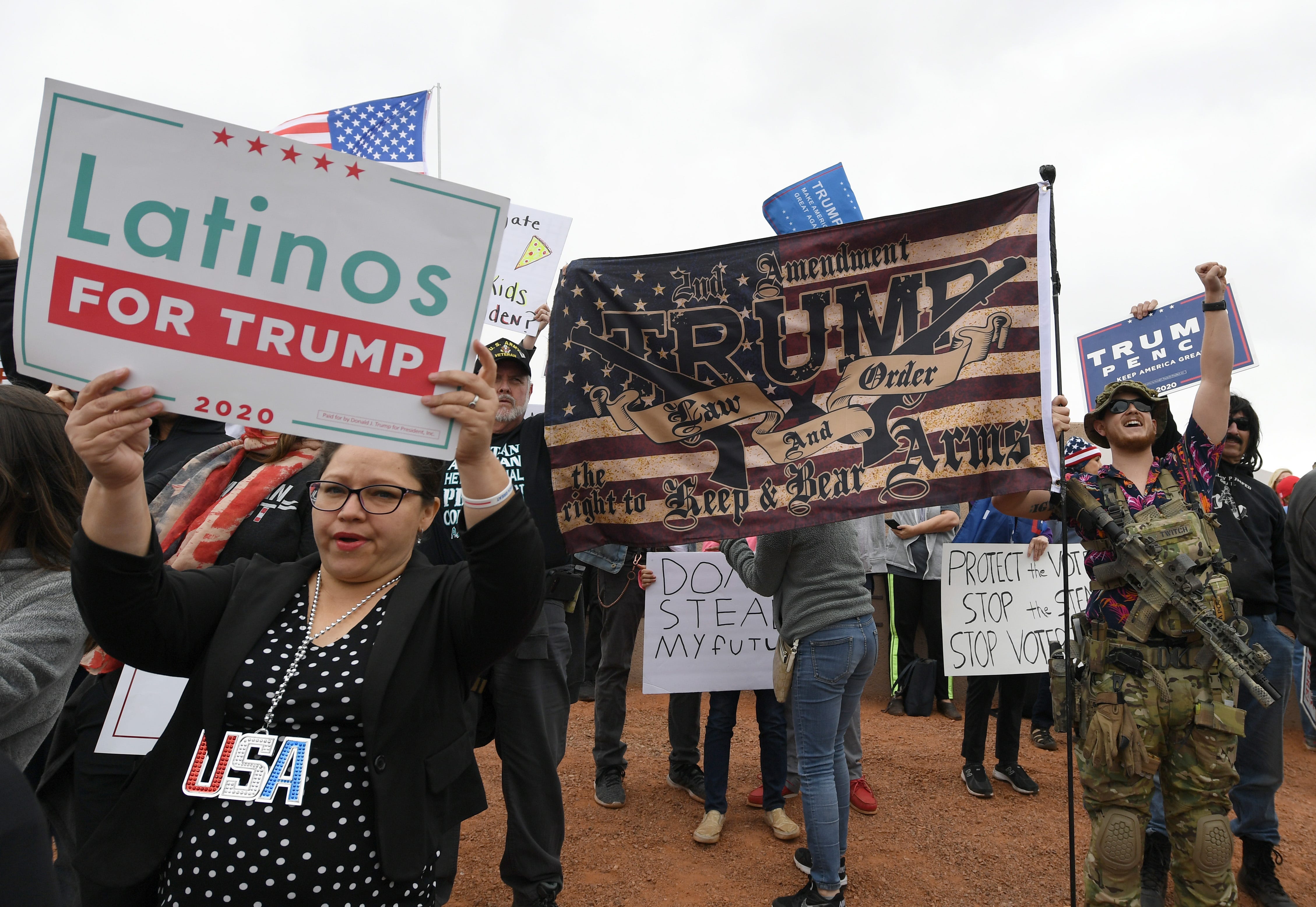
I wouldn’t blame you if you thought that there’s nothing else to say about Donald Trump or his 2024 victory, at this point; we’ve all been saturated in Trump analysis for a decade, at this point, and the fatigue is very real. But I can’t help but feel that there’s a single, stubbornly obvious point related to Trump that mainstream Democrats still refuse to internalize: voters of color are not a monolith. The strange contortions both parties did around Hispanic and other nonwhite voters during and after the 2024 campaign make this plain. Donald Trump’s surprisingly strong performance with parts of the nonwhite electorate in 2024, and the rapid erosion of that support in the past year, are not contradictory phenomena. They’re two sides of the same lesson: you don’t own a demographic by pedigree; you either earn it with persuasive appeals and concrete policies, or you lose it when voters judge those appeals wanting. Voters of colors have to be appealed to like any other. And Democrats, in the 21st century, have repeatedly fallen in love with the idea of an “enduring Democratic majority” that assumes voters of color will blindly follow the party, in a deeply condescending way.
In 2024 the headlines screamed about a “realignment.” Pew’s validated-voter analysis found Trump nearly drew even with Kamala Harris among Latino voters, losing the group by only a few points, despite many previous cycles in which Democrats enjoyed crushing margins. Other datasets showed meaningful movement towards Trump among Black and Asian voters as well. Analysts all over the political media catalogued the same electoral fact: Trump increased his share among nonwhite voters enough that his coalition looked far more racially diverse than GOP candidates had enjoy in recent memory. There’s really little doubt, at this point, that this shift was real and mattered when it came to the eventual outcome: not just another Trump term but a popular-vote victory that entailed winning every swing state.
The question, of course, is what exactly those gains represented. As you can imagine, there were certainly a lot of embittered liberals who talked about “internalized white supremacy” and similar non-falsifiable and patronizing tales that preserved their point of view. Some posited an enduring rightward turn; others insisted that this would prove to be a one-cycle blip. The perspective that has been too-little considered is the one that’s most important for everyone, and especially Democrats, to process: that both the swing towards Trump and the subsequent swing away demonstrate that voters of color are voters like any other and support candidates based on their values and perceived self-interest.
