Skip to content
A river runs through it

Russia’s Soyuz 5 will soon come alive. But will anyone want to fly on it?

After Russia’s invasion of Ukraine, the Western market for satellite launches dried up.

Eric Berger | 94
The second stage of the Soyuz 5 rocket is seen in Samara, Russia. Credit: Roscosmos

After nearly a decade of development, Russia’s newest launch vehicle is close to its debut flight. The medium-lift Soyuz 5 rocket is expected to launch from the Baikonur Cosmodrome before the end of the year.

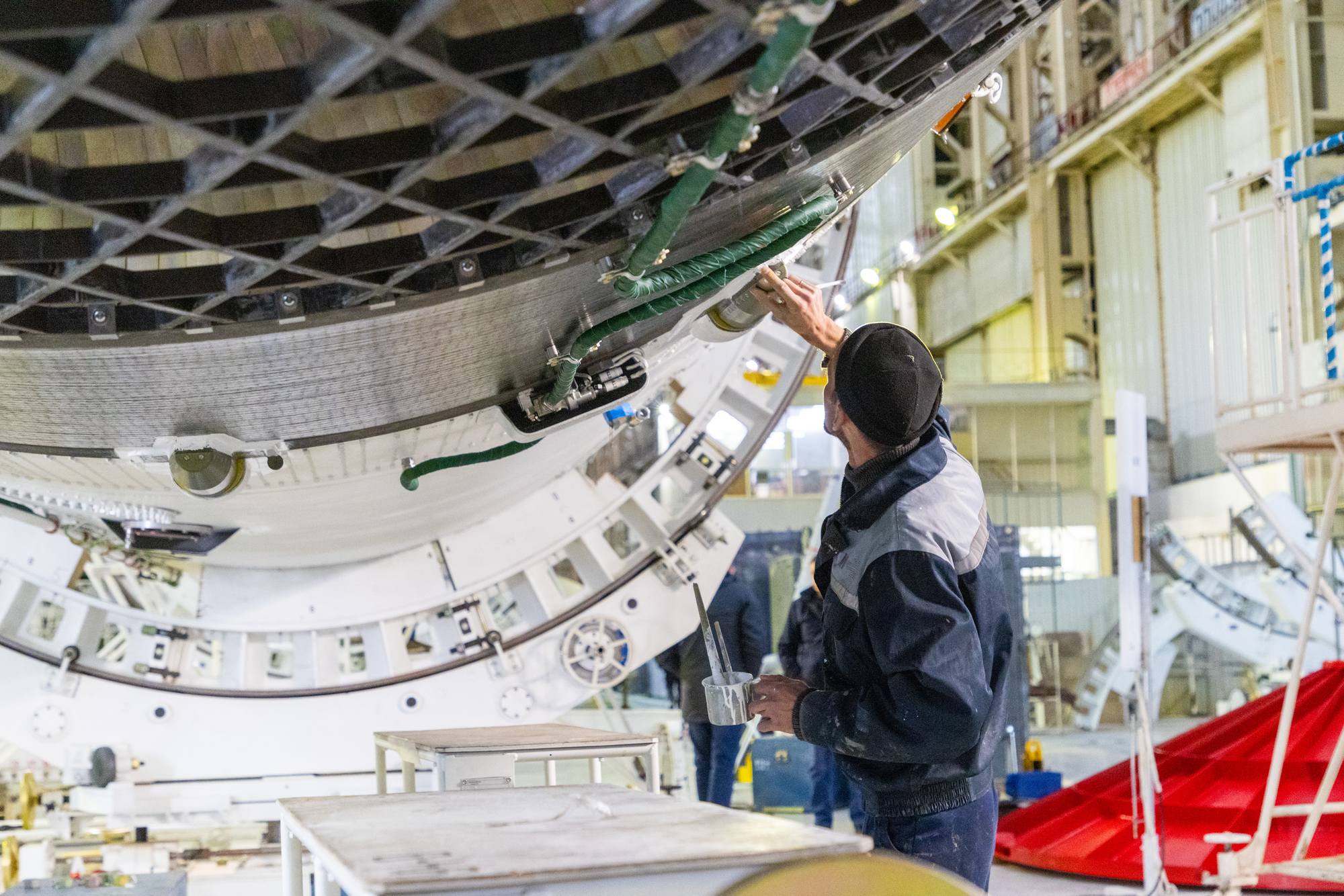
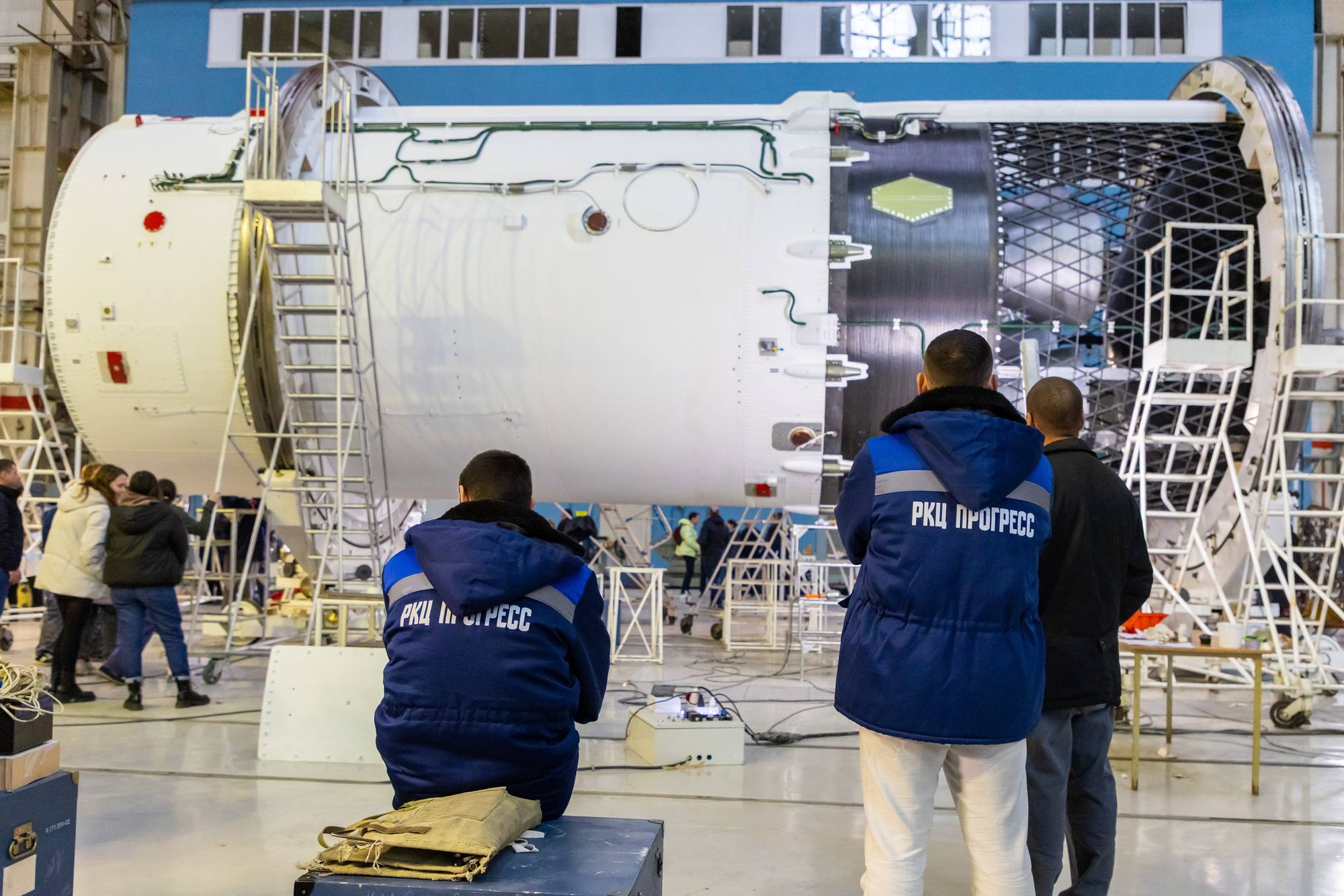
The Russian space corporation, Roscosmos, has released images of final processing of the Soyuz 5 rocket at the Progress Rocket and Space Center in Samara, Russia, earlier this month before the booster was shipped to the launch site in Kazakhstan. It arrived there on November 12.

Although the Soyuz 5 is a new vehicle, it does not represent a major leap forward in technology. Rather it is, in many ways, a conventional reaction to commercial boosters developed in the West as well as the country’s prolonged war against Ukraine. Whether this strategy will be successful remains to be seen.

A decade in the making

Development of the Soyuz 5 dates back almost a decade, with preliminary design work completed in 2017. Russia sought to replace the aging and increasingly unreliable Proton booster with a rocket capable of lifting nearly 20 metric tons to low-Earth orbit. It was also hoped that a new rocket would be more price competitive in the geostationary satellite market amid the rise of SpaceX’s Falcon 9 rocket.

The Soyuz 5 was conceived of as a more efficient version of the Zenit-2 rocket, which flew into the 2010s. This rocket was an artifact from the Soviet era and had been designed by the Yuzhnoye Design Bureau in Dnipro, Ukraine. Its first and second stages were manufactured there.

So Russia’s goal was not just to be more competitive with Western rockets, but also, as tensions ratcheted up with Ukraine, to have a new, powerful medium-lift vehicle built within its borders.
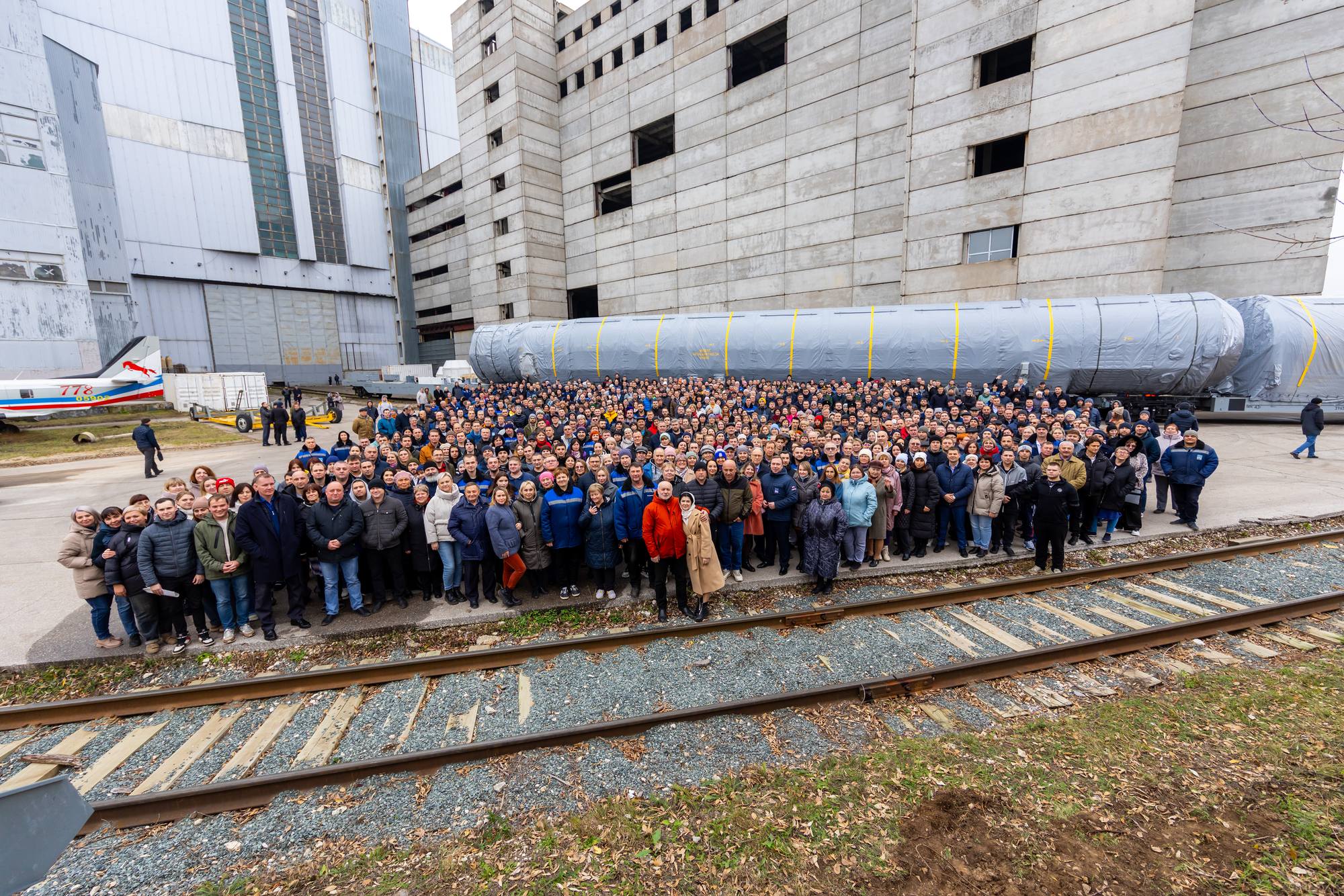
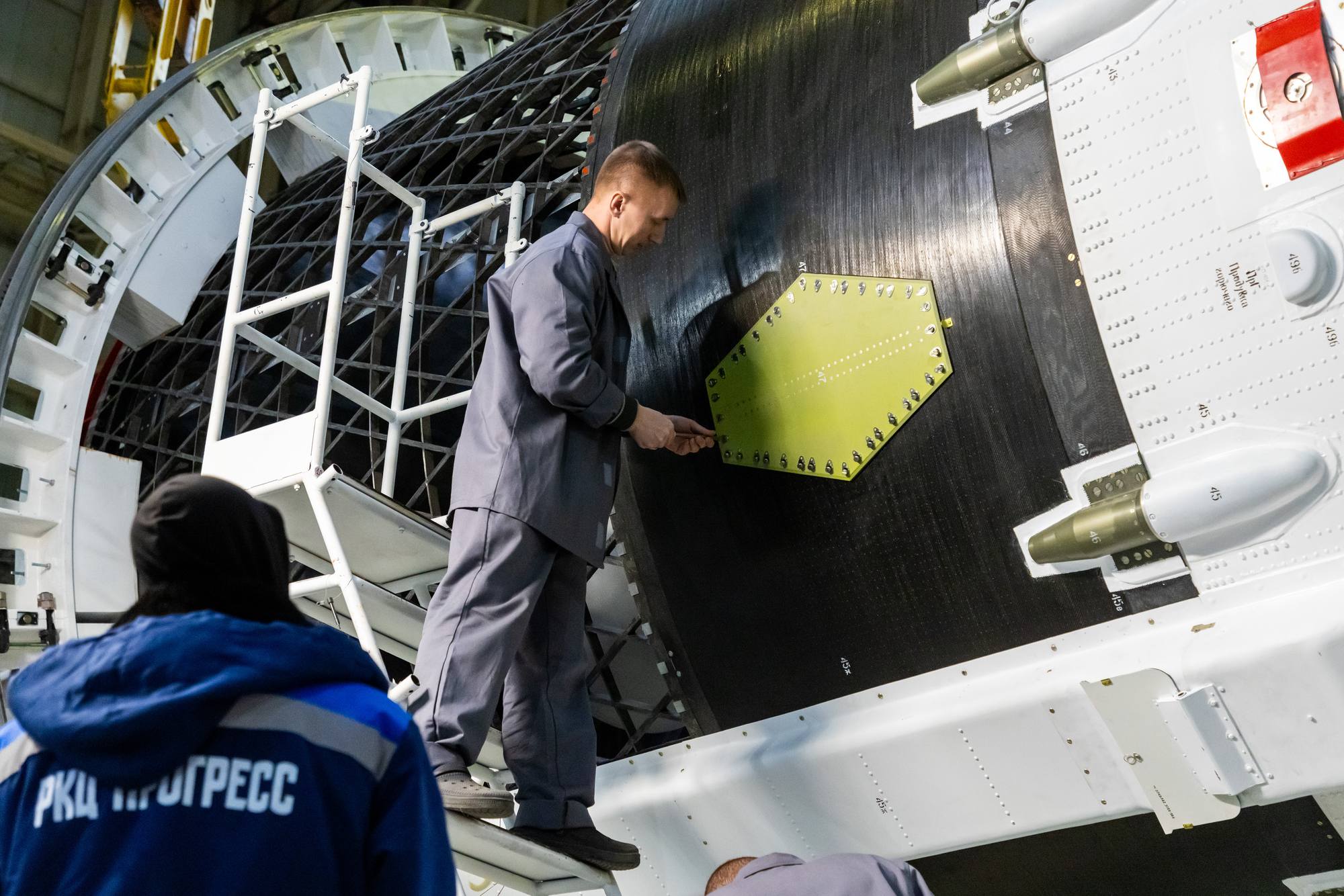
The Soyuz 5 rocket is ready to depart Samara.
Apparently the rocket will use hot-staging to increase performance.
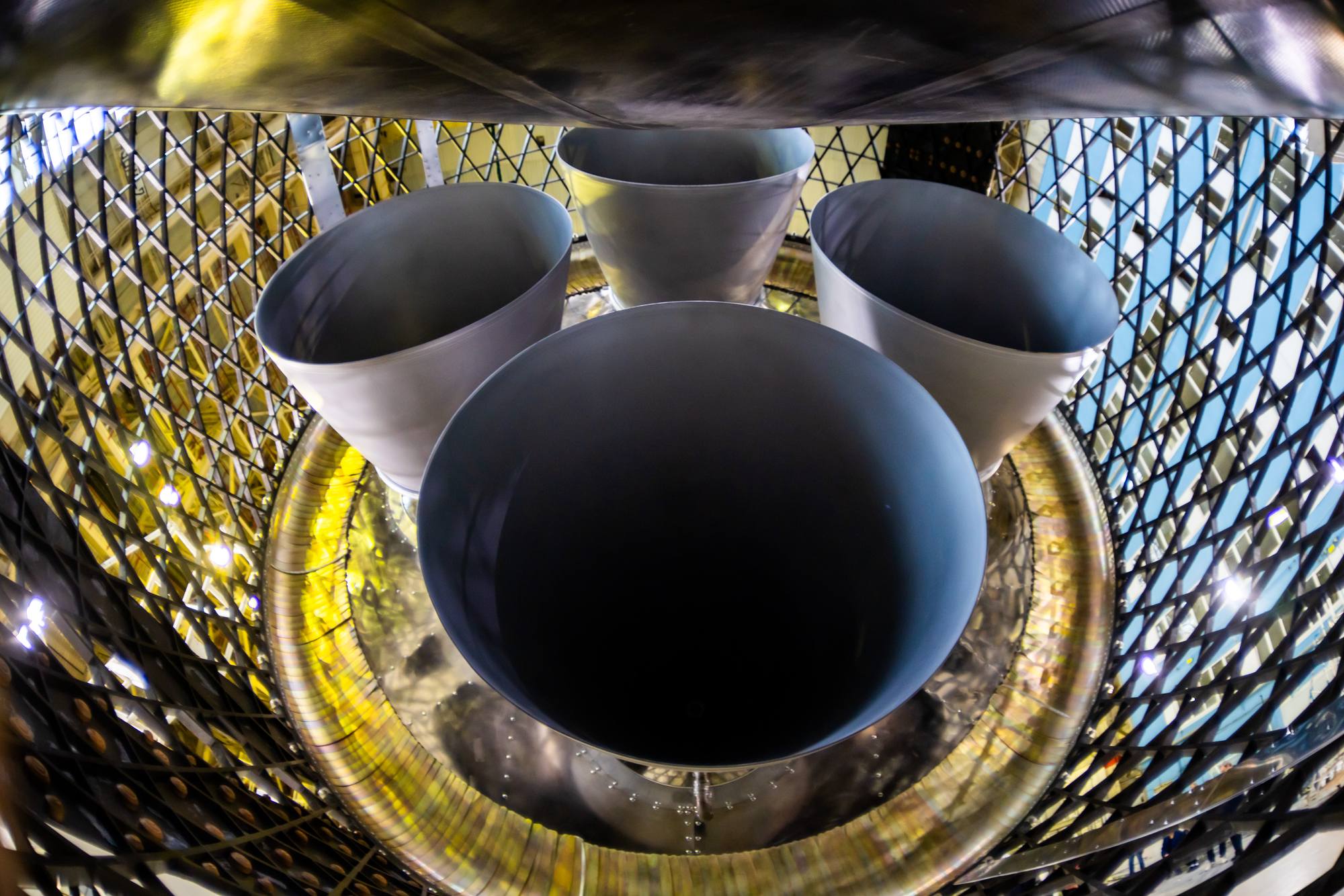
A close-up view of the second-stage engine.
A close-up view of the interstage of the rocket.

The Soyuz 5 rocket, also named Irtysh for a river that flows through Russia and Kazakhstan, answers to that purpose. Its first stage is powered by a single RD-171MV engine, which at sea level has three times the thrust of a single Raptor 3 engine, and is part of a family of engines that are the most powerful liquid-fueled rocket engines in the world. The RD-171MV uses only Russian components.

Russian officials also plan to use the Soyuz 5 rocket as the “boost” stage of a super-heavy lift rocket, known as Yenisei, that would be used for a human lunar program. However the Yenisei rocket seems to be one of those Russian space initiatives that is forever mired in a nebulous development stage—often talked about as a national priority, but rarely advanced.

What market is there?

But the Soyuz 5 rocket now is very real, and it should launch within the next month. The question is, what market will it serve? Russia presently has the Soyuz 2, which has about half the lift capacity, for crew and cargo missions to the International Space Station, as well as the launch of smaller spacecraft. There is also the line of Angara rockets that has come online during the last decade.

The Soyuz 5 slots in between the Soyuz 2 and Angara A5 rocket in terms of performance. So what demand is there for a rocket with 18 tons of capacity to low-Earth orbit? One concern is that the number of geostationary satellites launched annually, once the bread and butter of the Proton vehicle, has dropped precipitously.

Another is Russia’s invasion of Ukraine, which has taken Russian rockets off the table for many Western satellite operators. At the same time, international competition in the medium-lift market has stiffened. China has an increasing number of government and commercial options, and India’s launch offerings are growing as well. And for any company or country mostly concerned about price, Russia almost certainly can’t beat the reusable Falcon 9 booster offered by SpaceX.

Photo of Eric Berger
Eric Berger Senior Space Editor
Eric Berger is the senior space editor at Ars Technica, covering everything from astronomy to private space to NASA policy, and author of two books: Liftoff, about the rise of SpaceX; and Reentry, on the development of the Falcon 9 rocket and Dragon. A certified meteorologist, Eric lives in Houston.
94 Comments