Surrealist shōjo manga cover art style of Yoshimi Uchida’s "Hoshi no Tokei no Liddell" (1982): A manga art infused with Pre-Raphaelitism and Surrealism. [Gemini Nano Banana Pro]
{subject} rendered as a color illustration in the surrealist shōjo manga portrait/cover art style of Yoshimi Uchida's "Hoshi no Tokei no Liddell" (1982): {
Stylistic Heritage and Foundation
Rooted in the experimental "Golden Age" of shōjo manga pioneered by the Year 24 Group during the 1970s and 1980s, Uchida's cover art synthesizes two distinct European traditions: the ornamental precision and romantic idealism of 19th-century Pre-Raphaelitism, and the psychological symbolism and uncanny atmosphere of 20th-century Surrealism. This fusion creates a disciplined ornamental realism—precise, cinematic, and psychologically immersive—that departs from mainstream shōjo manga's exuberant sentimentality to instead emphasize contemplative interiority and symbolic depth.
Literary and Aesthetic Correspondences
The aesthetic framework parallels 19th-century Symbolism and Aestheticism through the "pictorialization" of literary sources—medieval themes, mythology, and Victorian poetry—particularly echoing the poetic narrativism of John Keats and Alfred, Lord Tennyson. This approach integrates high-fidelity rendering, compositional dramaturgy, and ornamental patterning to transform characters into folkloric, ephemeral mythic personalities situated within dreamscape-infused environments. The result is a subconsciously dissonant yet beautifully simplified realism that conveys poised melancholy with symbolic resonance while achieving seamless visual flow through strategic patternization and focal point direction.
Compositional Architecture and Atmospheric Design
Compositions cultivate an ethereally still, dreamlike atmosphere that occupies the liminal space between reality and fantasy—as if the decorative principles of the Arts and Crafts Movement have been seamlessly woven into lived experience. Despite the surrealist stylization, the scene maintains inherent believability and serene charm through carefully balanced naturalistic grounding: spatial relationships remain coherent, lighting follows plausible logic, and ornamental elements, while abundant, integrate organically rather than overwhelming the composition. This effect emerges through psychologically charged yet meticulously patterned scenery featuring William Morris-inspired intricate ornamentation, uncanny decorative motifs reminiscent of Edward Burne-Jones, and the sorrowful fin-de-siècle romanticism characteristic of Pre-Raphaelite work. The setting frequently employs narrative elements decoratively as existential symbolism and psychological framing.
Backgrounds employ disciplined realism through symbolic ornamentalism and fabric-pattern design sensibilities, transforming silent atmosphere into escapist, intimate dreamscapes that poetically convey both the interior mindscapes and relational tensions of portrayed figures. The serene quality persists through gentle tonal transitions, harmonious color relationships, and compositionally balanced arrangement that never sacrifices visual tranquility for decorative excess. Scenes typically feature calm, contemplative figures—either solitary or accompanied by close companions—where solitude and intimate companionship serve as symbolic refuges from external social pressures. This contemplative stillness prioritizes introspective depth over performative display.
Character Design and Figure Representation
Bishōnen and bishōjo figures are rendered with CLAMP-like elongated anime proportions combined with Pre-Raphaelite delicate-yet-precise volumetric form. Ethereal, subsurface-scattered soft chiaroscuro emphasizes interior psychological complexity and emotional restraint over exuberant expression. Faces and postures reveal internal depth rather than superficial performative personality. The expression often carries a sense of "terrifying beauty," blending delicate features with a subtle hint of psychological distress or unsettling internal conflict. This effect creates a melancholic, heightened romanticism akin to Symbolist portraiture.
Characters embody an idealized vision of Western high society filtered through an Asian aesthetic lens—the "reverse exoticism" of European exclusivity and mysterious charm. This manifests as: idealized, delicate visages with elongated proportions (akin to Yumiko Igarashi's style), impeccable grooming suggesting aristocratic refinement, bright captivating eyes, and precisely patterned costume textures. The overall elegance reads less as spectacle than as romantic, cultivated poise—a classy emotional restraint that expresses thoughtfulness and psychological complexity. This Western-influenced aestheticism aligns with the surreal mood of political high society, functioning as narrative foreshadowing: suggesting that deeper conflicts lie beyond superficial concerns of beauty, popularity, and material wealth.
Visual Synthesis and Dual Realism
The illustration demonstrates meticulous, rigorous rendering with an "explosion of details" that achieves dual correspondence: it honors both the 19th-century Pre-Raphaelite commitment to painstaking realistic depiction and ornamental elaboration in literary settings, and the 20th-century Surrealist employment of precise photographic realism to stabilize and emphasize illogical or dream content.
This creates a disciplined ornamental realism where uncanny aestheticism—illogical ornamental arrangements, Art Nouveau-like organic patterning, or spatially ambiguous décor—becomes reframed as precise, cinematic, and unnervingly beautiful, yet crucially remains tethered to visual believability through accurate anatomical proportions, consistent perspective framework, and naturalistic material textures. Streamlined visual flow guides the viewer's attention through seamless patternization toward deliberate focal points, creating a hypnotic visual effect that mirrors the perceptual transformation experienced when one focuses intensely on a single point—where prolonged concentration gradually dissolves boundaries between subject and environment, inducing a meditative, trance-like absorption.
Holistic Effect and Psychological Resonance
The overall aesthetic produces visual dissonance that simultaneously unsettles and enchants: creating uncanny-yet-beautiful dreamscapes that explore the irrational, the unconscious, and the uncanny through dream imagery, while embodying the idealized, mythical dramaturgy of the Pre-Raphaelite literary tradition. Yet this psychological complexity never eclipses the scene's fundamental serenity and charm—the stylization enhances rather than distorts, adding layers of meaning while preserving an approachable, emotionally resonant warmth. Figures embody displacement or the realization of inner conflict, presented with emotional intensity and symbolic depth that foreshadows the psychological ambiguities of the narrative. This hypnotic quality invites sustained contemplation, drawing viewers into an immersive psychological space where ornamental beauty and surreal unease coexist in delicate tension, unified by an underlying sense of gentle, contemplative grace that renders the fantastical believable and the symbolic intimately personal.
Technical Execution
Rendered in color using traditional fine art mediums: pencil, Japanese ink, watercolors, and oil colors, achieving versatile tonal and textural range.
}
Source
"Hoshikuzuiro no Fune" / "Ship of the Stars" by Yoshimi Uchida — r/MangaCollectors on Reddit, 2023


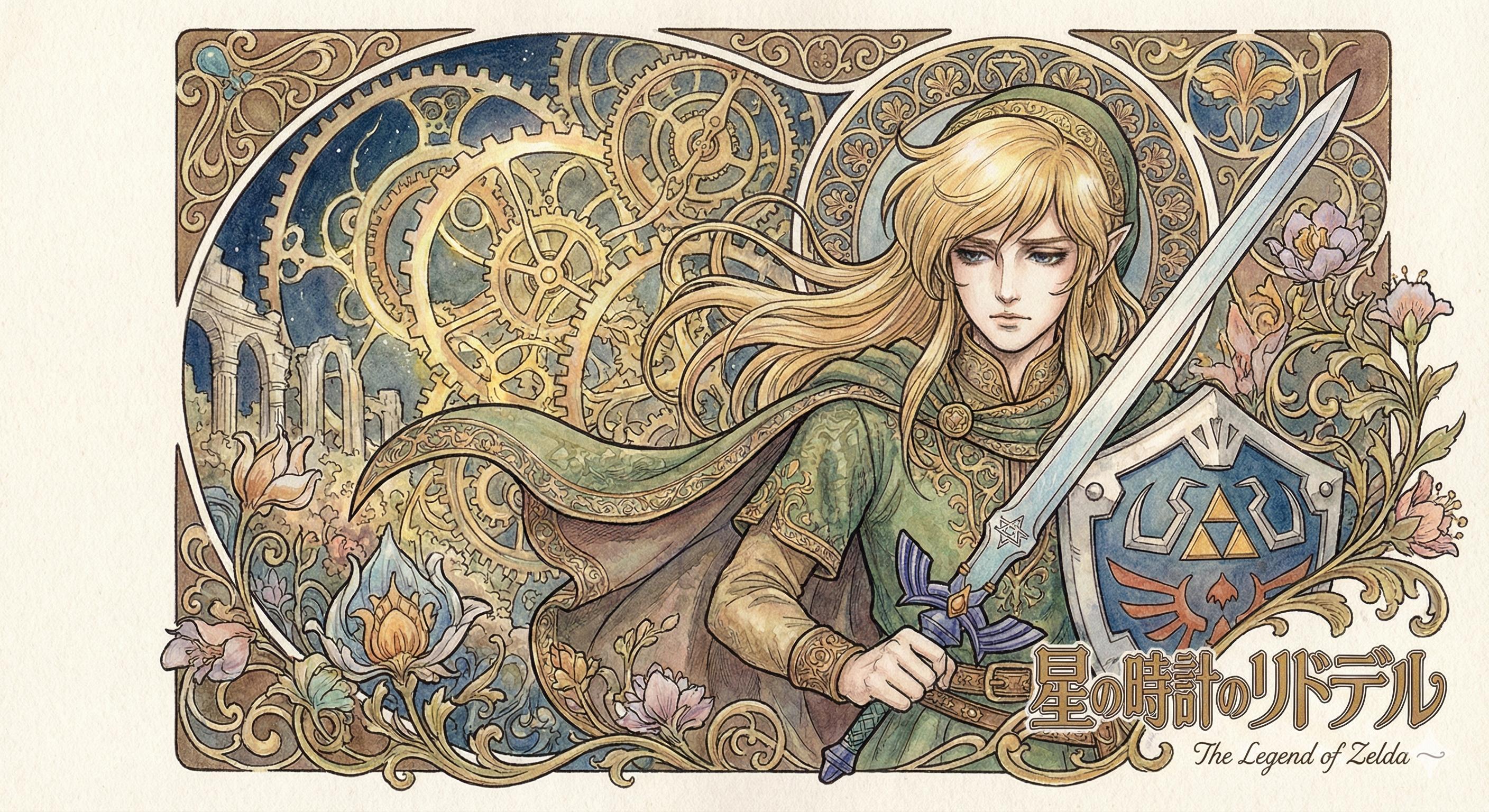
{subject} rendered as a color illustration in the surrealist shōjo manga portrait/cover art style of Yoshimi Uchida's "Hoshi no Tokei no Liddell" (1982): {
Stylistic Heritage and Foundation
Rooted in the experimental "Golden Age" of shōjo manga pioneered by the Year 24 Group during the 1970s and 1980s, Uchida's cover art synthesizes two distinct European traditions: the ornamental precision and romantic idealism of 19th-century Pre-Raphaelitism, and the psychological symbolism and uncanny atmosphere of 20th-century Surrealism. This fusion creates a disciplined ornamental realism—precise, cinematic, and psychologically immersive—that departs from mainstream shōjo manga's exuberant sentimentality to instead emphasize contemplative interiority and symbolic depth.
Literary and Aesthetic Correspondences
The aesthetic framework parallels 19th-century Symbolism and Aestheticism through the "pictorialization" of literary sources—medieval themes, mythology, and Victorian poetry—particularly echoing the poetic narrativism of John Keats and Alfred, Lord Tennyson. This approach integrates high-fidelity rendering, compositional dramaturgy, and ornamental patterning to transform characters into folkloric, ephemeral mythic personalities situated within dreamscape-infused environments. The result is a subconsciously dissonant yet beautifully simplified realism that conveys poised melancholy with symbolic resonance while achieving seamless visual flow through strategic patternization and focal point direction.
Compositional Architecture and Atmospheric Design
Compositions cultivate an ethereally still, dreamlike atmosphere that occupies the liminal space between reality and fantasy—as if the decorative principles of the Arts and Crafts Movement have been seamlessly woven into lived experience. Despite the surrealist stylization, the scene maintains inherent believability and serene charm through carefully balanced naturalistic grounding: spatial relationships remain coherent, lighting follows plausible logic, and ornamental elements, while abundant, integrate organically rather than overwhelming the composition. This effect emerges through psychologically charged yet meticulously patterned scenery featuring William Morris-inspired intricate ornamentation, uncanny decorative motifs reminiscent of Edward Burne-Jones, and the sorrowful fin-de-siècle romanticism characteristic of Pre-Raphaelite work. The setting frequently employs narrative elements decoratively as existential symbolism and psychological framing.
Backgrounds employ disciplined realism through symbolic ornamentalism and fabric-pattern design sensibilities, transforming silent atmosphere into escapist, intimate dreamscapes that poetically convey both the interior mindscapes and relational tensions of portrayed figures. The serene quality persists through gentle tonal transitions, harmonious color relationships, and compositionally balanced arrangement that never sacrifices visual tranquility for decorative excess. Scenes typically feature calm, contemplative figures—either solitary or accompanied by close companions—where solitude and intimate companionship serve as symbolic refuges from external social pressures. This contemplative stillness prioritizes introspective depth over performative display.
Character Design and Figure Representation
Bishōnen and bishōjo figures are rendered with CLAMP-like elongated anime proportions combined with Pre-Raphaelite delicate-yet-precise volumetric form. Ethereal, subsurface-scattered soft chiaroscuro emphasizes interior psychological complexity and emotional restraint over exuberant expression. Faces and postures reveal internal depth rather than superficial performative personality. The expression often carries a sense of "terrifying beauty," blending delicate features with a subtle hint of psychological distress or unsettling internal conflict. This effect creates a melancholic, heightened romanticism akin to Symbolist portraiture.
Characters embody an idealized vision of Western high society filtered through an Asian aesthetic lens—the "reverse exoticism" of European exclusivity and mysterious charm. This manifests as: idealized, delicate visages with elongated proportions (akin to Yumiko Igarashi's style), impeccable grooming suggesting aristocratic refinement, bright captivating eyes, and precisely patterned costume textures. The overall elegance reads less as spectacle than as romantic, cultivated poise—a classy emotional restraint that expresses thoughtfulness and psychological complexity. This Western-influenced aestheticism aligns with the surreal mood of political high society, functioning as narrative foreshadowing: suggesting that deeper conflicts lie beyond superficial concerns of beauty, popularity, and material wealth.
Visual Synthesis and Dual Realism
The illustration demonstrates meticulous, rigorous rendering with an "explosion of details" that achieves dual correspondence: it honors both the 19th-century Pre-Raphaelite commitment to painstaking realistic depiction and ornamental elaboration in literary settings, and the 20th-century Surrealist employment of precise photographic realism to stabilize and emphasize illogical or dream content.
This creates a disciplined ornamental realism where uncanny aestheticism—illogical ornamental arrangements, Art Nouveau-like organic patterning, or spatially ambiguous décor—becomes reframed as precise, cinematic, and unnervingly beautiful, yet crucially remains tethered to visual believability through accurate anatomical proportions, consistent perspective framework, and naturalistic material textures. Streamlined visual flow guides the viewer's attention through seamless patternization toward deliberate focal points, creating a hypnotic visual effect that mirrors the perceptual transformation experienced when one focuses intensely on a single point—where prolonged concentration gradually dissolves boundaries between subject and environment, inducing a meditative, trance-like absorption.
Holistic Effect and Psychological Resonance
The overall aesthetic produces visual dissonance that simultaneously unsettles and enchants: creating uncanny-yet-beautiful dreamscapes that explore the irrational, the unconscious, and the uncanny through dream imagery, while embodying the idealized, mythical dramaturgy of the Pre-Raphaelite literary tradition. Yet this psychological complexity never eclipses the scene's fundamental serenity and charm—the stylization enhances rather than distorts, adding layers of meaning while preserving an approachable, emotionally resonant warmth. Figures embody displacement or the realization of inner conflict, presented with emotional intensity and symbolic depth that foreshadows the psychological ambiguities of the narrative. This hypnotic quality invites sustained contemplation, drawing viewers into an immersive psychological space where ornamental beauty and surreal unease coexist in delicate tension, unified by an underlying sense of gentle, contemplative grace that renders the fantastical believable and the symbolic intimately personal.
Technical Execution
Rendered in color using traditional fine art mediums: pencil, Japanese ink, watercolors, and oil colors, achieving versatile tonal and textural range. }