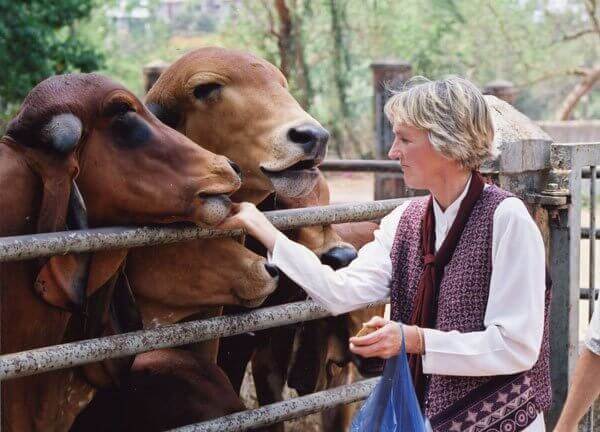
It can be an easy mistake to make–you follow a sign on the highway to a “sanctuary” or “wild animal rescue” in the hopes of supporting wildlife conservation and maybe learning something new about an animal you love. However, you will quickly find yourself in a roadside zoo reminiscent of those depicted in Tiger King or Chimp Crazy if you don’t avoid these major highway hellholes.
At tourist traps around the country, greedy owners are exploiting animals. Animals die from a lack of basic veterinary care, and humans and animals regularly get injured in poorly conceived animal interactions. Vacationers who spend money on these crummy exhibits keep them in business, and many visitors are also tricked into “donating to conservation” when they are actually just lining the owner’s pockets.

Be sure not to spend any time at places where animals will be miserable long after you’re back home. Here are a few of the grimmest spots for animals:
Alligator Adventure
North Myrtle Beach, South Carolina
Reptiles aren’t regulated under the federal Animal Welfare Act, so hundreds of alligators, crocodiles, snakes, and other reptiles at Alligator Adventure are afforded no protection. Alligators here live in crowded enclosures, where they have to fight for food. Many alligators are missing limbs. Employees attempt to break up fights by hitting the animals with large sticks. Workers also tear baby alligators away from their mothers and tape their mouths shut for shows and public encounters.
Visitors have also observed a cougar pacing at Alligator Adventure, which is a sign of psychological distress. The owners confine other animals—bobcats, kookaburras, and scarlet macaws–to small, depressing cages.
Debbie Dolittle’s Indoor Petting Zoo
Tacoma, Washington
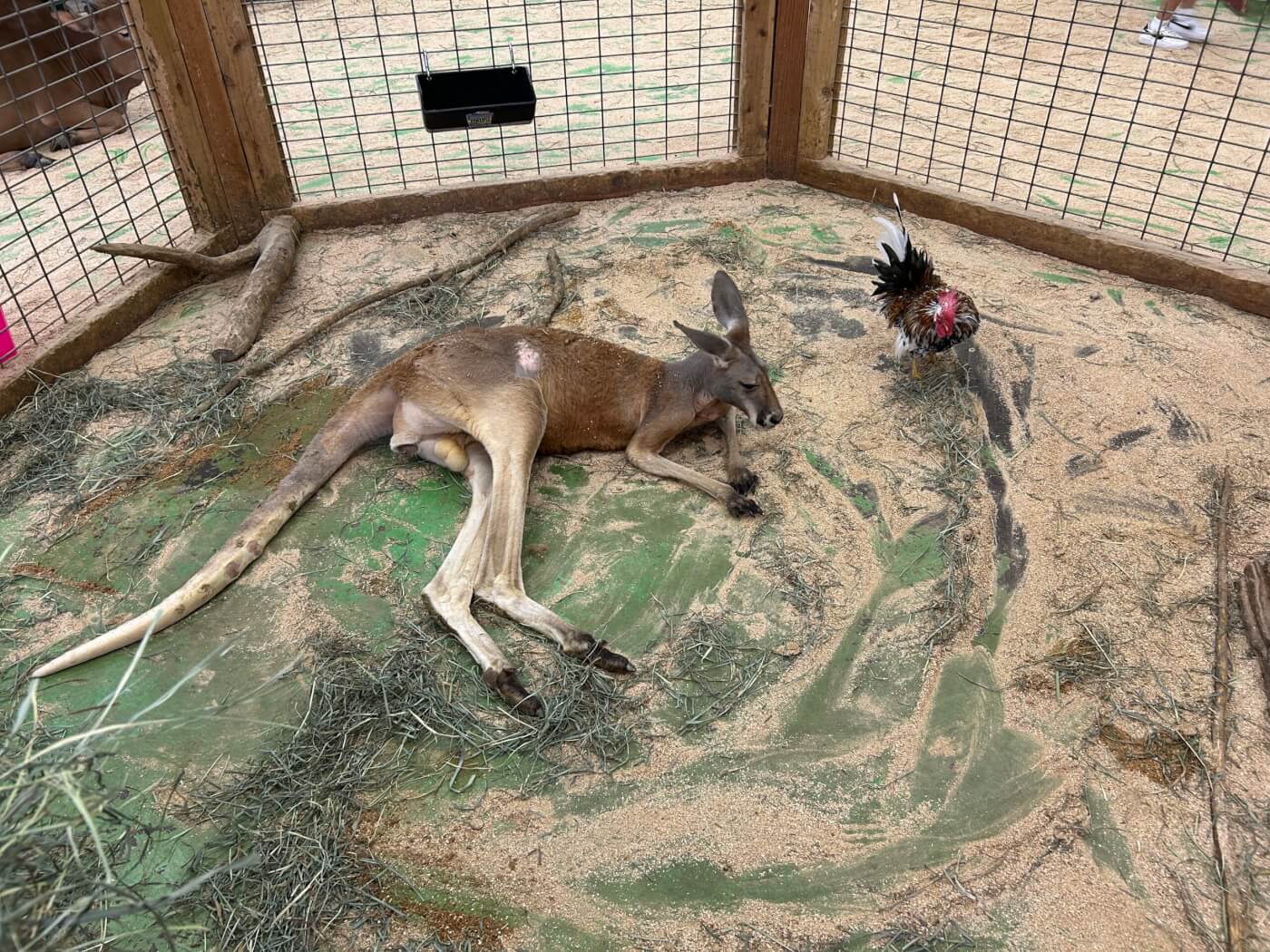
This strip mall petting zoo is entirely indoors, and animals have lost limbs due to the shoddy makeshift enclosures. Kangaroos, wallabies, porcupines, and capybaras are forced to lie on hard floors with virtually nothing to do. The animals have been documented chewing on walls and fences. They have also developed sores and hair loss in these poor conditions. The building retains summer heat, and the stench of urine overpowers due to inadequate ventilation. There is also limited supervision of public interactions with animals, which has resulted in otters and capybaras biting visitors hard enough to draw blood.
Cherokee Bear Zoo and Santa’s Land
Cherokee, North Carolina
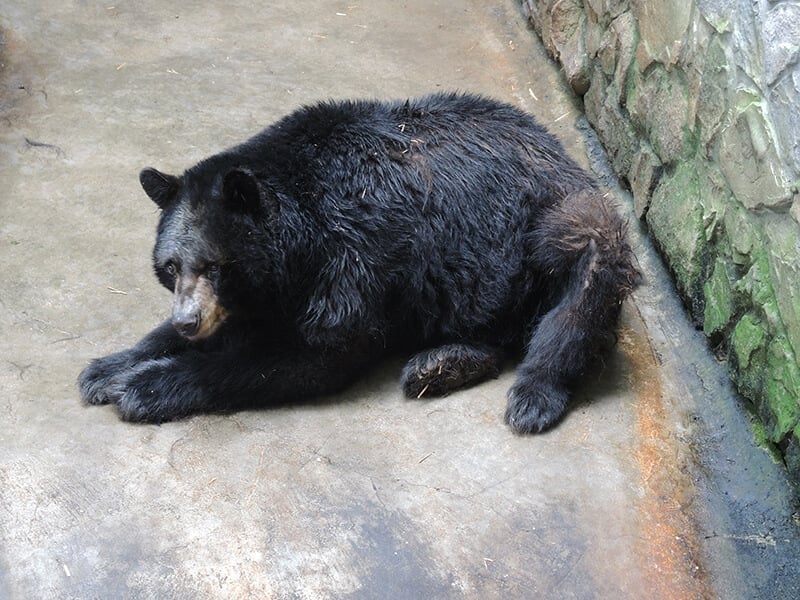
Cherokee Bear Zoo and Santa’s Land—two roadside zoos located on tribal land in western North Carolina—keep bears and other animals in grossly inhumane conditions. As if they were stuck in the 1950s, these facilities display often neurotic bears in desolate concrete pits or cramped cages.
Clark’s Trading Post
Lincoln, New Hampshire
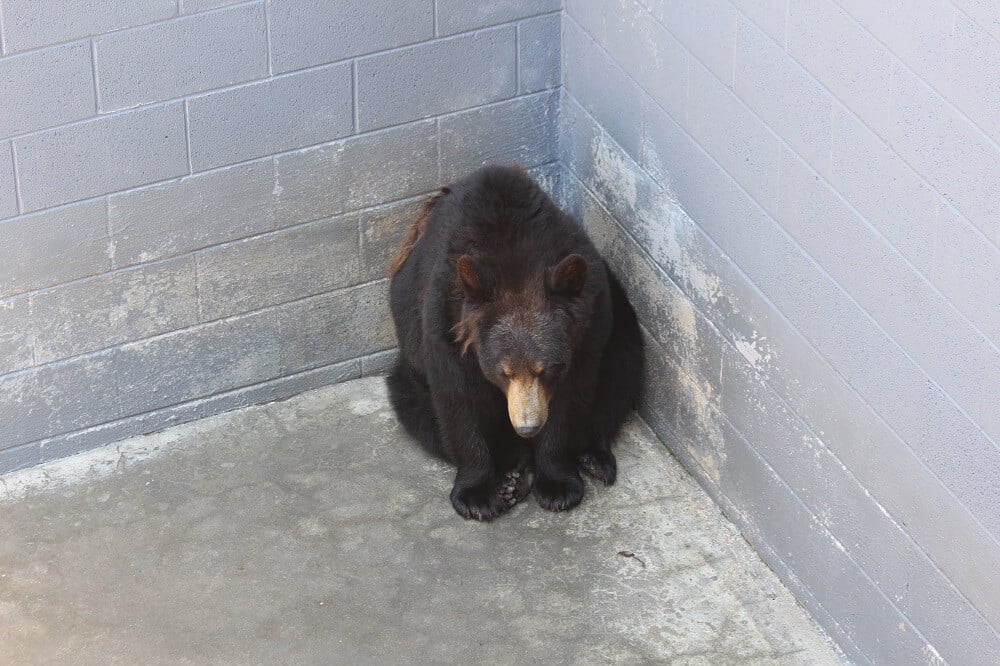
Clark’s Trading Post confines North American black bears to grossly small and bleak concrete pits. The facility workers force them to ride scooters, be pushed on a swing, and eat ice cream from a spoon.
Hochatown Petting Zoo
Broken Bow, Oklahoma
It doesn’t take more than a minute at Hochatown to realize there is nothing related to education or conservation happening at this decrepit facility. In a single USDA inspection, this site racked up dozens of federal animal welfare citations for not meeting the bare-minimum standards they are expected to keep. Feds have repeatedly cited the facility for not supervising public interactions with animals. Inspectors have uncovered many animals with untreated injuries. One deer appeared to have a broken jaw that had never received veterinary attention, despite staff and the public interacting with the deer daily.
Hovatter’s Wildlife Zoo
Kingwood, West Virginia
Hovatter’s allowed an alpaca’s teeth to become so overgrown that the animal had difficulty eating. It also failed to provide young lion cubs with acceptable nutrition. The feds cited the roadside zoo for failing to provide chimpanzees with enough enrichment after PETA filed a complaint. Our complaint presented evidence that the chimpanzees had experienced hair loss—possibly because of over-grooming caused by a lack of stimulation—and that one chimpanzee repeatedly sucked on his hand for over 30 minutes.
Natural Bridge Zoo and Virginia Safari Park
Natural Bridge, Virginia
In 2023, Virginia authorities executed a search warrant at Natural Bridge Zoo and seized dozens of animals. A jury found that 71 animals had been cruelly treated or denied adequate care, and prosecutors stated that a criminal investigation is ongoing. The roadside zoo has been cited for over 150 violations of the AWA, including for denying dozens of animals adequate veterinary care, withholding food from bears, confining animals to mud-filled enclosures, and using cubs who were too young to be handled and others who were too big and strong for photo ops. The U.S. Department of Agriculture USDA has ordered Natural Bridge Zoo to pay more than $20,000 in federal animal welfare penalties and suspended its license on two separate occasions, and the Virginia Department of Game and Inland Fisheries has also suspended its permit because of unsanitary and inhumane conditions.
Nearby, at the Virginia Safari Park, animals are subjected to a pattern of mistreatment. In 2018, CEO Eric Mogensen was assessed a $99,999 civil penalty to settle an administrative lawsuit brought under the AWA alleging that animals at Virginia Safari Park and Mogensen’s other facilities were denied veterinary care for diseases and injuries, including a spider monkey named Jethro who was allowed to languish for nearly two weeks in subfreezing temperatures without care from a veterinarian, despite having arrived at the park suffering from severe frostbite. The lawsuit also alleged that Mogensen had falsified records to cover up the intentional drowning of a wallaby by his daughter, who was convicted of cruelty to animals for the crime.
Oswald’s Bear Ranch
Newberry, Michigan
At Oswald’s Bear Ranch, workers encourage the public to handle bear cubs and pose with the animals for photo ops. Both of these experiences are known to cause long-term psychological and physical issues for bears. Breeders tear cubs away from their mothers and ship them to Oswald’s. Observers have seen cubs pacing and crying out—signs of severe distress.
Bears at the facility have died after being trapped in a collapsed den, following a drug overdose, and from other undisclosed causes. Workers have also slaughtered at least six bears at Oswald’s and told a state inspector that “mean” bears should be “harvested” and “made into jerky.”
The Preserve
Fredericksburg, Texas
The Preserve is the elaborate rebranding of Have Trunk Will Travel (HTWT), an “entertainment” company that rented out elephants for movies, photo shoots, elephant rides, parades, and cheesy reality television shows. HTWT is on record endorsing the use of painful electrical shock devices called “hot shots” to discipline and control elephants. And HTWT trainers were caught on video beating endangered elephants, including a baby, with bullhooks and shocking them with electric prods.
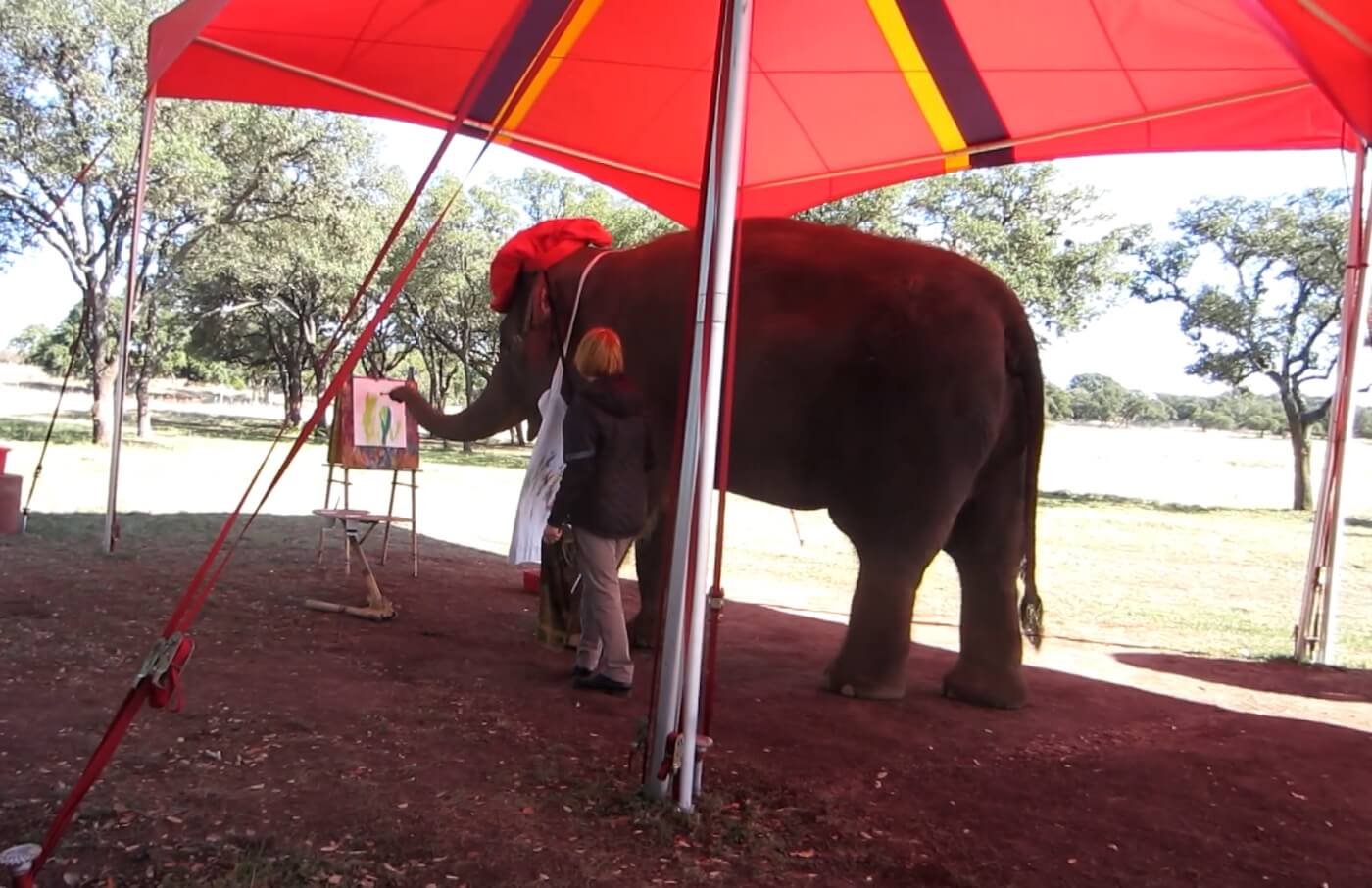
Not a lot has changed for the elephants under the exhibitor’s new name. Trainers still carry intimidating weapons to force the animals to participate in photo ops and gimmicky “tricks.” They make some of the animals play a harmonica, kick a soccer ball, and paint with their trunks. No true preserve would ever force animals to perform for visitors.
Pymatuning Deer Park
Jamestown, Pennsylvania
The feds hit this notorious roadside zoo with an official warning for more than a dozen animal welfare violations. One of those violations was for confining visibly sick bears to concrete pits, with no opportunities to swim, climb, dig, den, or engage in other types of natural behavior. Other violations included repeatedly failing to clean up animals’ waste, failing to maintain a current veterinary program, and failing to have a sufficient number of adequately trained employees, among many other issues.
The Reptile Zoo
Fountain Valley, California
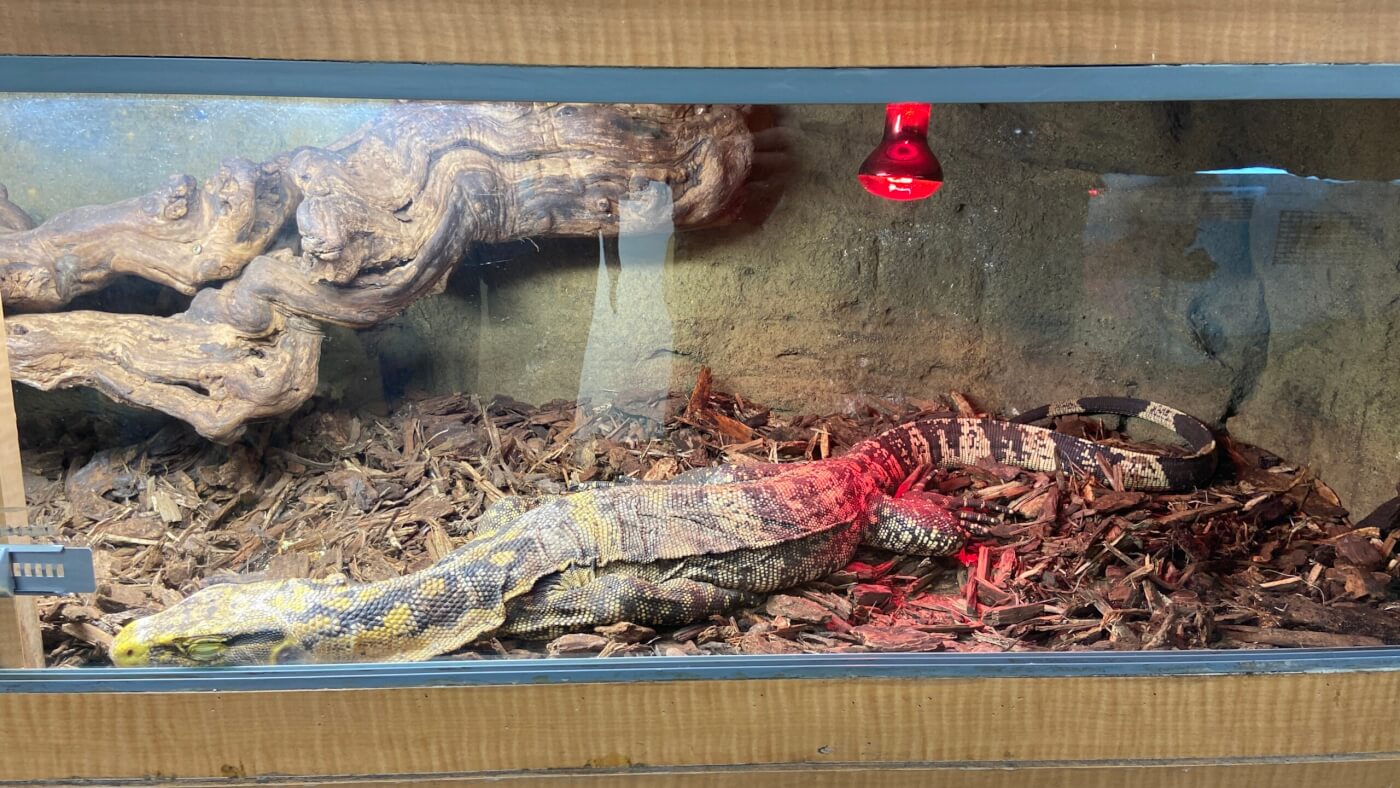
The Reptile Zoo was originally called “Jay’s Prehistoric Pets,” selling “exotic” reptiles. The facility now also charges admission, and the public can interact with dozens of exploited reptiles, who would naturally shun human contact. The site confines many large reptiles to grossly lacking and cramped conditions. Brewer also exploits snakes, lizards, turtles, alligators, and other reptiles for likes and views on social media. In most of his videos, the animals he handles are actively lashing out at him because they don’t want to be handled and feel threatened.
Shalom Wildlife Zoo
West Bend, Wisconsin
The USDA cited his roadside zoo for letting two tiger cubs drown in a pond during a snowstorm. The cubs were only a few months old. Even after this horrific incident, the facility was cited for a porcupine enclosure that “lacked appropriate shelter in case of inclement weather.” This facility continues to breed big cats under an exemption to the Big Cat Public Safety Act. None of these babies will contribute to the conservation of their species.
Suncoast Primate Sanctuary
Palm Harbor, Florida
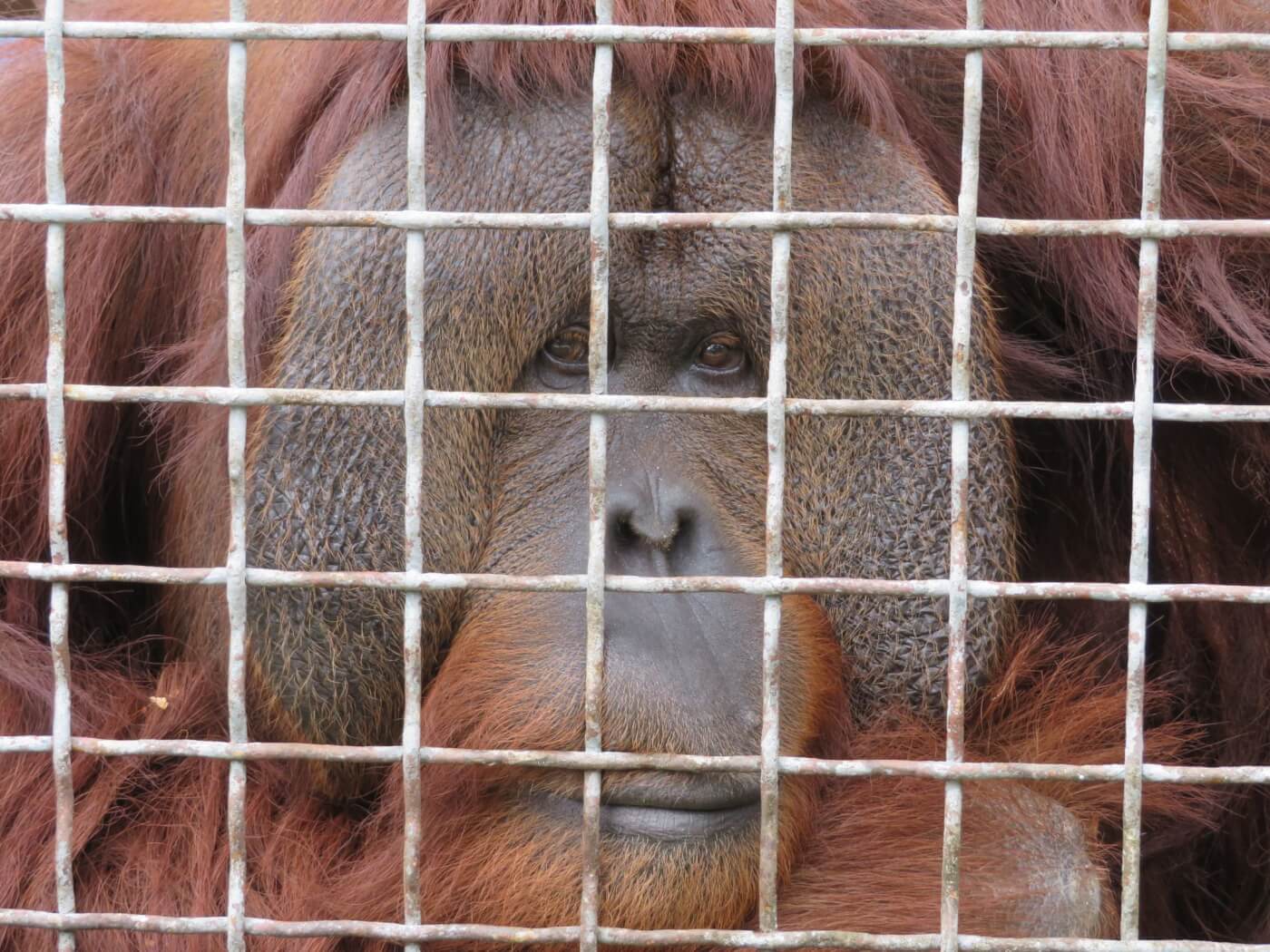
PETA has campaigned against this decrepit hellhole for years—dating back to when it went by Noell’s Ark and then Mae Noell’s Chimp Farm. This facility is NOT a “sanctuary.” It’s a roadside menagerie with a long history of animal welfare violations. Although license revocations are extremely rare, the USDA has yanked the facility’s exhibitor’s license. The same roadside zoo, operated by the granddaughter of the original owners, opened a few years later under a misleading name. The owners of the facility keep primates in rusty, dilapidated cages with jagged edges.
Three Bears General Store and Parrot Mountain
Pigeon Forge, Tennessee
Three Bears General Store has a lengthy history of animal welfare violations, including failing to provide animals with suitable veterinary care and clean drinking water. The USDA has repeatedly cited Three Bears for not allowing the bears to enter their dens during the day to escape public view or take shelter from inclement weather. The owners confine two black bears to a depressing concrete pit, where they have nothing to do but pace back and forth and beg tourists for food. The two bears reportedly can’t live together, so they each only have access to the deplorable outdoor pit by themselves for short periods each day and are otherwise confined to small spaces indoors.
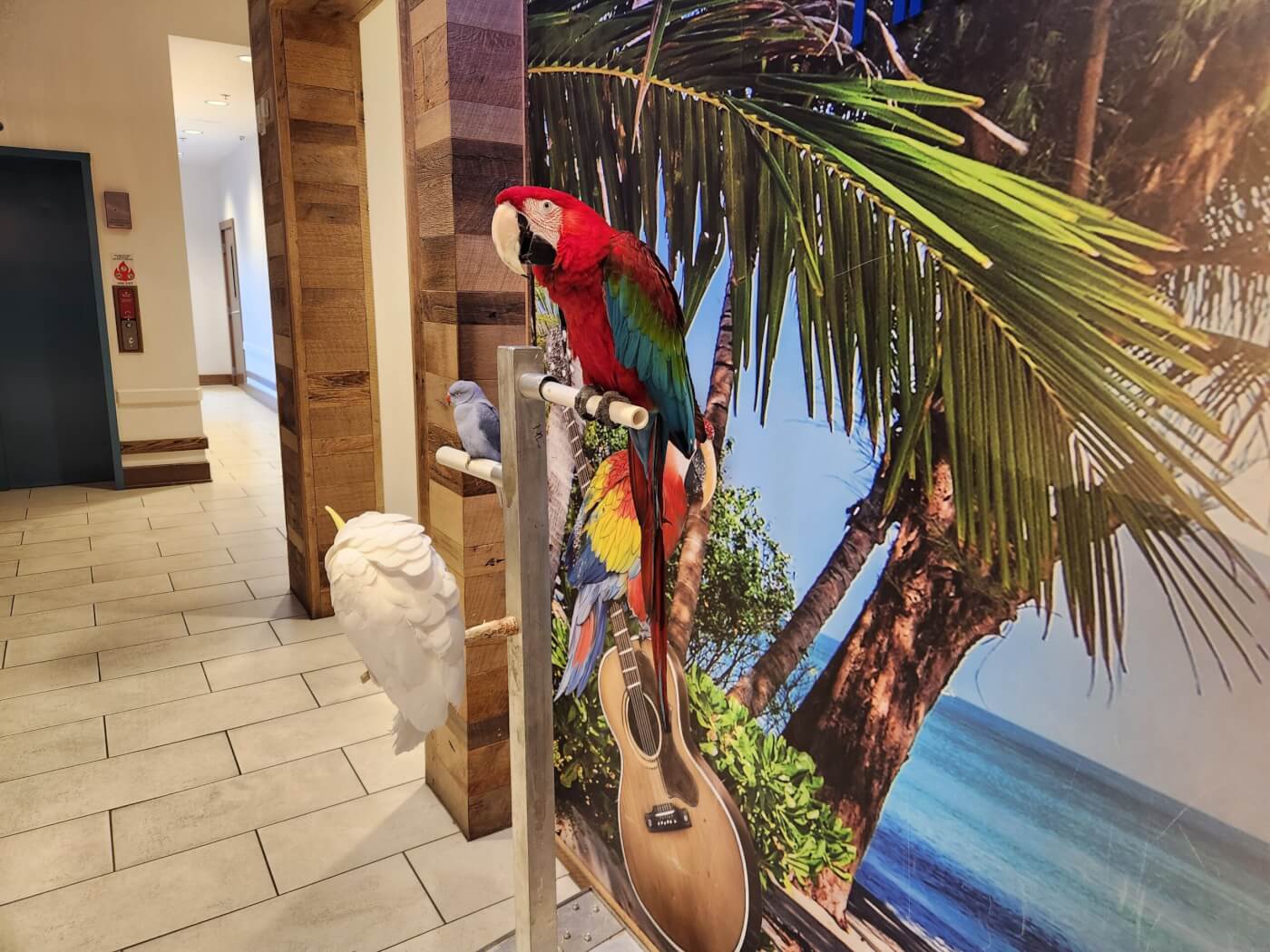
Also in Pigeon Forge, another roadside zoo called Parrot Mountain confines highly social, complex, and intelligent birds to cramped, miserable cages or clips their wings to prevent flight and keeps them on small, solitary perches. Multiple hotels in the area also exploit birds supplied by Parrot Mountain. At Margaritaville Island Hotel, Margaritaville Island Inn, and Courtyard Pigeon Forge, parrots are forced to endure large, noisy crowds common to hotels, which can cause them extreme stress. Some are used for reckless, dangerous, and cruel photo ops.
Tregembo Animal Park
Wilmington, North Carolina
PETA has been monitoring this roadside zoo—one of the worst in the country—for over 20 years. Visitors have documented the awful living conditions for animals, including algae-filled water receptacles and cramped, filthy cages, and have even found bodies of dead and decaying animals on the property.
An eyewitness documented that the owners keep animals—in apparent need of veterinary attention—inside small cages. Video footage shows a limping guenon monkey, a fox and a donkey with hair loss, and a bobcat who appeared to have difficulty navigating up a structure. Many animals at this facility exhibit neurotic repetitive behavior patterns.
In 2017, after two North Carolina residents filed a lawsuit against Tregembo alleging that the roadside zoo’s treatment of the bears Ben and Booger violates the state’s anti-cruelty statute, officials moved both bears to a reputable animal sanctuary.
Interactive Aquariums
Multiple Locations
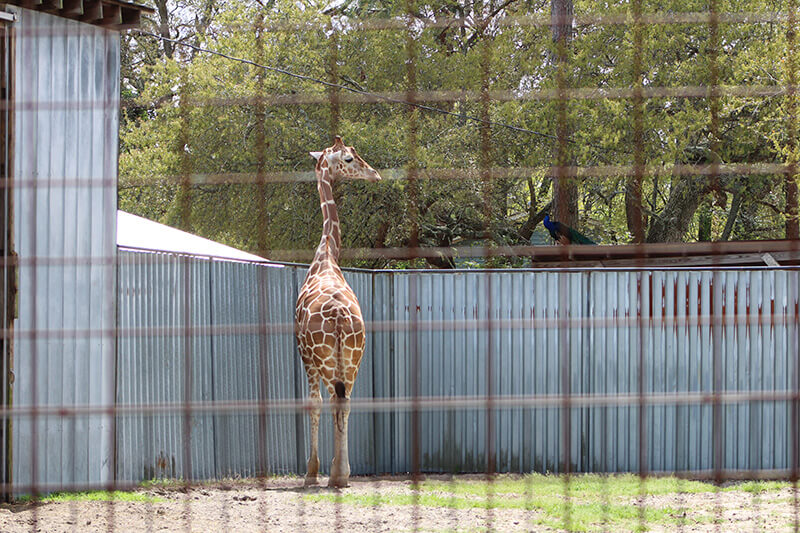
Nationwide, interactive aquariums and petting zoos have popped up inside shopping malls. These facilities have amassed dozens of reports of animal neglect, animal deaths, legal violations, and injuries to the public. These places imprison animals indoors, confining them to cramped and crowded enclosures. Visitors poke and prod the animals there most of the day. Here are the main seedy “interactive” aquariums still in operation:
- Houston Interactive Aquarium & Animal Preserve (Houston, TX)
- Austin Aquarium (Austin, TX)
- San Antonio Aquarium (San Antonio, TX)
- Jungle Reef Touch Aquarium (El Paso, TX)
- Blue Zoo Aquariums:
- Spokane, WA
- Oklahoma City, OK
- Baton Rouge, LA
- Rogers, AR
- Des Moines, IA
- Former SeaQuest Aquariums:
- One World Interactive Aquarium (Las Vegas, NV)
- Layton Aquarium & Wildlife Encounters (Layton, UT)
- NorCal Aquarium & Wildlife Adventures (Folsom, CA)
- Woodbridge Aquarium & Wildlife Center (Woodbridge, NJ)
- Hill City AquaZoo (Lynchburg, VA)
Delightful Destinations
You won’t be taking home anything but souvenirs and great memories from these stops!
- Established in 1963, the John Pennekamp Coral Reef State Park was the first undersea park created in the United States. The park, combined with the adjacent Florida Keys National Marine Sanctuary, encompasses 178 nautical square miles of coral reefs, seagrass beds, and mangrove swamps. Park workers established these areas to protect and preserve the only living coral reef in the continental United States. You can swim with the animals—in their home, on their terms.
- Another stop in the Keys could be The Turtle Hospital, which rescues and rehabilitates turtles in trouble and releases all those it responsibly can back into nature.
- Nashville Shores’ Treetop Adventure Park is a thrilling obstacle course with suspended bridges, scramble nets, swinging logs, Tarzan jumps, and more, all set in the woods. There is also a water park, camping facilities, and a dog park.
- The Adventuredome is one of America’s largest indoor theme parks. It features thrill rides, traditional carnival rides, laser tag, miniature golf, bumper cars, midway booths, an arcade, clown shows, and more—all located under a huge glass dome. Only in Las Vegas!
- Magic Springs Theme and Water Park in Hot Springs, Arkansas, has top concert acts and tons of rides in addition to its water park.
For more places that don’t exploit animals, check the Global Federation of Animal Sanctuaries (GFAS) list. GFAS has rigorous standards of sanctuary management and animal care. GFAS-accredited sanctuaries never breed animals or use them in commercial activities. These refuges provide animals with excellent lifelong care. Some of the member sanctuaries provide educational tours, but not all do, so if you’re interested in visiting one with tours, please check before you go.
Text VEG to 73822 to get the latest vegan lifestyle tips, recipes, and urgent action alerts texted right to your phone.
Terms for automated texts/calls from PETA: https://peta.vg/txt. Text STOP to end, HELP for more info. Msg/data rates may apply. U.S. only.


Humans confined Ivan the Gorilla to a shopping center prison for nearly three decades. Learn how he finally got out—and how you can help others like him.

Bush track bust! Federal agents just raided a cruel, underground horse racing operation in Idaho.
What happened to the dog in ‘Good Boy’? PETA got the exclusive scoop on the buzz-worthy new horror flick that’s making headlines for its four-legged lead.

Iditarod mushers like Rick Swenson, Libby Riddles, and Susan Butcher ran dogs to death. Now they’re being put in the race’s Hall of Shame.