instinct和intuition表达“直觉”的意思时有什么区别?
2 个回答

Intuition is applied more to humans. It means some instinctive knowledge or belief that we feel without having to have immediate proof of it - we don't have to see it. I emphasize that this applies to more rational thought.
e.g.
1. "My intuition tells me that the stock market is due for a fall."
2. "Her intuition told her that he was lying."
Instinct is used for some biological feeling, both in animals and humans. It is usually considered more basic than intuition.
Fear is an instinctive response. We feel it physically as well as mentally.
I can say that geese have an instinct to migrate with the seasons. I would not use 'intuition' to describe that.
e.g.
1. "His intuition told him that the tiger was in the area, close to him."
2. "Cats have an instinct to defend their hunting territory."
[via Intuition vs. Instinct, by Frank]


这两个名词都含有“直觉”的意思。
Instinct是指“本能,天性,直觉”,即自发产生的感觉,无需基于事实或理由,你就能知道某事,如:
1. I just had an instinct that he was not to be trusted.
我凭直觉认为他不值得信赖。
2. He seems so honest and genuine and my every instinct says he's not.
他看起来这么老实诚恳,但我的全部直觉告诉我他一点都不。
Intuition是指“直觉,敏锐的洞察力”,比instinct的“感觉”更进一步,即自发产生的想法或洞察力,无需证据你就能知到某事,如:
3. I had an intuition that all was not well in their relationship.
我有一种直觉, 他们的关系未必完全没有问题。
4. Her intuition was telling her that something was wrong.
她的直觉告诉她一定出了什么问题。
注: 当Instinct和intuition作“直觉”解时,基本同义,这两个词最大的区别在于instinct另有有“本能”的意思,intuition有“洞察力”的含义。
5. We get no help from our instinct or intuition. We can only rely on the empirical.
我们从本能和直觉中无法获得任何帮助,只能依靠经验。
更多的在“词不离句:英语常用词汇8000分级过关‘’(链接在“高效的词汇学习方法”的评论区里或百度一下“词不离句”)。
●不要试图去记那些用法,是记不住的;而是把例句记下来,这样用法也就记住了!通过听录音,复述,默写,就轻松地把句子记住啦!
在英语常用词汇里有哪些词汇是同义词,近义词及易混词呢?《词不离句:英语常用词汇8000分级过关》统计如下:
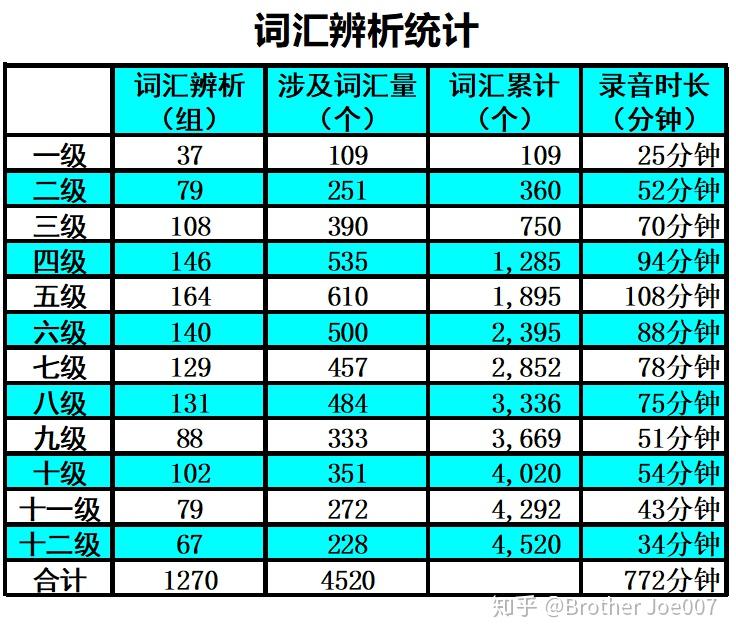
从上可见,在英语常用的词汇8000多个里,有过半的词汇是同义词,近义词及易混词,这是很多人没想到的,我们都得区分清楚它们的用法。
●●高效的词汇学习方法见这里(从人体器官功能的角度论述为什么听说写高效,并提供具体学习方法,真心想学英语的人绝不可错过,必读!):
1、
2、


