An unfortunate byproduct of the arguments over climate change has been the publication of some truly awful books. Think tank staff members, disgruntled scientists, and self-appointed experts have produced page after page of arguments we knew were wrong decades ago, framing them as earth-shattering revelations that will cause the entire scientific community to collapse. It wouldn’t be news if another one was produced.
But it was intriguing when I saw that a print ad was proudly trumpeting a “new” book that promised to explain “why there is ZERO evidence linking carbon dioxide to climate change.” The intrigue arose from the fact that the book’s author has been dead for over two years.
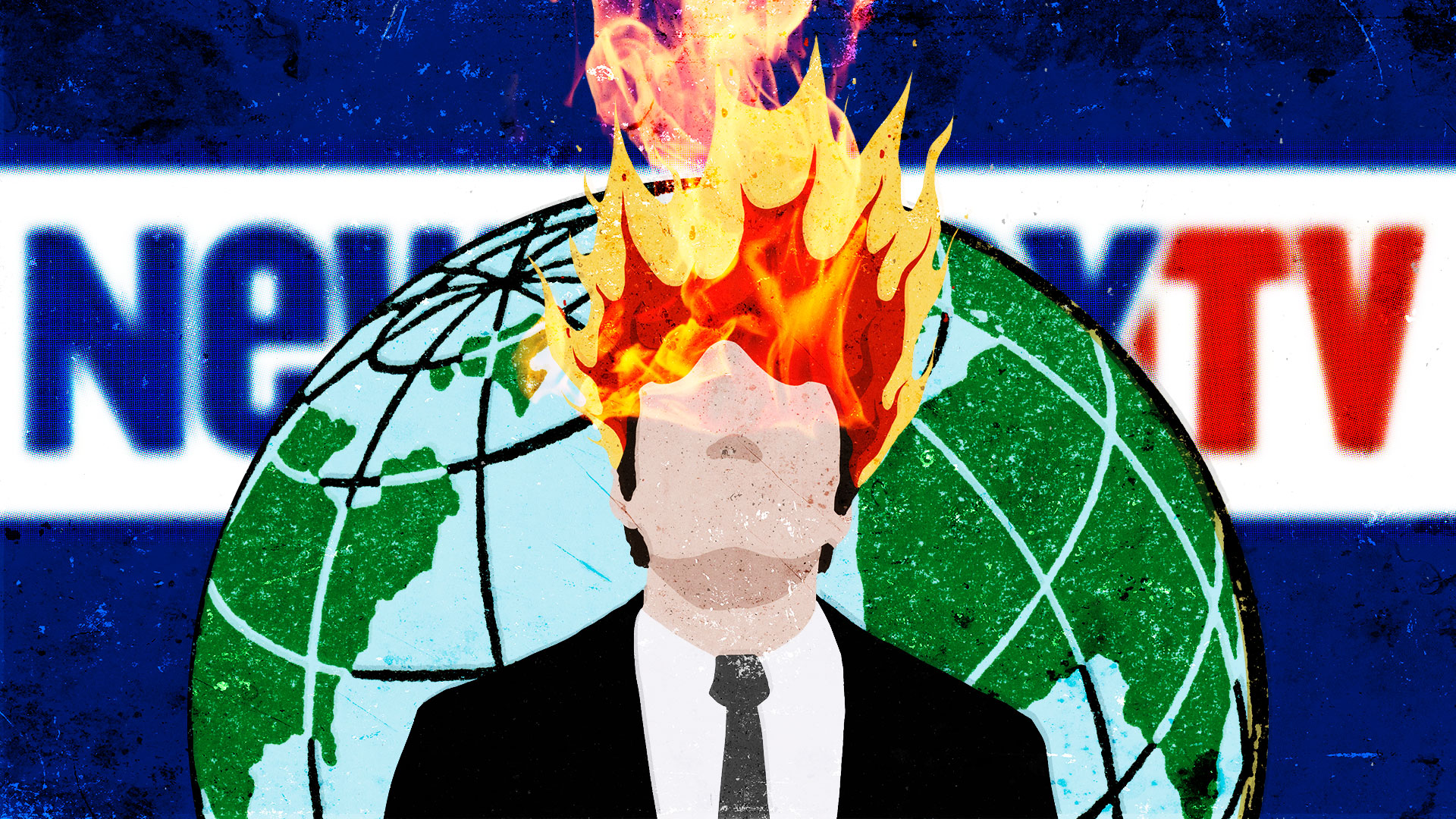
A quick search revealed that the supposedly new book was a not-quite-new edition of one originally published in 1997. Figuring out why it was being advertised now took me down a rabbit hole of domain registrations and paid newsletters that all led back to an unexpected source: Newsmax, best known for operating one of the Trumpier broadcasting outfits in the US.
Dead author, zombified ideas
The book in question is Hot Talk, Cold Science: Global Warming’s Unfinished Debate, and its author is Fred Singer. Singer was involved in the use of the US’s first weather satellites, but he’s most famous for being one of the merchants of doubt from the book of the same name. From secondhand smoke to climate change, Singer saw pretty much every environmental threat as being overhyped, all of them excuses for the government to throttle private enterprise with regulations.
Cold Science is pretty standard fare for the climate denialism industry. Its summary on Amazon claims there’s no sign of a crisis, the science is weak, and warming would actually do positive things were it to actually happen (but remember, it won’t).
When it was first published in 1997, there were some significant uncertainties regarding our understanding of the present warming trend. But by 2021, when the third edition was published, most of those doubts were gone. Any temporary trends in temperatures or ice level that enabled residual arguments had long since ended, and extensive studies had shrunk a lot of the remaining uncertainties considerably. The book didn’t need a slightly revised edition; it needed to be completely rewritten or simply discarded.


 Loading comments...

