


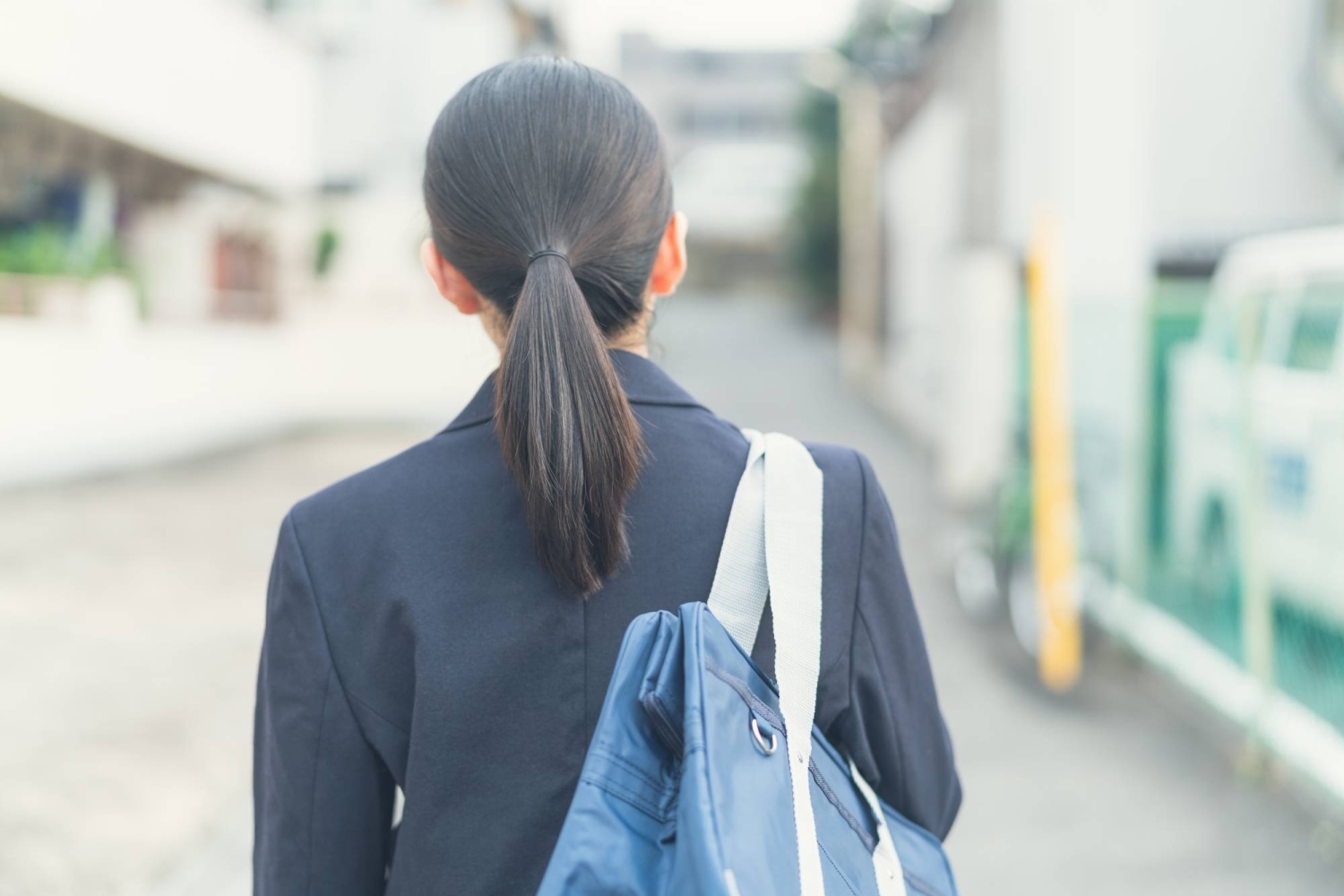

Nearly three-quarters of Japanese teenagers who struggle with school life say the start of a new term after summer break feels painful, according to a recent survey released by Yokohama-based nonprofit Daisan Kazoku.
The online poll was conducted from July 30 to Aug. 11 among 216 respondents between the ages of 10 and 18 who had previously described themselves as struggling with school life. When asked about the new semester, 73.1% described it as “painful.” Another 14.4% called it “boring,” and only 1.9% of respondents said they were actively looking forward to it.
The top reasons teens cited for feeling burdened at school included a fear of being judged by others (79.6%) and a stifling atmosphere (71.3%). A total of 45.4% said they had no friends and 44.0% said they couldn’t keep up with classes.
Free-response answers revealed students’ concerns, which ranged from bullying, loneliness and clashes with friends, to struggles with LGBTQ+ identity, sensory issues and pressure from parents and teachers. Some said they felt forced to “perform a character” at school, while others described physical symptoms such as shortness of breath, headaches or stomach pain linked to stress.
The health ministry’s 2024 suicide prevention white paper shows suicides among elementary, junior high and high school students peak on Sept. 1, the day after summer break ends. Alarmingly, 93.1% of respondents in the Daisan Kazoku survey said that around the end of summer vacation they had felt like they “wanted to disappear from the world.” The main reasons cited for wanting to “disappear” were “anxiety” (88.0%) and “schoolwork” (76.9%).
When asked who they turn to for support, 53.2% said people they met online and 26.4% said friends. But 42.6% said they had no one to talk to at all.
Daisan Kazoku is currently operating “gedokun,” an alternative online space where struggling teens can anonymously share their worries and connect with others.
Haruka Okumura, chair of the organization, said many young people hesitate to seek help in the “real” world due to a distrust of adults, a fear of stigma, or a reluctance to “betray” their parents.
“Even when support is available, some children cannot take the first step,” she said. “While the real world feels hard to navigate, the internet can provide a place to speak honestly. Yet those voices often fail to reach adults, leaving young people effectively silenced in their everyday lives.”
“We hope publishing this survey amplifies the voices that adults often don’t hear.”










With your current subscription plan you can comment on stories. However, before writing your first comment, please create a display name in the Profile section of your subscriber account page.